

Real technique guides for Scottish gardens: pruning and training, propagation, and soil and compost, written for our climate rather than adapted from a UK average. 332 articles and counting, filter by topic or search below.
Gardening Articles for Scotland
Worth a look
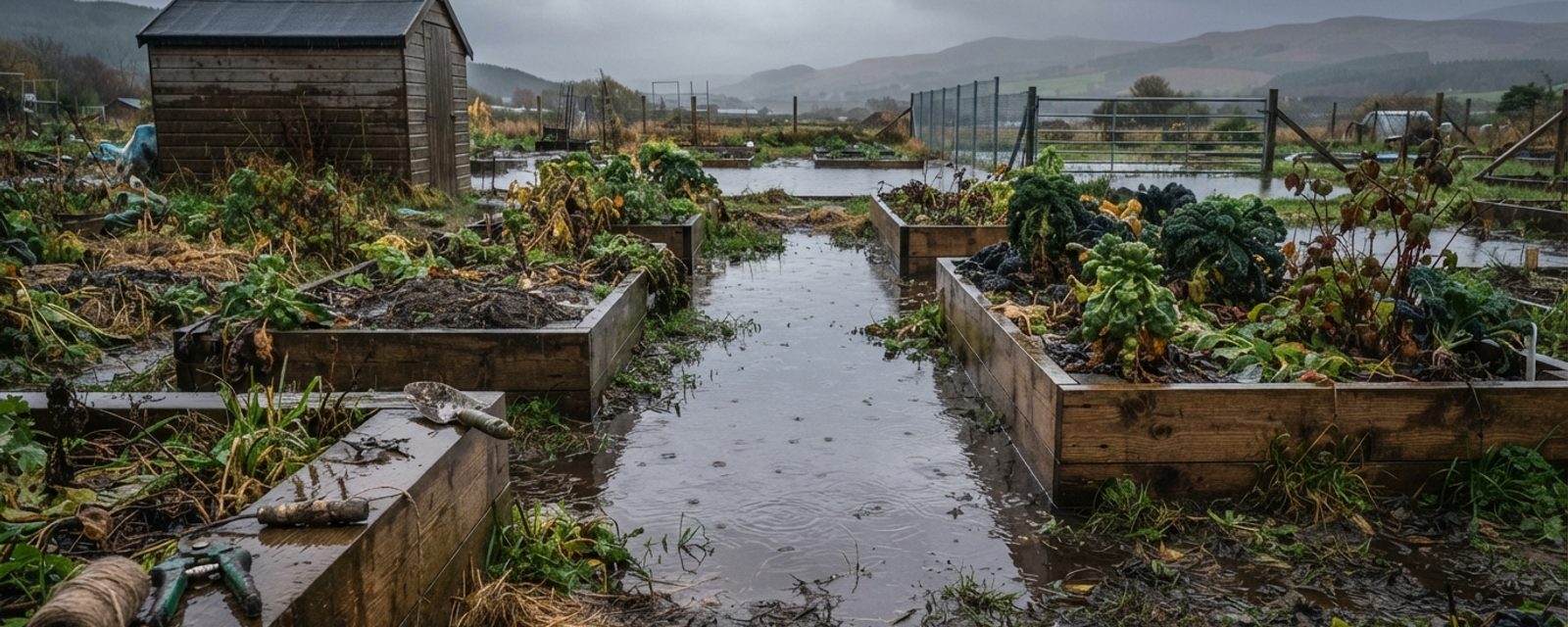
Allotments & policyFlooded-Plot DrainageA wet allotment corner needs a different answer depending on the cause. Diagnose it first, then the realistic hierarchy: raised paths, raised beds, and when a French drain is actually worth it.Read article
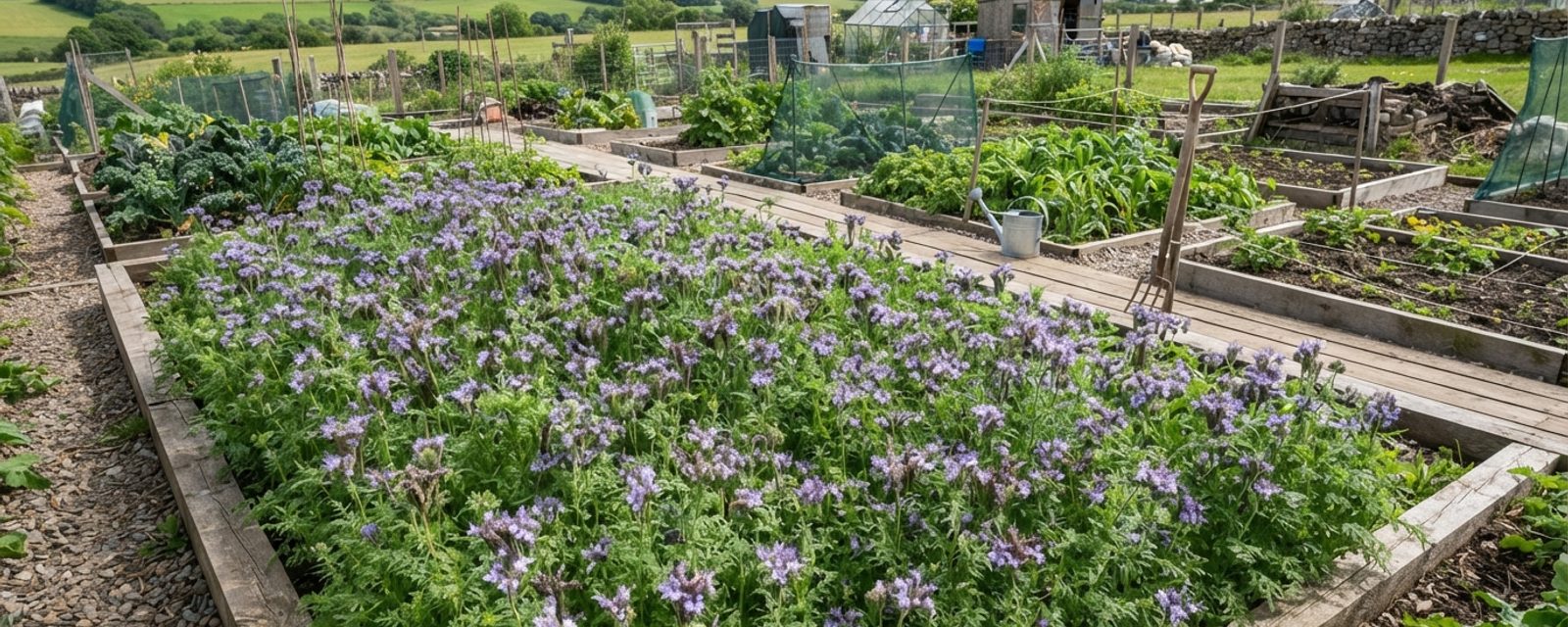
Soil & compostGreen Manures for a Short Scottish SeasonMustard and phacelia need six to nine reliably warm weeks Scotland doesn't always give them. Which green manures actually suit a short, late-starting season.Read article
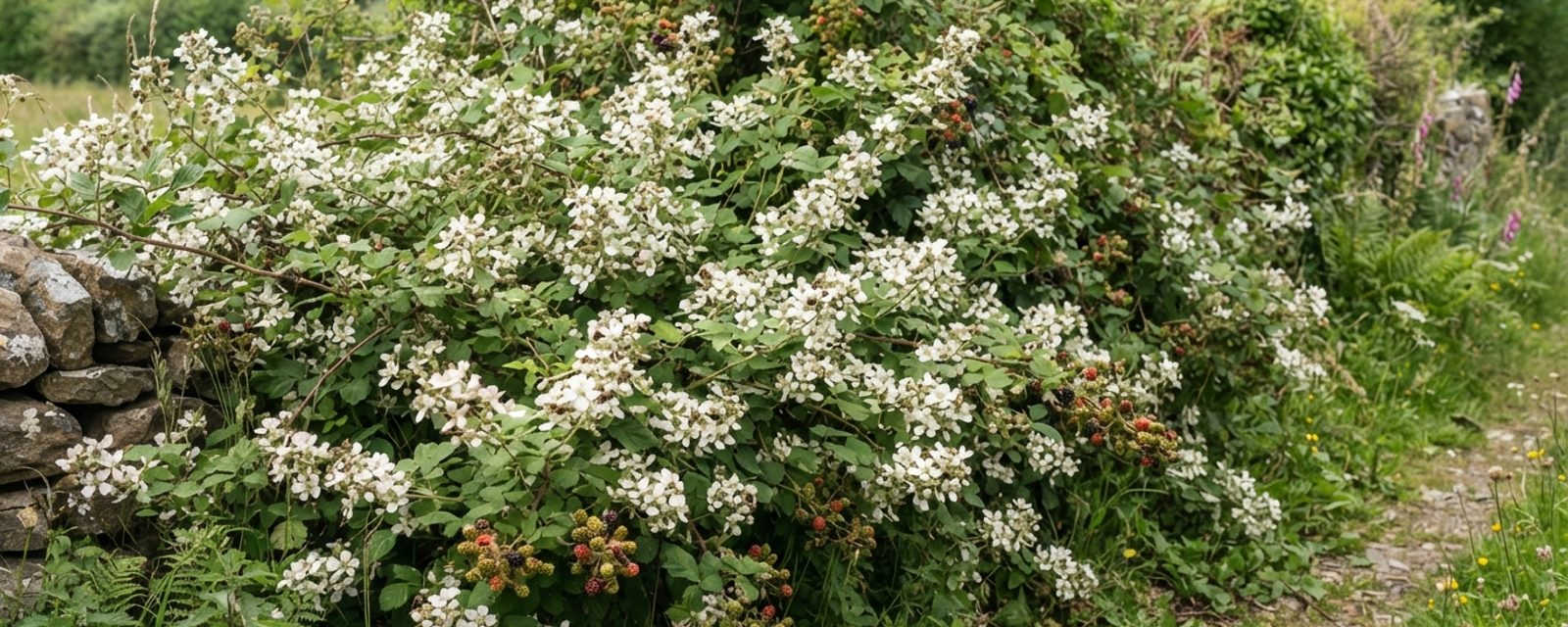
Reference & techniqueBramble Control Without Losing the Wildlife ValueBramble spreads by seed and by rooting at the cane tip, which is why it's both a real wildlife asset and a real border problem. Where to leave it, where to remove it, and the legal timing rule that applies either way.Read article
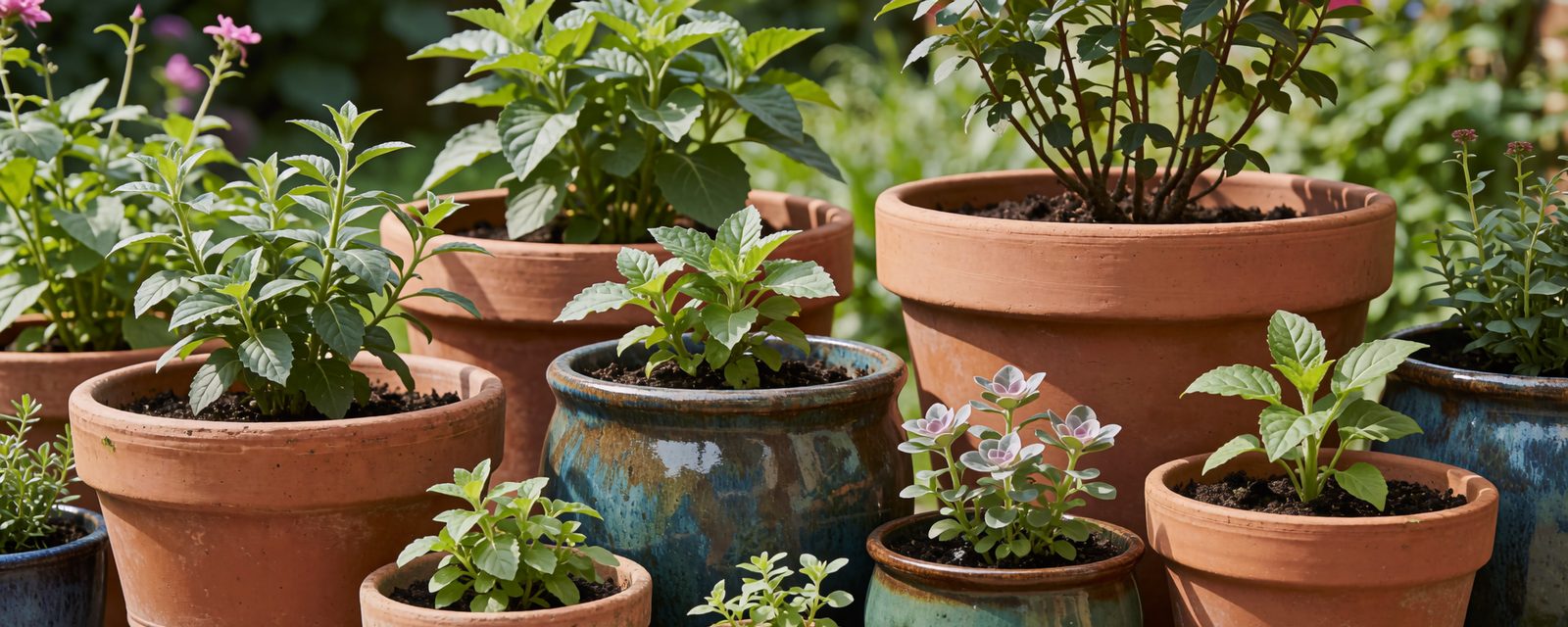 Plant Pot Materials ComparedPlastic, terracotta, glazed ceramic and biodegradable pots compared for watering, root health, weight and durability, and Scotland's real angle.
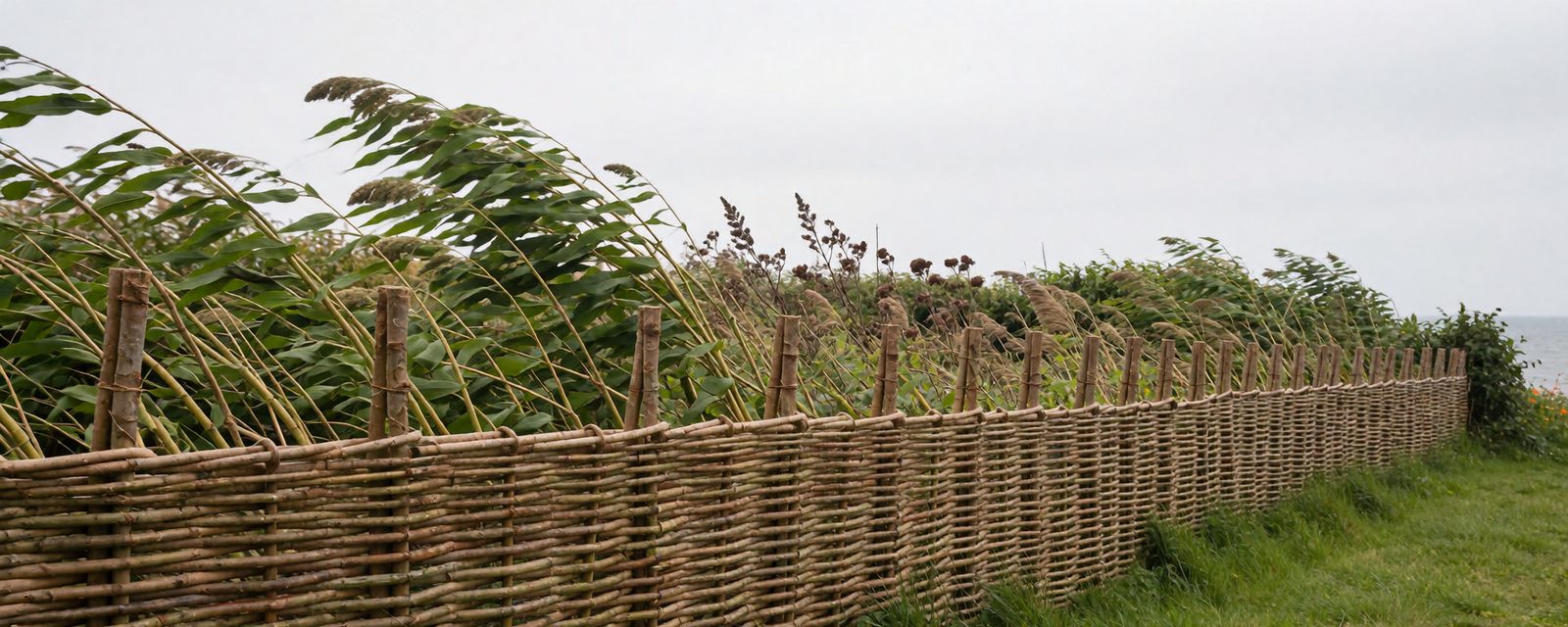 Fencing and Windbreak Materials ComparedTimber panels, hurdles, chestnut paling and windbreak mesh compared for cost, lifespan and how well each actually filters wind.
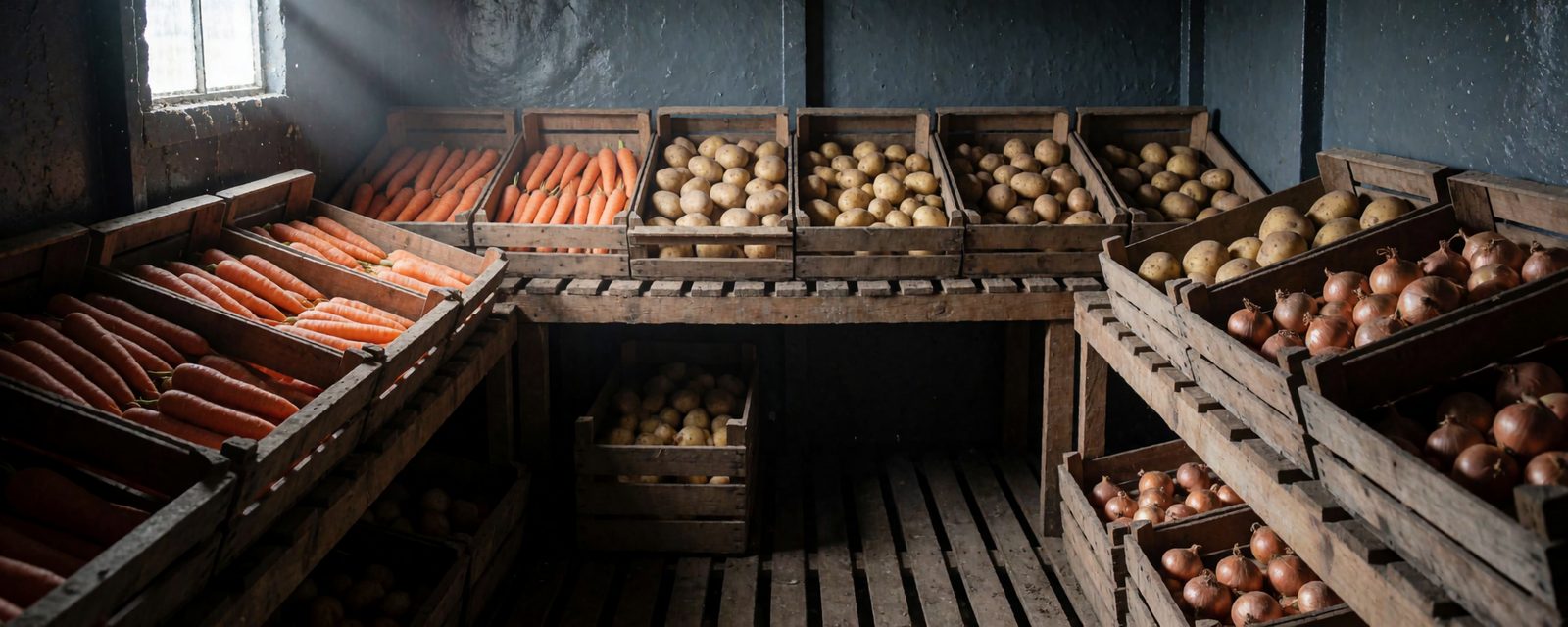 Root Cellars and Cool Storage Without a FridgeWhat actually makes a root cellar work, what counts as one in a Scottish home or allotment, and what goes wrong when the conditions aren't right.
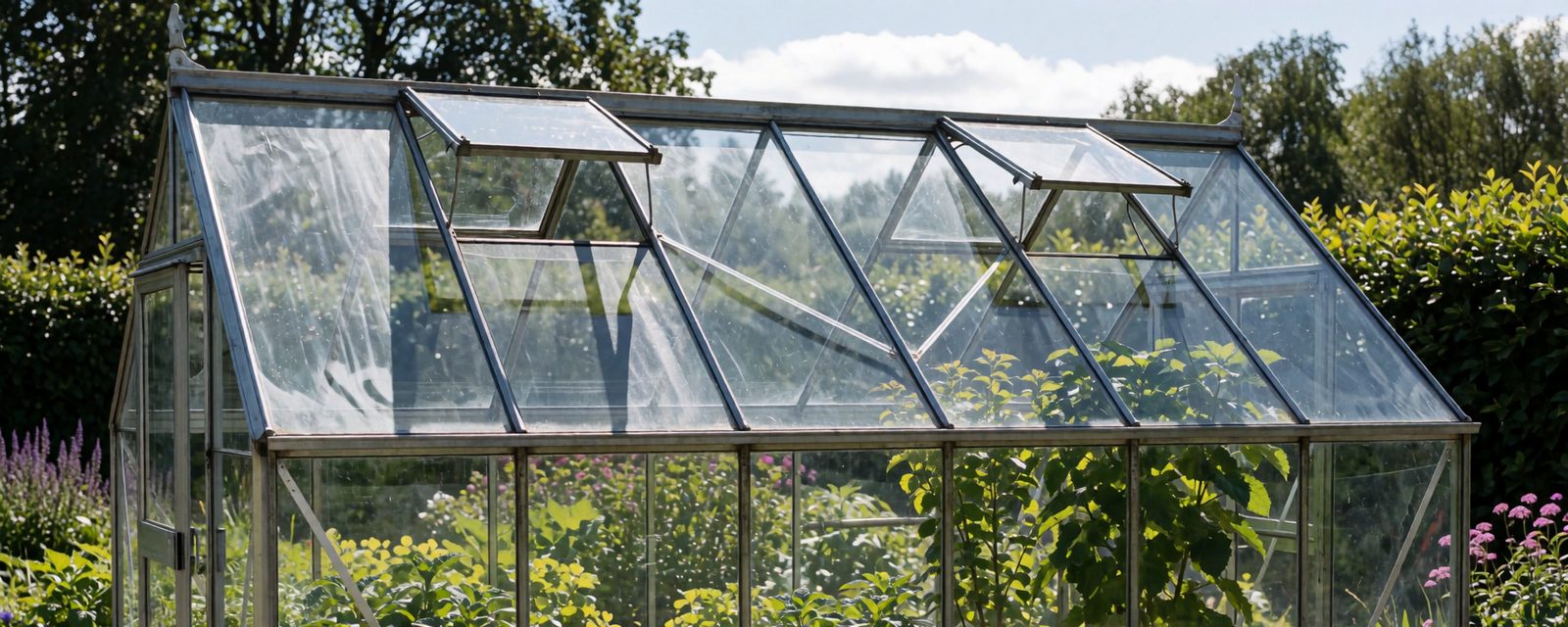 Greenhouse and Polytunnel Glazing Materials ComparedGlass, polycarbonate and polythene film compared for light, heat retention, durability and cost, plus which suits a windier Scottish site.
 Garden Path Materials for a Wet ClimateGravel, slabs, decking, bark and resin-bound aggregate compared for algae, slip risk, drainage and frost heave in a consistently damp climate.
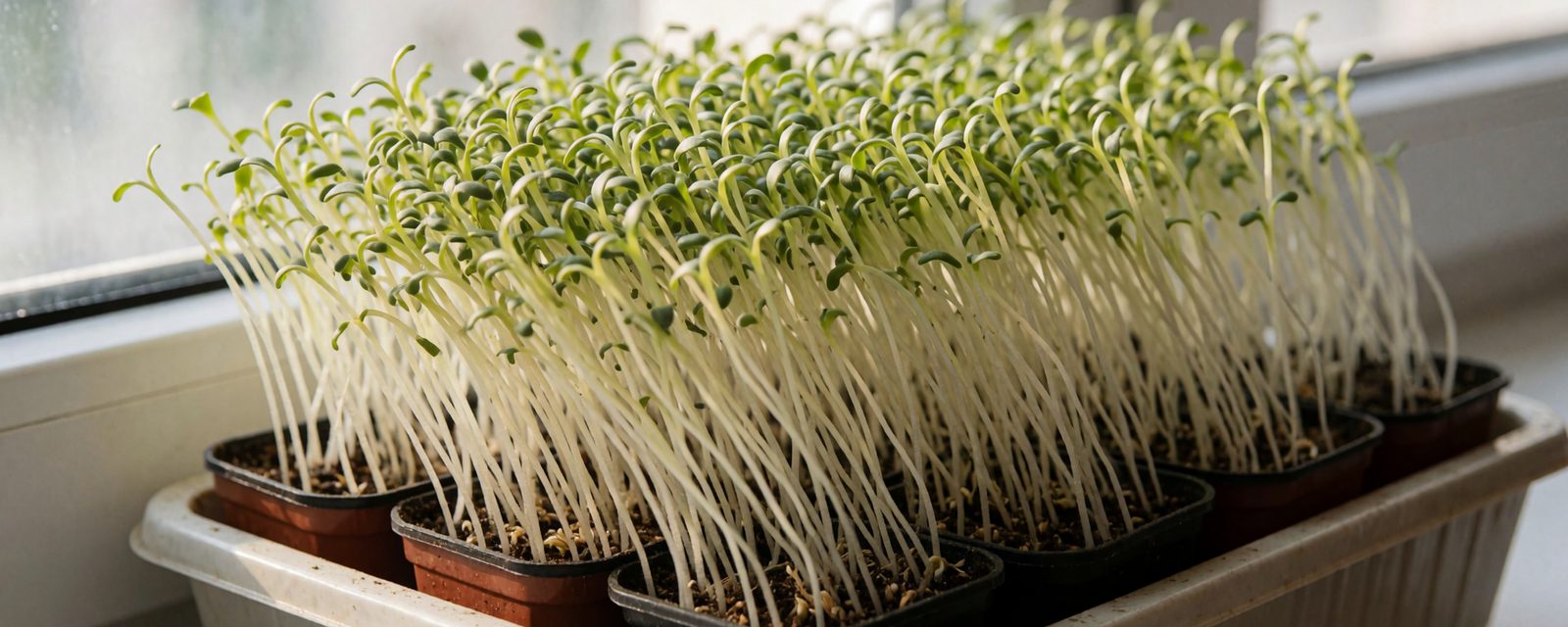 Leggy Seedlings: Why It Happens and How to Stop ItThin, pale, stretched stems leaning toward the window — the real light-physiology mechanism behind leggy seedlings, why it's worse in Scotland, and whether a leggy batch can be saved.
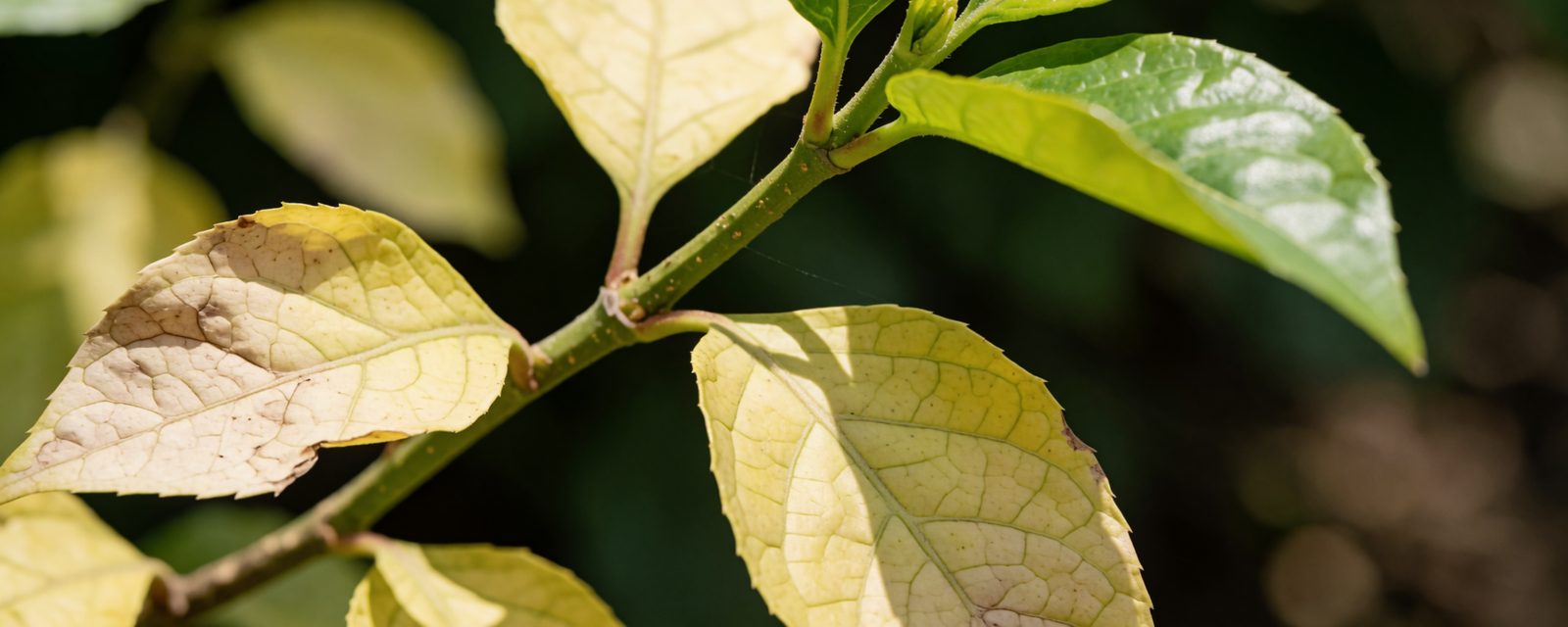 Identifying Plant Deficiencies (and Other Leaf Stress)Which leaves show the symptom first, old growth or new, is the real diagnostic clue. A symptom-matching guide to 10 nutrient deficiencies and 5 non-nutrient leaf stresses.
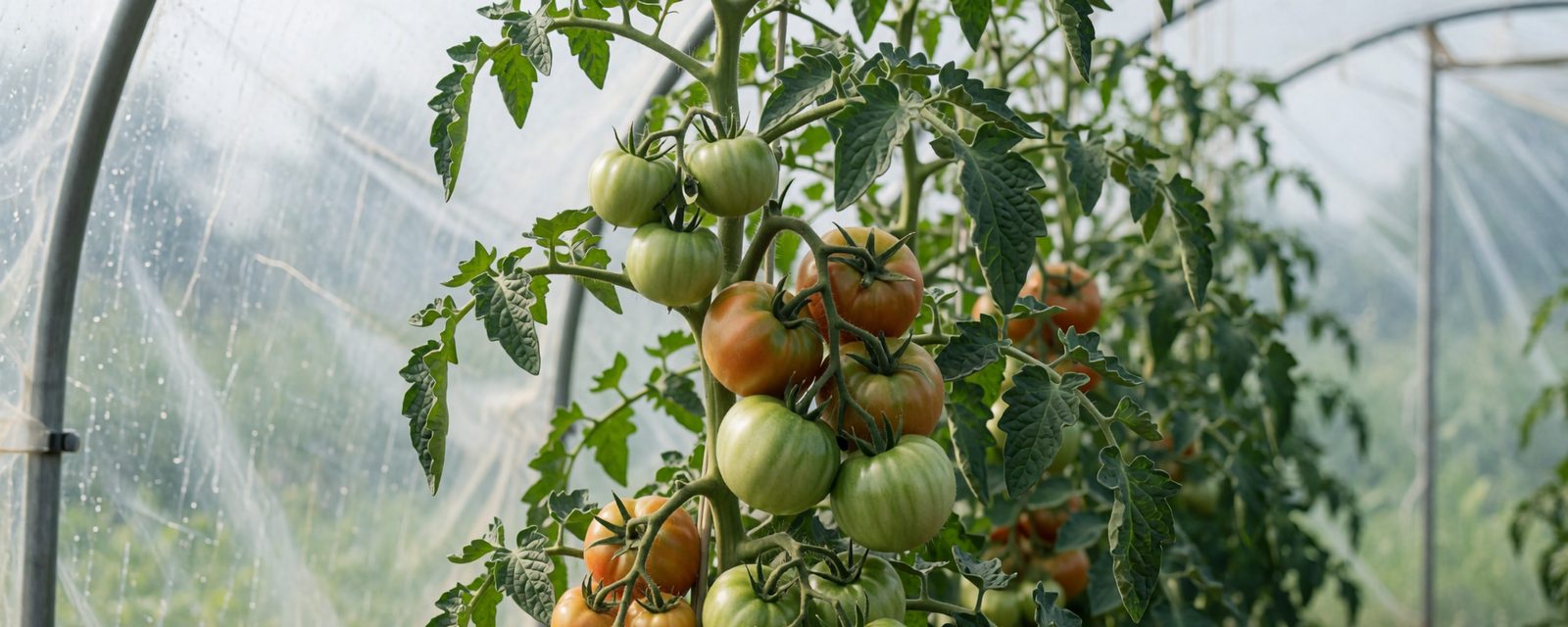 What Your Tomato Leaves Are Telling YouYellowing between the veins, curling brown edges, dark ring spots, a powdery white coating — six tomato leaf symptoms matched to their real causes, and what to do about each.
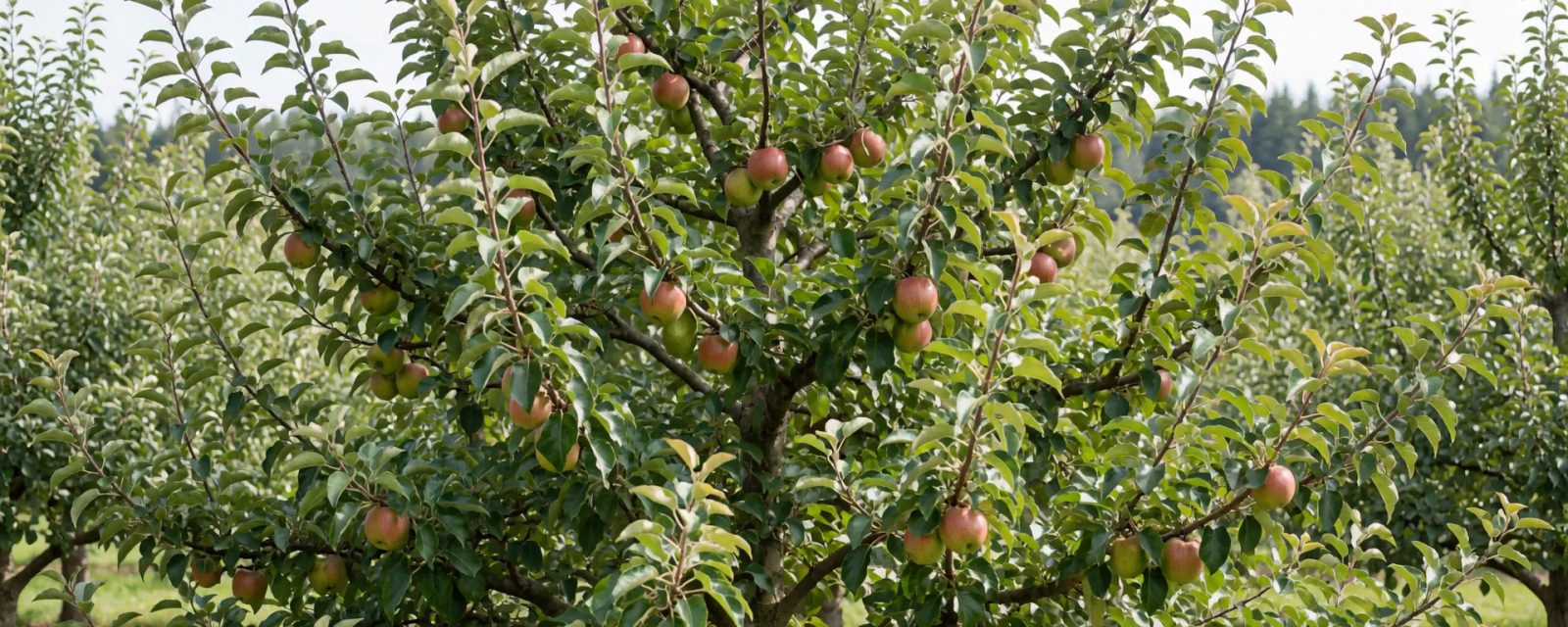 What Your Apple and Pear Leaves Are Telling YouDark scabby blotches, a white powdery film, or curled distorted new growth — three apple and pear leaf symptoms, what actually causes each one, and what to do first.
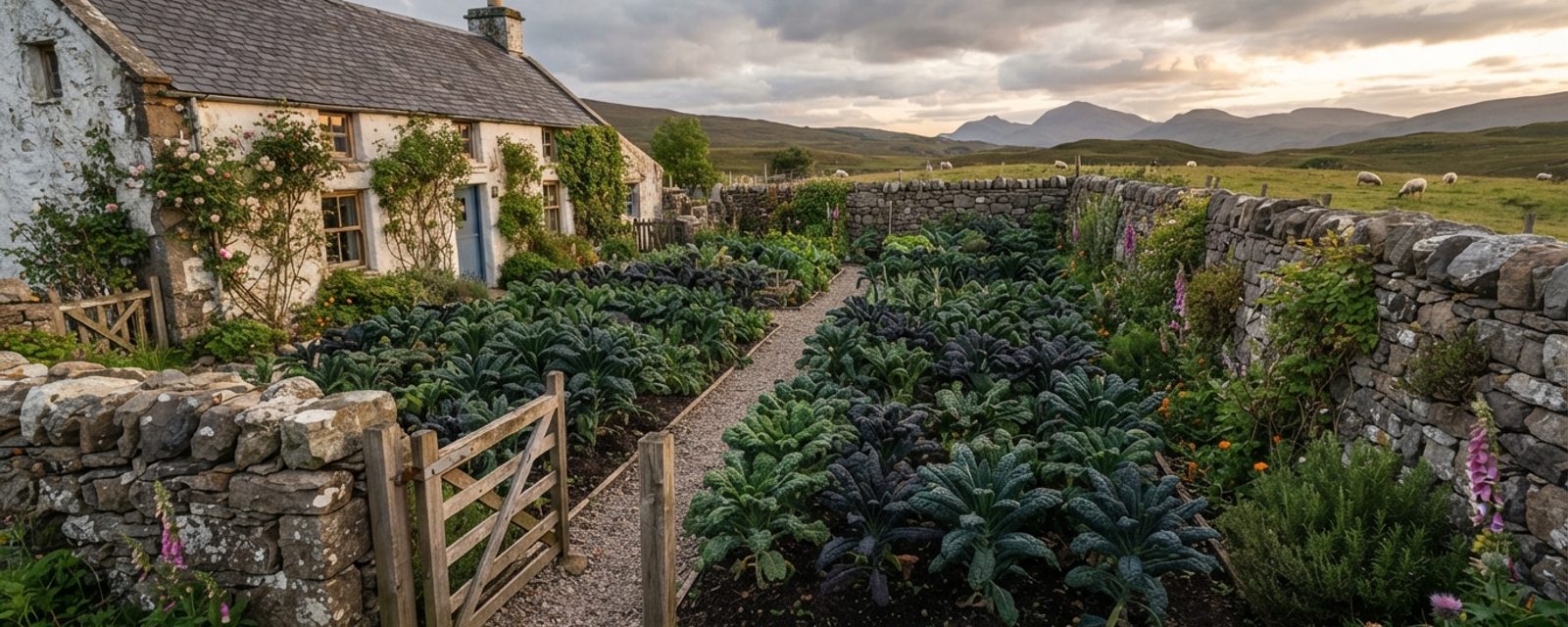 The Kailyard: Scotland's Older, Smaller Garden TraditionBefore allotments existed, most rural Scottish households had a kailyard: a small, walled vegetable plot that came with the tenancy. The documented history from 1586, why it declined, and Shetland's living variant.
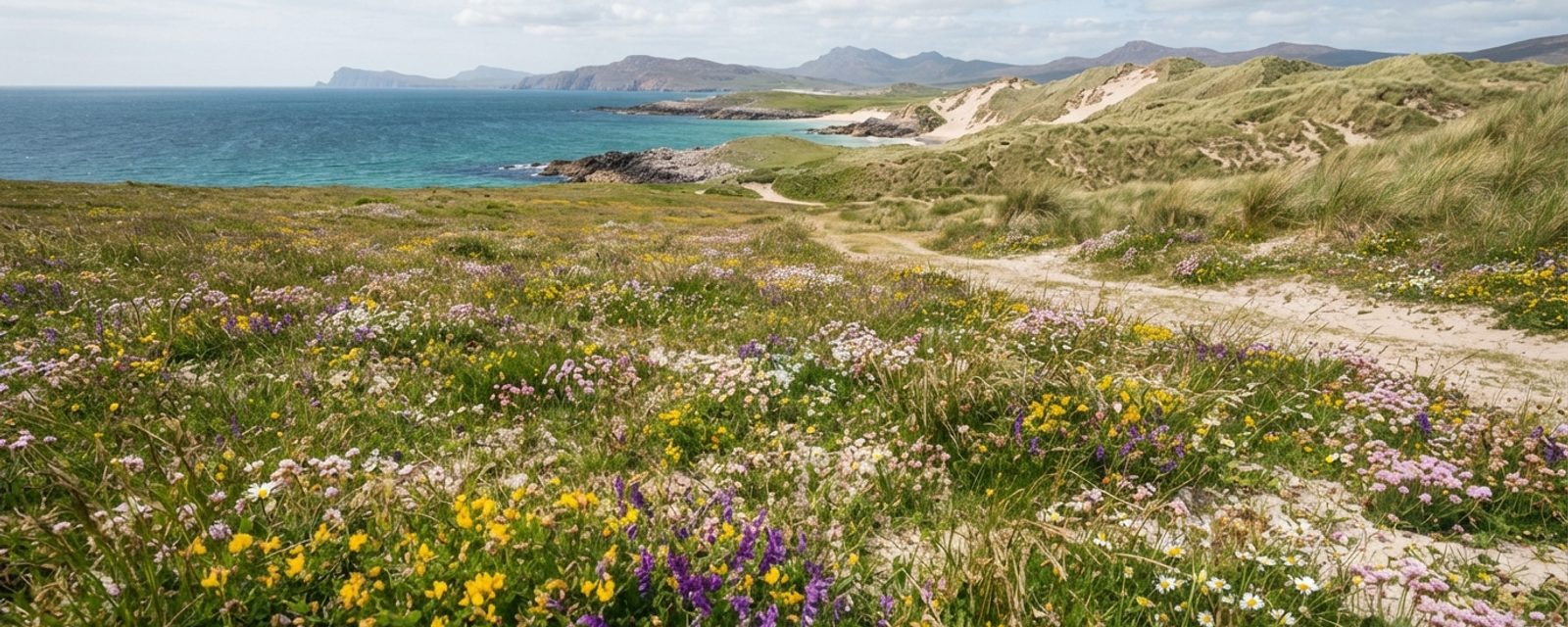 Growing on Machair: What Actually Works on Scotland's Shell-Sand GroundMachair is wind-blown shell sand, naturally alkaline rather than acidic, free-draining and wind-exposed. What actually grows there, why lazy-bed cultivation suits it, and how conservation rules interact with growing.
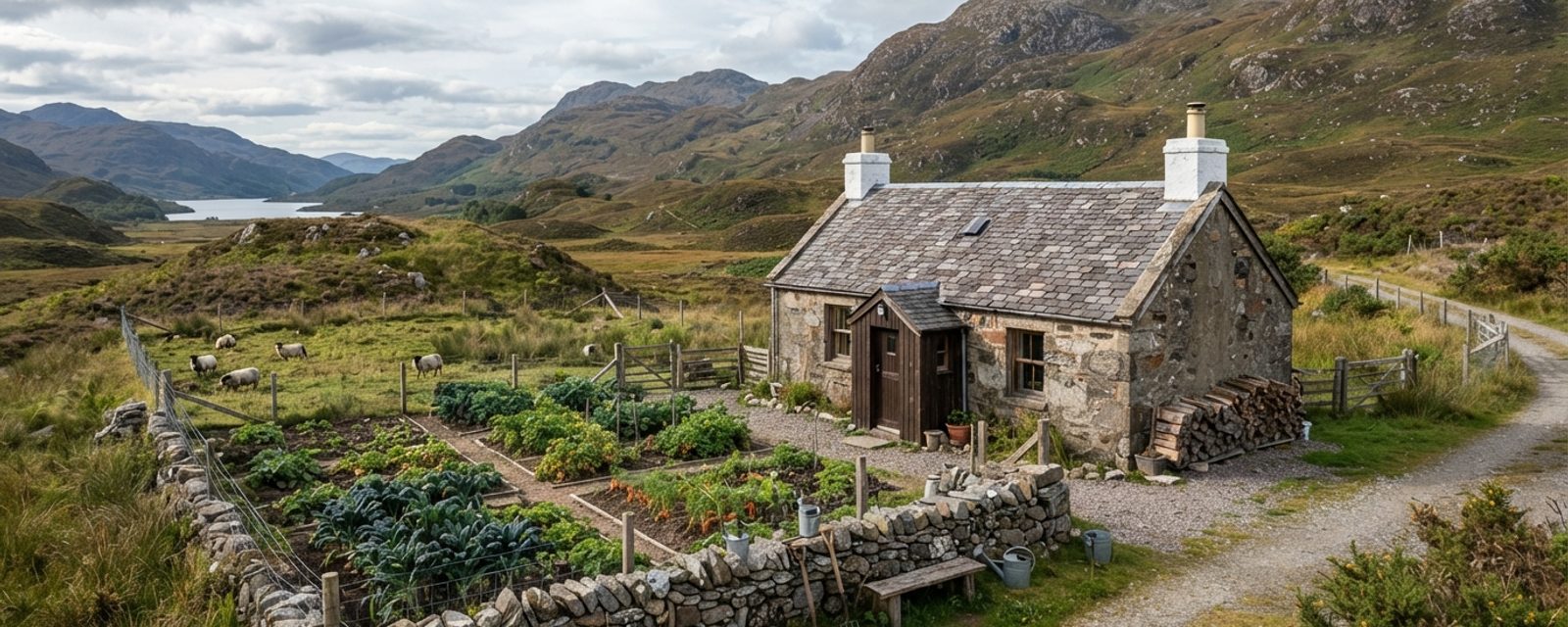 Crofting Law and Growing RightsWhat a croft legally is, the statutory duty to cultivate or put land to purposeful use, what happens if a crofter doesn't comply, common grazings and apportionment, and how it differs from an allotment.
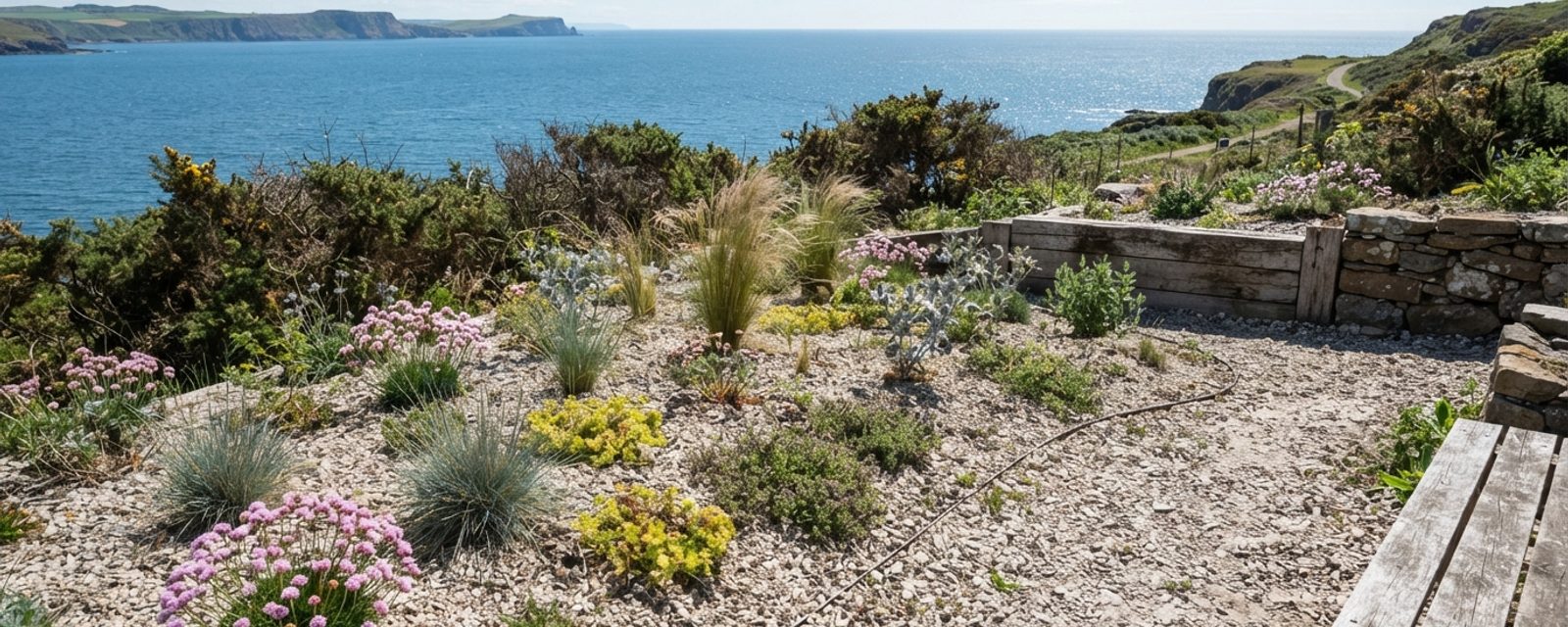 Scotland's East/West Rainfall Divide: A Garden-Planning FrameworkScotland's west coast gets dramatically more rain than the east, a stable, geography-driven split. What that changes for drainage, polytunnel ventilation, blight pressure, raised beds, and crop choice.
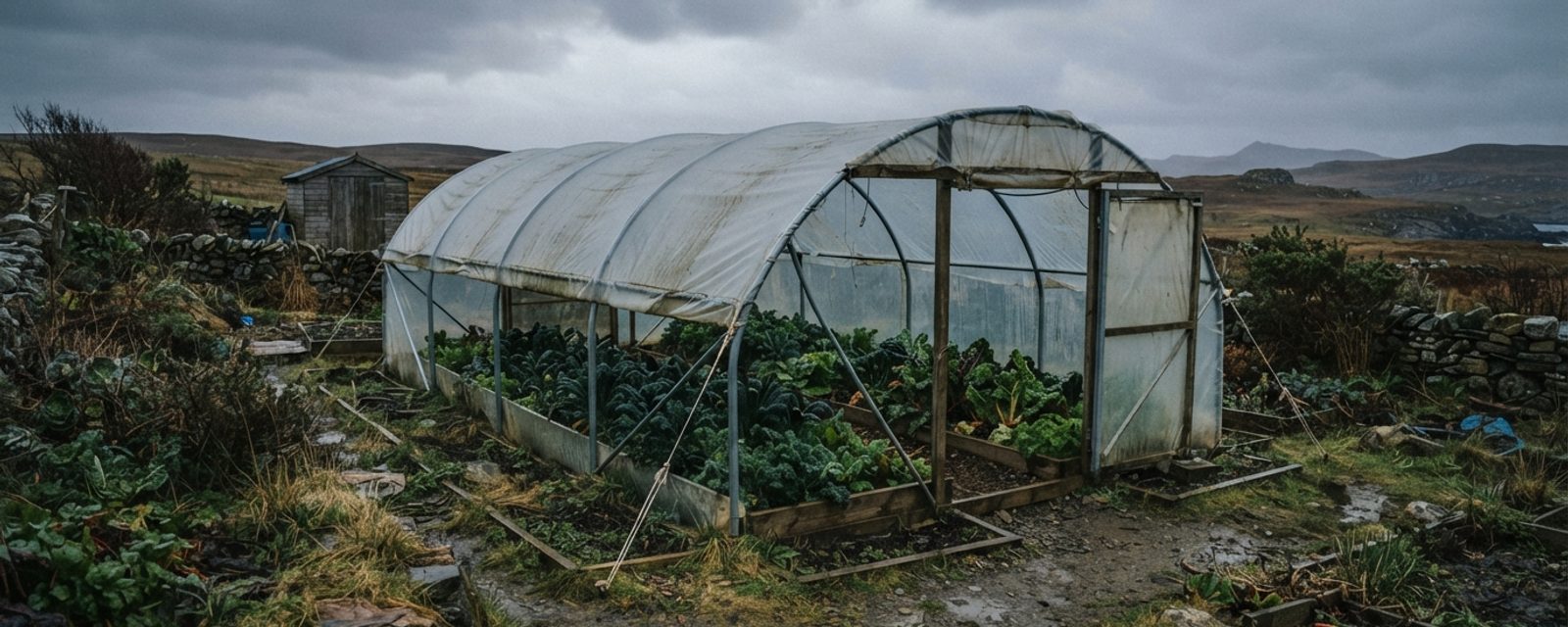 Growing Through the Dark: Shetland and Orkney's Six-Hour Winter DaysAround the winter solstice Shetland and Orkney get barely six hours of weak daylight. What that rules out for a garden, what a polytunnel can and can't fix, and when the light recovers enough to start again.
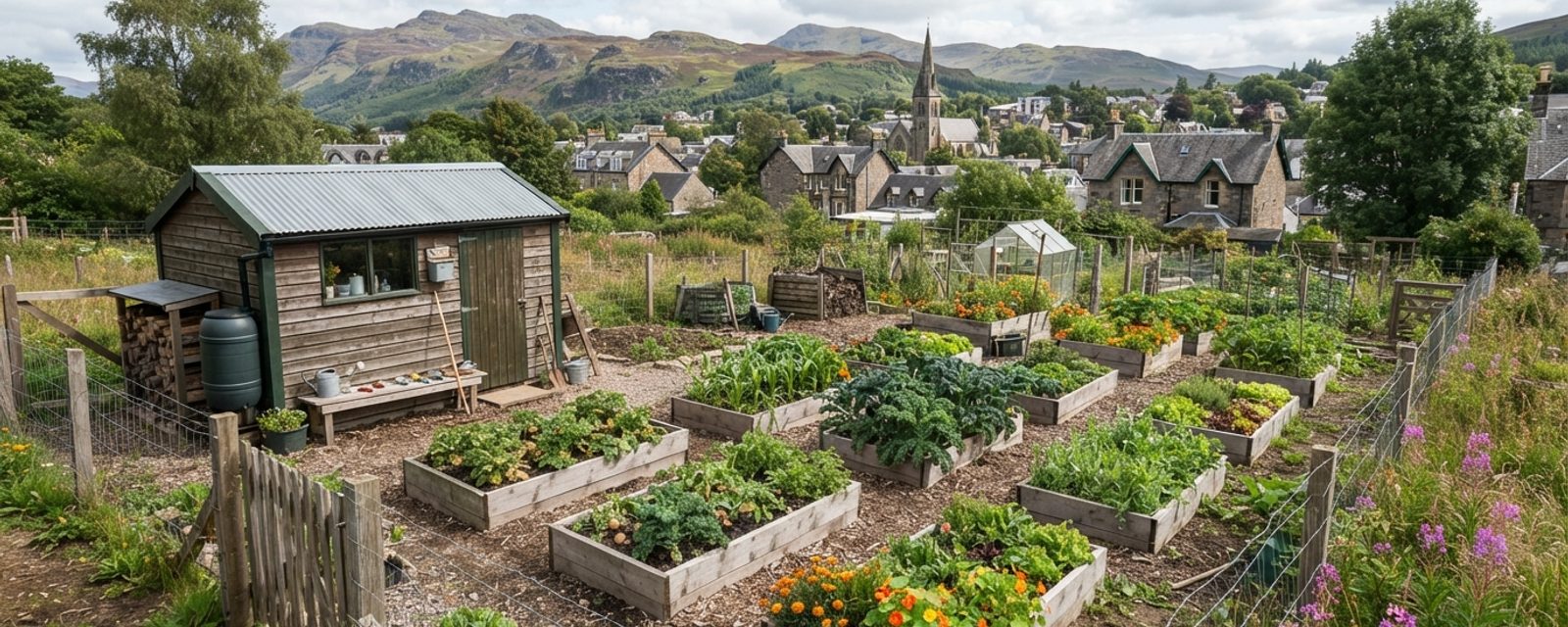 Can a Community Group Take Over Derelict Land in Scotland?Scotland's three legal routes for a community group to acquire or use land it doesn't own: Community Right to Buy, the Abandoned Land power, and Community Asset Transfer, and how to tell which one fits.
 Common Good Land in ScotlandWhat common good land is, why it carries stronger legal protection than ordinary council property, how to check a register before pursuing a site, and what it means for a garden or allotment.
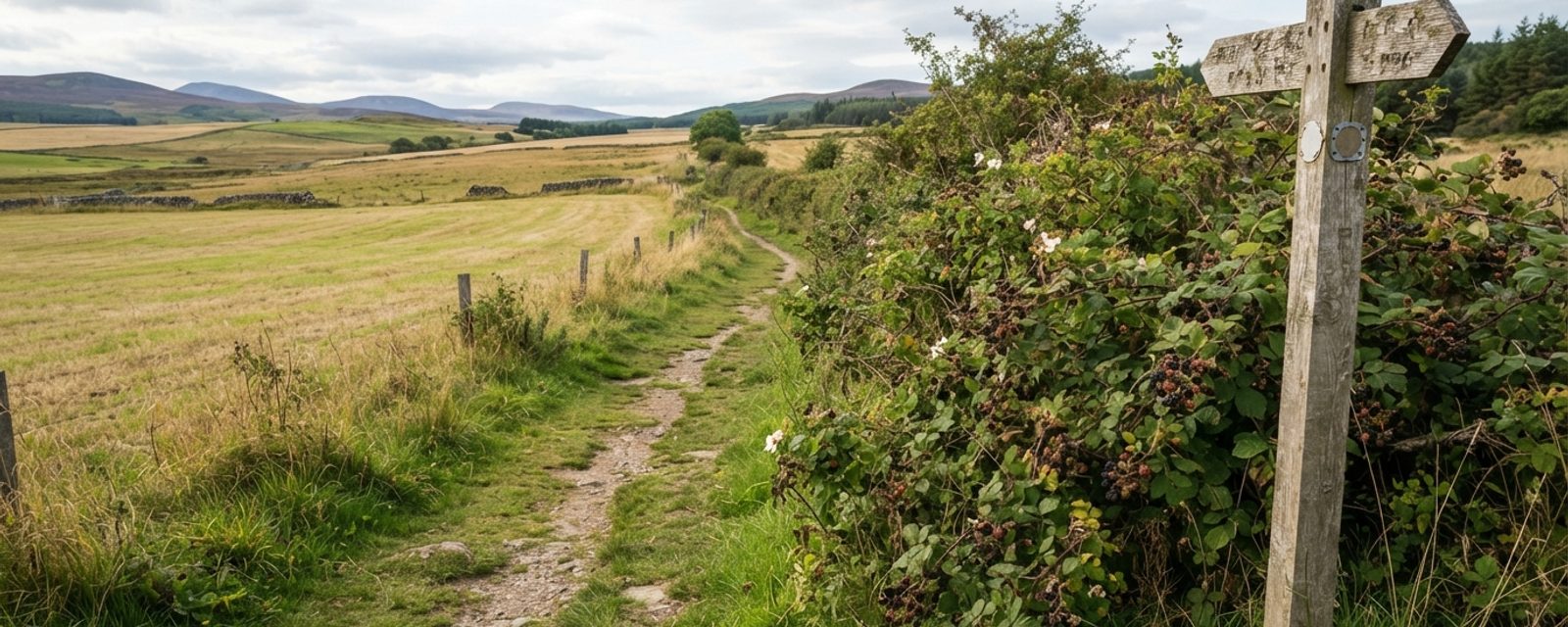 Right to Roam and Your GardenWhat Scotland's access rights actually exclude (private gardens, growing crops), what it means for foraging along a path, and the genuinely unresolved question of where allotment plots fit.
 NatureScot Wildlife Licensing: What the Law RequiresWhen a protected species is found during garden or building work, what the law actually requires, which species and legal regimes apply, how NatureScot licensing works, and the real penalties for proceeding without one.
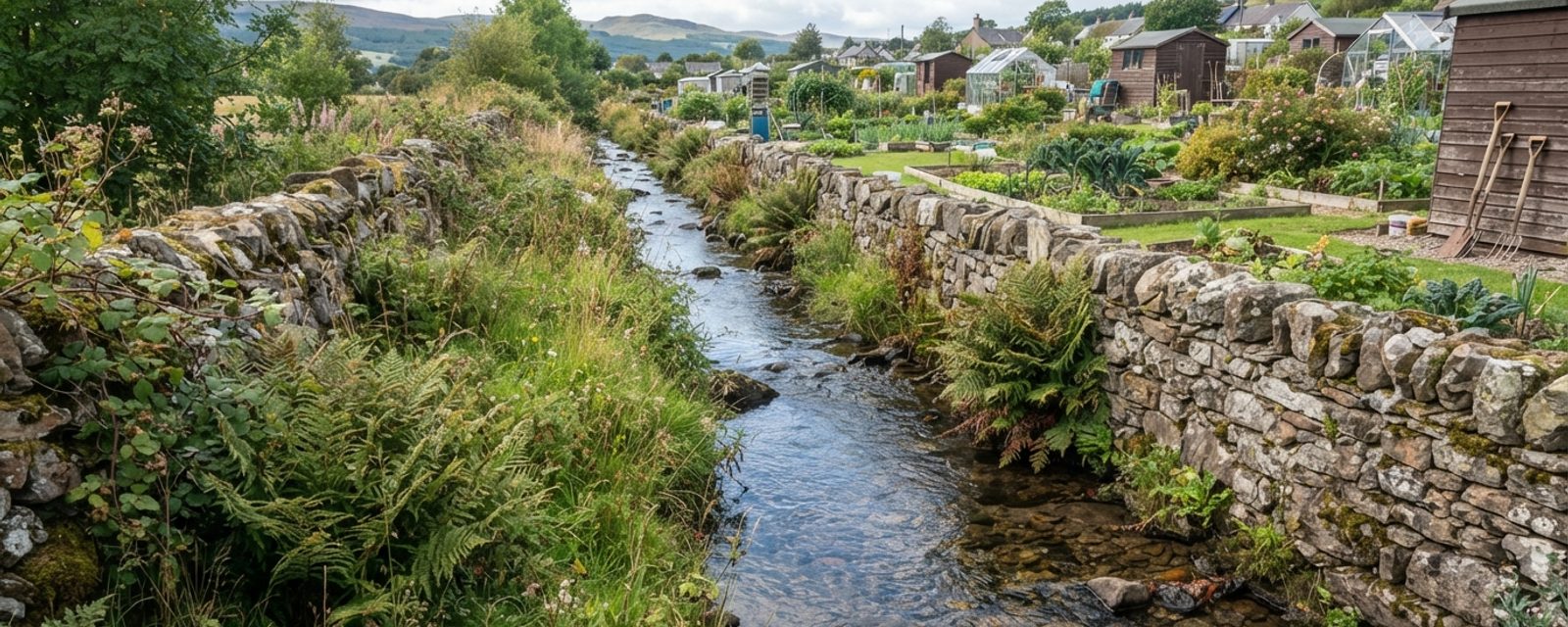 Private Water Supplies and SEPA Abstraction RulesTwo distinct legal regimes for garden water off the mains: private water supply regulation by your local authority, and SEPA's abstraction rules for taking new water from a burn, river, loch or groundwater.
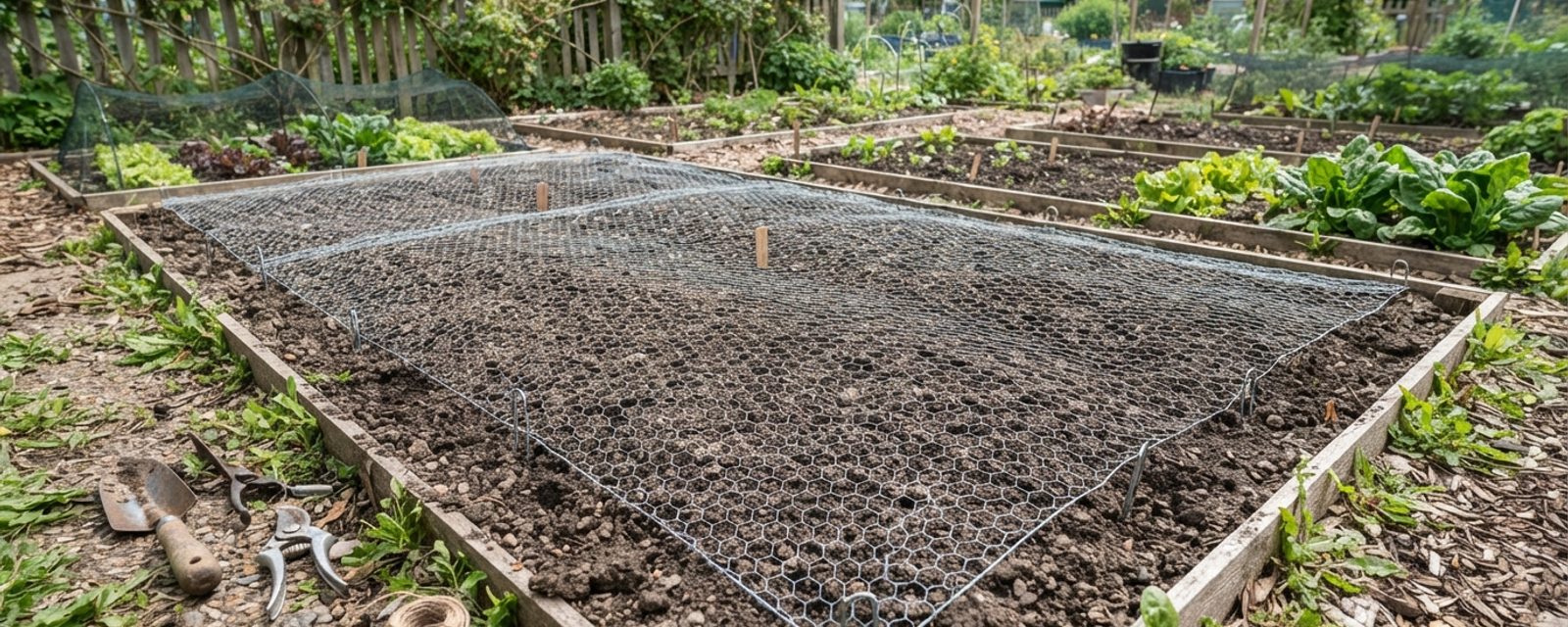 Keeping Cats Out of Garden BedsWhy cats target freshly dug soil, which deterrents actually work (and which are folk remedy), a genuine food-safety reason to keep them off vegetable beds, and what to do about a neighbour's cat.
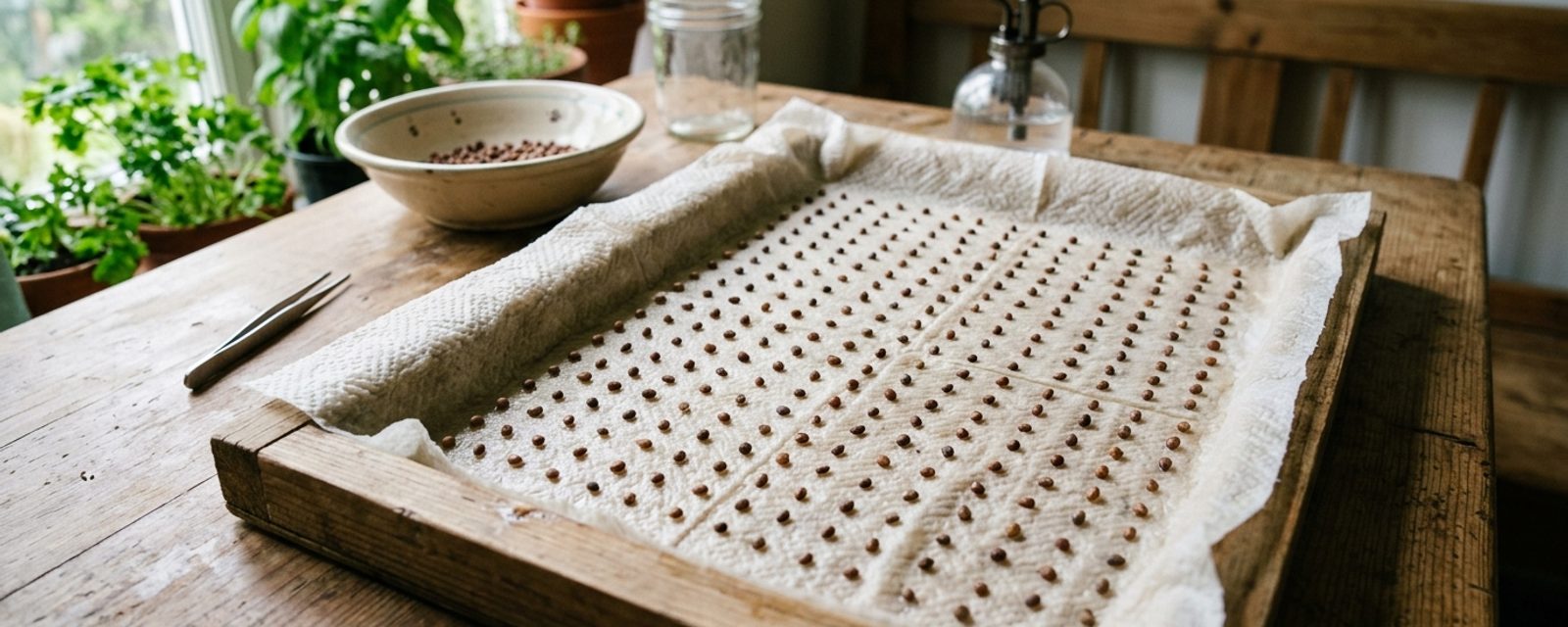 Is That Old Seed Packet Still Good? Testing ViabilityThe 10-seed damp-paper-towel test for old shop-bought seed, how long different crops actually stay viable, what "stored well" means, and what to do with a low result.
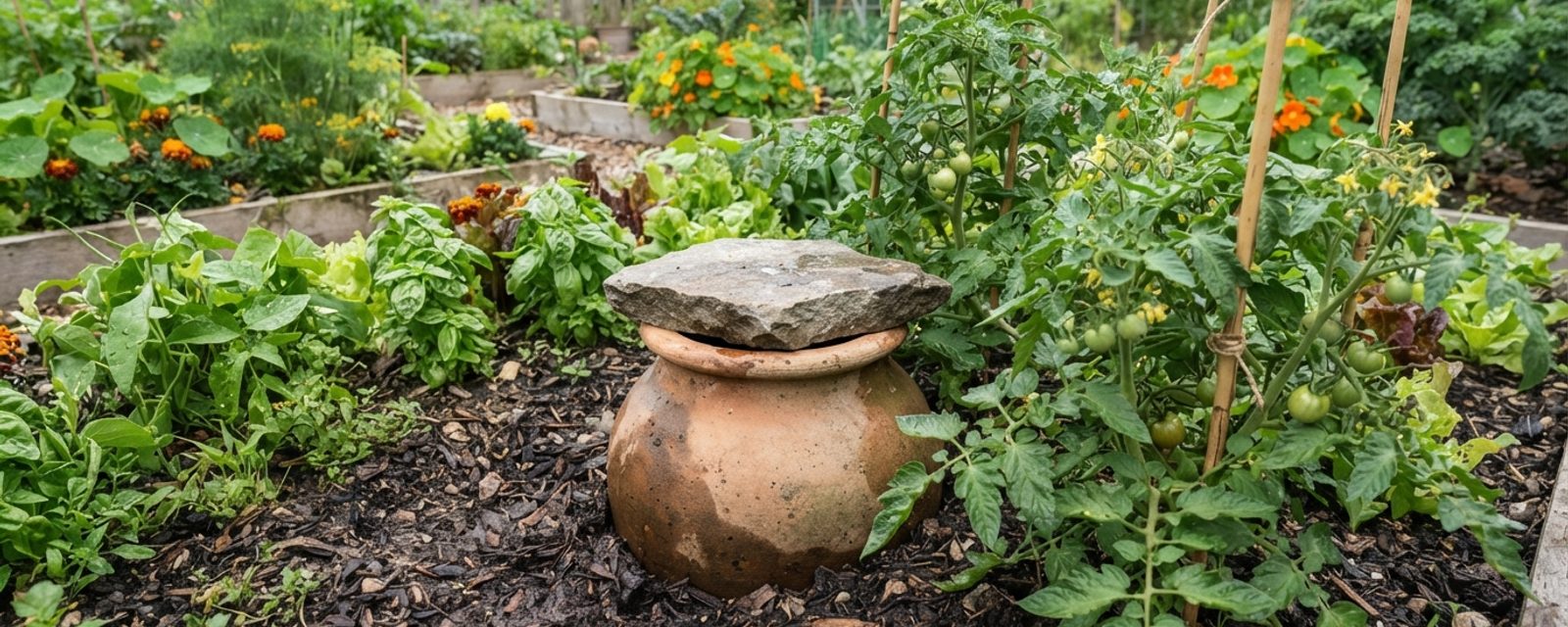 Ollas: Buried Clay Pot IrrigationHow a buried unglazed clay pot self-regulates soil moisture, building or buying one, sizing and spacing, what doesn't work, and the honest Scottish case: even moisture, not water saving.
 Autumn Leaves for Wildlife: When Raking Isn't NecessaryWhat actually shelters in a leaf pile over winter, the honest non-absolute rule on raking, where cleared leaves are best used, and why to check a pile before disturbing it.
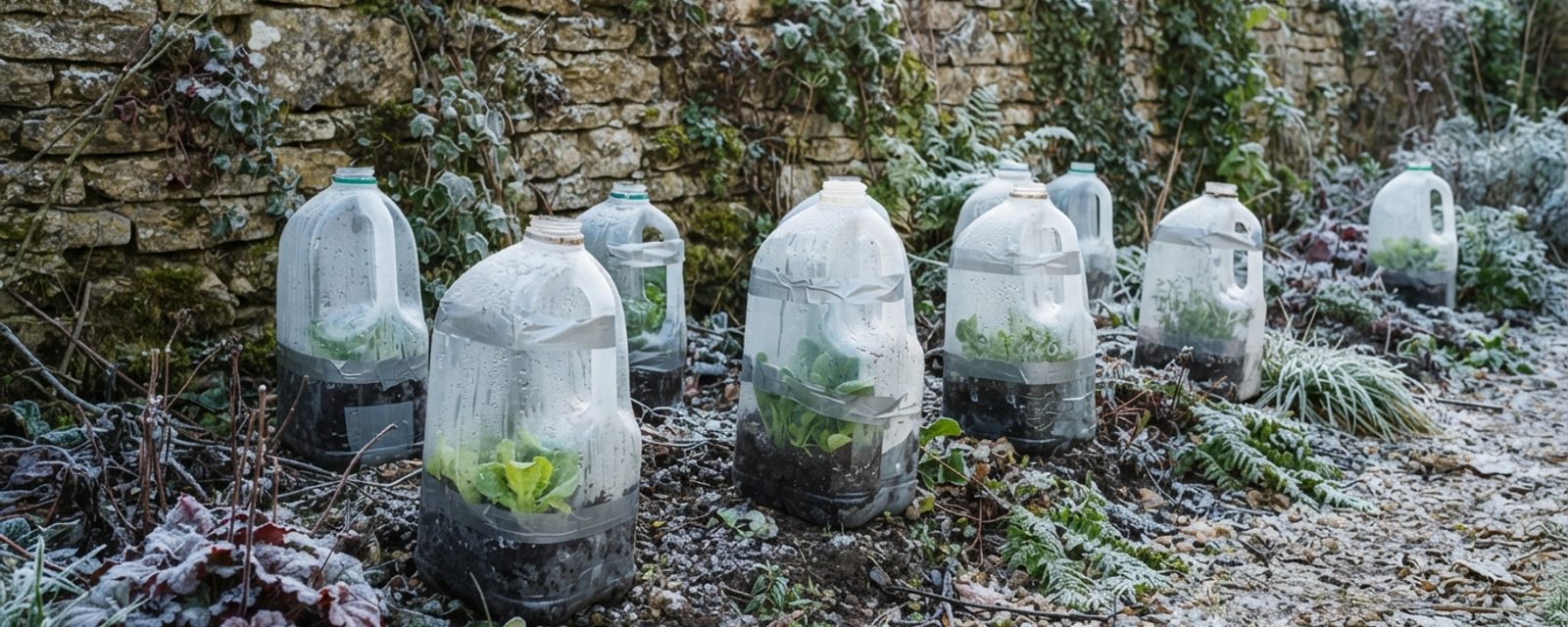 Winter Sowing in a JugCold-stratifying seeds outdoors in a taped-up milk jug: the dormancy mechanism, which seeds actually suit it, the build, and why Scotland's cold, wet winter cuts both ways.
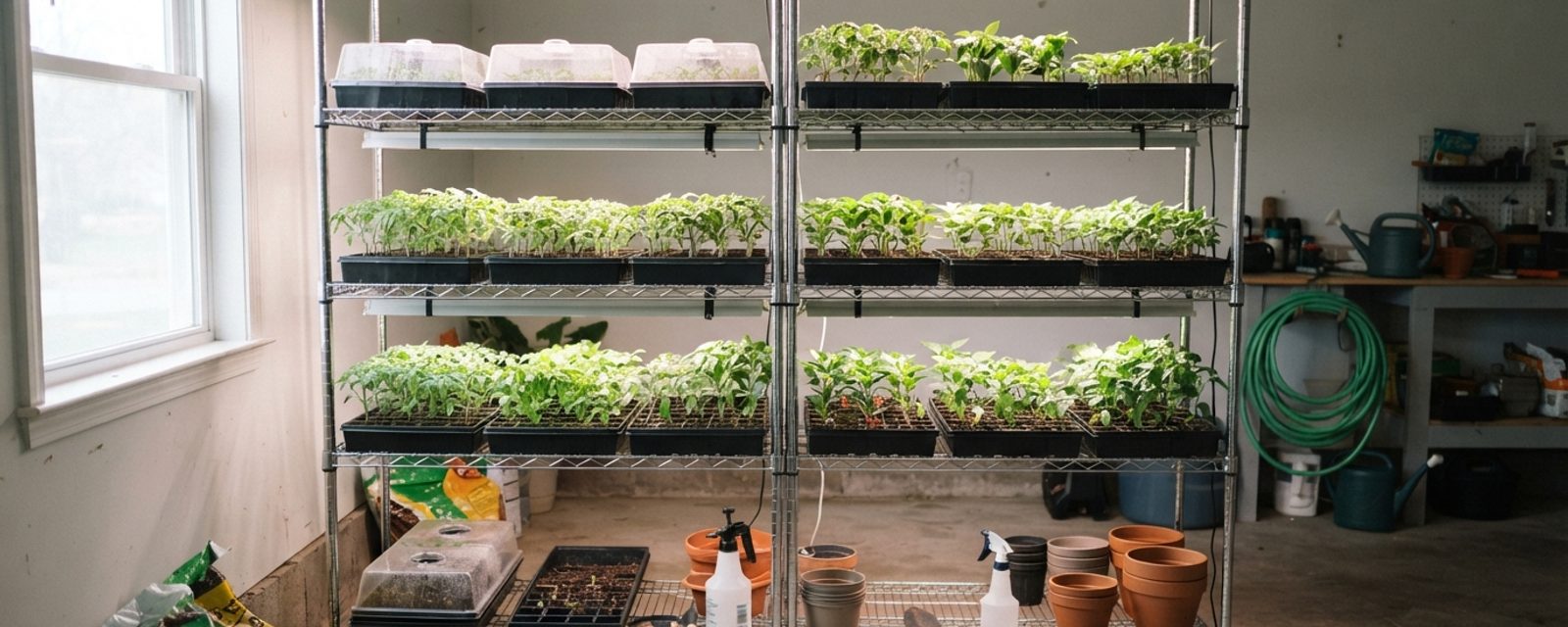 A DIY Budget Seed-Starting Station for ScotlandBuilding a five-part seed-starting station (shelving, lights, timer, heat mat, humidity domes) from everyday hardware-shop parts, and why the timer matters more here than further south.
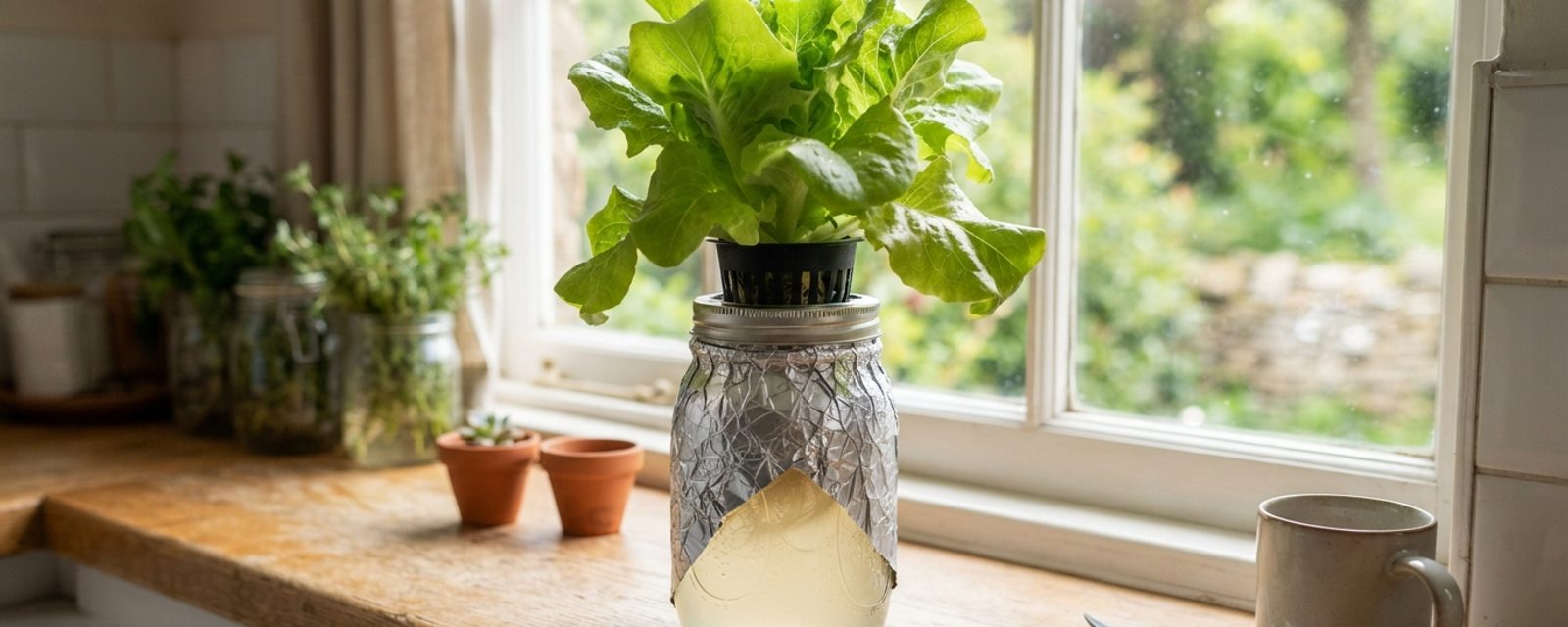 The Kratky Method: Passive HydroponicsHow a static, unpumped nutrient reservoir aerates its own roots as the water level drops, what to grow in it, the one rule that matters, and where it actually saves money.
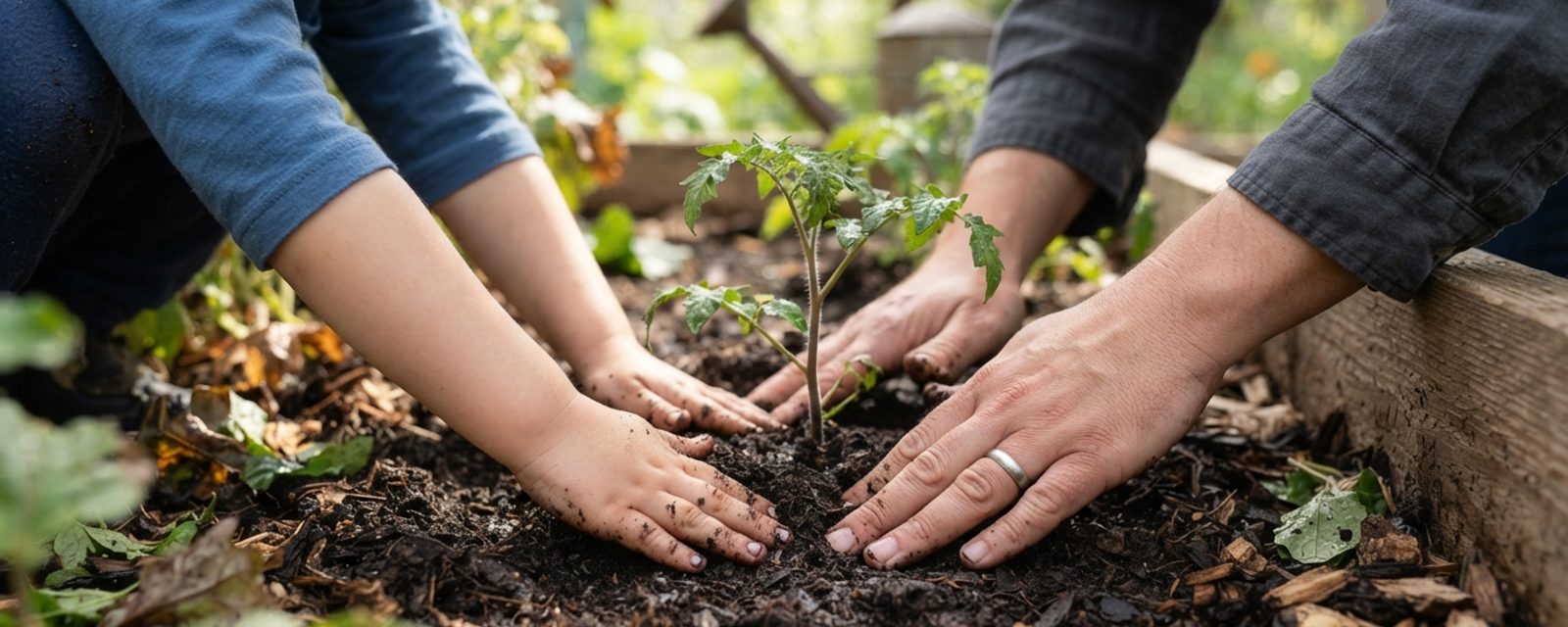 Getting Kids Into Gardening in ScotlandWhy gardening genuinely works for children, age-appropriate tasks and fast crops for a short attention span, two indoor activities for grey weeks, and the honest bit about mess and failure.
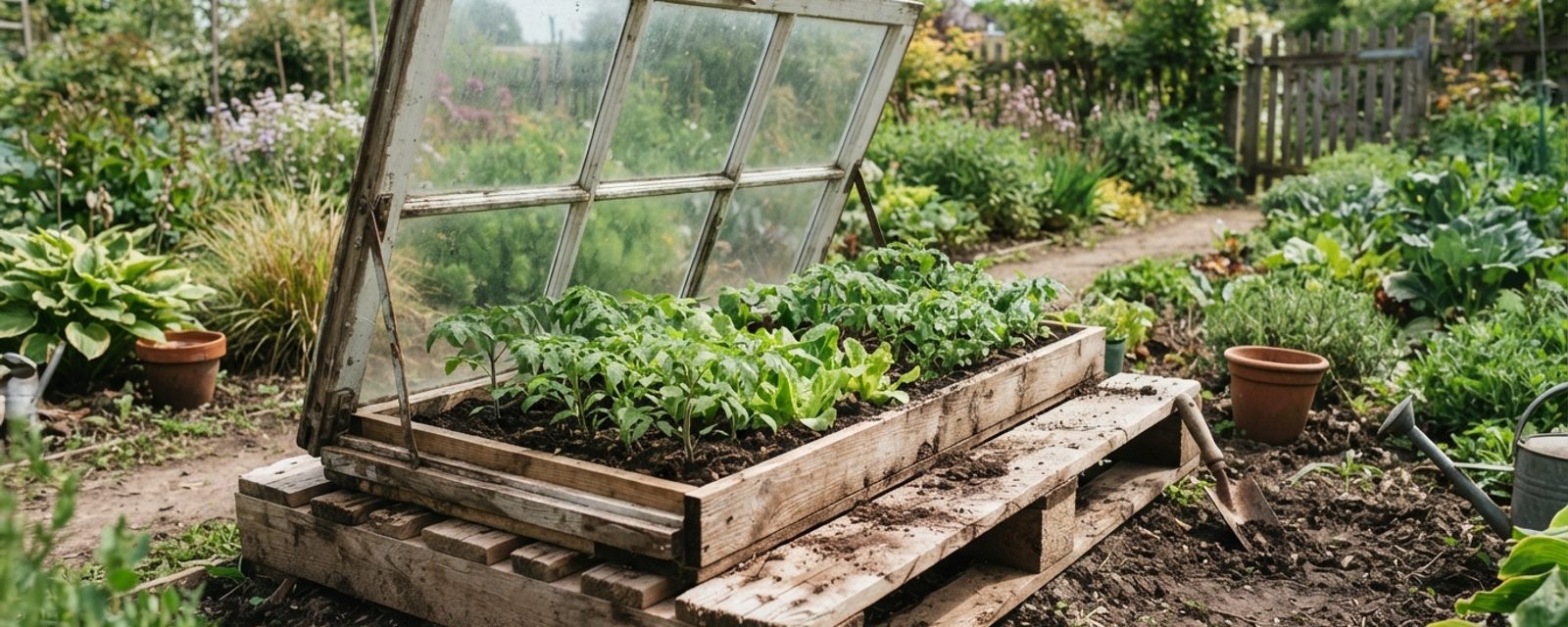 Gardening on a Budget in ScotlandWhere the real savings are in Scotland's shorter season: seed swaps, secondhand tools, DIY cold frames from reclaimed materials, free soil improvers, and propagating for free.
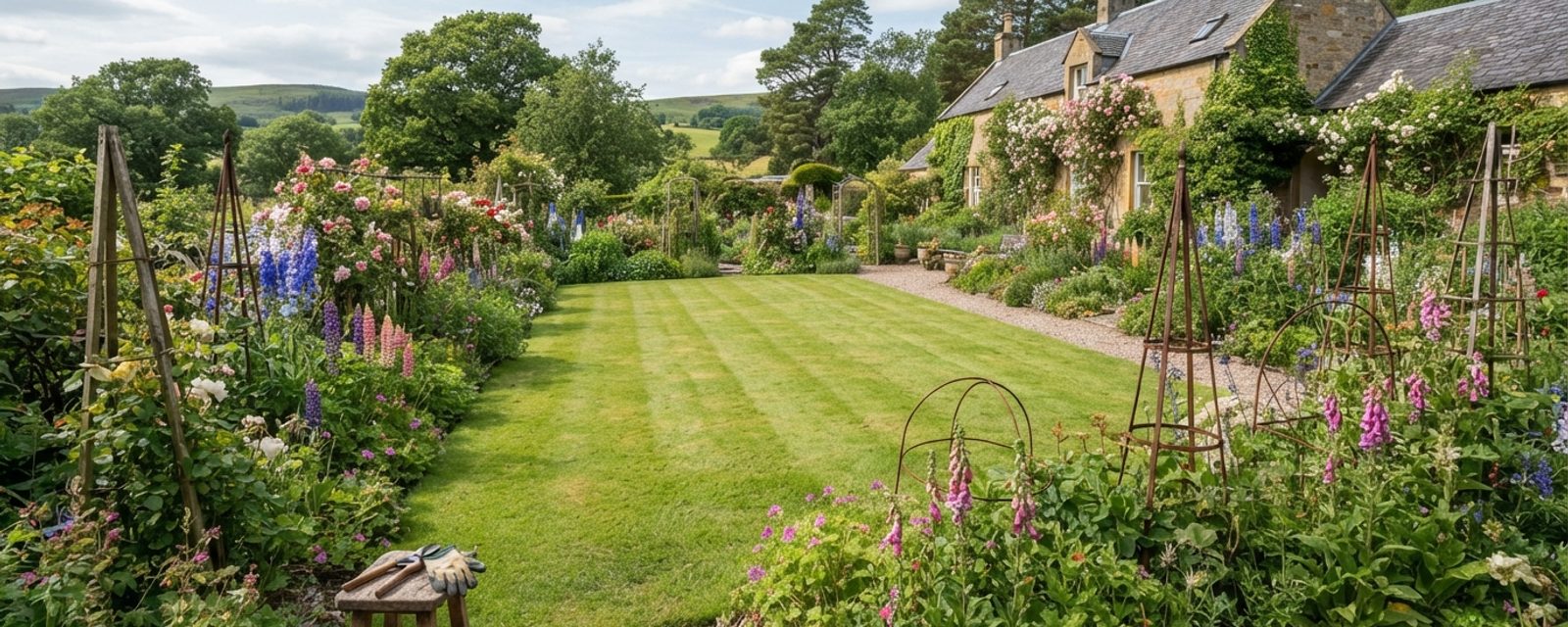 Jobs to Do Before You Go on Holiday, Beyond WateringWhy a fortnight away is riskier than it sounds, mowing height, harvesting, staking, greenhouse ventilation, and what to actually ask a neighbour to do.
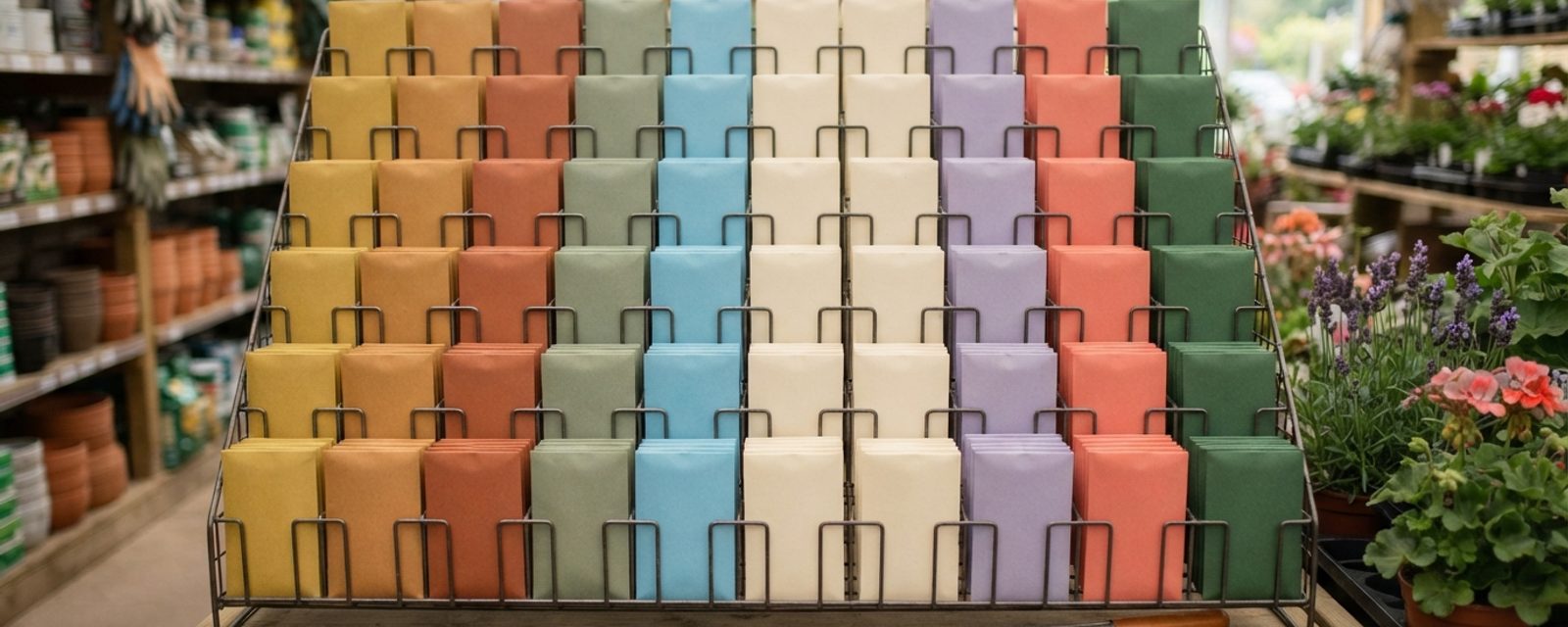 Garden Centre vs Specialist Seed SuppliersWhy where you buy seed matters more for some crops than others in Scotland, what actually differs between a garden-centre rack and a specialist supplier, and a reasonable way to split your shopping.
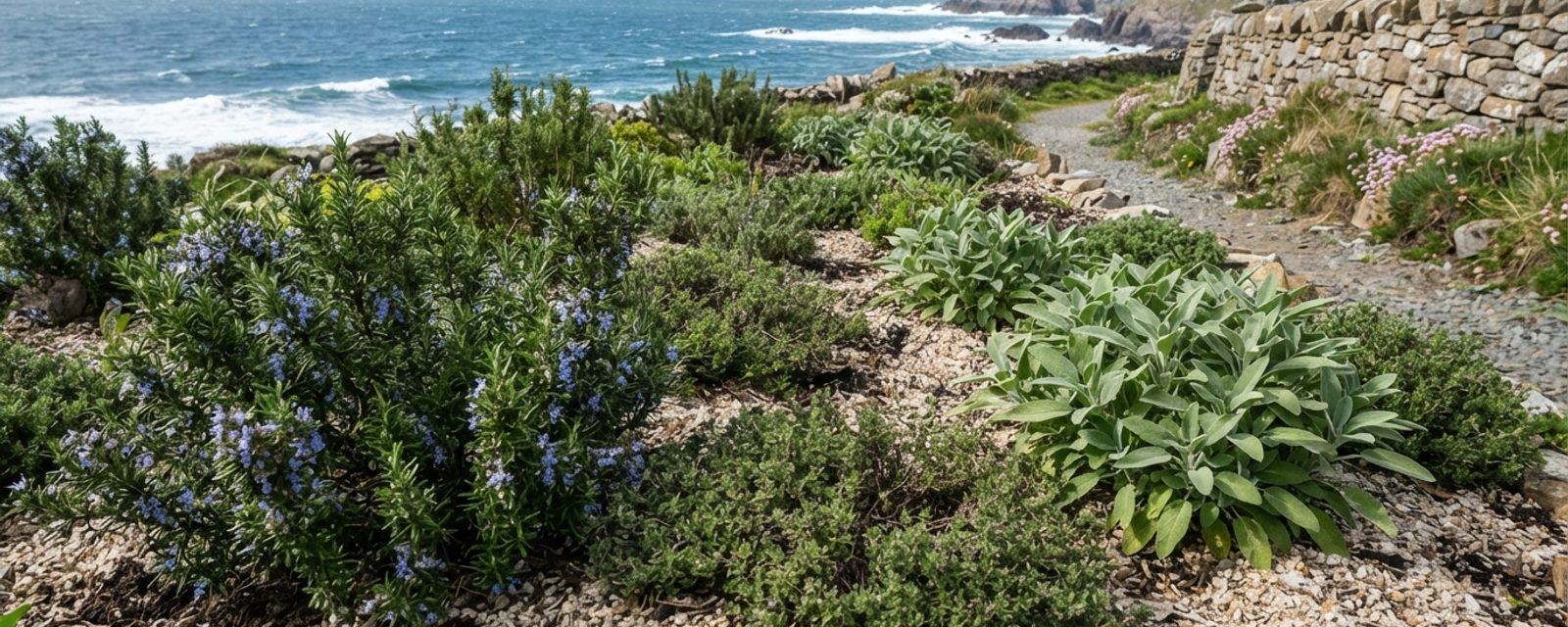 Drought-Tolerant Crops for ScotlandRosemary, thyme, sage, globe artichoke, asparagus: five crops with a verified drought-tolerance claim, why Scotland's east coast genuinely needs them, and what didn't make the list.
 Cleaning Moss Off Decking, Paving and Garden FurnitureWhy moss keeps coming back on Scottish decking and paving, genuinely effective non-chemical removal methods by surface, what to avoid, and how to slow regrowth.
 Putting Houseplants Outside for SummerWhy houseplants genuinely benefit from a Scottish summer outdoors, the night-temperature thresholds that decide timing, staged hardening off, and the pest check before bringing them back in.
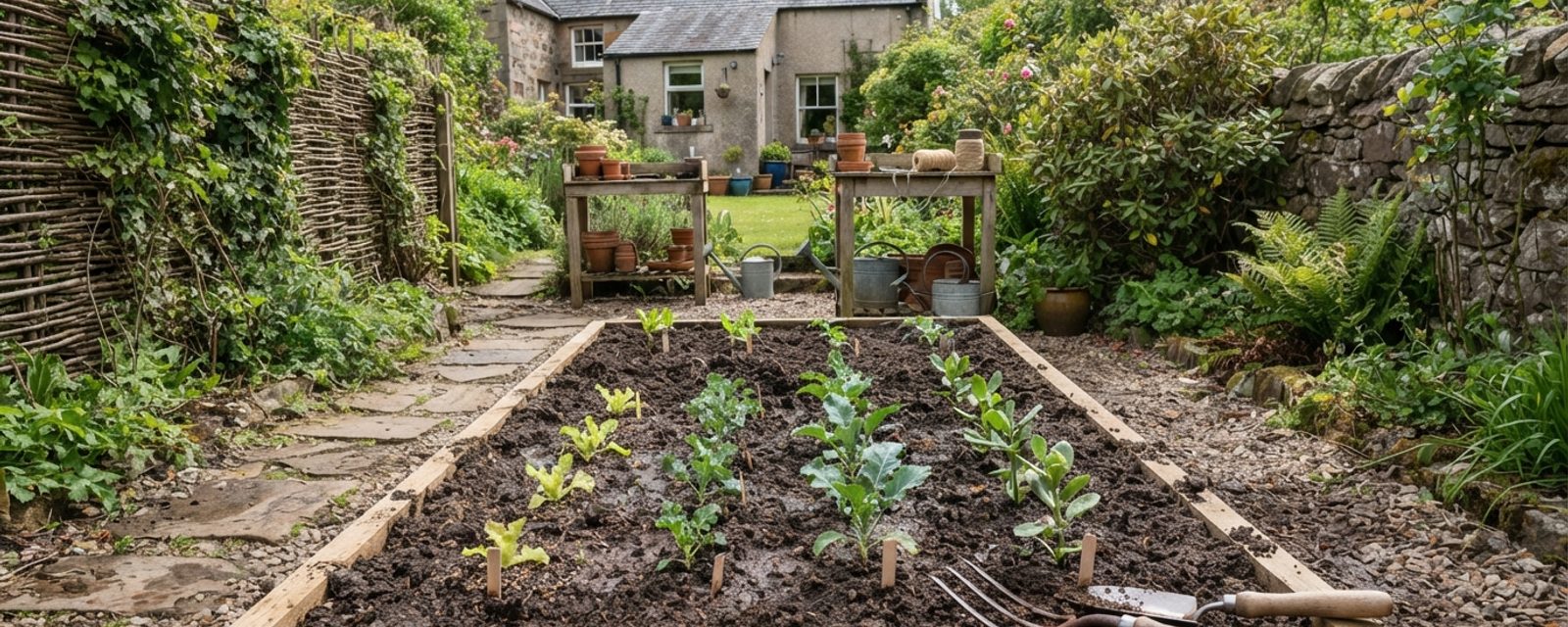 Starting Out: Gardening in ScotlandWhy seed-packet dates written for England don't apply here, how to read your own plot before choosing what to grow, and why five well-managed crops beat twenty half-managed ones.
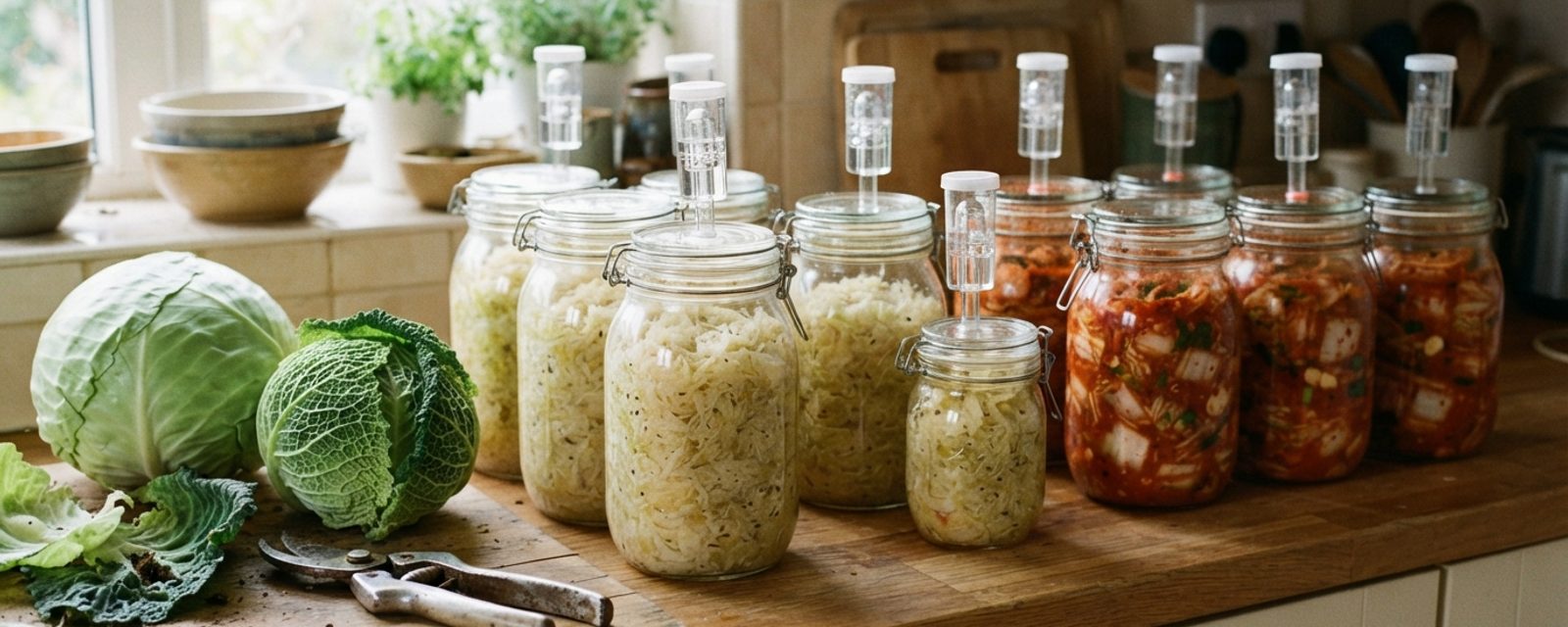 Fermenting: Sauerkraut and Kimchi from Garden BrassicasThe chemistry that actually preserves a ferment, the one rule that matters more than any other, reading normal activity versus real spoilage, and full sauerkraut and kimchi methods.
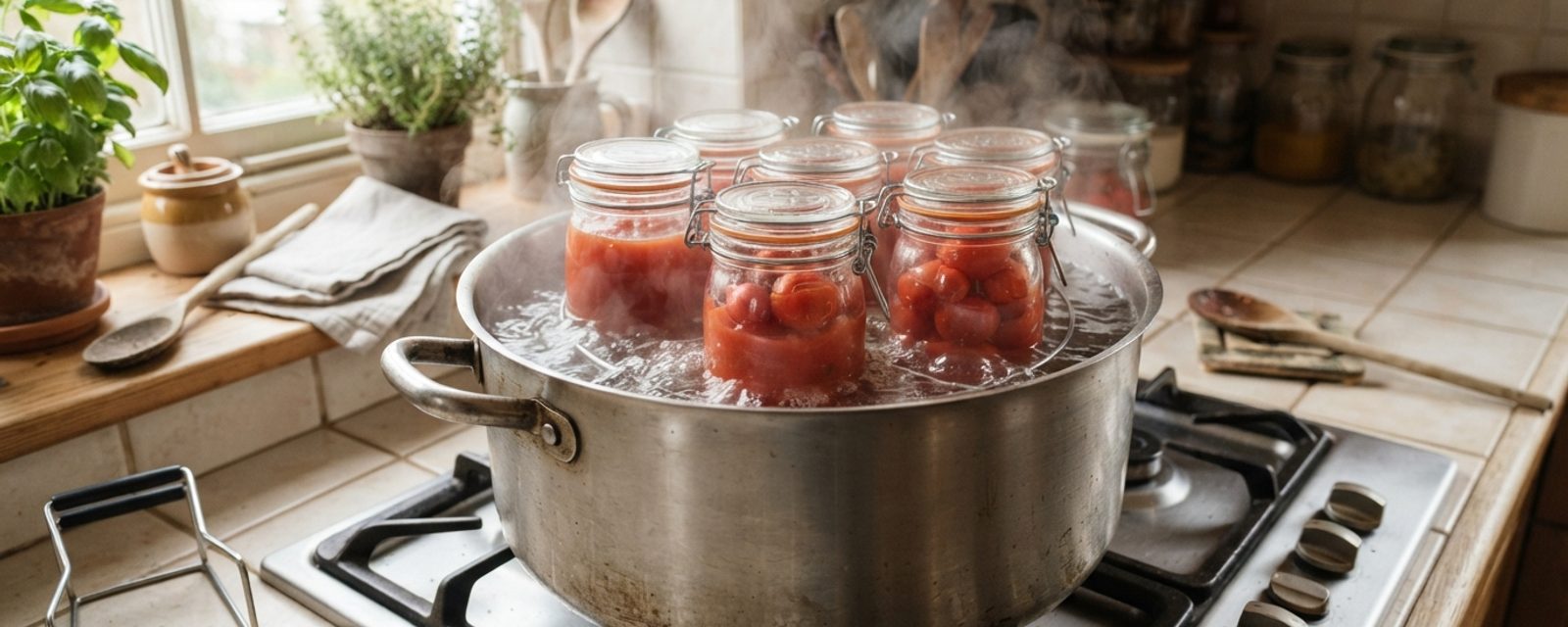 Water-Bath Canning BasicsWhy a water bath is only ever safe for high-acid food, the tomato and pickle traps that catch out otherwise careful preservers, and the full step-by-step method.
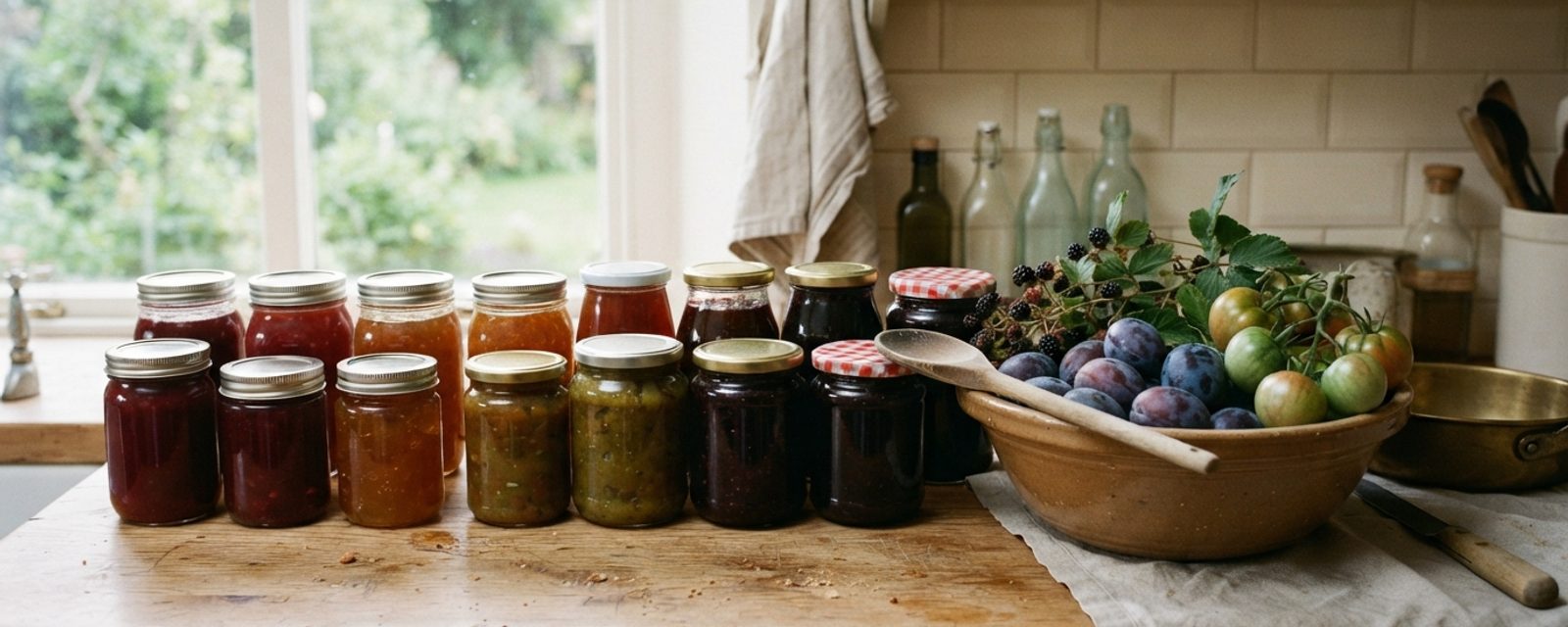 Jam and Chutney from a GlutWhy jam and chutney are genuinely safer than plain vegetable canning, how to actually hit setting point, sterilising jars properly, and honest signs a batch has failed.
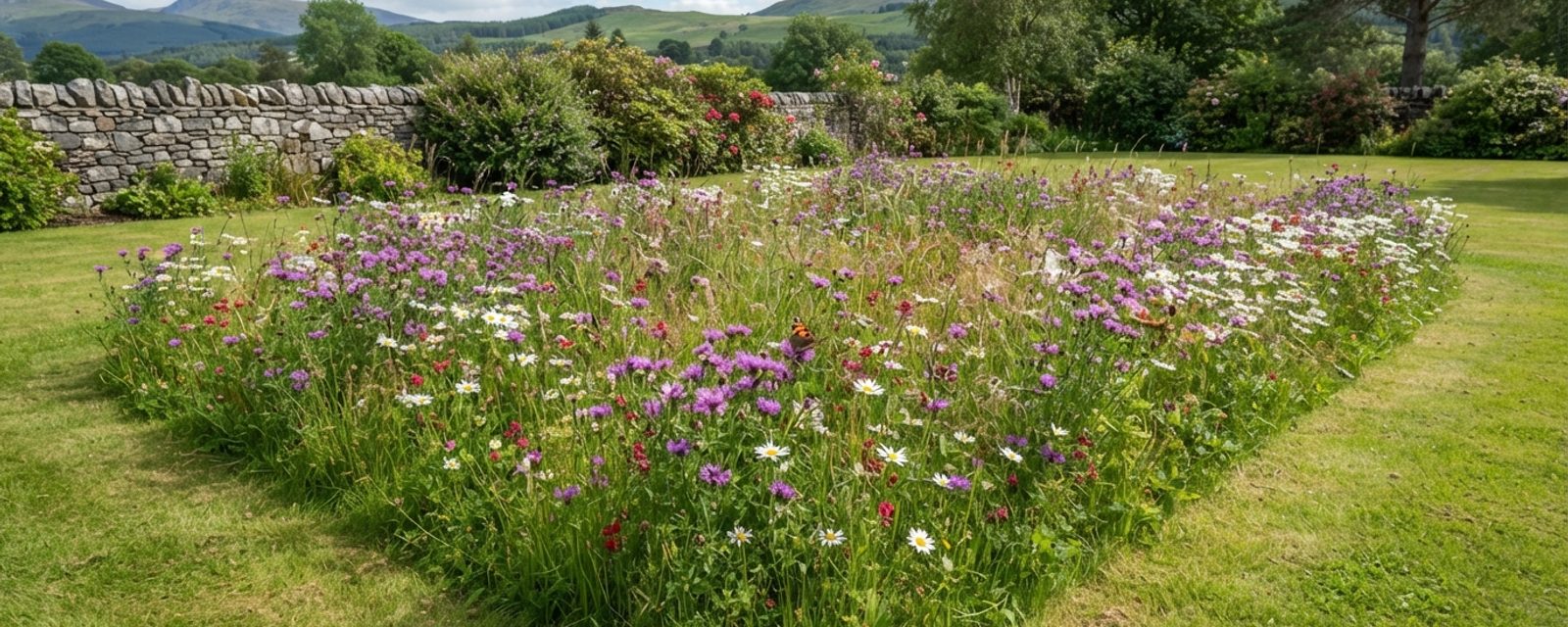 Wildflower Patch: Sowing a No-Mow Strip in ScotlandWhy wildflowers need poor soil, not rich soil, to establish — site prep, choosing a genuine native perennial mix, sowing timing, and why year one always looks like a failure.
 Freezing and Blanching VegetablesWhat blanching actually does before vegetables go in the freezer, correct times per vegetable, and the ice-bath and open-freezing steps most guides skip past.
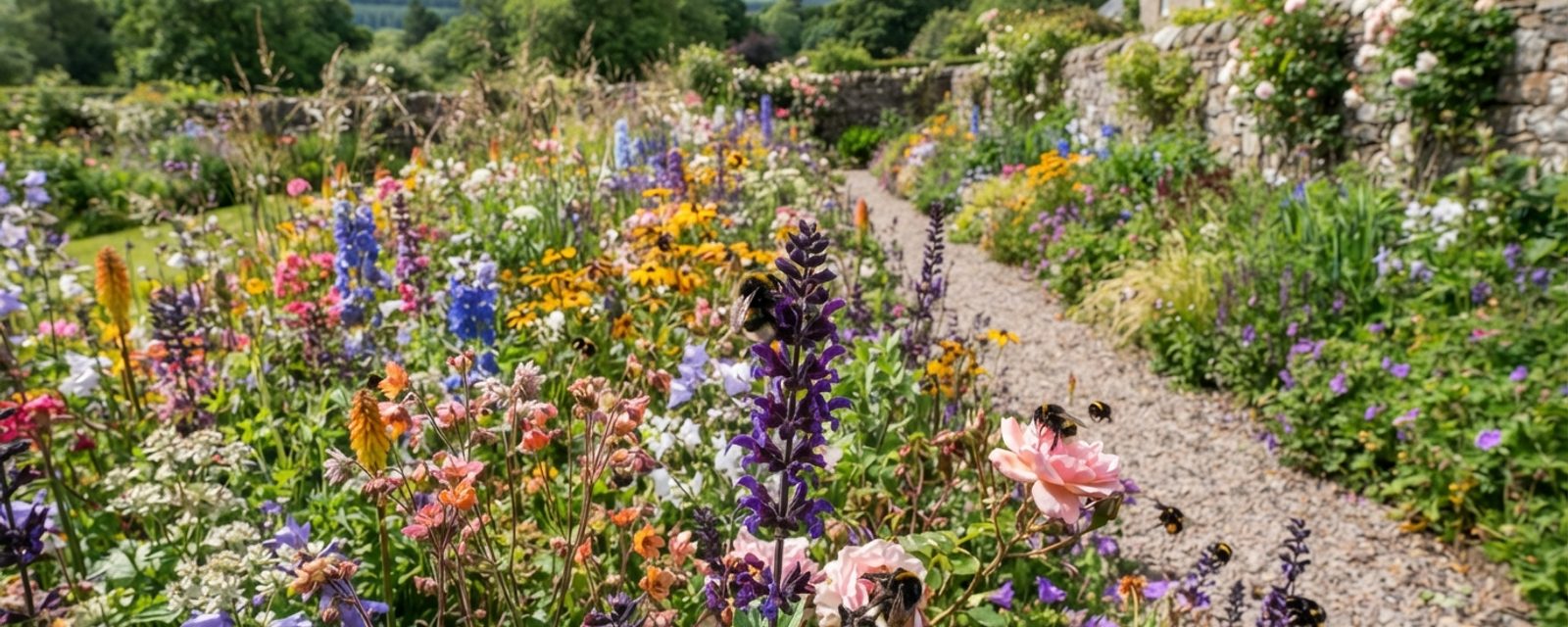 Pollinator-Friendly Gardening in ScotlandWhat a pollinator-friendly garden actually needs across the whole year, and what it means to deliberately rewild a section of your own garden.
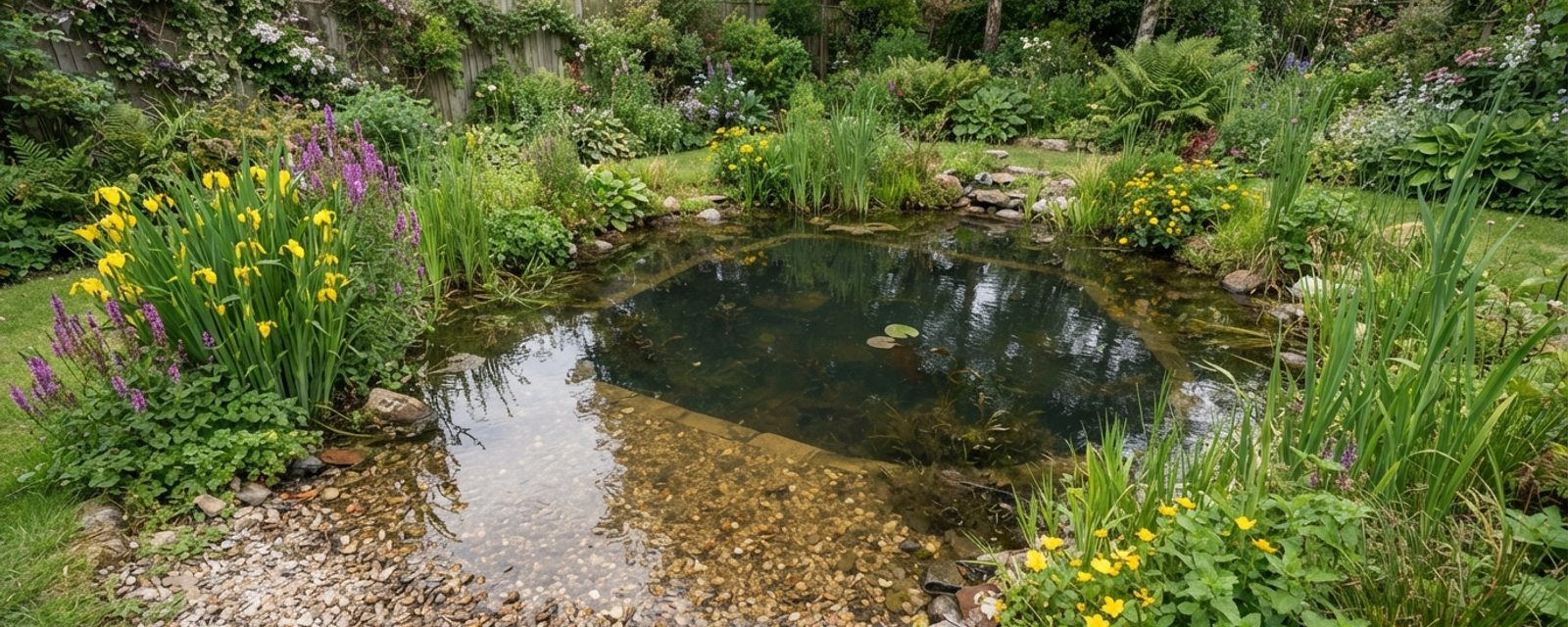 Building a Wildlife Pond: A Practical GuideSiting, digging profile, lining, and planting zones for a pond that actually supports breeding amphibians and dragonflies, and why fish and wildlife ponds don't mix.
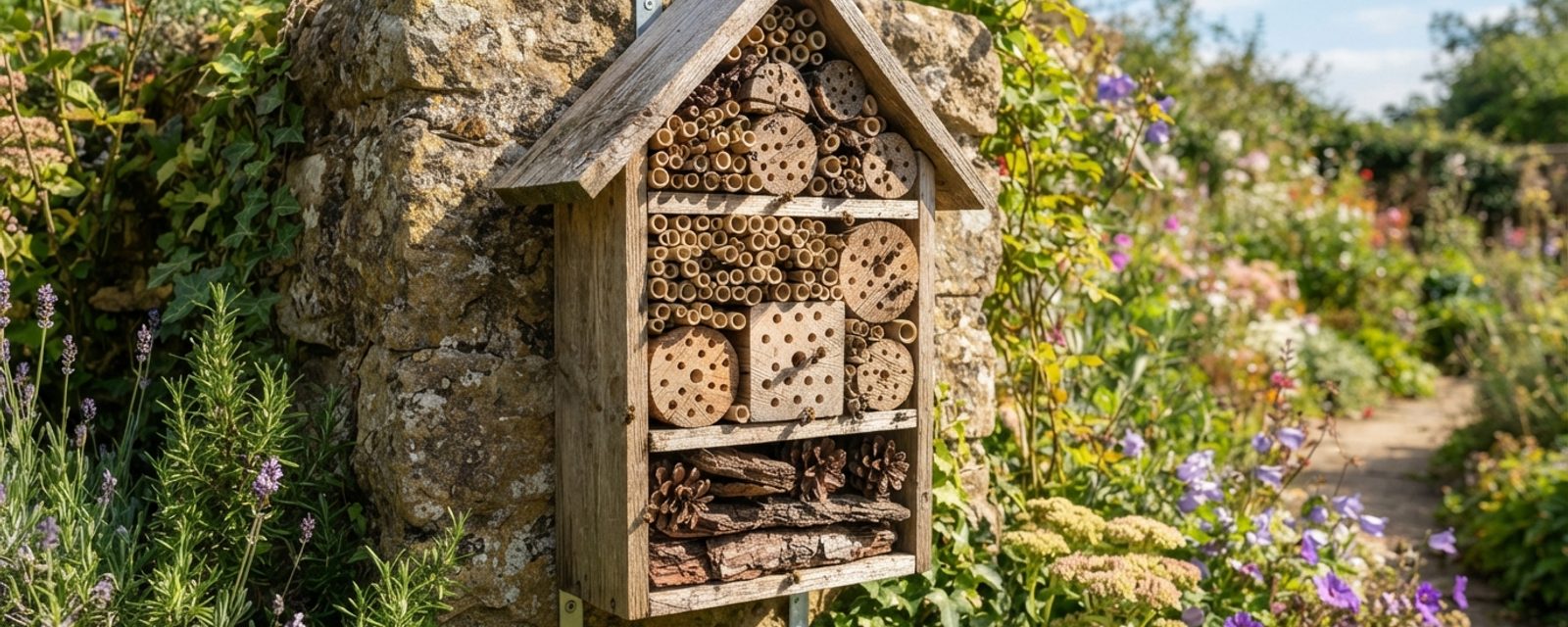 Building a Bee Hotel That Actually WorksTube diameter, length and material decide whether solitary bees actually use a hotel. What most commercial bee hotels get wrong, and how to build one that works.
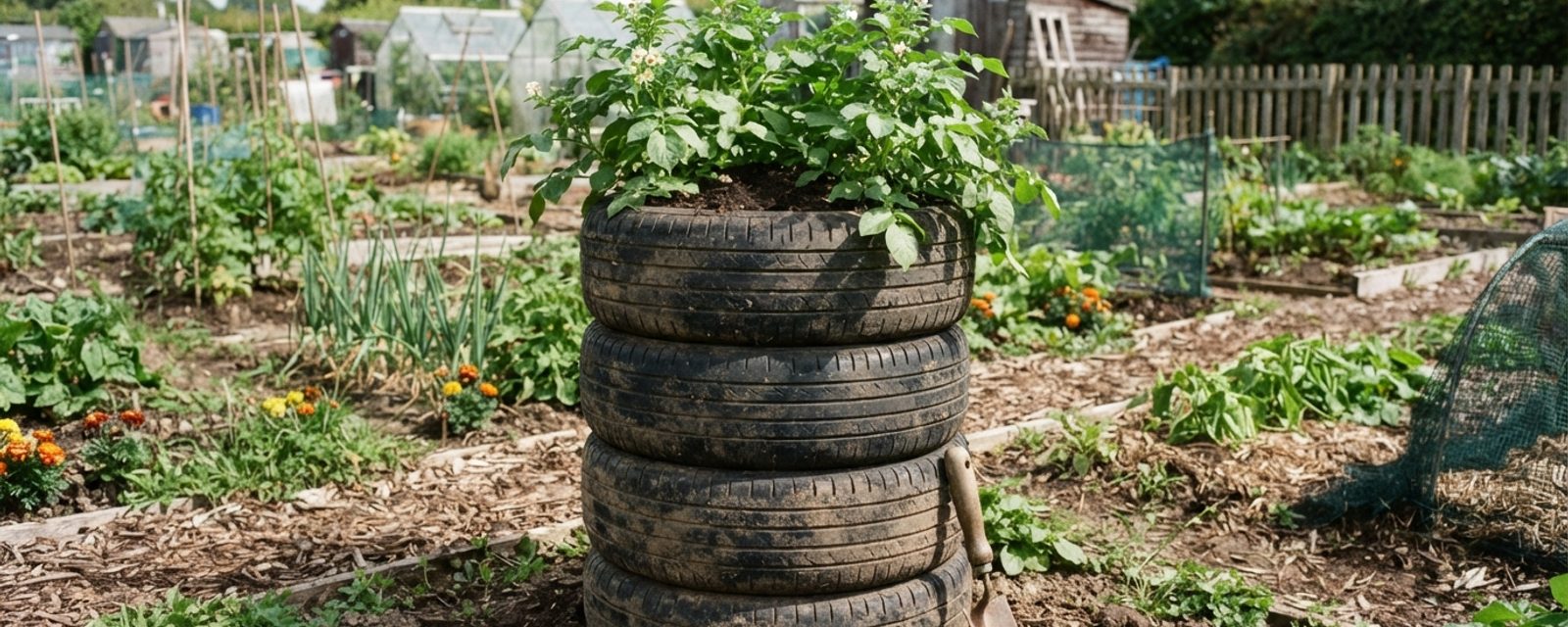 Are Old Tyres Safe to Use as Planters?What actually leaches from tyre rubber, how Scotland's climate and soil affect it, and an honest verdict on using tyres to grow food.
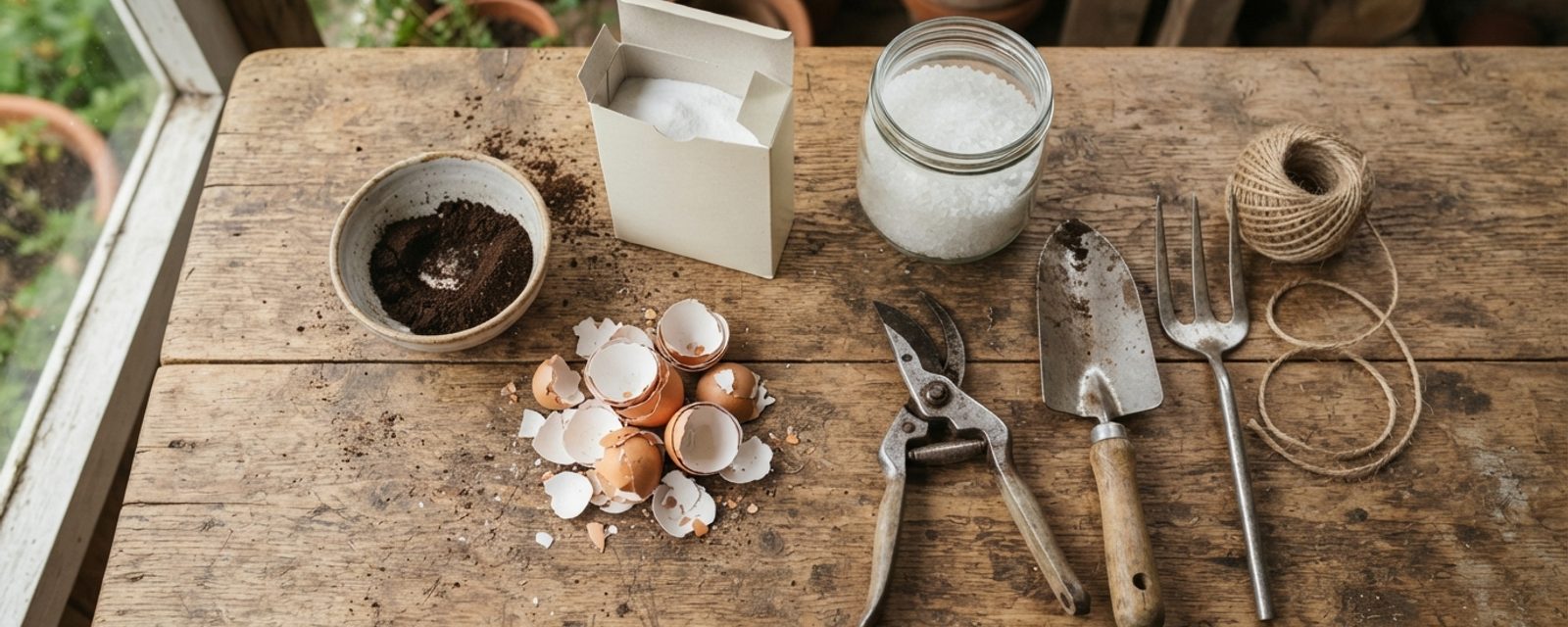 10 Kitchen-Cupboard Garden Hacks, Fact-CheckedCoffee grounds, eggshells, Epsom salts, baking soda and more: which household "garden hacks" actually hold up against real research, and which don't.
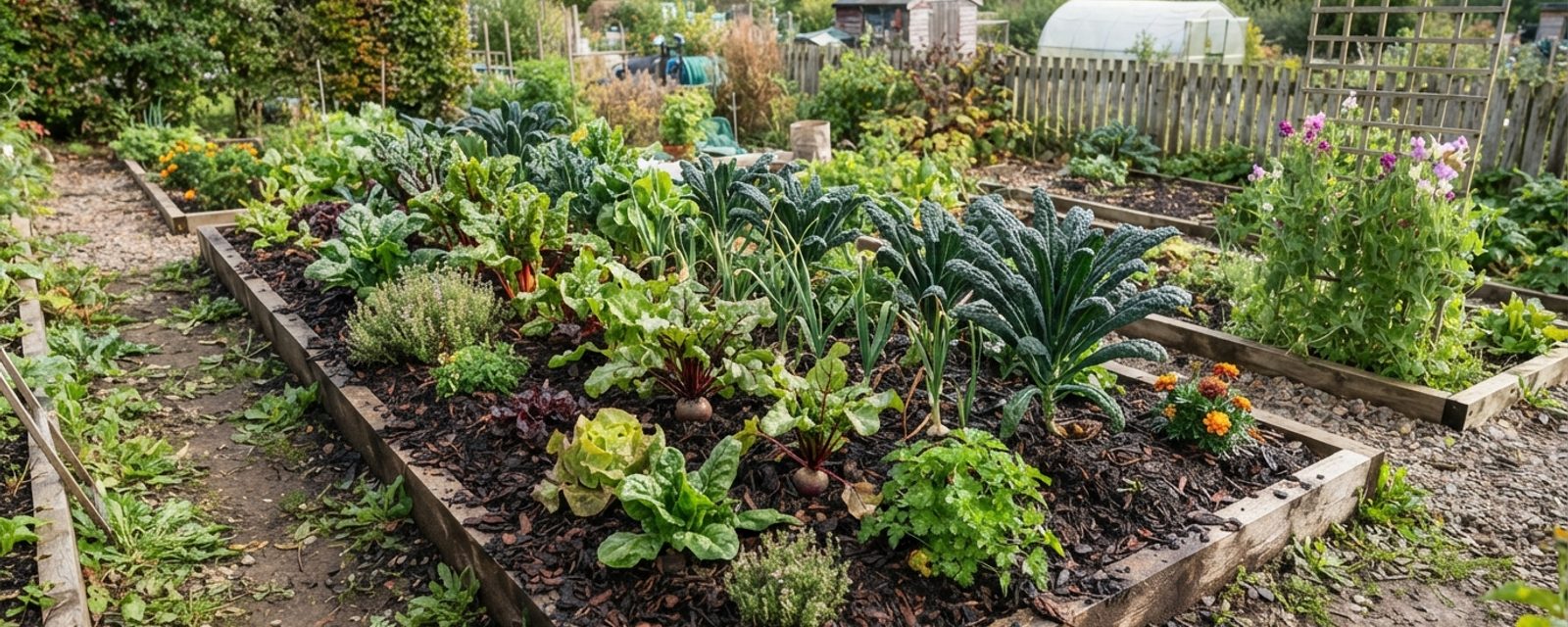 Carbon-Friendly Gardening in ScotlandWhy home-growing is usually lower-carbon than shop-bought, when a heated greenhouse cancels that out, and how Scotland-specific policy connects to ordinary garden choices.
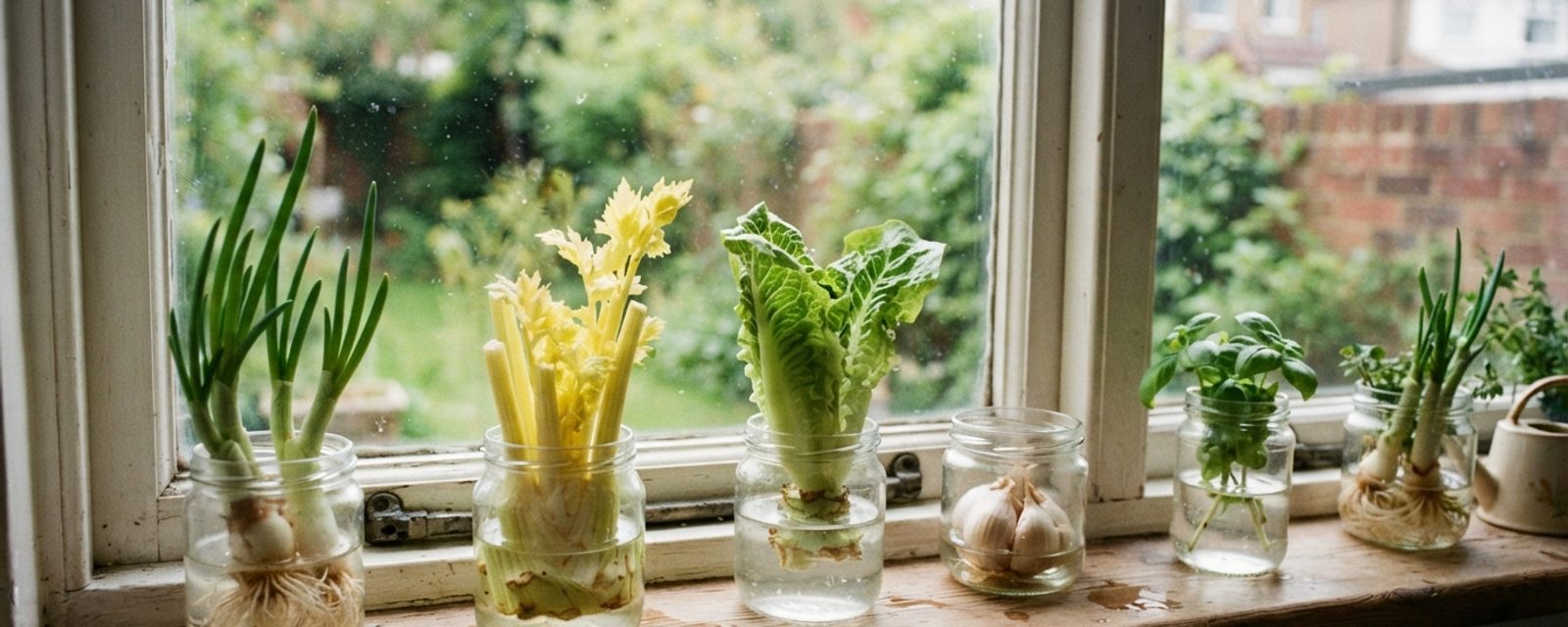 Regrowing Vegetables from Kitchen ScrapsSpring onions, celery, lettuce and garlic genuinely regrow from scraps. A full potato, onion bulb or fruiting avocado don't. What actually works, and why.
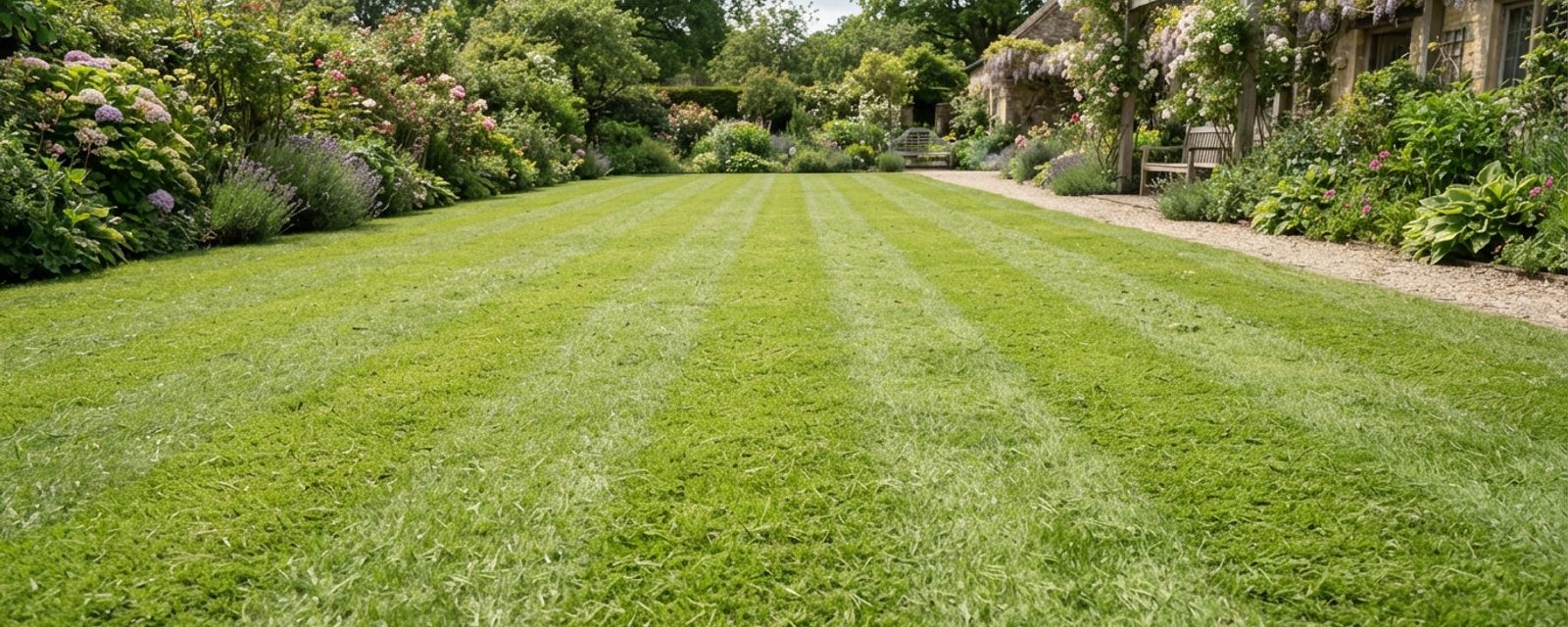 Should You Leave Grass Clippings on the Lawn?Grasscycling actually works, but only under certain conditions. When to leave clippings, when to collect them, and what to do with them either way.
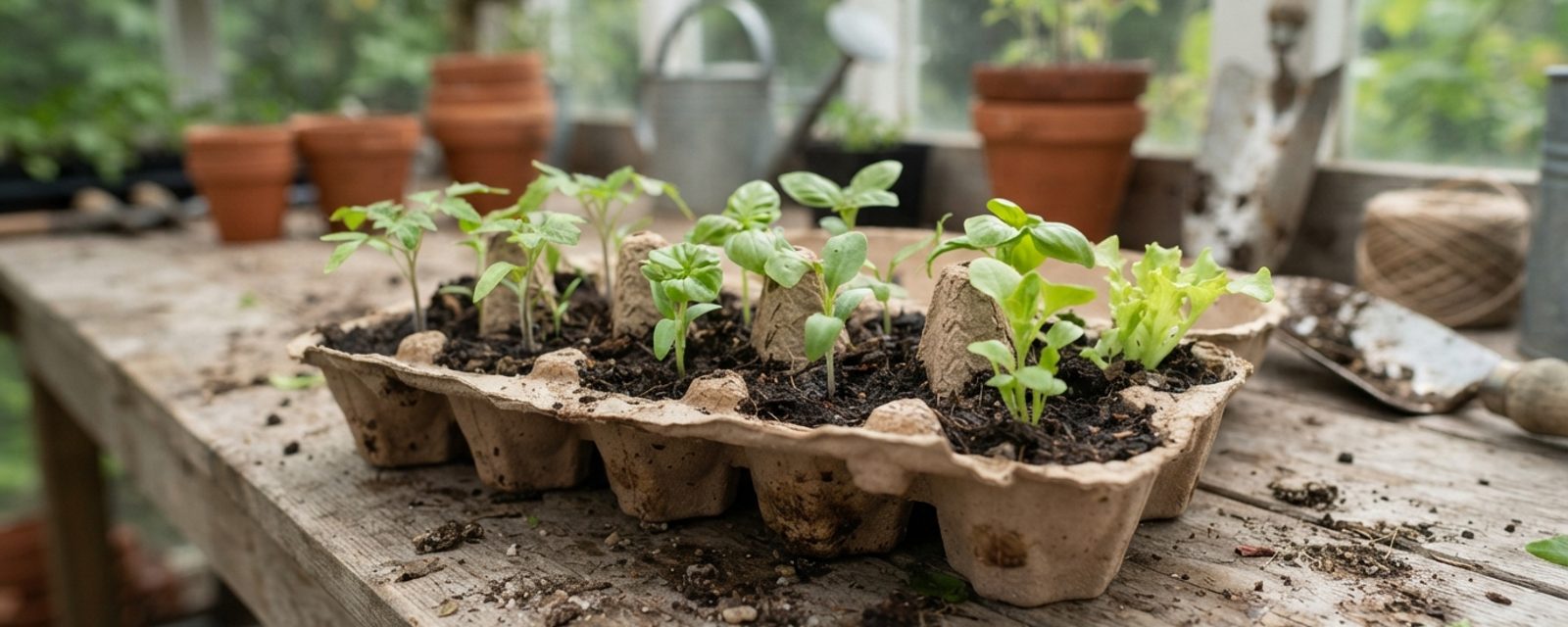 Reusing Household Items in the GardenEgg cartons, plastic bottles, ice lolly sticks and cardboard: which household reuses actually work, and why, sourced to RHS and Garden Organic.
 Tenement, Flat & Balcony Growing in Scotland: What Actually WorksPermission, weight limits, no outdoor tap, and shared-space etiquette: the real logistics of growing food in a Scottish tenement, flat or balcony.
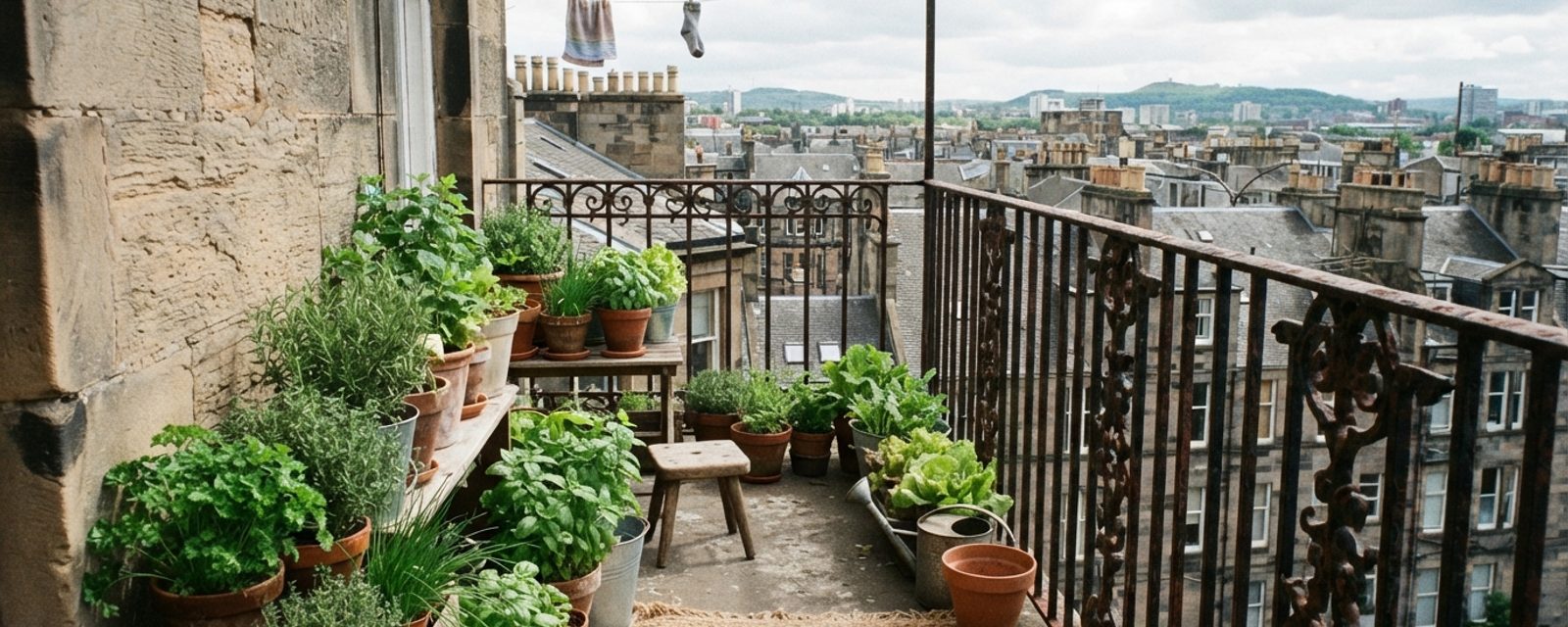 Best 5 Crops for a Windy Scottish BalconyFive container crops chosen for wind exposure specifically, plus techniques for keeping pots upright at height.
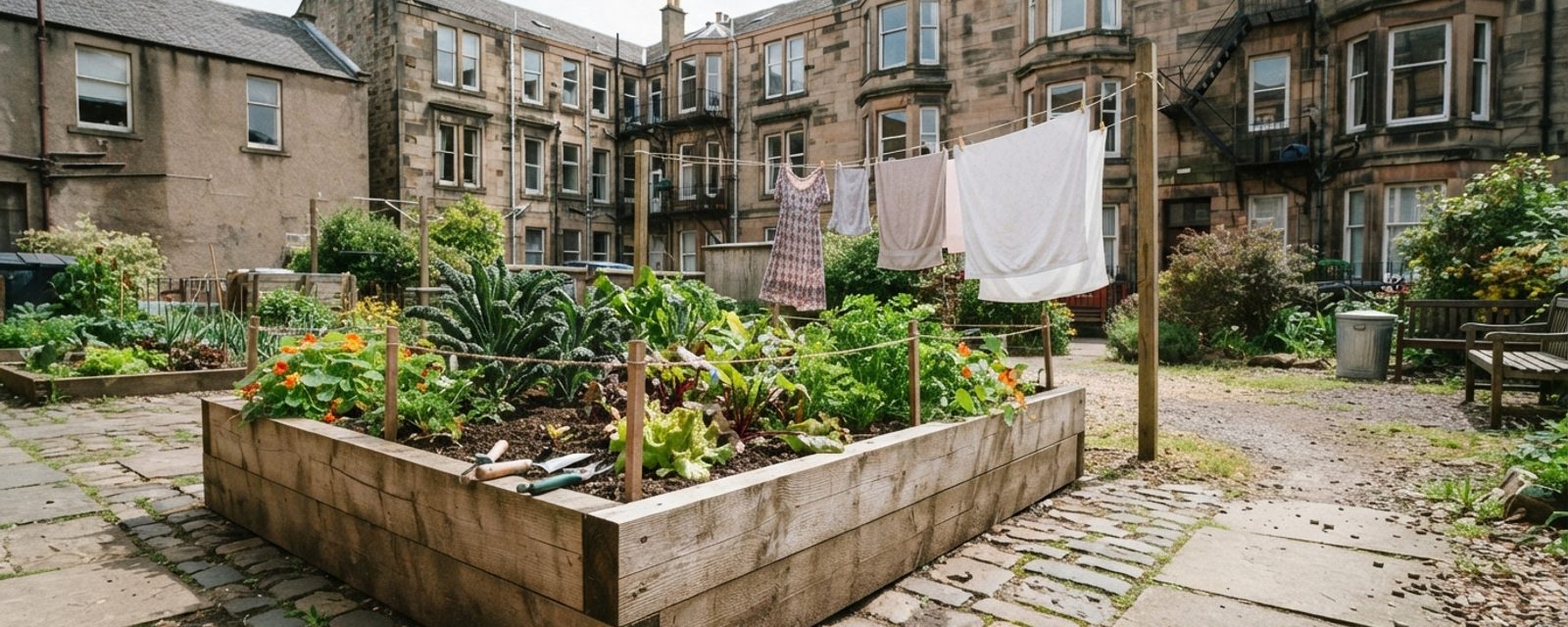 Building a Raised Bed on a Shared Tenement Back GreenThe tactical build-out once neighbours agree: drainage on paved ground, placement, and splitting a bulk soil order between households.
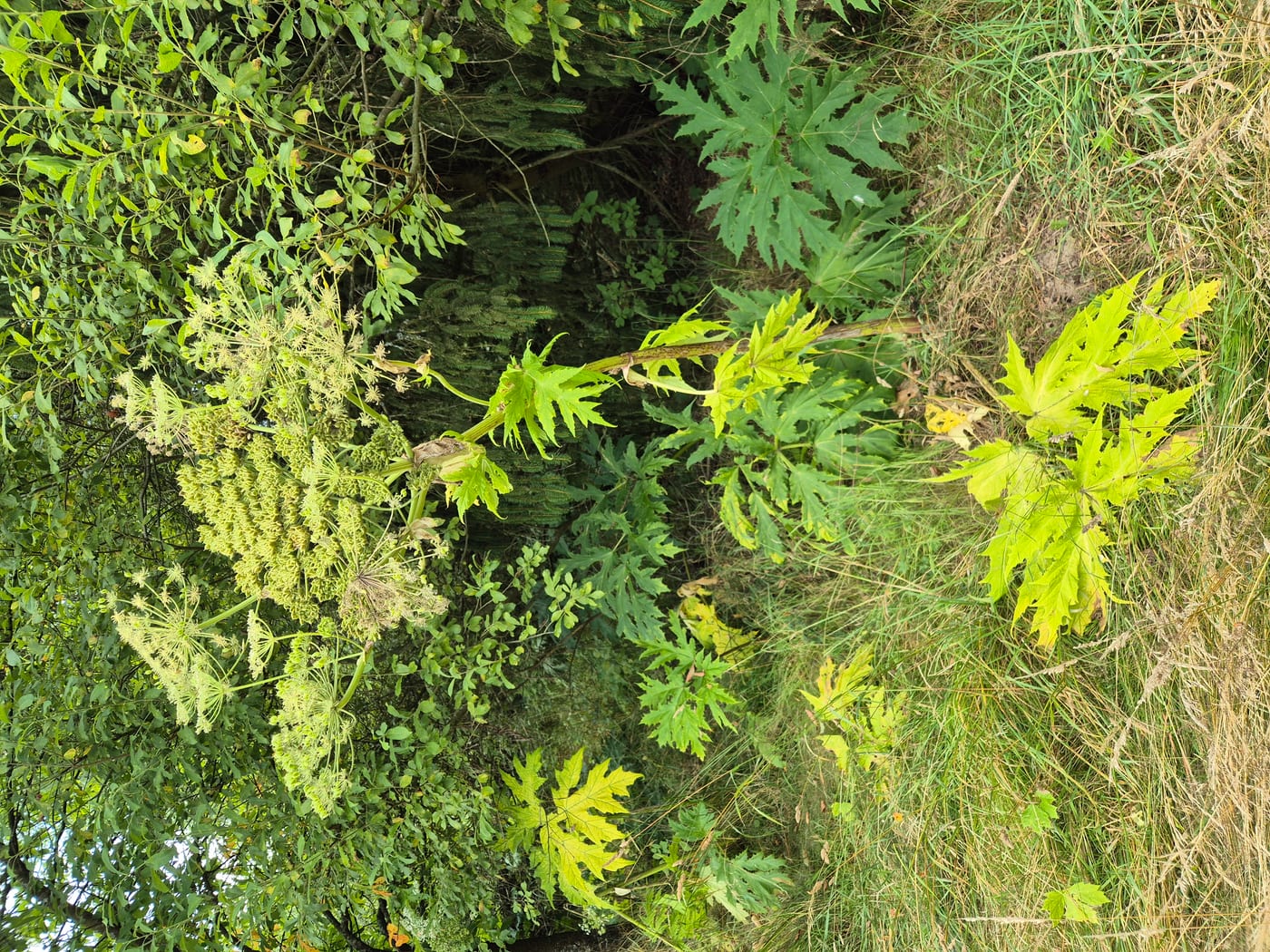 Dangerous & Notifiable Weeds in ScotlandGiant hogweed burns skin, knotweed is a legal and financial risk, ragwort kills horses but feeds pollinators, and rhododendron threatens Highland woodland.
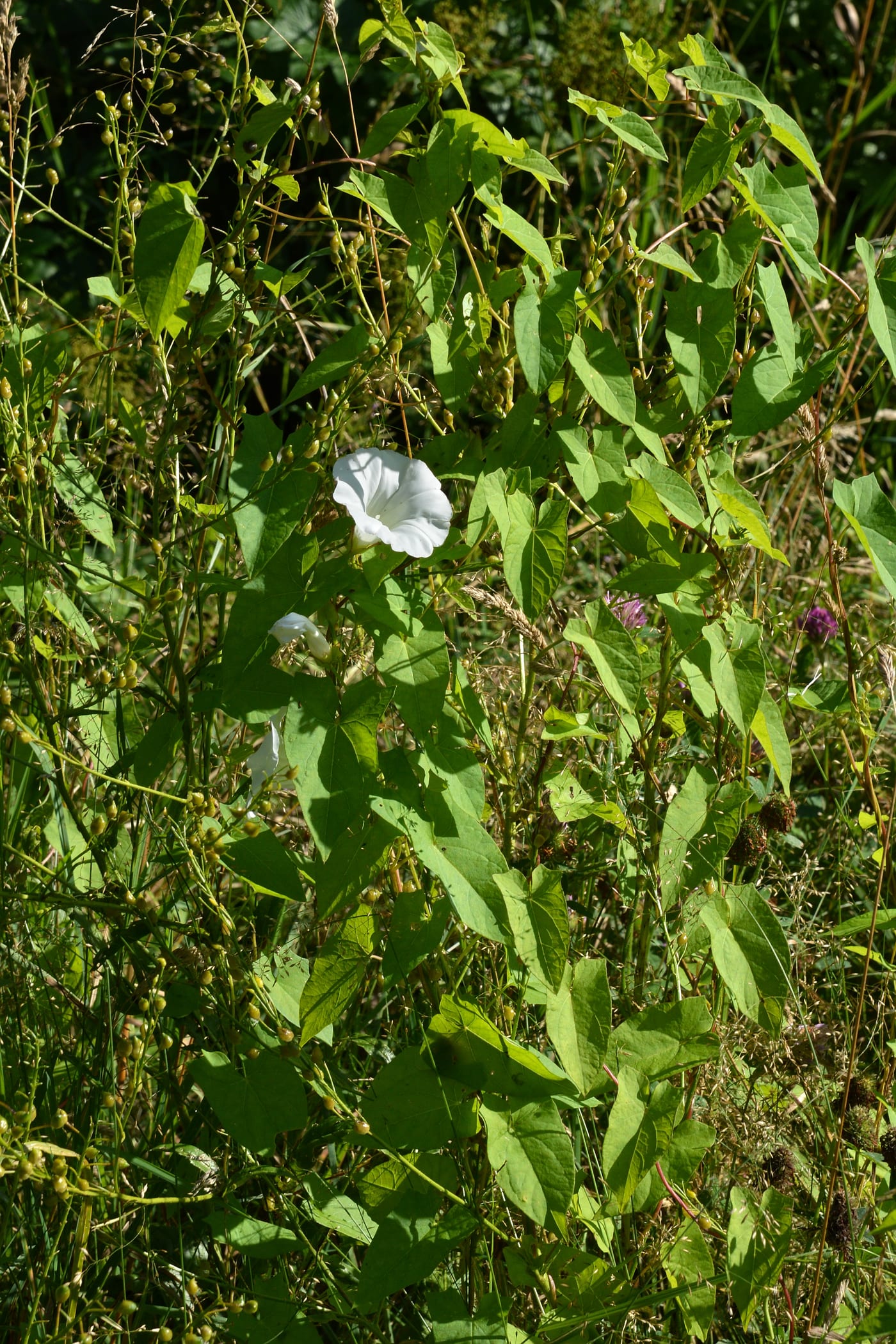 Common Garden Weeds in Scotland: Identification and ControlBindweed, ground elder, couch grass, dock and thistle identified, and why digging most of them up without care just spreads the problem.
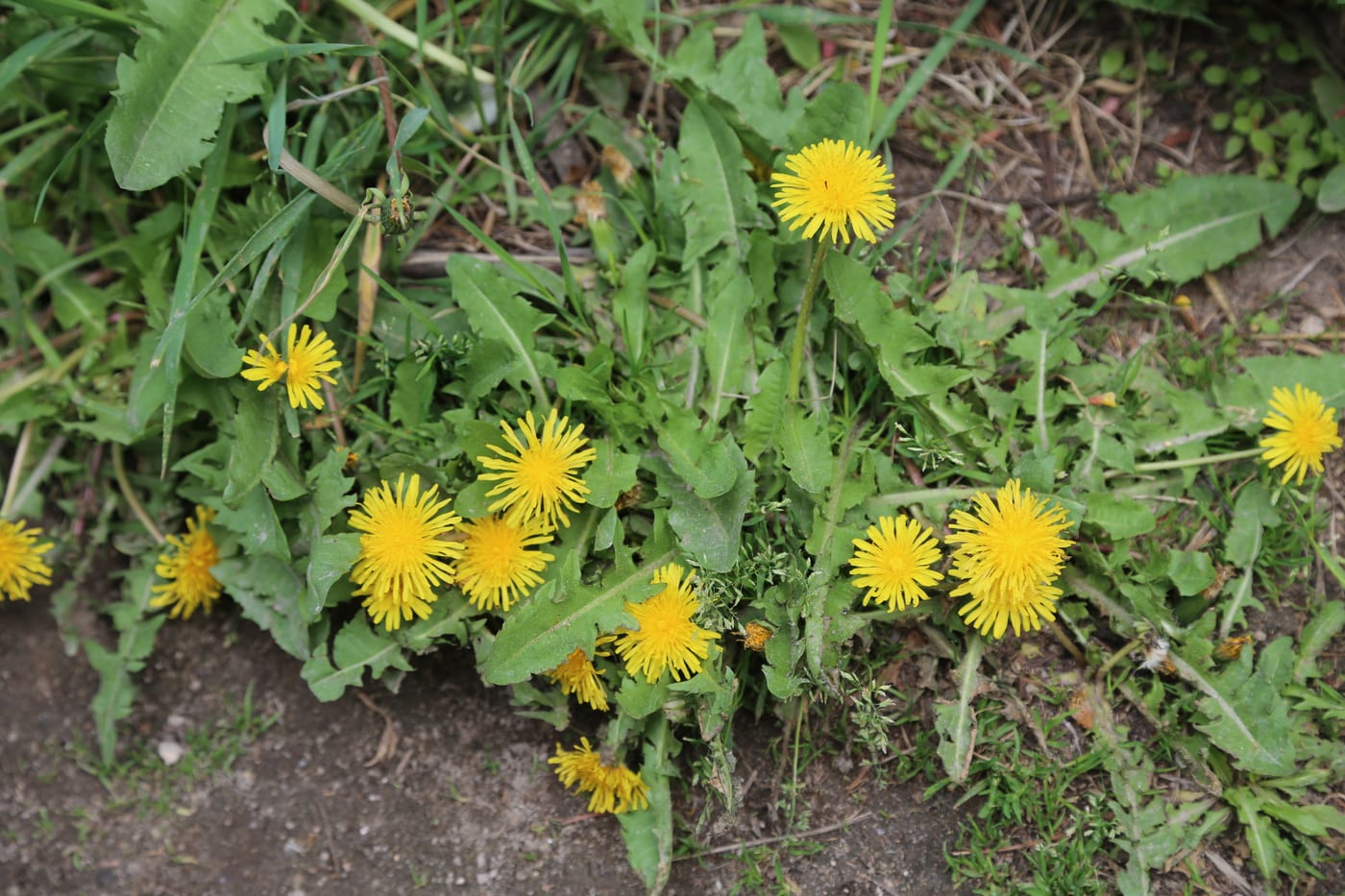 Weeds Worth Leaving in a Scottish GardenNettles, dandelions, clover and chickweed feed pollinators, butterflies and birds when little else does, and how to keep them from taking over.
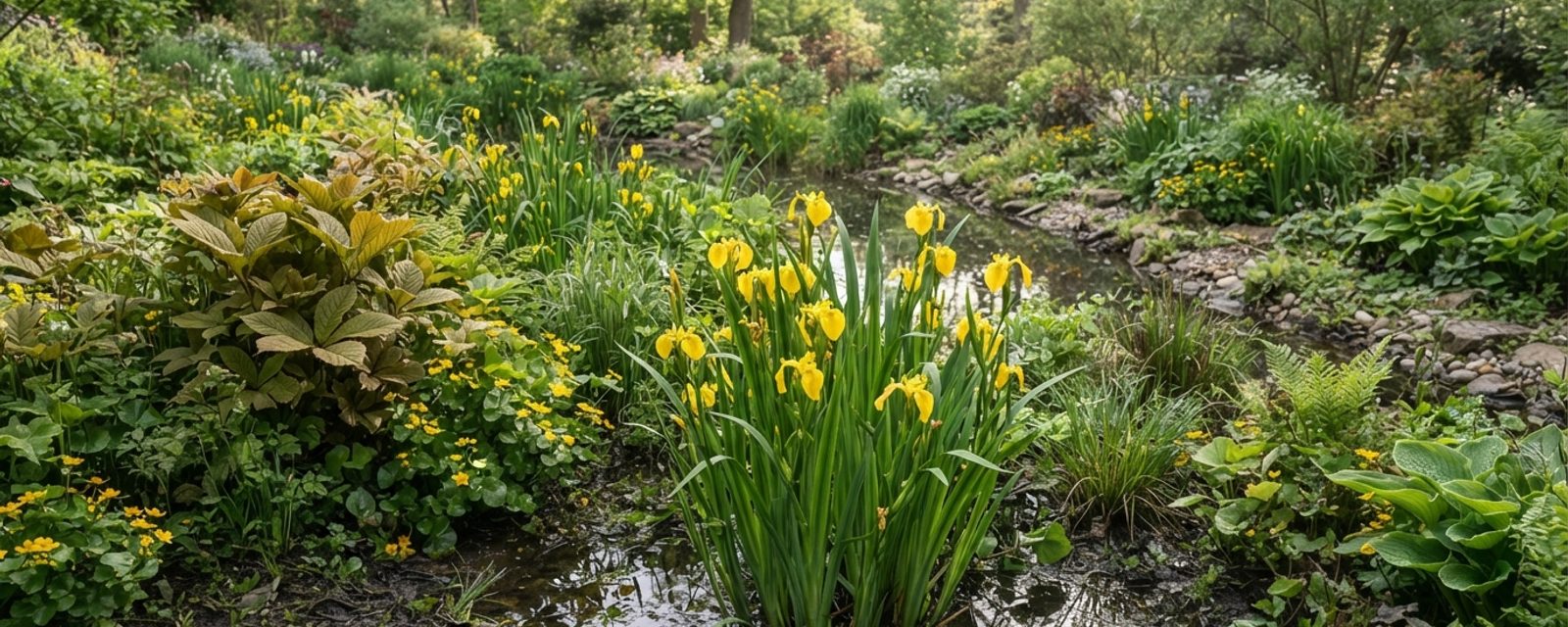 Best 5 Ornamental Plants for a Waterlogged Clay Scottish GardenFive ornamentals genuinely proven for standing water, not just heavy clay, and why Rodgersia and Astilbe don't actually belong on this list.
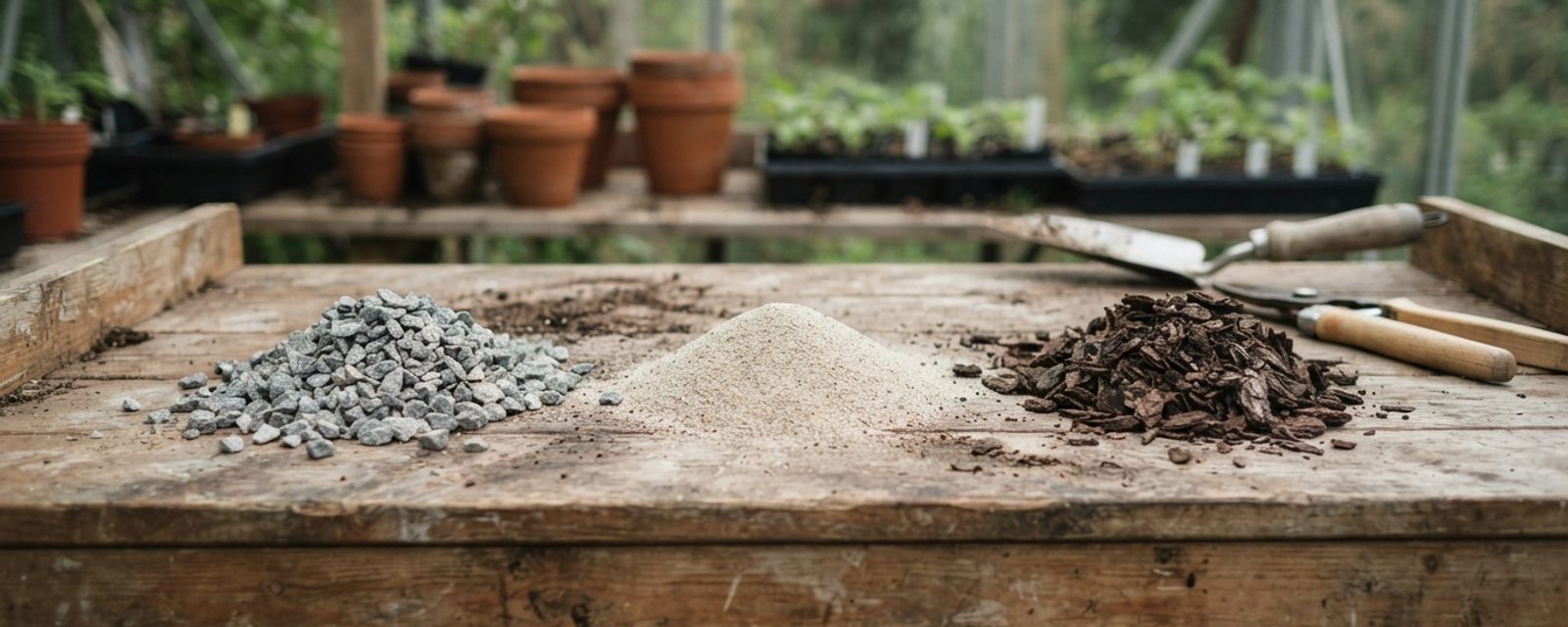 Horticultural Grit, Sand and Other Drainage Materials ComparedWhy particle shape decides what actually improves drainage, why builders' sand isn't a substitute, and why grit alone can't fix waterlogged clay.
 Best 5 Evergreen Hedging Plants for Year-Round Scottish PrivacyYew, western red cedar, Portuguese laurel, holm oak and Leyland cypress ranked for real year-round privacy, plus the Leyland cypress legal risk.
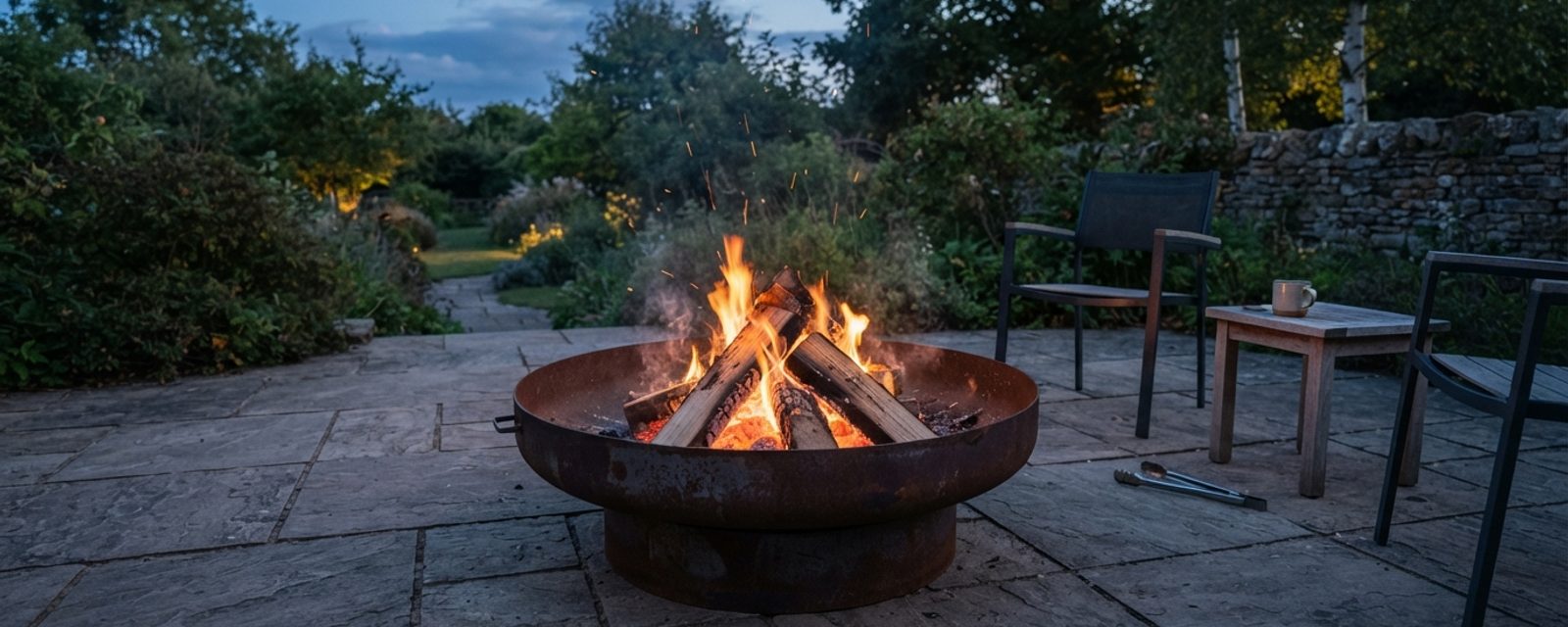 Fire Pits, Chimeneas and Wood-Burning Stoves: Rules for a Scottish GardenReal siting distances, whether Scotland's smoke control area law reaches an unconnected fire pit, and what a fixed garden stove adds in building control.
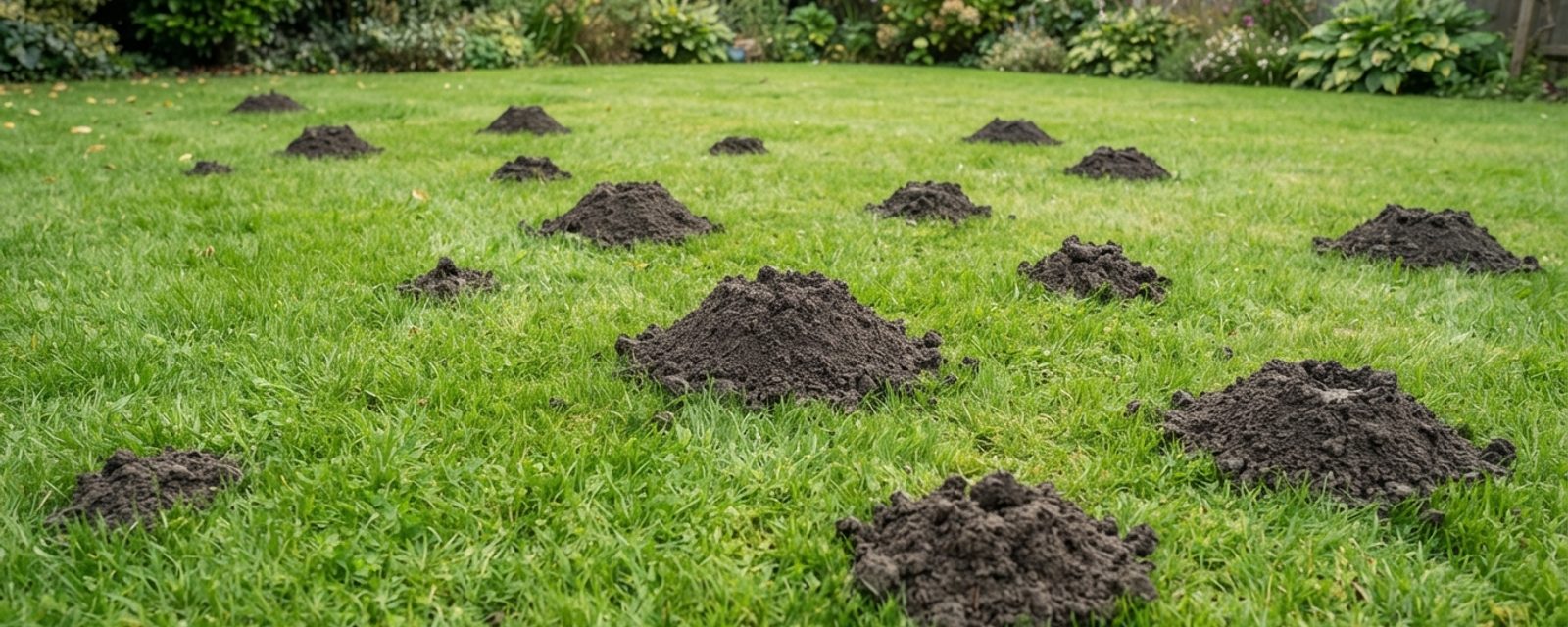 Moles in Your Lawn: Why the Hills AppearWhy a molehill is spoil, not feeding damage, how to tell it apart from chafer grubs and worm casts, and what's legal to trap in Scotland.
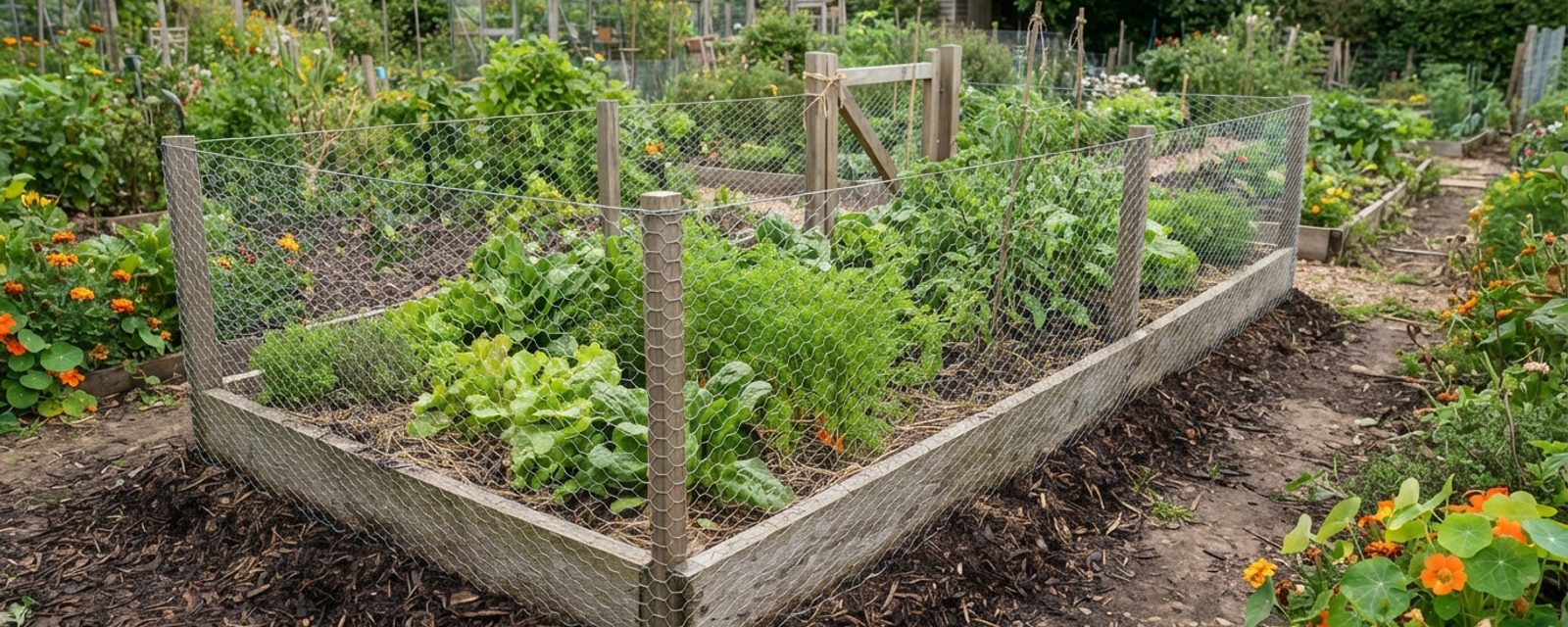 Keeping Rabbits Out of a Scottish GardenWhy buried, outward-skirted mesh (not fence height) is the real defence, how to tell rabbit damage from deer, and Scotland's 2024 trap-law changes.
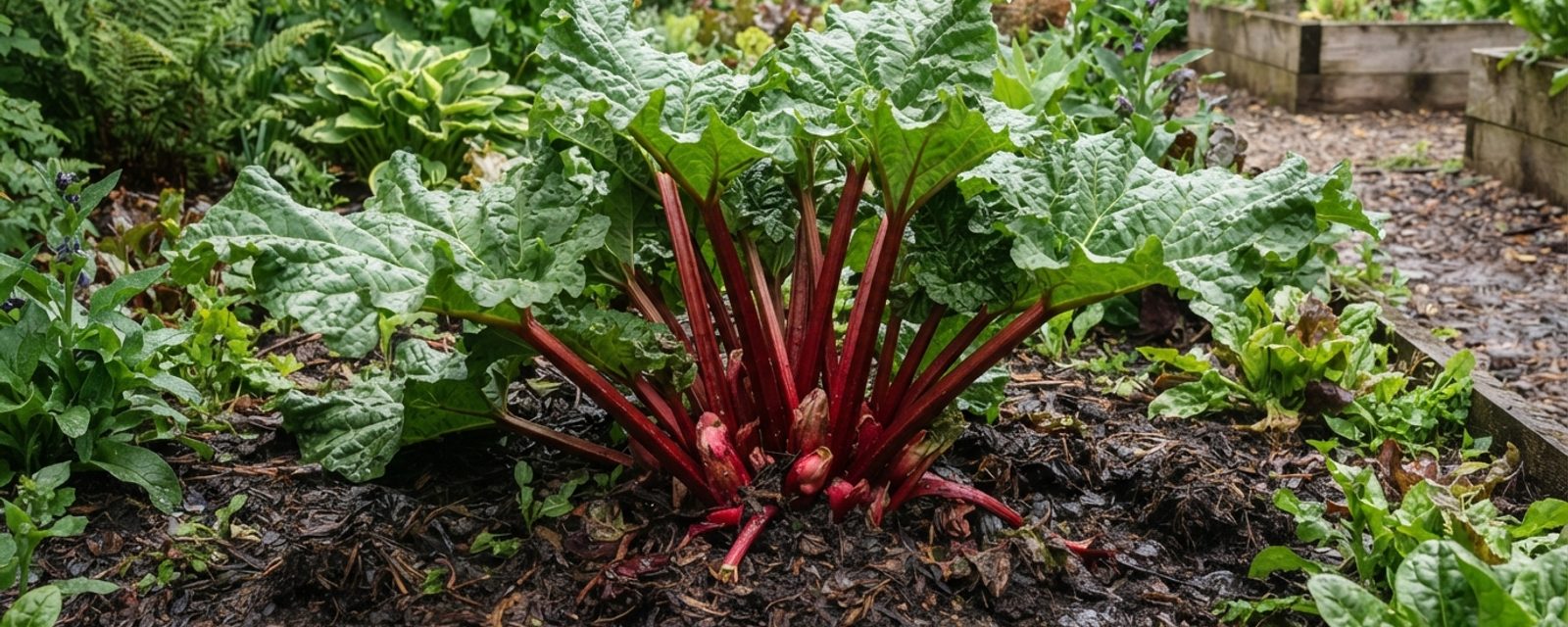 Top 5 Crops for a Damp Scottish GardenRhubarb, land cress, celery, sorrel and chervil: five crops that genuinely want moisture-retentive soil, and why damp is not the same problem as clay.
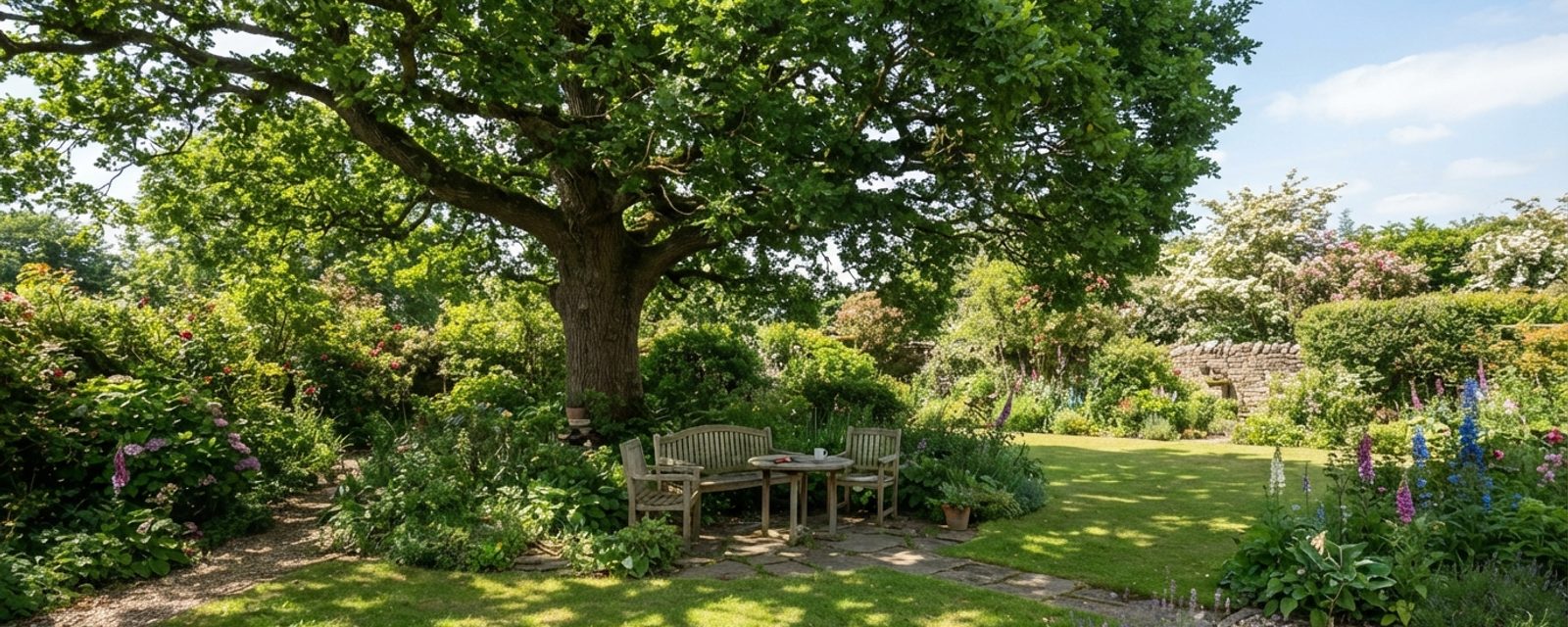 Best 5 Trees to Shade a Sunny Scottish GardenRowan, field maple, hawthorn, crab apple and silver birch: five genuinely hardy shade trees sized for a Scottish garden, and the real limiting factor.
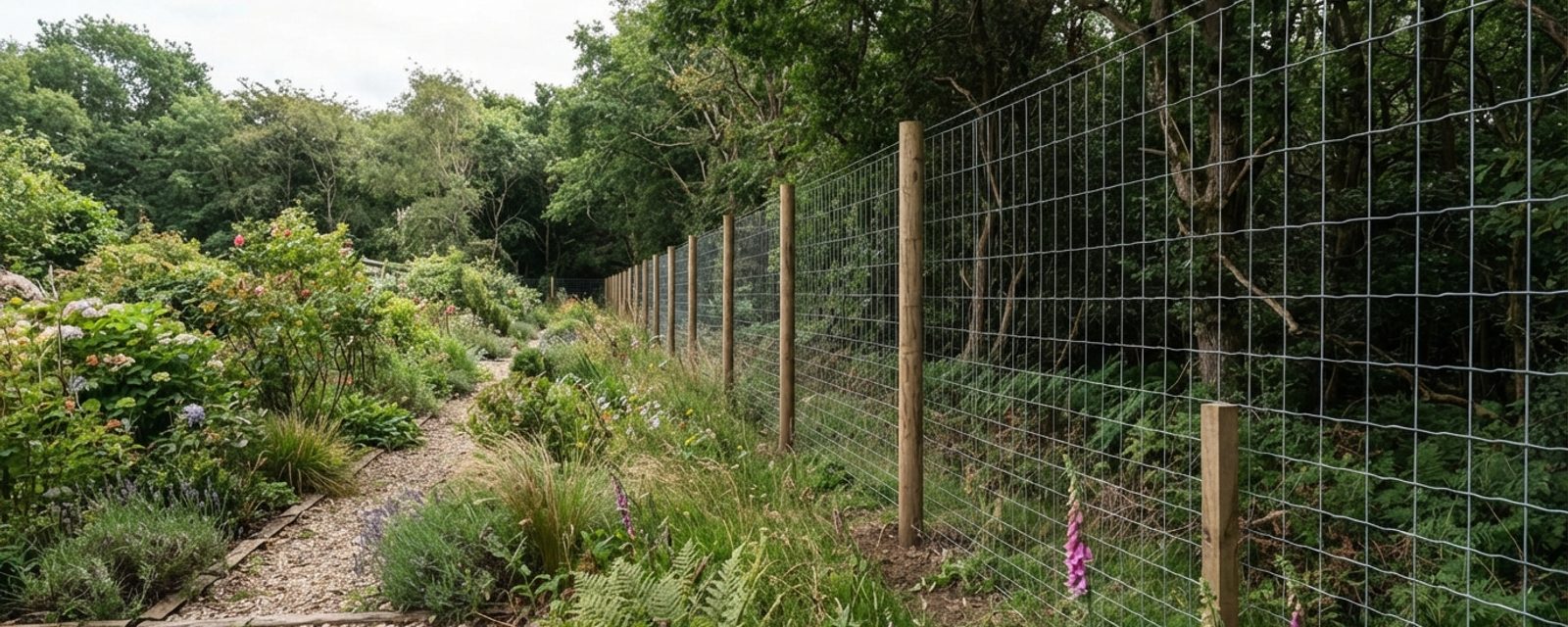 Keeping Deer Out of a Scottish GardenThe fence heights that actually keep deer out by species, what's folklore versus proven, and Scotland's four deer species most UK advice doesn't cover.
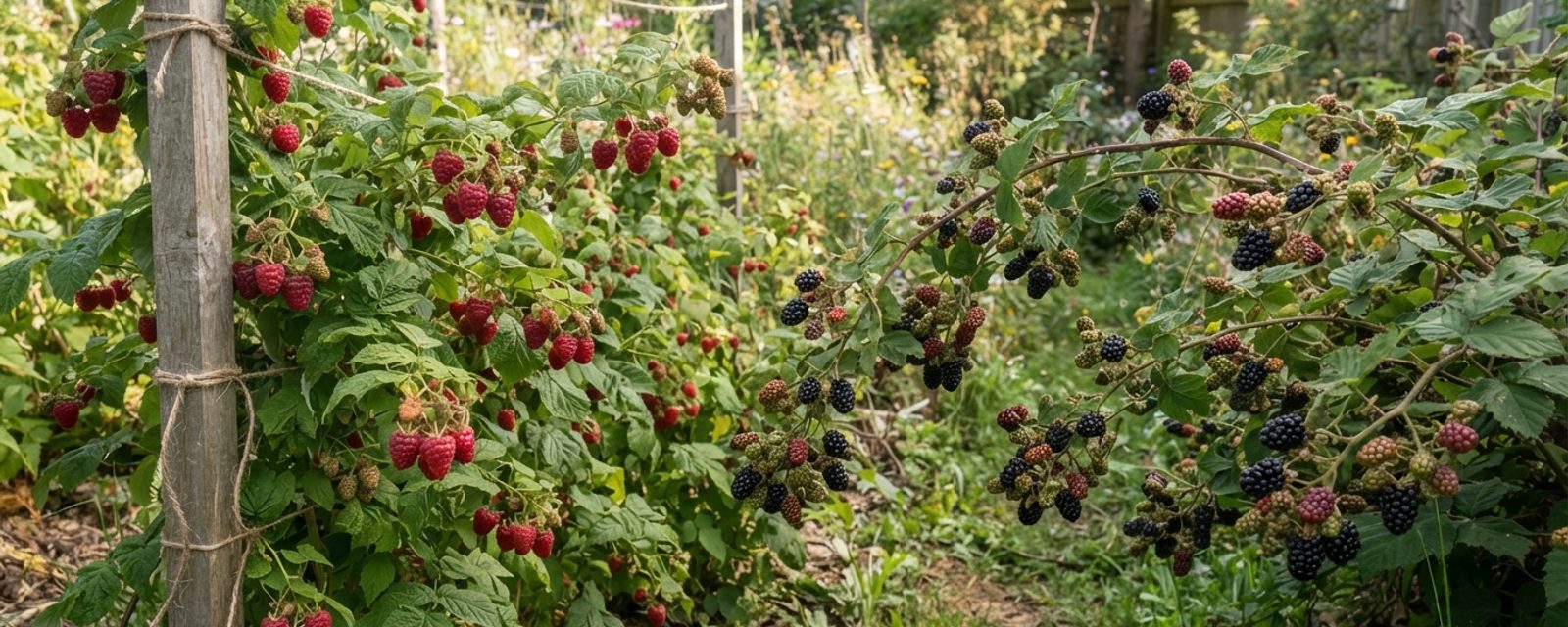 Dealing with a Glut of Raspberries & BlackberriesWhy raspberries ripen in a single rush and blackberries trickle for weeks, whether picking more actually helps, and how variety choice spreads the harvest.
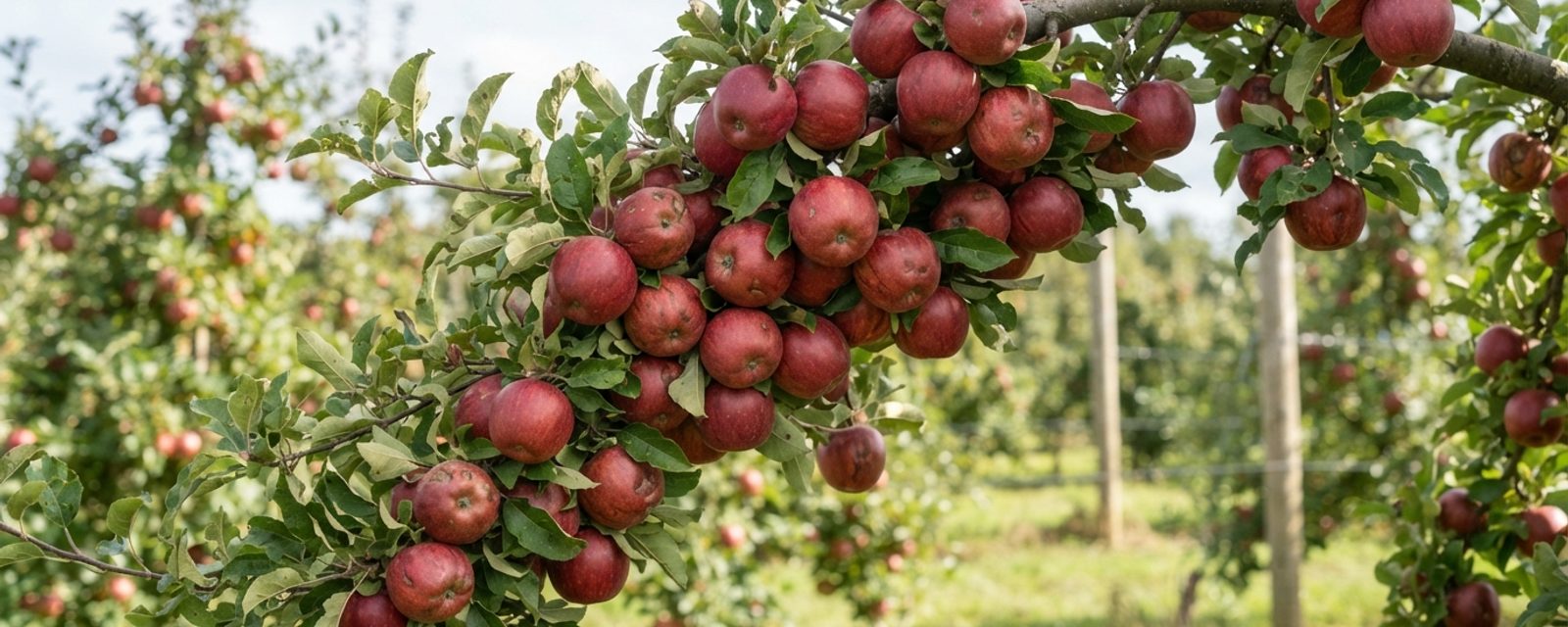 Dealing with a Glut of ApplesWhy an apple tree's crop ripens almost all at once, how biennial bearing sets up next year's bare patch, and how variety choice spreads the glut.
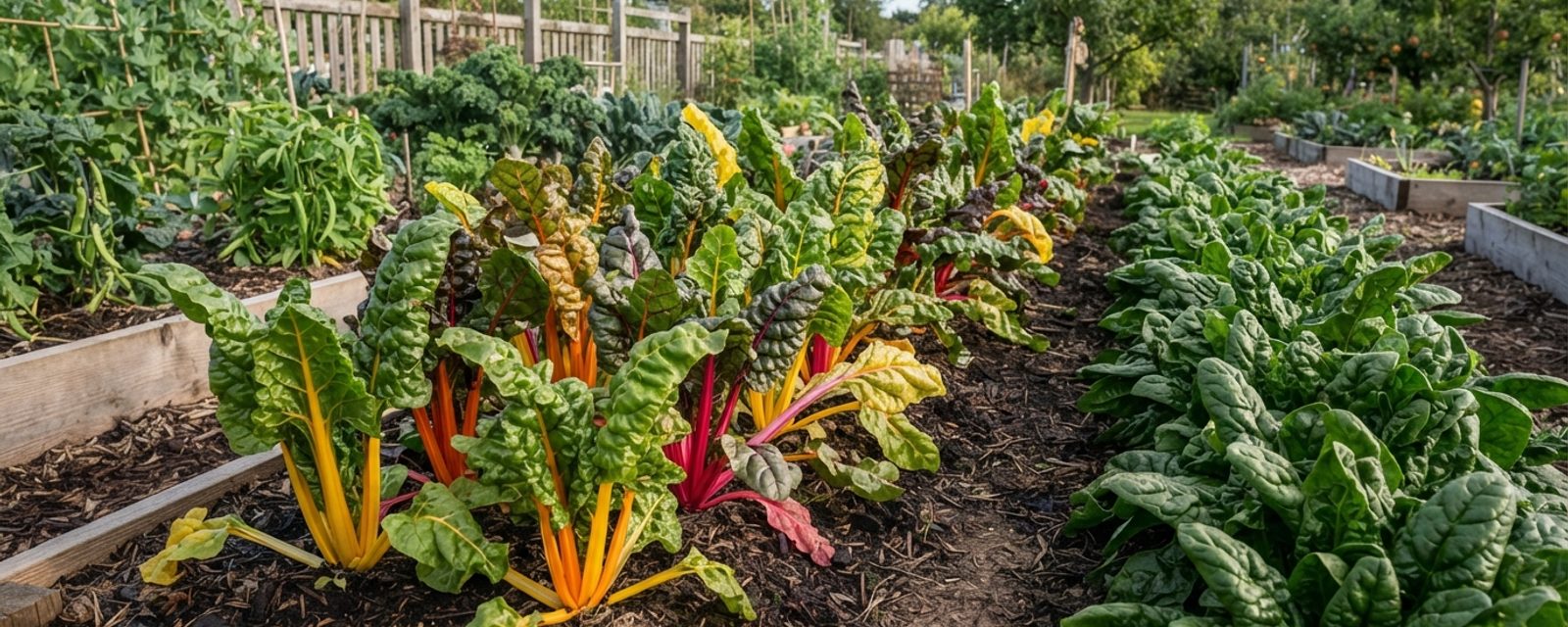 Dealing with a Glut of Chard & SpinachWhy chard crops for months and spinach bolts in weeks, how Scotland's longer summer daylight pushes spinach to flower early, and how to manage both.
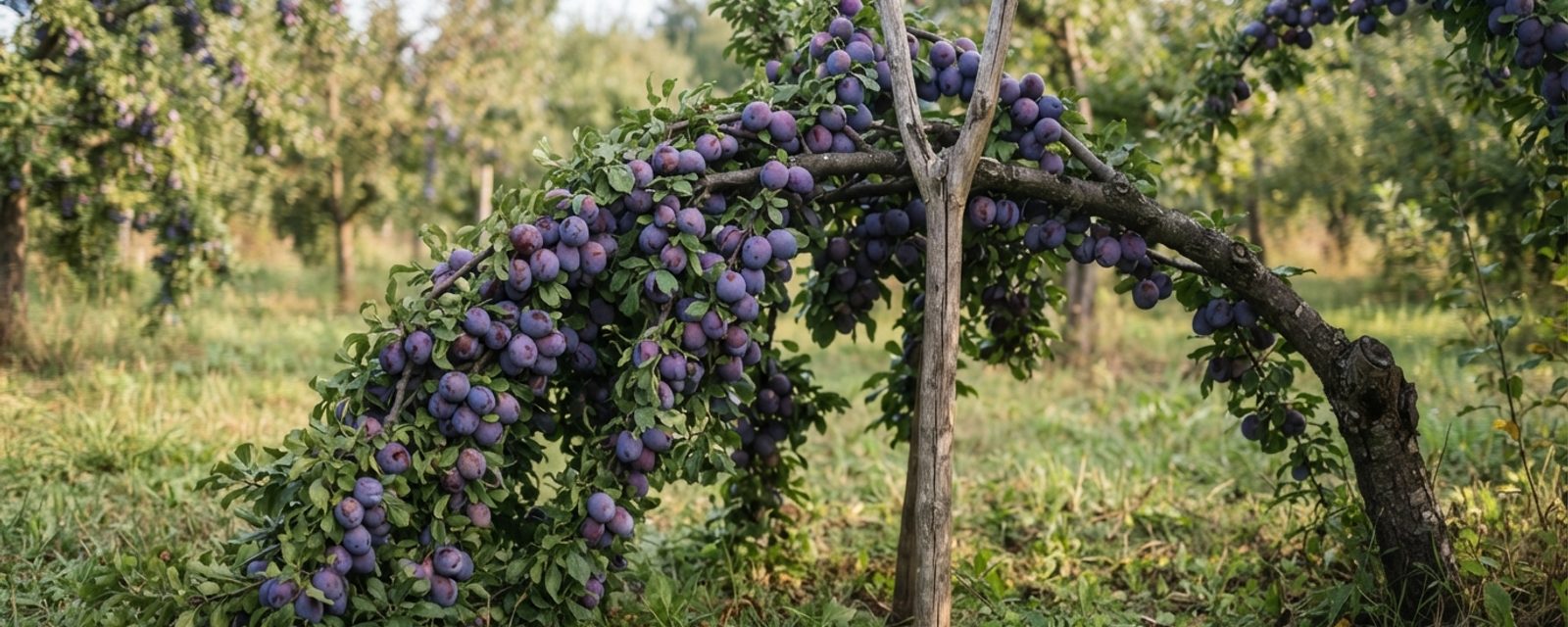 Dealing with a Glut of PlumsWhy a Scottish plum glut is rarer than currants or gooseberries, how biennial bearing and frost drive the good years and the bare ones, and what to do once fruit is ripening fast.
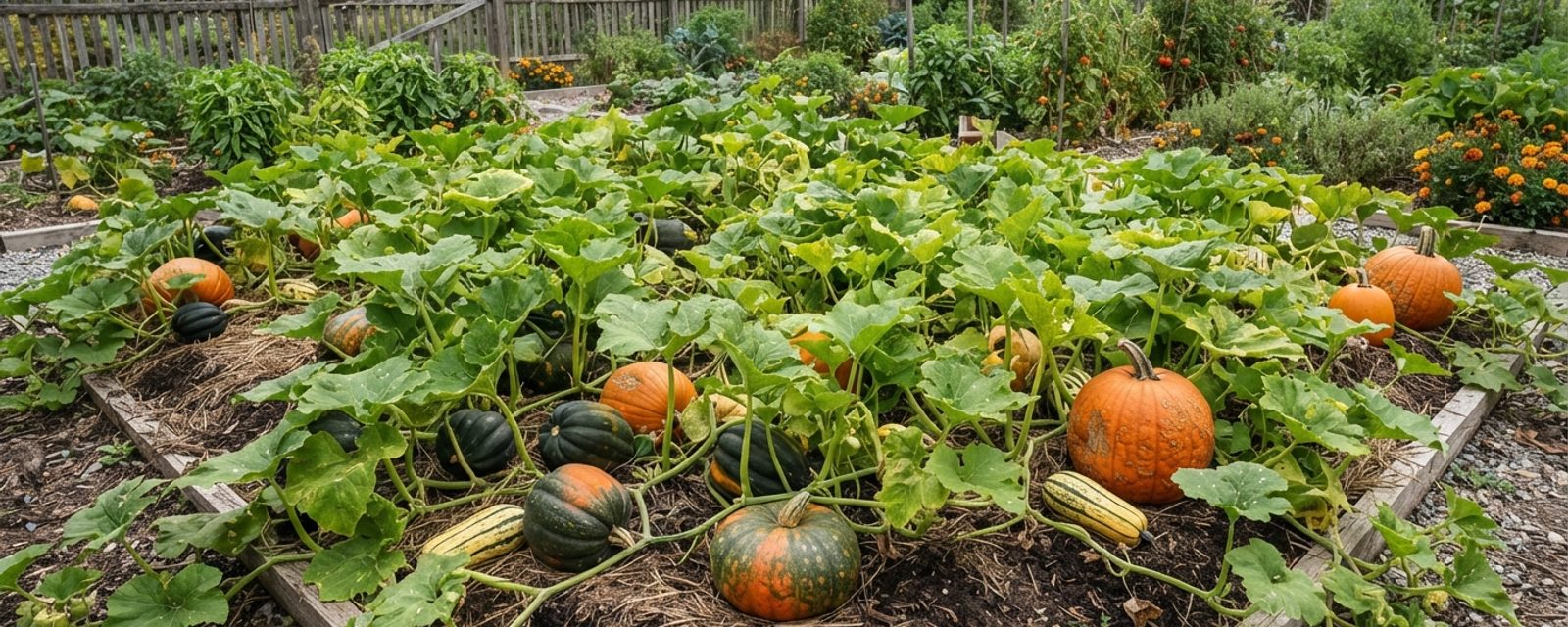 Dealing with a Glut of SquashWhy a winter squash glut arrives as one forced harvest event, not a picking backlog, and the sowing-date arithmetic that decides how much margin you have against frost.
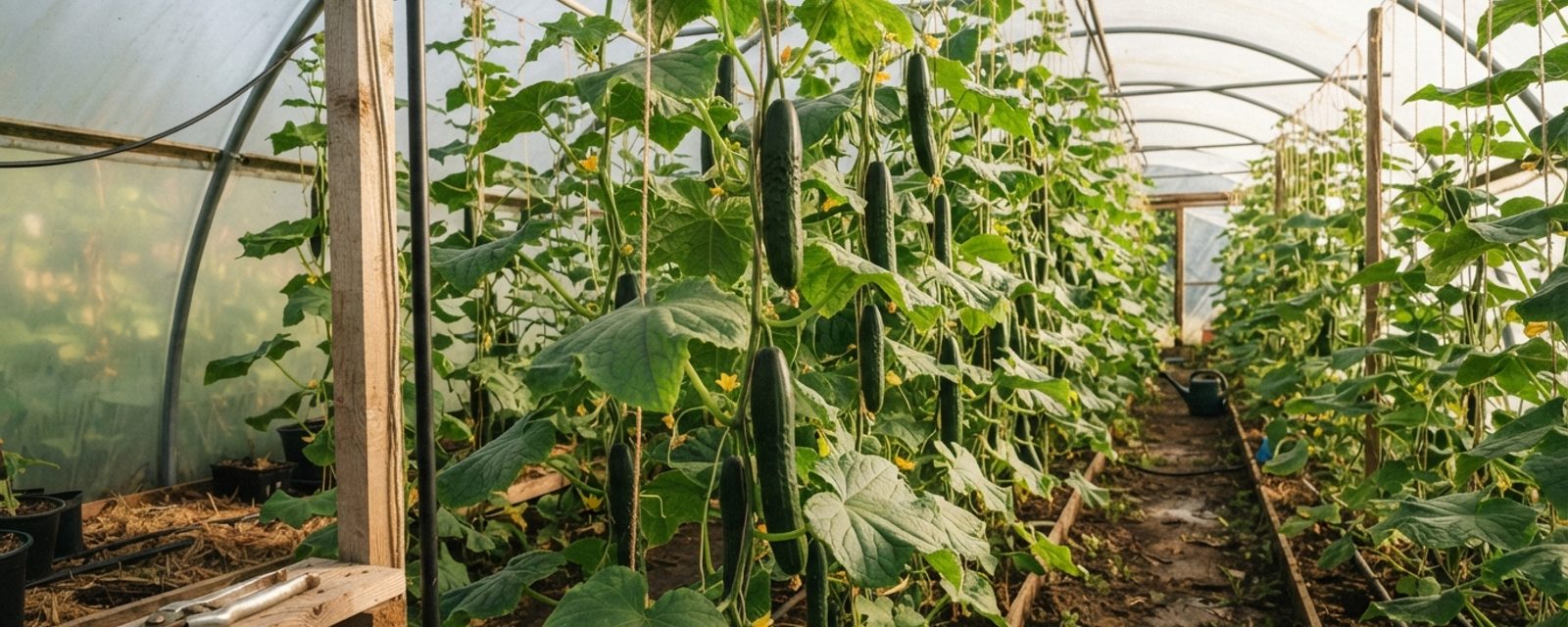 Dealing with a Glut of CucumbersWhy regular picking keeps a cucumber plant producing, how fast ripe fruit turns bitter, and why a Scottish greenhouse crop gluts harder than an outdoor one.
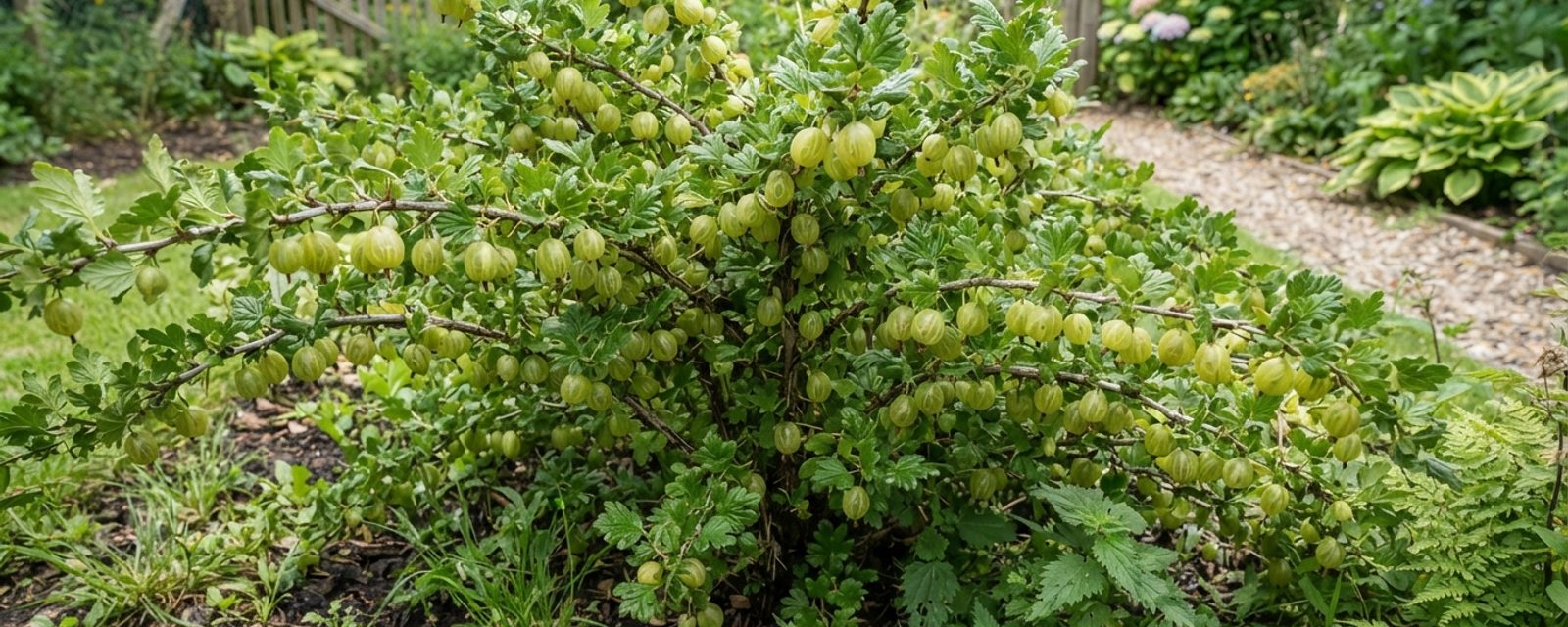 Dealing with a Glut of GooseberriesWhy gooseberries get picked twice, how the early thinning pick heads off a glut before it happens, and what to watch for in a Scottish garden.
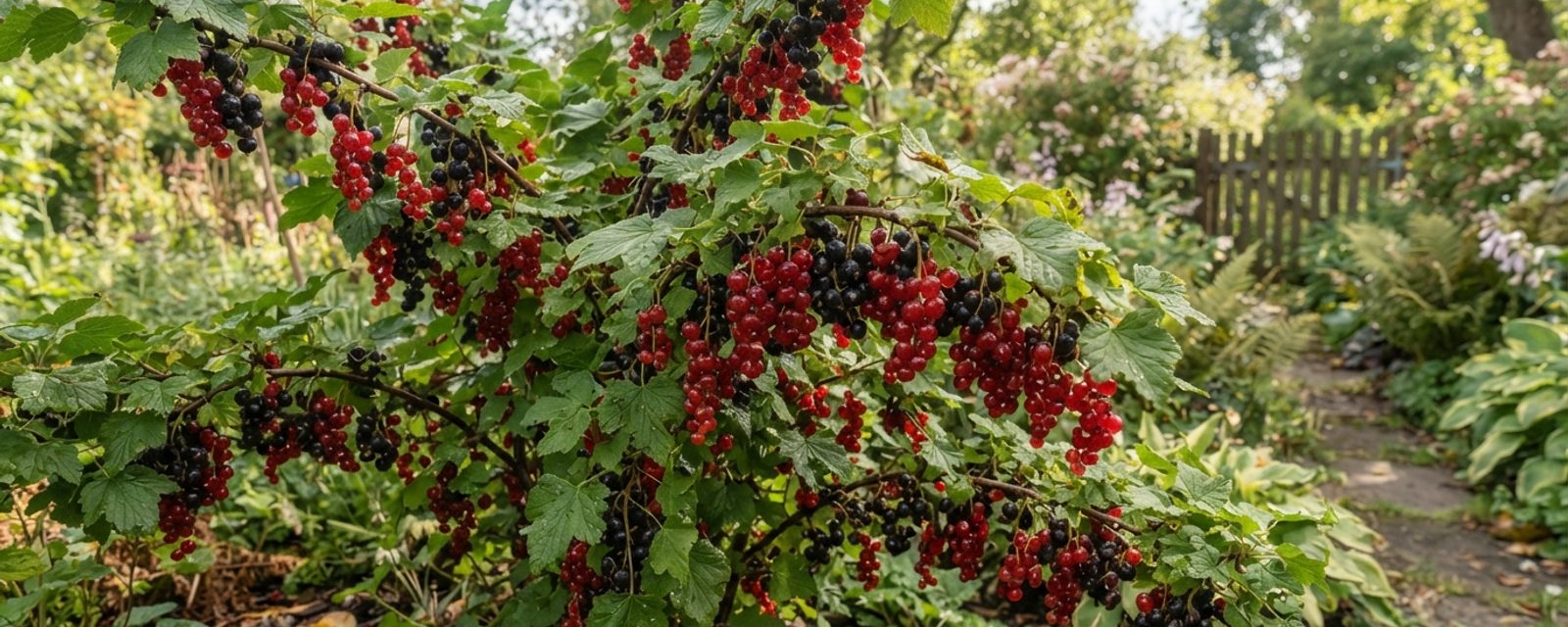 Dealing with a Glut of Blackcurrants and RedcurrantsWhy currants ripen in one concentrated pulse, the real weather and bird risks once they do, and the only genuine ways to spread the harvest.
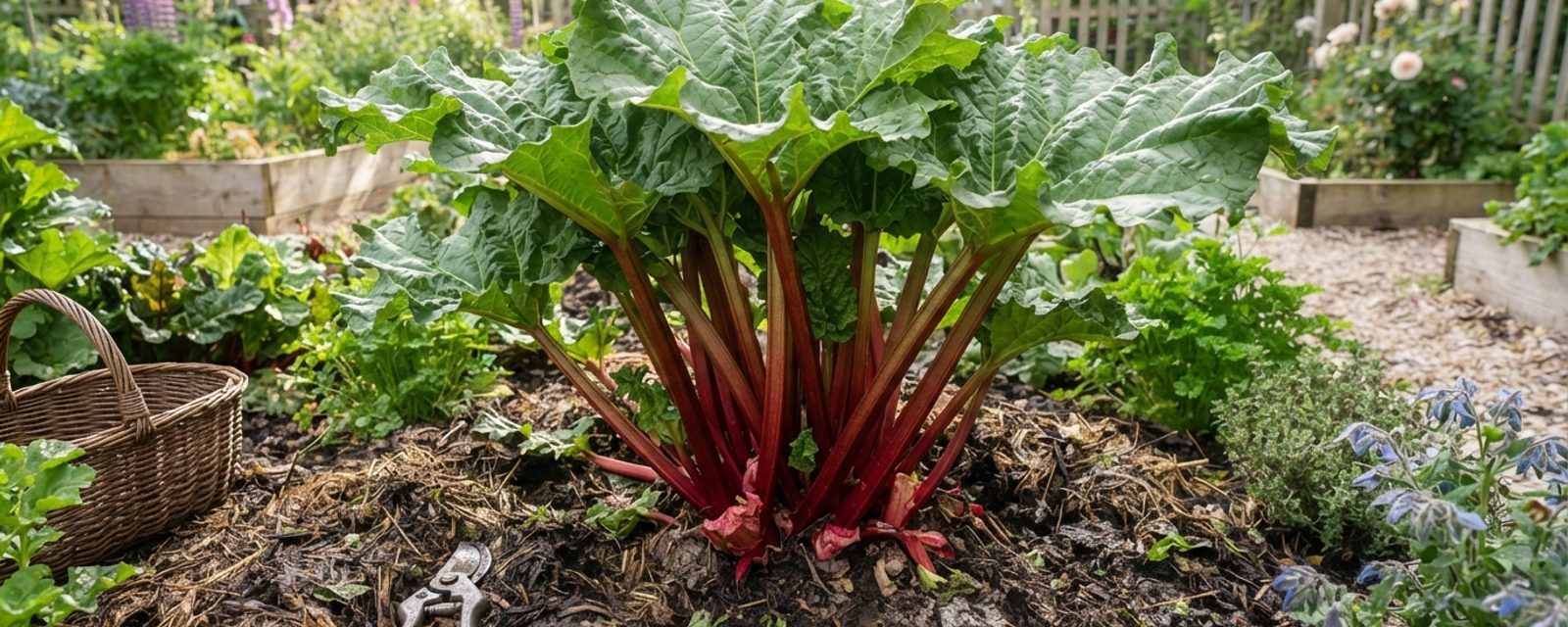 Dealing with a Glut of RhubarbWhy an established rhubarb crown keeps producing all season in Scotland, and how to spread the harvest with forcing and staggered varieties.
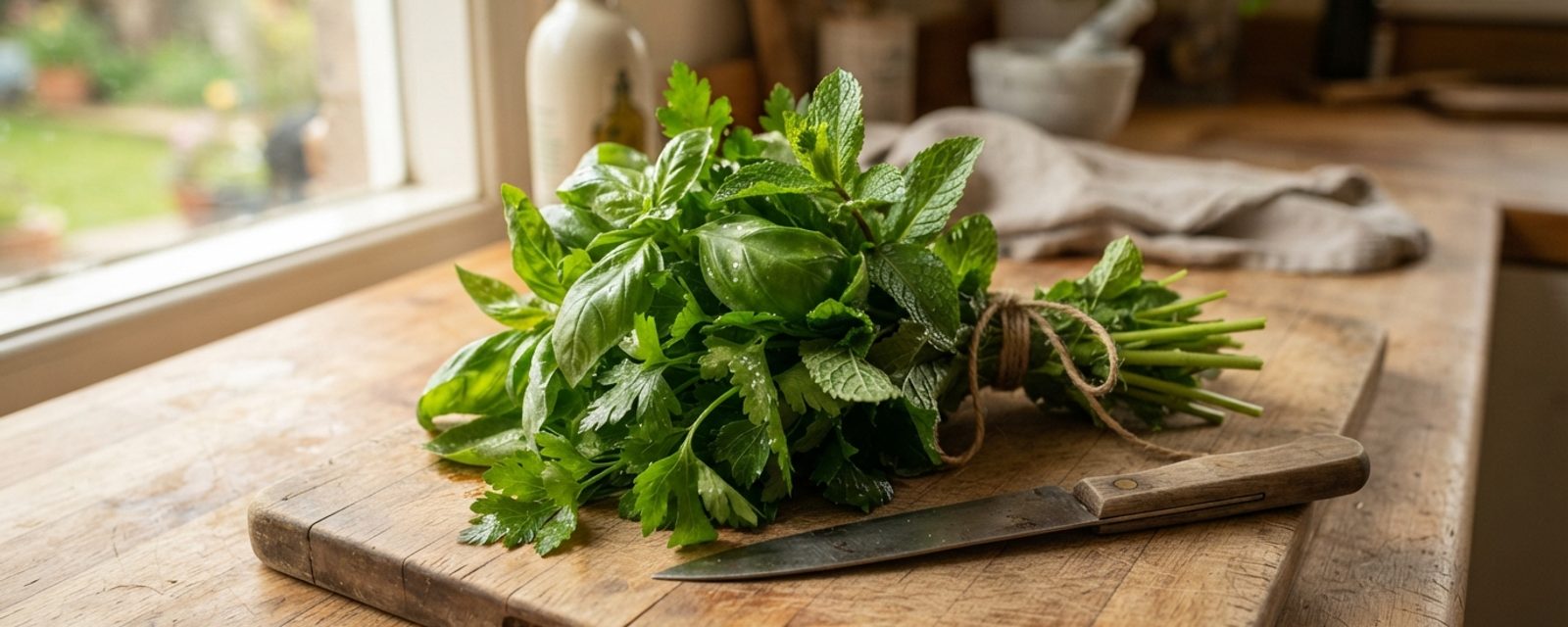 Herbs You Shouldn't Bother Drying, and What to Do InsteadBasil, chervil, dill, parsley and six more soft herbs that lose flavour when air-dried, and the freezing methods that actually work.
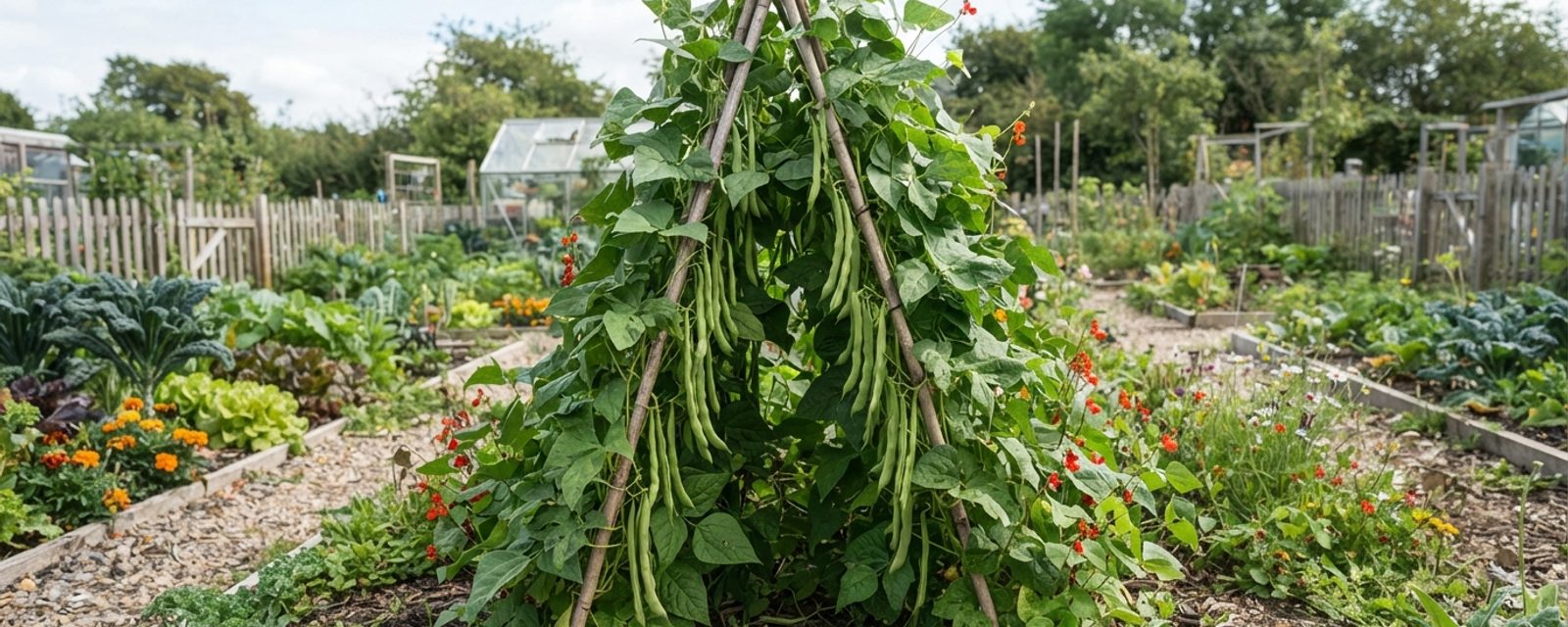 Dealing with a Glut of Runner & French BeansThe mechanism behind a bean glut, why Scottish weather makes it come in an uneven flush, and how to keep plants cropping longer.
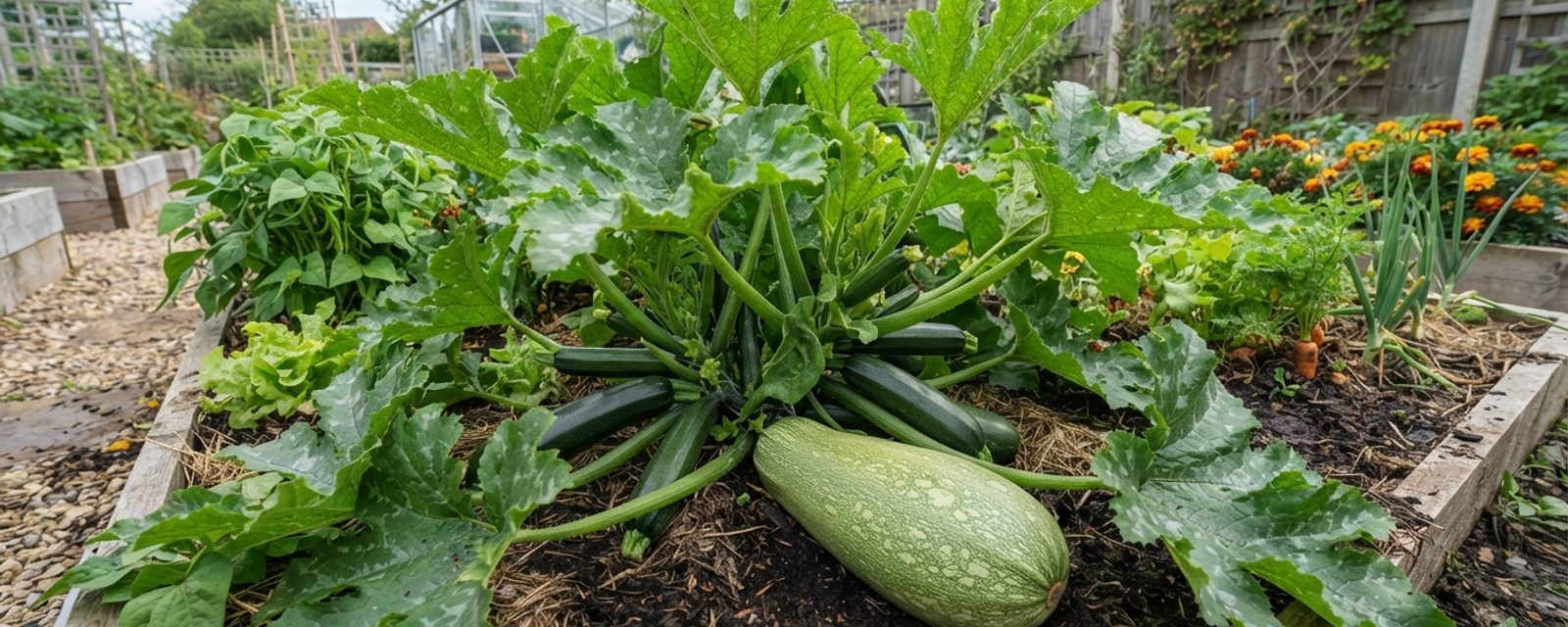 Dealing with a Glut of CourgettesWhy courgette gluts hit all at once in a Scottish garden, the real mechanism behind it, and how to flatten the peak.
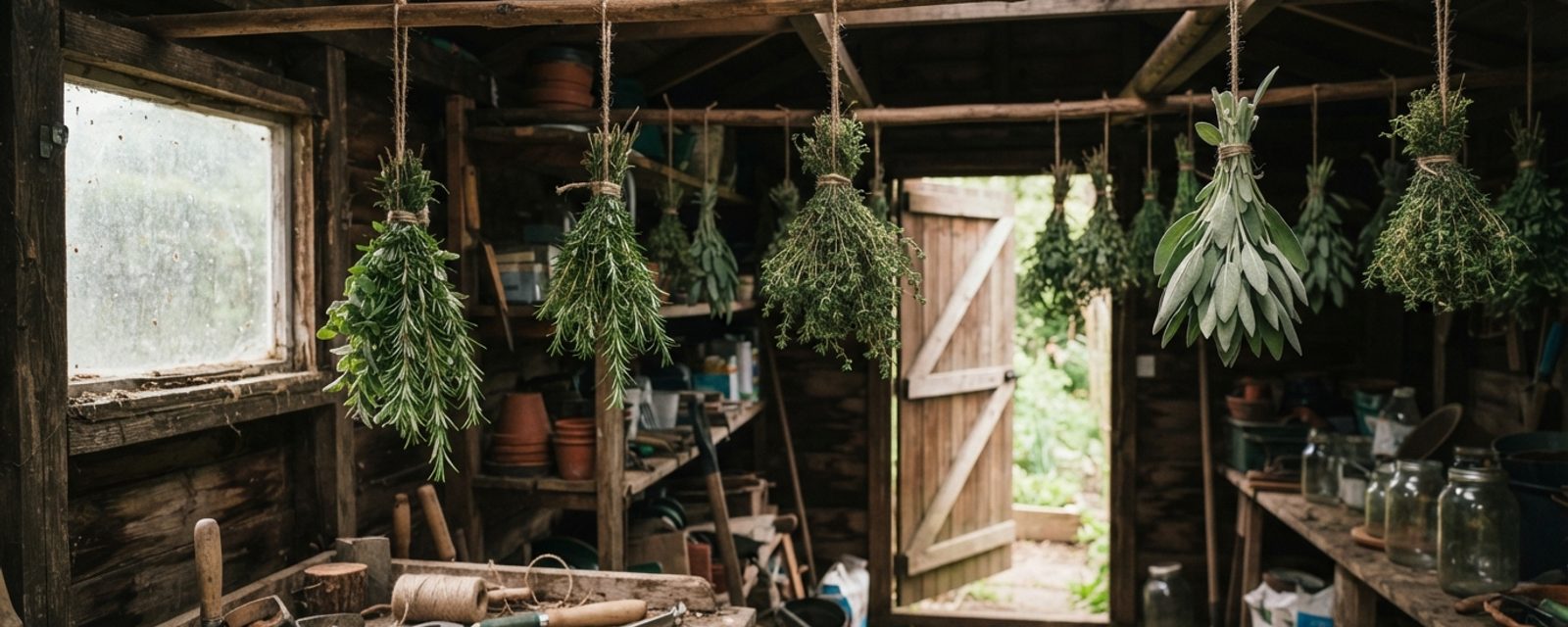 How to Dry Herbs That Actually Dry WellRosemary, thyme, sage, oregano, bay, lavender and the savories: which herbs keep their flavour dried, and which fade fast.
 F1 vs Heirloom Seed: What Actually MattersThe real genetic difference behind the two seed-packet labels, and when each one actually serves a Scottish garden better.
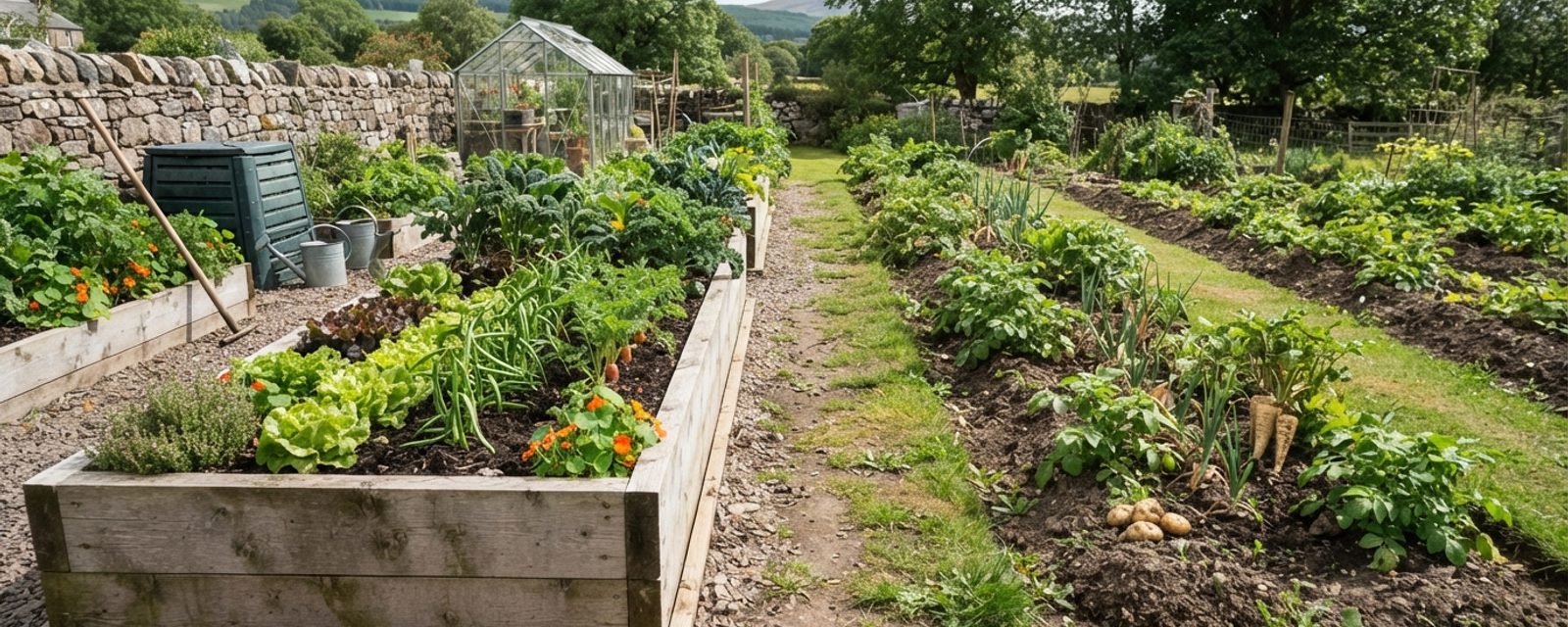 Raised Bed vs Ground Growing: Which Suits a Scottish GardenWhat a raised bed actually fixes, what it costs, and the one problem raising the bed never solves on its own.
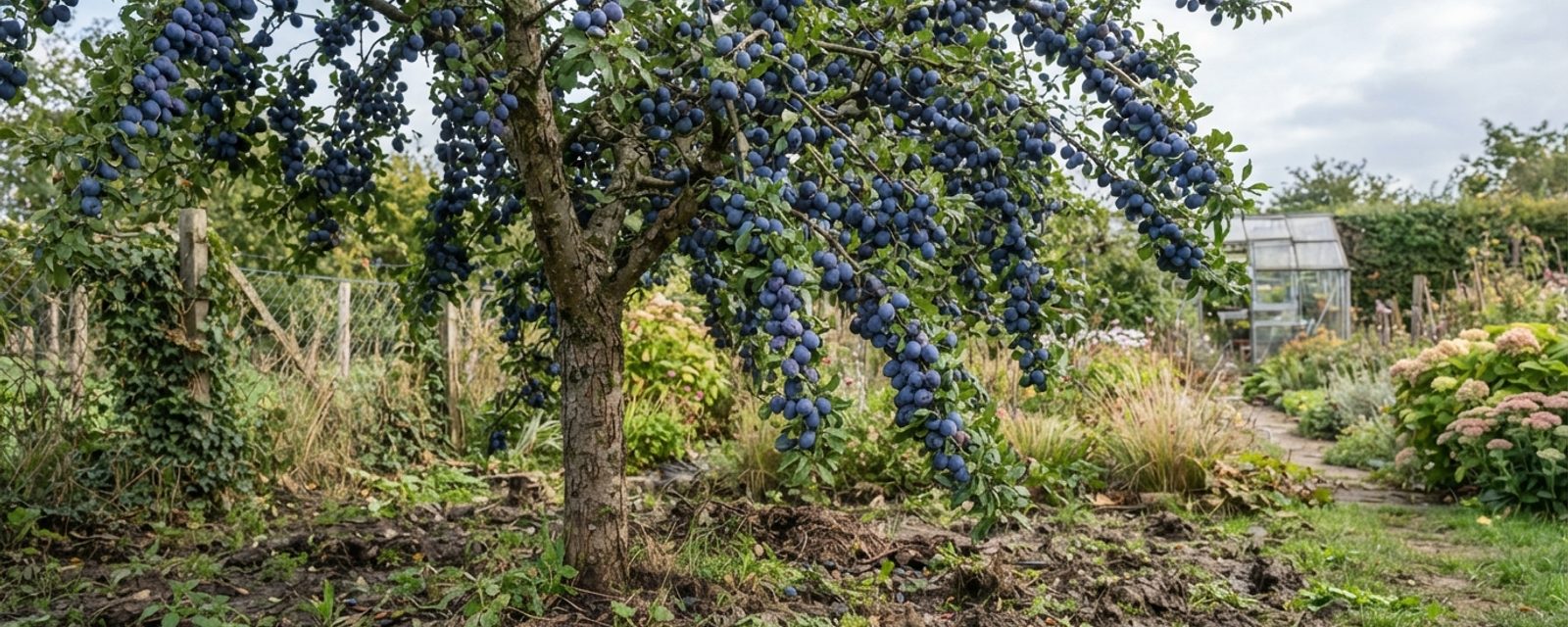 Top 5 Crops for Heavy Clay SoilComfrey, damsons, water mint, lovage, quince: five crops that genuinely tolerate unimproved clay, and why most vegetables don’t make this list.
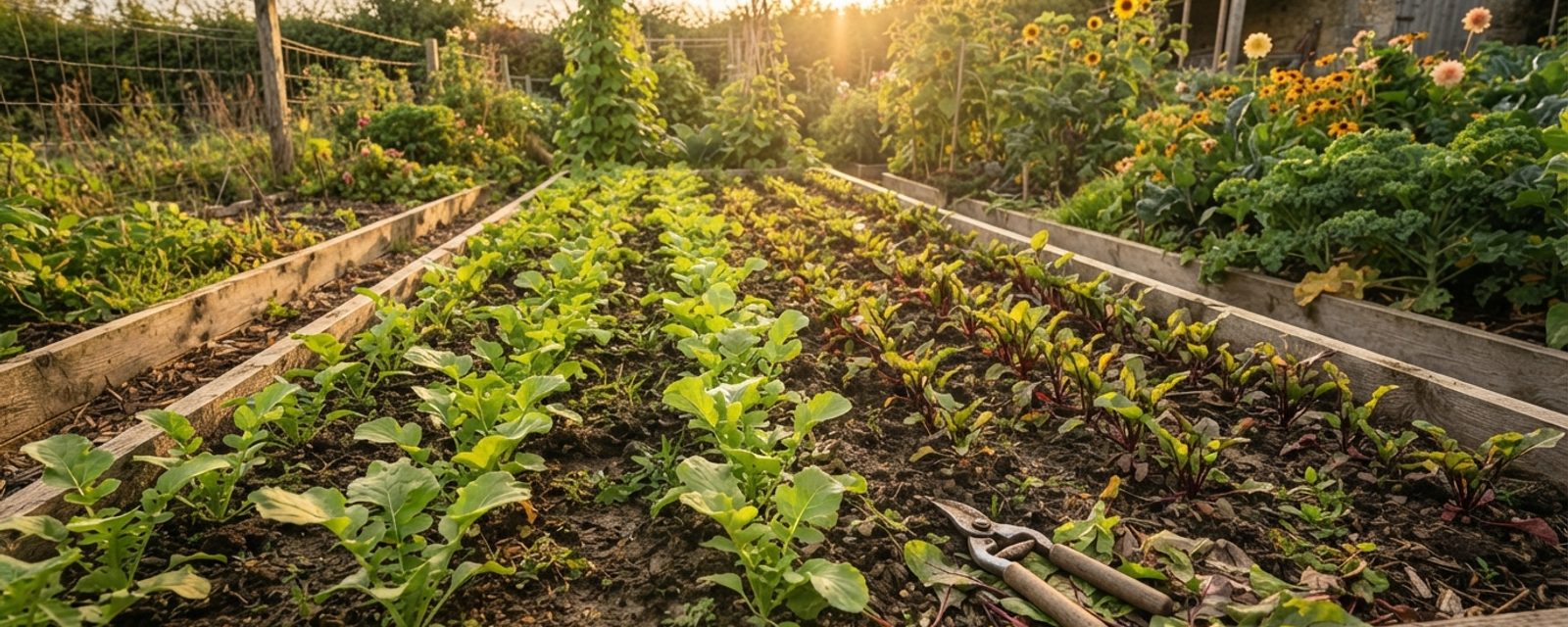 Top 5 Crops for Late or Second Sowing in ScotlandA seed packet’s maturity figure assumes lengthening spring days. Five crops with a real sowing window that actually survives an August start.
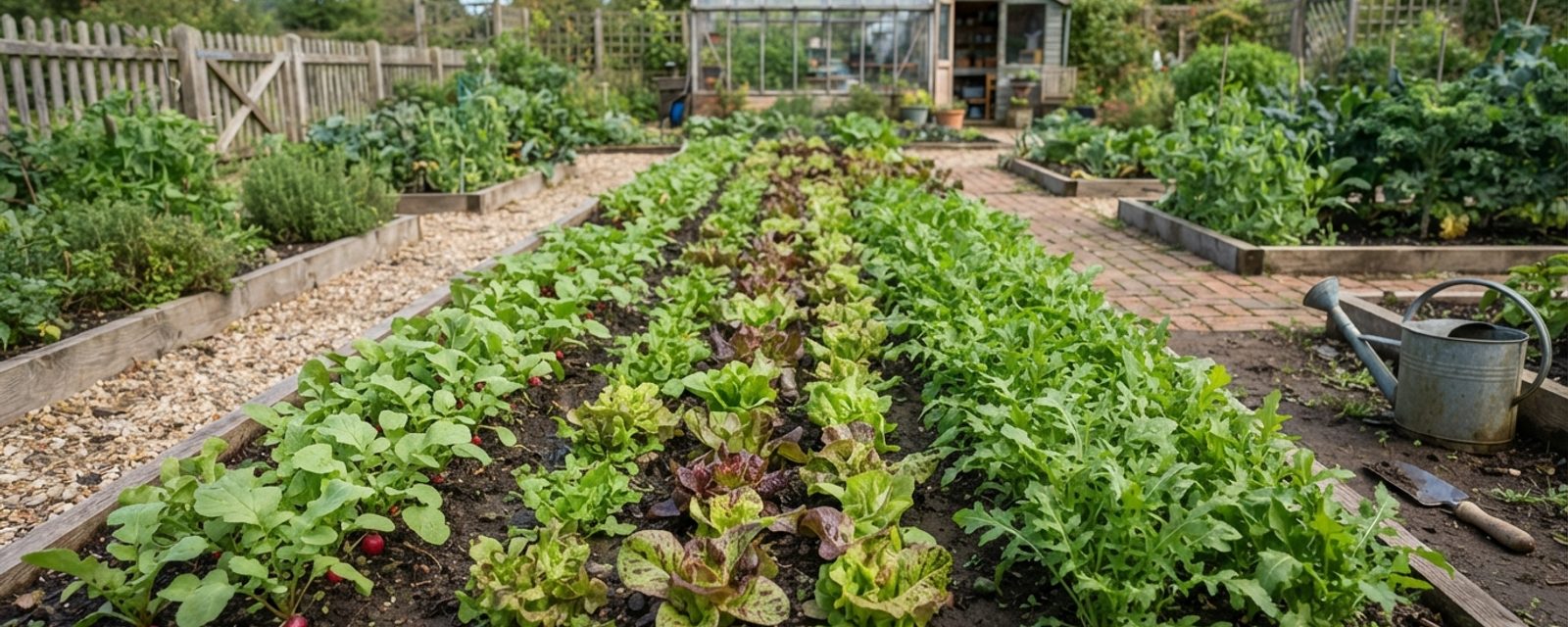 Top 5 Quickest Sow-to-Harvest Crops for ScotlandRanked by RHS’s own stated weeks from sowing to harvest, the genuinely fastest routes from an empty bed to something on the plate.
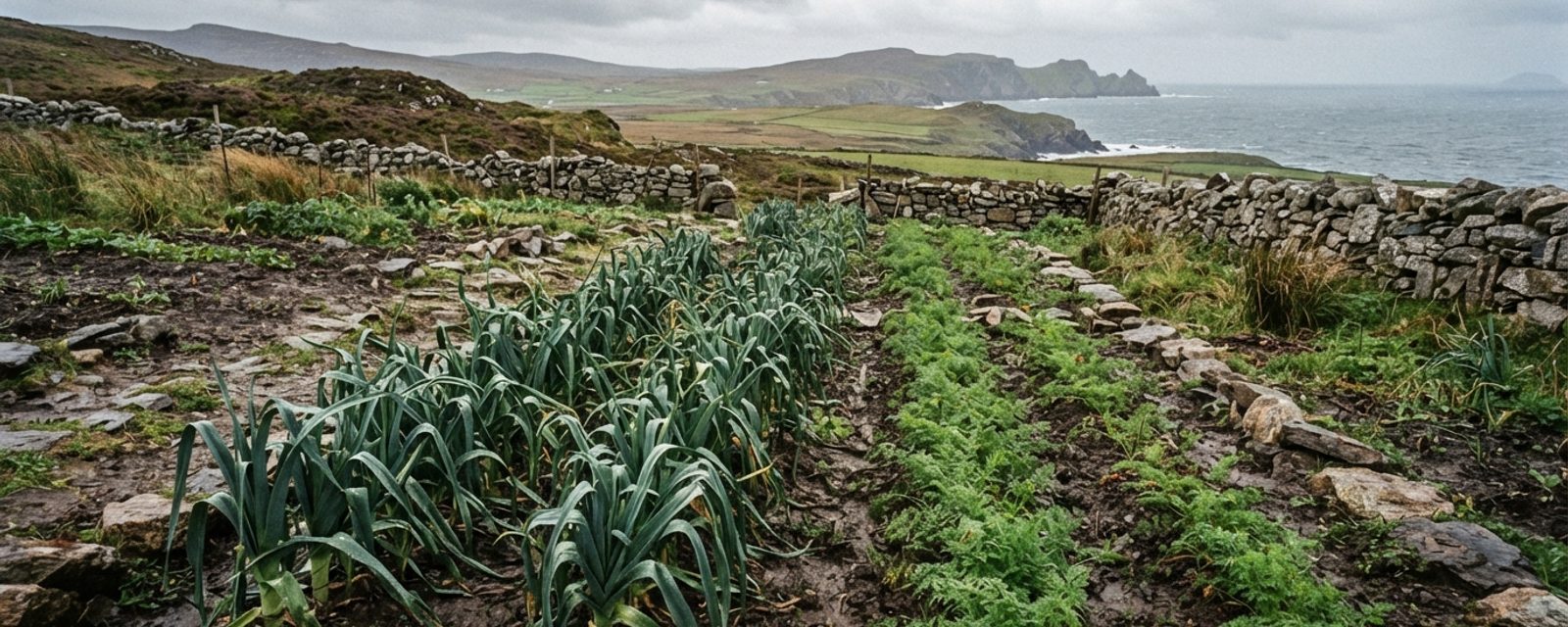 Top 5 Crops for Exposed, Windy GardensWind doesn’t just knock plants over, it grounds the insects some crops need to set fruit. Five crops that sidestep both problems.
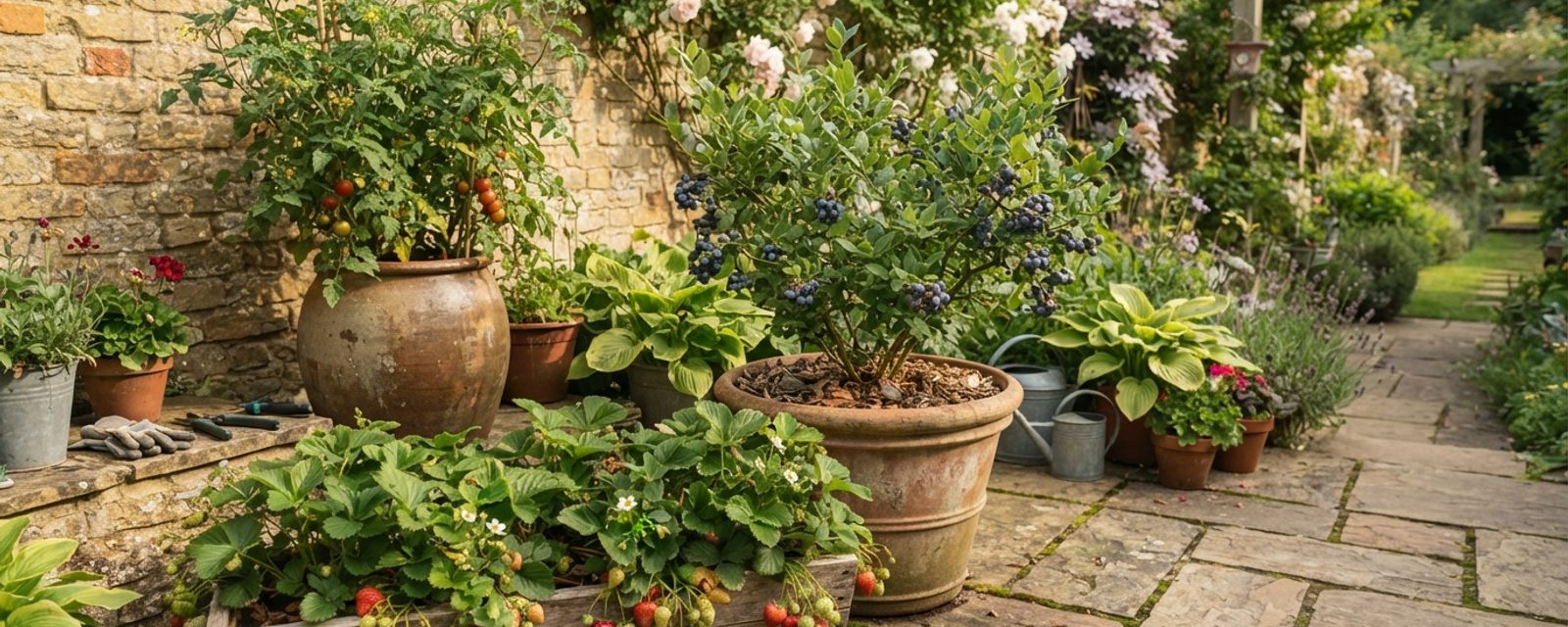 Top 5 Crops for Containers and PatiosFive crops that genuinely reward container growing on a Scottish patio, not just tolerate it, and why each one earns its pot.
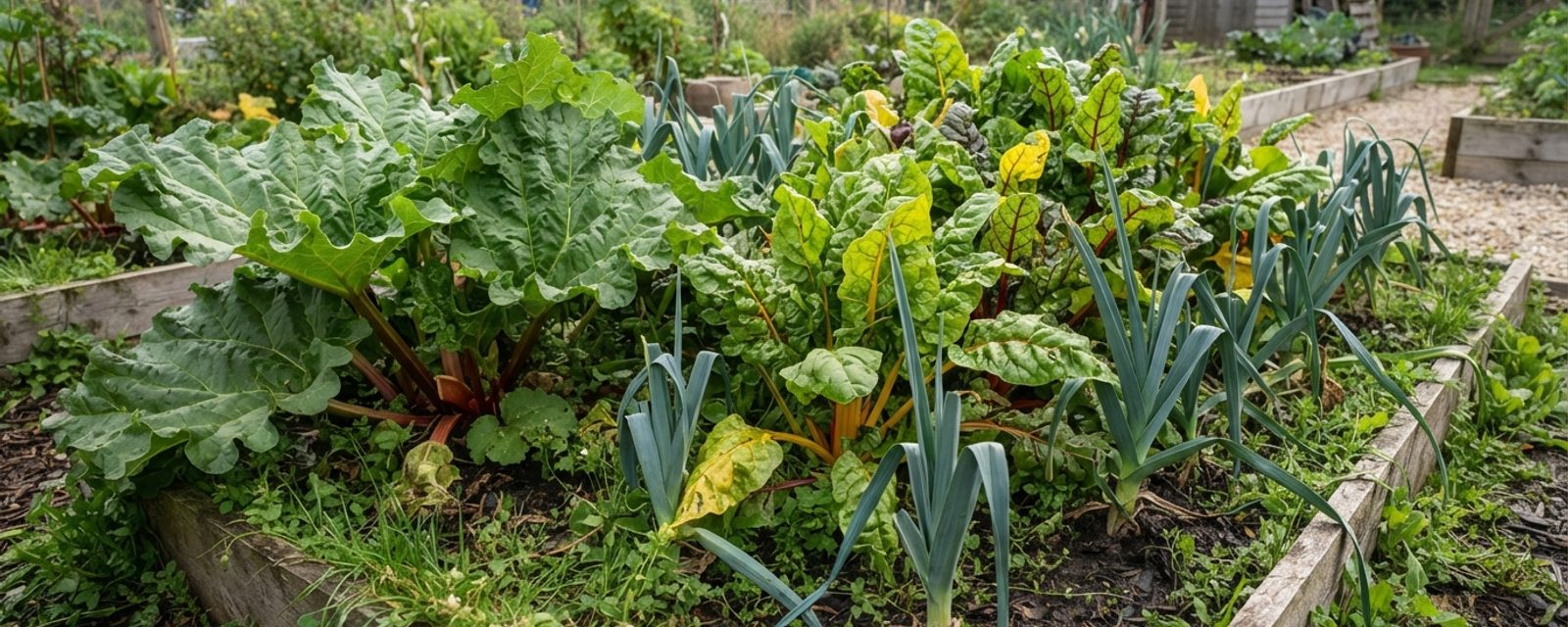 Top 5 Low-Maintenance, Beginner-Proof Crops for ScotlandFive crops that forgive a missed week, a skipped feed, or being left alone, and the specific reason each one tolerates neglect.
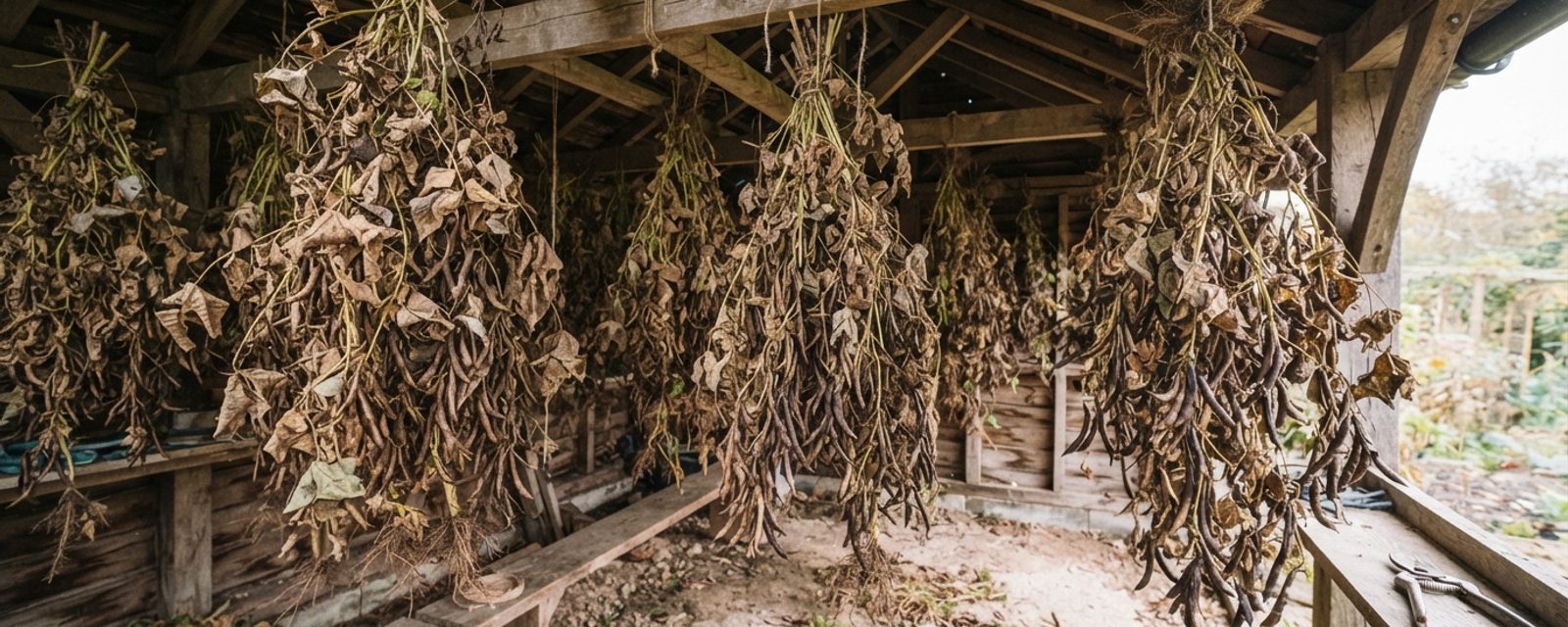 How to Store Dried Beans for WinterA bean pod that looks dry isn’t the same as a bean that’s dry enough to store, the real moisture threshold and how to finish a batch in a wet autumn.
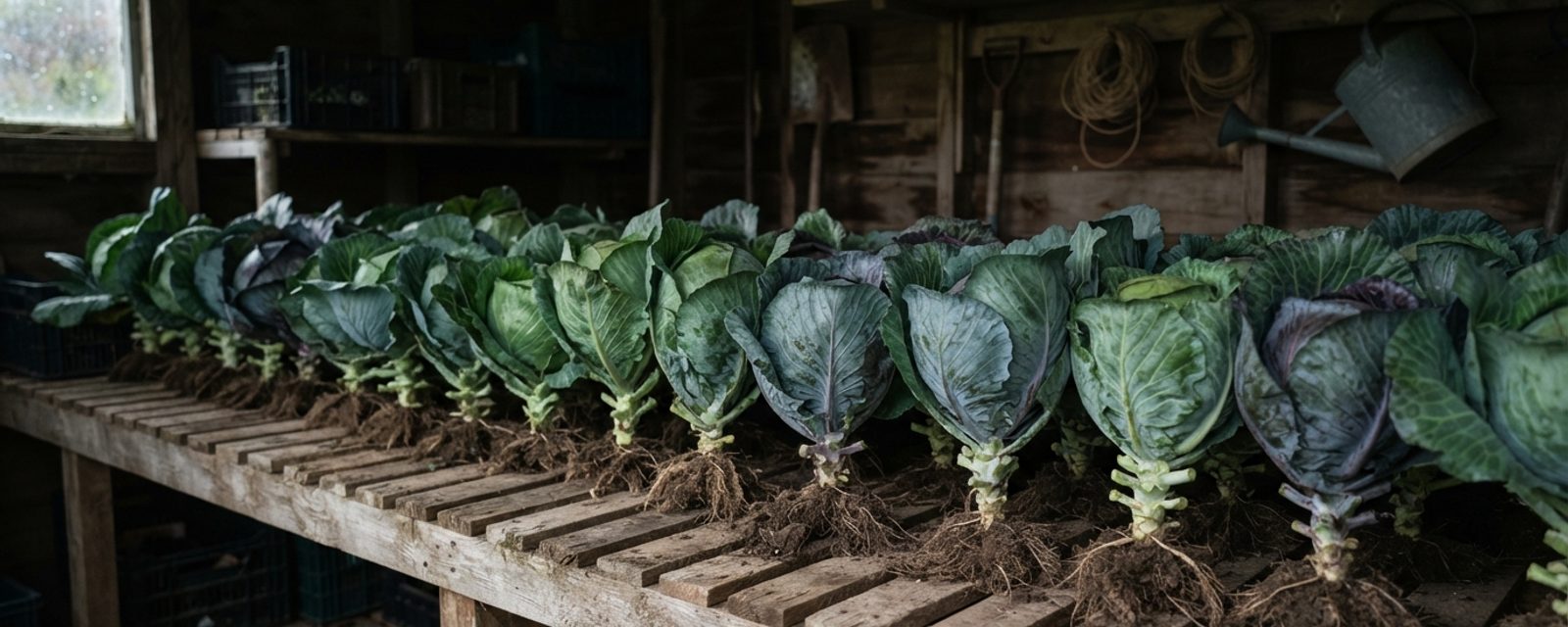 How to Store Cabbage for WinterOnly winter cabbage is worth storing long-term, and the method is nothing like the sand-box approach used for root vegetables.
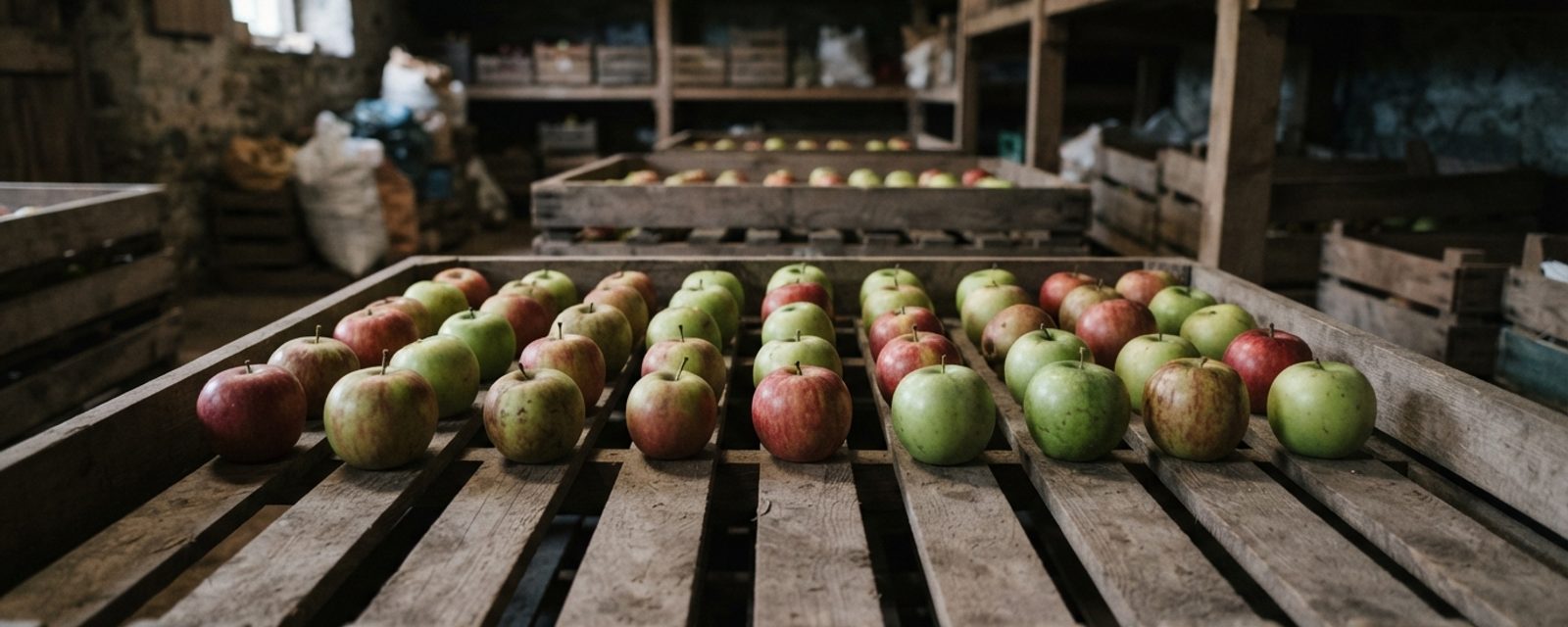 How to Store Apples & Pears for WinterApples and pears share a storage method but not a storage process, pears are picked under-ripe and need a separate ripening stage apples never have.
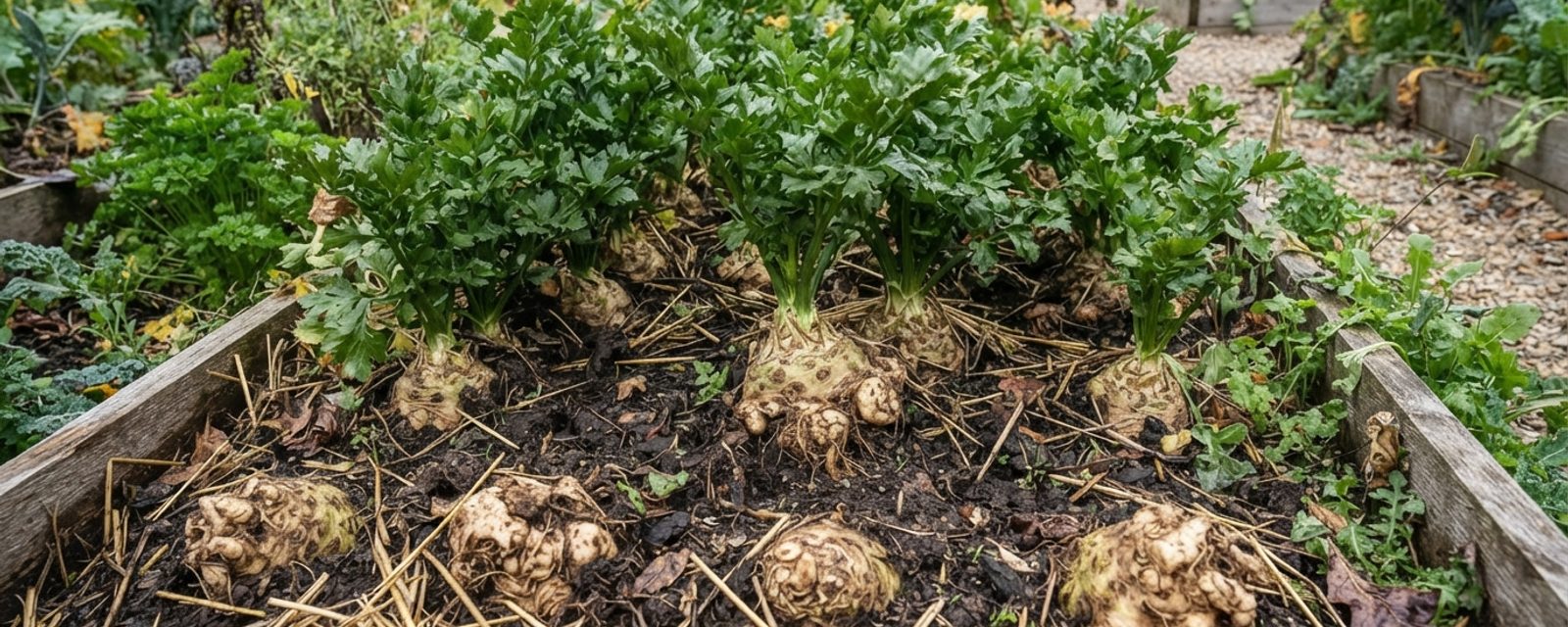 How to Store Celeriac for WinterCeleriac can be left in the ground well past when carrots and beetroot need to come in, the limit is drainage and frozen ground, not cold.
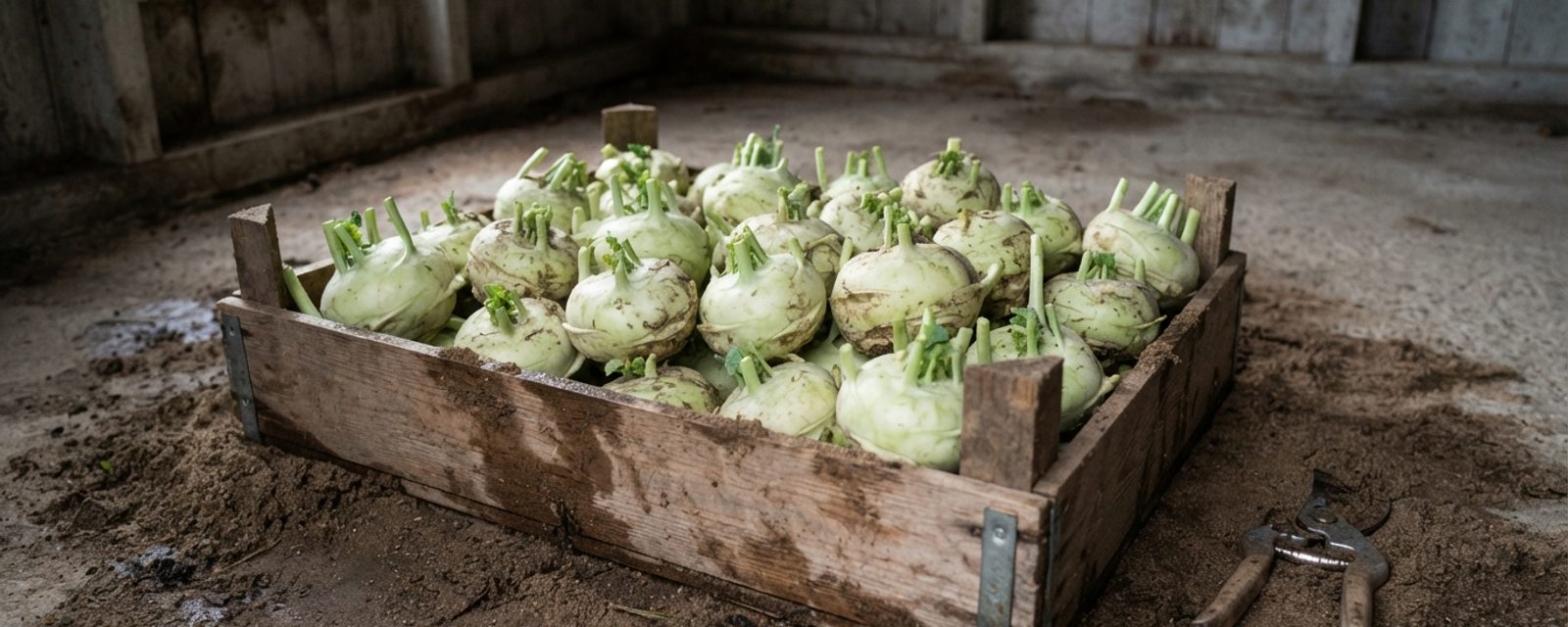 How to Store Kohlrabi for WinterKohlrabi is a stem, not a root, and no institutional source gives it a storage duration the way beetroot or carrots get one.
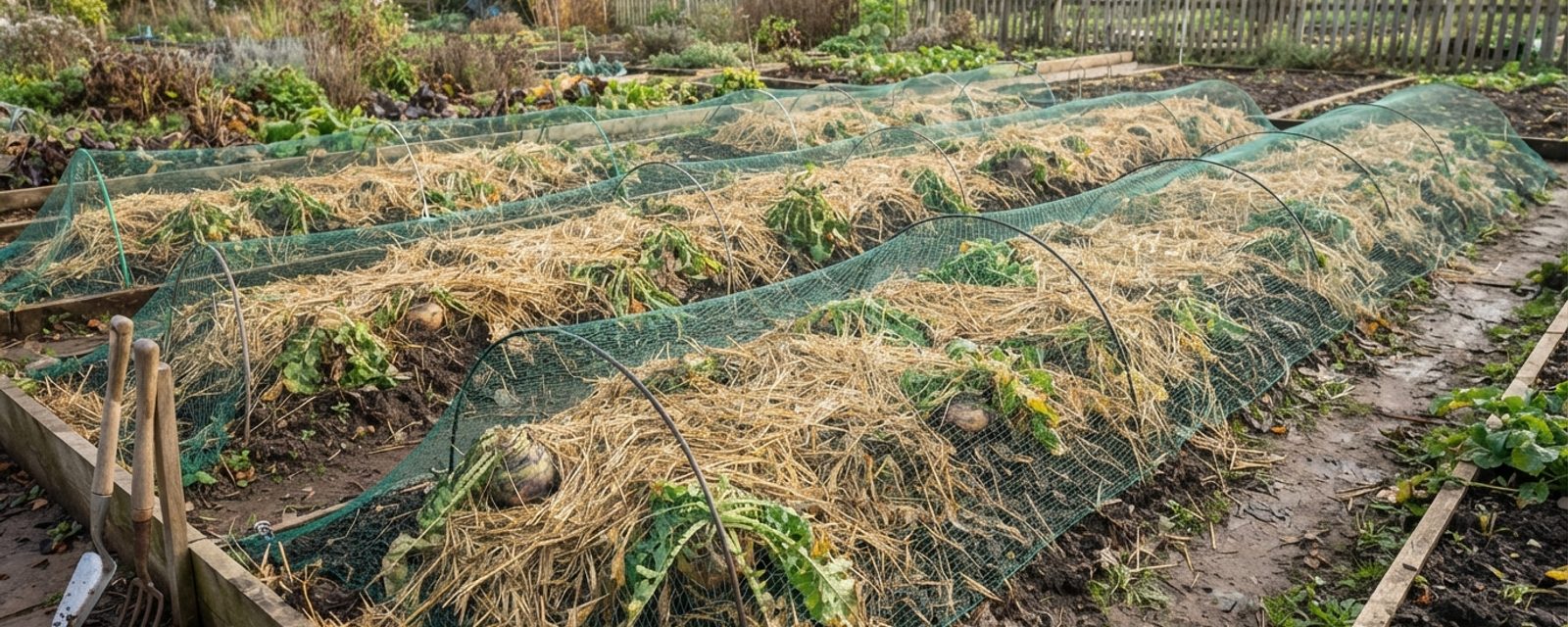 How to Store Swede & Turnip for WinterSame box-and-sand method, very different keeping times: swede lasts months longer than turnip.
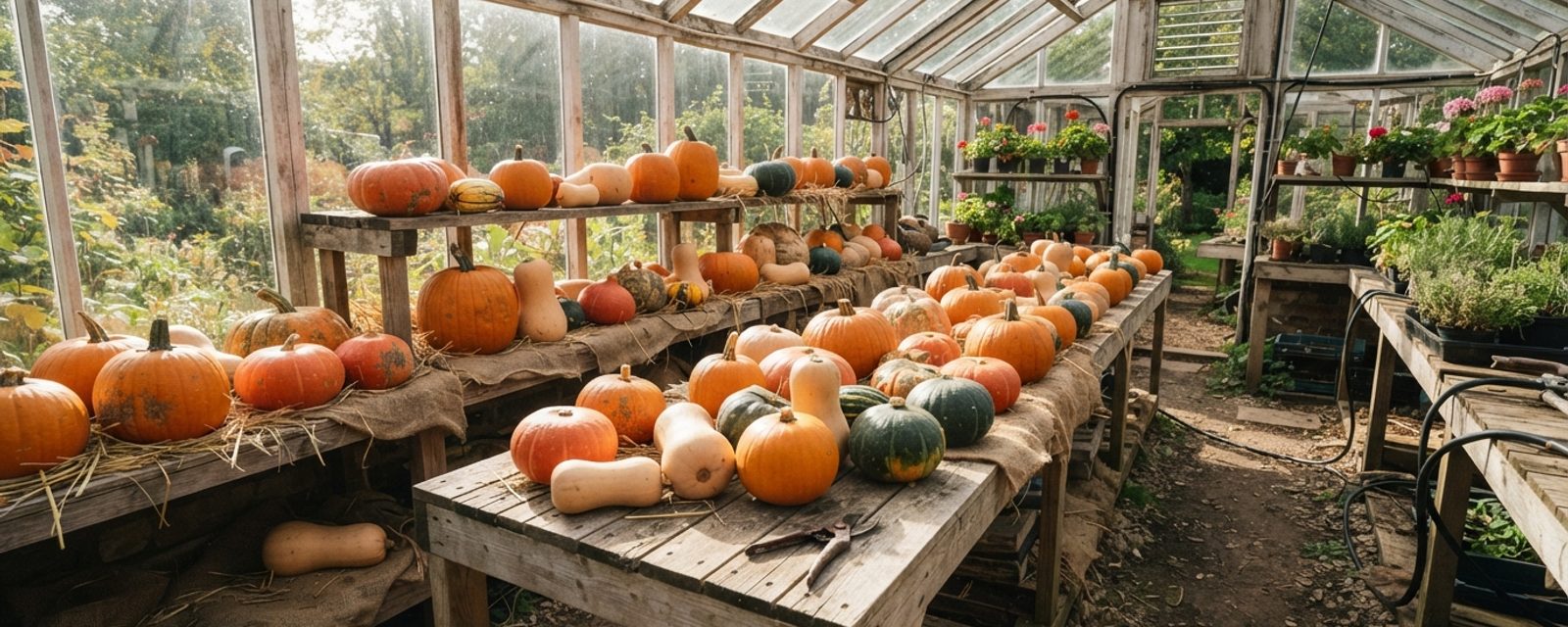 How to Store Squash & Pumpkins for WinterCuring has to happen before storage, not after, and it runs warm and dry, the opposite of how root vegetables are kept.
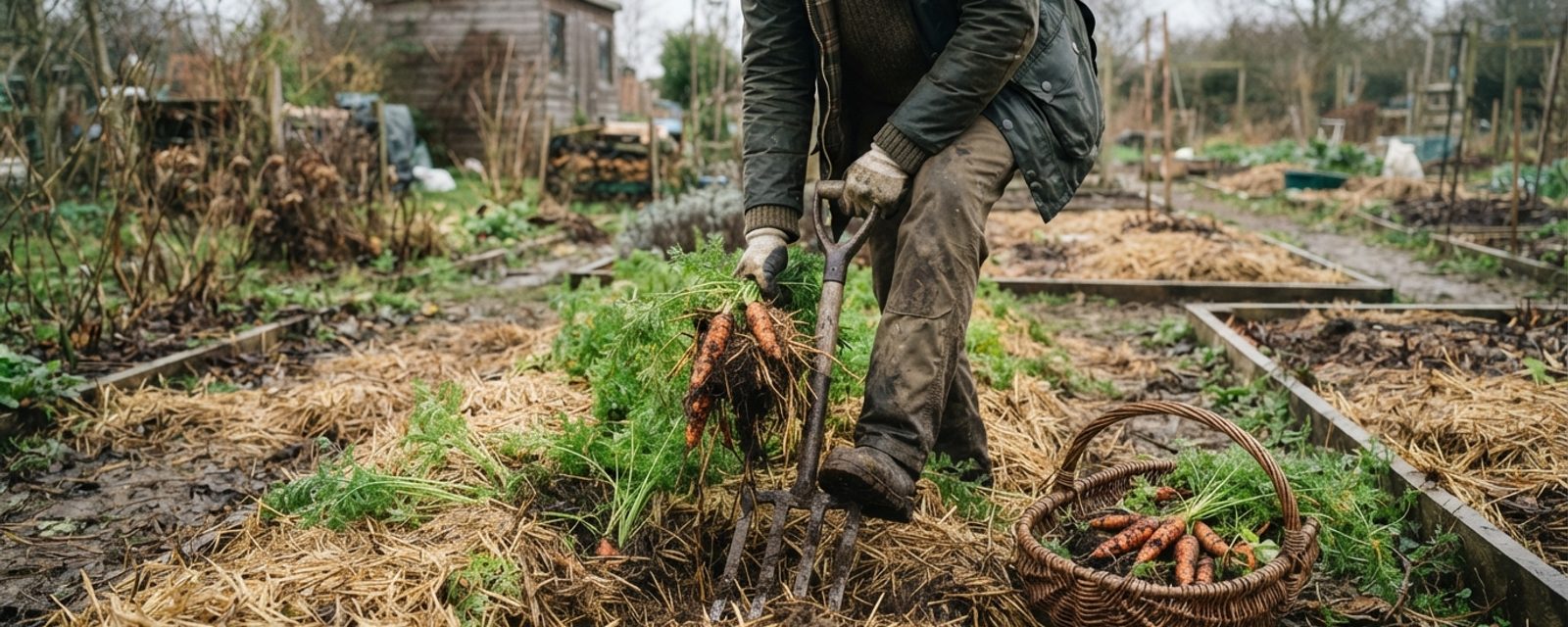 How to Store Carrots for WinterLeave them in the ground or lift them into sand, which one depends on your soil draining, not the season.
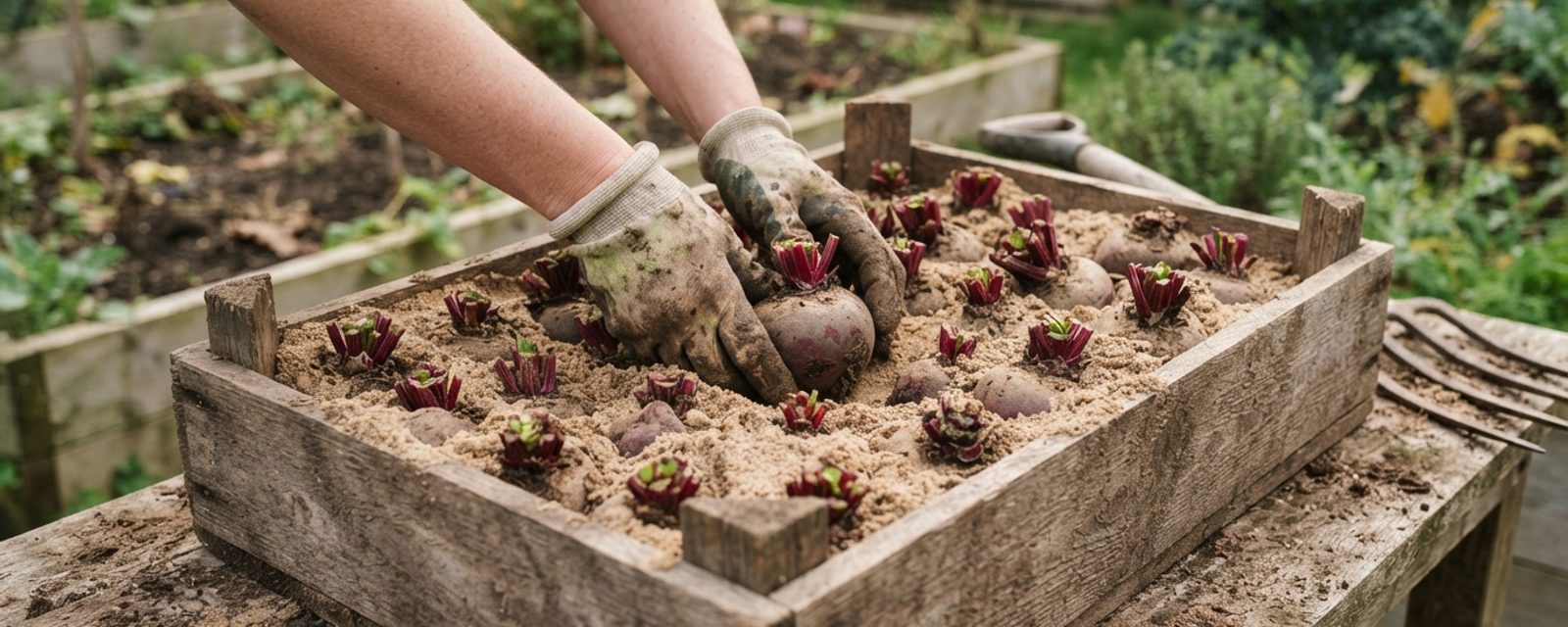 How to Store Beetroot for WinterWhen to lift, how to pack in sand or compost, and how cold your shed actually needs to be to keep beetroot through winter.
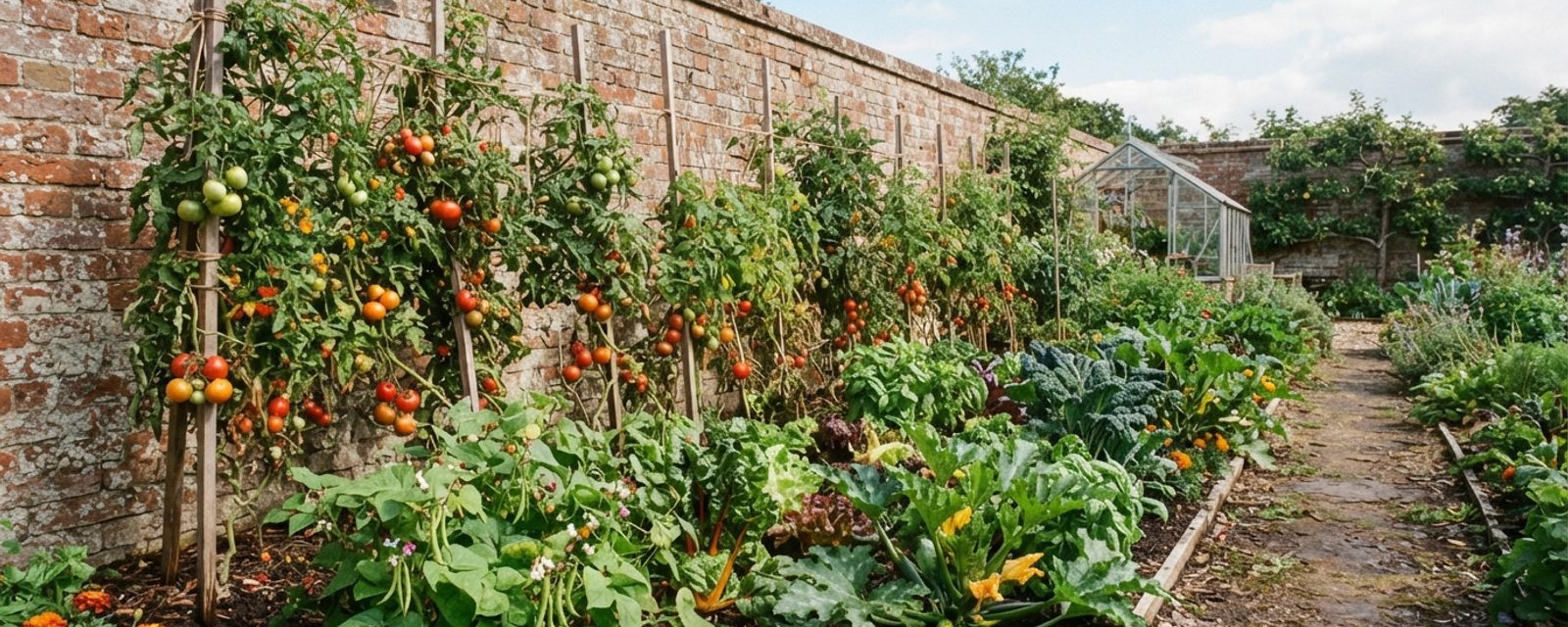 Siting a Veg Garden by Sun and AspectWhy a summer-bright bed can sit in shadow all winter, how to read your home garden's real light, and which crops suit which aspect.
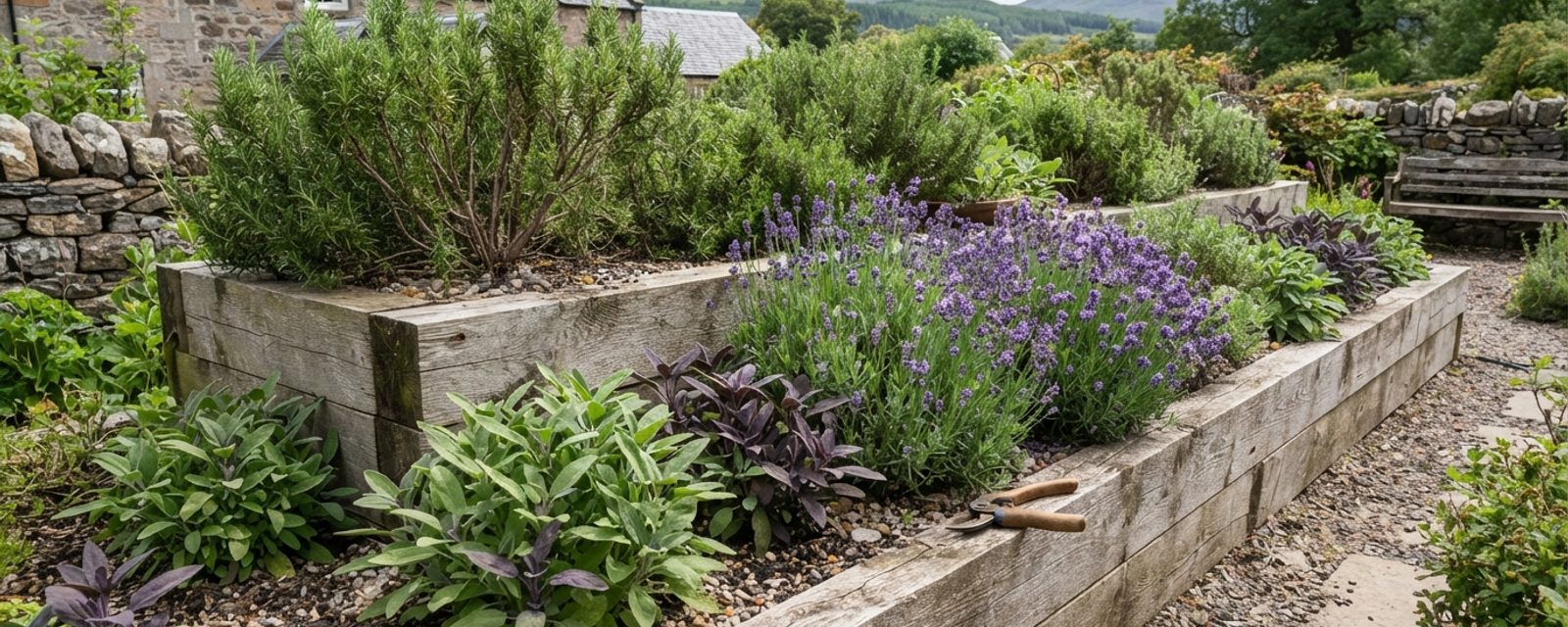 Cold-Hardy Herb Border Design: Building a Border That Survives a Scottish WinterWhy drainage, not cold, is the real risk for a permanent Mediterranean herb border in Scotland, and how to tier herbs by hardiness.
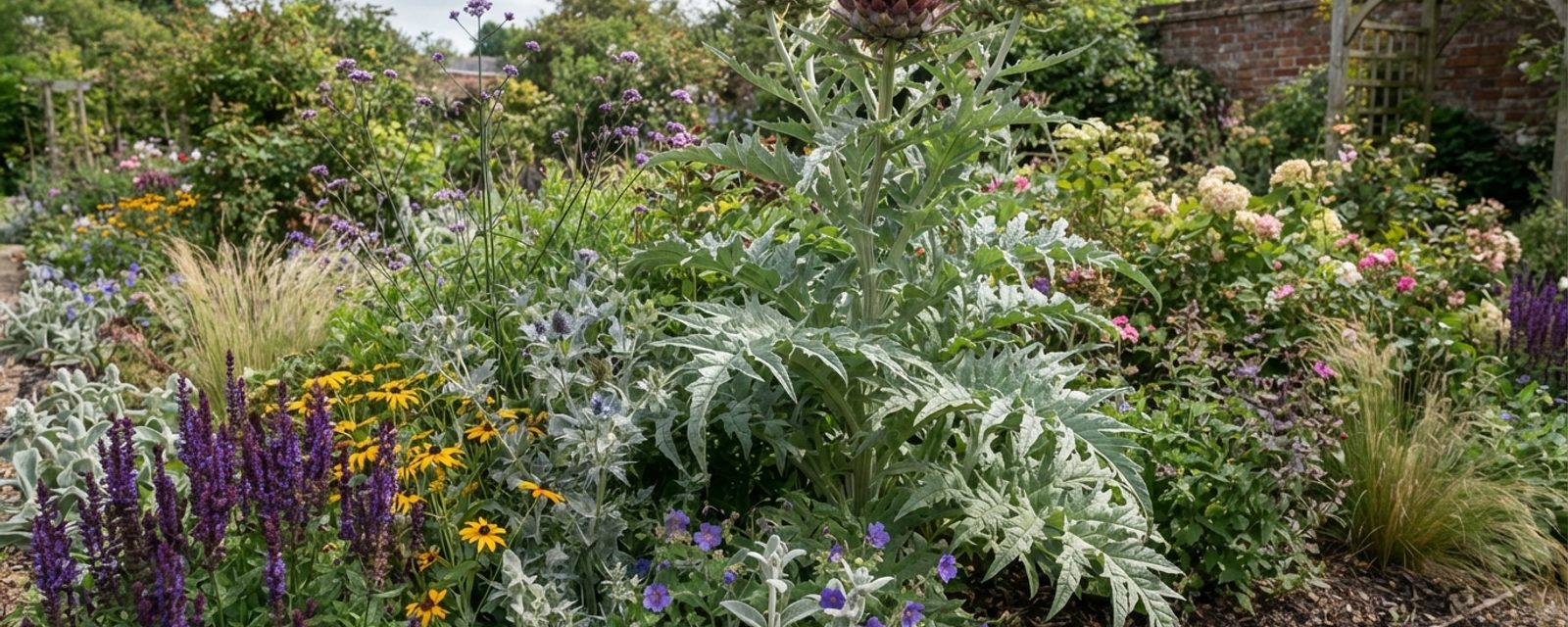 Edimentals: The Ornamental Edibles Worth a Spot in Your BorderGlobe artichoke, rainbow chard, scarlet runner beans and currant bushes: which edible plants earn a place in a decorative border, and how to use them.
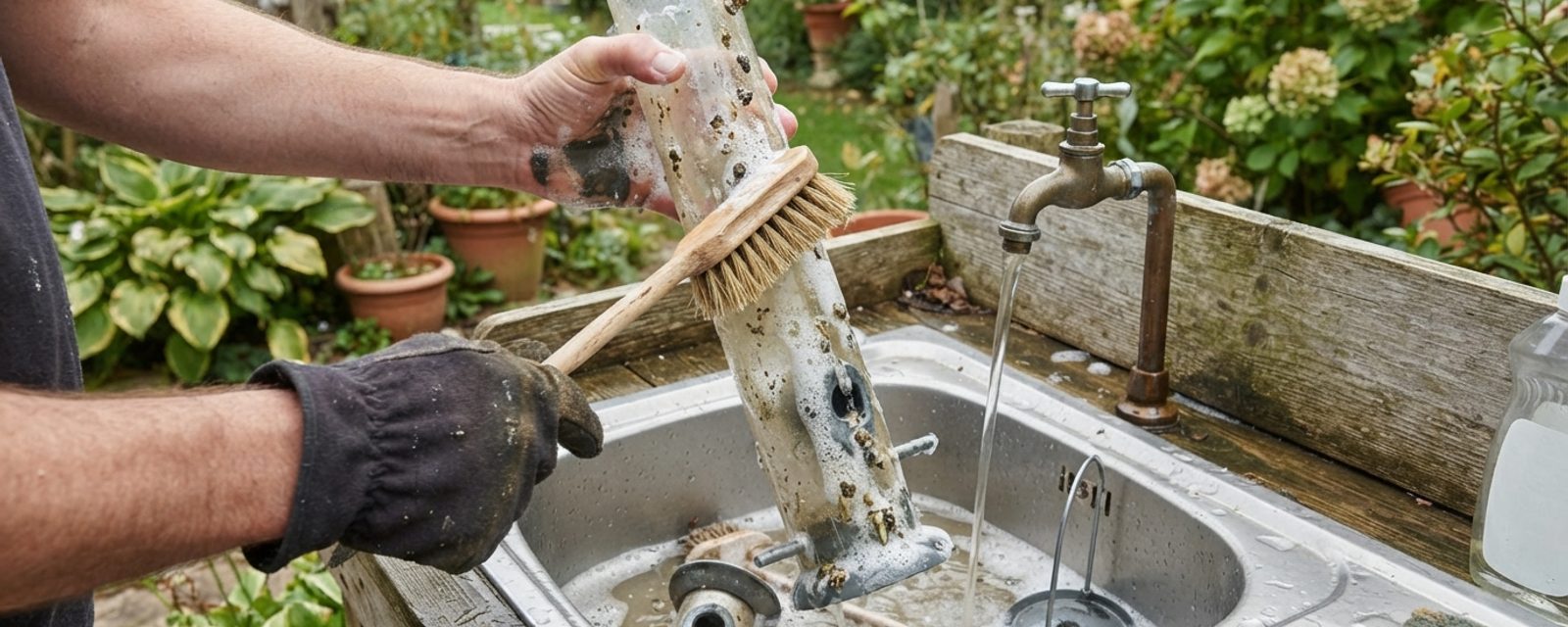 Bird Feeder and Bird Bath Hygiene: How Dirty Feeders Spread DiseaseHow trichomonosis and salmonella spread through dirty feeders and baths, the real cleaning protocol, and what to do if you spot a sick bird.
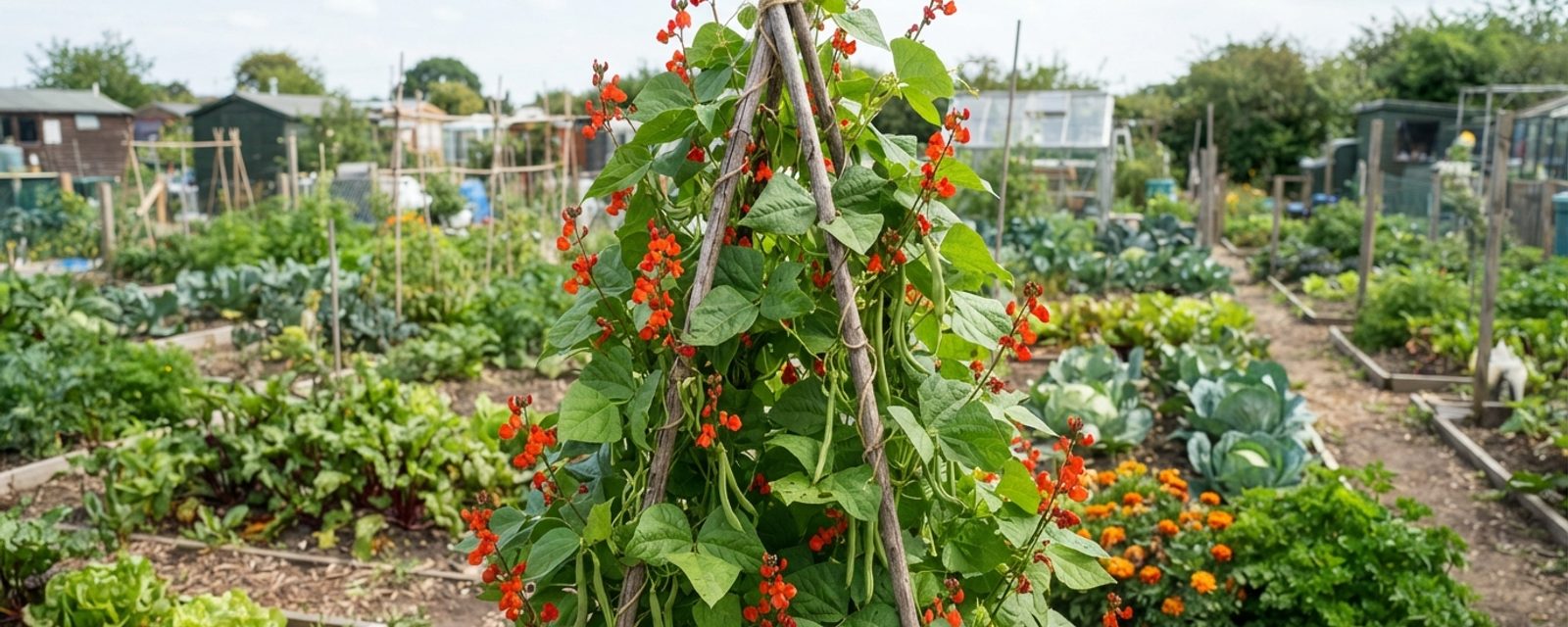 Growing Up on an Exposed Scottish Plot: What Actually Pays OffWhich crops genuinely need a support, which structures actually hold up in wind, and how to anchor a tall freestanding trellis or obelisk properly.
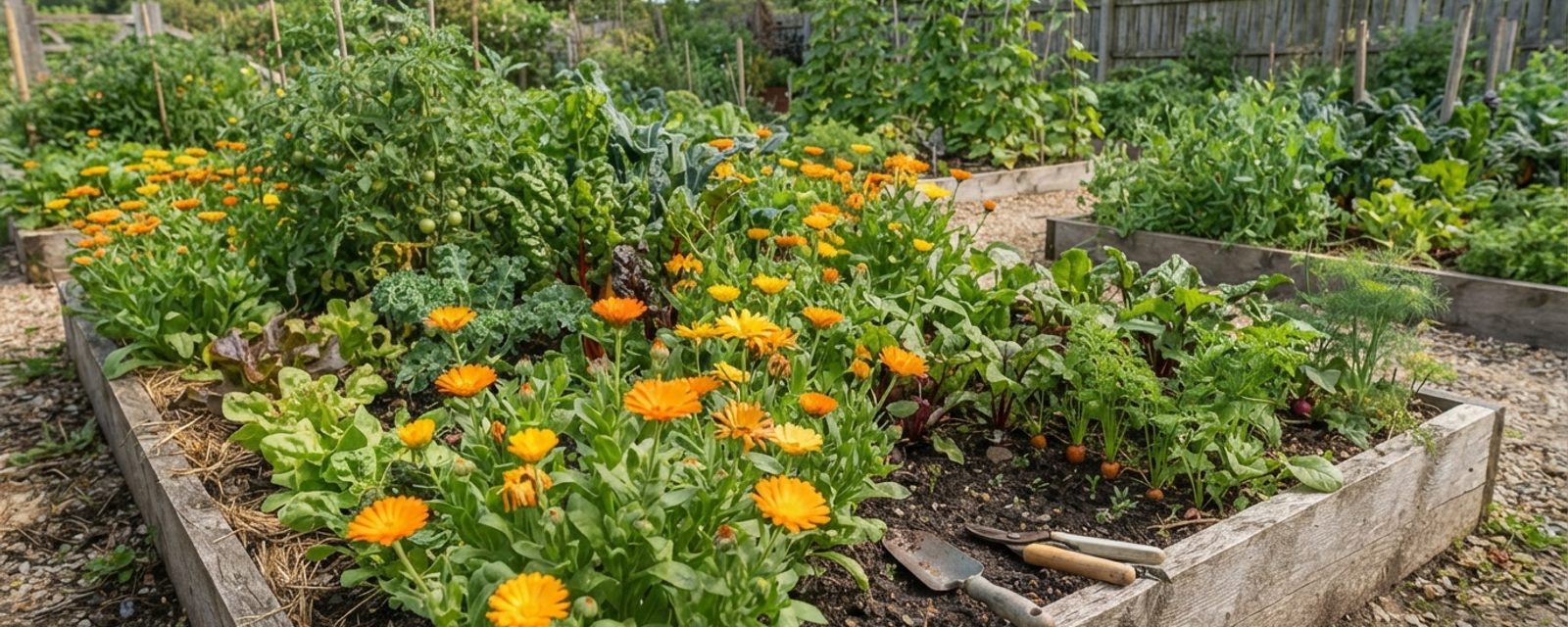 Calendula for the Veg Patch: Edible Petals, Real Pollinator Value, and a Companion-Planting MythCalendula genuinely feeds pollinators and predatory insects, and its petals are edible. Its reputation as a pest deterrent for tomatoes is folklore, not evidence.
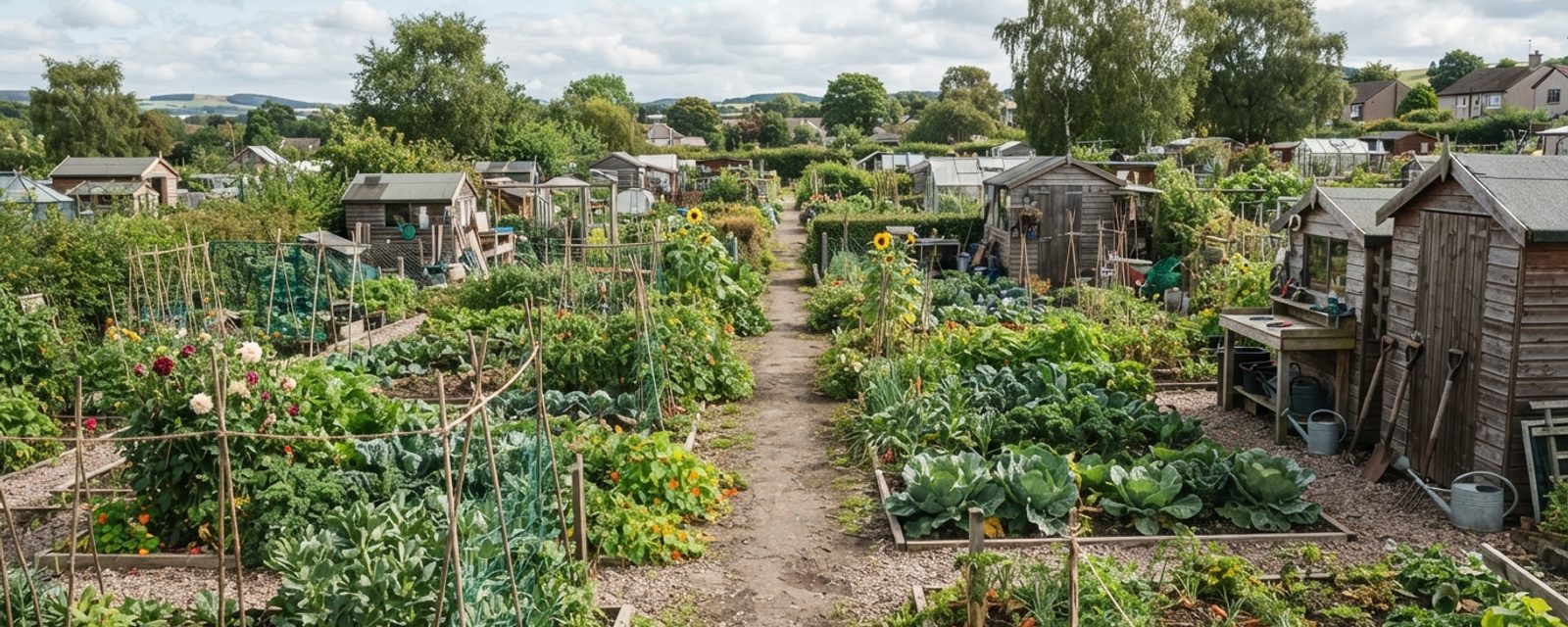 The History of Allotments in ScotlandFrom the 1892 Act through two wars to a waiting list thousands long: how Scottish allotments grew, collapsed, and came back.
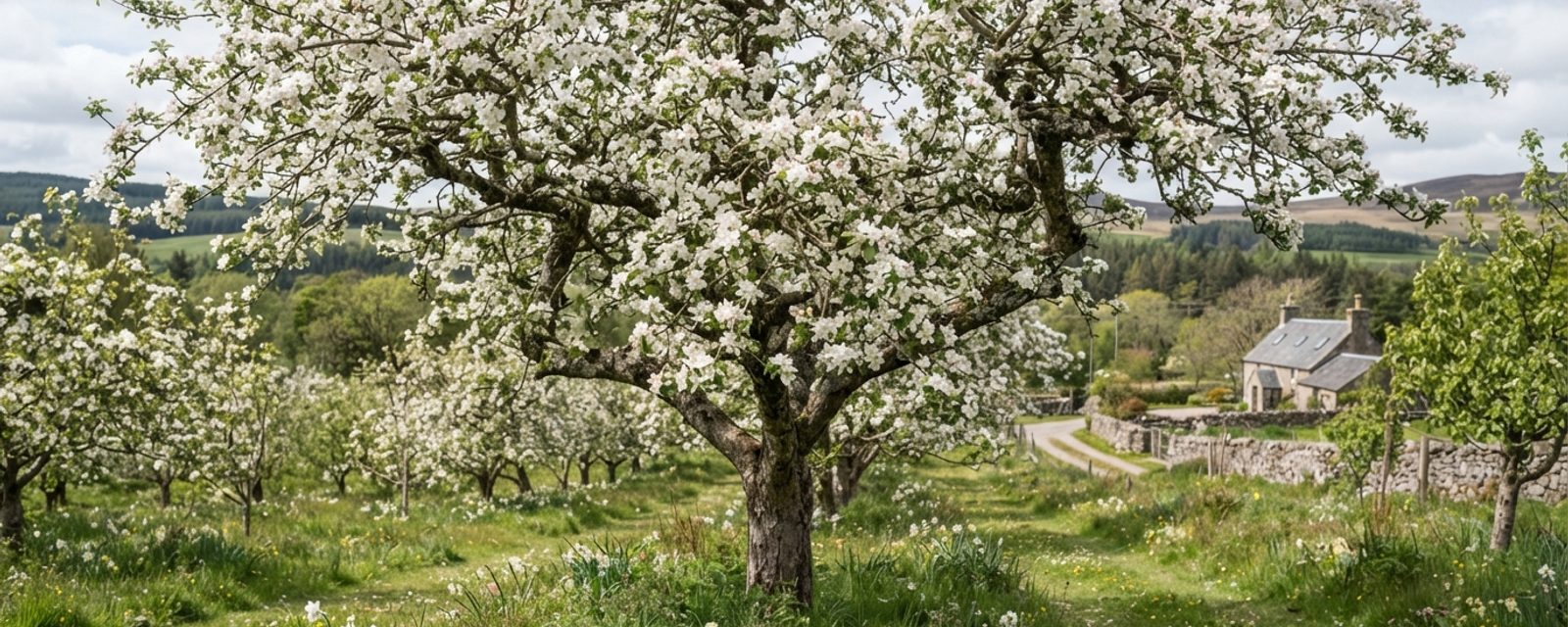 Fruit Tree Pollination Groups: Why You Need Two TreesApples, pears, plums and cherries all follow different pollination rules. What each crop actually needs, and which self-fertile varieties get away with one tree.
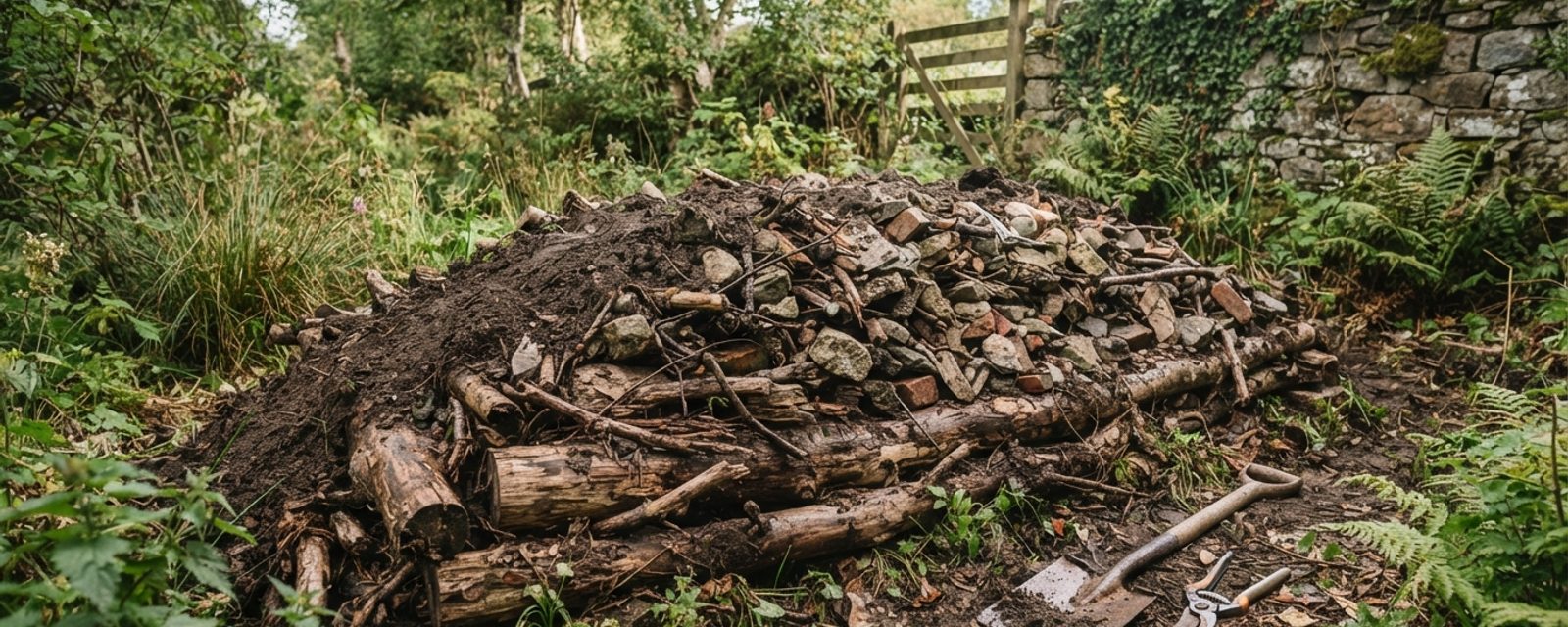 Building a HibernaculumA frost-free winter shelter for frogs, toads, newts, slow worms and lizards: what it is, which species will actually use one, and how to build it.
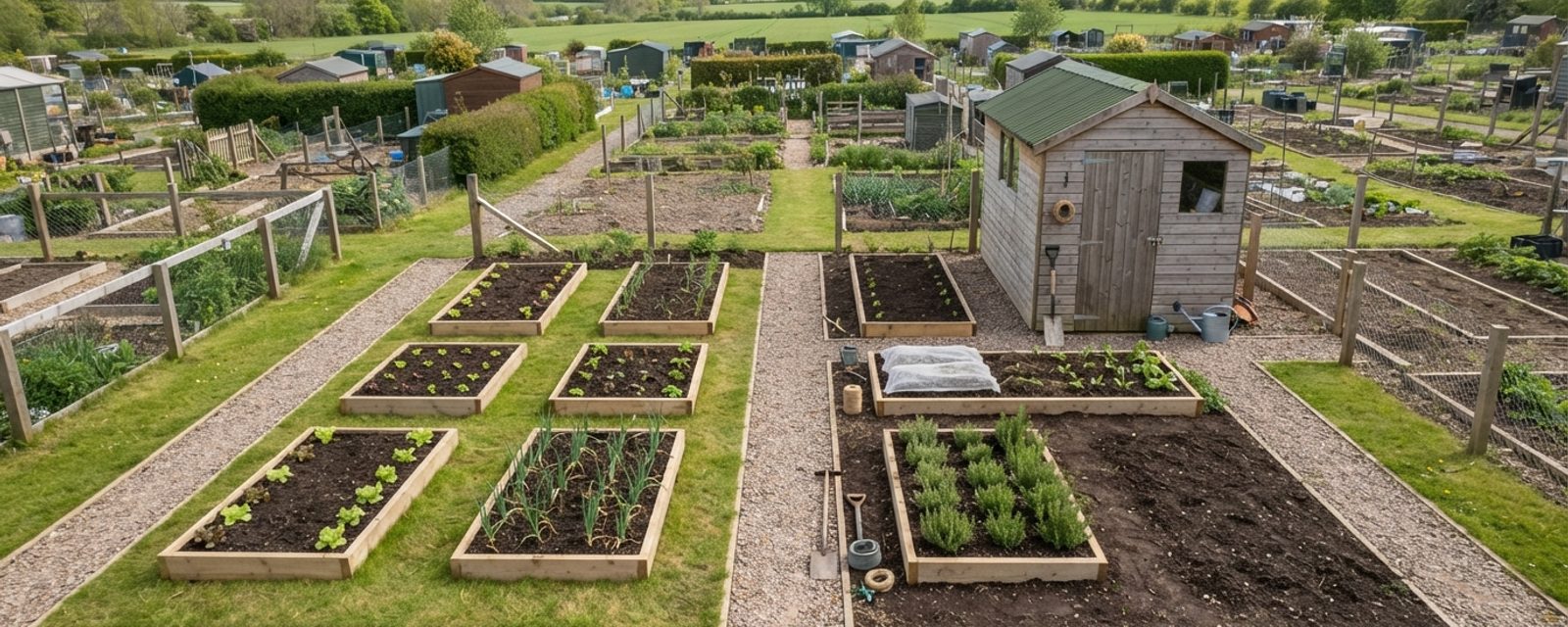 Allotment Layout Planning: The Complete GuidePlot dimensions, path and bed widths, orientation for sun and wind, and where to site the shed, water butt, compost and perennial beds.
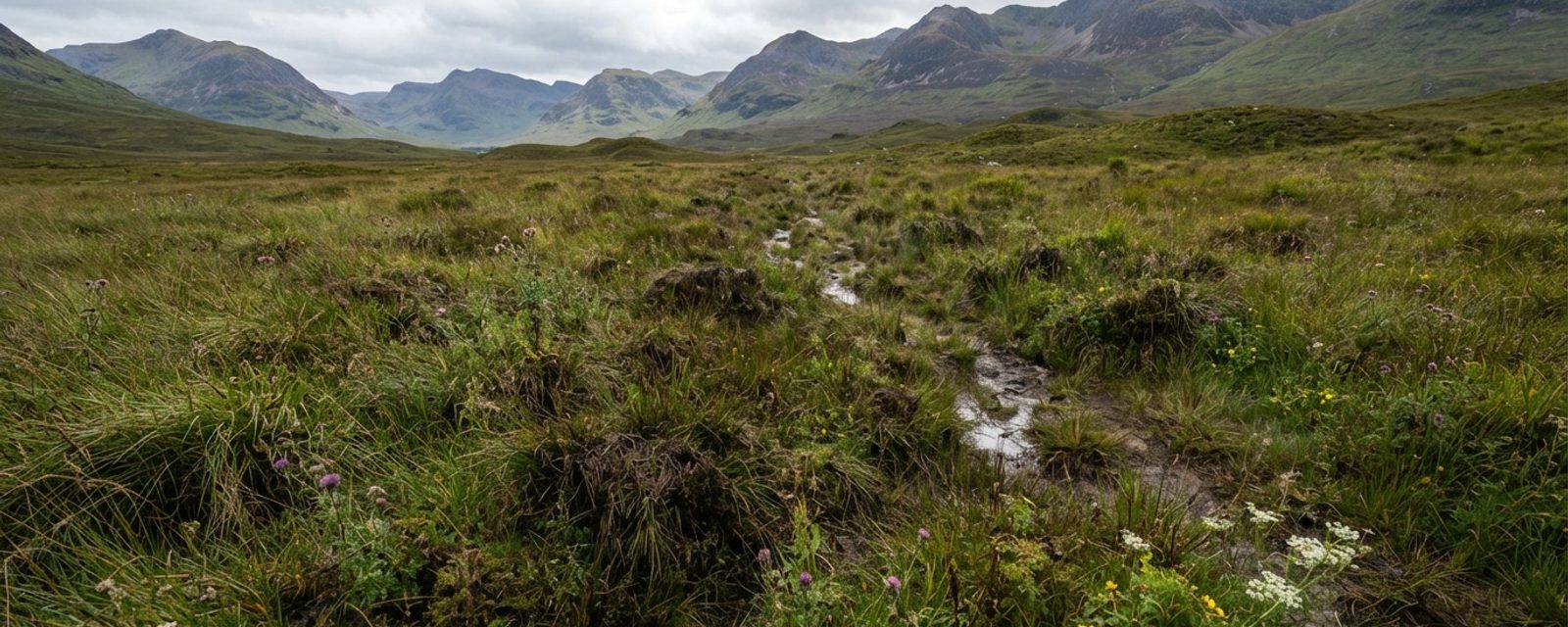 Rare Scottish Butterflies: What Home Gardeners Can (and Can't) DoWhat makes Scotch Argus, Chequered Skipper and Small Blue genuinely Scotland-tied, and the honest limits of what a garden can do for a habitat specialist.
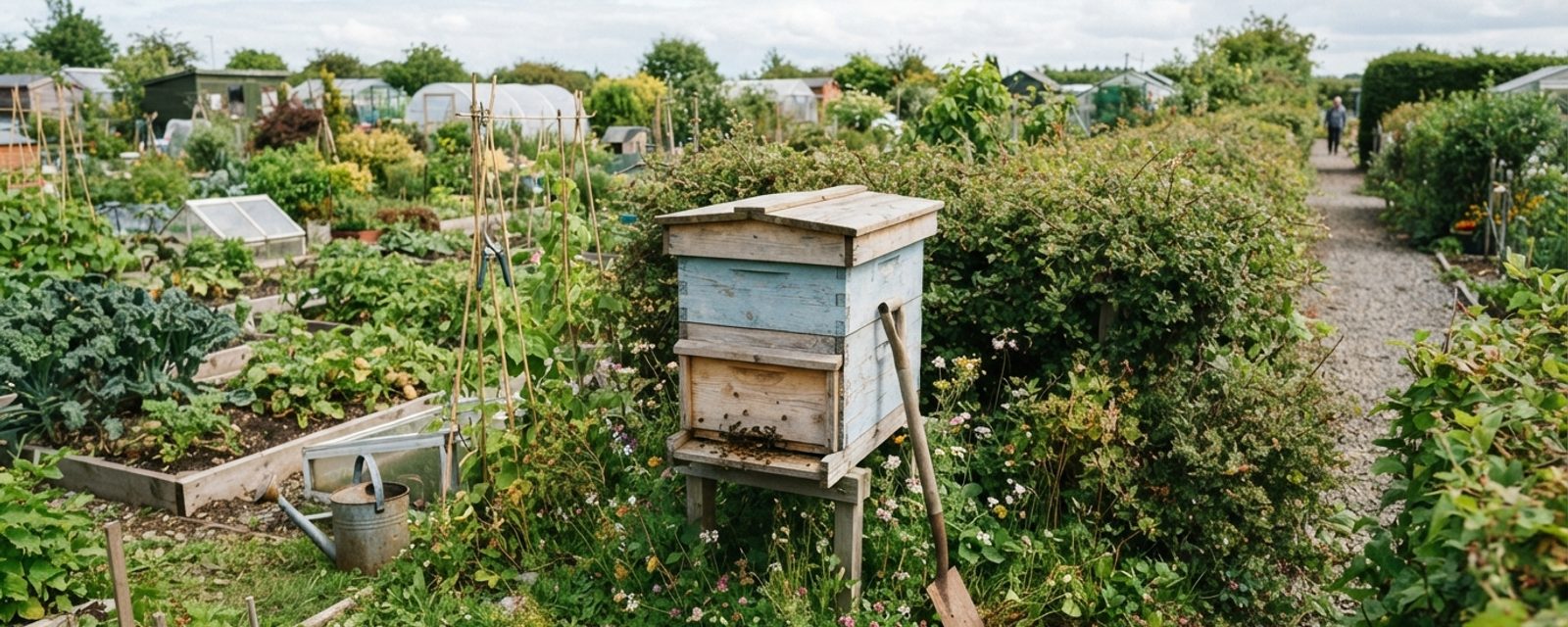 Keeping Bees on a Scottish Allotment: What Your Site Actually AllowsThere's no single Scottish rule on allotment beekeeping — two sites in the same city can land on opposite answers. What actually governs it, site by site.
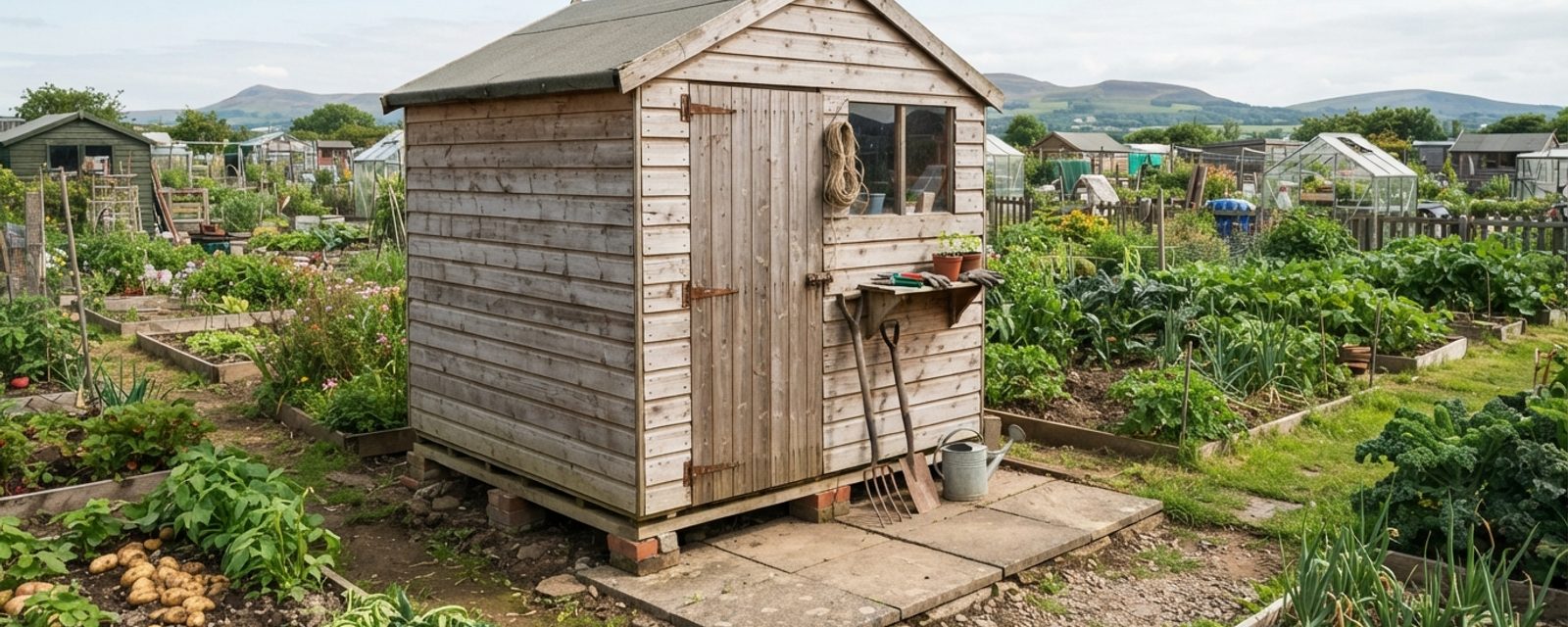 The Shed That Actually Works: Building, Organising and Winterising an Allotment ShedA Scottish shed fails in three predictable ways: damp, mice and cold. How to site, base, organise and winterise one so it doesn't.
 Bat-Friendly Gardens: How to Attract and Protect Scotland's BatsBat boxes, night-scented planting, water features, and what Scottish law actually protects — a practical guide to gardening for bats.
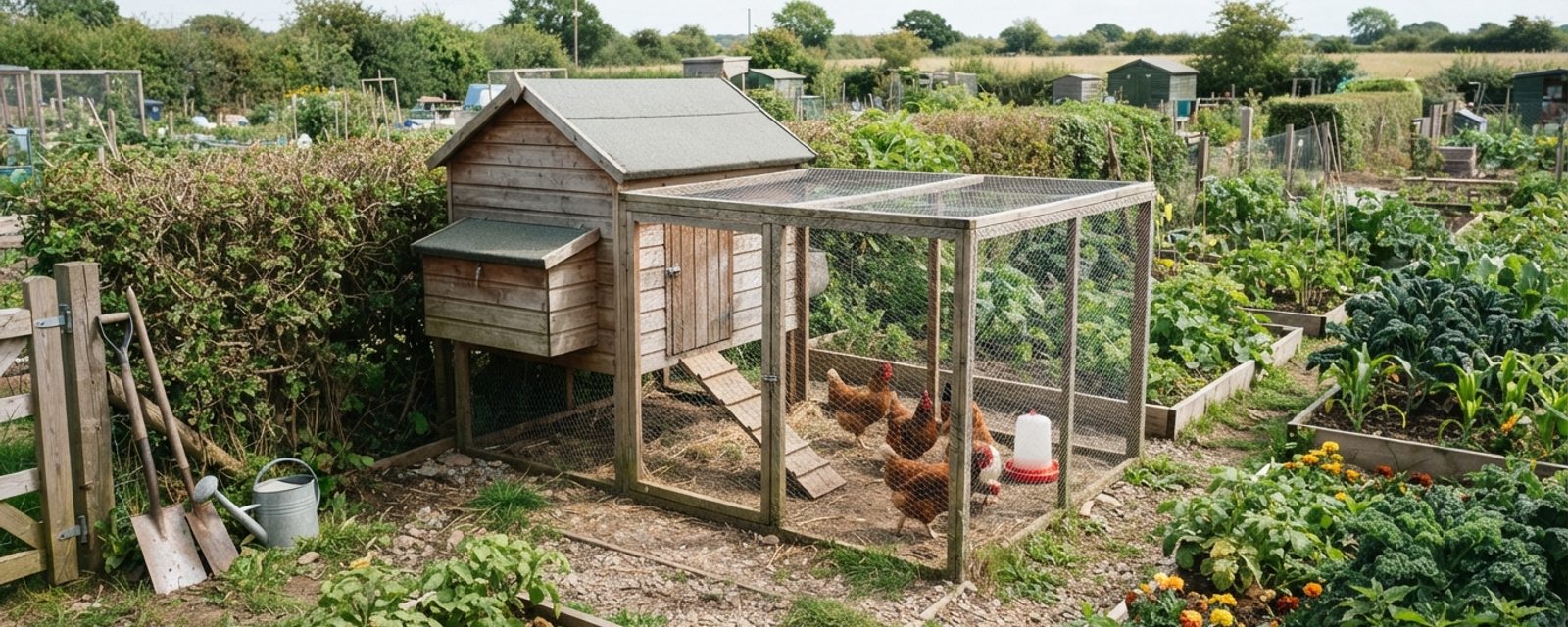 Chickens on Your Allotment: What Scottish Rules Actually RequireWhat actually governs keeping hens on a Scottish allotment: site permission, mandatory bird registration, welfare law, and the practical case for or against.
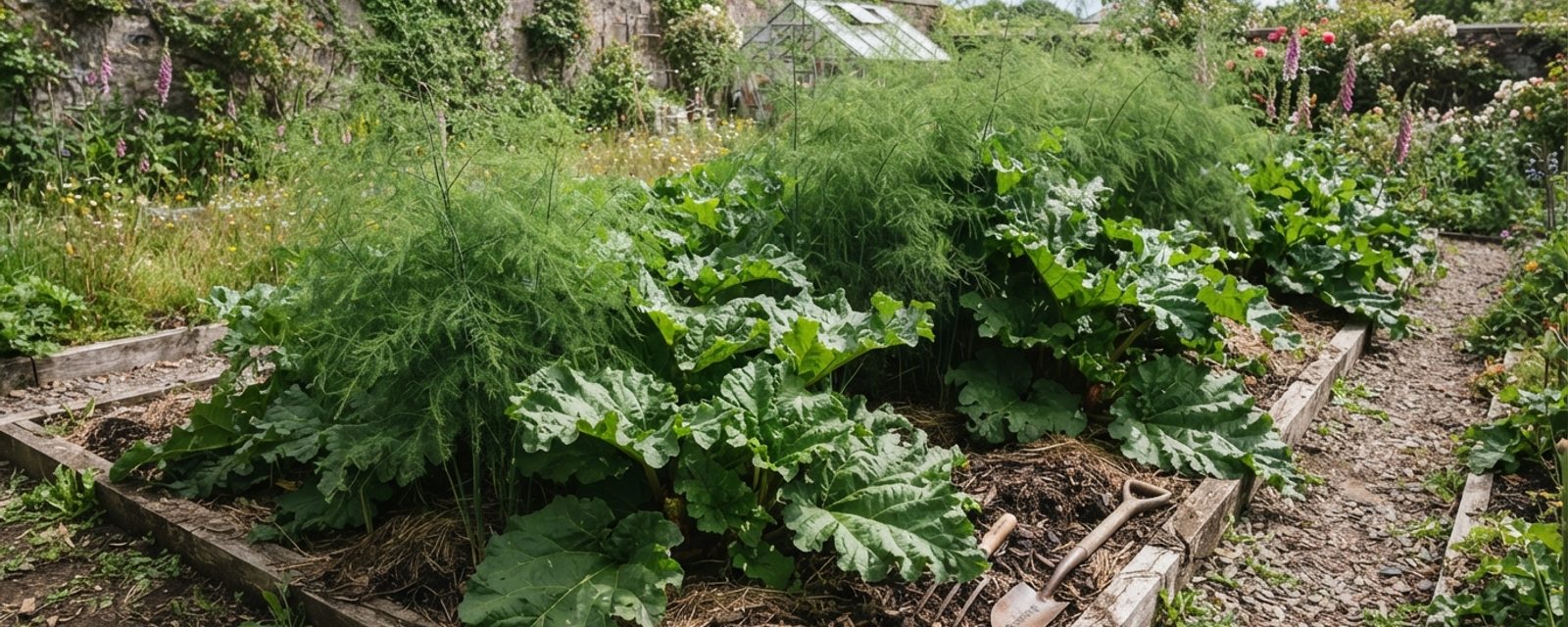 Perennial Vegetables: Plant Once, Pick for YearsWhat counts as a perennial vegetable, the real establishment-time trade-off, and how to plan a permanent bed that still works in ten years.
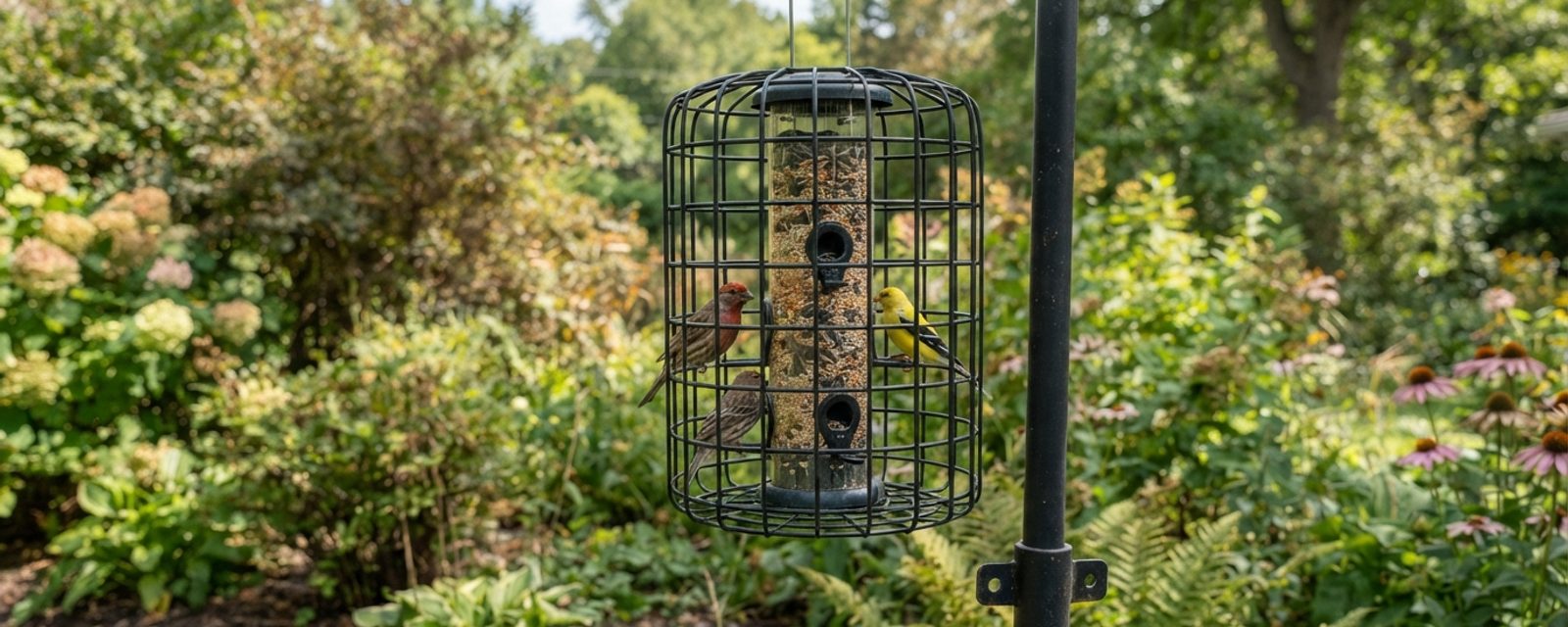 When Your "Squirrel-Proof" Feeder Isn't: Grey-Proofing a Bird Feeder in ScotlandFeeder designs that genuinely work against grey squirrels, correct placement, and why it matters more in parts of Scotland where red squirrels persist.
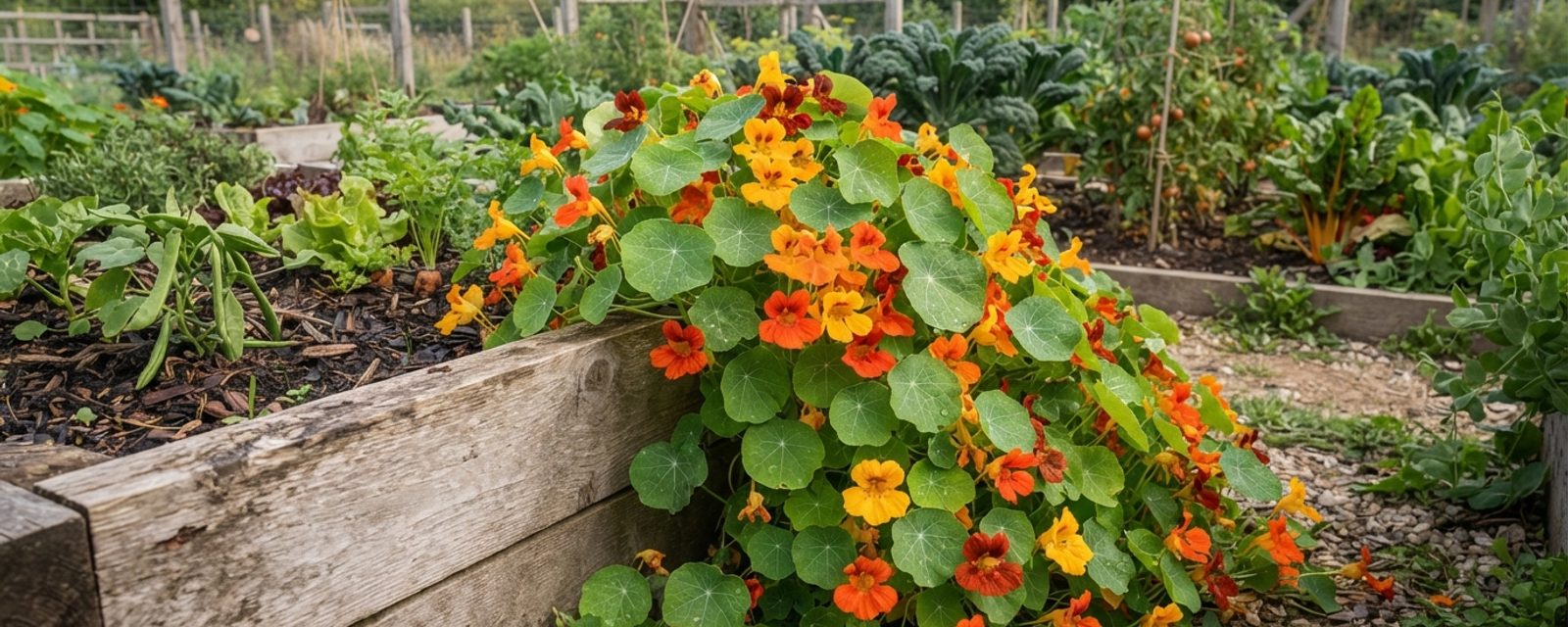 Nasturtiums as an Edible-Garden Companion: What the Evidence Actually ShowsWhy aphids and caterpillars genuinely favour nasturtiums, what the evidence for pest diversion actually shows, and how to grow and eat them.
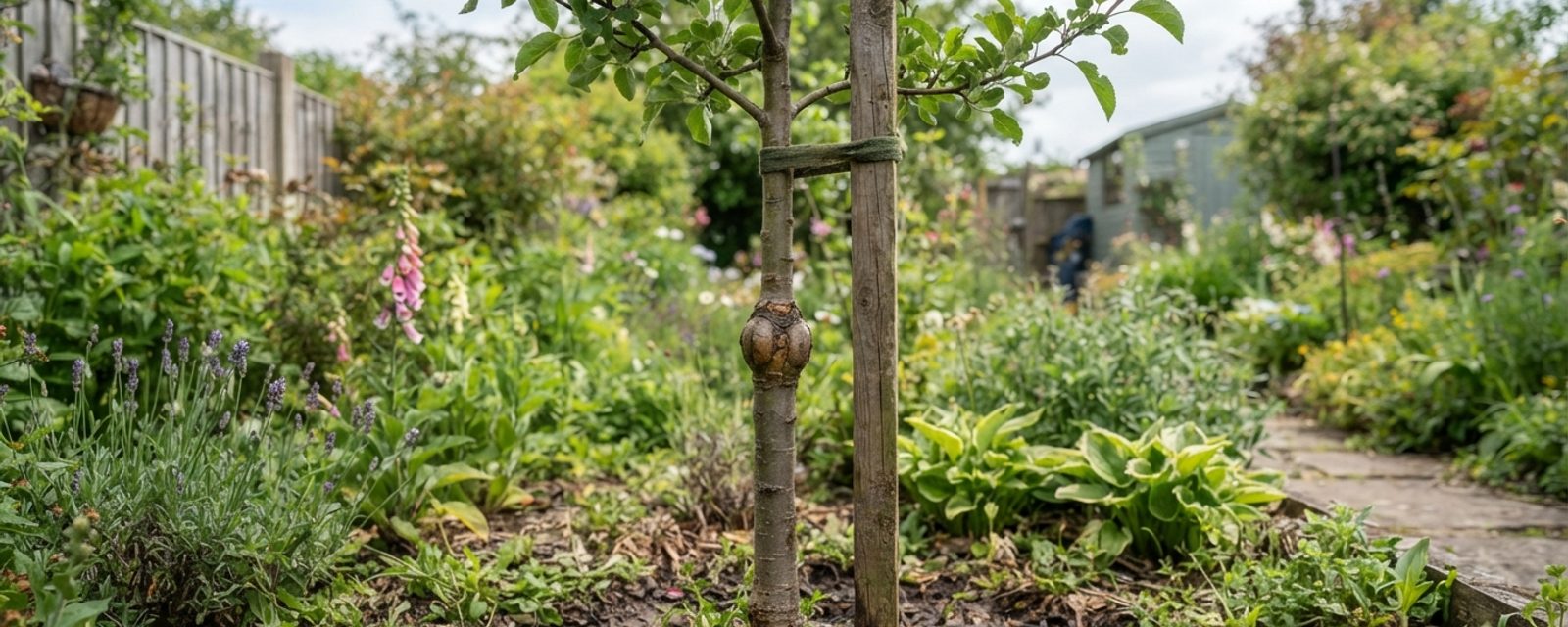 Fruit Tree Rootstocks, Explained for a Scottish GardenWhat a rootstock code actually controls, a real cross-crop comparison table, and why wind, not cold, is the genuine Scottish angle on choosing one.
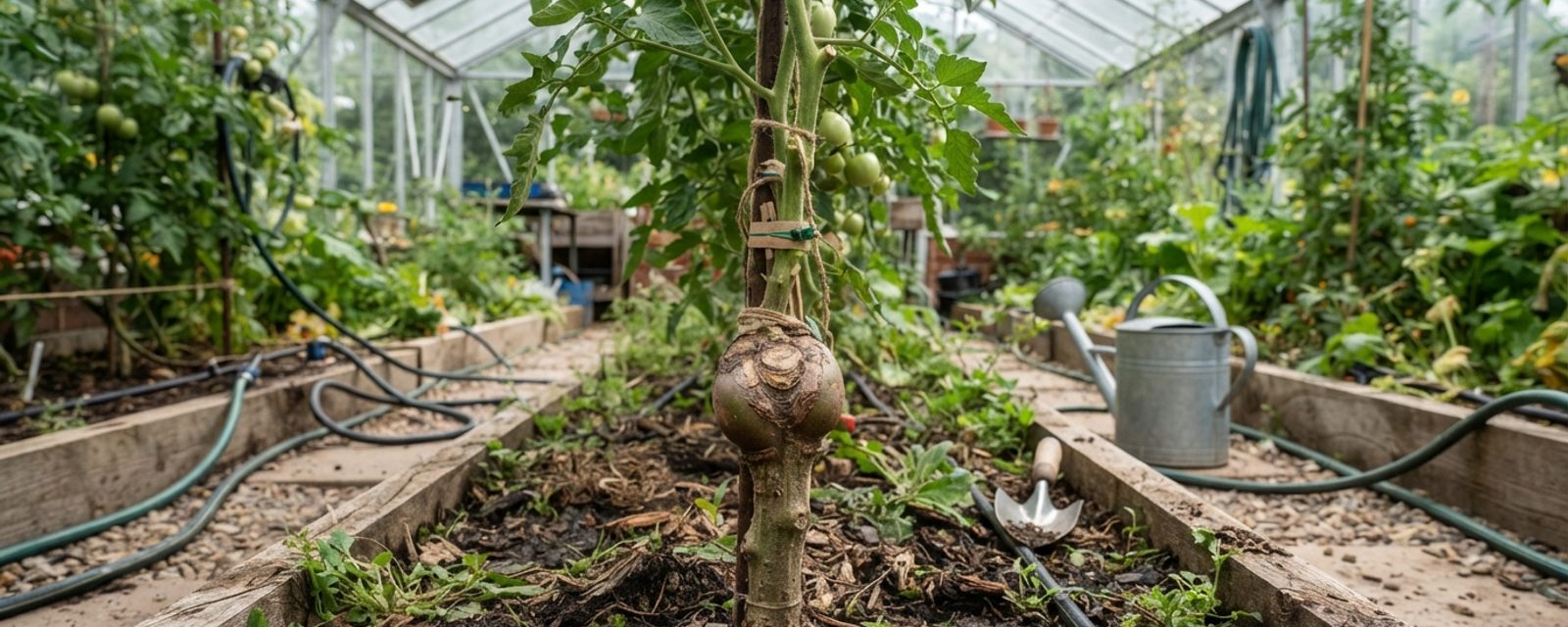 Grafted Tomato, Cucumber and Aubergine Plants: Worth the Extra Money?What grafting actually protects against, whether the yield claim holds up, and an honest verdict on paying the premium in a Scottish greenhouse.
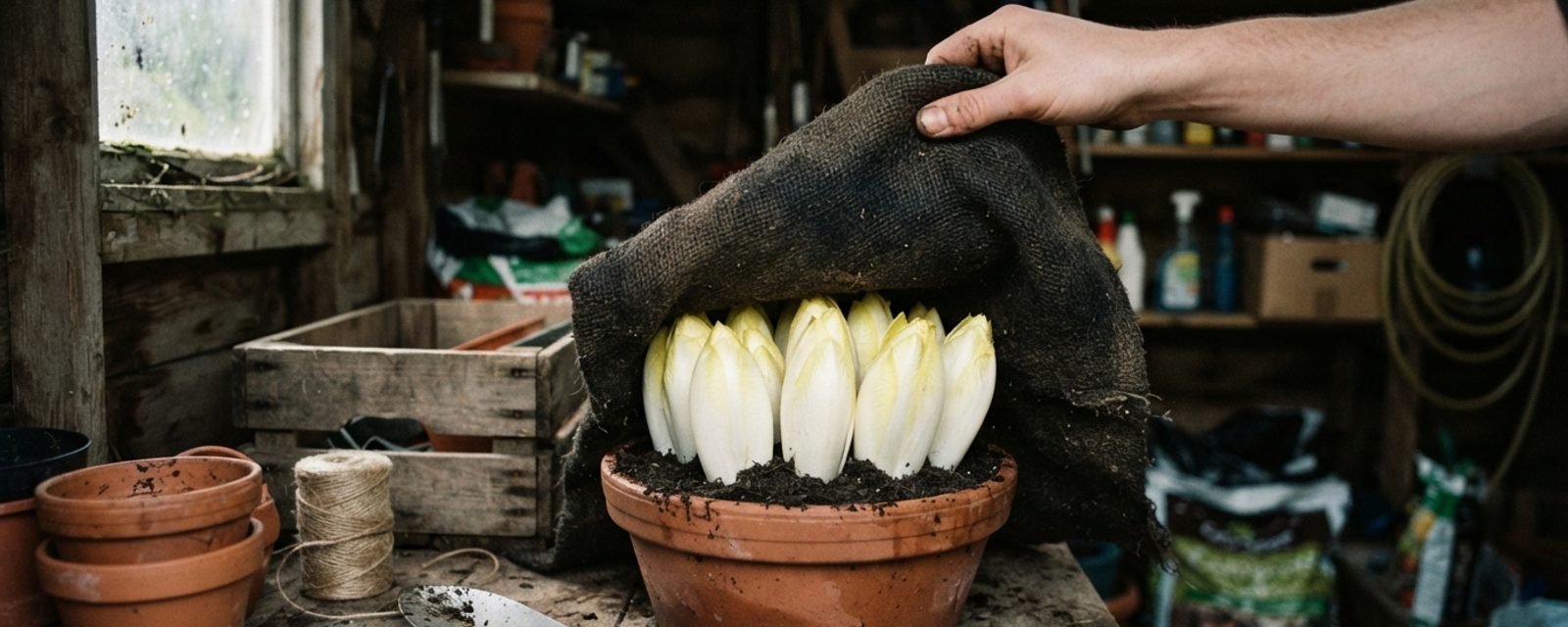 Forcing Chicory, Seakale and Strawberries: Fresh Crops When the Garden Has StoppedForcing chicons, blanched seakale and early strawberries under cover, and the honest limits of each technique in a Scottish garden.
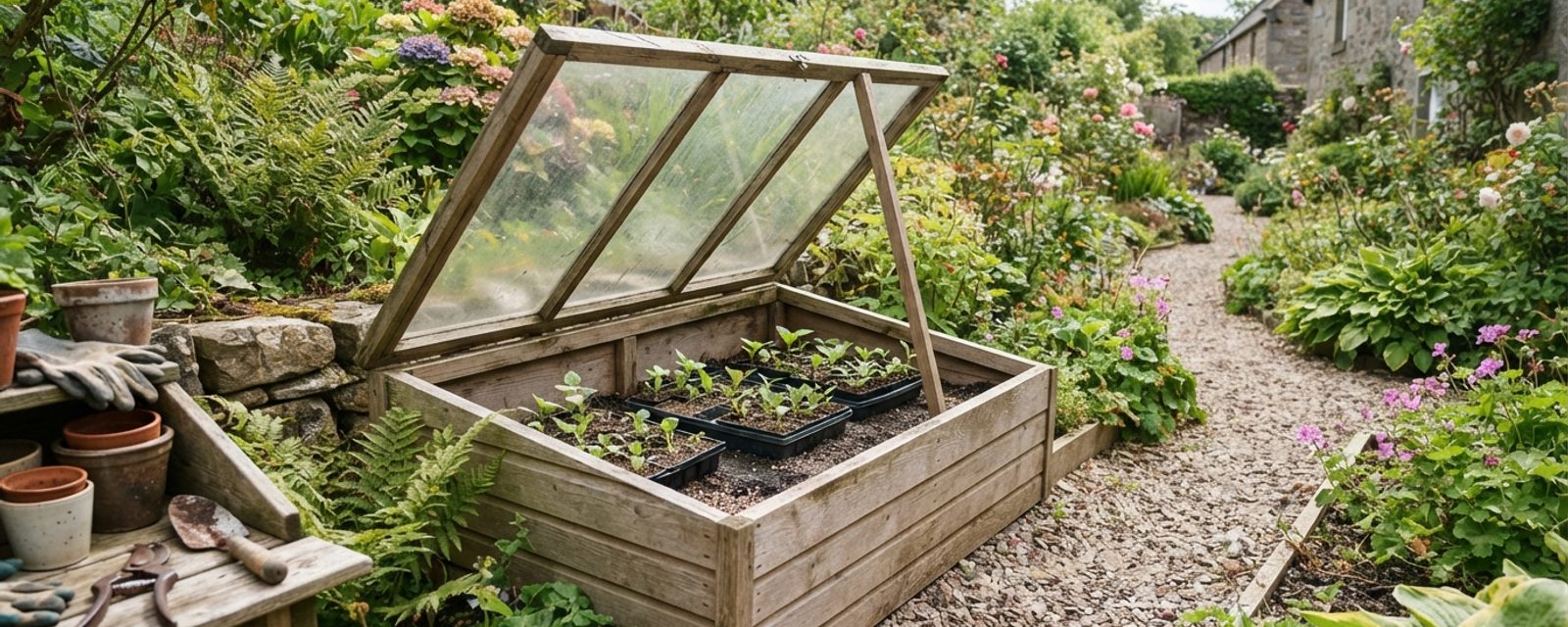 Cold Frames in Scotland: A Buyer's and Builder's GuideBuy vs. build compared honestly, why wind matters more than aspect here, and what to grow by season — a genuine cold frame guide for a Scottish garden.
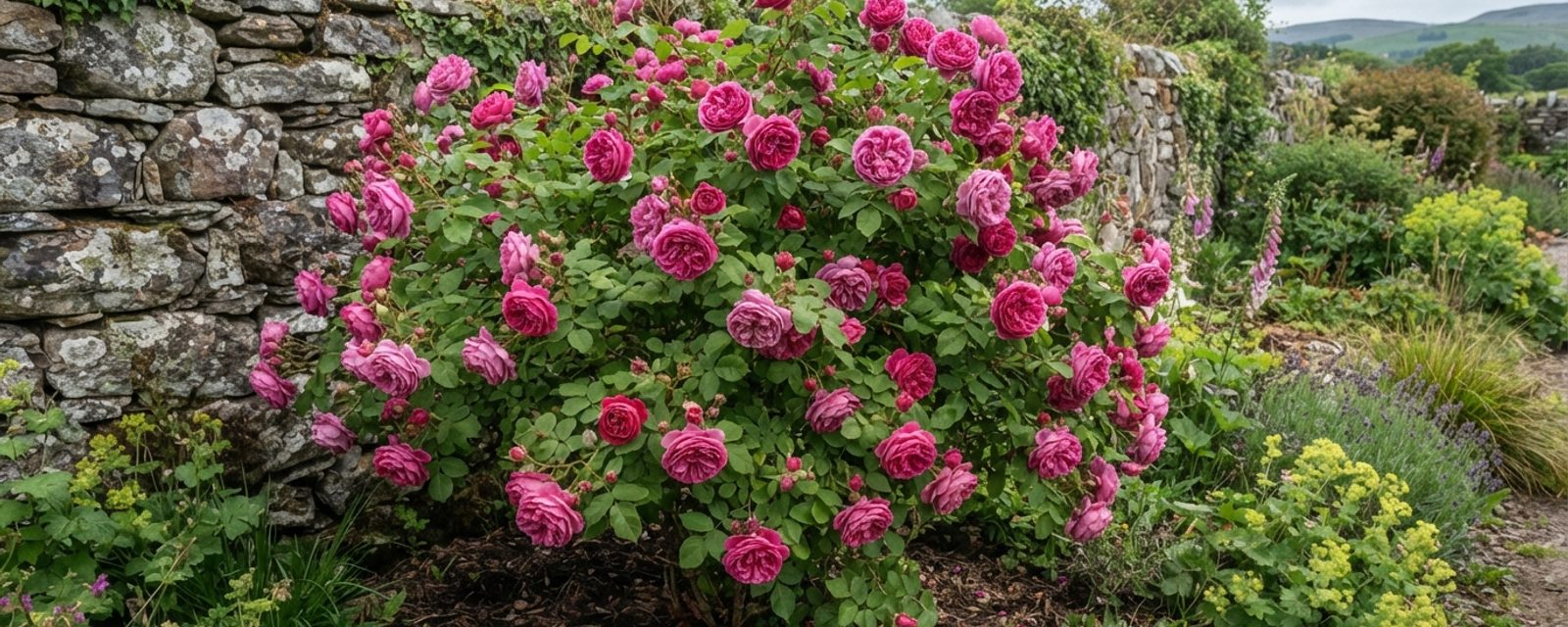 When to Prune Roses in ScotlandScotland's frost windows run weeks behind England's: real regional data on when it's actually safe, plus the right cut for every rose type.
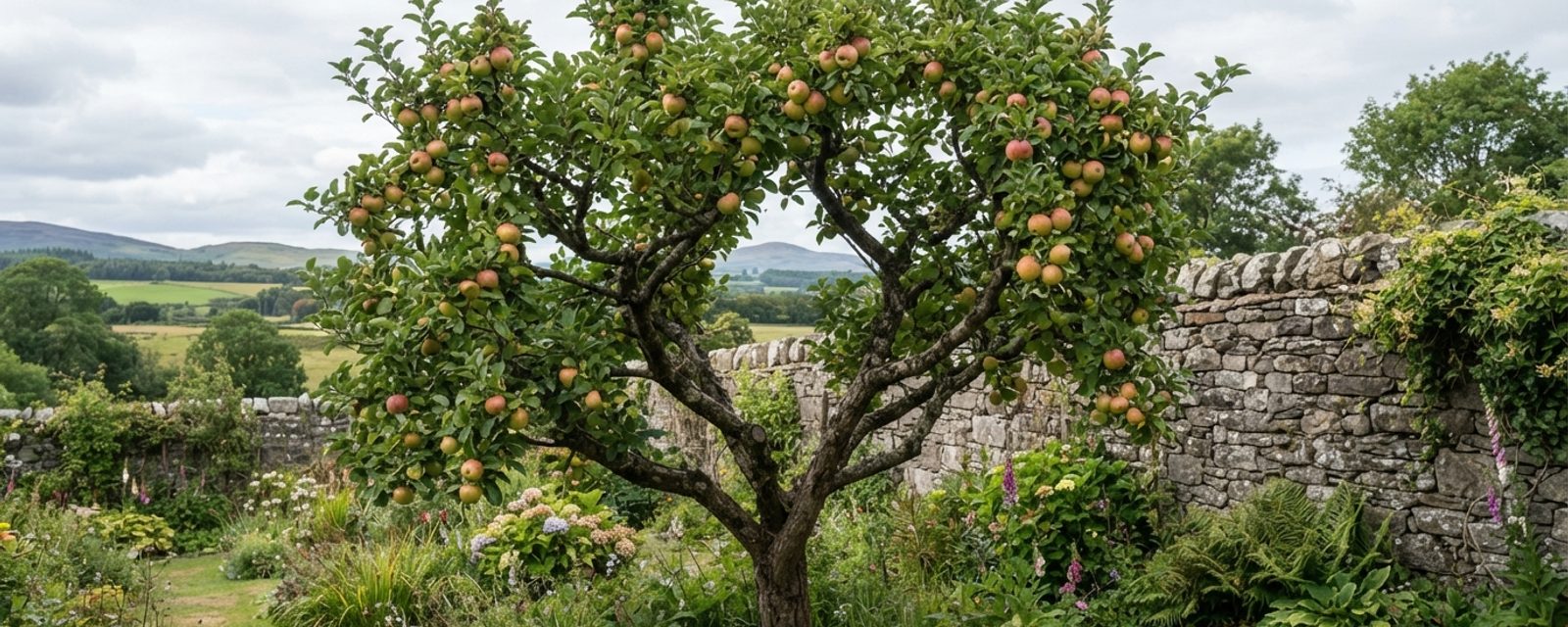 When to Prune Fruit Trees in ScotlandApples and pears want winter pruning; plums and cherries never do. Real frost data on timing, plus how much wood to safely take off.
 When to Prune Hydrangeas in ScotlandPrune the wrong hydrangea hard and you lose a year of flowers. Real frost data on protecting old-wood buds, plus the right cut for each type.
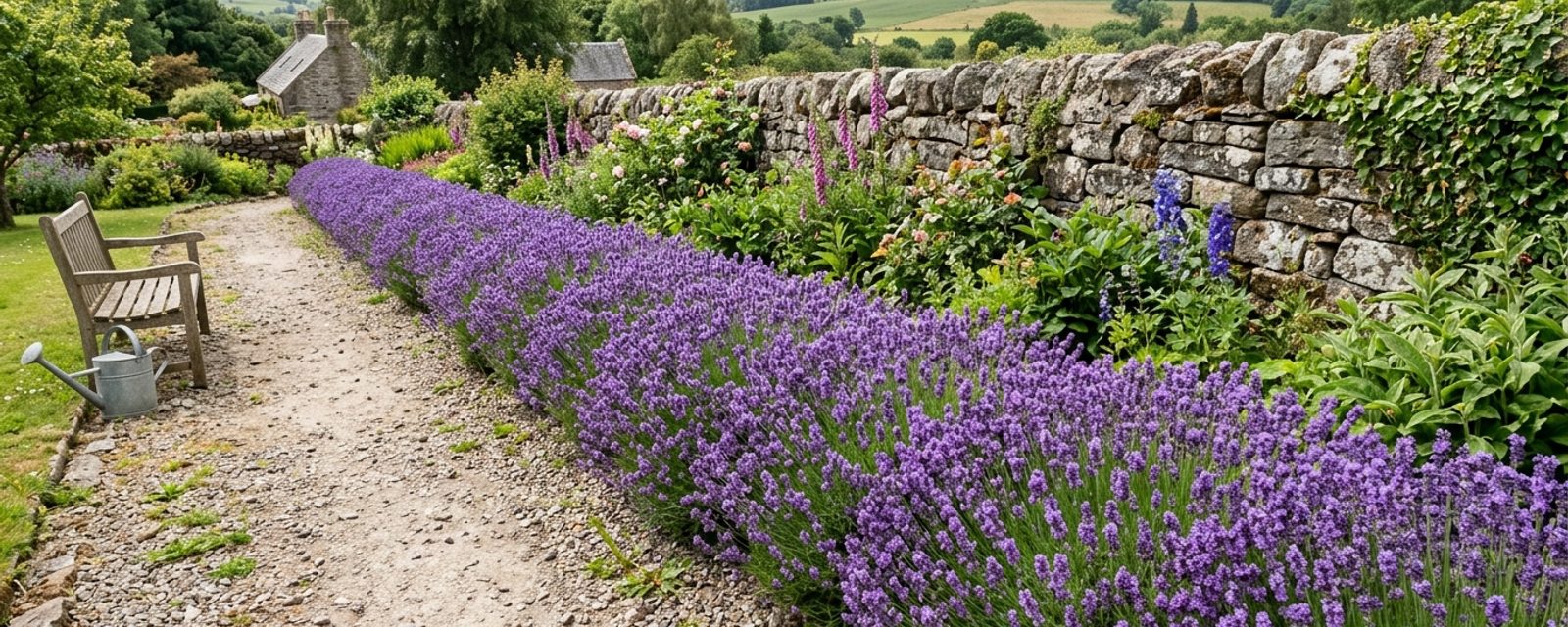 Pruning Lavender in ScotlandLavender's real enemy in Scotland is wet soil, not cold. Guidance on siting, drainage and pruning for a plant that usually fails on site, not technique.
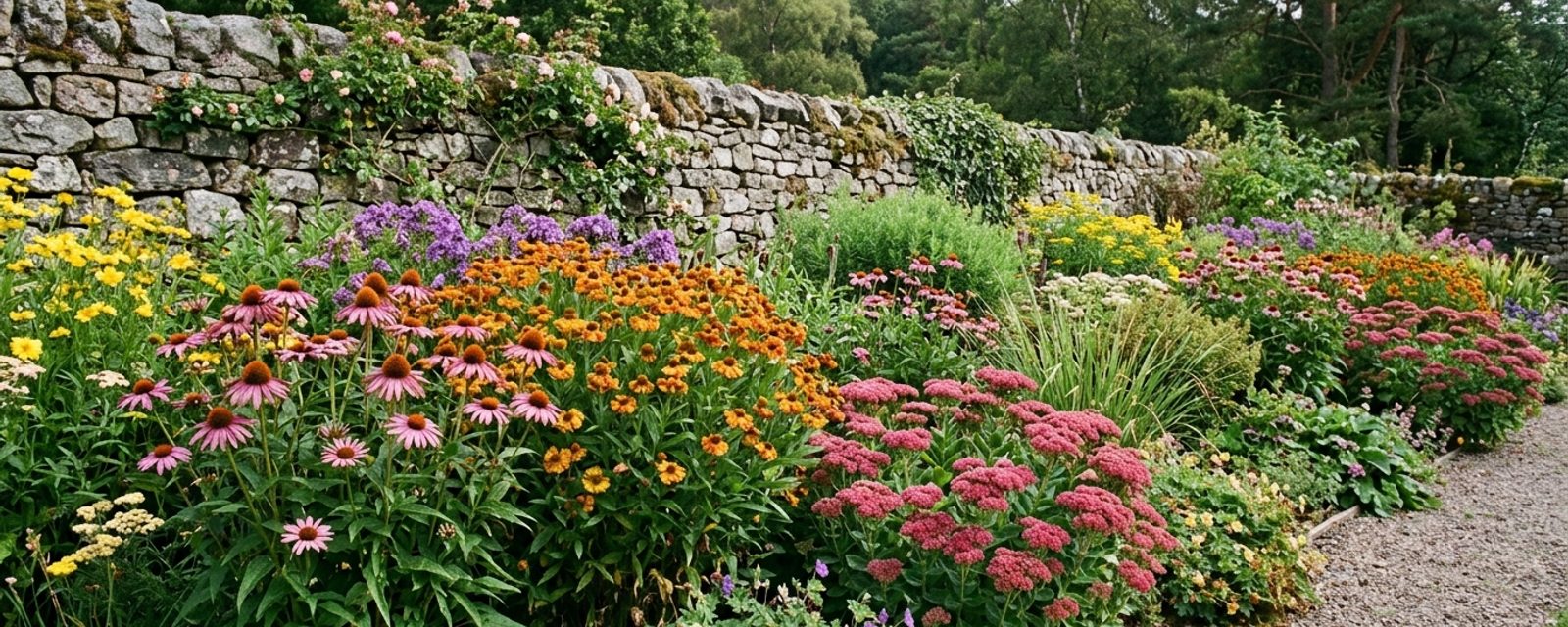 The Chelsea Chop for Perennials in ScotlandLate May is Chelsea Chop week in England; most of Scotland's perennials aren't ready. Real timing by region, and the right plants for it.
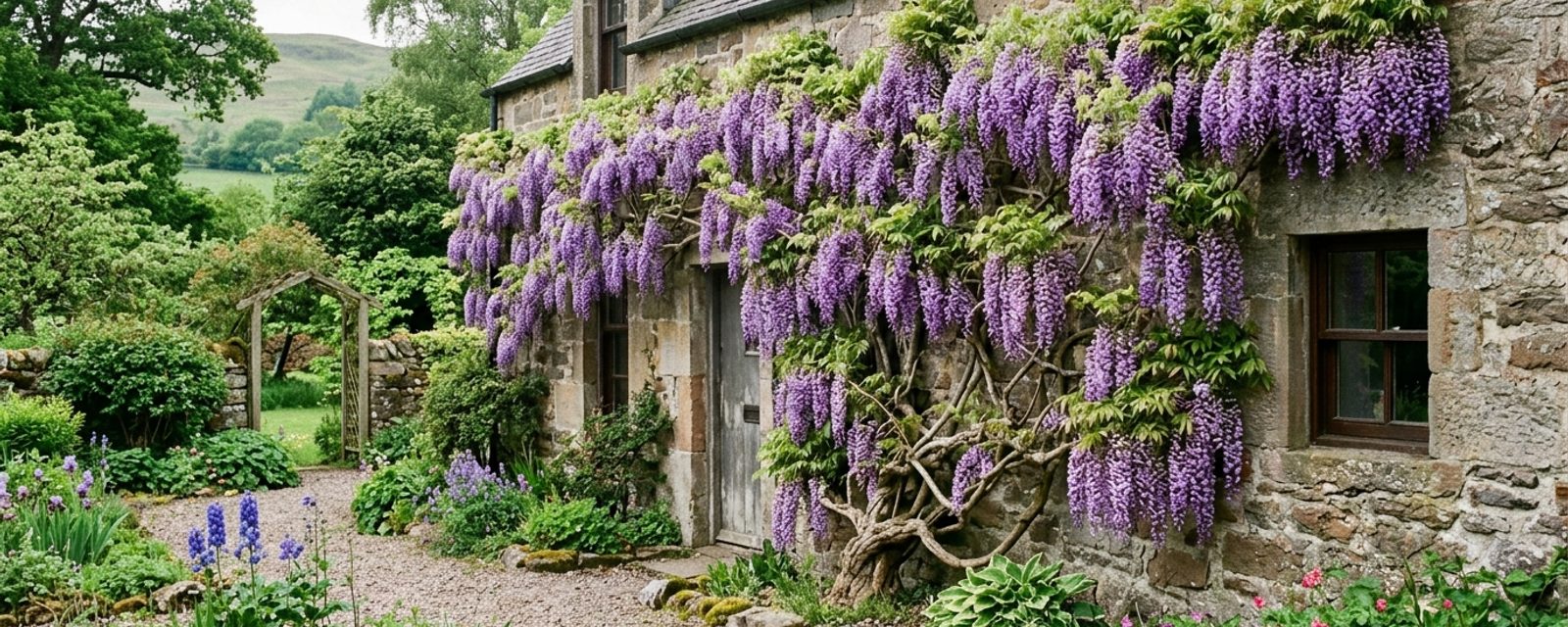 Pruning Wisteria in ScotlandWisteria needs two prunes a year, and Scotland's shorter summer changes how well the second one works. Real data, plus every real cause of no flowers.
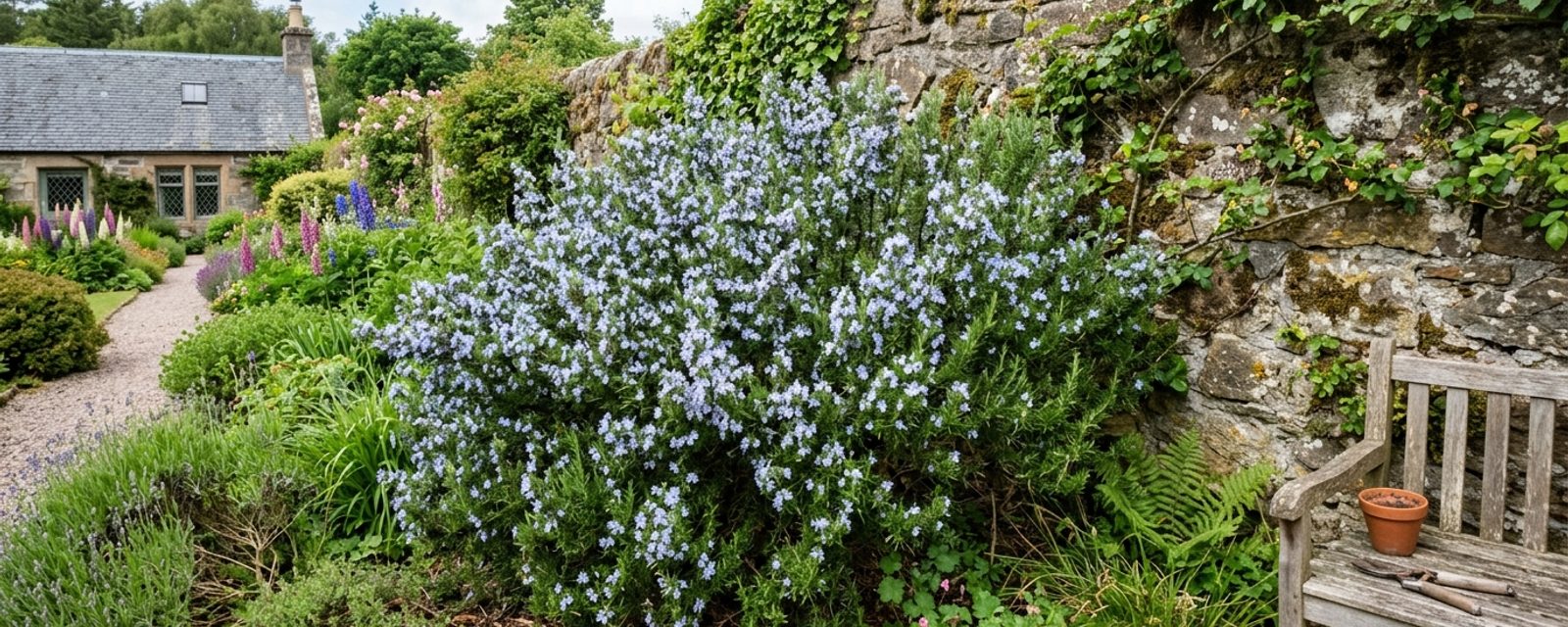 Reviving Woody Rosemary in ScotlandTwo rosemary problems look similar but aren't: root rot from wet soil, and old wood that won't resprout. Real siting, overwintering and pruning advice.
 Topiary Basics: Box, Yew and BayWhy a clipped shape holds, which of box, yew or bay suits your situation, and how to renovate one gone overgrown.
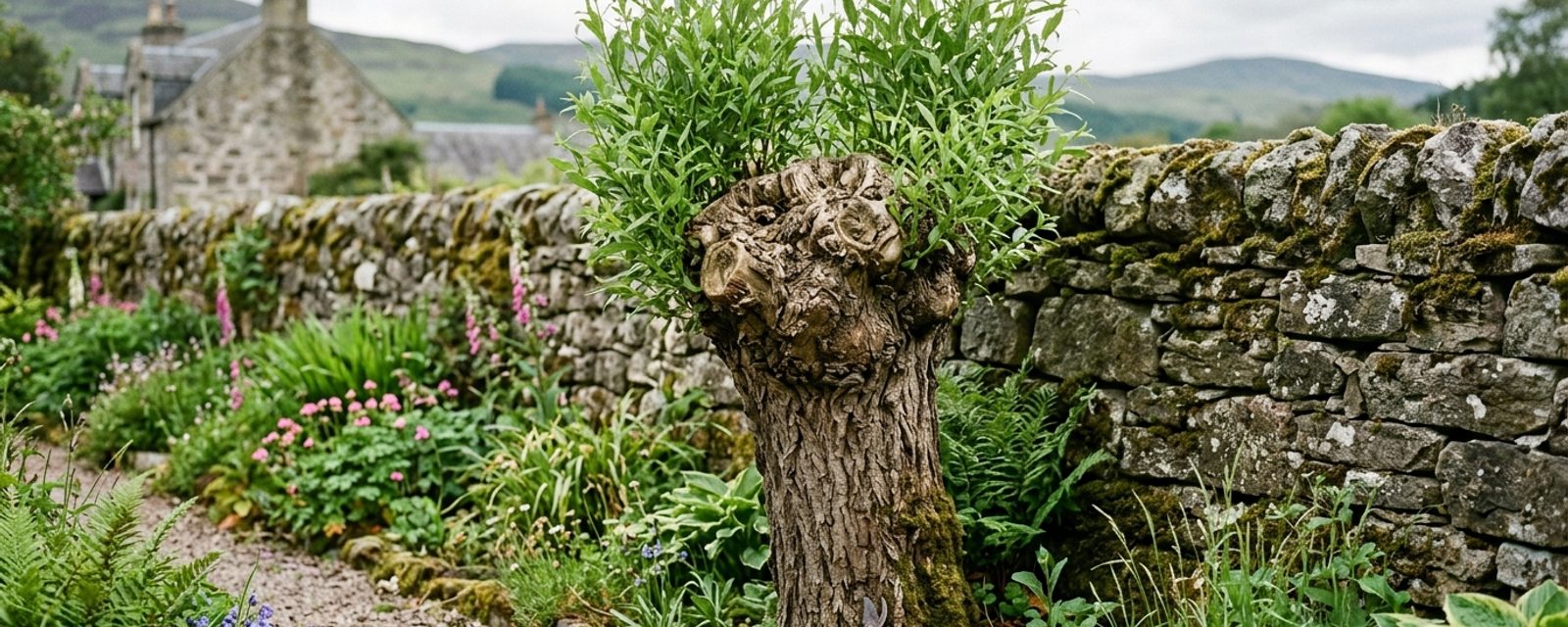 Pollarding and Coppicing in ScotlandScotland's dormant season shifts the cutting window, but nesting-bird law closes it from the other end. Real timing, technique, and what's legal.
 Why Fruit Blossom Comes Early Some YearsEarly blossom means more frost risk, not less. The real chilling-and-warmth mechanism behind blossom timing, and what it means for fruit set.
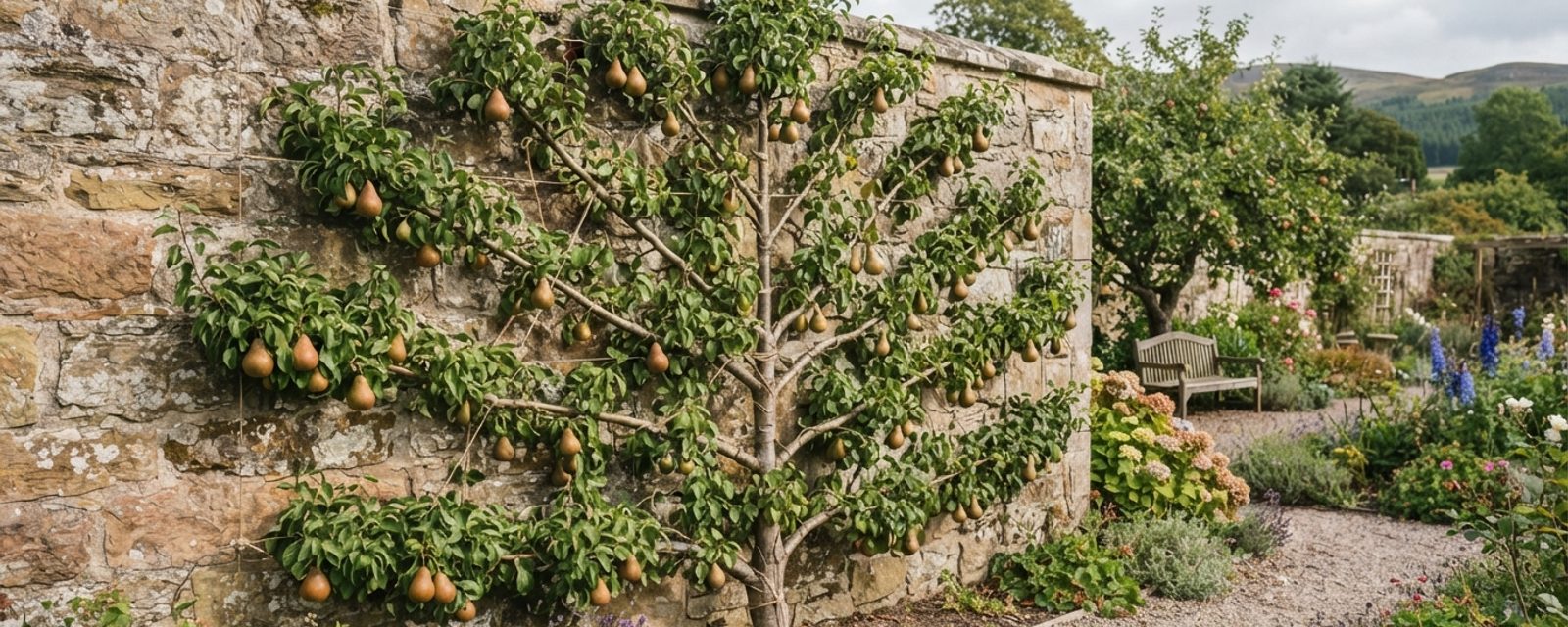 Fan-Training Fruit Trees Against a Wall in ScotlandA fan gone wrong is bare on one side and fruiting only at the top. Real training steps, plus which fruit actually needs a warm wall in Scotland.
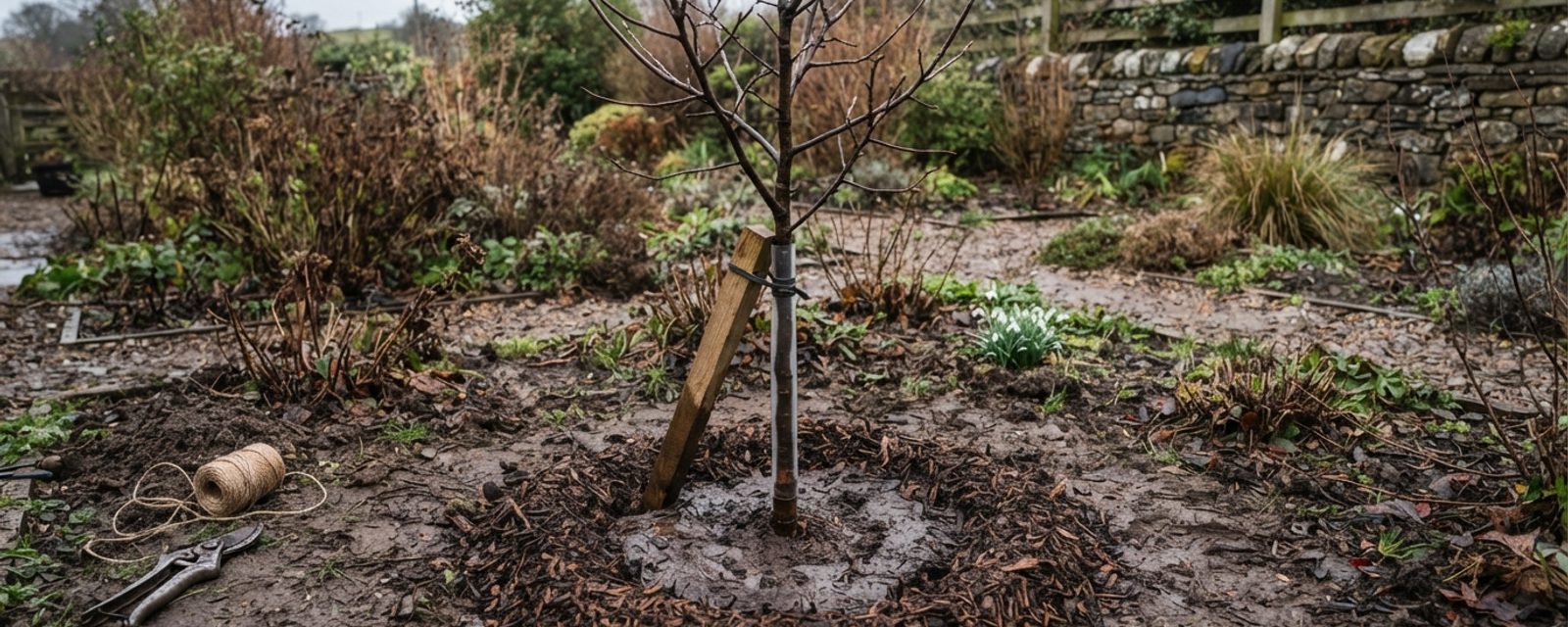 Planting Bare-Root Trees in ScotlandBare-root season runs longer here, but ground workability, not frost, usually sets the real limit. When to plant, and how to heel in if it isn't ready.
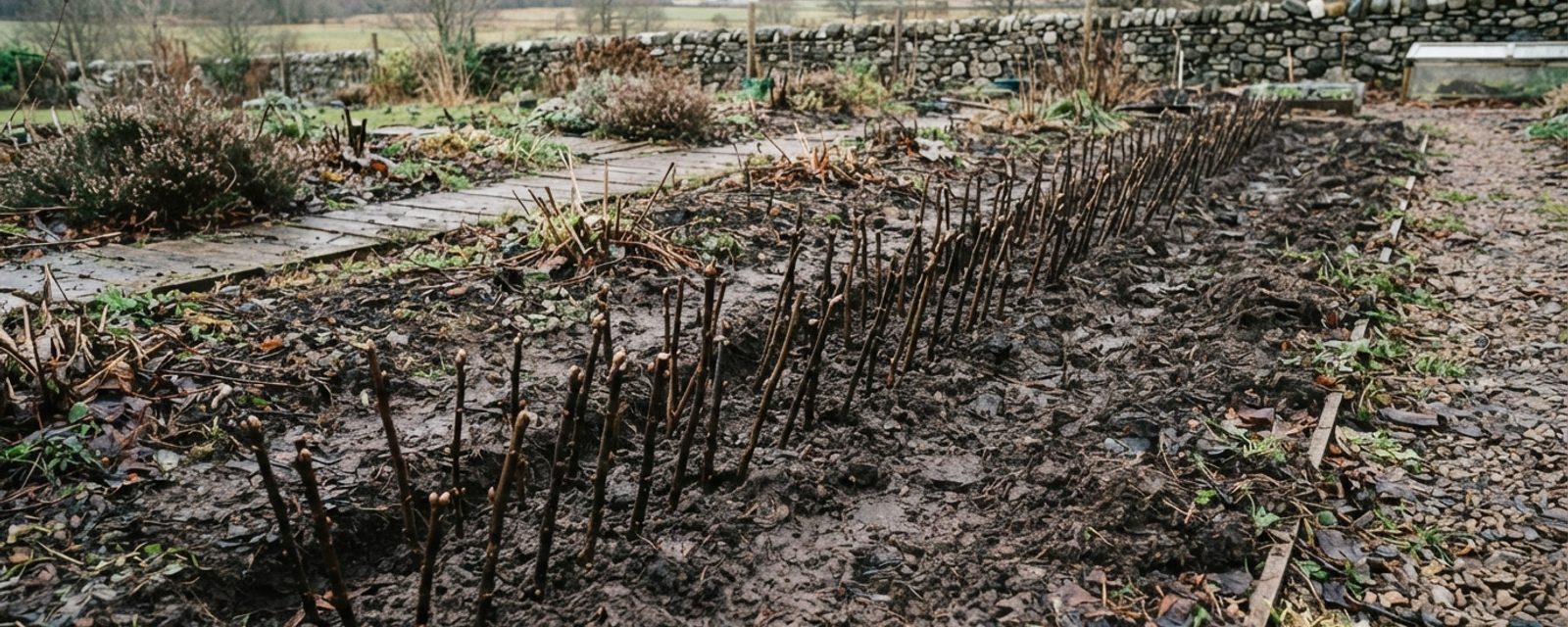 Hardwood Cuttings: The Slit-Trench MethodGrow free shrubs from dormant wood using stored energy alone. The slit-trench method, and why Scotland's longer dormancy helps more than it hinders.
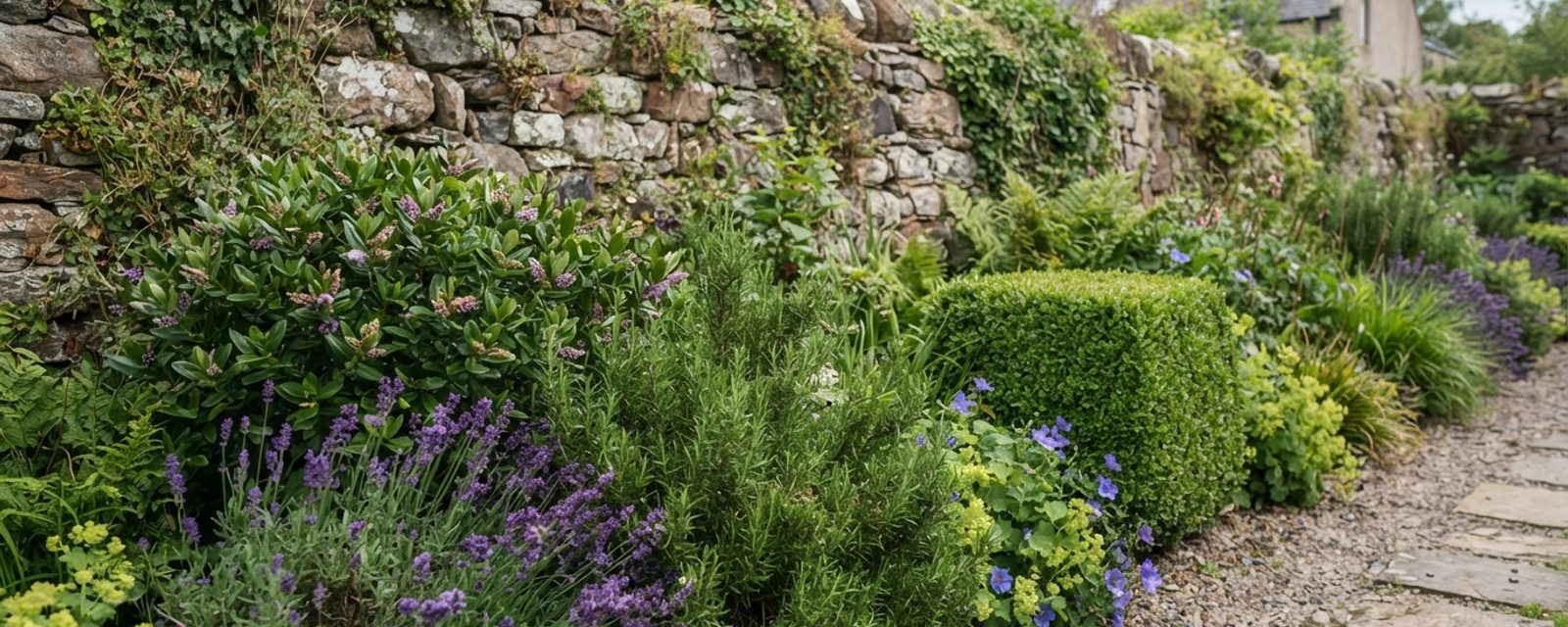 Semi-Ripe Cuttings: Reading the Bend TestHow to judge exactly when a shoot is ready for semi-ripe cuttings, plus step-by-step propagation for lavender, rosemary, hebe and box.
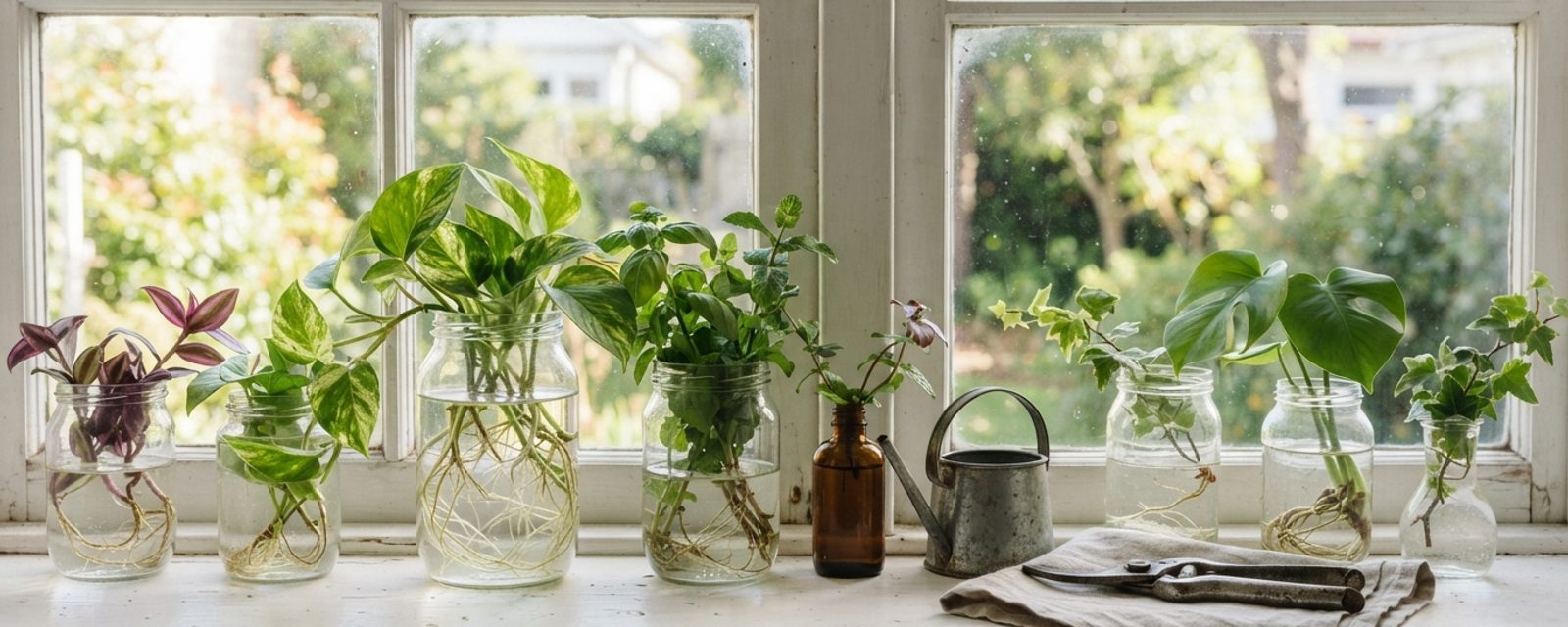 Rooting Cuttings in Water: What Actually WorksWhich cuttings genuinely root in a jar of water, which need soil instead, and why water-rooted plants sometimes struggle after potting on.
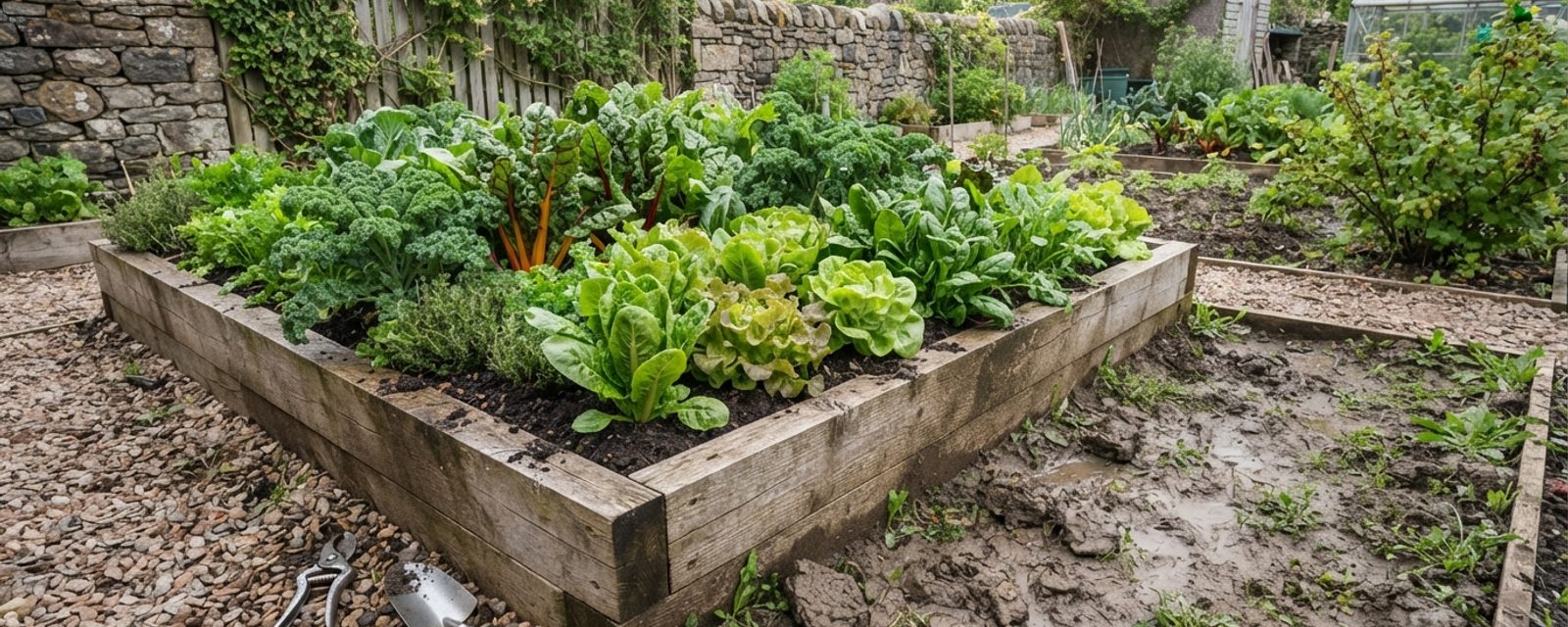 Improving Clay Soil in ScotlandClay's real double bind: rock-hard dry, sticky wet. Why drainage has to lead on Scottish clay and peaty-gley ground, and why sand makes it worse.
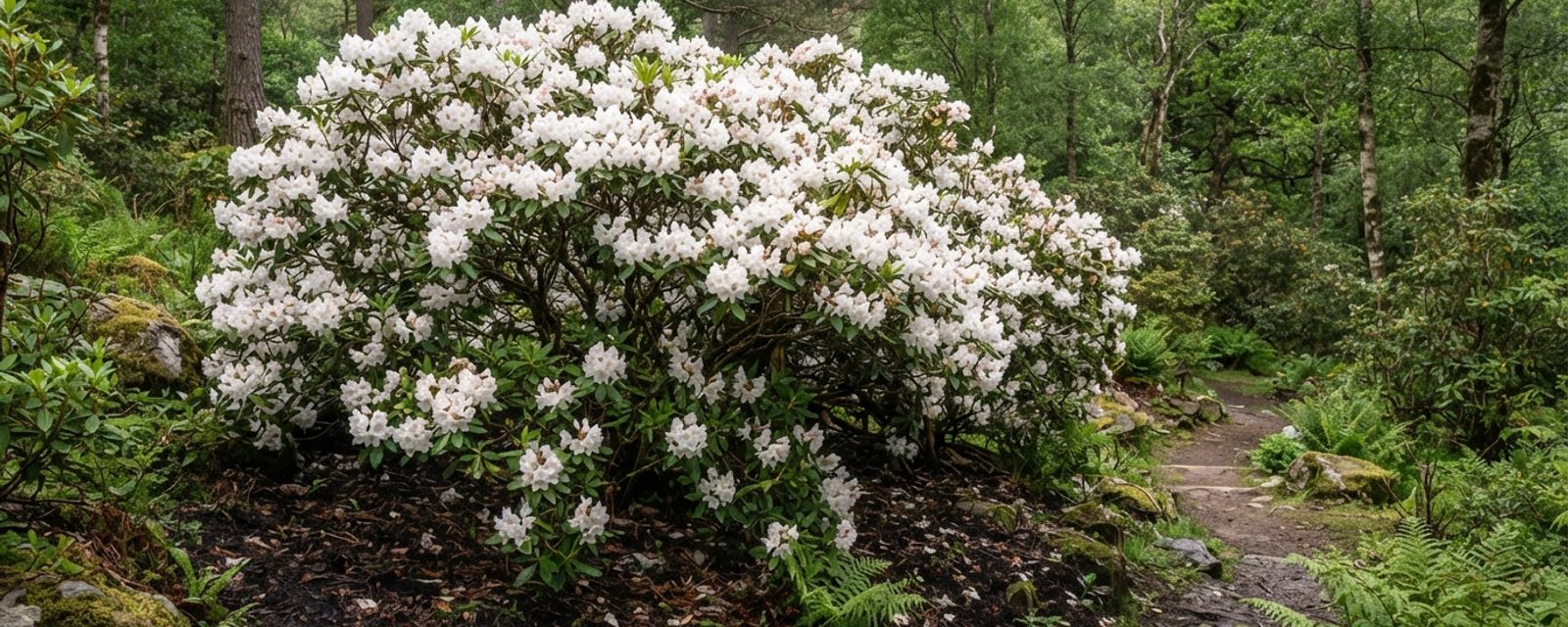 Soil pH Testing and AdjustmentA nutrient can be present and still unavailable to a plant at the wrong pH. Why Scotland's soil trends acid, and how to test and adjust it properly.
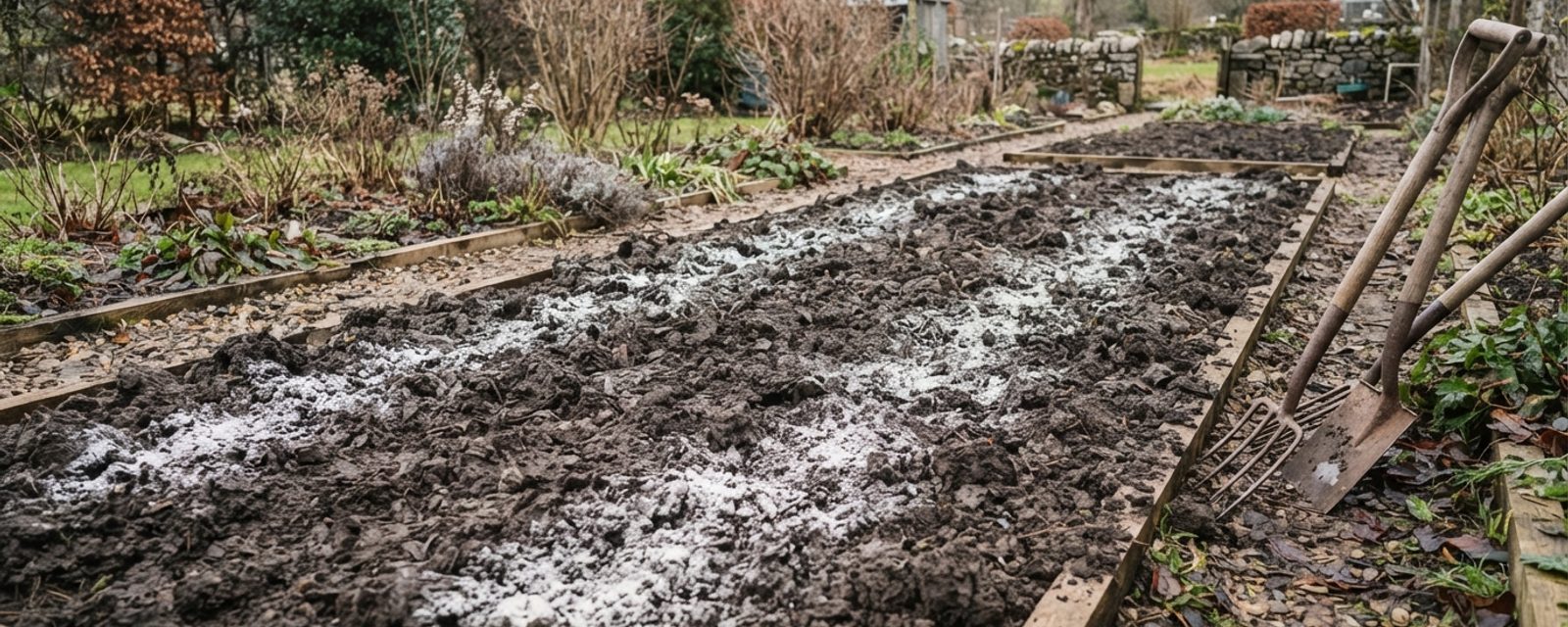 Garden Lime: When and How Much to ApplyA soil test number alone doesn't tell you how much lime to add. Real dose rates by soil type, why lime and manure don't mix, and Scotland's lower target.
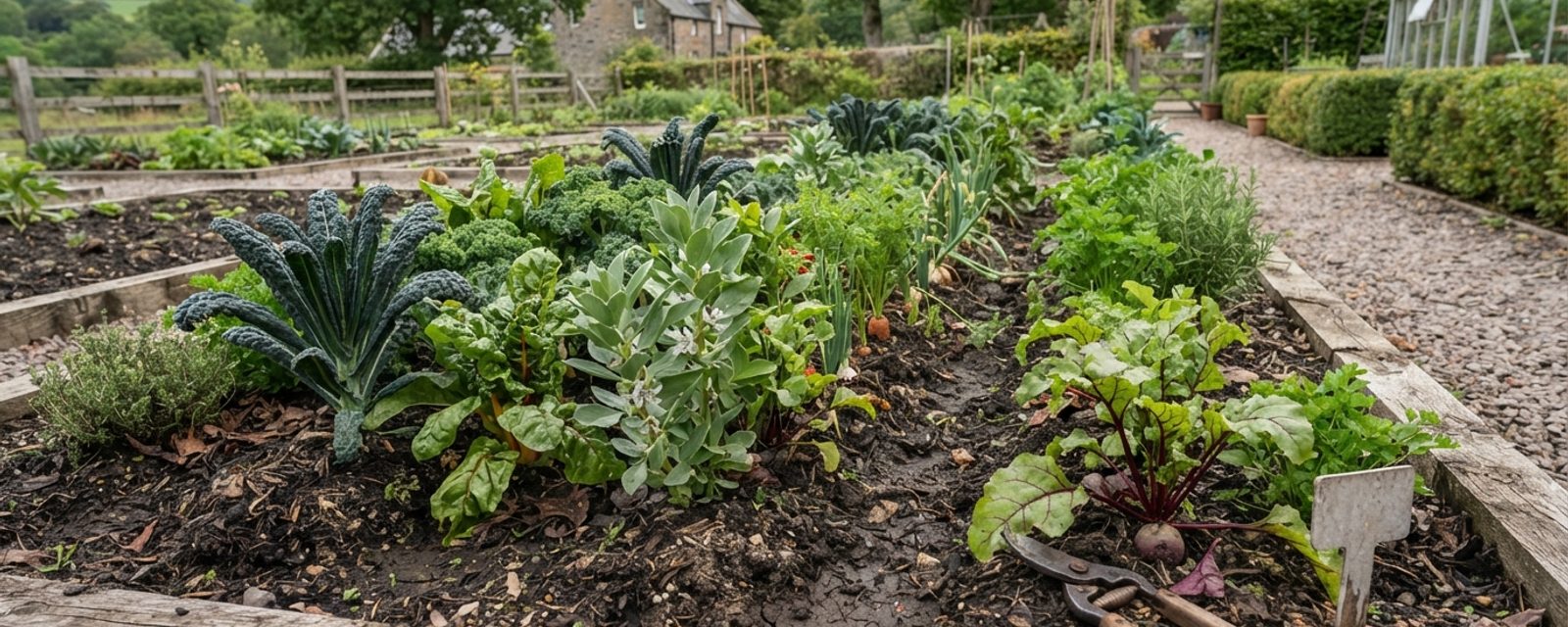 Gypsum and Clay Soil: What It Actually FixesGypsum clay-breaker bags promise a lot. The chemistry is real, but it fixes sodium-dominated soil, a problem Scotland's rainfall makes rare in gardens here.
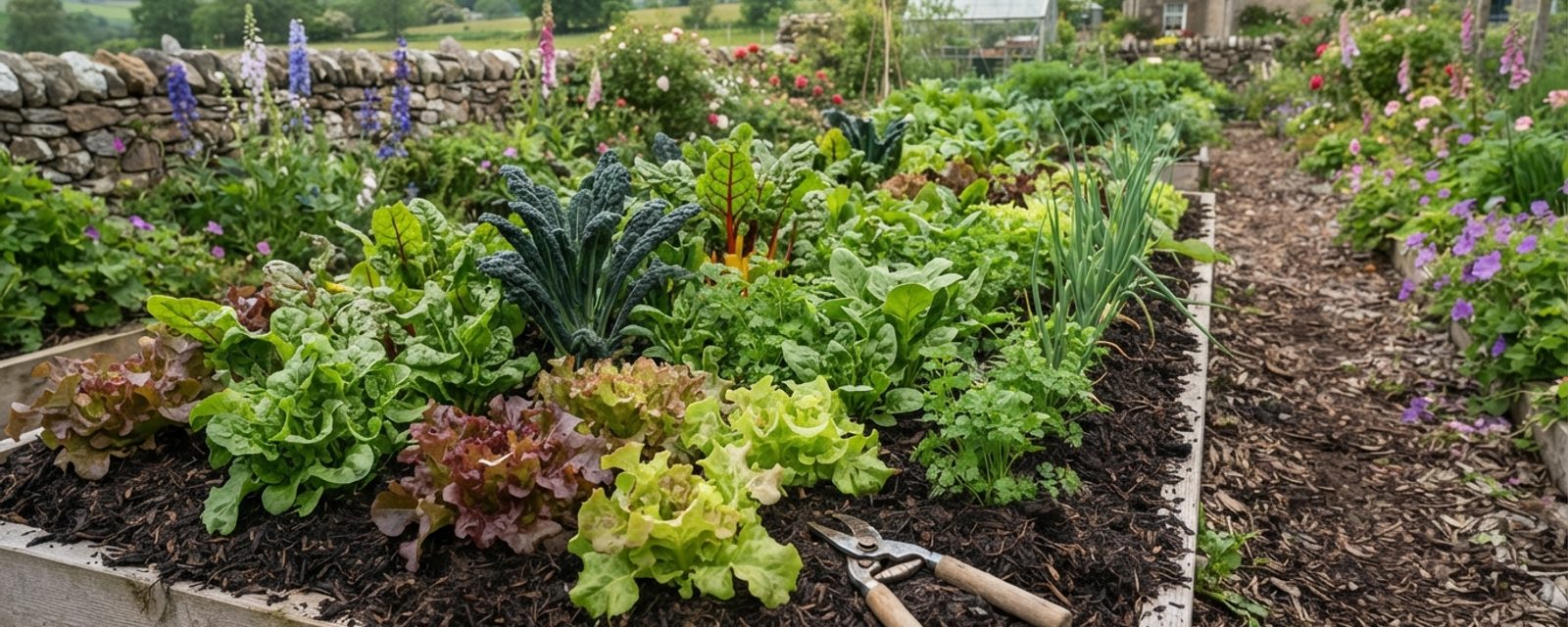 No-Dig Gardening on Heavy ClayClay punishes disturbance more than any other soil. Why no-dig suits it specifically, how to start a bed, and the honest evidence on mulch and slugs.
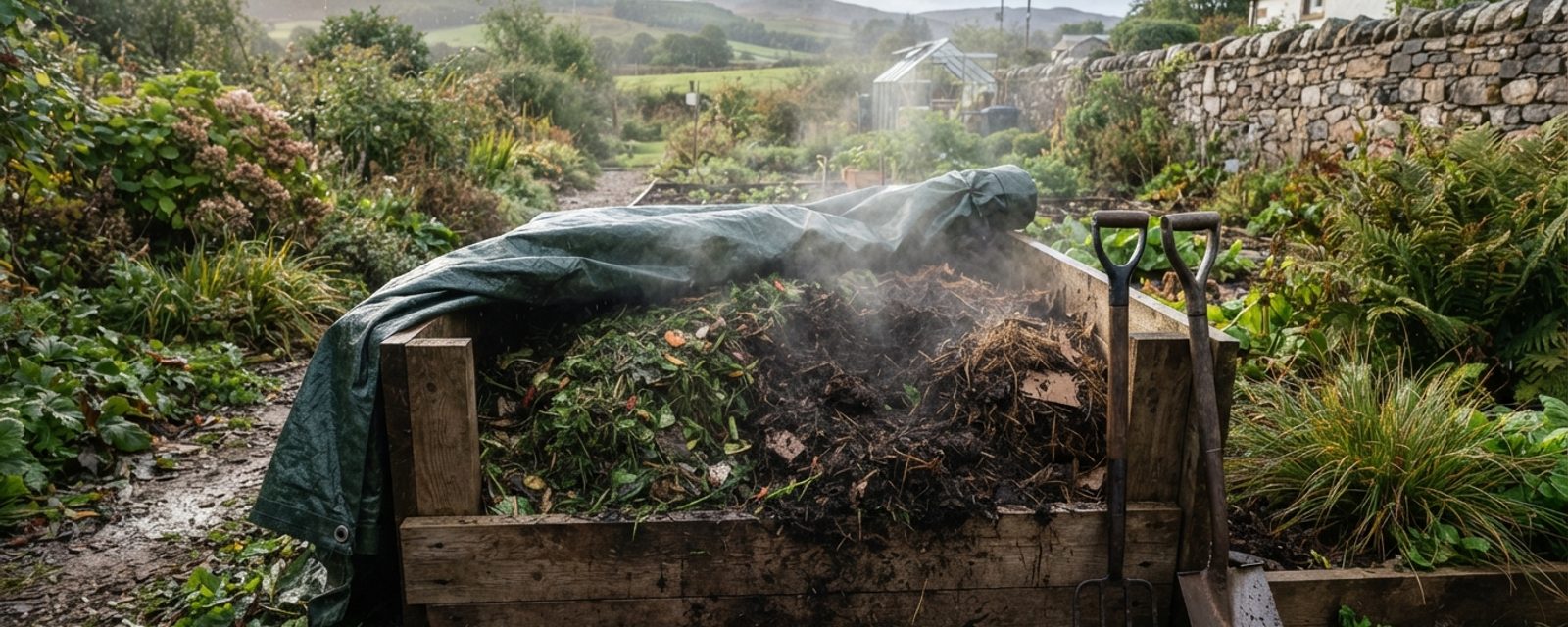 Hot Composting vs Cold PilesWhy a hot pile built to warmer-climate instructions often just sits there in Scotland, and why a well-run cold pile is the more realistic default here.
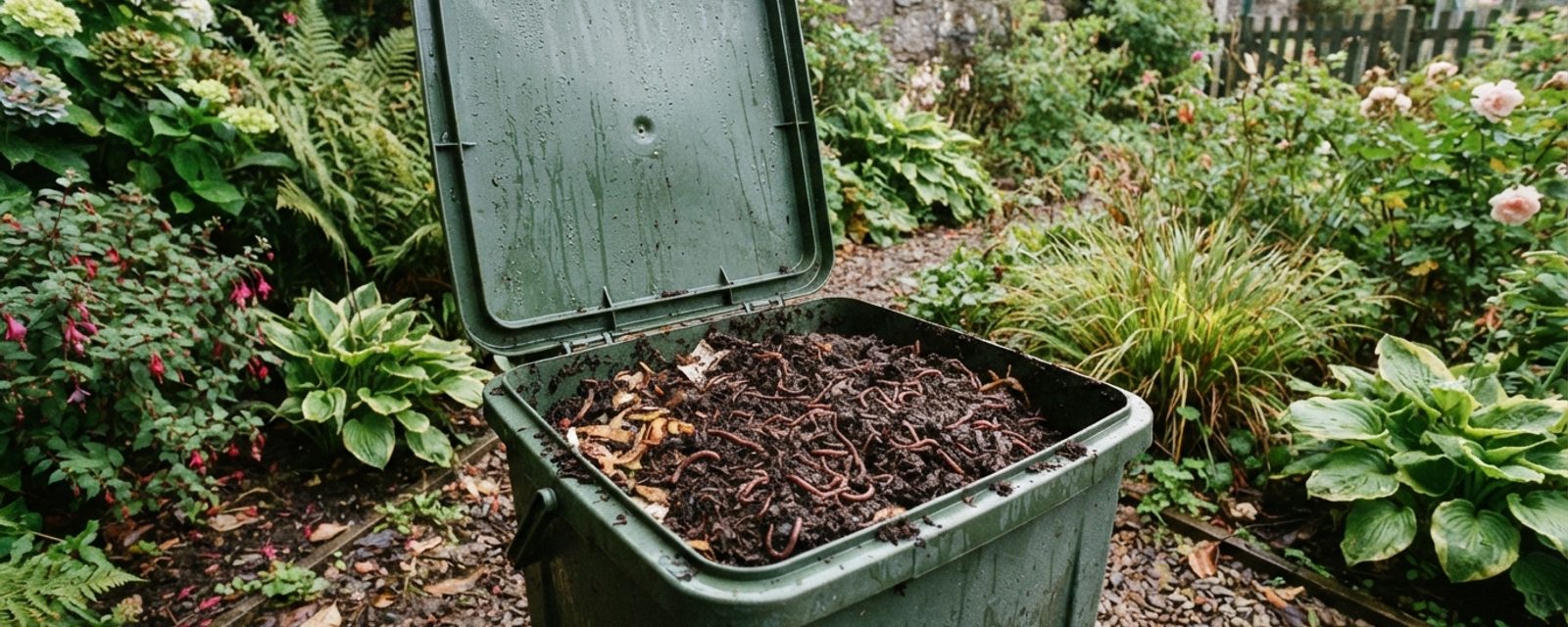 Starting a Wormery in ScotlandA wormery worm has nowhere to retreat from frost the way a garden earthworm does. Real setup, feeding, and how much winter protection your bin needs.
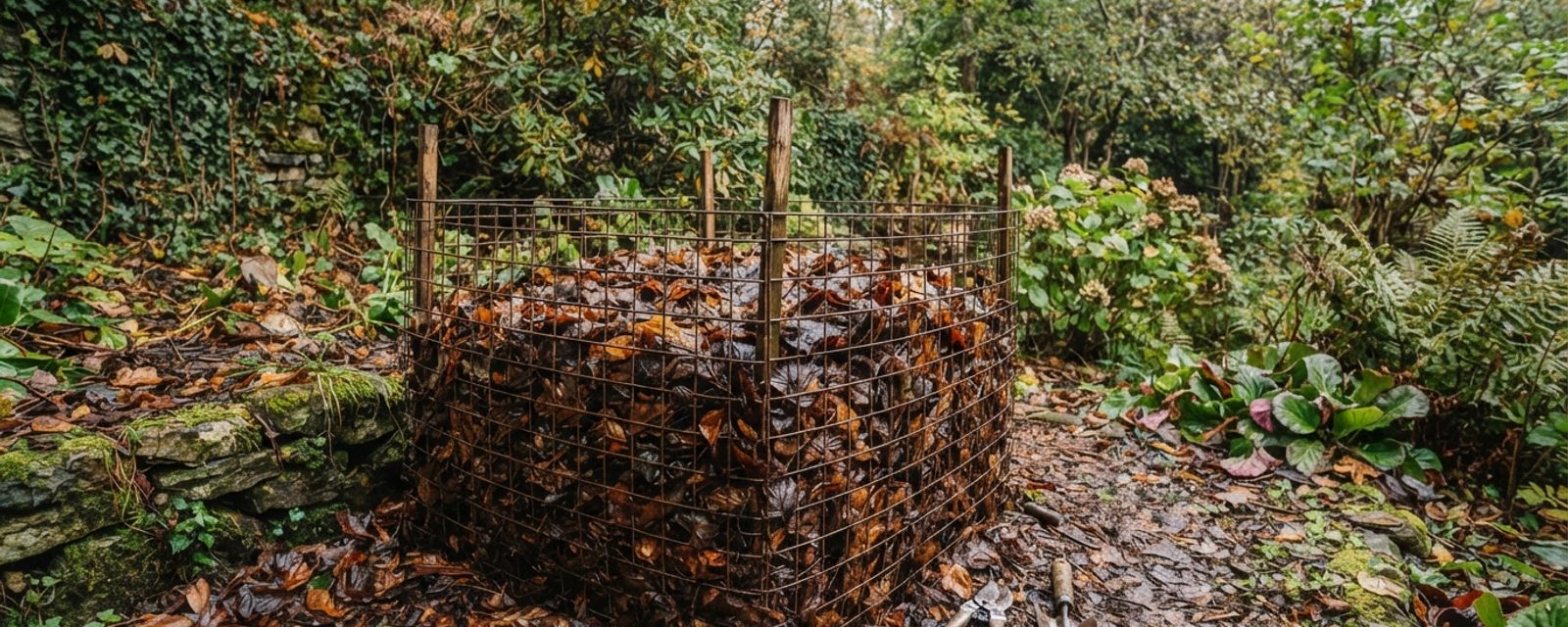 Making Leaf MouldLeaves rot badly in a compost heap and slow the whole pile down. Why they need their own space, which leaves work well, and how long it really takes.
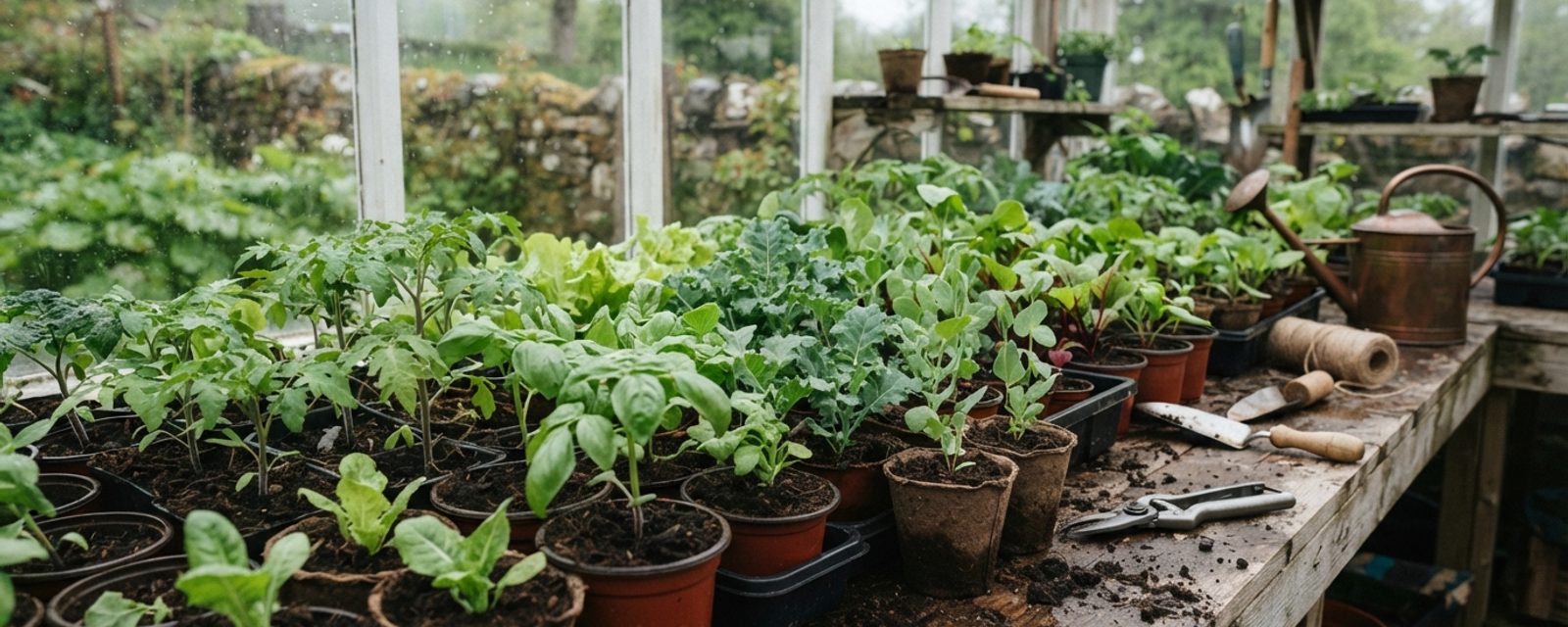 Peat-Free Compost: What It's Replacing, and What to ExpectPeat-free doesn't fail to grow plants, RHS trials confirm that. It waters and feeds differently. What's replacing peat, and Scotland's own stalled ban.
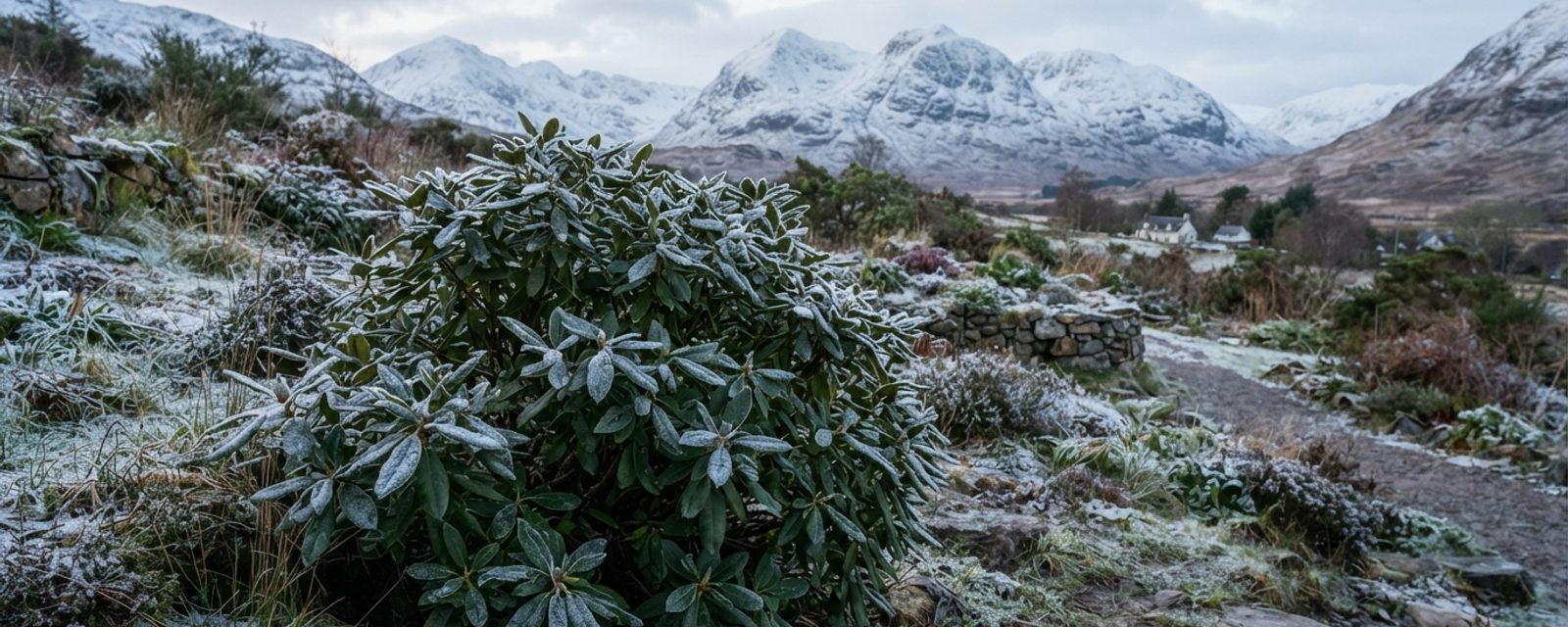 RHS Hardiness Zones, Explained for ScotlandWhat the RHS H1a–H7 hardiness scale actually measures, and how it maps onto Scotland, real Met Office minimum records, not one regional rule of thumb.
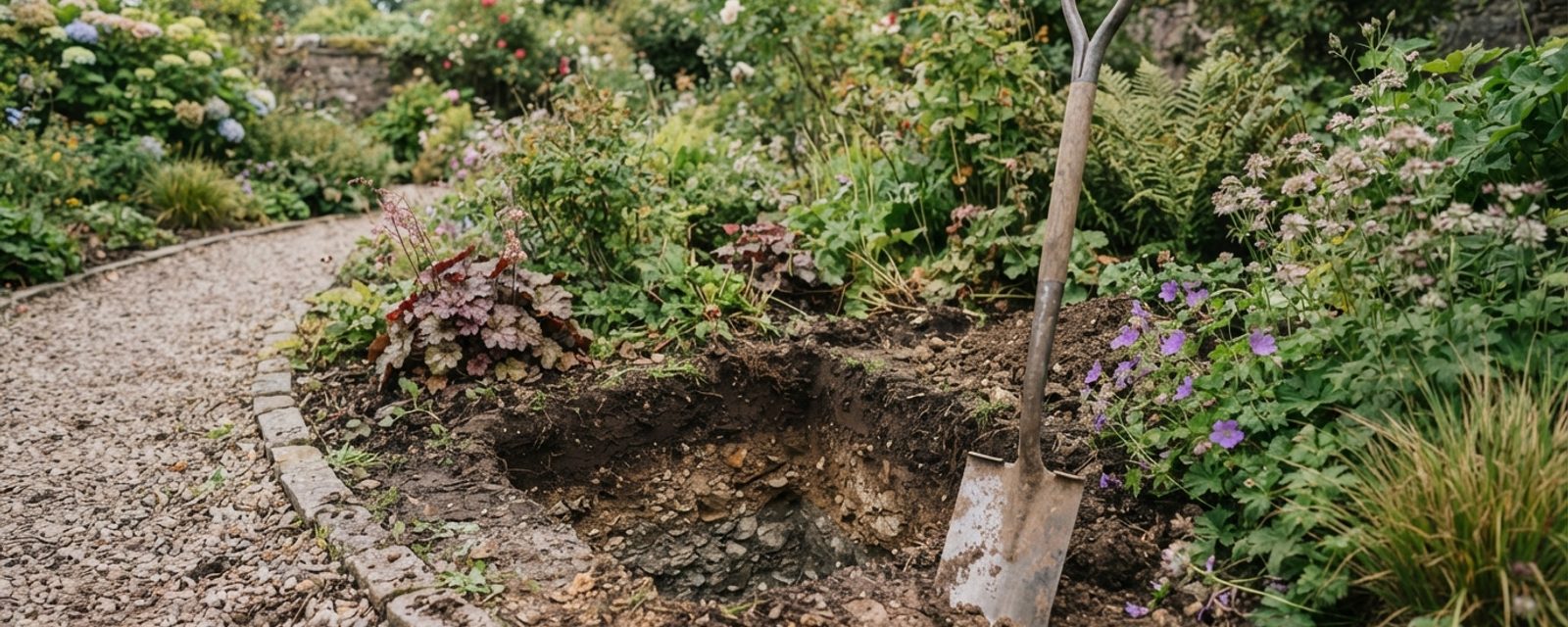 Identifying Your Soil TypeTexture and organic matter set a soil's identity. How to test both by hand, and why podzol, gley and peat matter as much here as clay or sand.
 Seaweed Feed: Kelp Meal, Liquid, and What You Can Actually GatherStorm-cast seaweed isn't a free-for-all, but personal-use gathering is fine. What seaweed feed actually does, liquid vs meal vs raw, and the real legal picture.
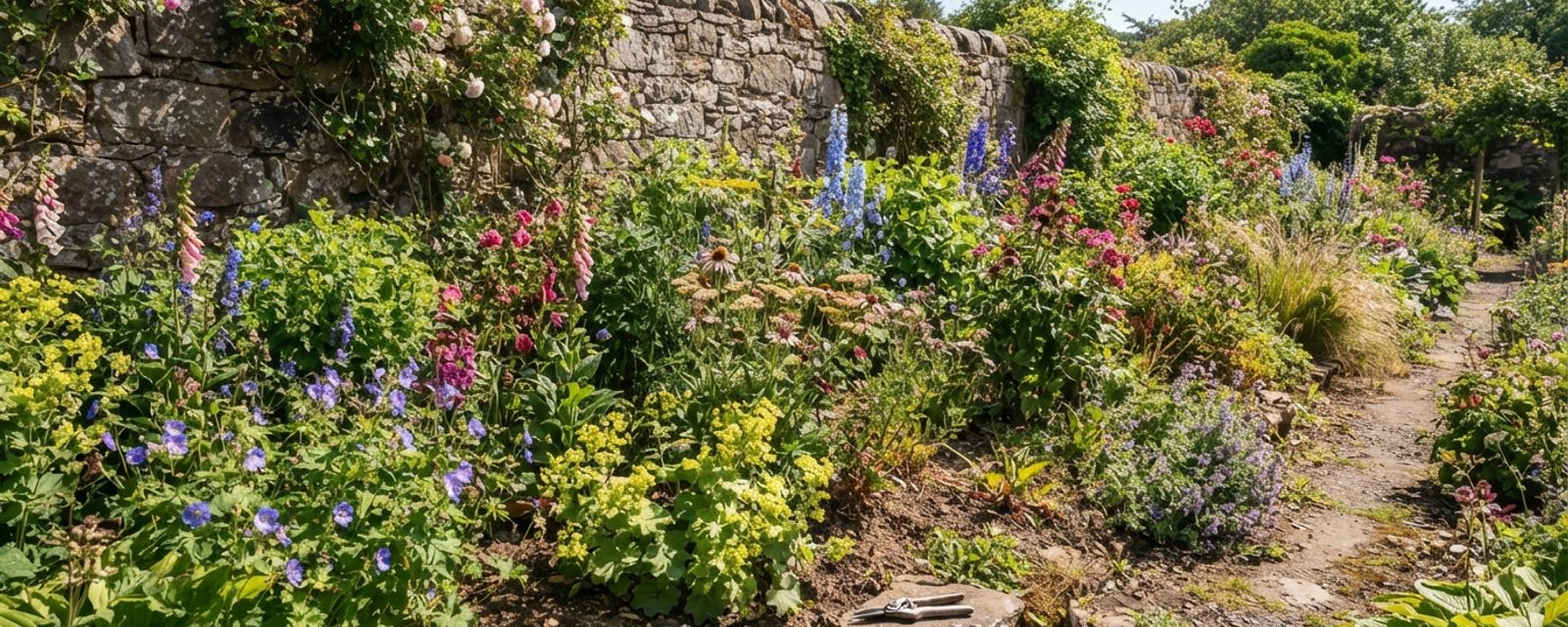 Watering Your Garden in a HeatwaveScotland's heatwave threshold is 25C, well below England's warmest counties. Why overwatering out of habit is the likelier mistake here, and when real drought risk still applies.
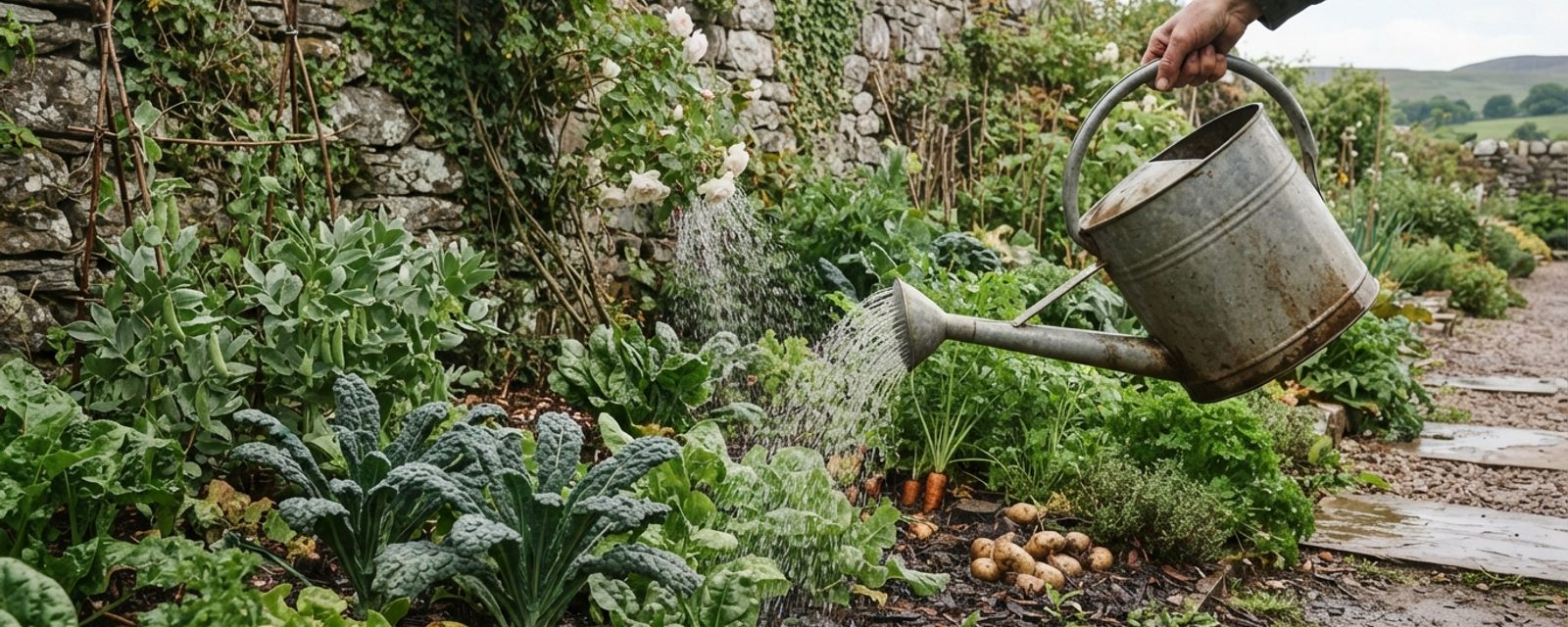 General Watering Technique: How to Water a Scottish Garden Well, All Year RoundScotland's rainfall runs from under 700mm in the east to 3,500mm in the west, and wind adds a real complication too. Real data on everyday watering, all year round.
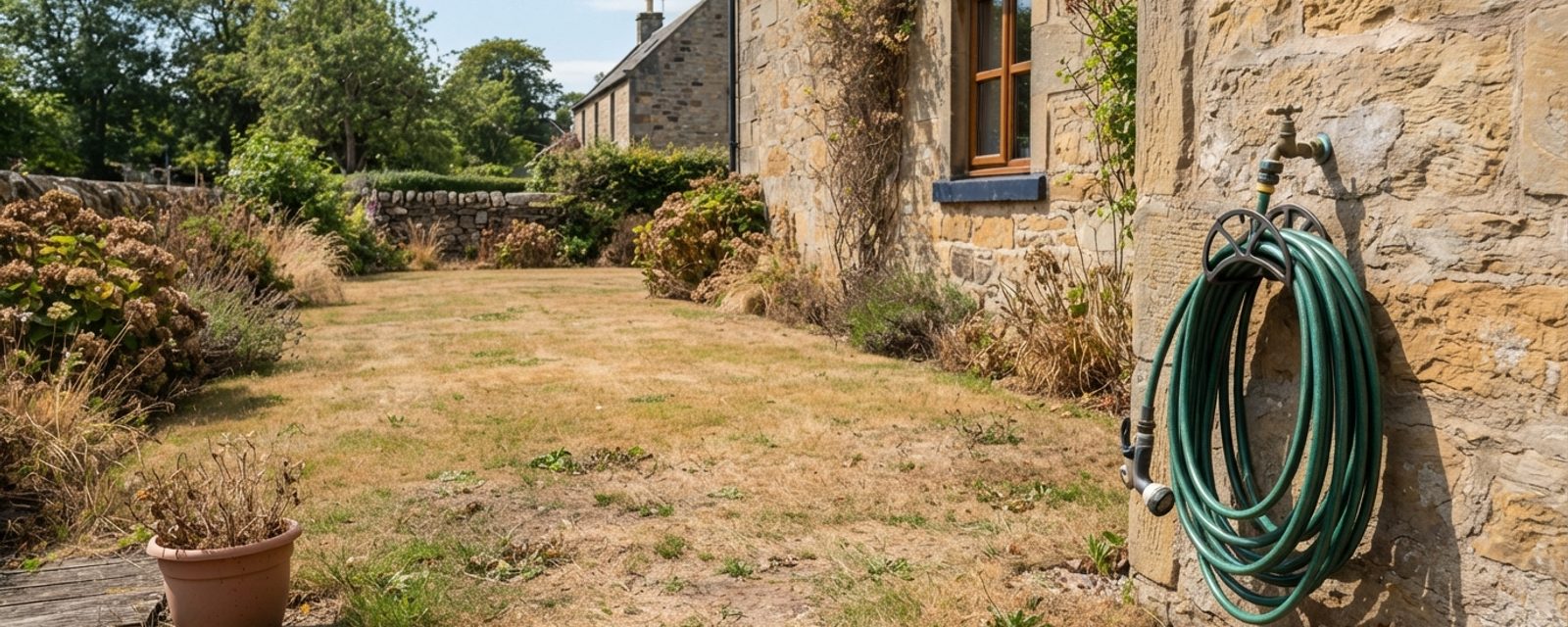 Hosepipe Ban Rules: Why Scotland's Law Works DifferentlyScotland's hosepipe-ban power sits with Ministers, not water companies, and takes over a month to use. The real legal mechanics, not just the 1995 trivia.
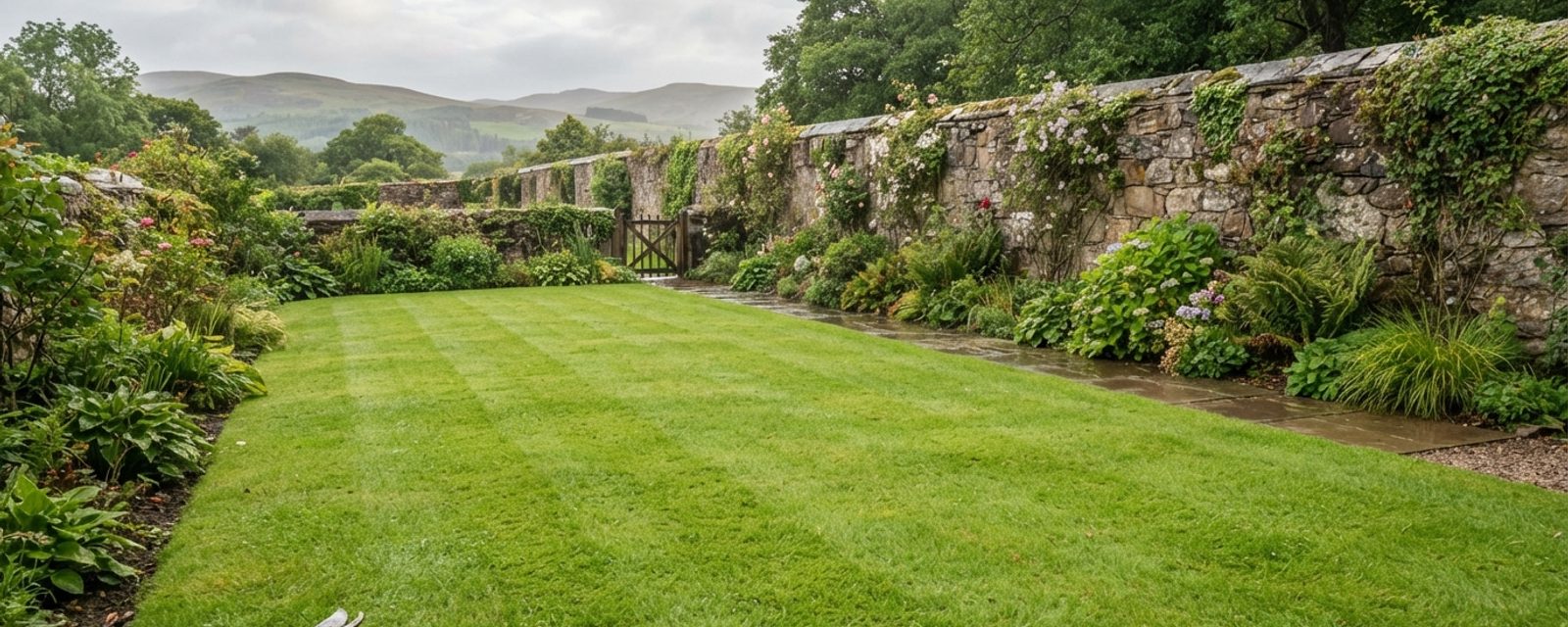 Fixing a Waterlogged Lawn on Clay SoilCompaction, clay, or a high water table: three different problems that look the same. How to diagnose which one you've got, and the real fixes for each.
 Can You Mow a Wet Lawn?Mowing wet grass compacts soil and tears the cut. In Scotland waiting for a dry day isn't always realistic. What actually helps, and what to avoid.
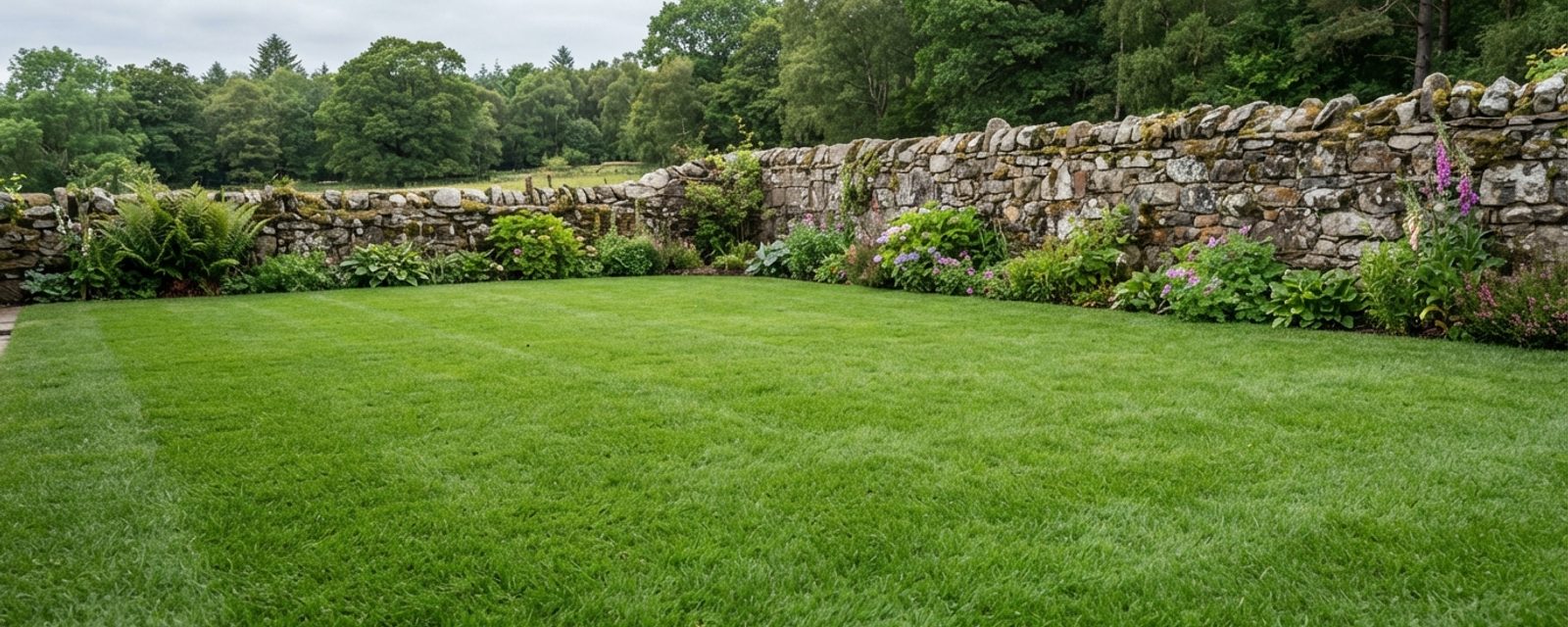 Sowing Grass Seed in Scotland: Timing, Prep and AftercareGrass seed germinates by soil temperature, not the calendar. Met Office data shows why Scotland's sowing window runs later than generic UK advice assumes.
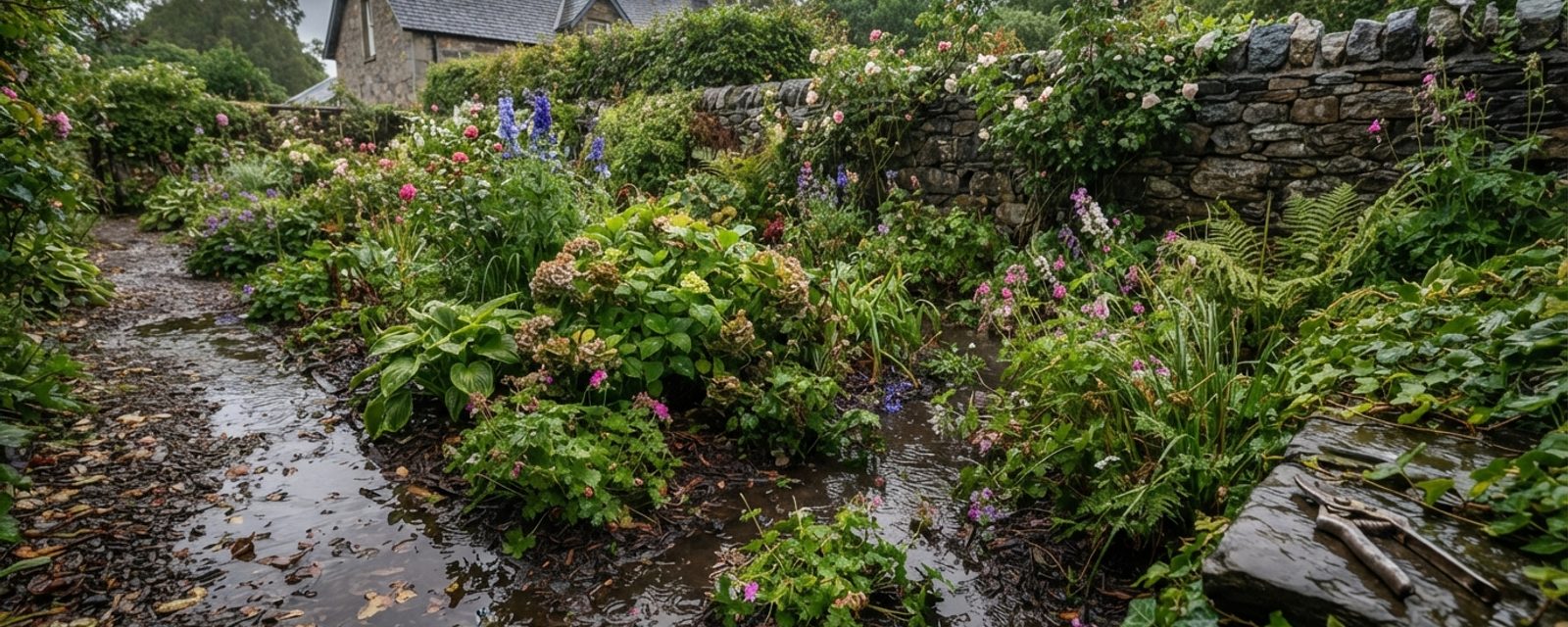 Recovering a Sodden Garden After Heavy RainStanding water suffocates plant roots within days. How to assess flood damage, salvage what you can, and rebuild soil safely, region by region.
 Mower Blade Sharpening: How to Tell, and How to Do It SafelyRagged, torn grass after mowing usually means a dull blade. Here's how to check, safely remove, sharpen, balance and refit a mower blade at home.
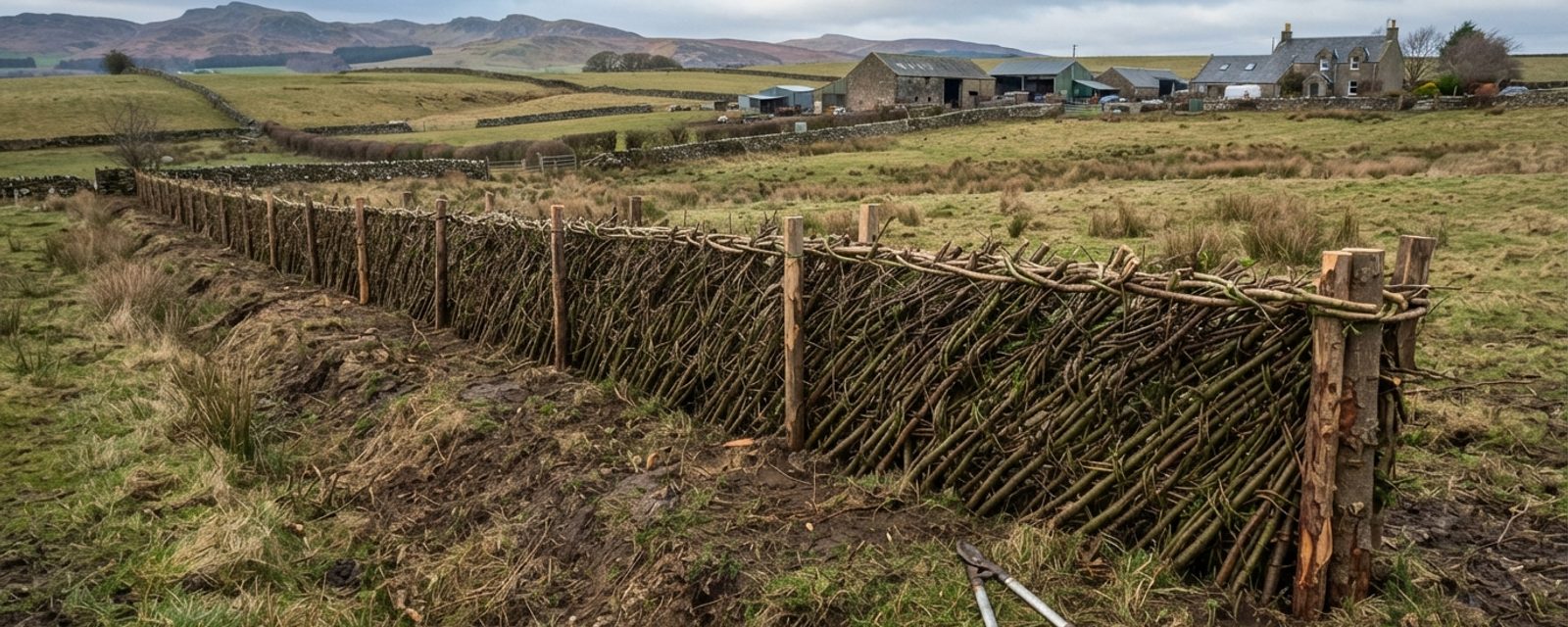 Hedgelaying by Hand: Rejuvenating an Established HedgeHedgelaying rejuvenates old, gappy hedges by partially cutting and bending stems near the base. The technique, timing, and Scotland's own guidance.
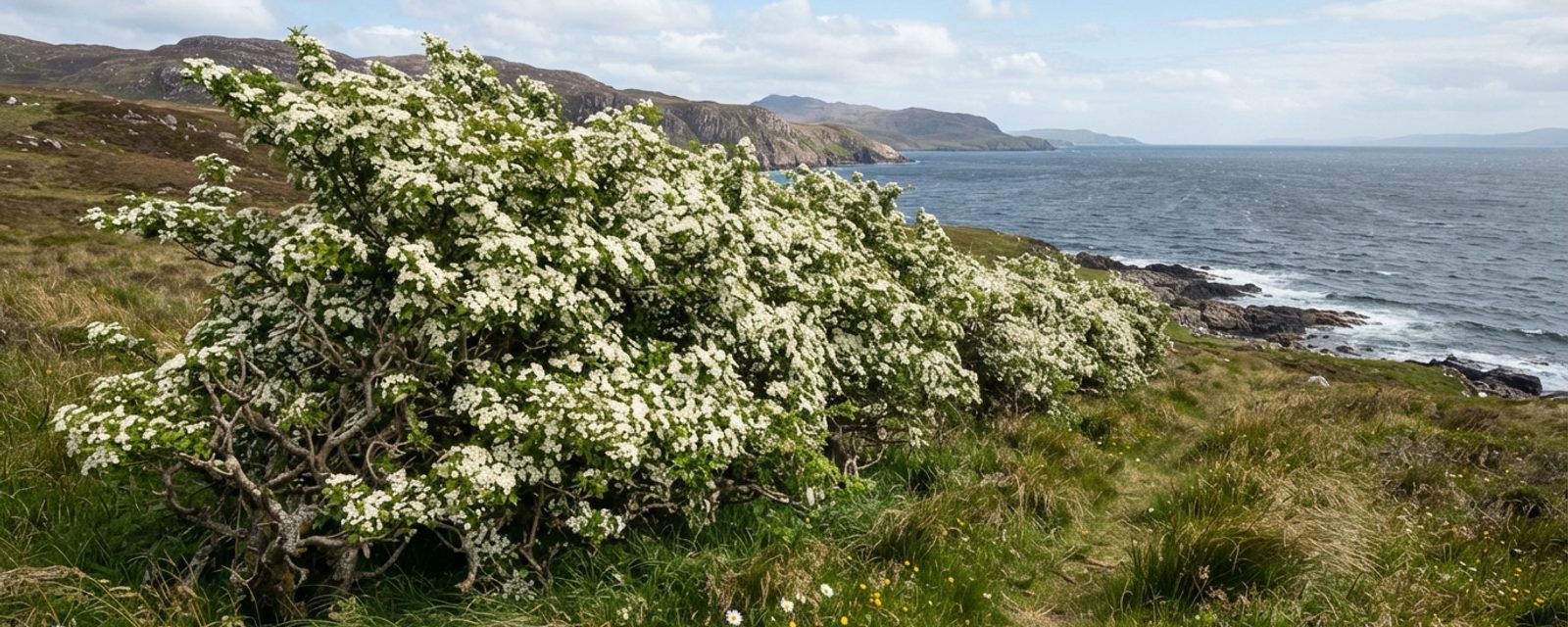 Hedge Planting: How to Choose the Right Species for a Scottish GardenCompare hedge species for Scottish wind and salt exposure, then get spacing, timing and planting steps for a hedge that actually establishes.
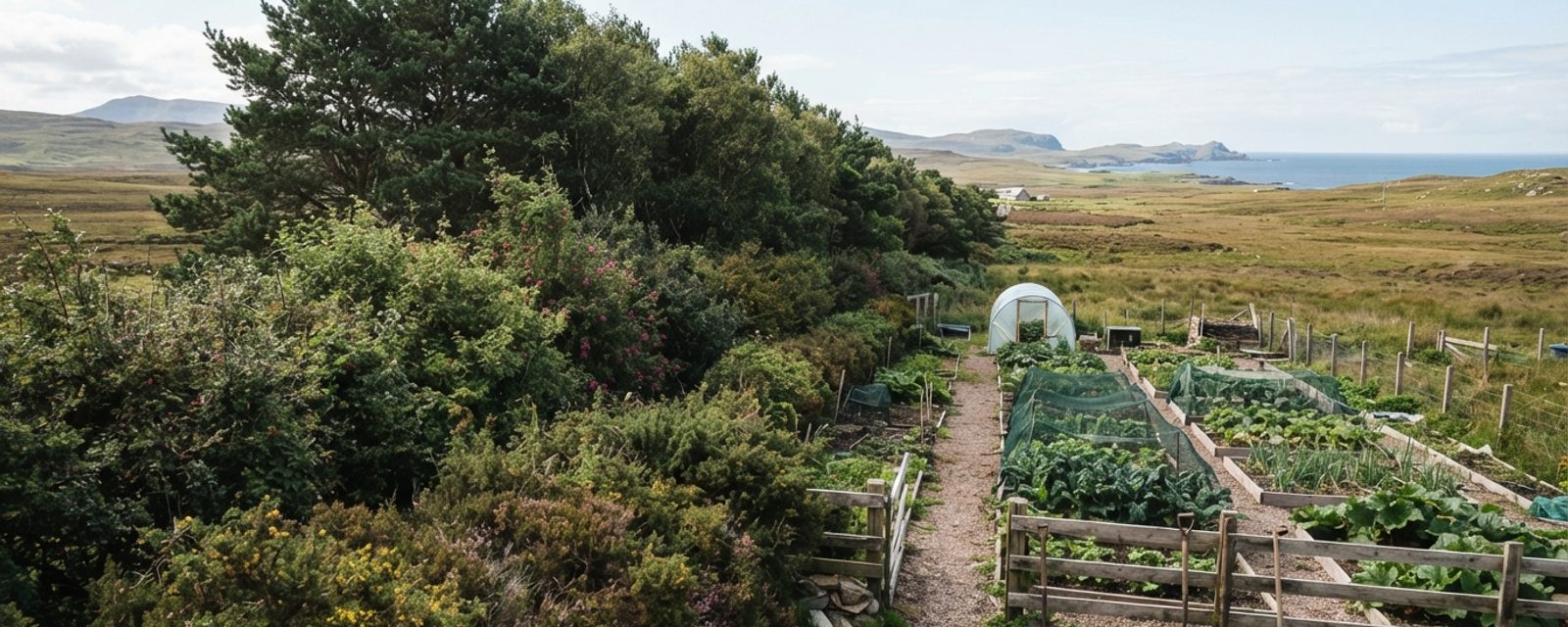 Shelter Belt Planting for Exposed Coastal and Island GardensHow to plan a multi-row shelter belt for exposed coastal and island Scottish gardens: real wind data, row spacing, species, and establishment.
 When to Cut a Hedge: Safe Timing and the Nesting-Bird LawRoutine hedge trimming in Scotland: what the nesting-bird law actually says, safe cutting months, and how many cuts each hedge type genuinely needs.
 Insulating a Greenhouse for Winter: What Actually Works in ScotlandScotland gets far more frost than England. Here's when bubble wrap alone insulates a greenhouse well enough, and when it needs real winter heat.
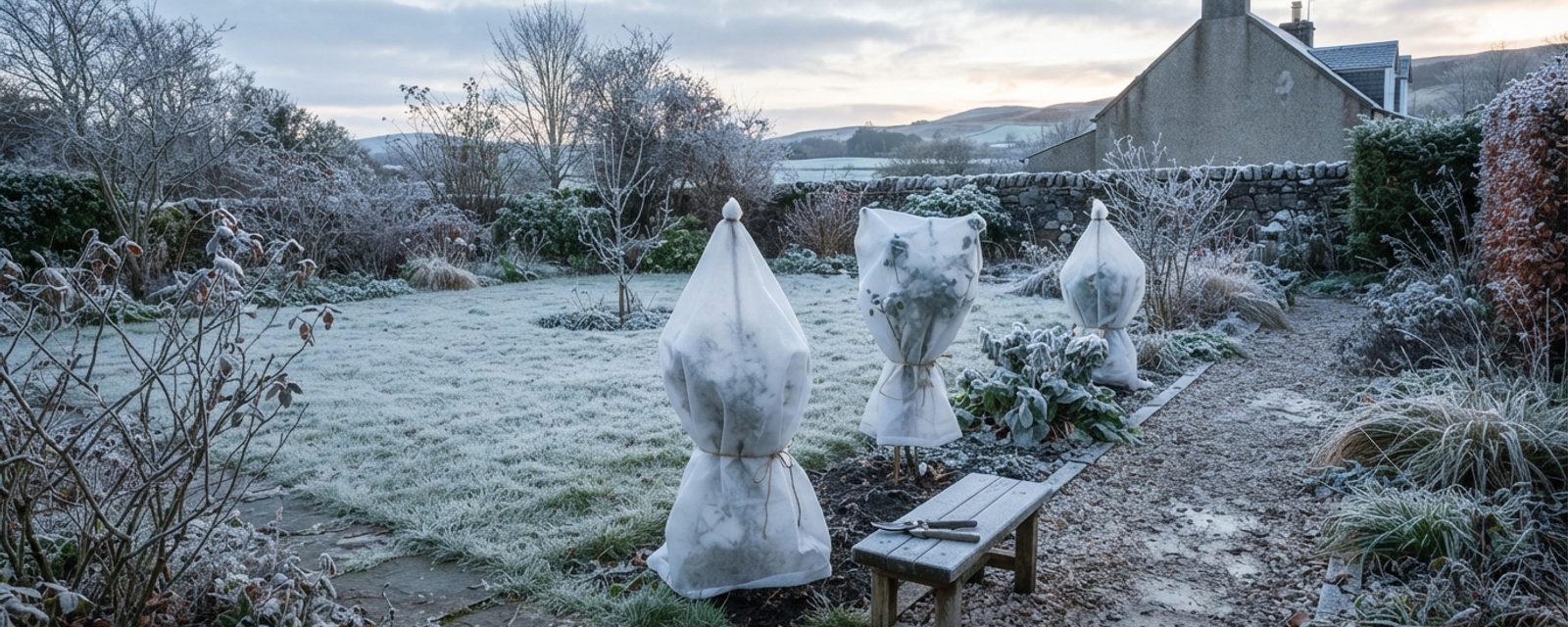 Protecting Garden Plants from Frost: What Actually WorksBlackened leaves after a cold night? How frost actually forms, why it pools in some Scottish gardens, and what genuinely protects plants from it.
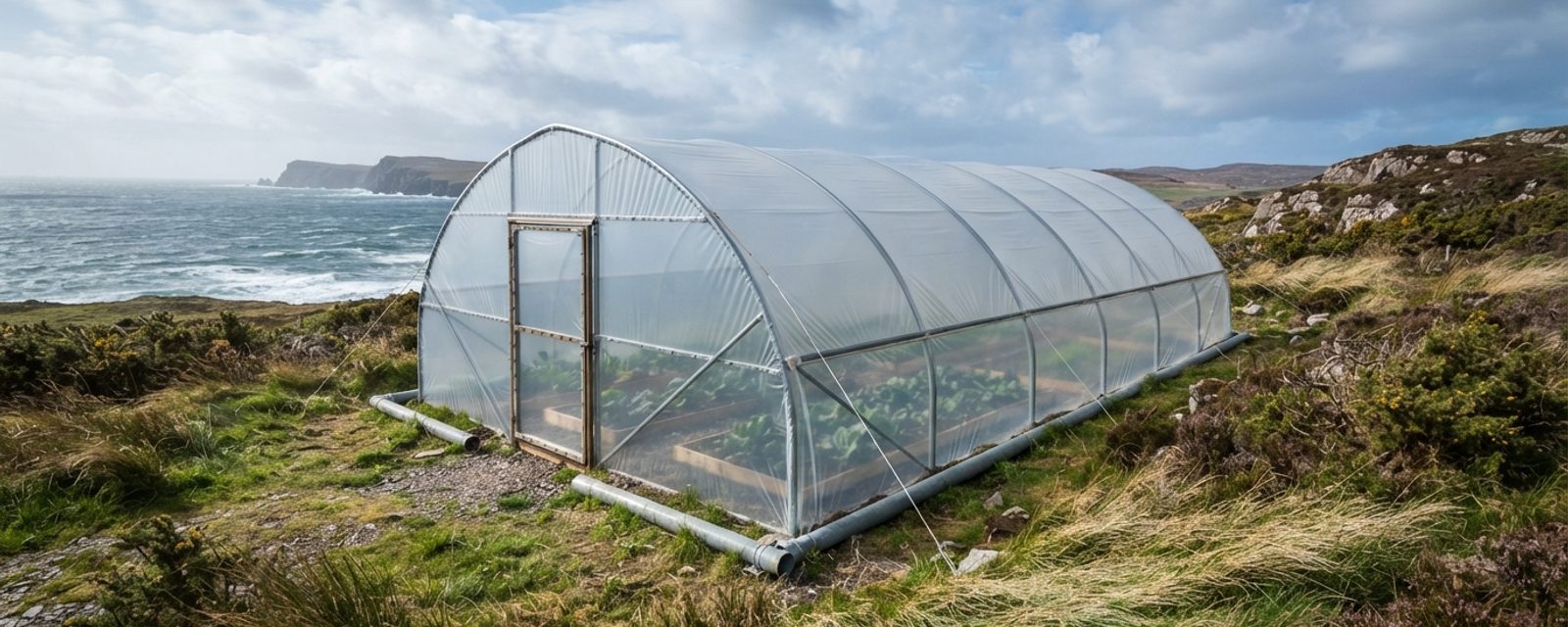 Securing a Greenhouse or Polytunnel in WindA gale doesn't push a greenhouse over so much as it lifts it. How to anchor, tension and inspect your structure so it stays put through a storm.
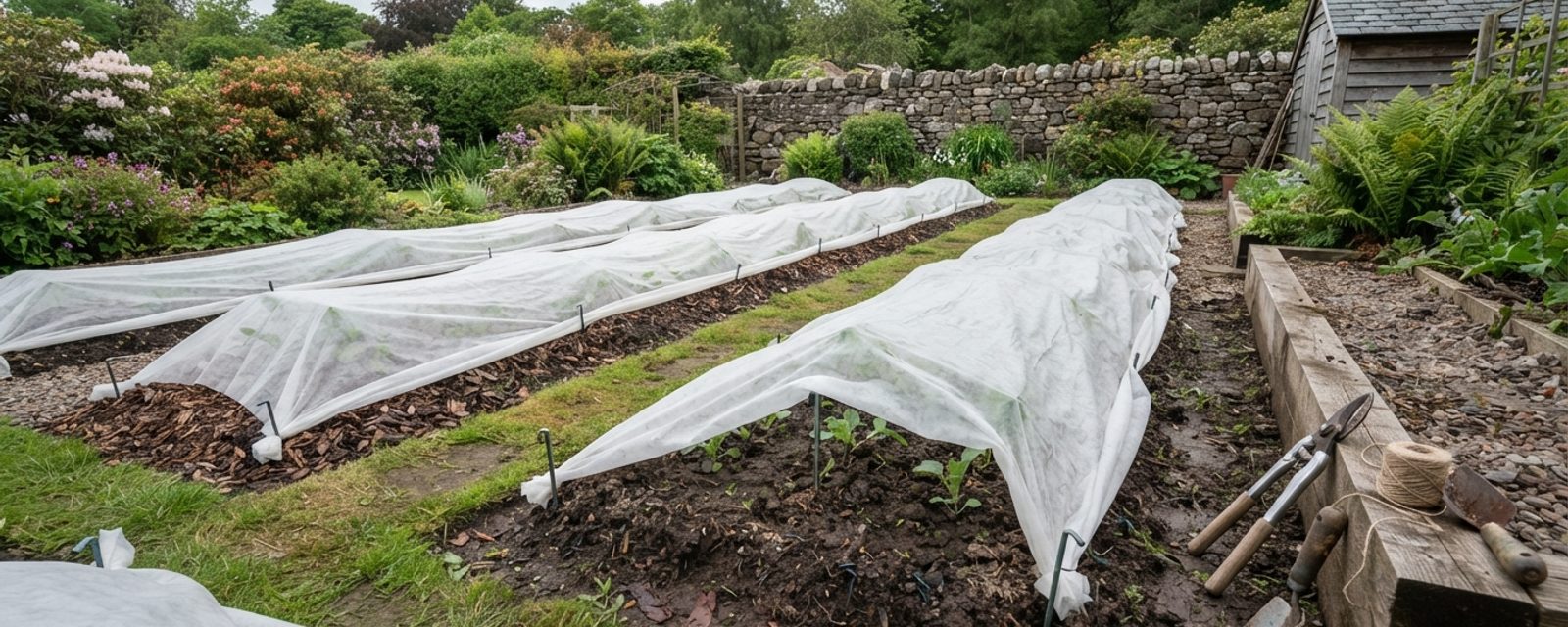 Garden Fleece: Grades, Timing and How to Actually Use It WellGarden fleece grades explained: gsm weights, degrees of frost protection, pegging it down properly, and how much longer Scotland's season runs.
 Winter Protection for Potted Fruit TreesPotted fruit tree roots can freeze solid in a Scottish winter where in-ground roots never do. Here's what patio and trained fruit trees actually need.
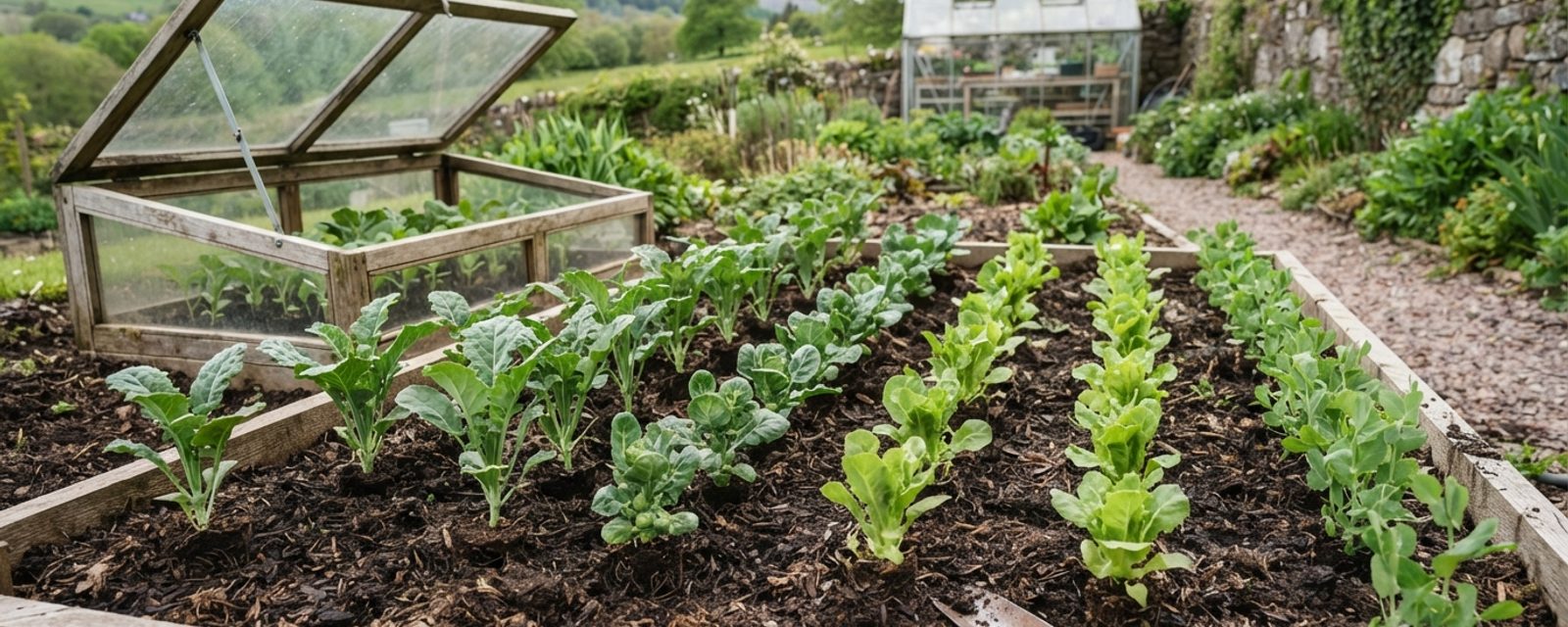 Hardening Off Seedlings and Bedding Plants in ScotlandScottish seedlings scorch or flop after planting out because hardening off got rushed. Region-by-region timing, wind-hardening, and the exact schedule.
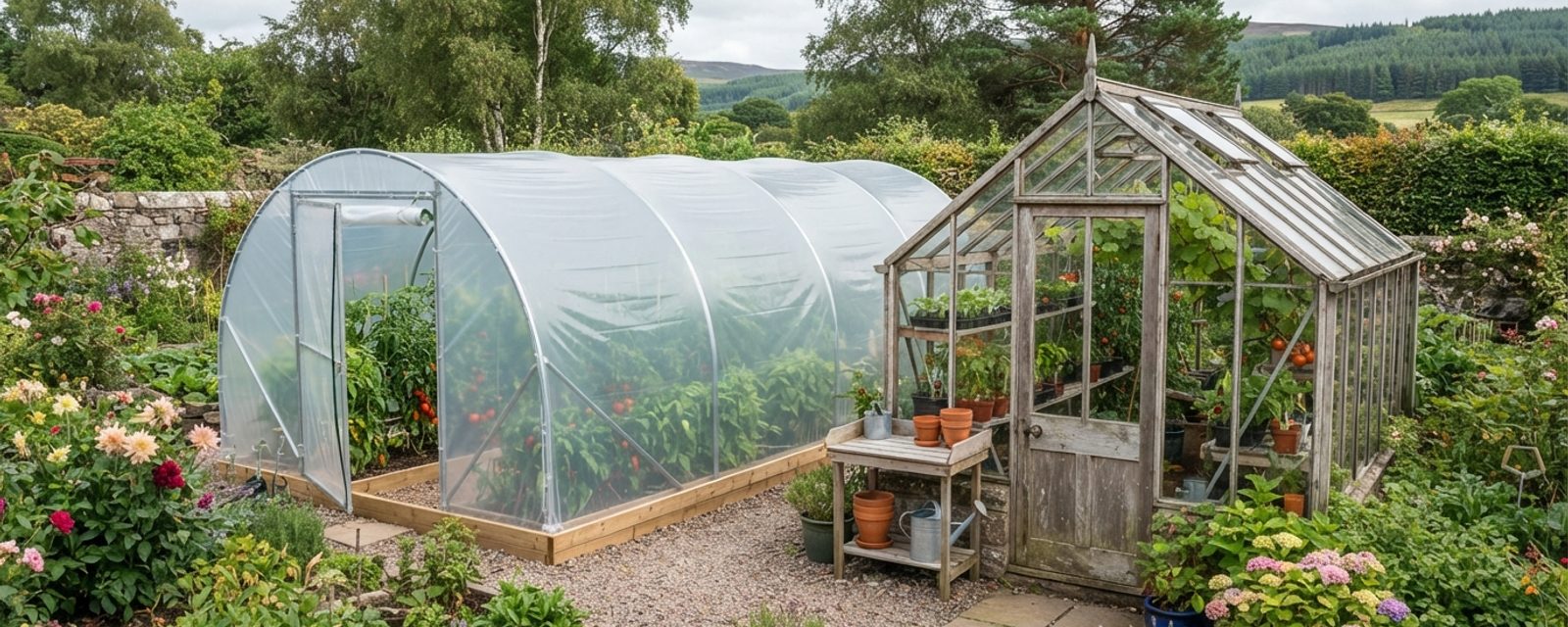 Polytunnel vs Greenhouse: Which One Should You Buy in Scotland?Polytunnel or greenhouse in Scotland? Compare real cost, lifespan, light and wind data to find out which structure suits your plot and postcode.
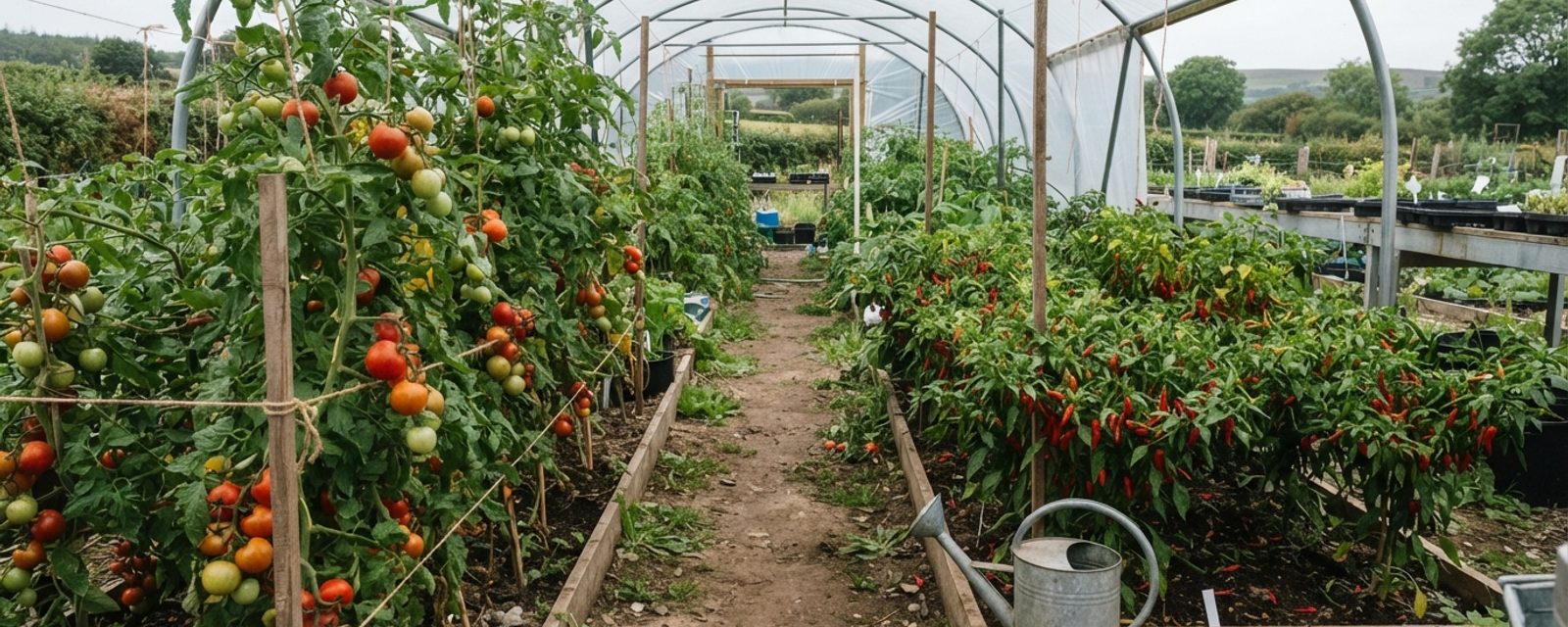 Is a Polytunnel or Greenhouse Worth It At All?Real Scottish frost-date data on how many weeks a structure actually buys you, and which crops make it worth having at all.
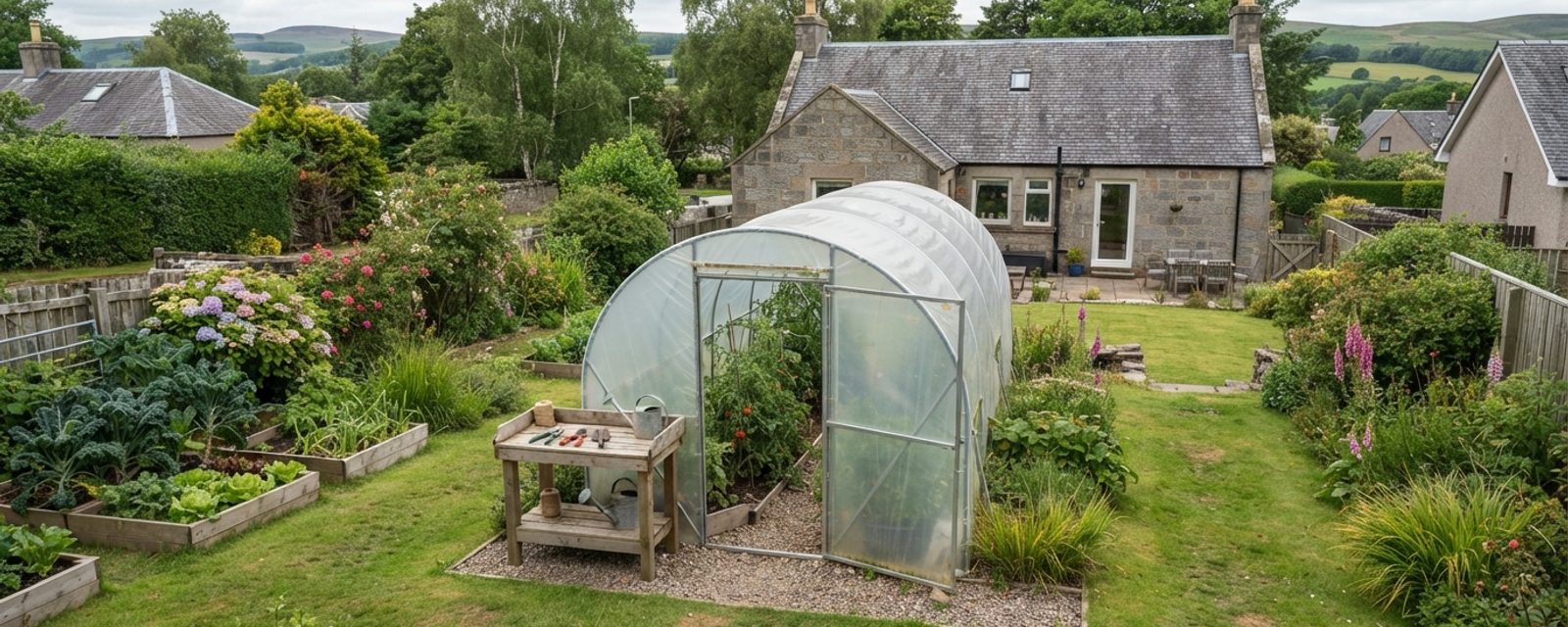 Do You Need Planning Permission for a Polytunnel in Scotland?Scotland runs its own planning law, separate from England. What the actual legislation says about polytunnels, and the real grey area within it.
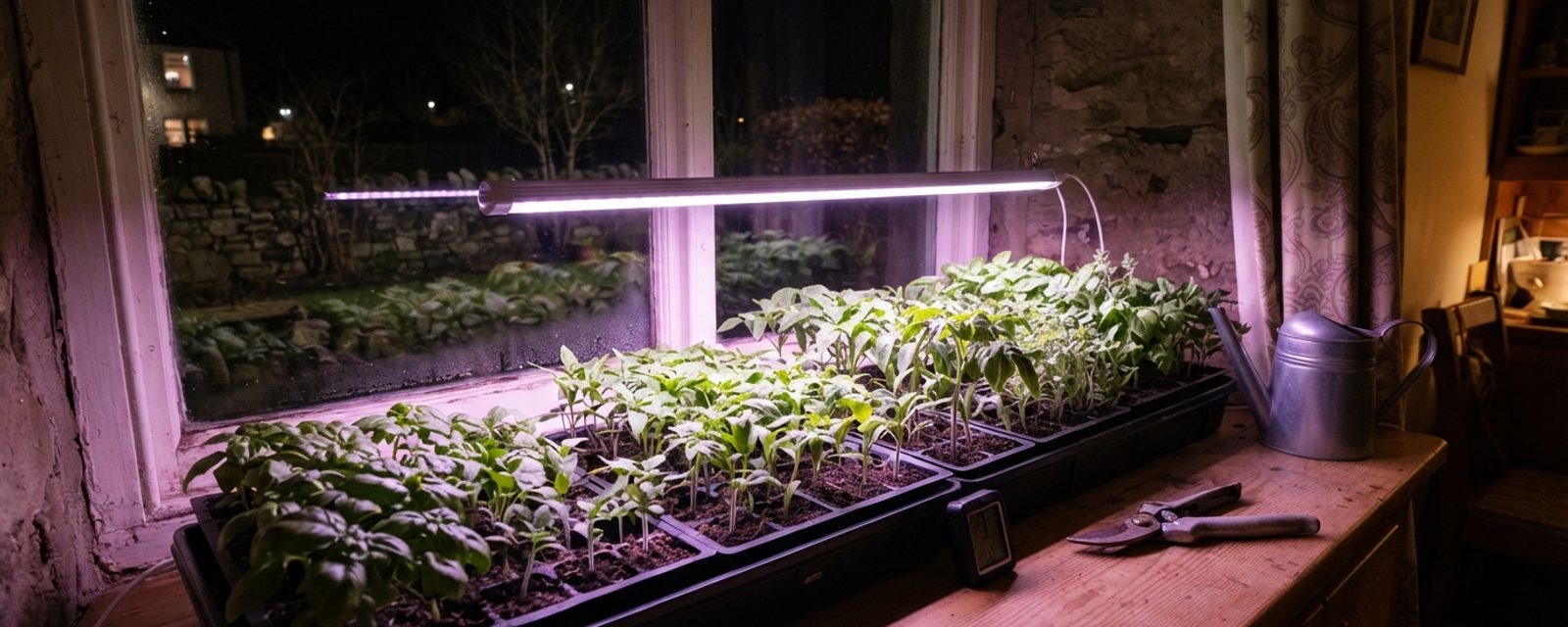 LED Grow Lights: Spectrum, Watts and Real Running CostsScottish seed-starters get up to 11% less winter sunshine than Cornwall. Real spectrum, wattage and cost figures for growing under lights.
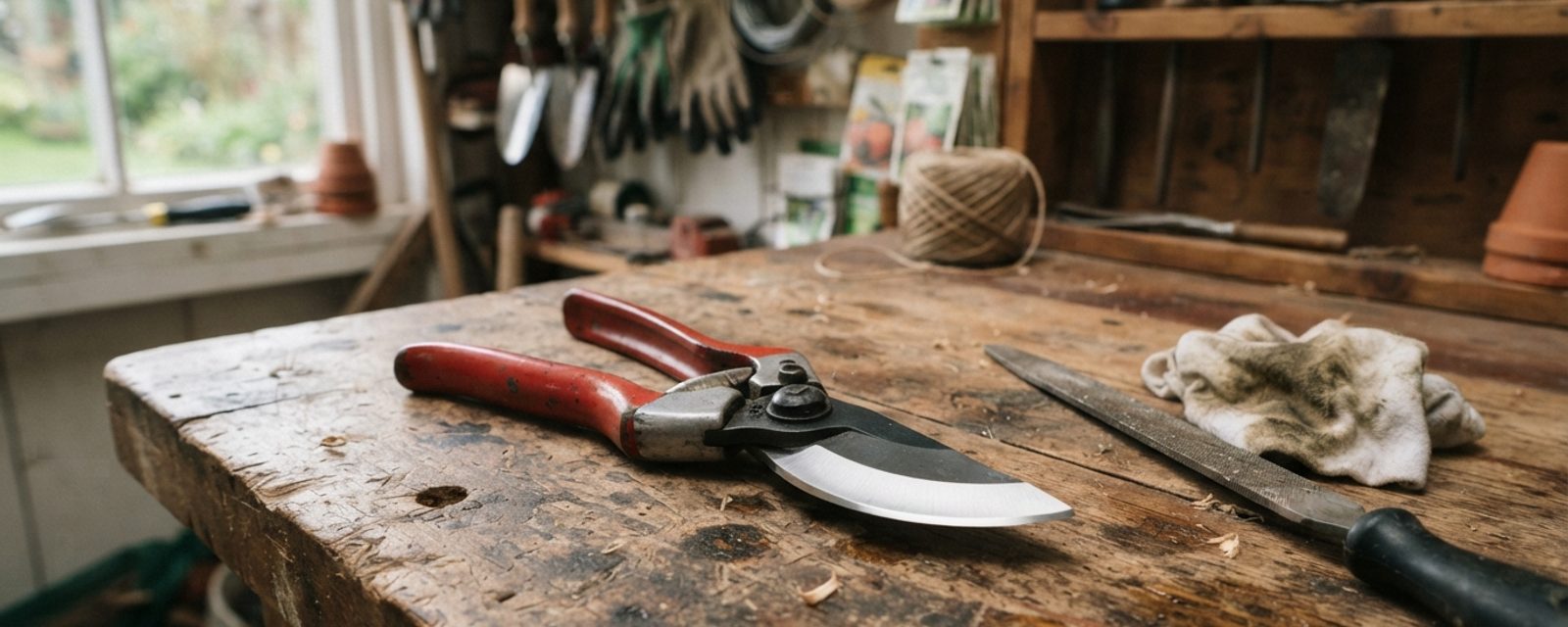 How to Sharpen Garden Hand Tools: Secateurs, Shears, SpadesBevel angles, the right tools and technique for secateurs, loppers, shears, spades and hoes, plus why Scotland's damp climate matters for storage.
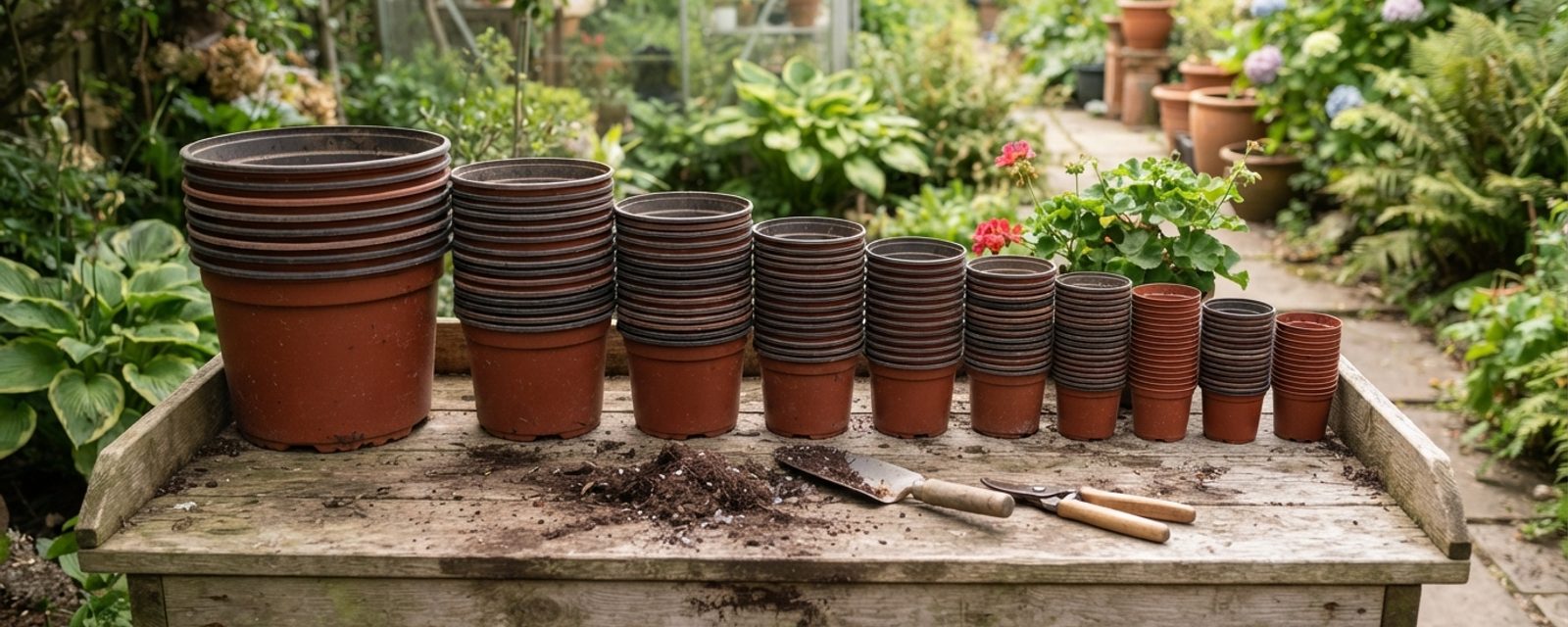 Plant Pot Sizes: Litres to CM Conversion TableA real trade-sourced litre-to-cm conversion table, why volume and diameter don't scale in a straight line, and when to pot up.
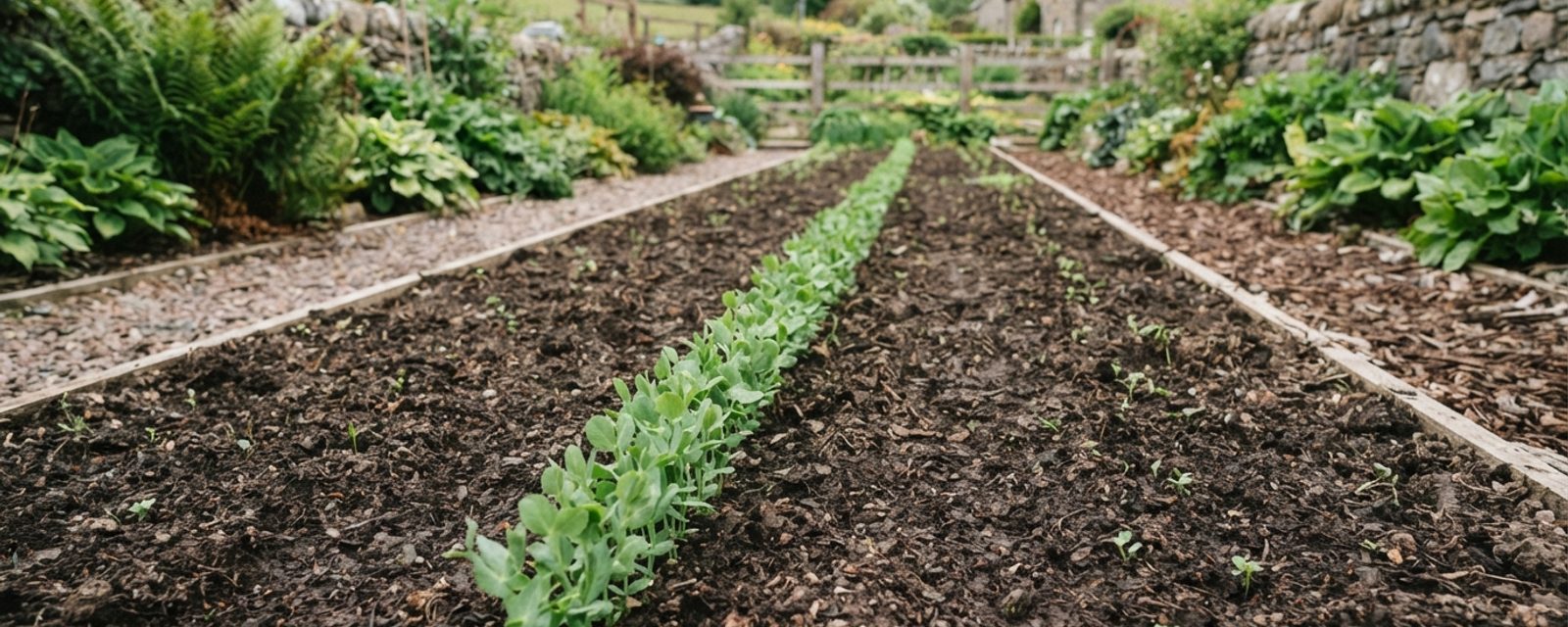 Seed Germination Temperature: A Real Reference TableAn RHS-sourced germination temperature table, the soil-vs-air distinction, and real Met Office data on Scotland's later spring soil warm-up.
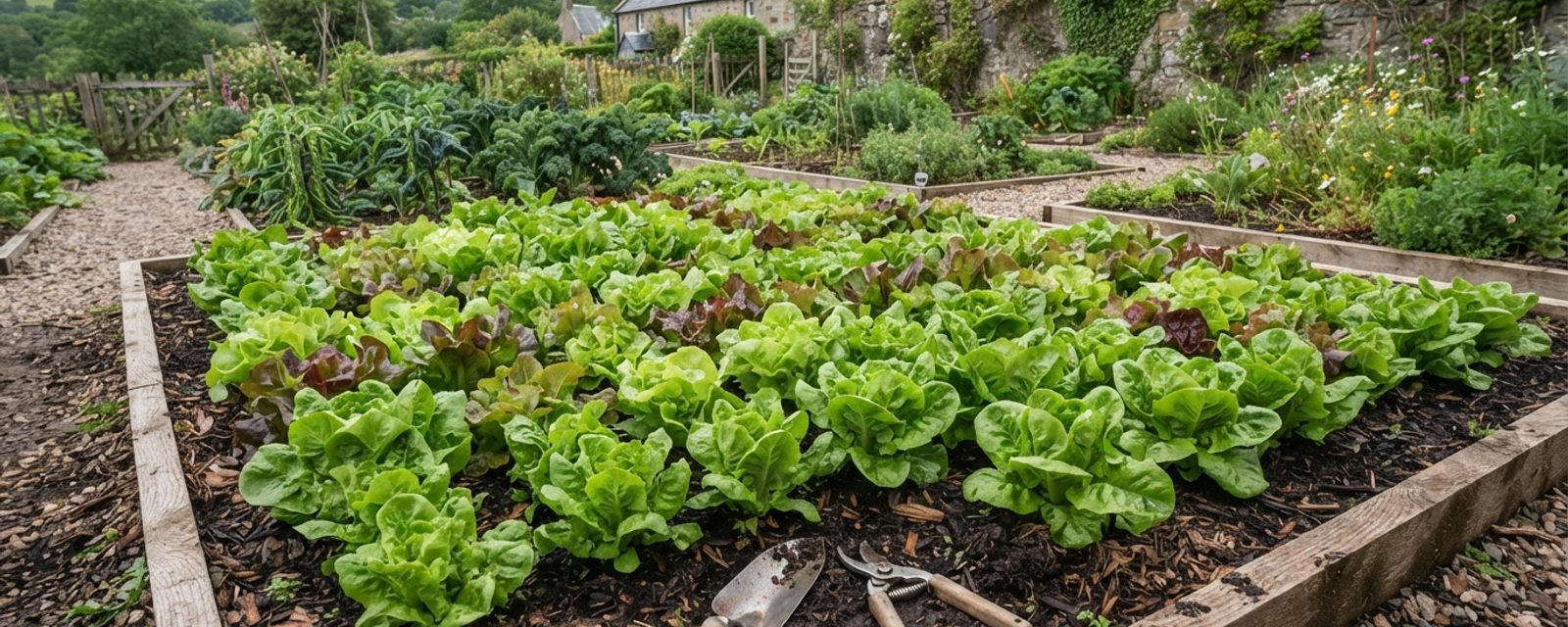 Slug Deterrents: What Actually Works (RHS Trial Evidence)RHS trials tested copper, eggshells, mulch and grit against real slug damage. Most failed — here's what the evidence actually shows works.
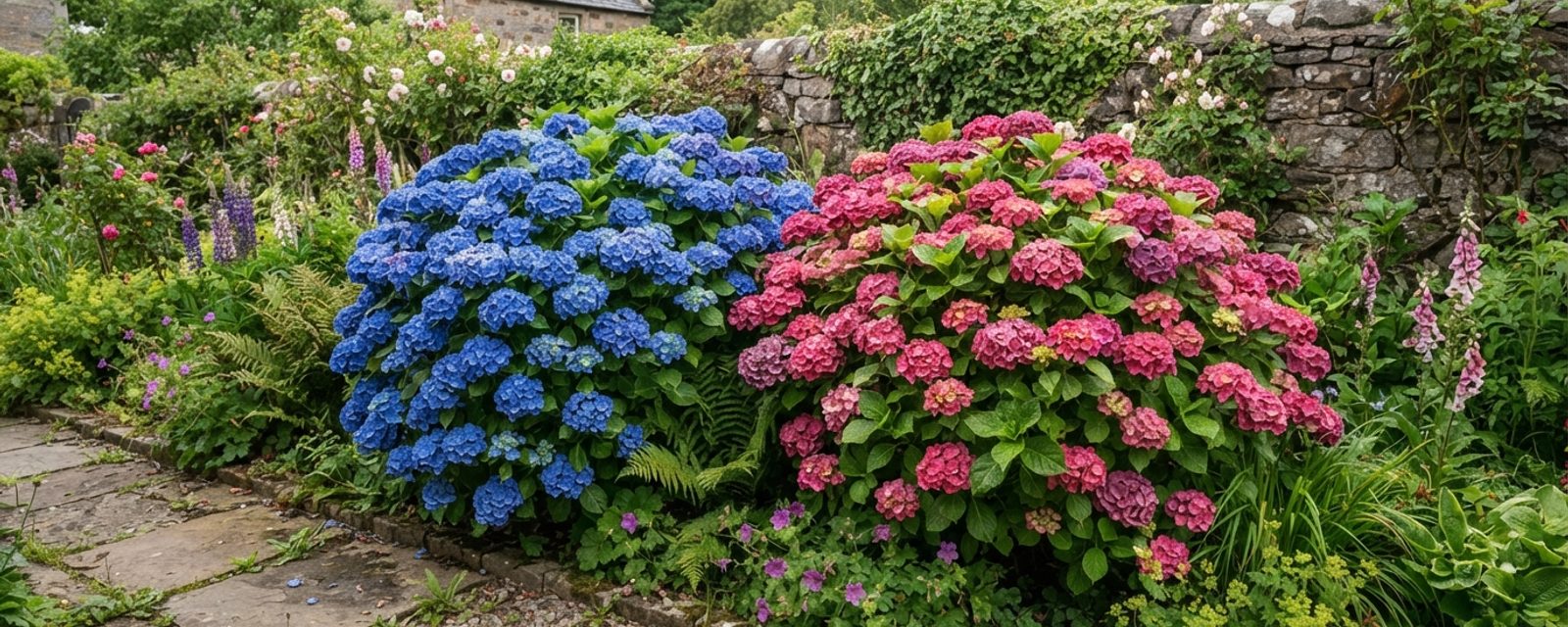 Changing and Keeping Hydrangea Flower ColourIt's soil aluminium, not pH alone, that colours a hydrangea. Which types can change, how to shift it, and why Scottish soil favours blue.
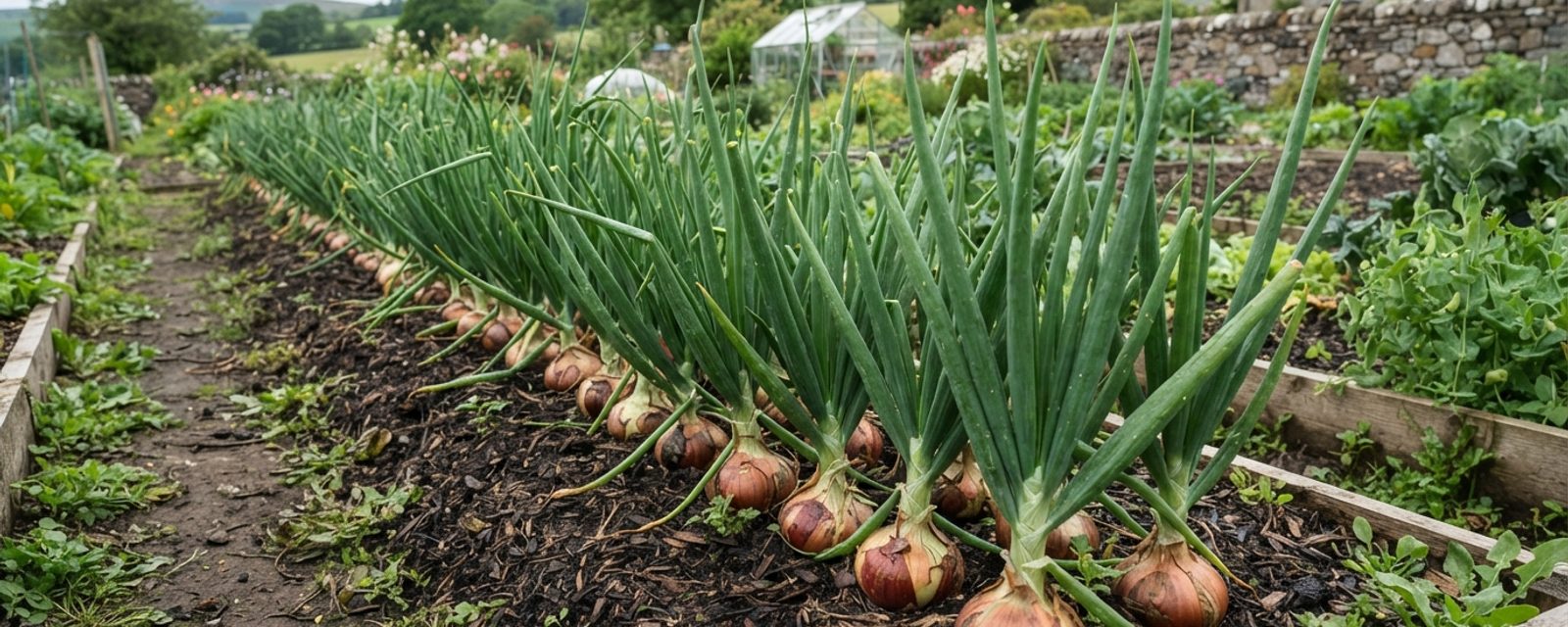 Day Length and Plant Growth: How Photoperiod Really WorksHow dark-period length drives flowering, bolting and onion bulbing, with real solstice day-length data showing Scotland's bigger seasonal swing.
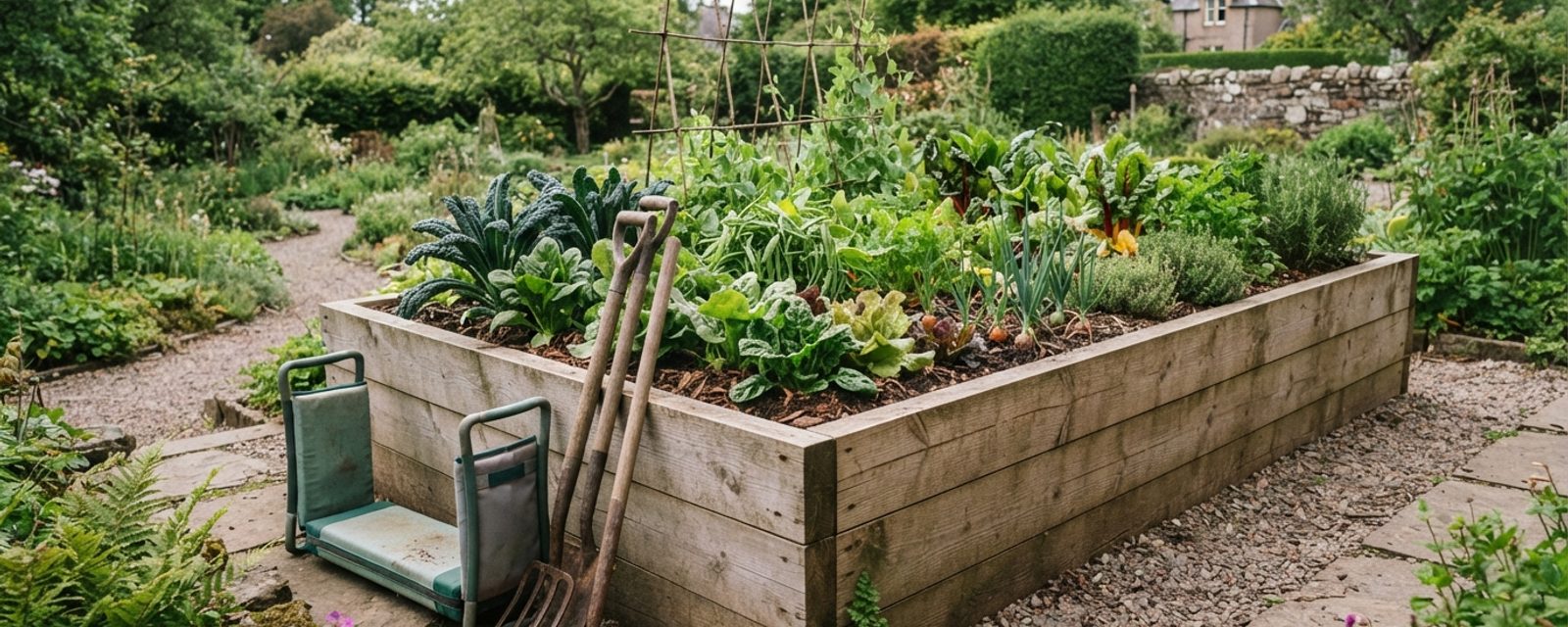 Gardener's Back Pain: Looking After Your BackCorrect lifting technique, task-by-task posture fixes, and the kit that actually reduces strain — sourced from HSE, NHS inform and RHS.
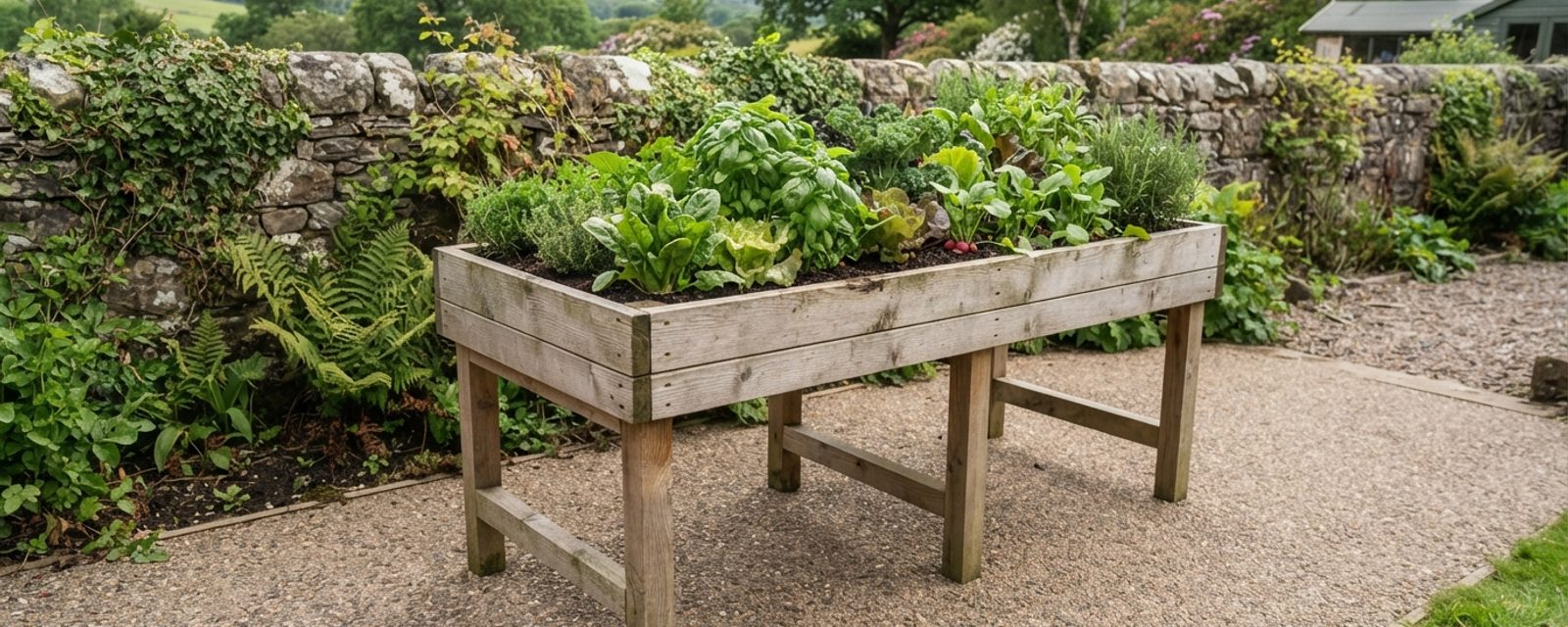 Accessible Gardening: Adapting Your Garden for DisabilityRaised bed heights, adapted tools, sensory planting and real Scottish funding routes — condition-led practical advice, sourced from Thrive.
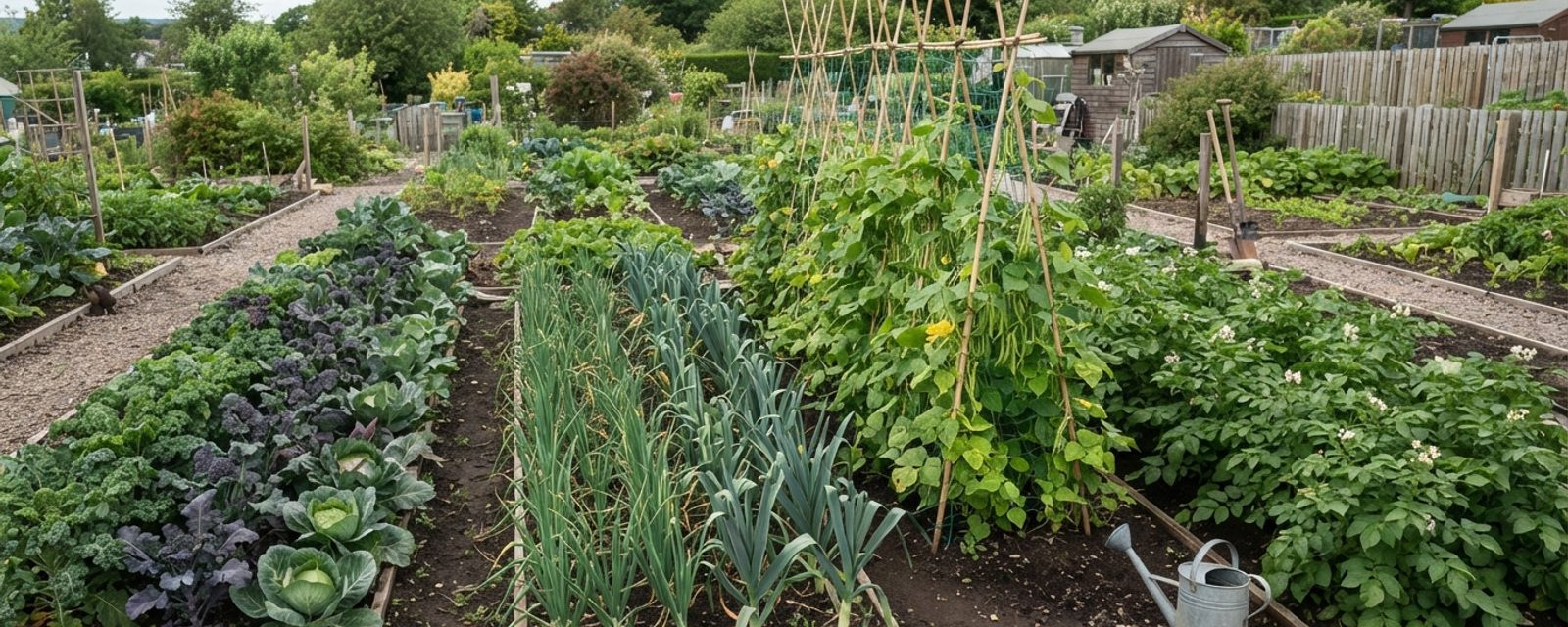 3-Year Crop Rotation Planning: A Practical Bed-by-Bed PlanA worked 4-bed rotation plan you can copy onto your own plot, covering brassicas, legumes, alliums, roots — and the mistakes that undo it.
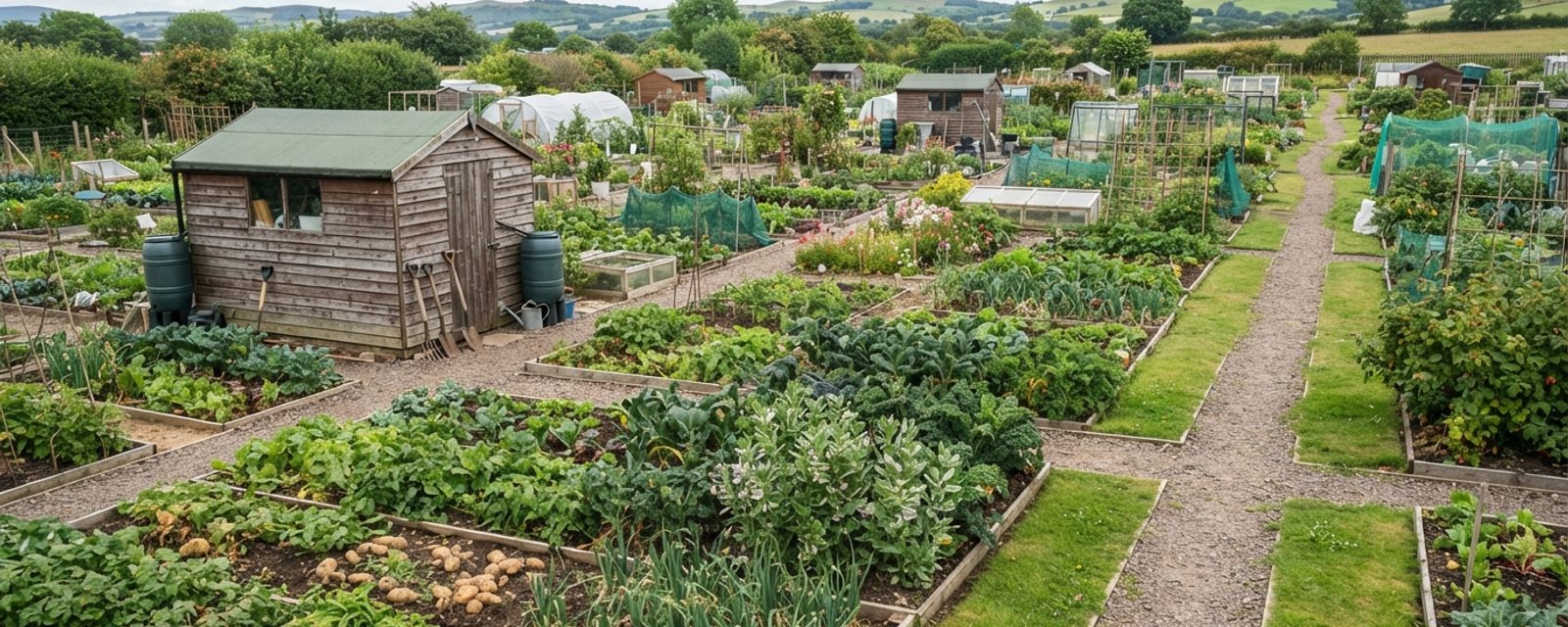 Allotment Rules: What You Can and Can't Do With Your PlotCultivation duties, sheds, animals, selling produce, subletting and eviction rules — with Scotland's real statutory notice process explained.
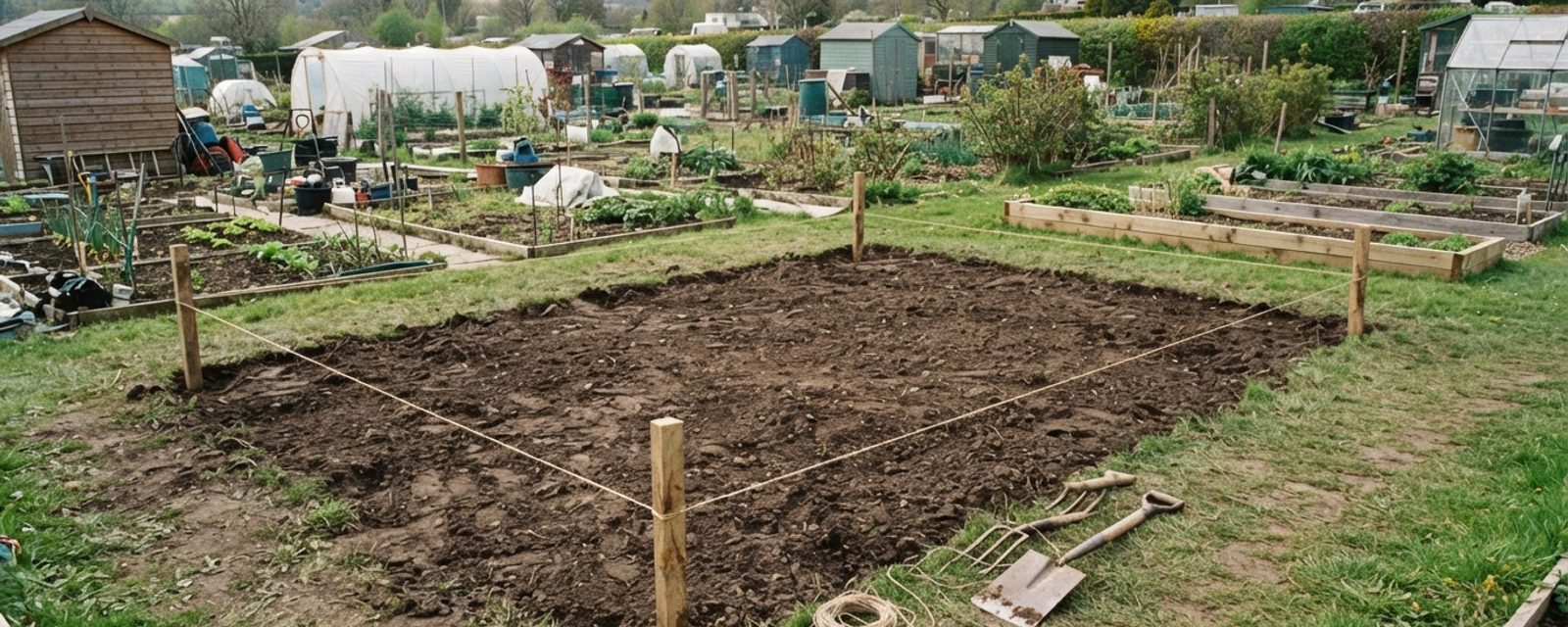 Getting an Allotment in the UK: How It Works, Cost, and Wait TimesReal rent figures, waiting lists, and a full statutory comparison — Scotland's law caps the wait at 5 years by law, England and Wales's doesn't.
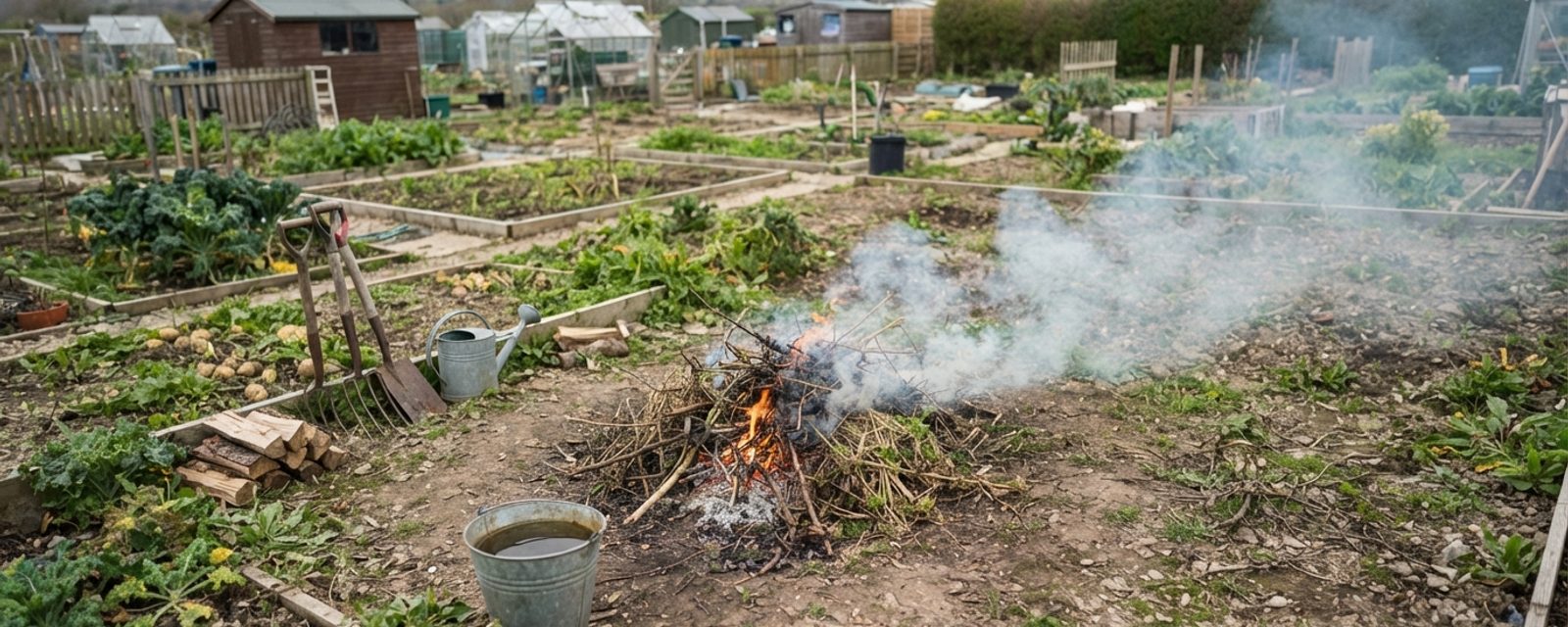 Bonfires on Allotments: The Rules, in Scotland and BeyondNo law bans allotment bonfires outright — but nuisance rules, dark smoke offences and site rules do. What actually applies, and why muirburn doesn't.
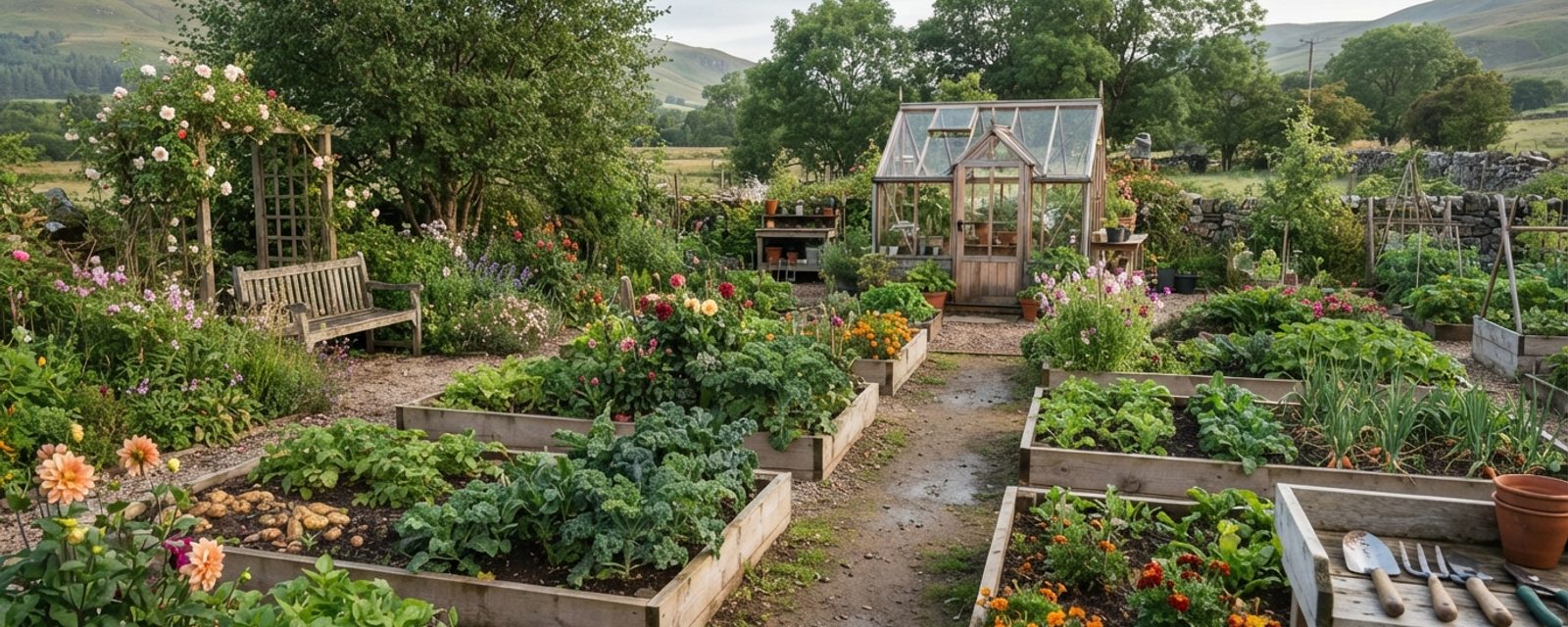 Gardening on Prescription: What Green Prescribing Actually Means in ScotlandScotland runs its own green prescribing pilots: how NHS inform, NatureScot's Green Health Partnerships and Trellis actually fit together.
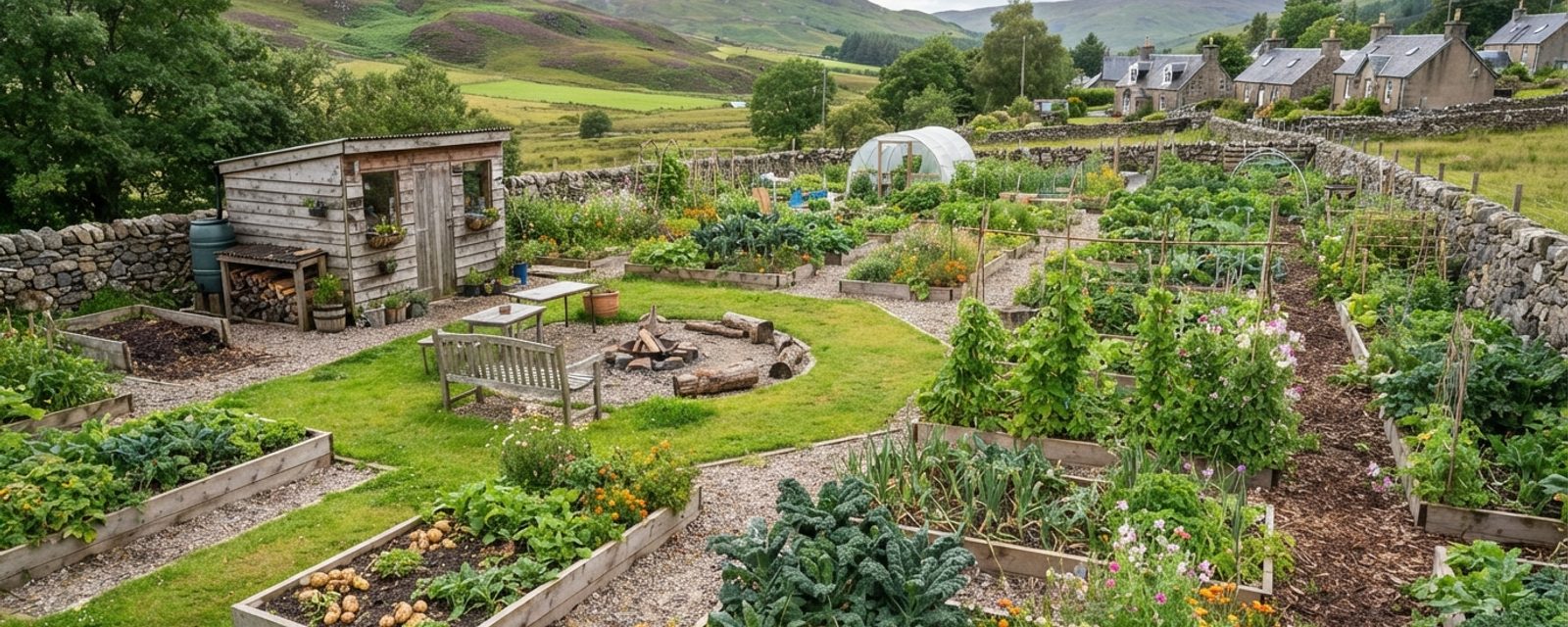 Allotment or Community Garden? What Scotland's Law Actually SaysAllotments have a real statute in Scotland; community gardens run on general land and charity law. What that means for your rights and who to ask.
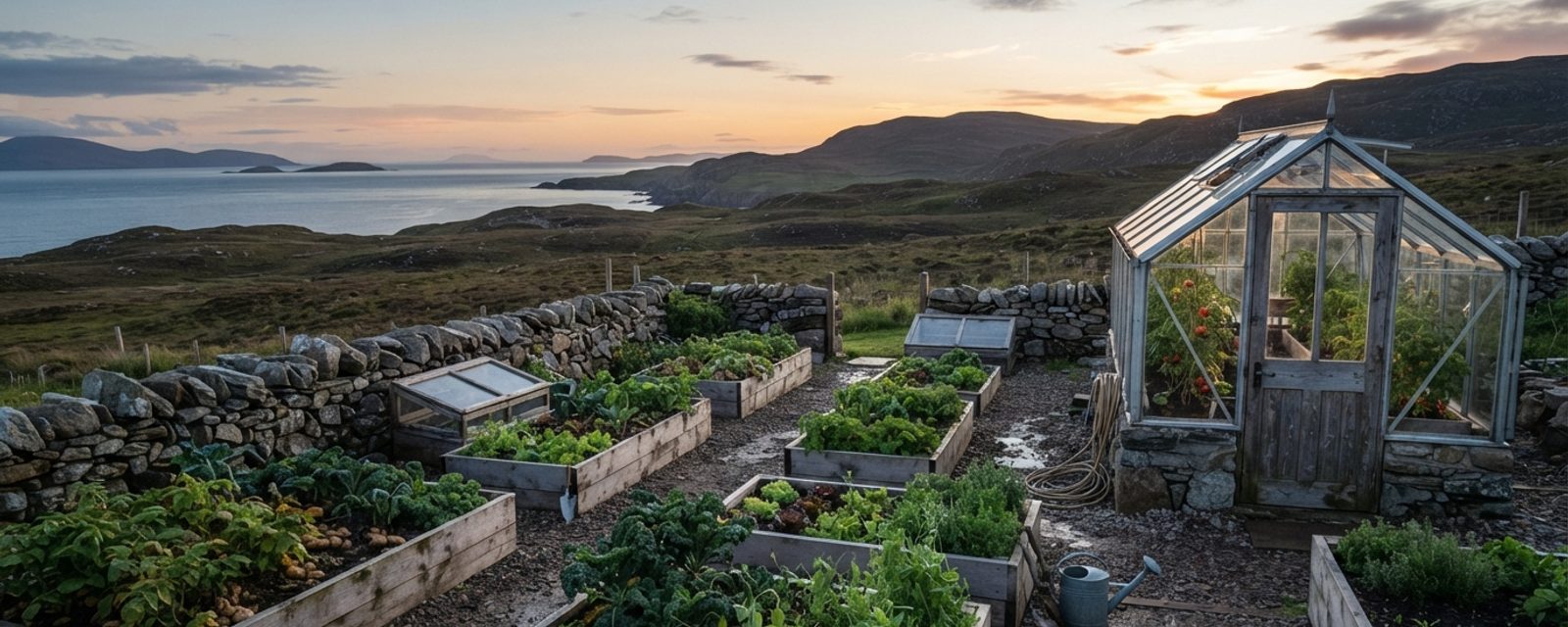 Growing Under the Simmer Dim: What Shetland and Highland Daylight Actually ChangesShetland tops 18 hours 55 minutes of daylight at midsummer, over an hour longer than Edinburgh. What that actually changes for bolting risk and growth.
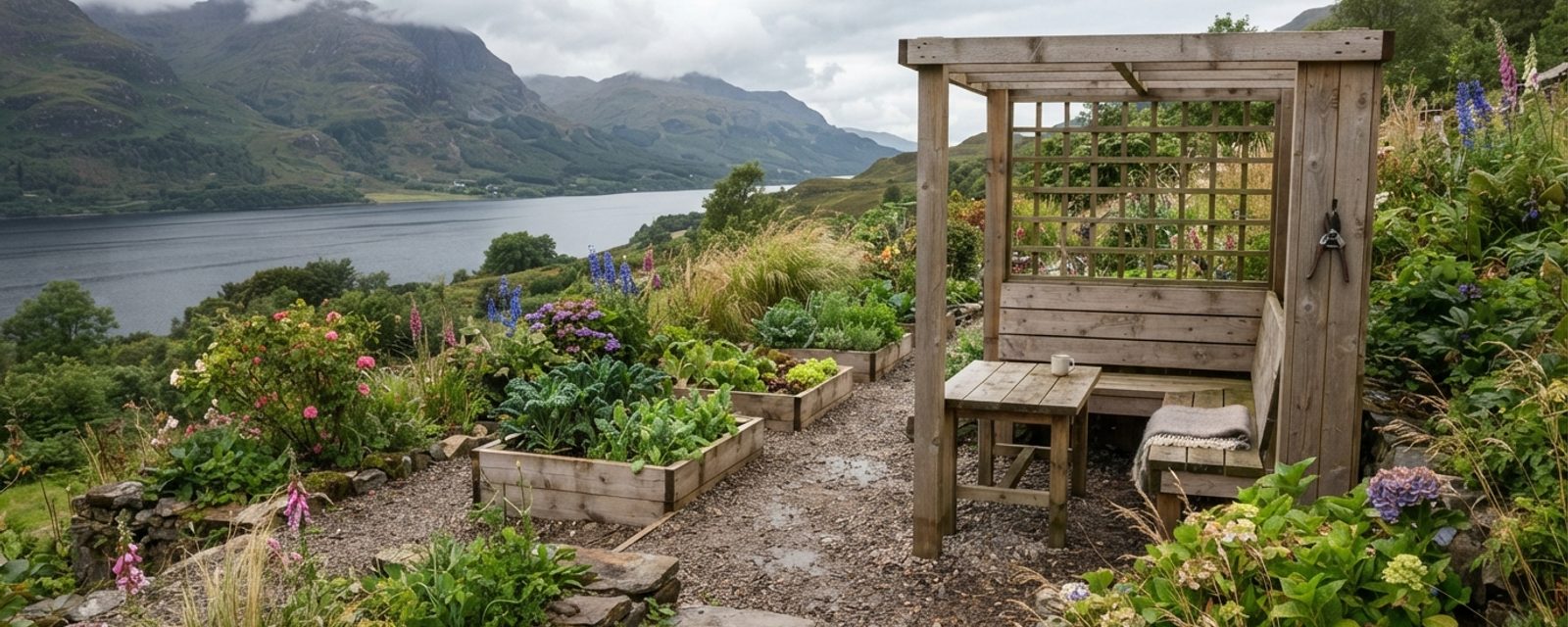 Gardening Around the Midge: Timing, Wind and What Actually Deters ThemMidges cannot fly above 5.5mph, and timing matters more than any plant. What actually works against Scotland's biting midge, and what is folklore.
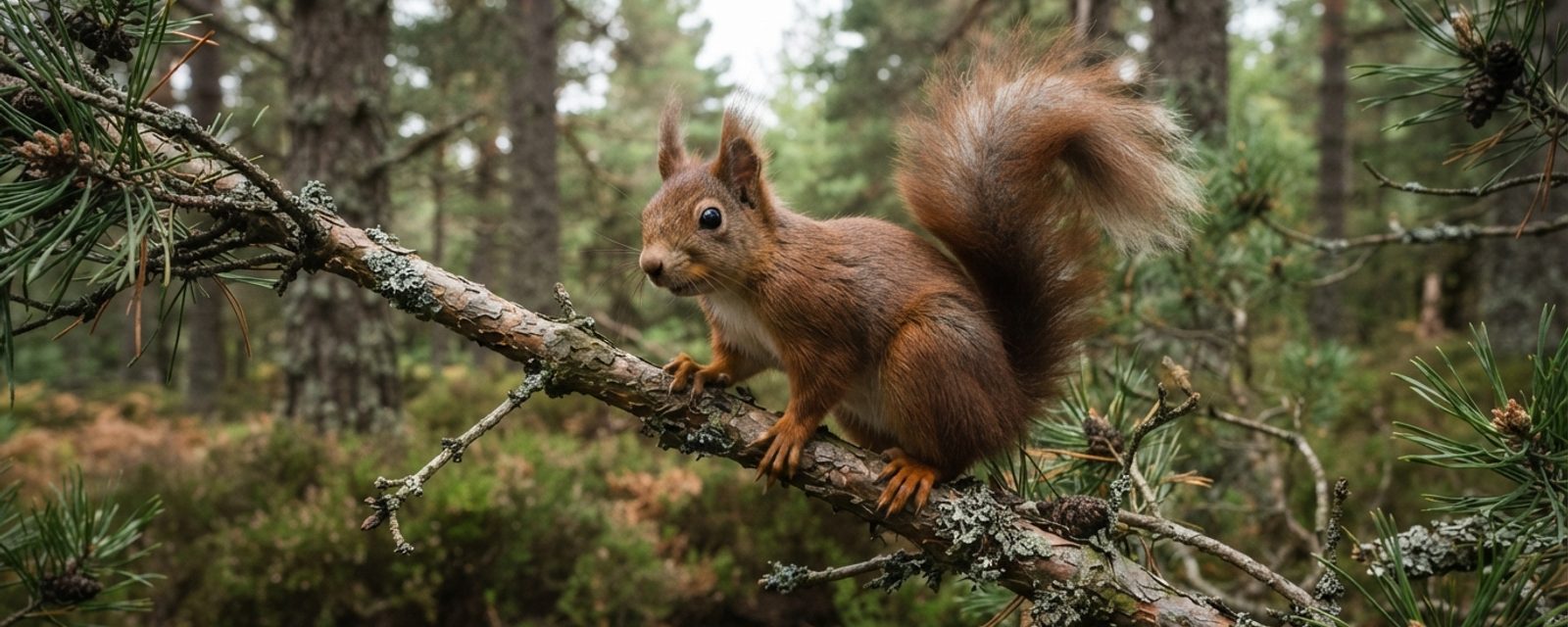 Red Squirrels in Your GardenRed squirrels are fully protected in Scotland, but the law never bans feeding. What actually works, and why a shared feeder risks squirrelpox.
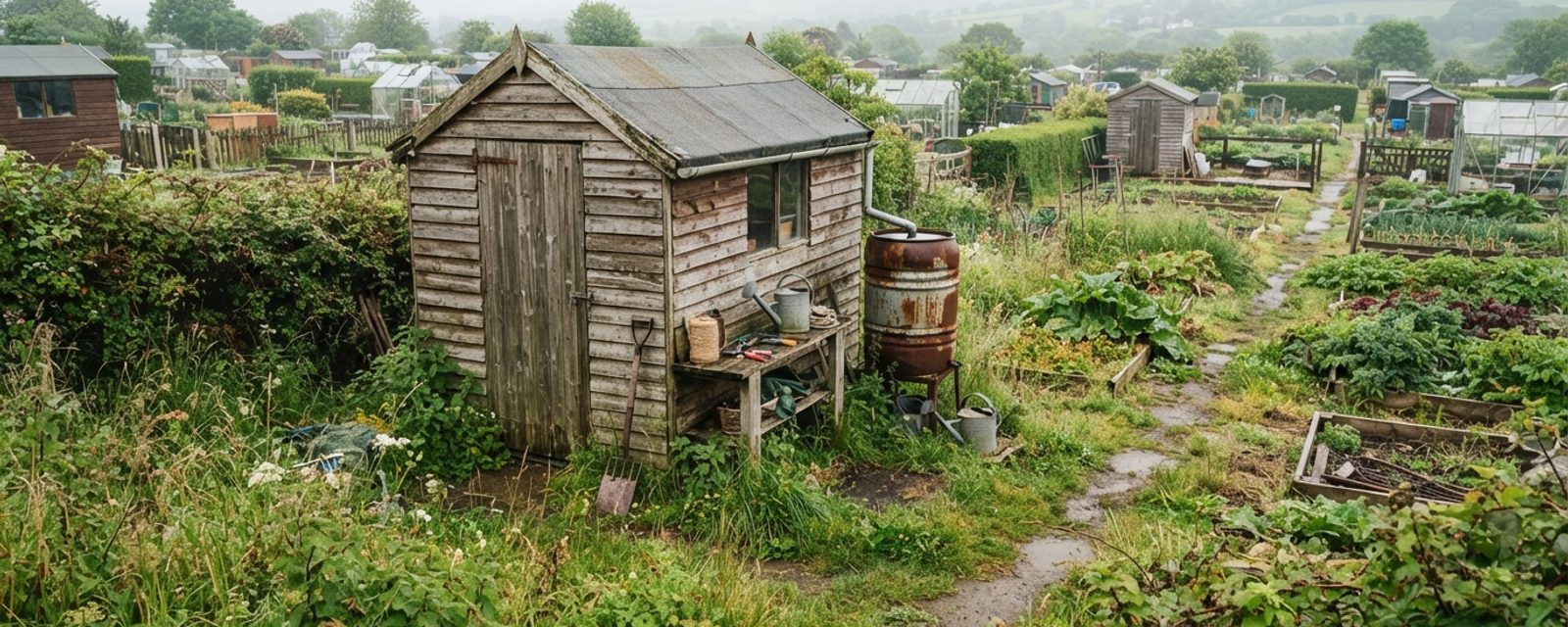 You Just Got Your First AllotmentSoil test before you plan, clear half the plot not all of it, and expect what the last tenant left. A real month-by-month start for a new plot.
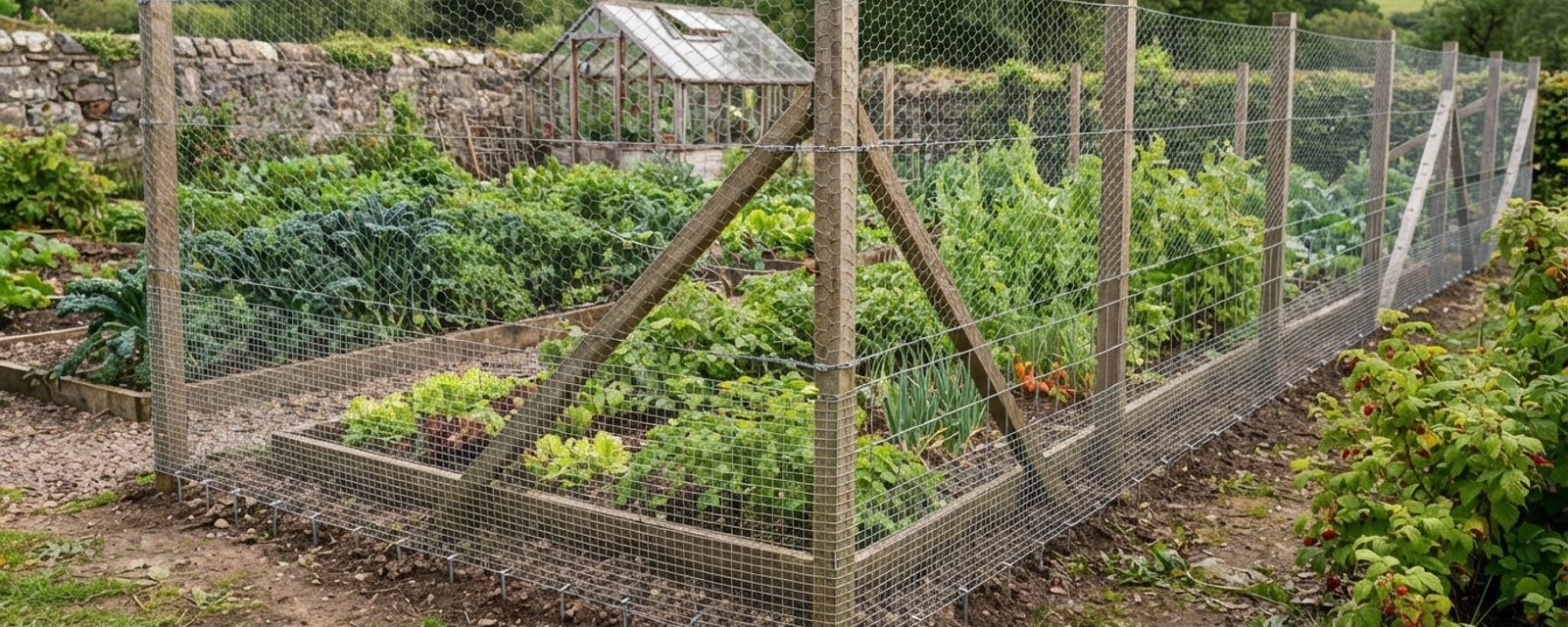 Keeping Your Crops Safe: Deer, Rabbits, Birds, Slugs and Allotment TheftA deer fence needs 1.8m, a rabbit fence needs a buried skirt, and a padlock stops neither person nor pest. Real specs for every threat to a plot.
 Top 5 Crops for a Shaded GardenChard, pak choi, a fan-trained Morello cherry: five crops with a real RHS partial-shade allowance, for a tenement back green or shaded border.
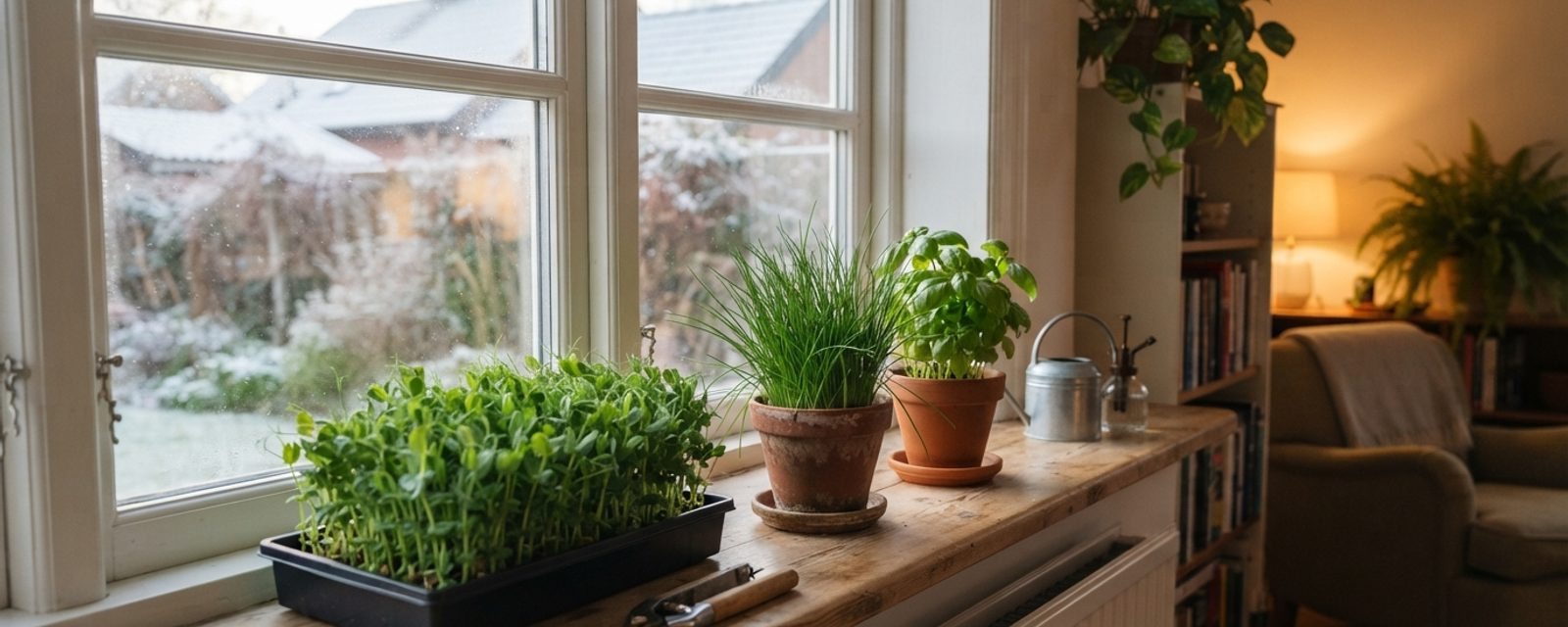 Top 5 Things to Grow on a Windowsill in ScotlandEdinburgh gets under 7 hours of daylight at midwinter. Five real RHS picks for a Scottish windowsill, and why timing matters more than light alone.
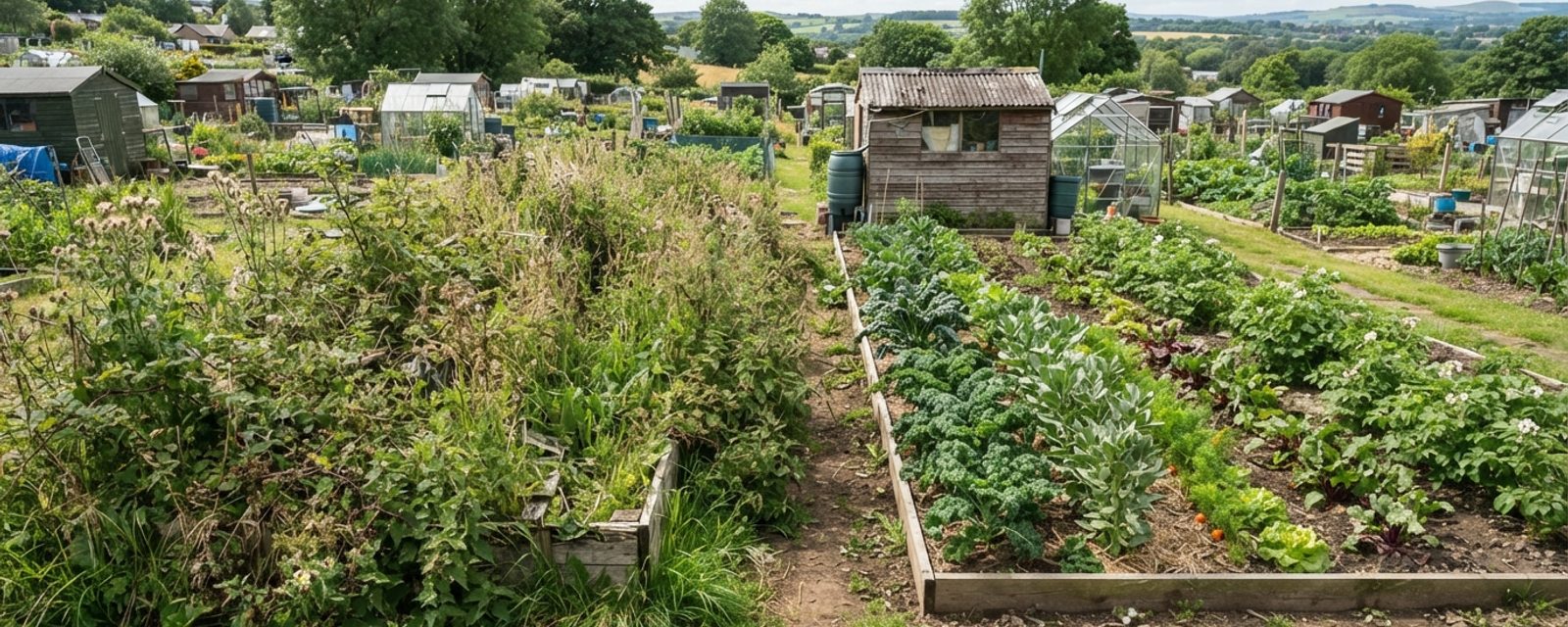 First-Year Allotment Mistakes: Why They Happen and How to Recover From ThemEvery first-year mistake traces to one miscalculation: enthusiasm outpacing time. Eight real failure modes, what they look like, and how to recover.
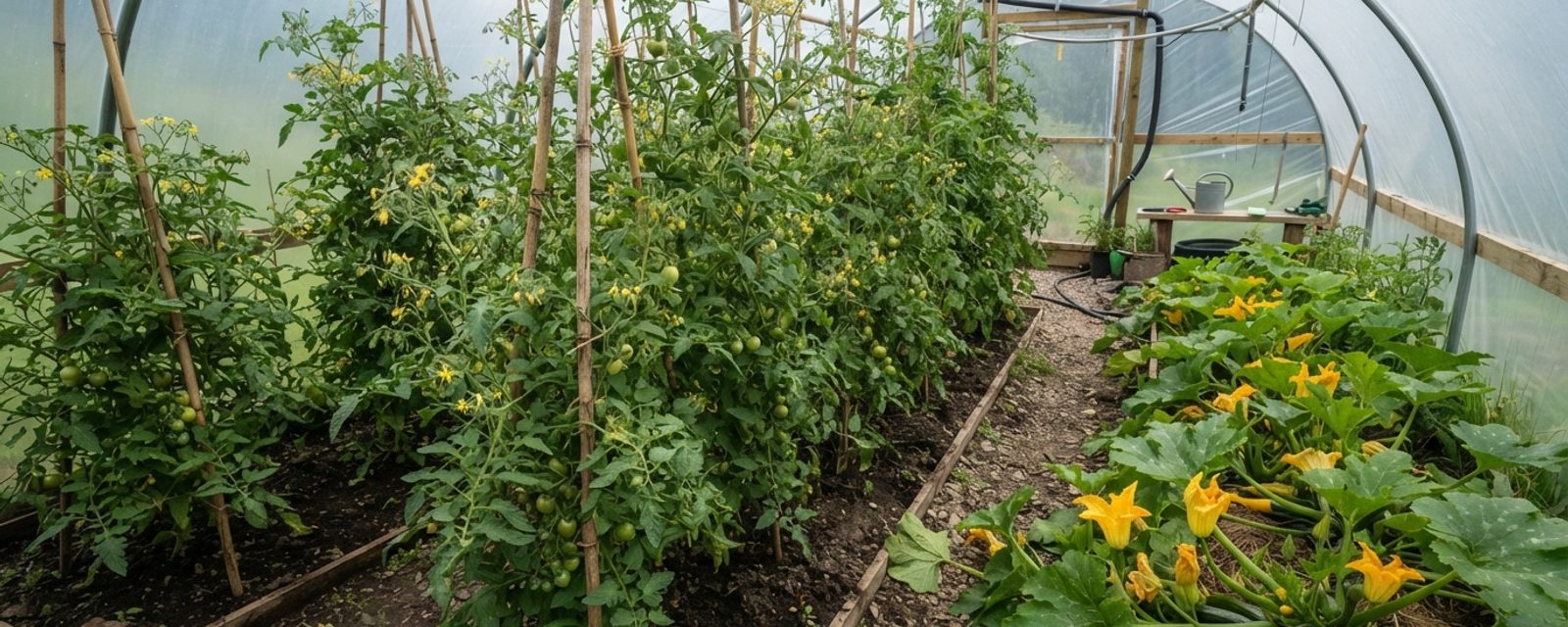 Hand-Pollinating Tomatoes and Squash Under CoverTomatoes just need a shake, squash need pollen carried by hand between flowers. Two real RHS techniques for when a polytunnel shuts out the bees.
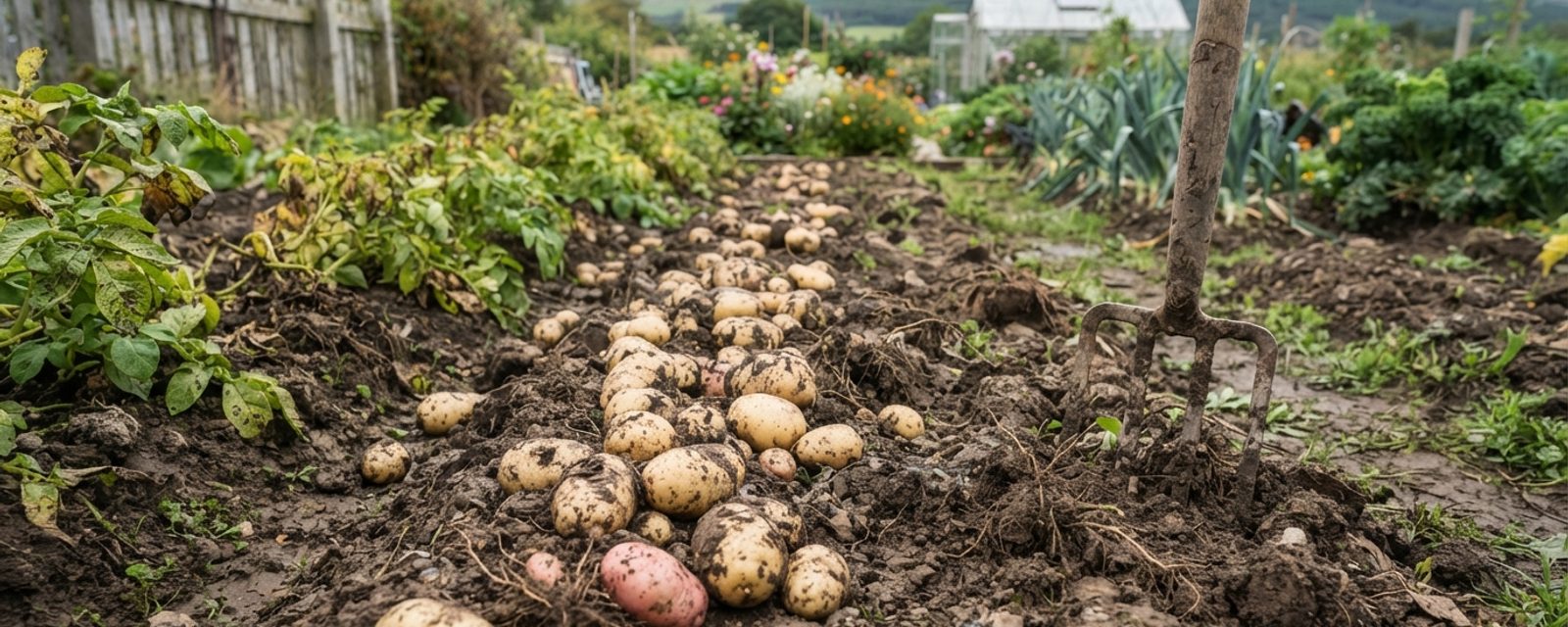 Harvesting Potatoes: From First Earlies to Maincrop StorageEarlies lift on flowering, maincrop on foliage die-back, but blight resets the clock. Real forking technique, curing and storage, and when not to wait.
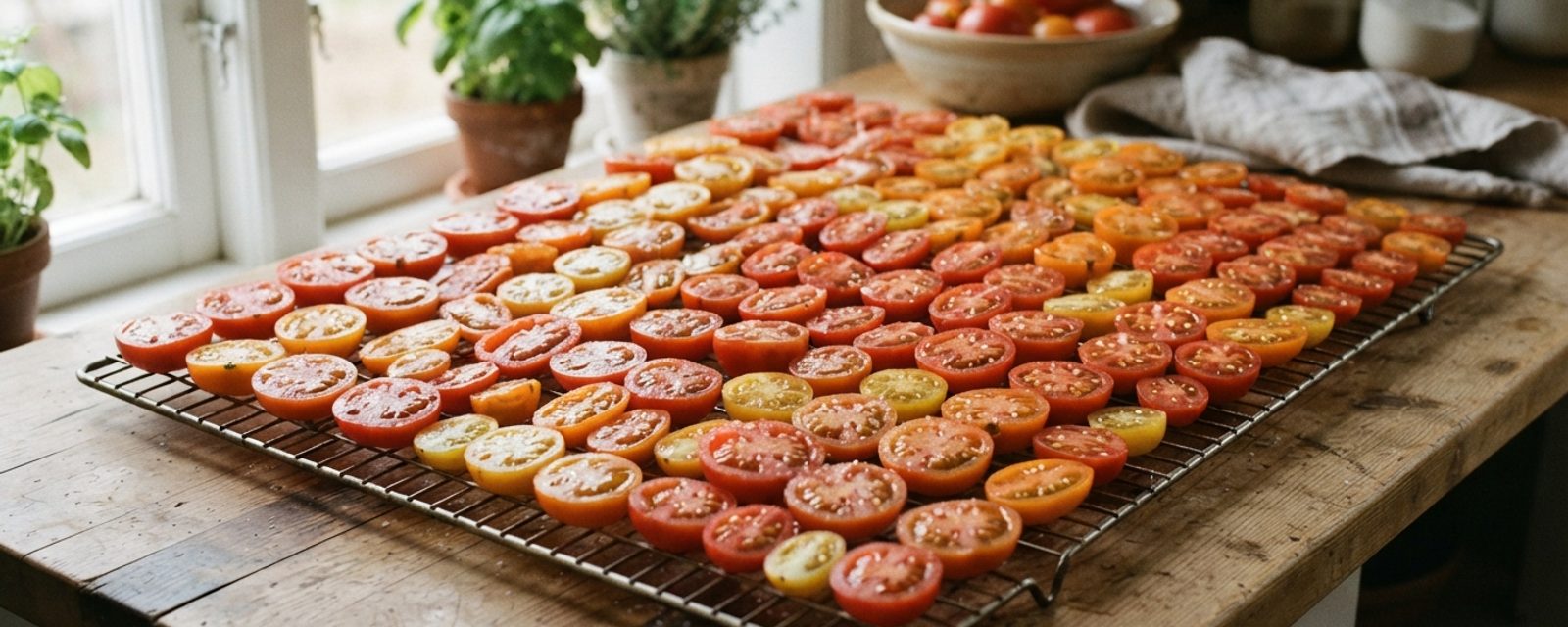 Why Your Tomato Glut Needs an Oven, Not a WindowsillTrue sun-drying needs days of heat and low humidity Scotland rarely gets. Real oven and dehydrator temperatures, timings, and the actual food-safety risk.
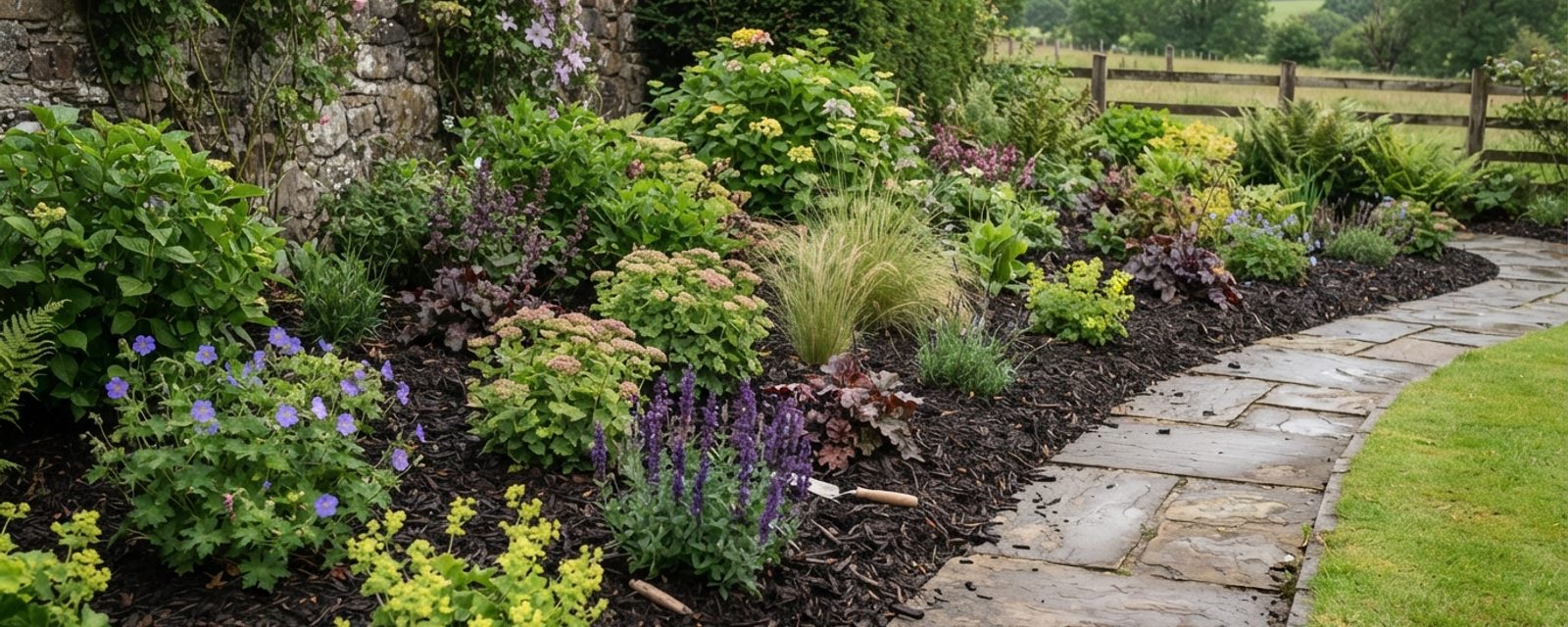 Mulch Explained: What It Is and How to Use ItMulch is two jobs on two calendars, and applying it too early traps cold in the ground. Real materials, depths, and the honest slug question.
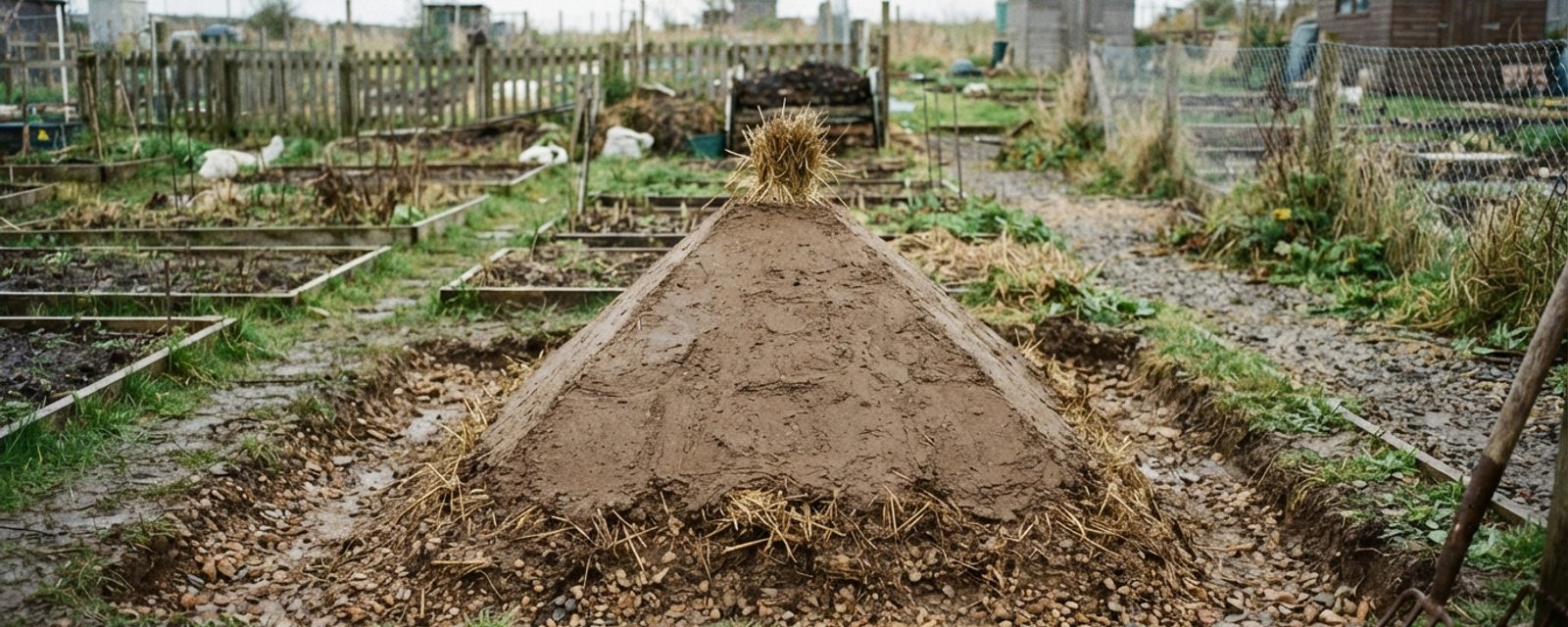 Why Stored Potatoes Fail (and How Every Storage Method Tries to Stop It)Sacks work until the harvest outgrows the shed. Why storage fails, the real clamp construction spec, and when the traditional method still earns its place.
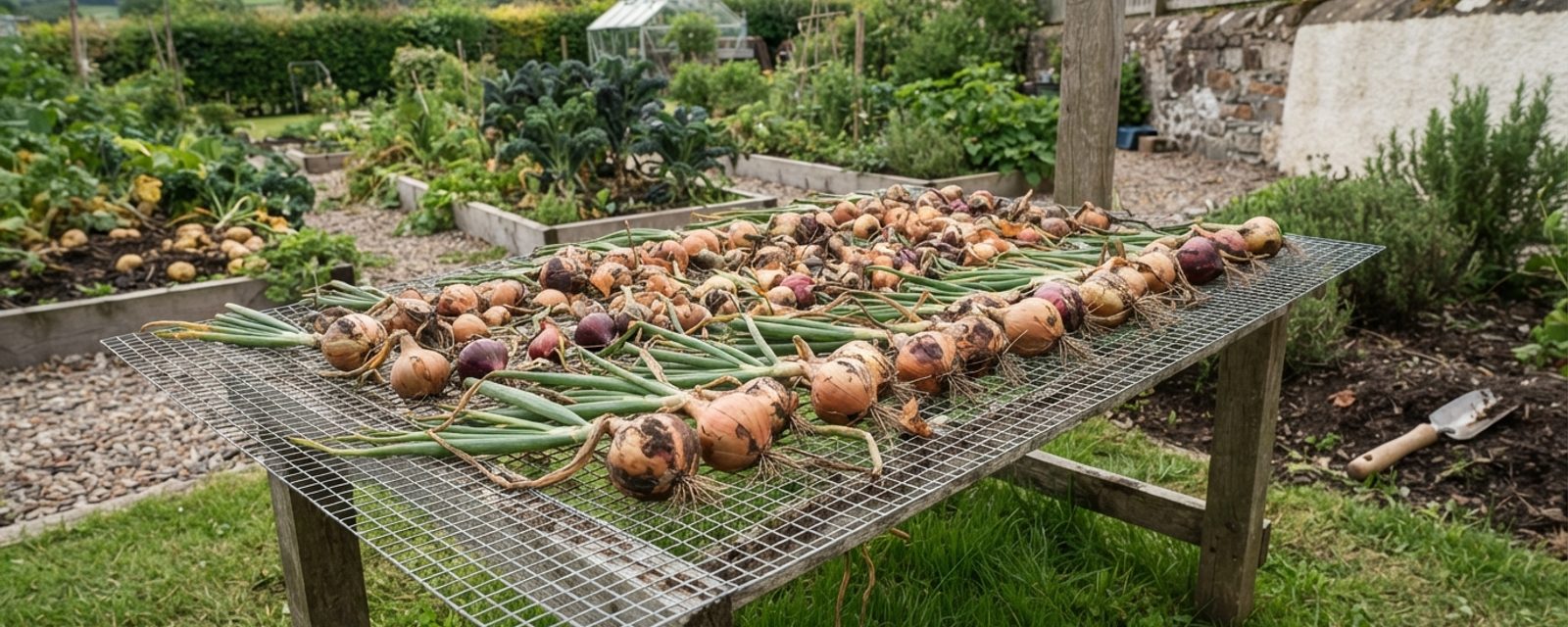 Storing Onions, Garlic and Shallots: Curing, Drying and Long-Term StorageCuring seals the neck against rot, but onions, garlic and shallots cure at different rates and keep for very different lengths of time in store.
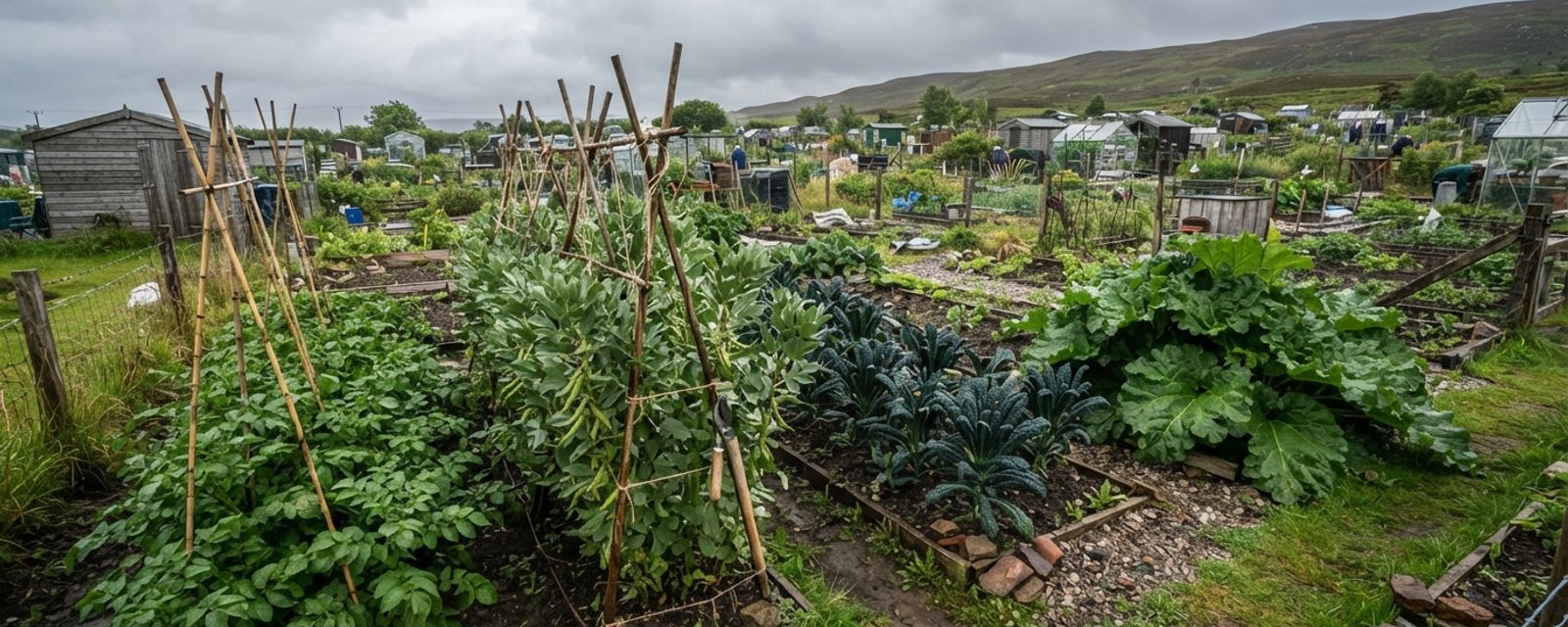 Top 5 Crops That Actually Survive a Scottish SummerA stunted August tomato means the wrong crop, not the wrong gardener. Five real RHS picks with the cold, wind or short-season trait Scotland rewards.
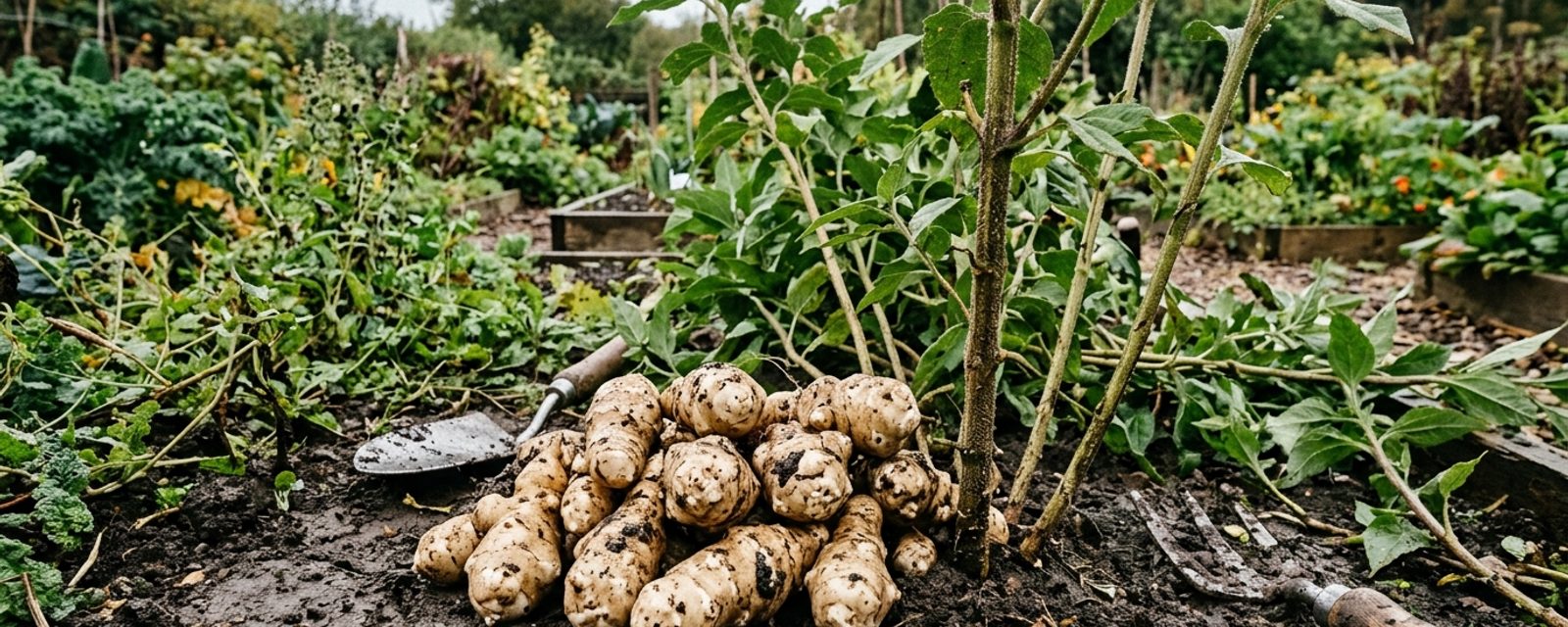 Best Jerusalem Artichoke Varieties for ScotlandRHS names only two varieties, Dwarf Sunray and Fuseau. Which one actually suits an exposed Scottish plot comes down to staking, storage and containment.
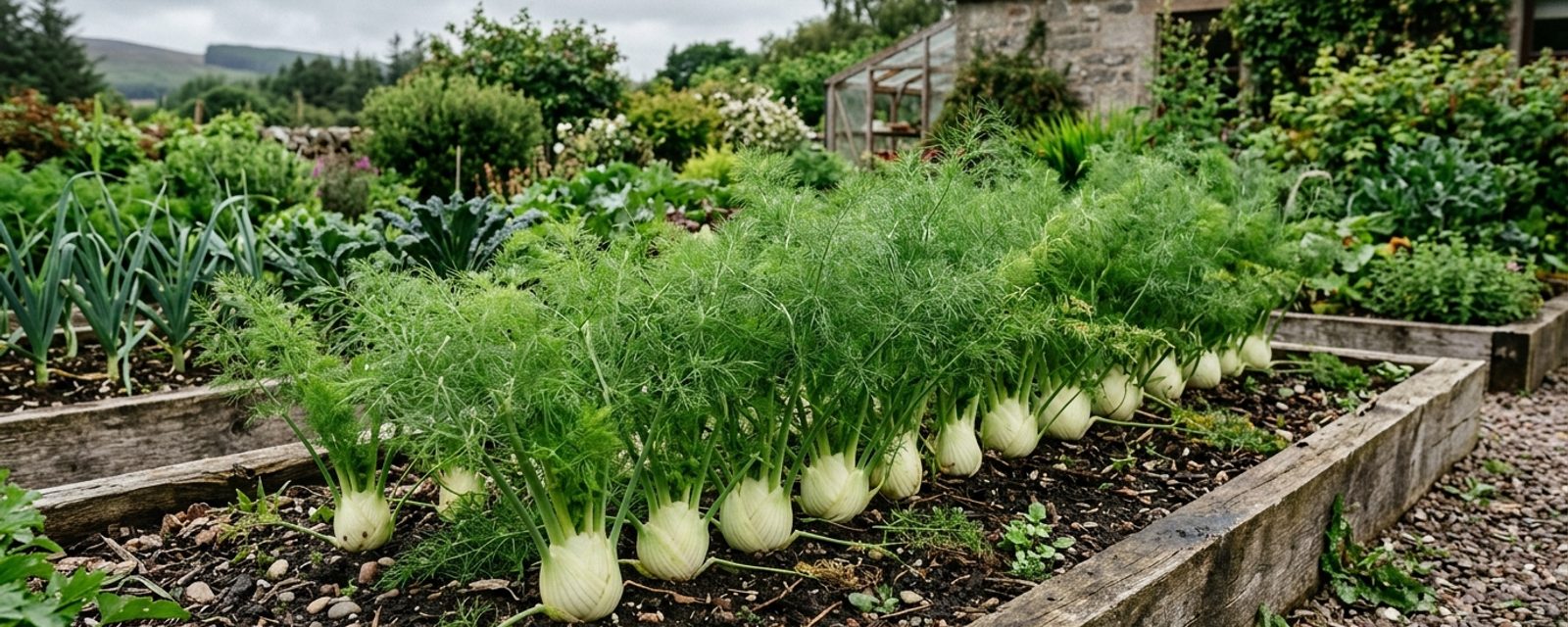 Best Florence Fennel Varieties for ScotlandDragon resists bolting outright. Rondo dodges it by growing under cover. Zefa Fino trades that safety net for speed.
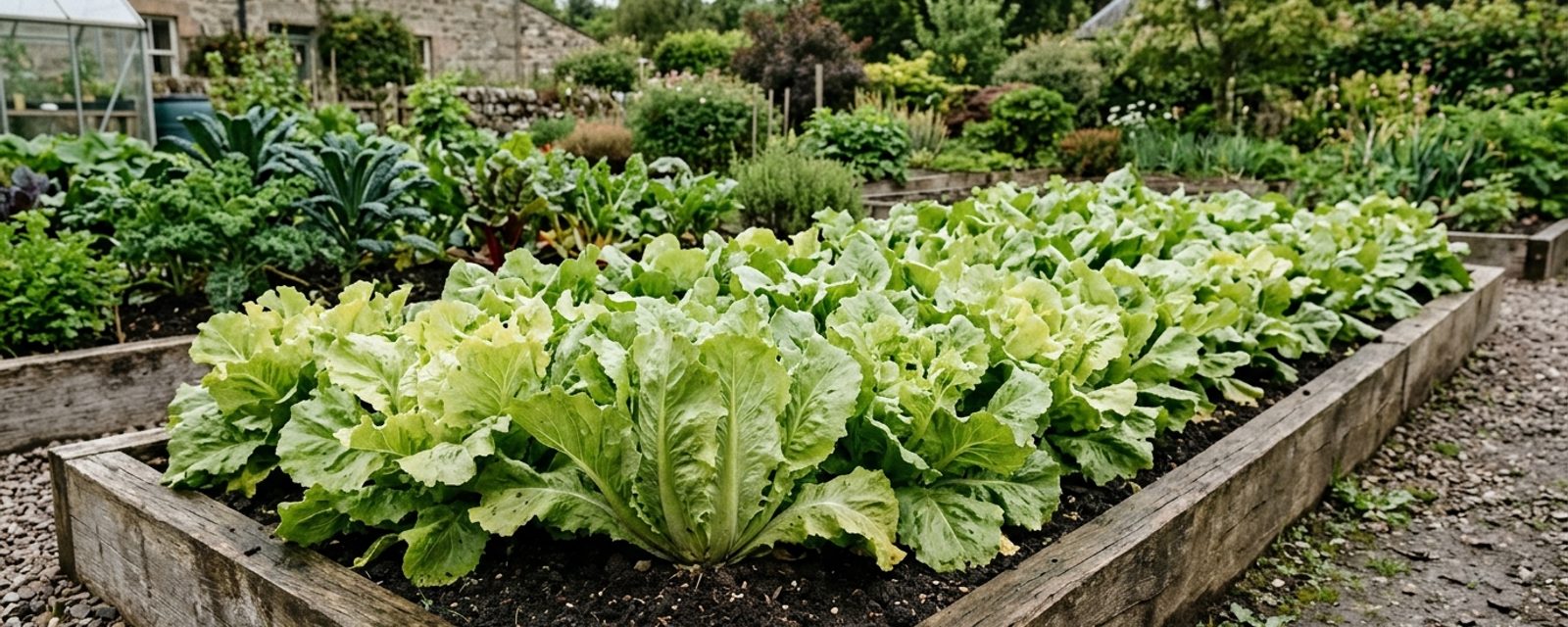 Best Endive Varieties for ScotlandFrisee for summer, Batavian for winter. Both are naturally bitter, and blanching, not variety choice alone, is what actually fixes that.
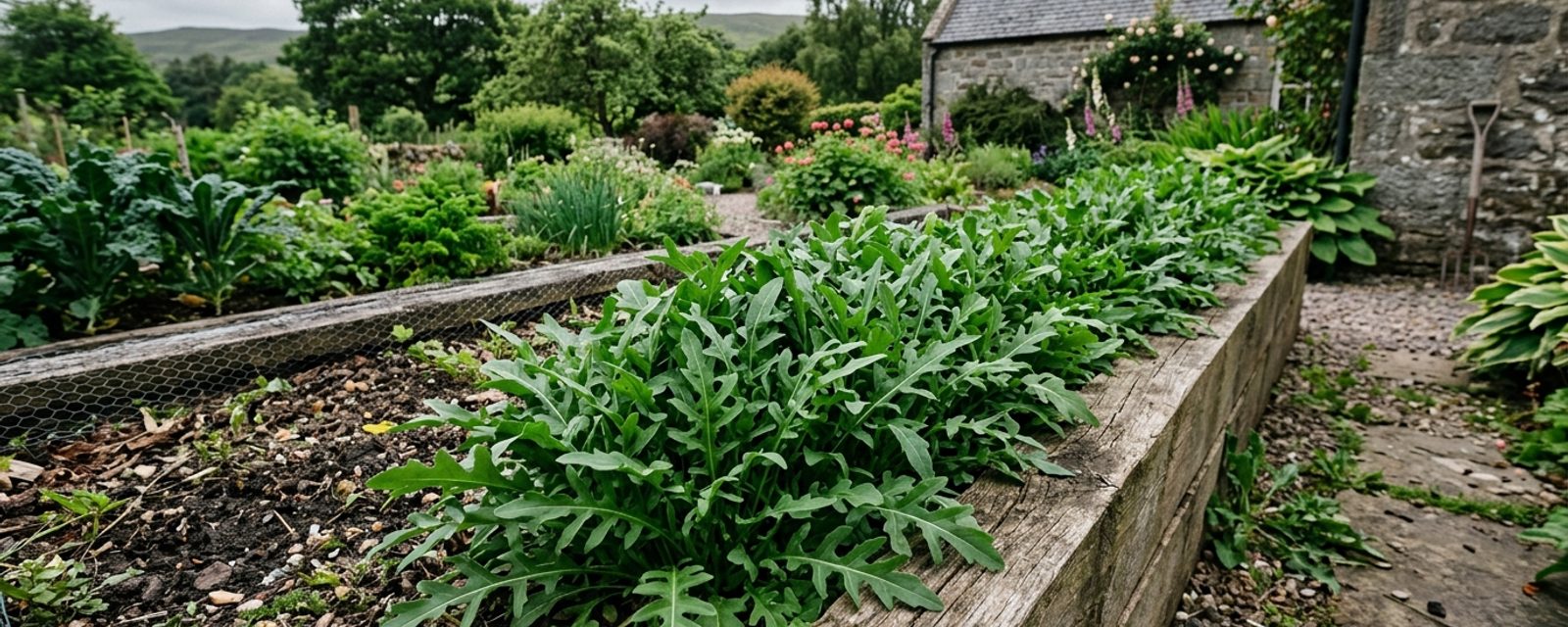 Best Rocket Varieties for ScotlandSalad rocket and wild rocket aren't varieties of the same plant. They're two different species, and bolting means something different for each.
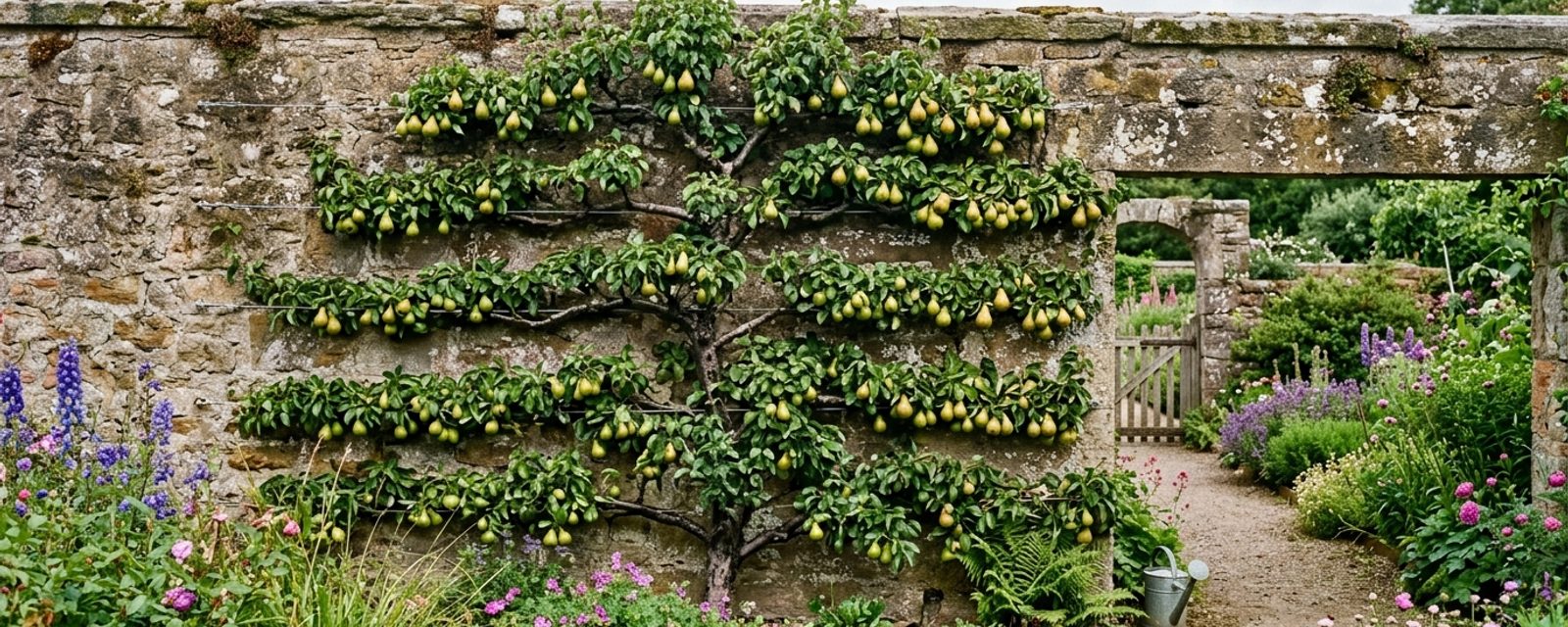 Best Pear Varieties for ScotlandRHS names eight AGM pear varieties, but only Conference is tagged for cooler conditions. Which of the rest are worth the risk in a Scottish garden.
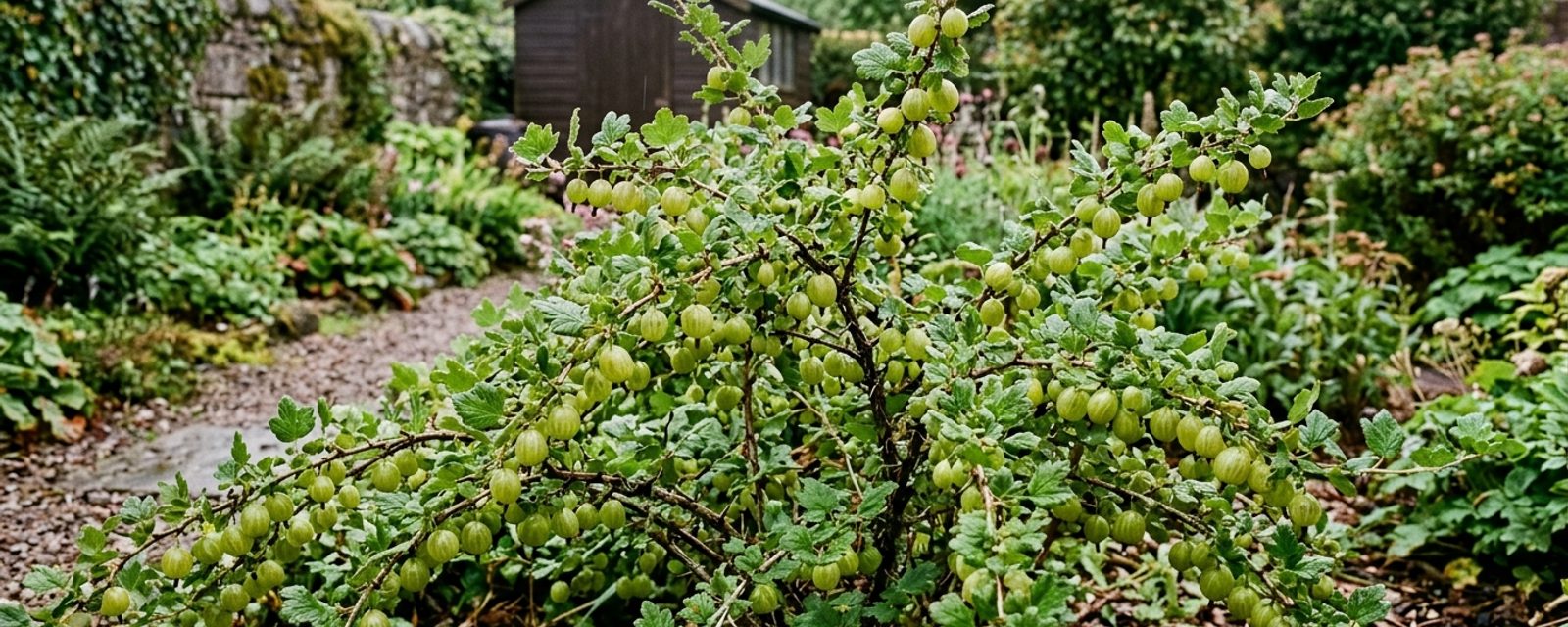 Best Gooseberry Varieties for ScotlandGooseberries are one of the more reliable soft fruits for a Scottish garden. Mildew is the real risk, and variety choice is the first line of defence.
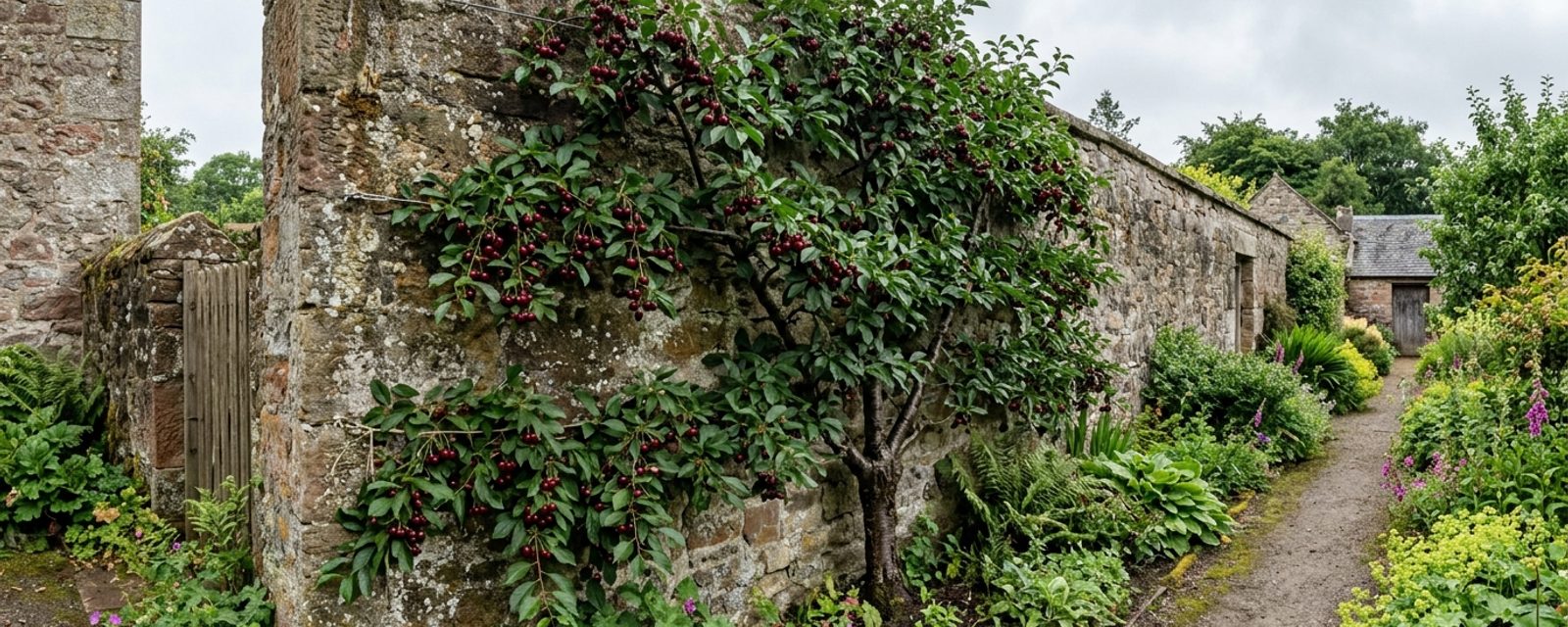 Best Cherry Varieties for ScotlandSweet cherries need a south-facing wall. Morello, an acid cherry, tolerates a shaded north wall instead. Which type suits the site you actually have.
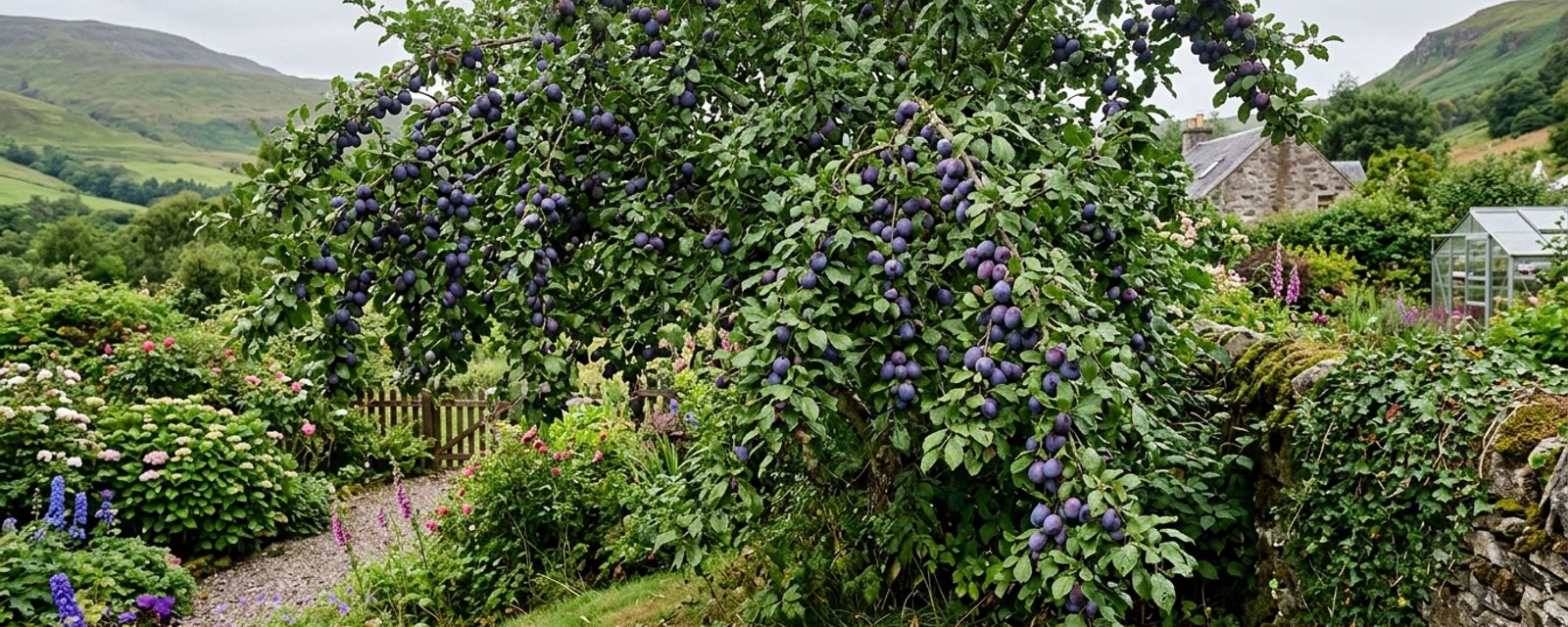 Best Plum Varieties for ScotlandPlums blossom earlier than almost any tree fruit, right when late frost is still a risk. Czar's own page names it less frost-susceptible; Victoria's names the opposite.
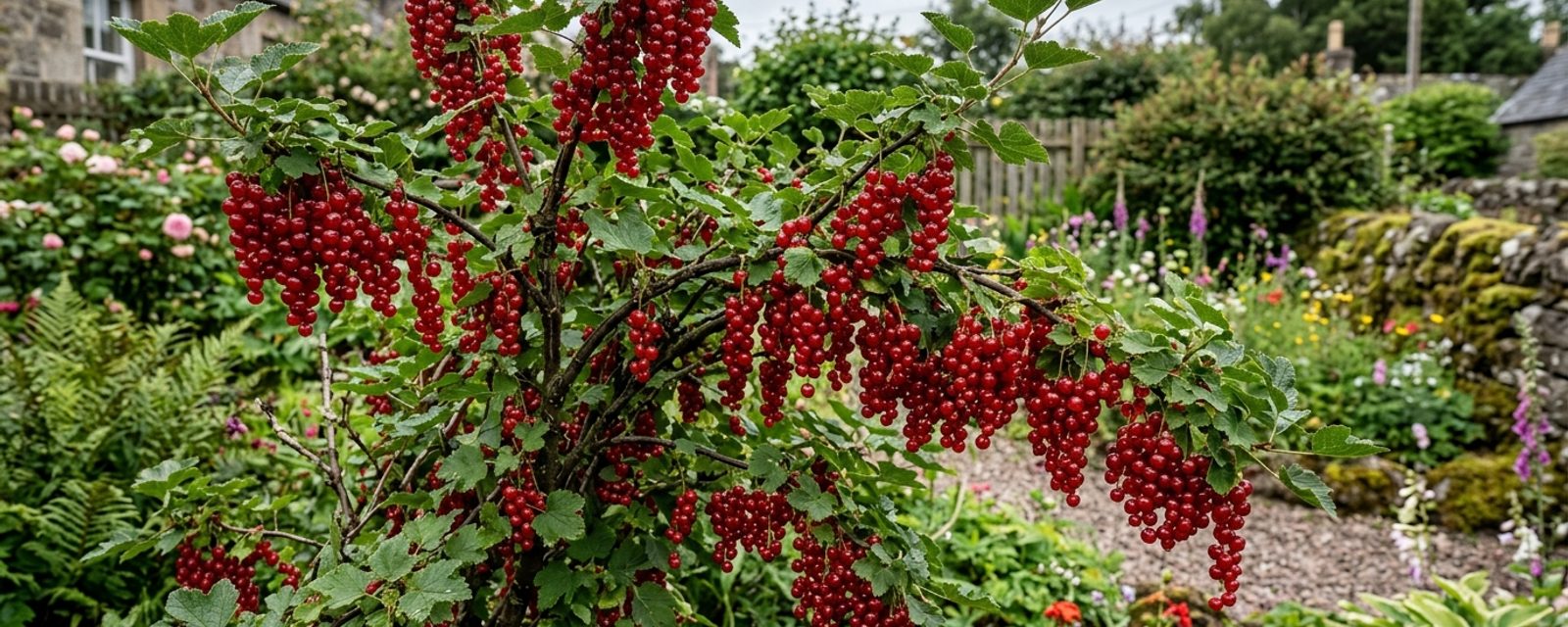 Best Redcurrant Varieties for ScotlandAll 6 AGM redcurrant and whitecurrant varieties compared: Jonkheer van Tets ripens earliest and tolerates the widest soil range, the strongest all-round pick.
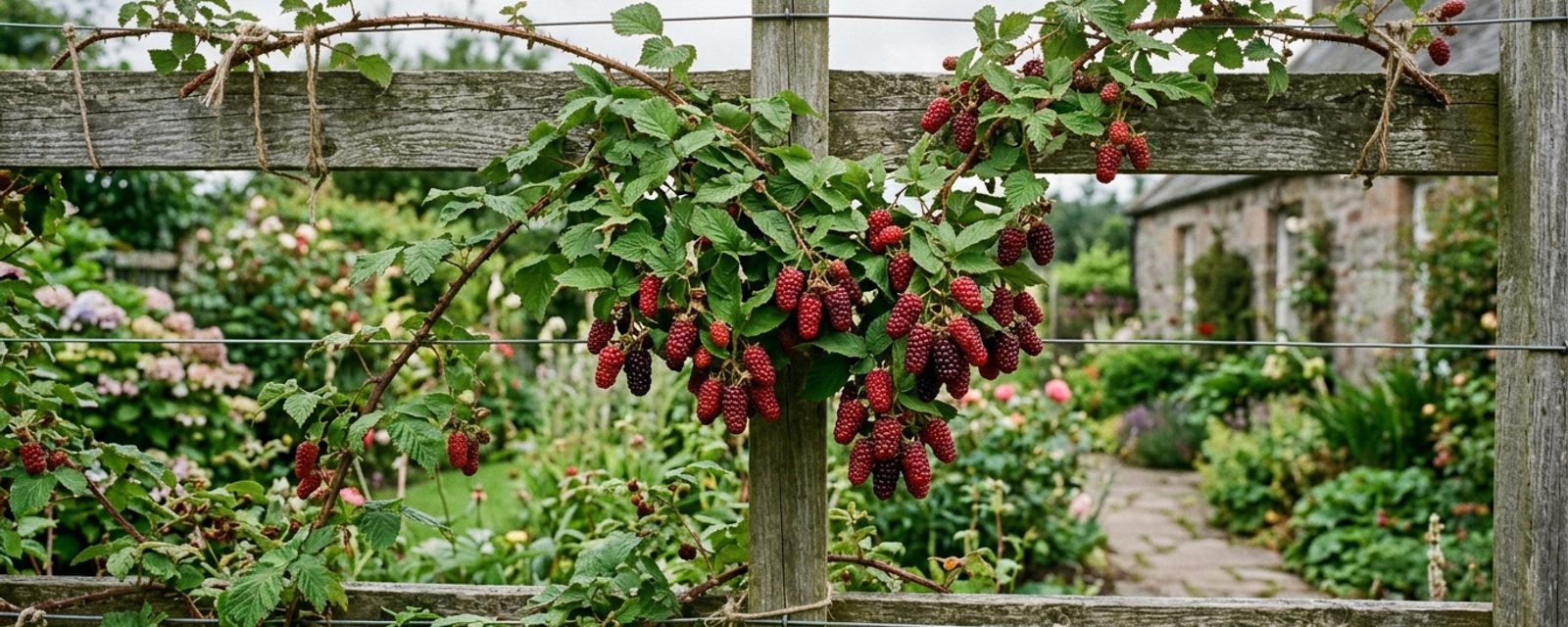 Best Loganberry Varieties for ScotlandOnly 3 loganberry cultivars exist in real circulation. The standard variety's H7 hardiness beats both named selections for an exposed Scottish site.
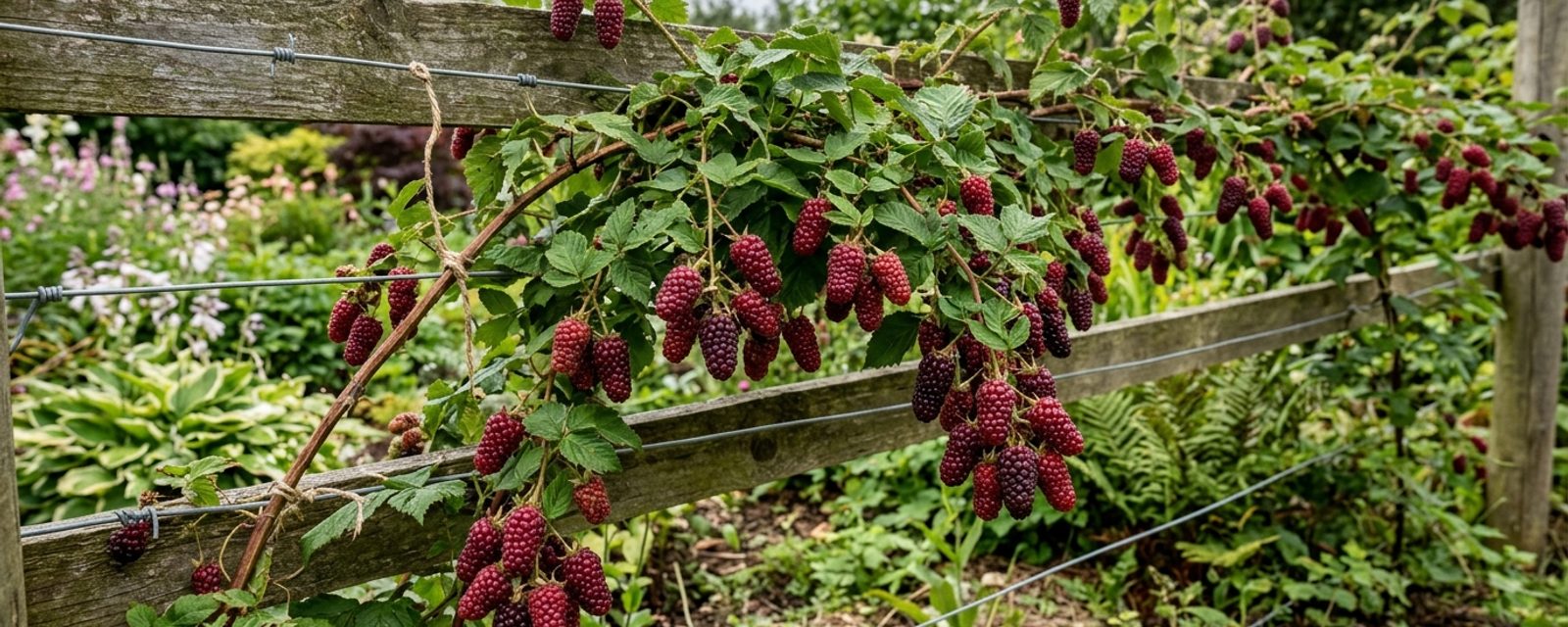 Best Tayberry Varieties for ScotlandOnly 3 tayberry cultivars exist. Despite its spiny reputation, the standard variety holds the AGM, the H7 hardiness, and usually thornless canes.
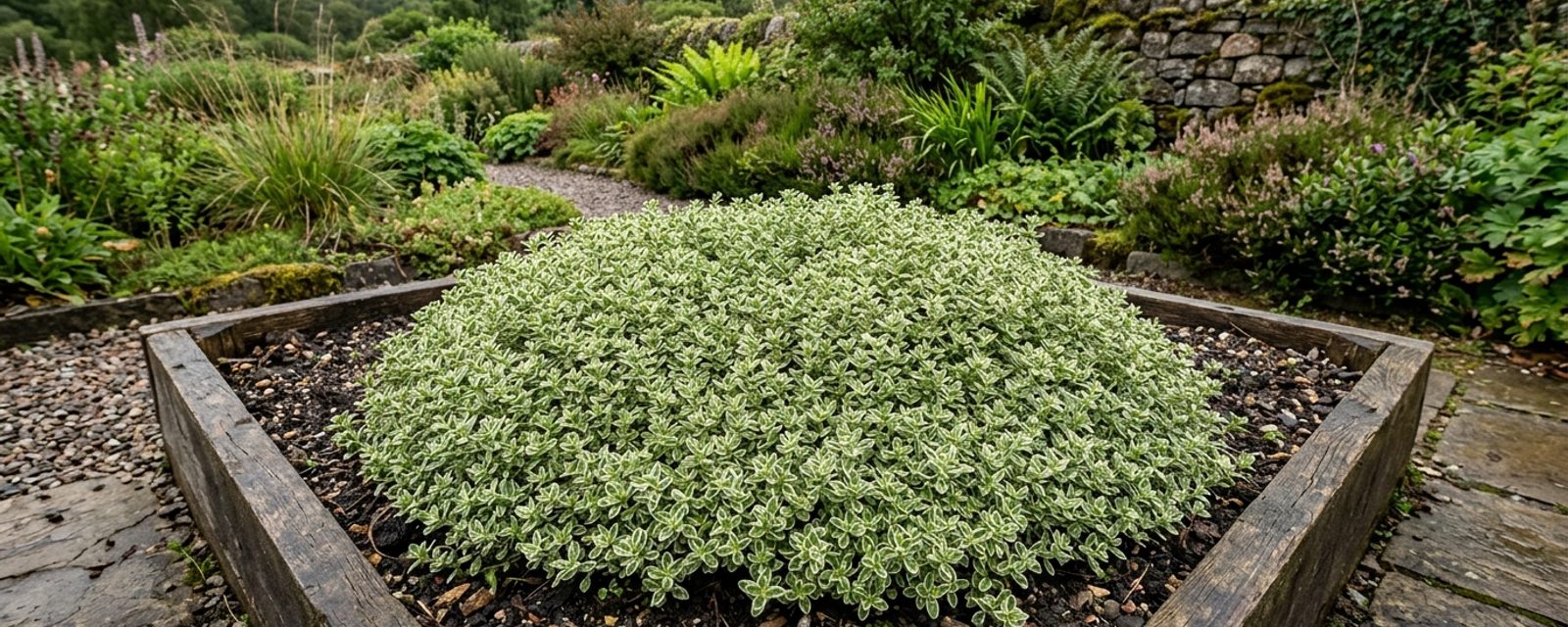 Best Thyme Varieties for ScotlandThyme's real Scottish weak point isn't frost, it's wet roots. Silver Queen is the strongest all-round pick; Lemon Curd's H4 rating needs shelter the other six don't.
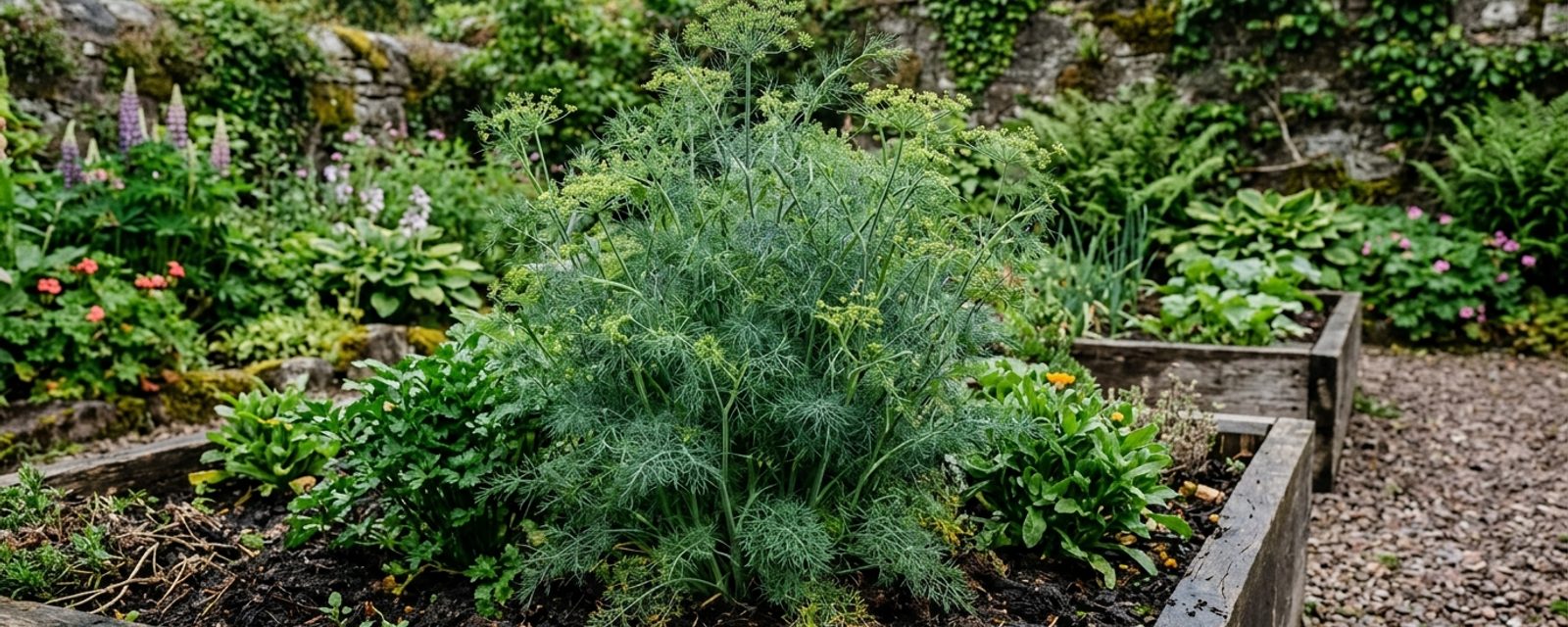 Best Dill Varieties for ScotlandDomino's AGM, compact growth and good standing ability make it the strongest all-round dill for a windy Scottish plot; Mammoth is the one to grow for seed instead.
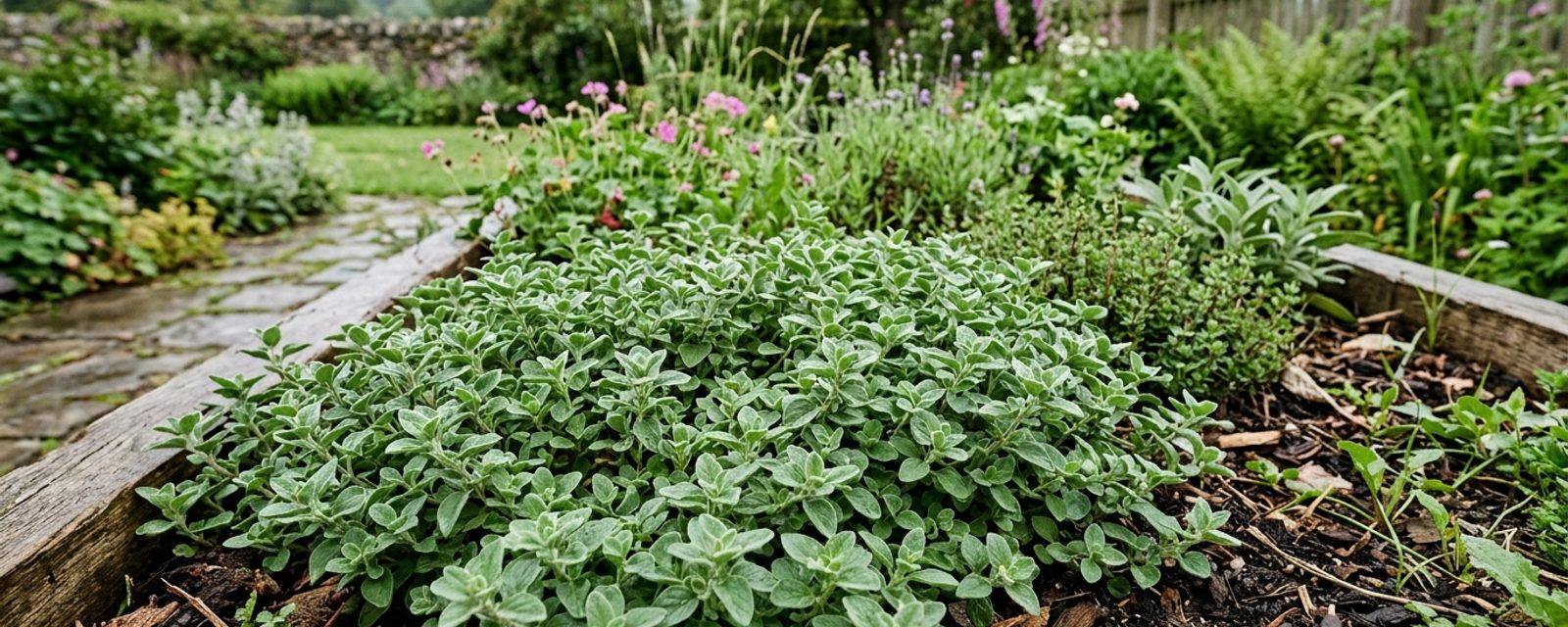 Best Oregano Varieties for Scotland'Hot and Spicy' is the strongest all-round pick for a Scottish plot: full culinary strength, a robust habit, and it takes to container growing if drainage is poor.
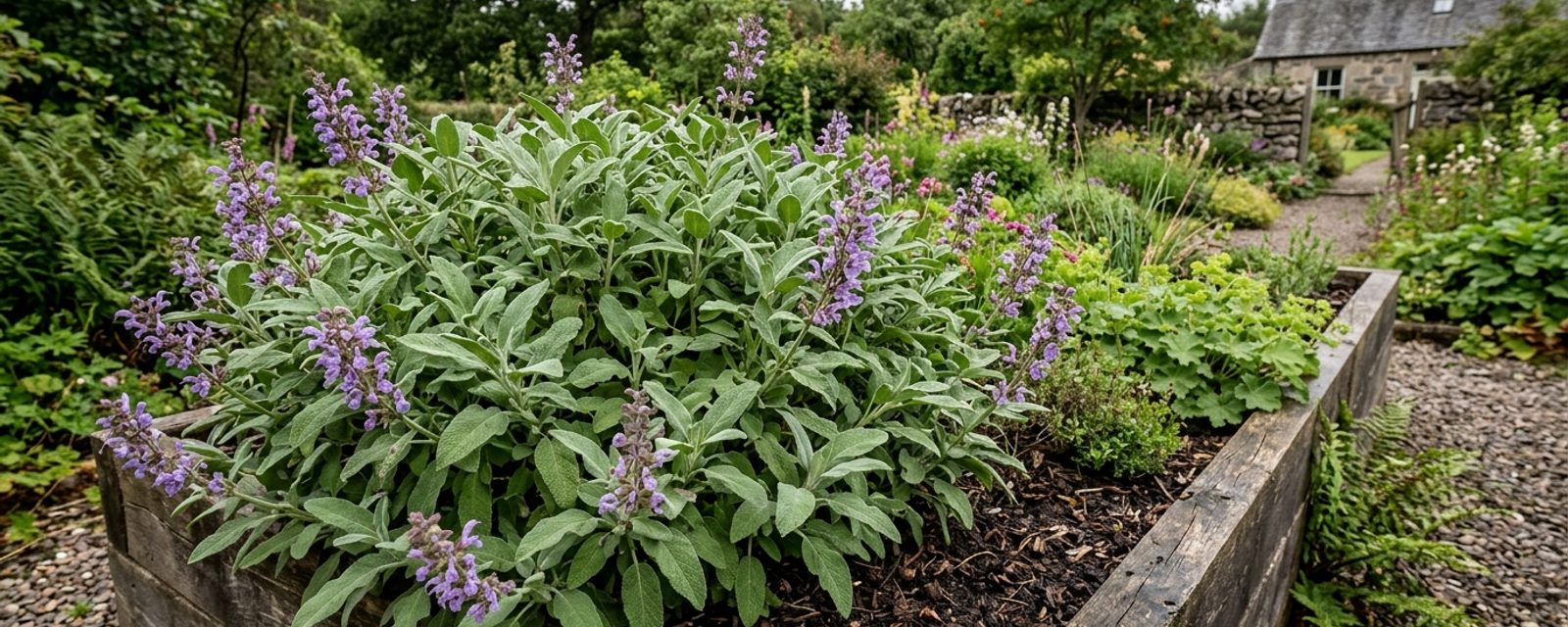 Best Sage Varieties for ScotlandBerggarten is the strongest all-round sage: it holds the AGM, carries the largest usable leaf of the AGM cultivars, and flowers only lightly, keeping more energy in leaf.
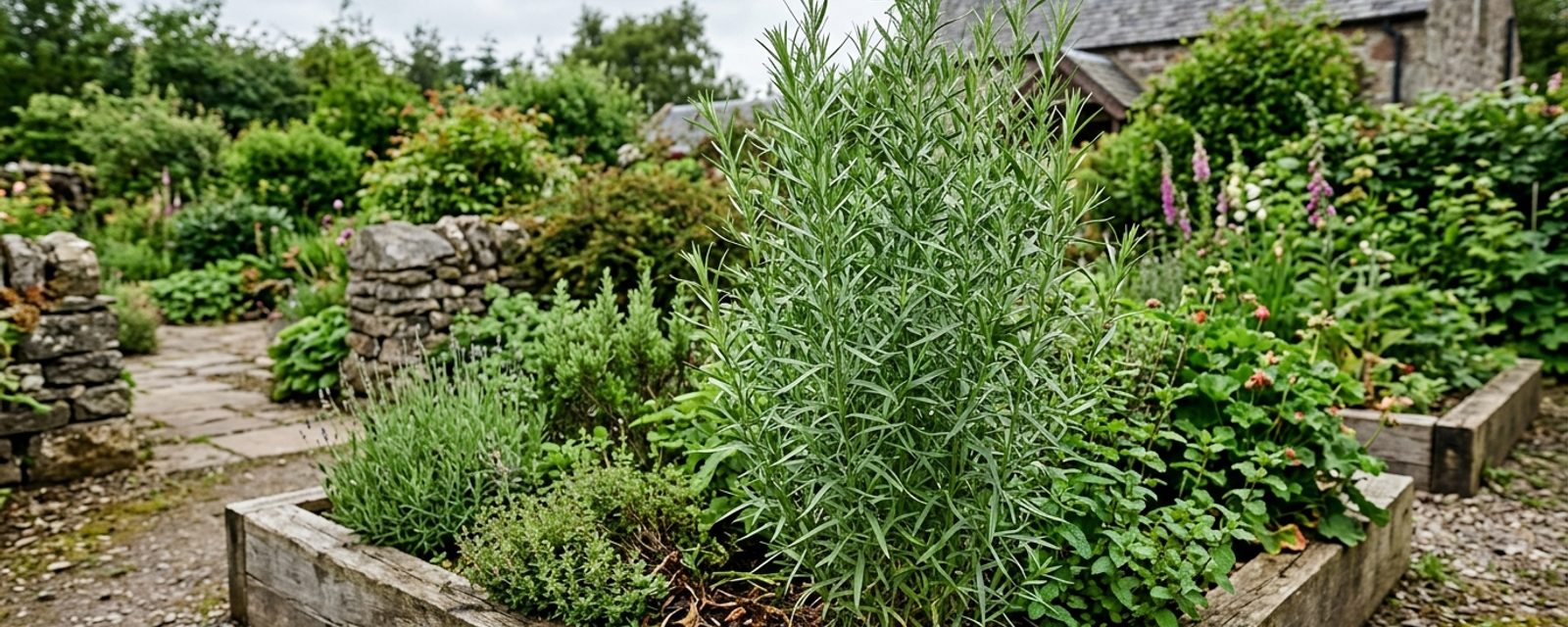 Best Tarragon Varieties for ScotlandFrench tarragon can't be grown from seed, so any seed packet claiming it can only be Russian. What to actually buy, and when the flavour gap between them matters.
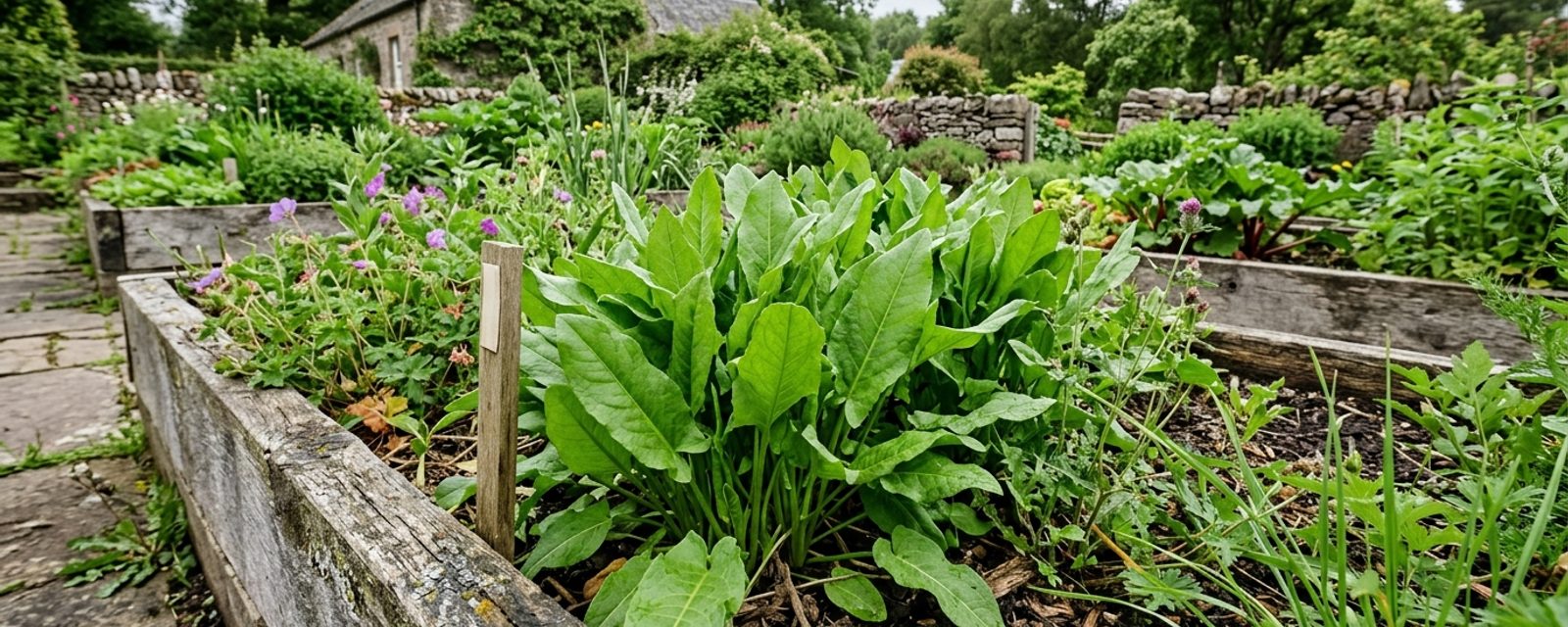 Best Sorrel Varieties for ScotlandCommon sorrel's H7 rating and sharp, classic tang make it the strongest all-round pick for a Scottish plot; French sorrel is the milder ground-cover alternative.
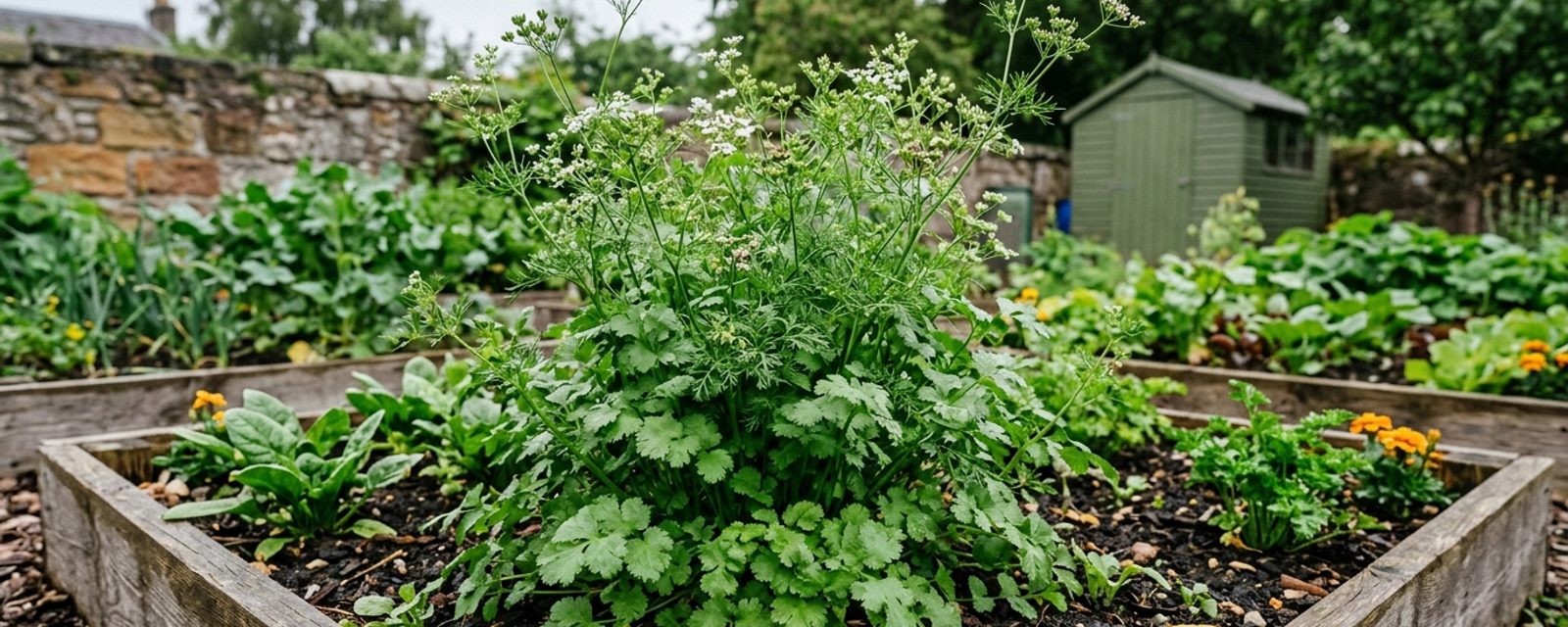 Best Coriander Varieties for ScotlandCalypso holds the AGM for slow bolting and the longest summer cropping period of the four AGM varieties, the strongest all-round pick for a Scottish leaf harvest.
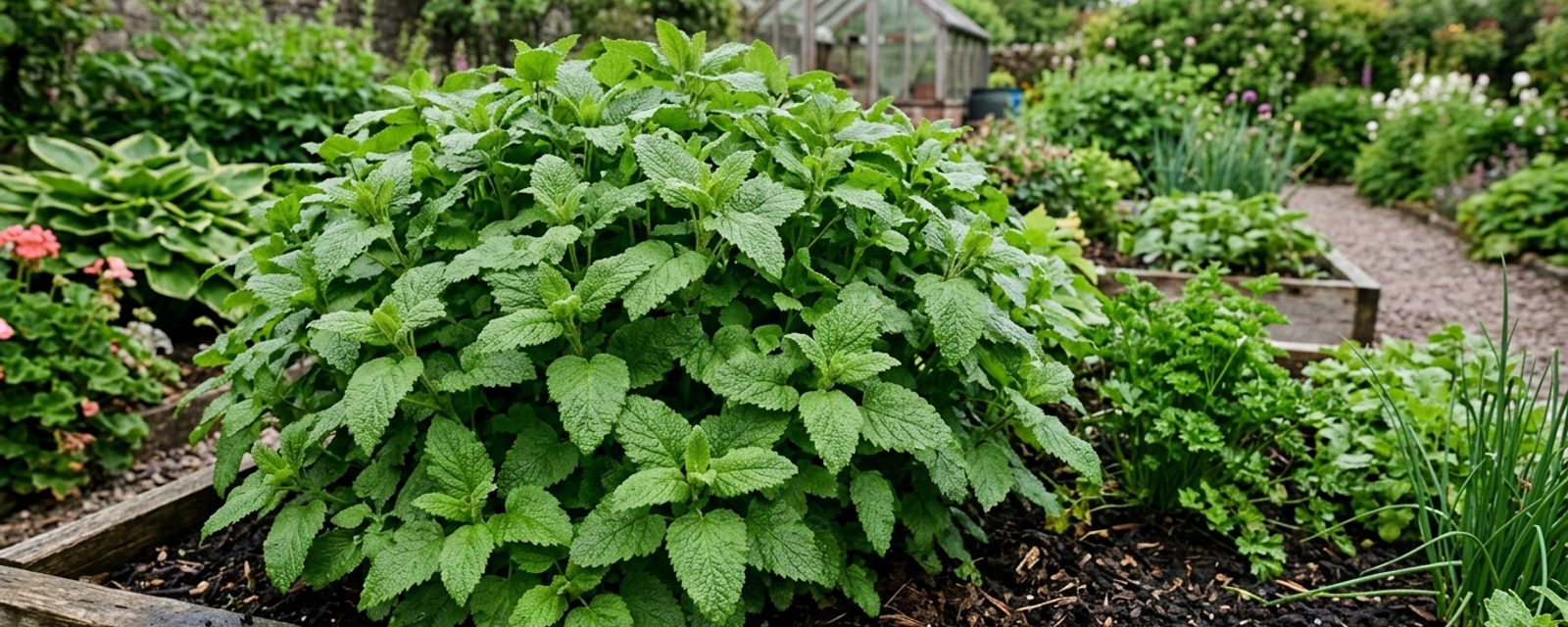 Best Lemon Balm Varieties for ScotlandStandard lemon balm has the strongest scent and is what most recipes assume. All Gold and Aurea want full sun too, not shade, despite their gold foliage.
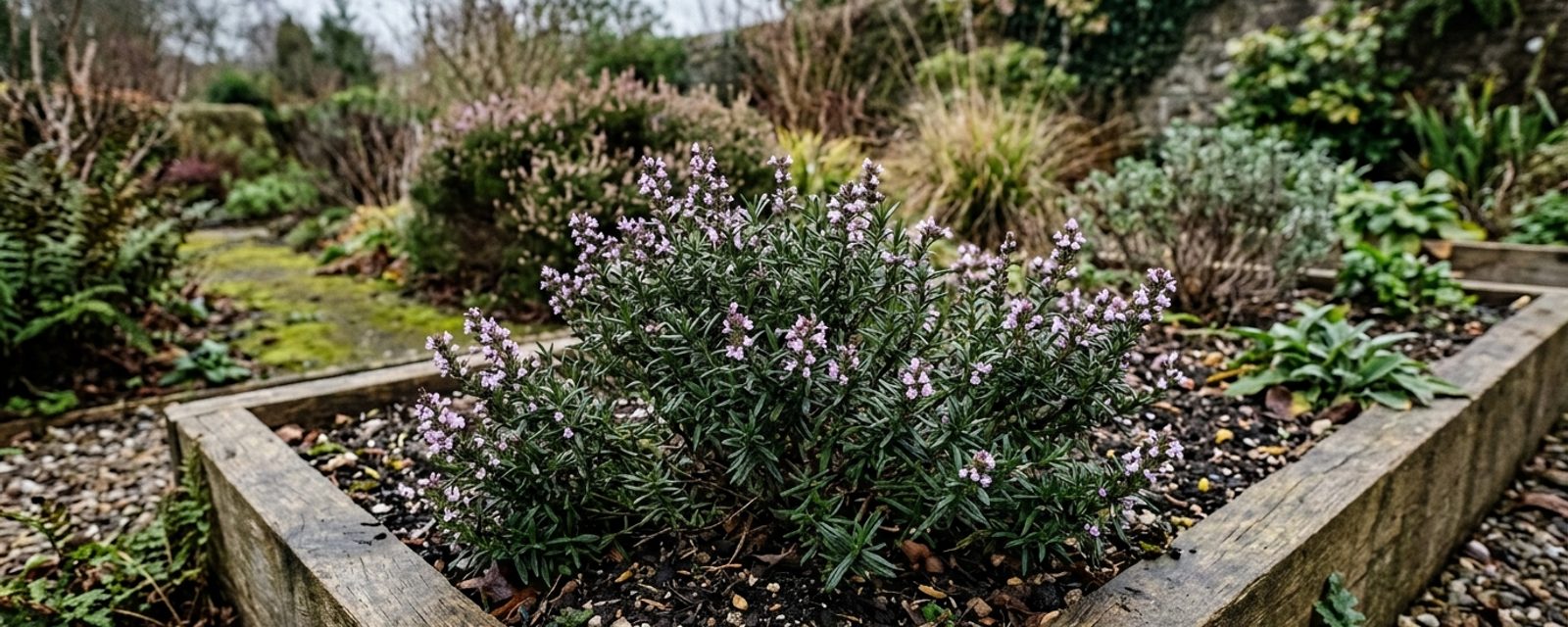 Best Savory Varieties for ScotlandSummer, winter or creeping savory are three genuinely different plants, not one herb with variants. Winter savory is the strongest all-round pick for a permanent Scottish herb bed.
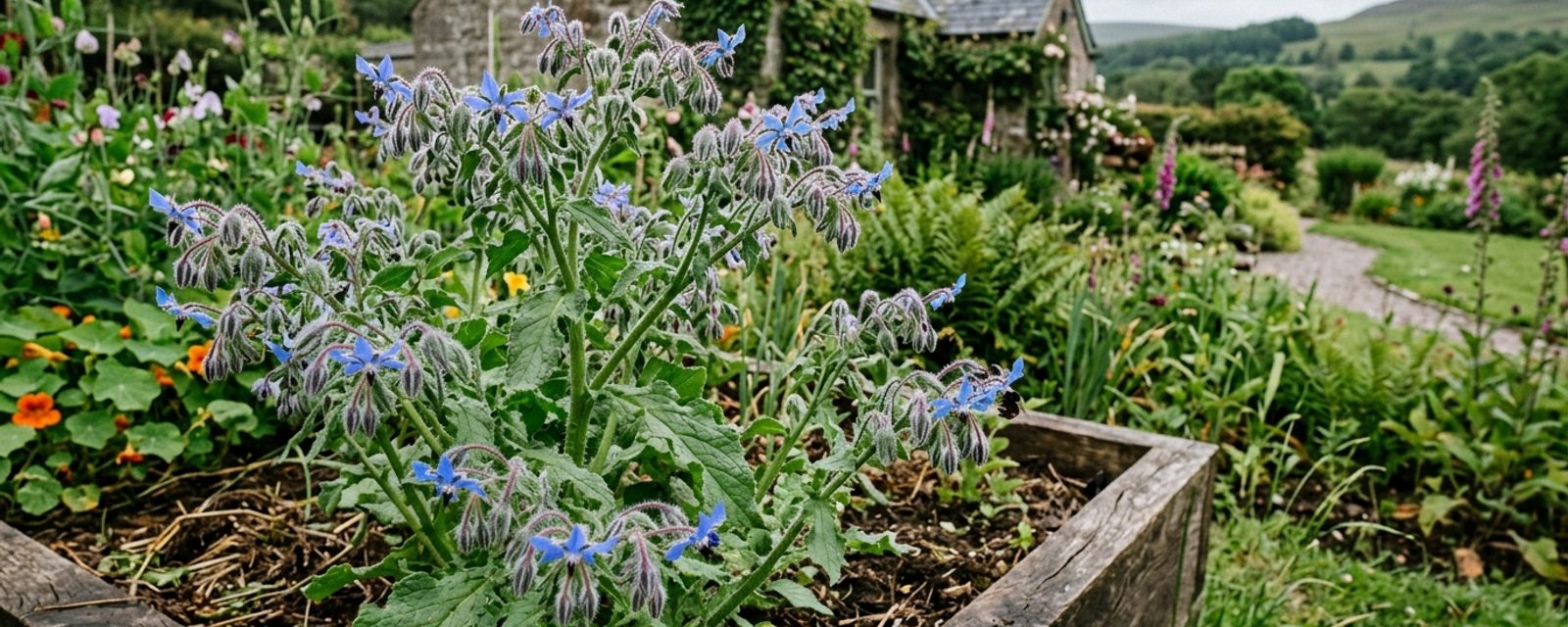 Best Borage Varieties for ScotlandThe standard blue-flowered Borago officinalis is fully hardy (H5), the most widely available seed, and the default variety for a Scottish kitchen or pollinator patch.
 Best Angelica Varieties for ScotlandAngelica archangelica is the classic culinary species and the easiest to actually cook with. Angelica sylvestris 'Ebony' is the only named form to carry the RHS AGM.
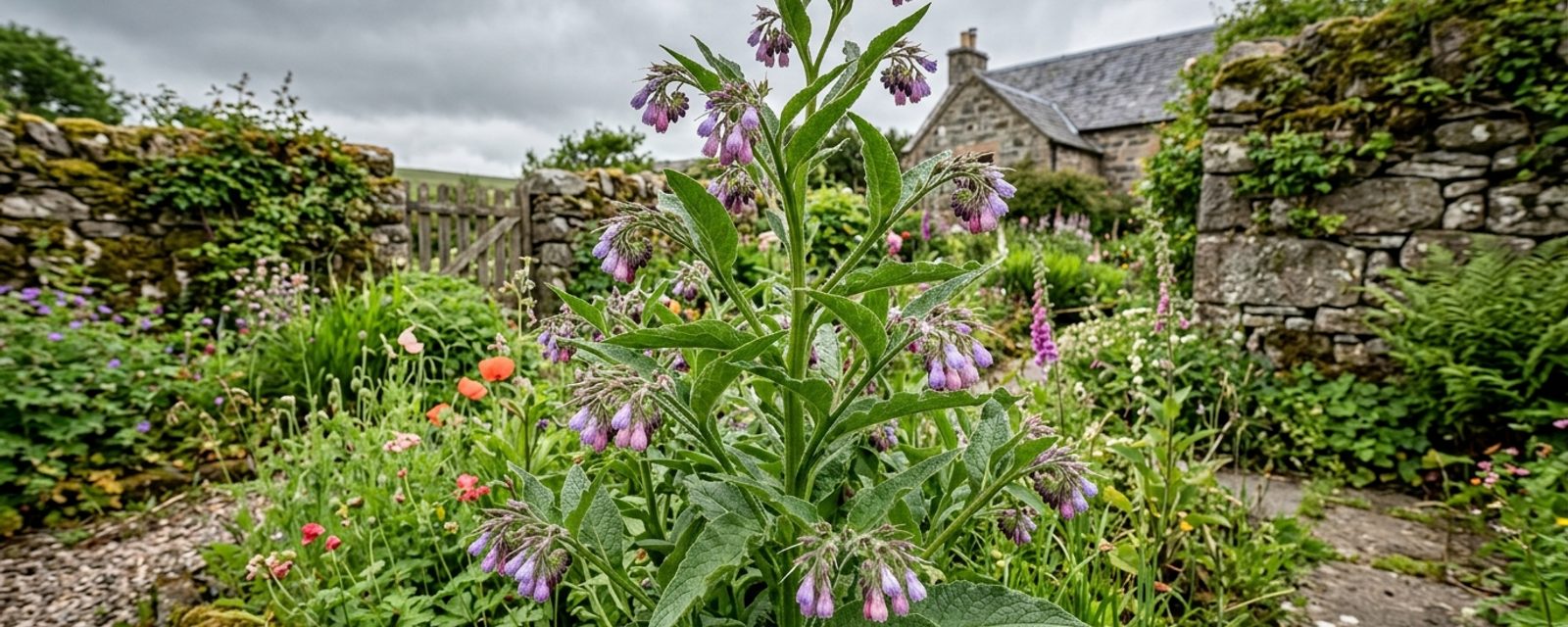 Best Comfrey Varieties for ScotlandBocking 14 is the right pick for a working feed patch: sterile, non-invasive, and the cultivar named specifically for liquid feed. Three ornamental forms suit ground cover instead.
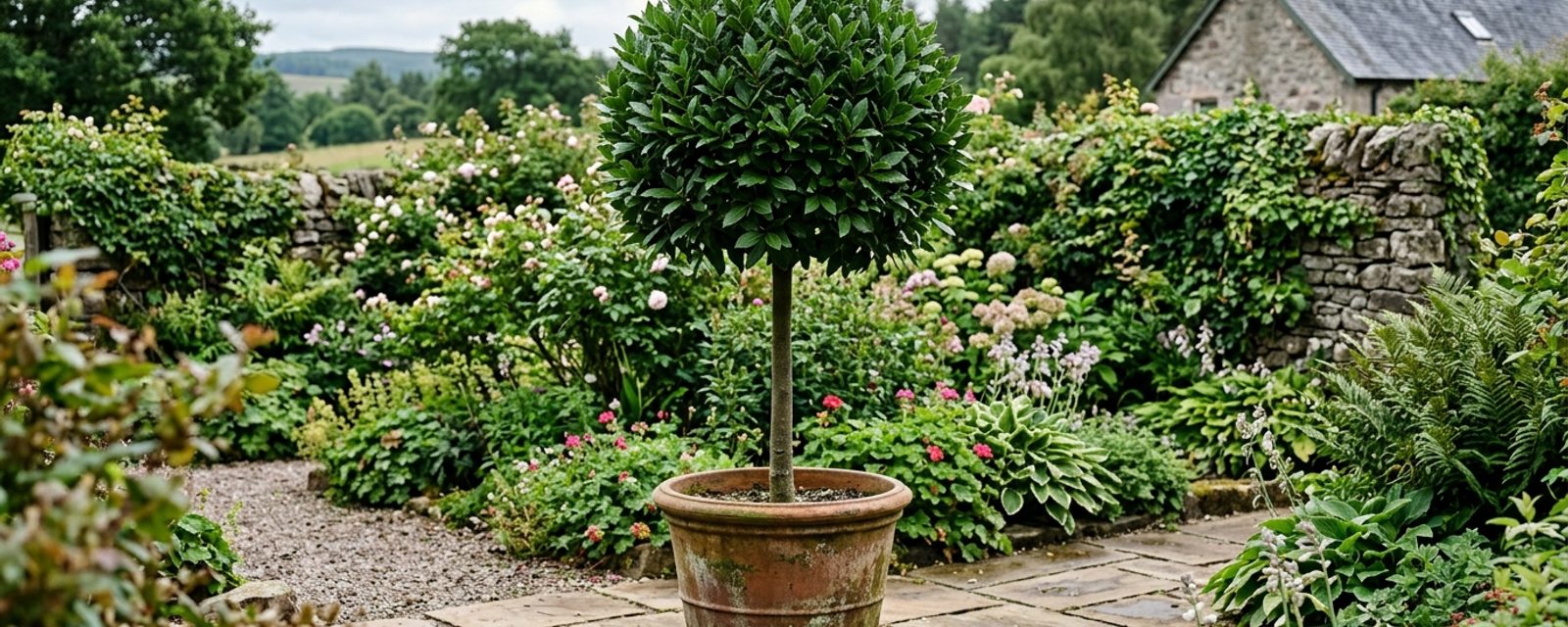 Best Bay Varieties for ScotlandPlain Laurus nobilis is the classic culinary bay and by far the most widely available, carrying the same H4 hardiness rating as 'Aurea' and f. angustifolia, so you lose nothing choosing it.
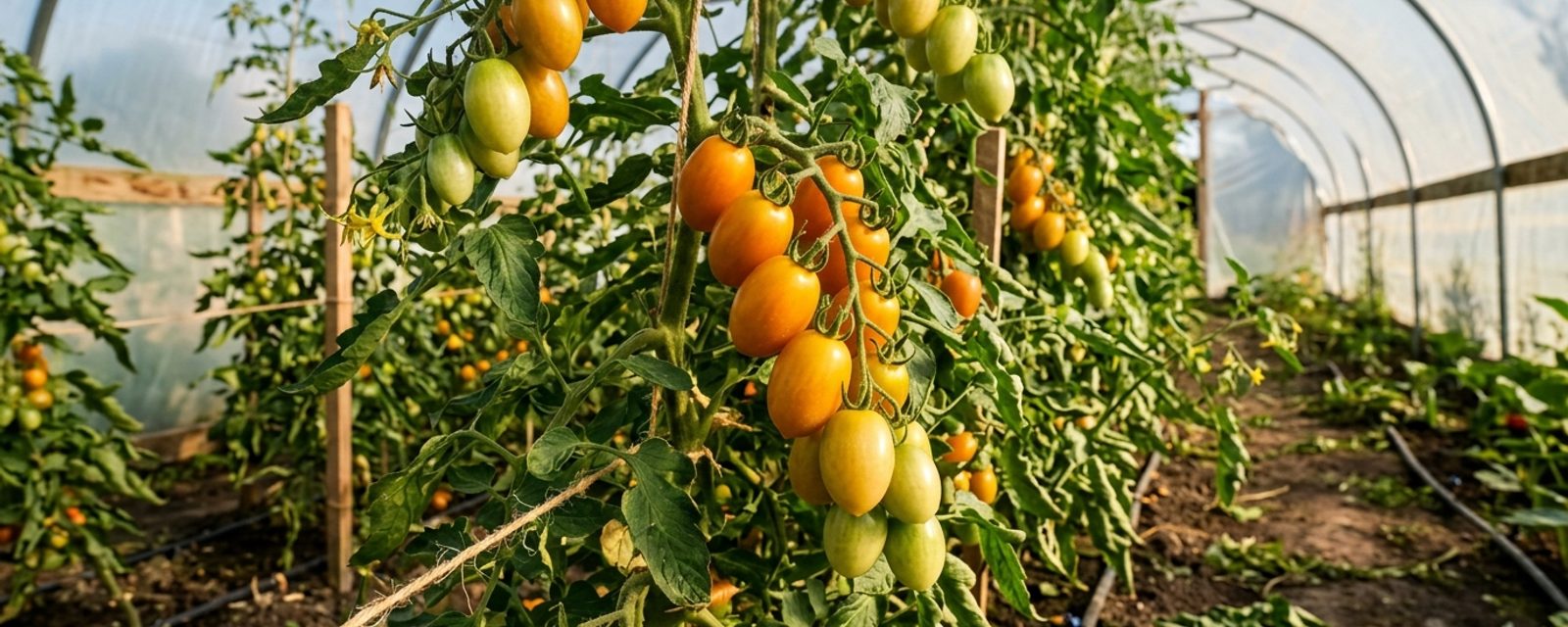 Best Tomato Varieties for ScotlandSungold remains the best all-round choice, ripening earliest under cover or in a sheltered spot. On an exposed outdoor plot, Legend or Crimson Crush carry documented blight resistance Sungold doesn't claim.
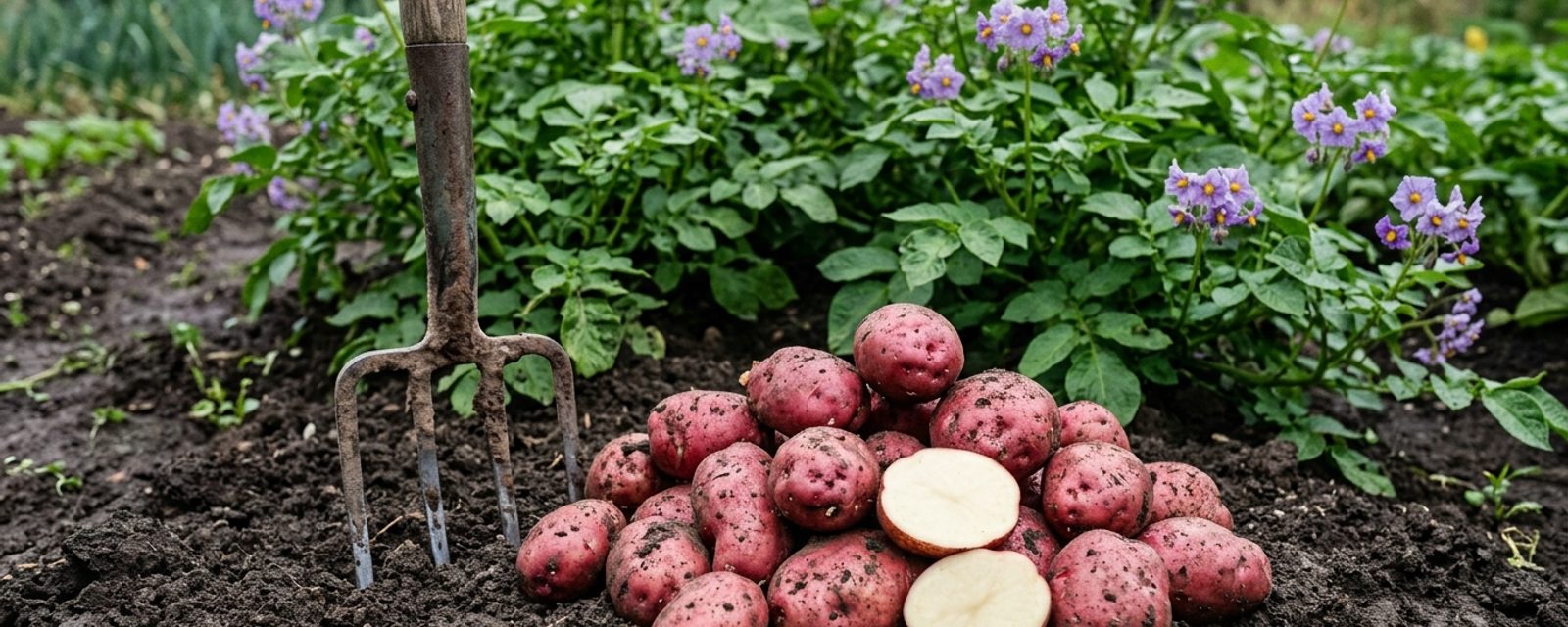 Best Potato Varieties for ScotlandSarpo Mira is the best all-round maincrop choice, bred specifically for blight resistance so it can stay in the ground through the riskiest part of a Scottish season.
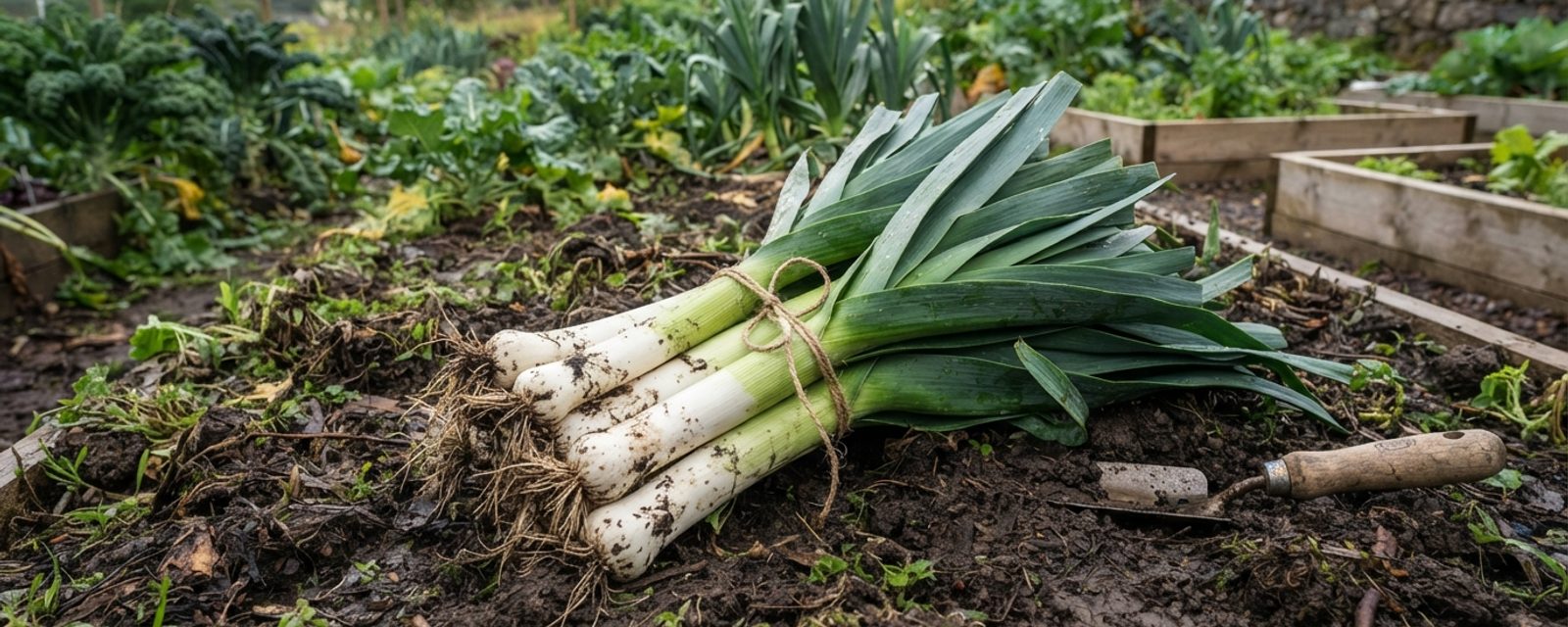 Best Leek Varieties for ScotlandOarsman carries the RHS's higher H5 hardiness rating and the AGM, the safest all-round choice for most Scottish gardens. Bandit suits the coldest, most exposed plots.
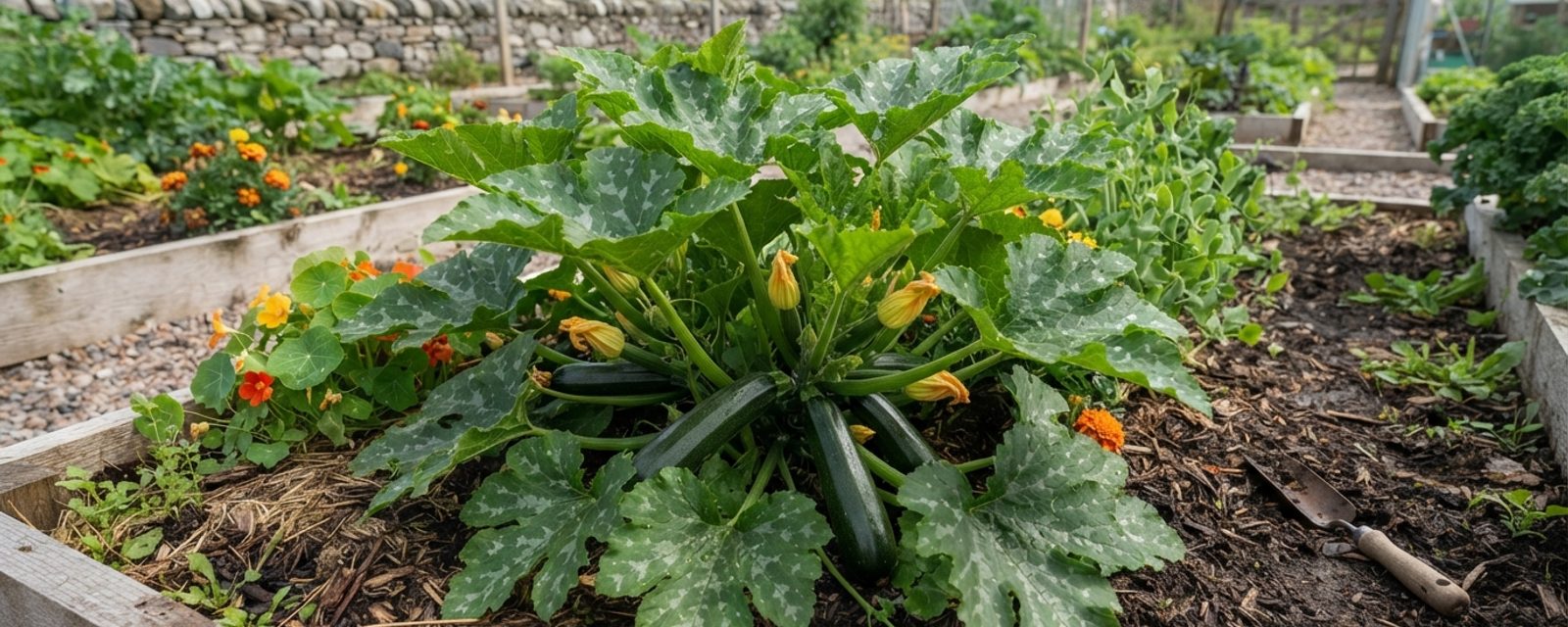 Best Courgette Varieties for ScotlandDefender combines excellent resistance to cucumber mosaic virus with a reliable, heavy crop, the strongest all-round choice. Tuscany is the better pick where powdery mildew is a known problem.
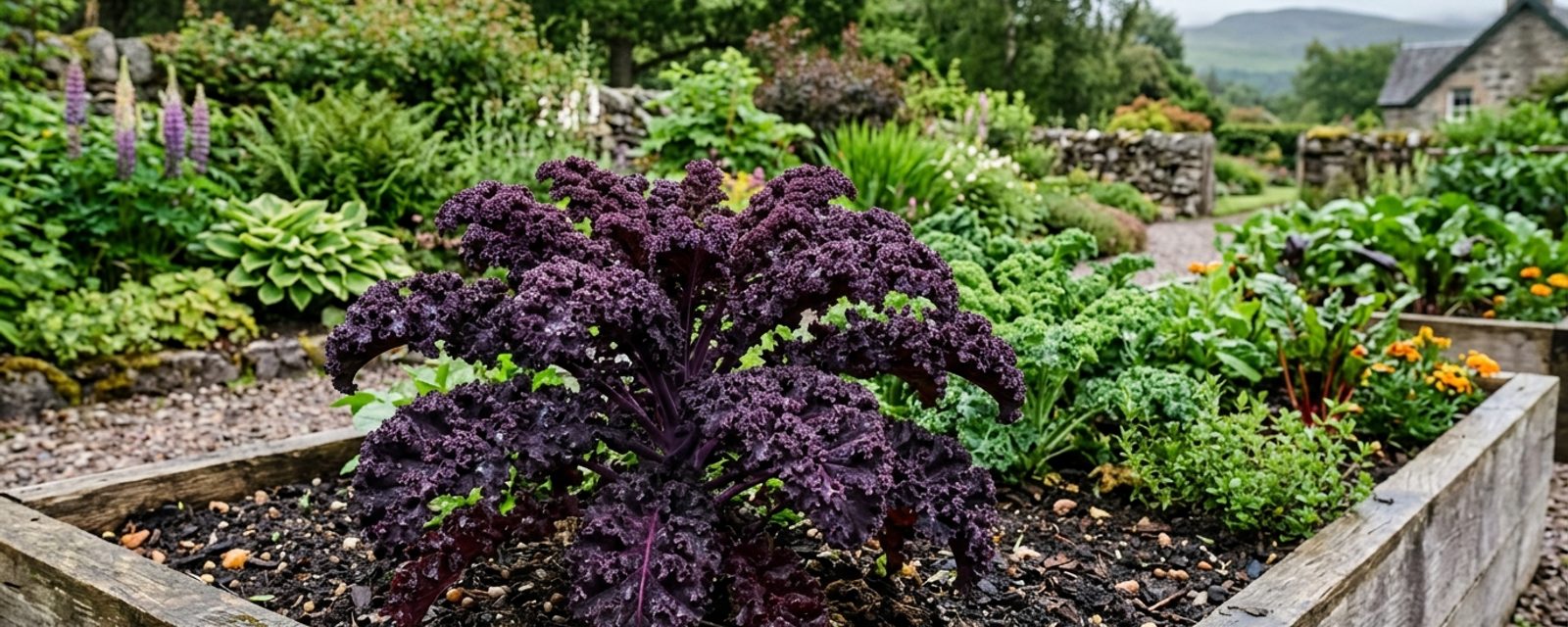 Best Kale Varieties for ScotlandStarbor is the best all-round choice: its compact 40cm x 45cm habit shrugs off wind that would flatten taller varieties, and it needs no staking. Redbor or Reflex suit a sheltered plot with more space.
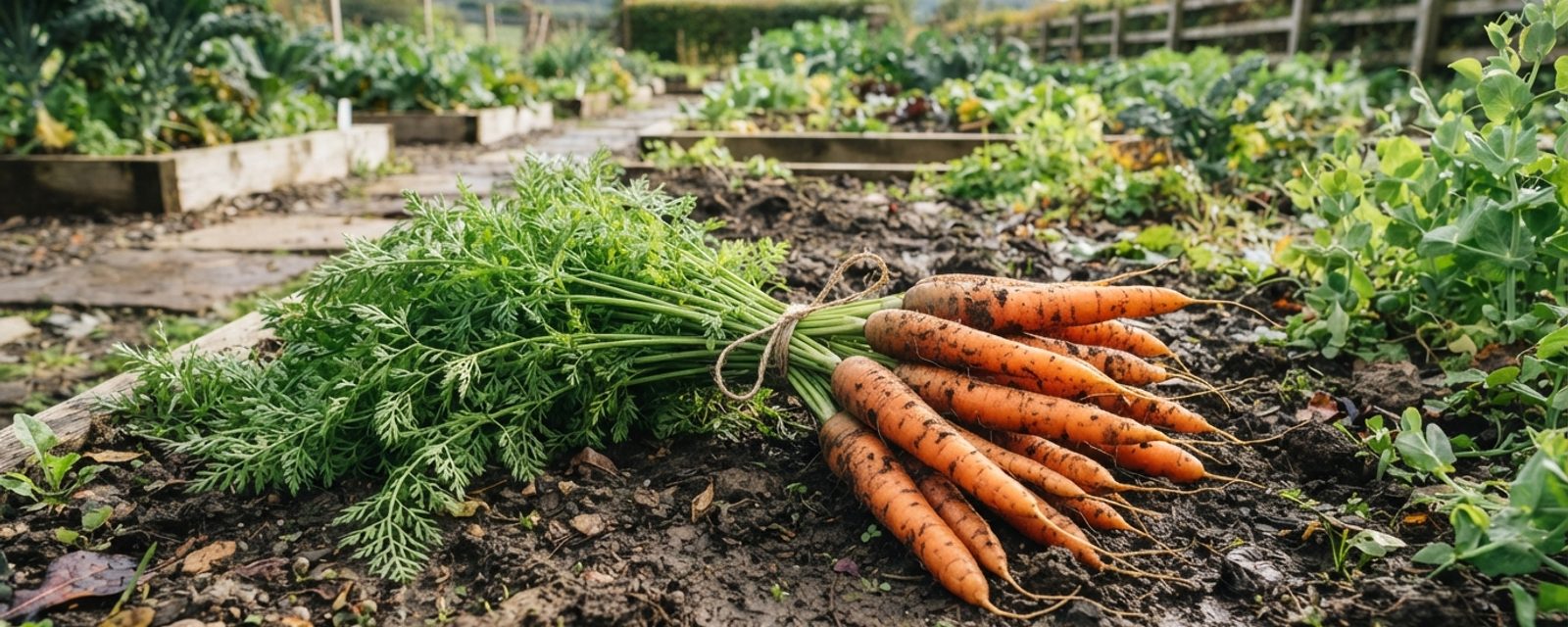 Best Carrot Varieties for ScotlandFlyaway is the best all-round pick: the only one of the six RHS Award-winning varieties with a stated resistance to carrot fly, the pest that's the most common reason gardeners give up on carrots.
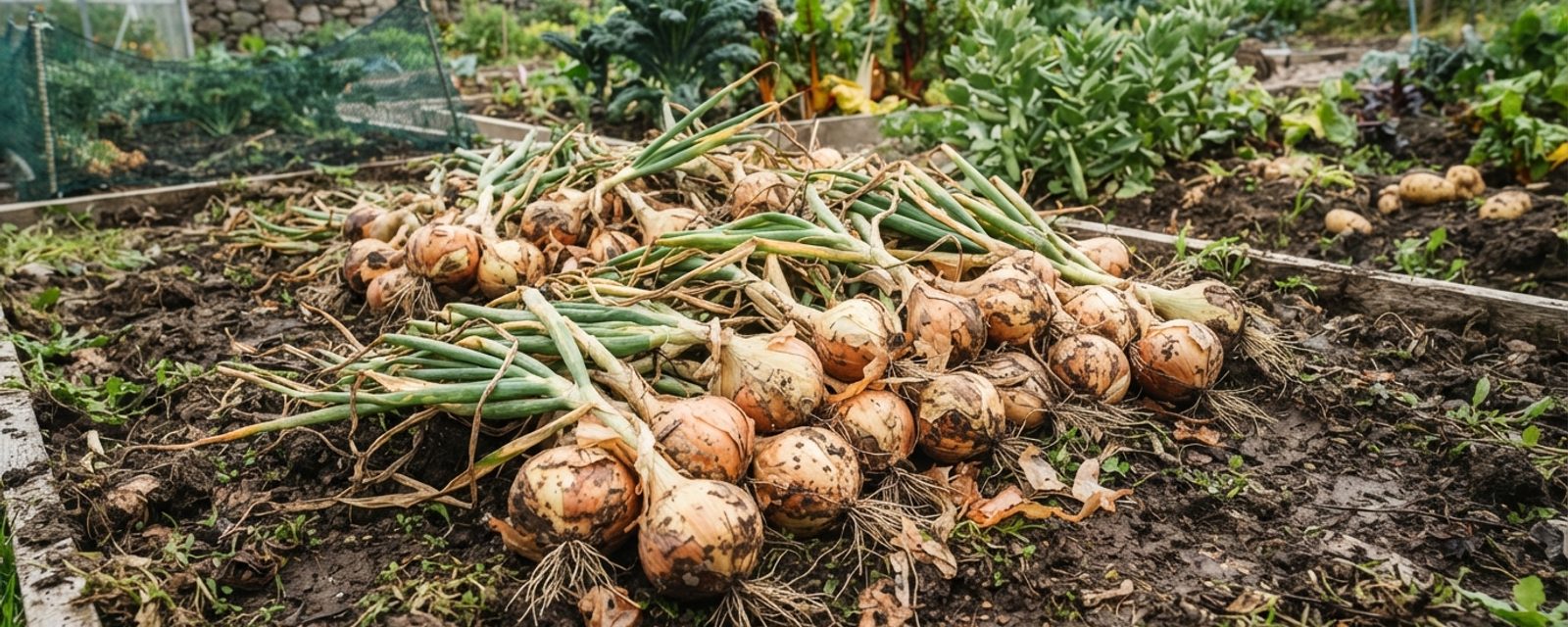 Best Onion Varieties for ScotlandSturon is the strongest overall pick, the only AGM onion variety whose own RHS plant page confirms both an autumn set and a spring set. Marshalls Red Fen is the other confirmed autumn option.
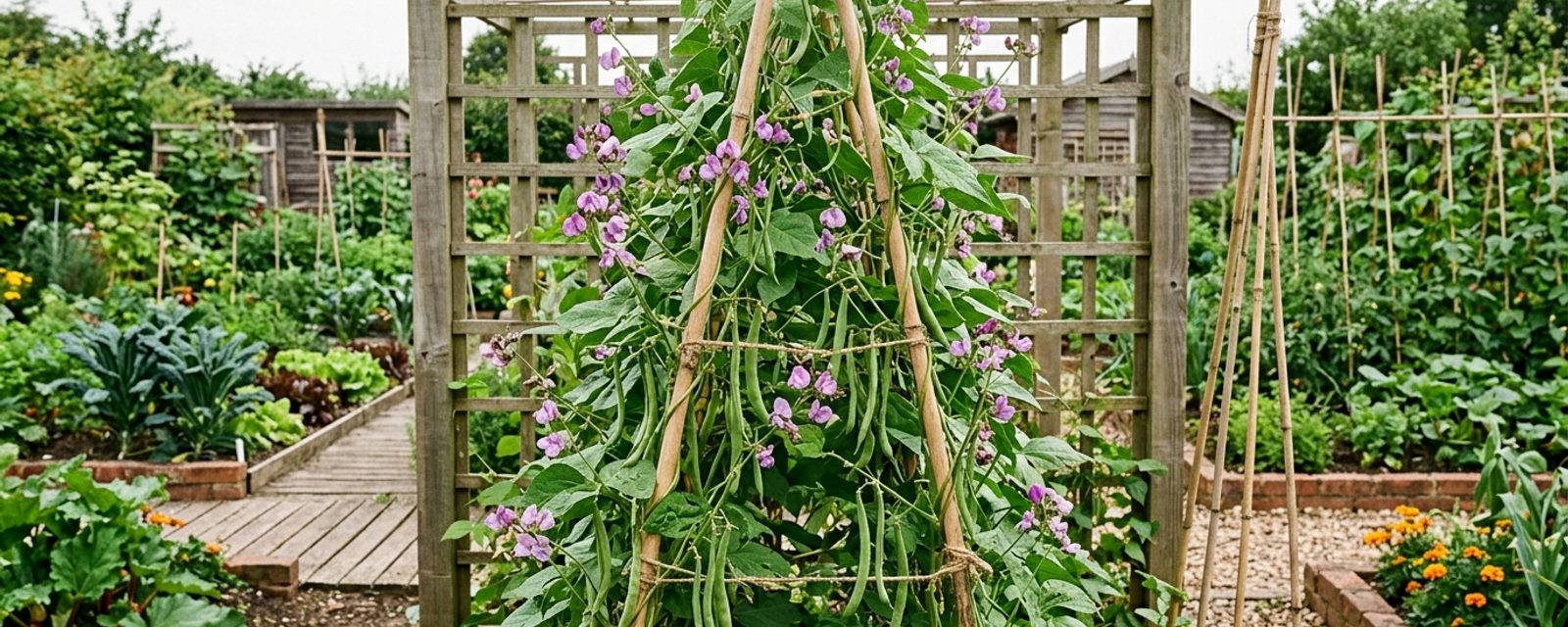 Best French Bean Varieties for ScotlandCobra is the best overall pick: a climbing variety that crops continuously for months from a small footprint, provided you can give it a support structure built to survive wind.
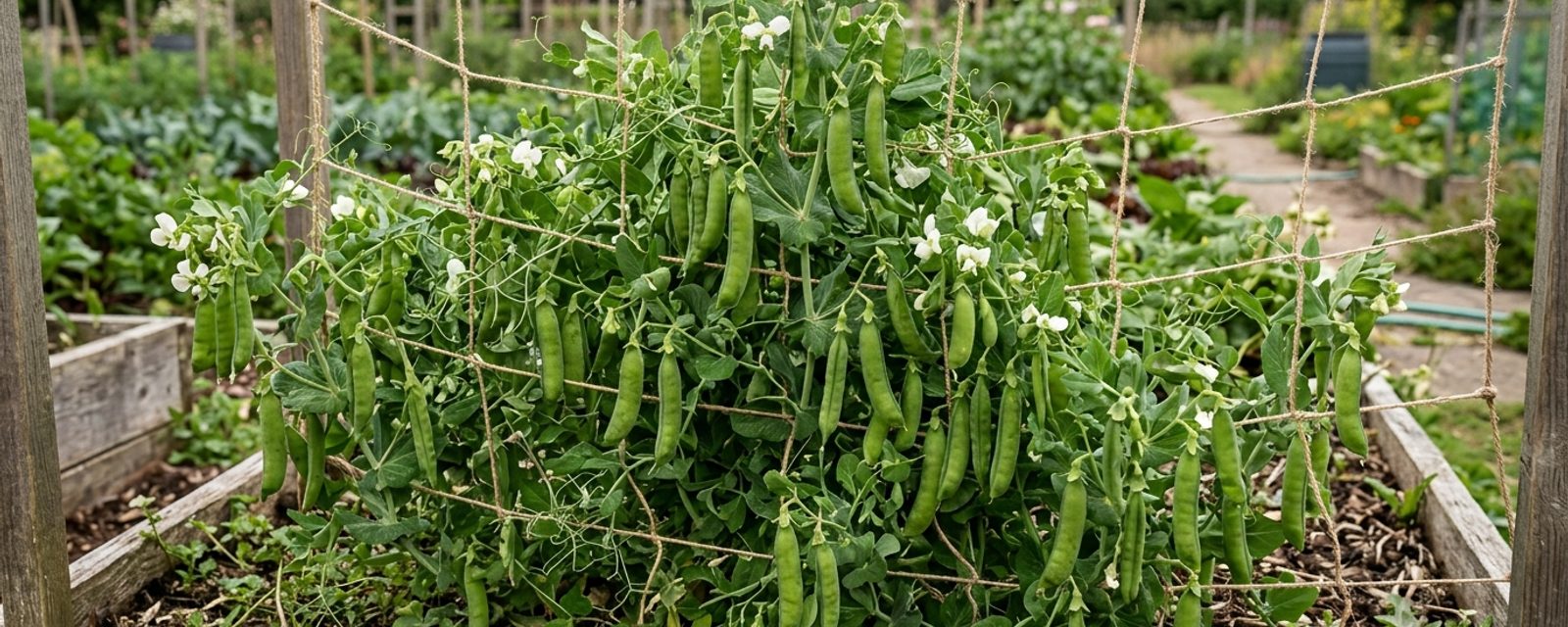 Best Pea Varieties for ScotlandHurst Green Shaft remains the strongest all-rounder: heavy-cropping, well-proven, and carrying documented resistance to downy mildew. Jaguar or Terrain resist both mildews for the latest possible harvest.
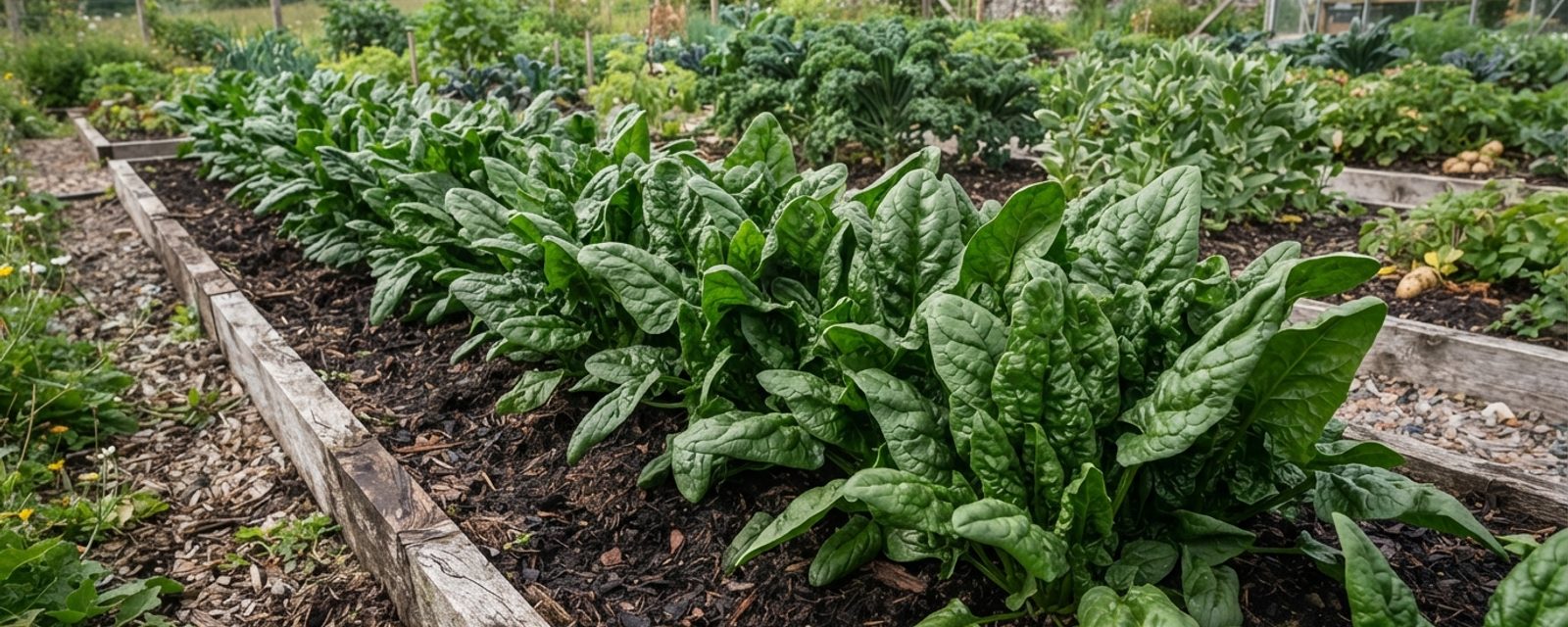 Best Spinach Varieties for ScotlandMikado is the best overall pick: slow to bolt with good bolt and mildew resistance, and the highest hardiness rating of the six AGM varieties. Amazon suits an autumn sowing carried through winter under cover.
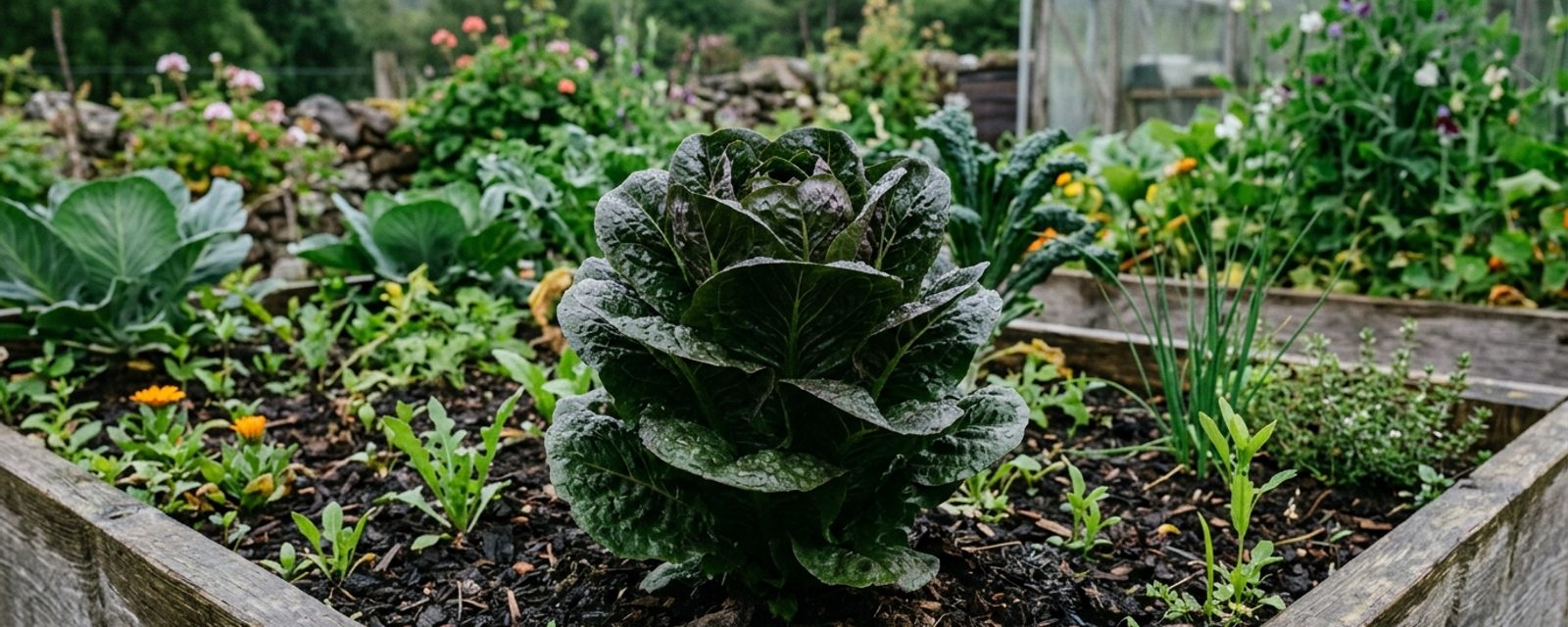 Best Lettuce Varieties for ScotlandWinter Density is the only AGM lettuce with both stated overwintering ability and stated bolt resistance, covering Scotland's two real lettuce failure points: the early-spring hungry gap and cold-snap bolting.
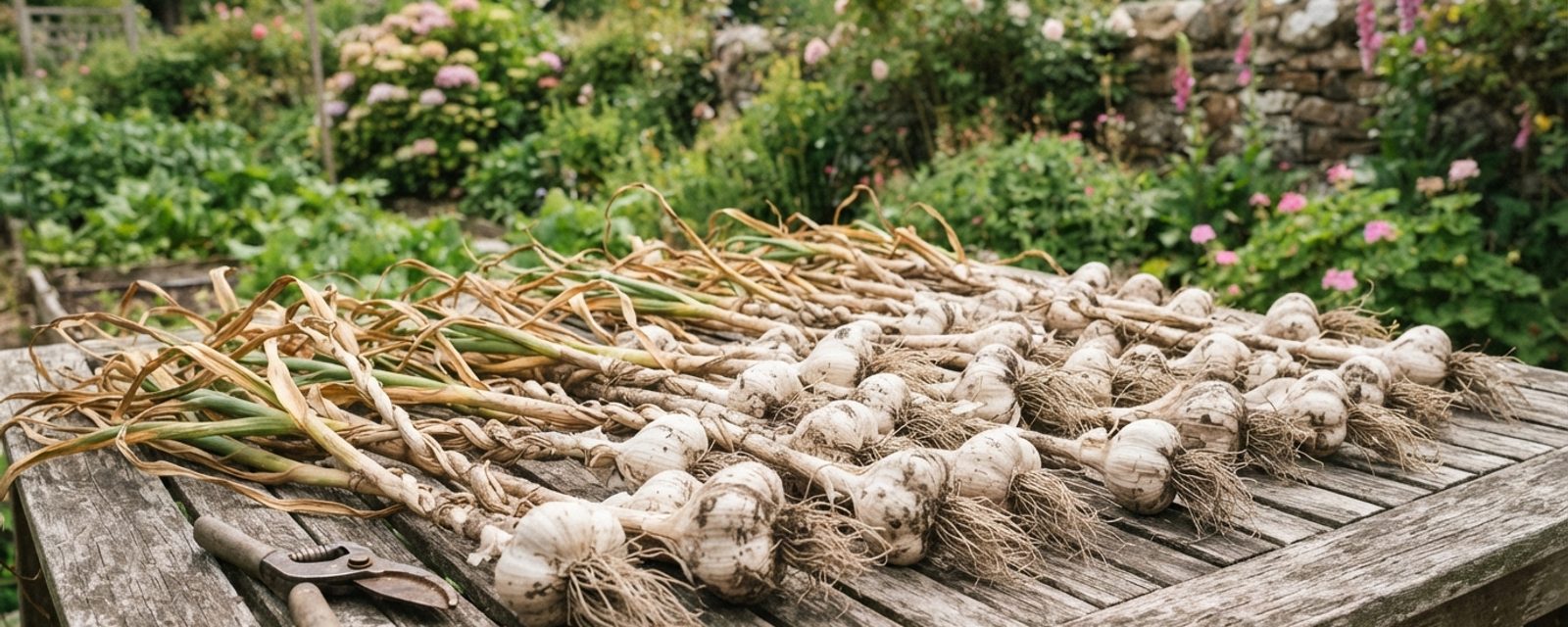 Best Garlic Varieties for ScotlandCristo is the best overall pick: it holds the AGM, is rated hardy to -10°C, and stores for months. Lautrec Wight, a hardneck, is better matched to a genuinely exposed site despite carrying no AGM.
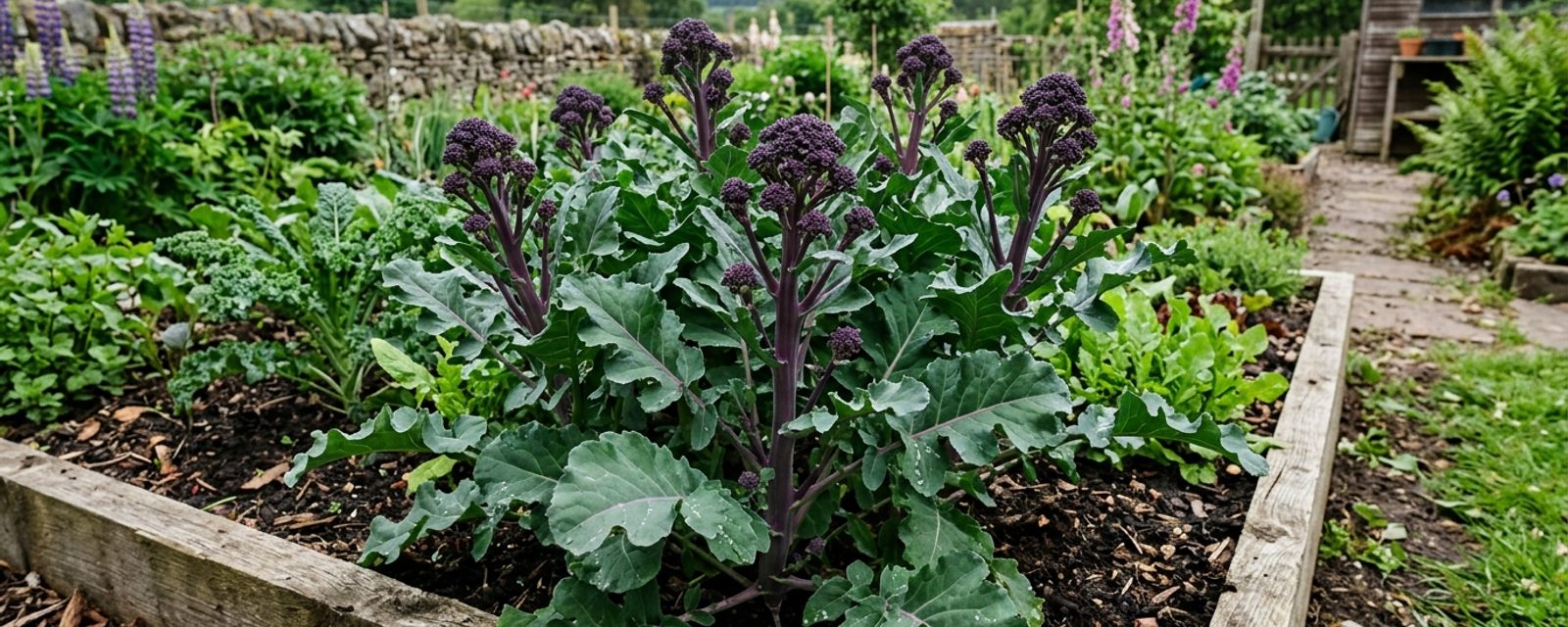 Best Broccoli Varieties for ScotlandRed Fire is the strongest all-round choice: it holds the RHS AGM, carries the top H5 hardiness rating, and is the only one of the five recommended varieties with an explicit 'over-winters well' claim.
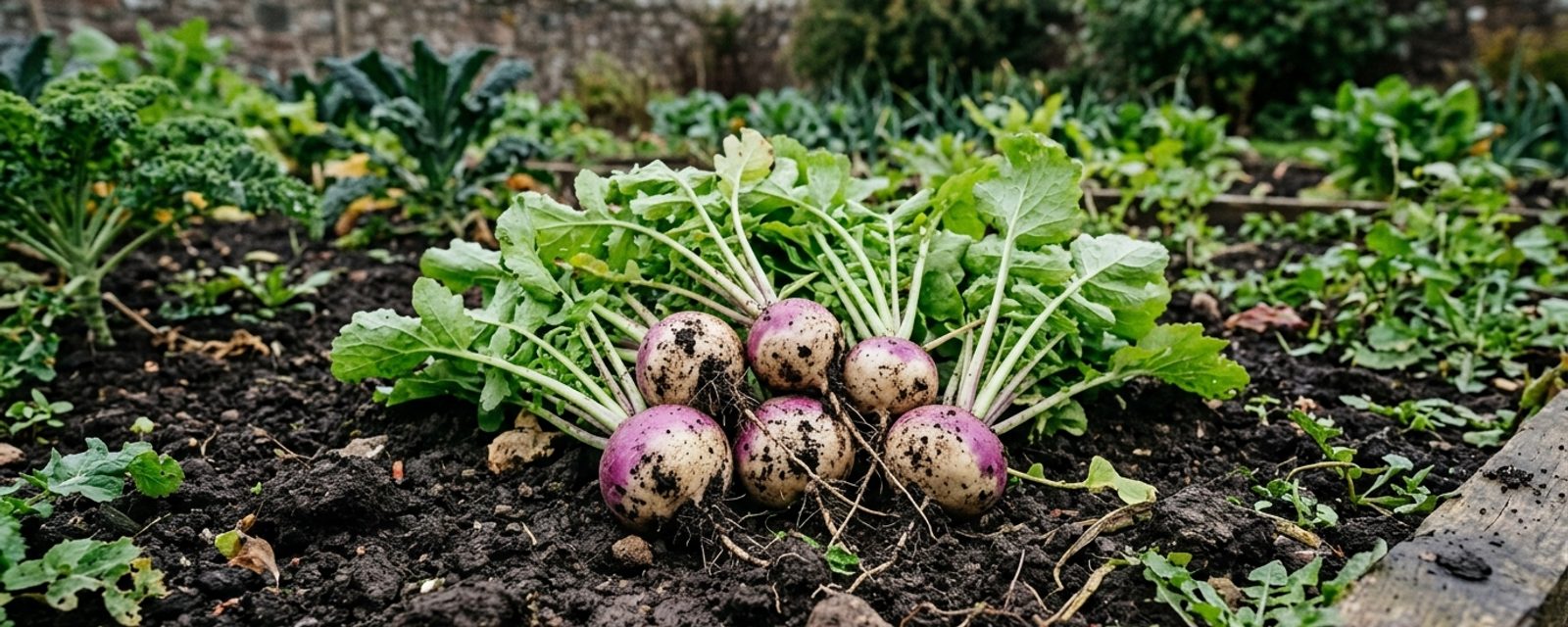 Best Turnip Varieties for ScotlandOasis is the best all-round choice: a Japanese-type turnip that's genuinely slow to bolt, which matters when a run of dry weather would otherwise send other varieties to seed.
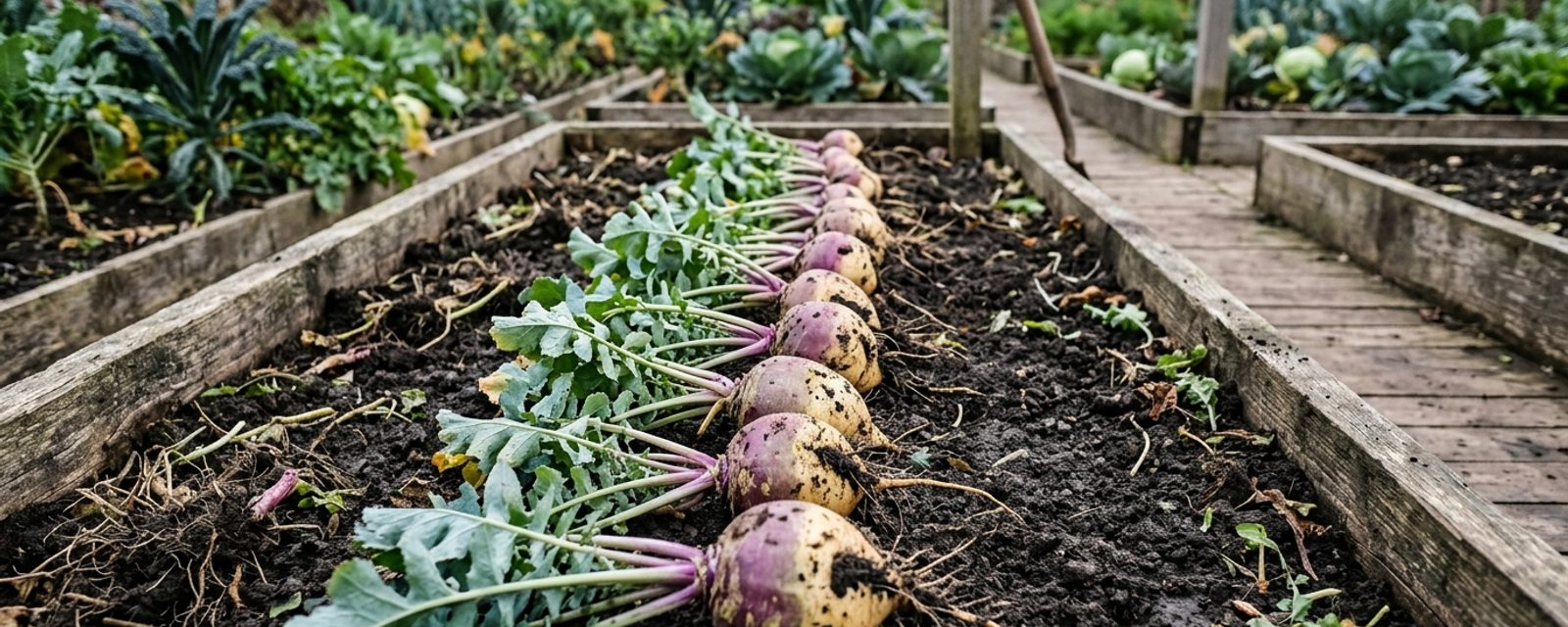 Best Swede Varieties for ScotlandGowrie is the best all-round pick, but none of the three RHS Award of Garden Merit varieties resist clubroot. Marian, a non-AGM variety, is the only one that does.
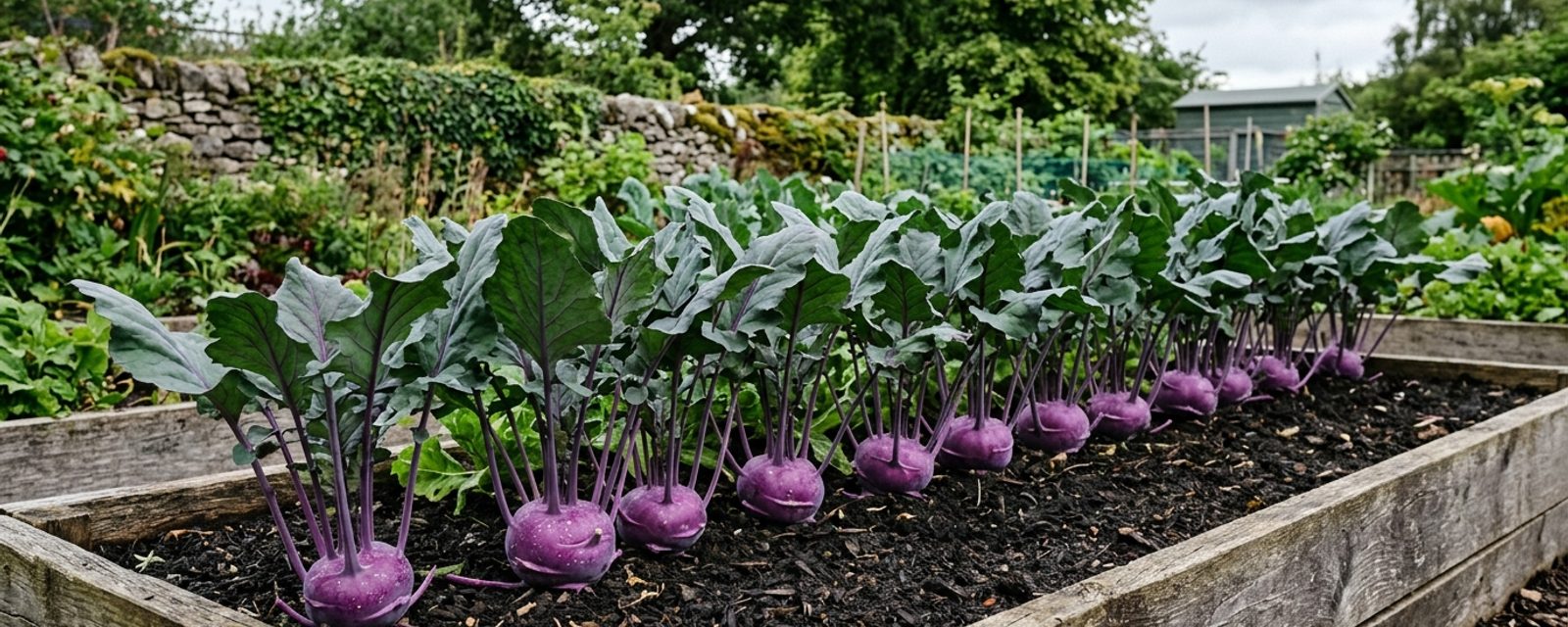 Best Kohlrabi Varieties for ScotlandOlivia is the best overall pick: slow to bolt and tolerant of mildew, which suits the unpredictable spring swings that trigger premature flowering in this climate.
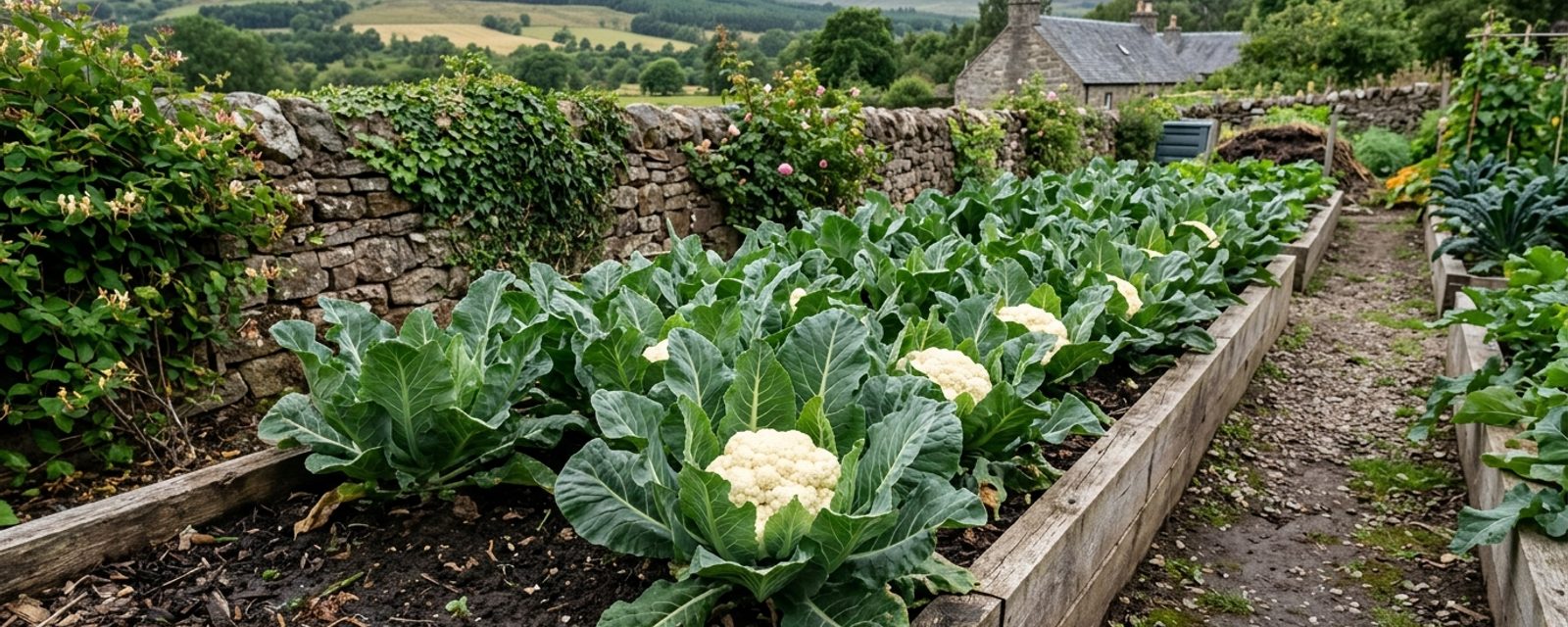 Best Cauliflower Varieties for ScotlandClapton is the safest all-rounder, and Jerome carries the highest official hardiness rating of any AGM cauliflower, H5, versus H3 for most of the others.
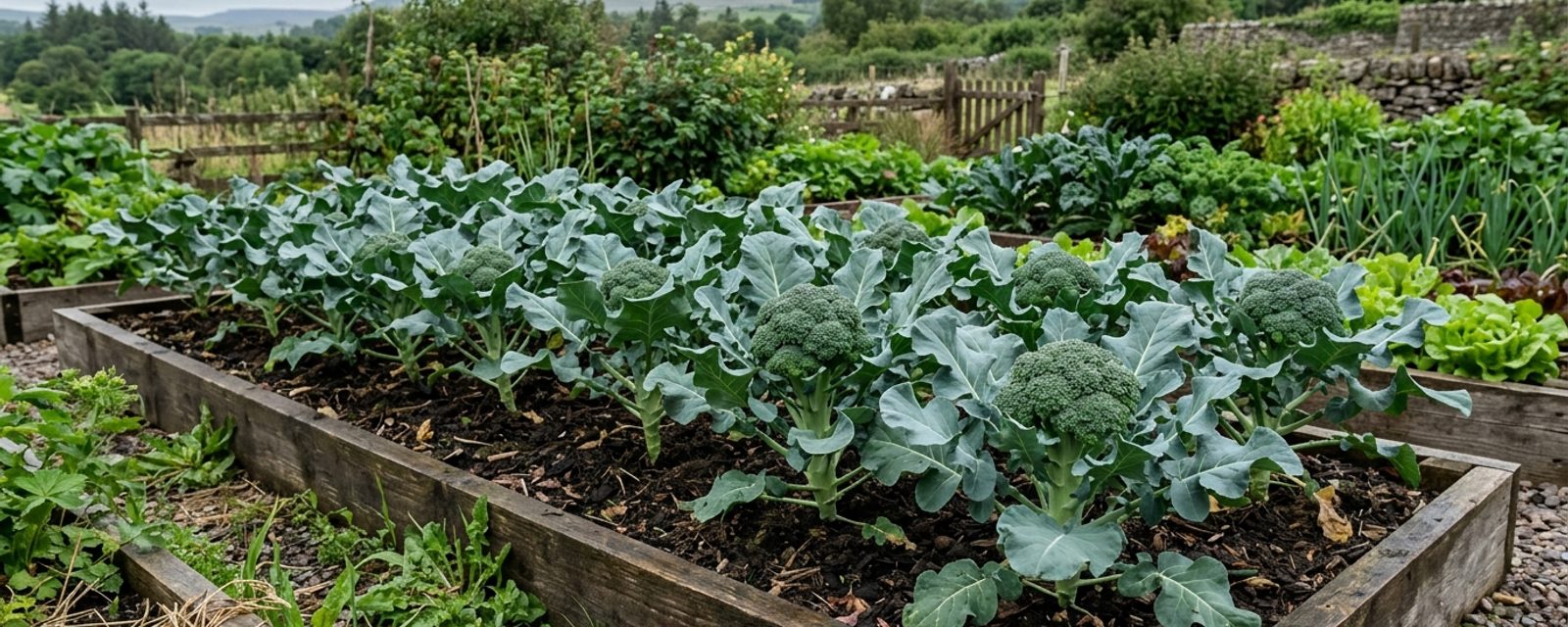 Best Calabrese Varieties for ScotlandMarathon is the strongest all-round choice, its AGM is confirmed directly on its own page. Green Magic and Kabuki are also good varieties, but their AGM status is unconfirmed on their own pages.
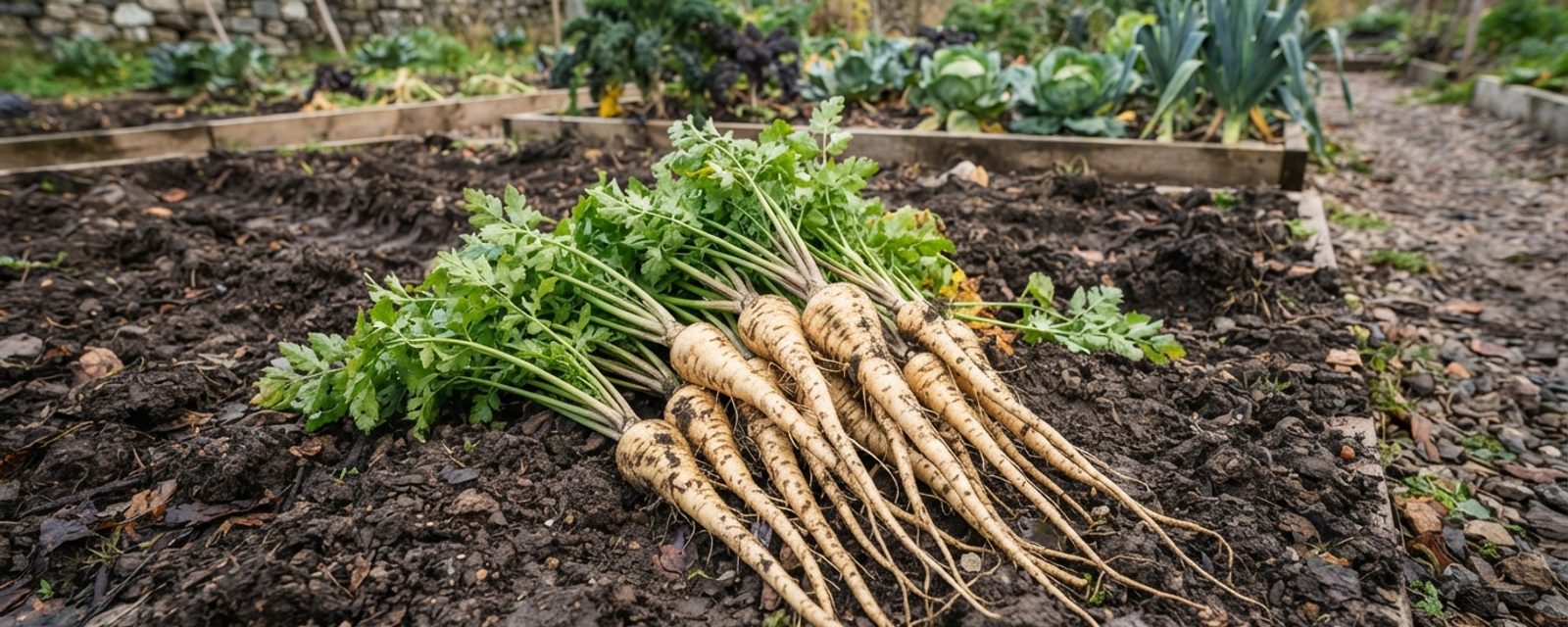 Best Parsnip Varieties for ScotlandGladiator is the strongest all-round choice: confirmed canker resistance on its own plant page, and it copes with a wider range of soils than most.
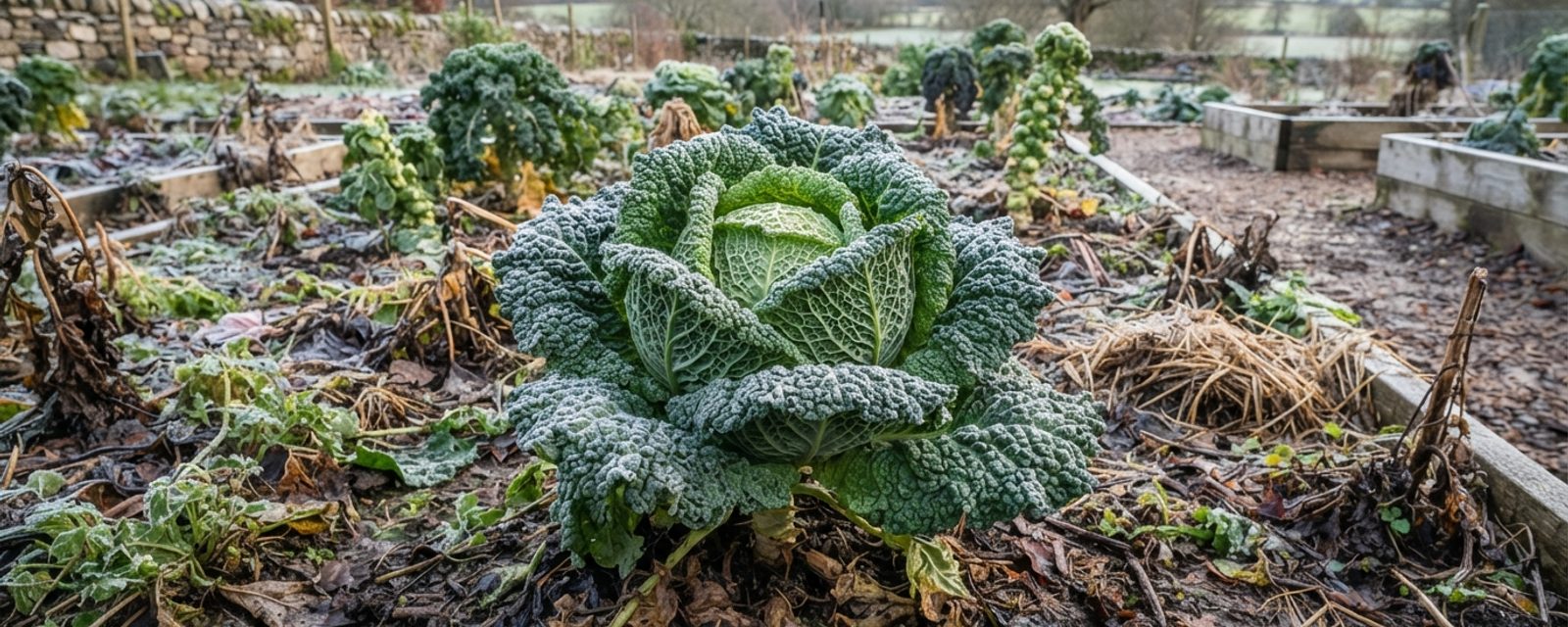 Best Cabbage Varieties for ScotlandTundra is the only AGM variety built to stand as a mature head right through a Scottish winter. Advantage carries the highest hardiness rating (H6) for spring greens instead.
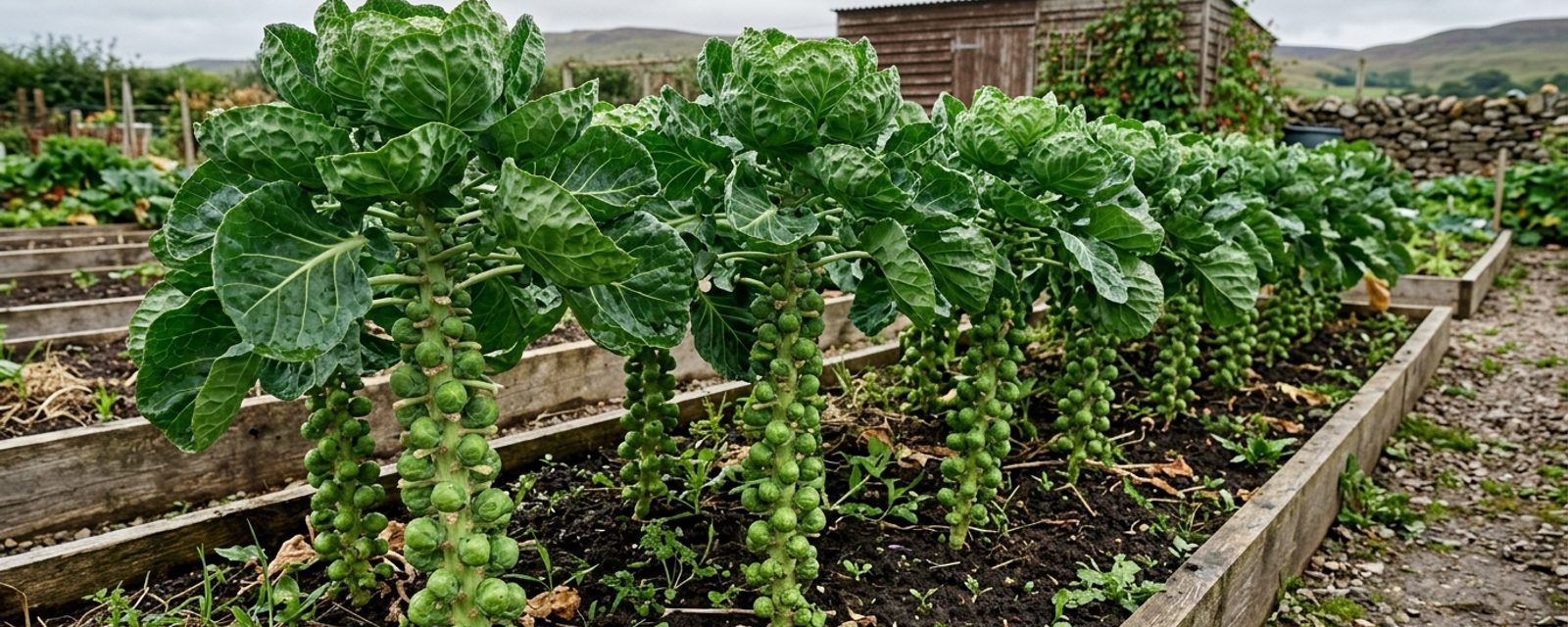 Best Brussels Sprout Varieties for ScotlandCrispus and Maximus have their club root resistance confirmed on their own individual RHS pages; Cascade's resistance claim only appears on the general growing guide.
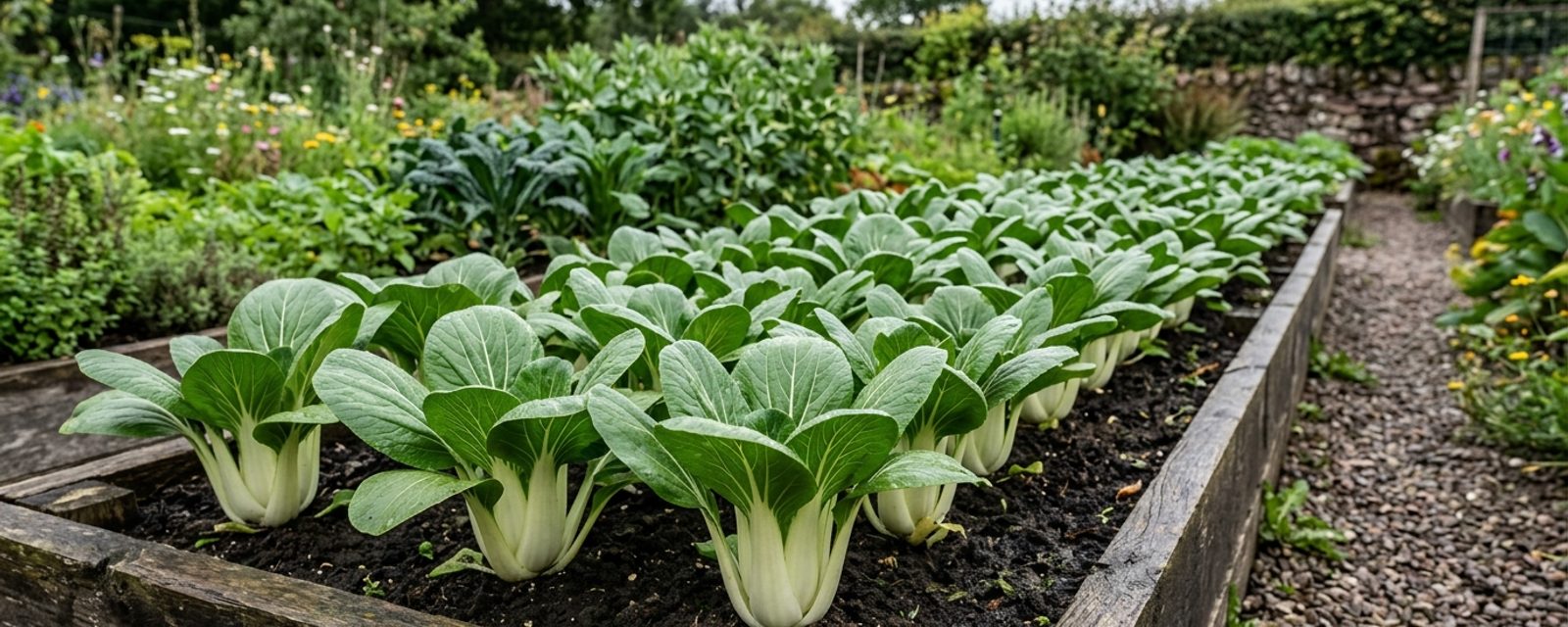 Best Pak Choi Varieties for ScotlandGlacier is the best overall choice: the hardiest of the four (H5, down to -15°C), bred to suit the British climate, with slower bolting and a longer cropping season.
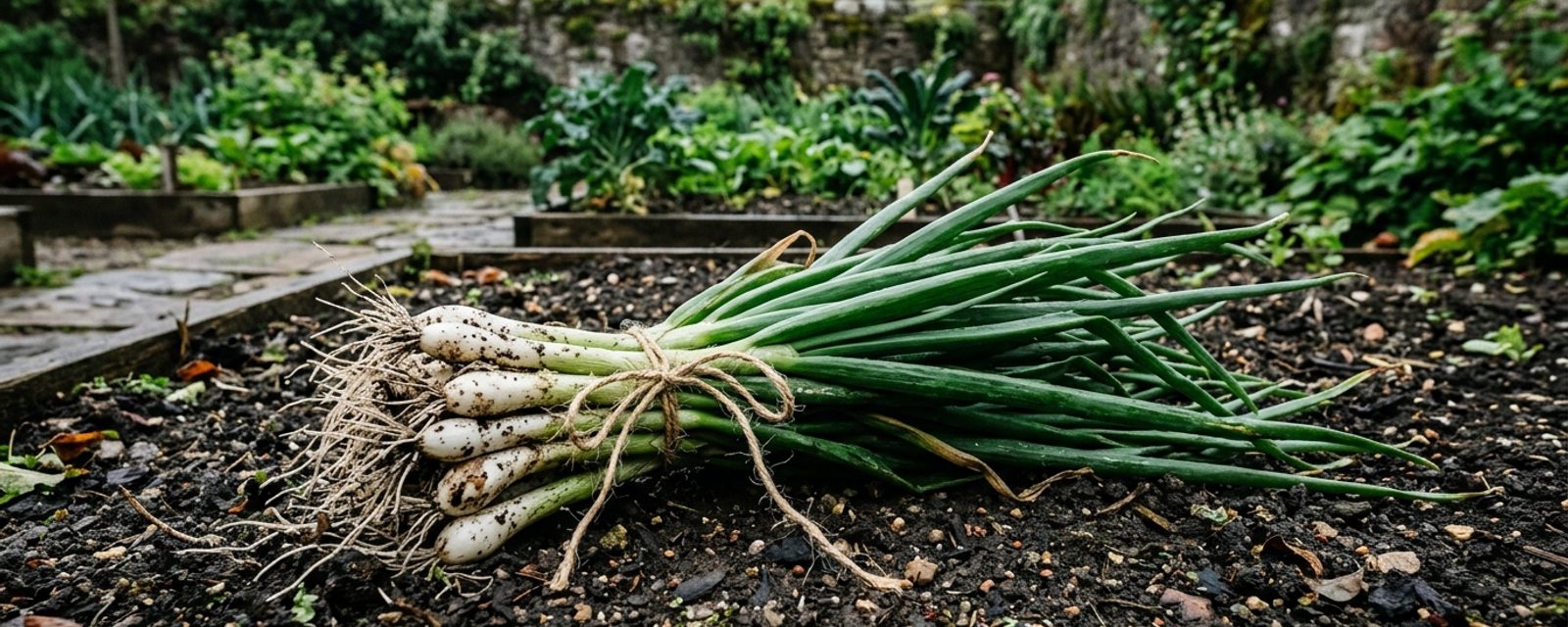 Best Spring Onion Varieties for ScotlandWhite Lisbon is the best all-rounder: the only RHS-named variety for both summer succession sowing and a hardy autumn sowing that overwinters for an early spring crop.
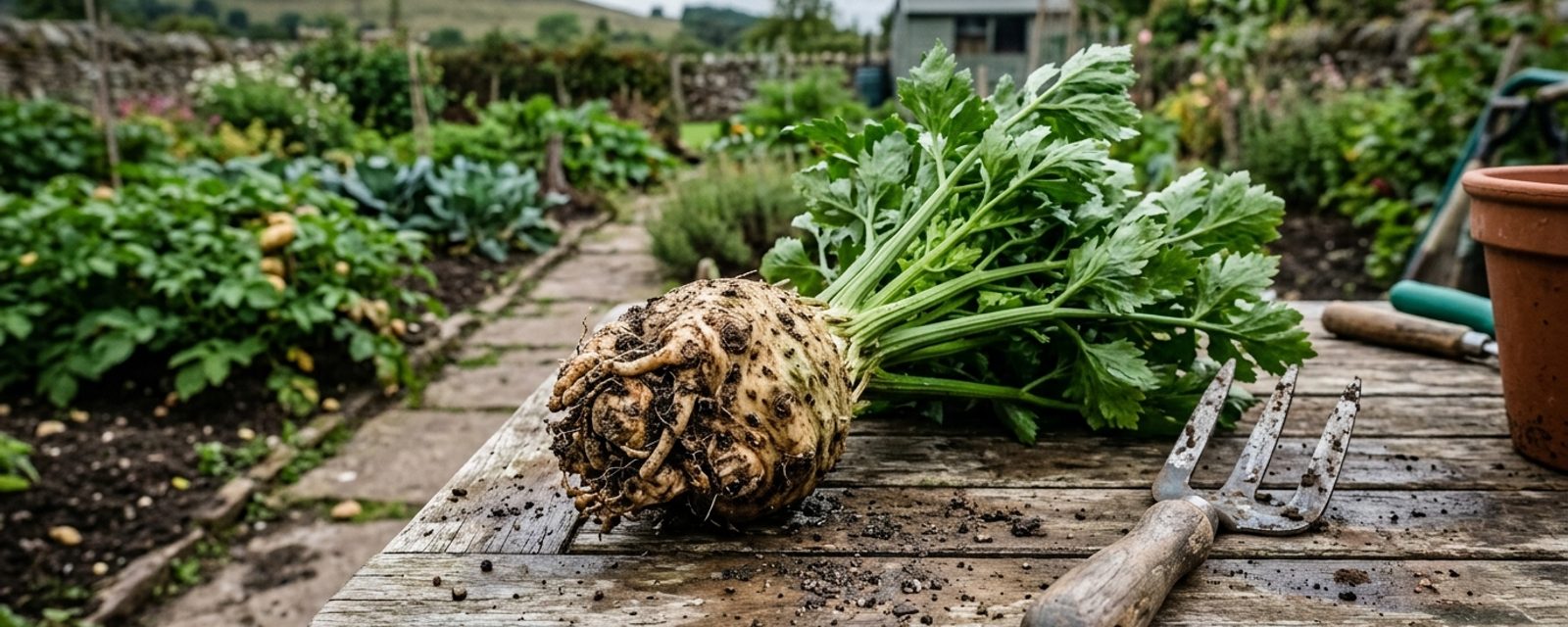 Best Celeriac Varieties for ScotlandAsterix is the strongest starting point for a short Scottish season, named directly as earliest of the six to reach cropping size. Ibis carries the most concretely sourced bolt-resistance claim.
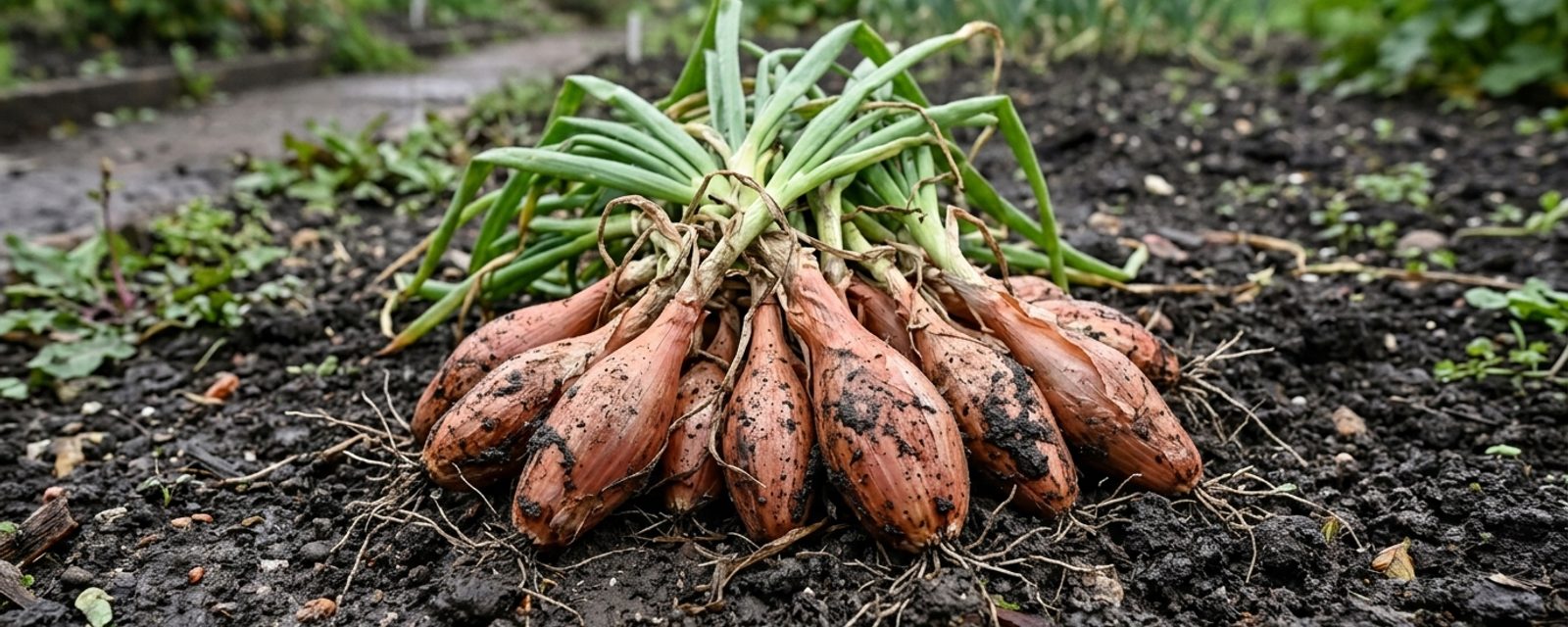 Best Shallot Varieties for ScotlandLongor is the best all-rounder. Zebrune resists bolting, Meloine resists onion downy mildew, two separate failure modes with no single variety solving both.
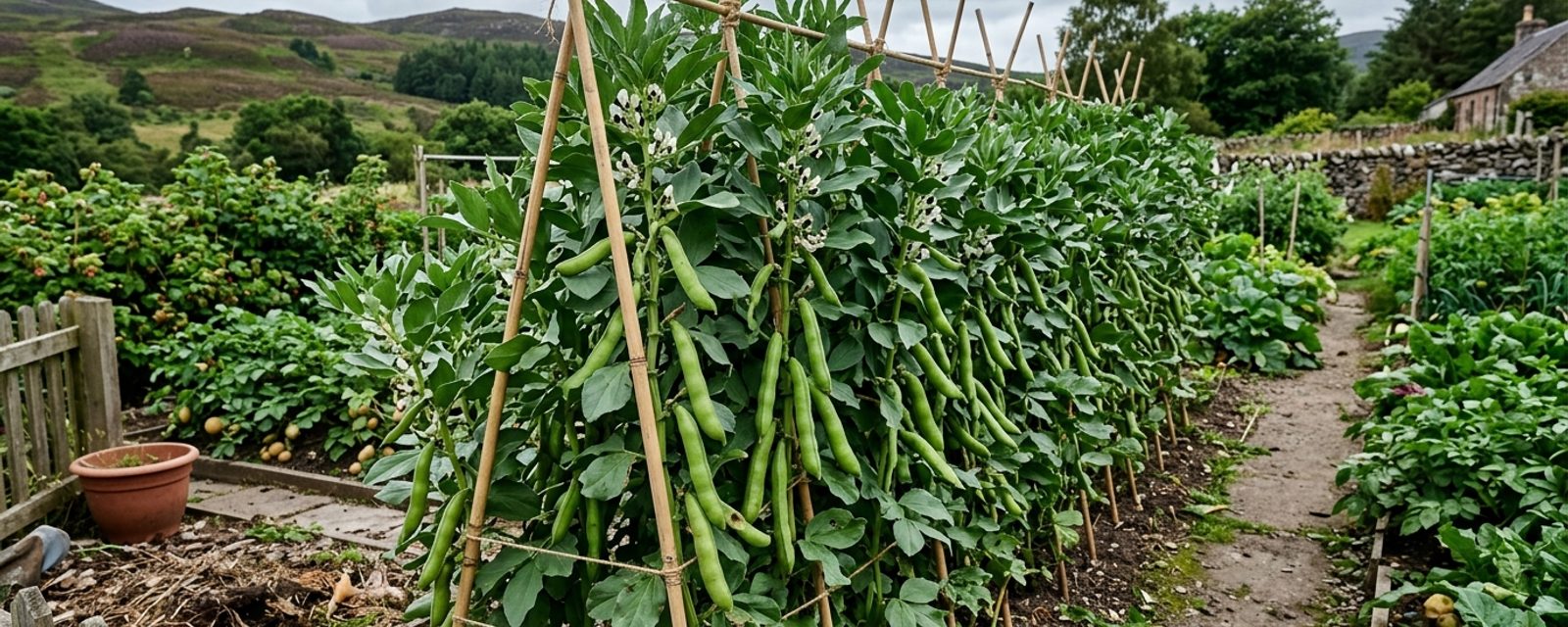 Best Broad Bean Varieties for ScotlandAquadulce Claudia is the hardiest and best all-rounder. The Sutton suits wind and containers, Witkiem Manita a spring-only sowing window, and Dreadnought carries a genuine RHS AGM discrepancy.
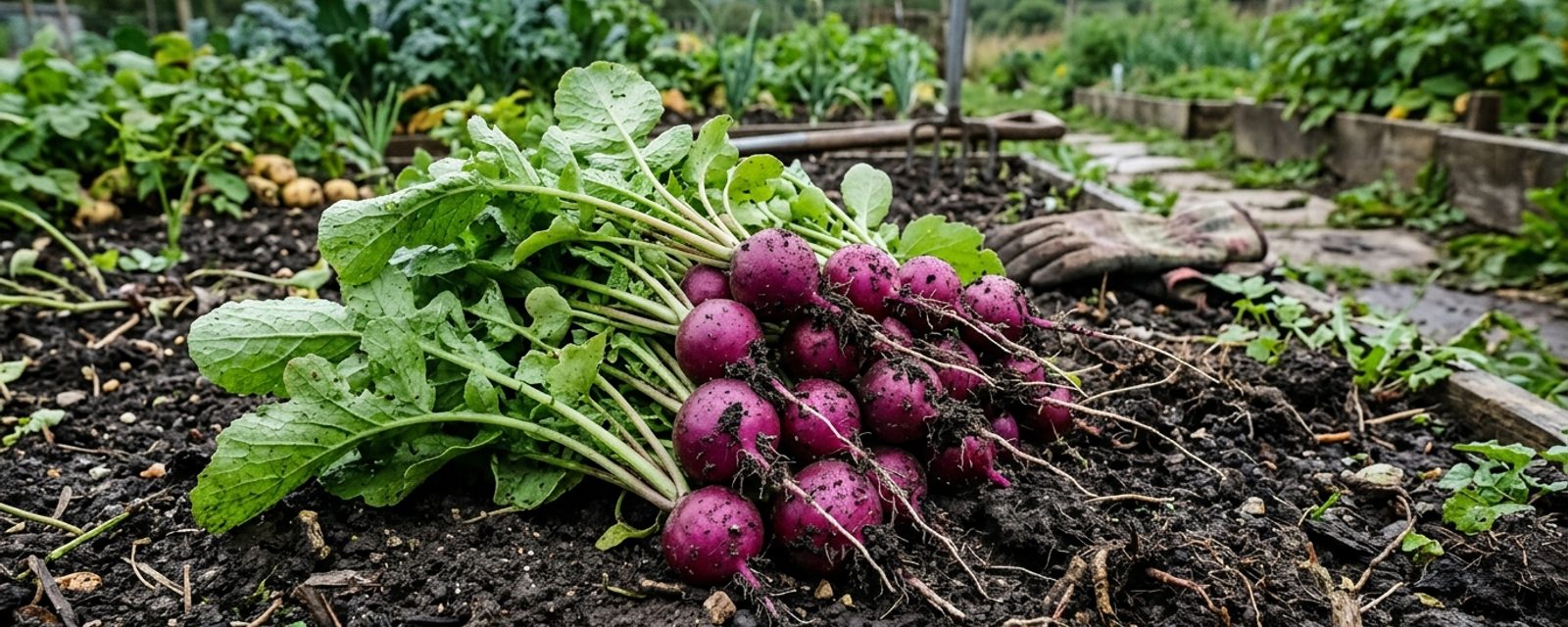 Best Radish Varieties for ScotlandScarlet Globe is the safest salad radish pick, confirmed AGM on its own plant page. Black Spanish Round is the best winter option, but a real correction: it is not actually AGM.
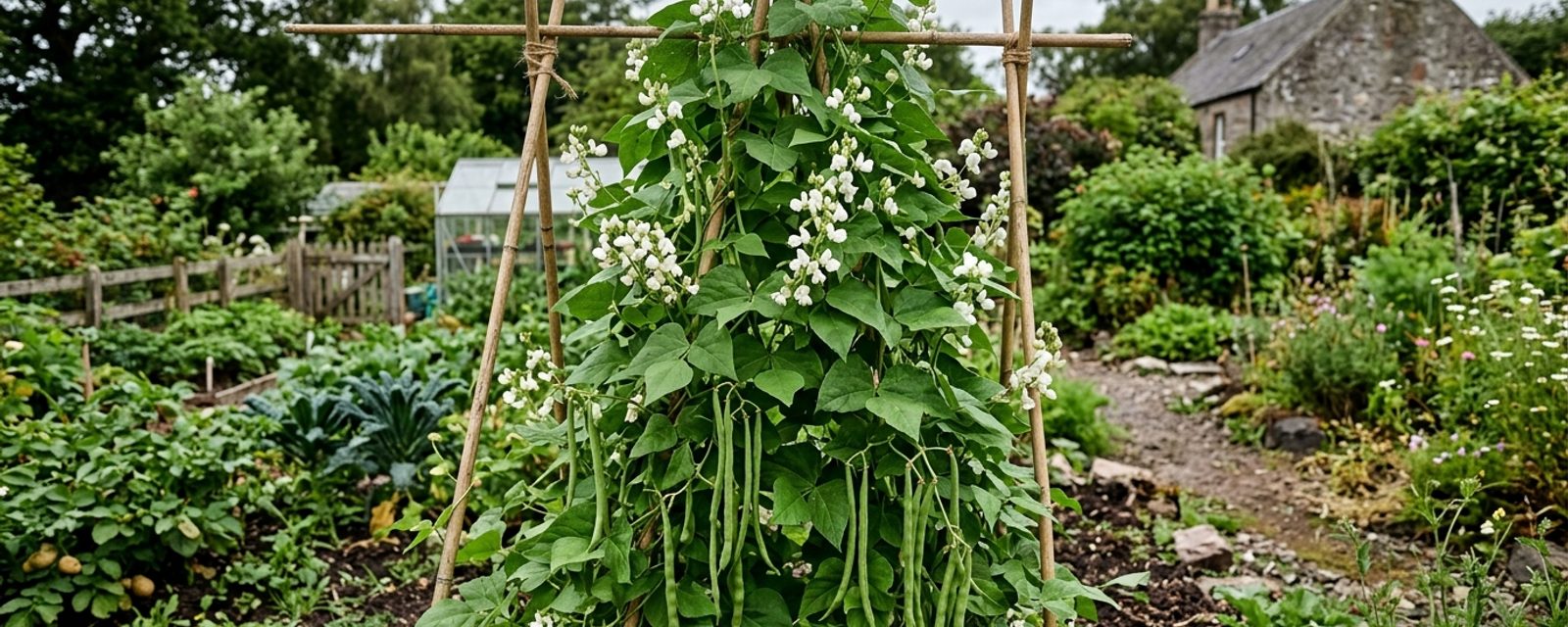 Best Runner Bean Varieties for ScotlandStardust is the strongest pick for Scotland: self-fertile, sidestepping the cold/wet/windy pollination problem most Scottish summers pose, though its AGM only appears on one of two RHS pages.
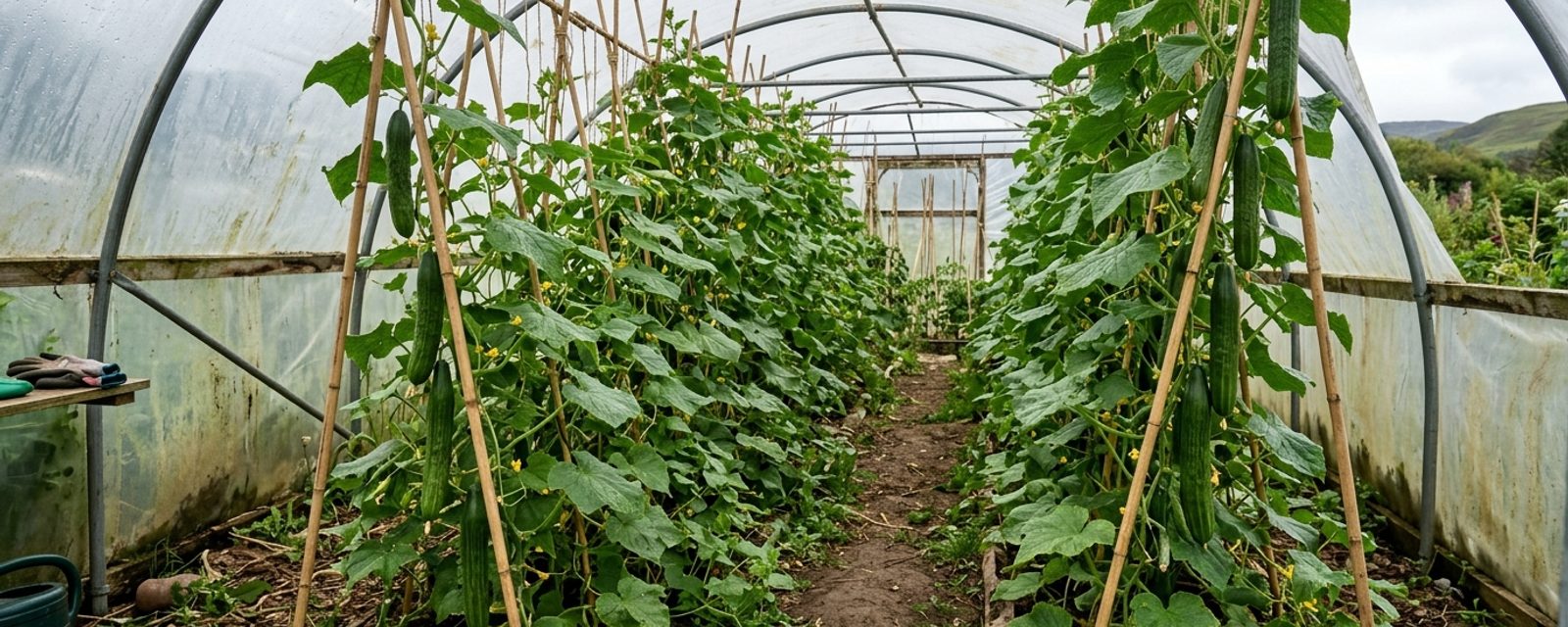 Best Cucumber Varieties for ScotlandCarmen is the best all-round greenhouse pick for disease resistance under humid Scottish glass. Marketmore for open ground, and a real correction: Lili, Emilie and Delistar are all AGM-tagged on the general page but not their own.
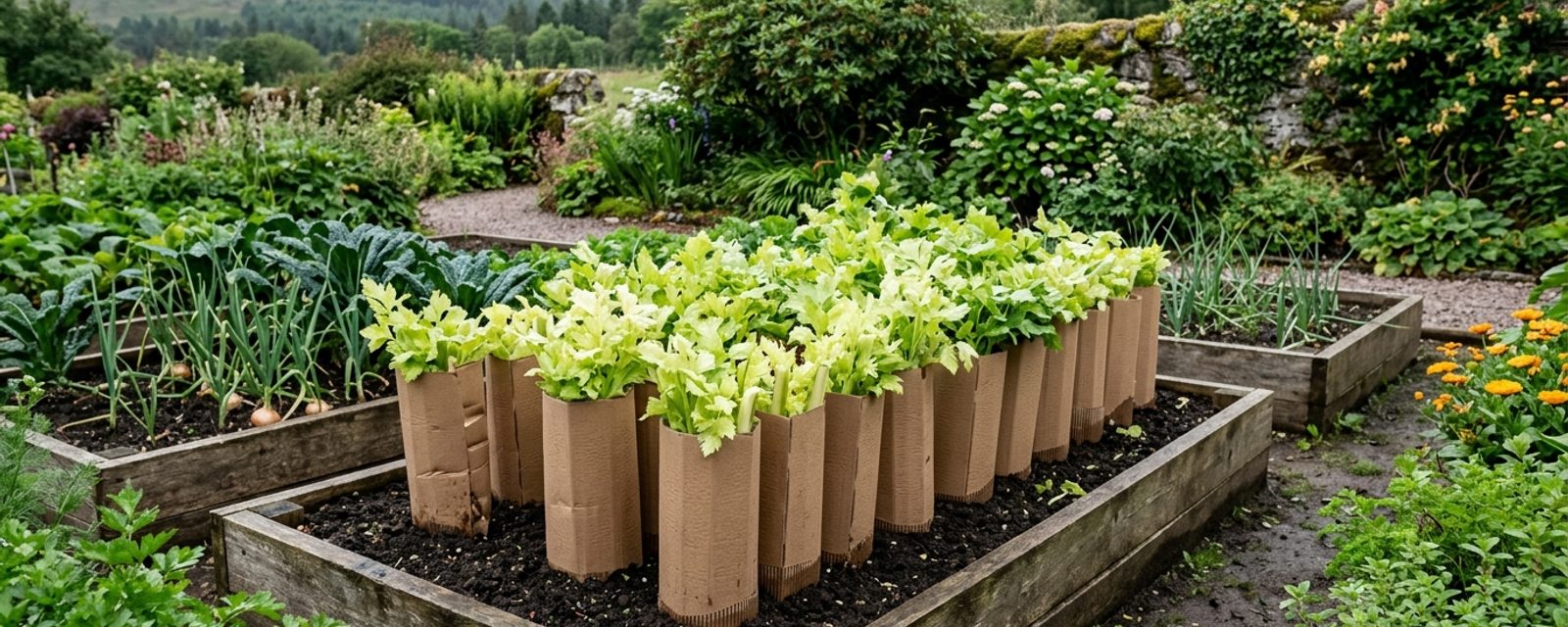 Best Celery Varieties for ScotlandTango is the best all-round pick, self-blanching and bolt-tolerant. A real finding: Tango, Victoria and Tall Utah 52/70 all carry AGM on the general page but not on their own individual plant pages.
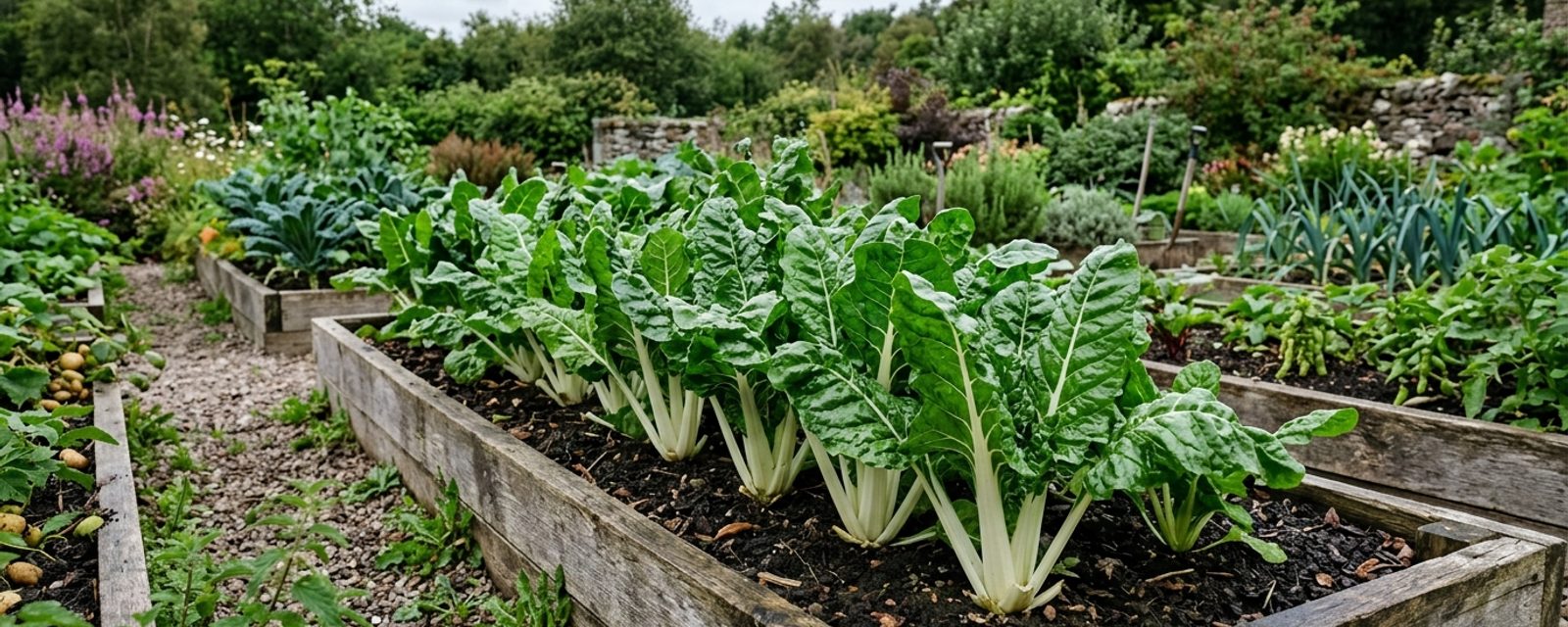 Best Chard Varieties for ScotlandFordhook Giant is the best all-round pick. A real correction: Bright Yellow genuinely holds an AGM on its own RHS plant page, even though it is missing from the general chard variety list entirely.
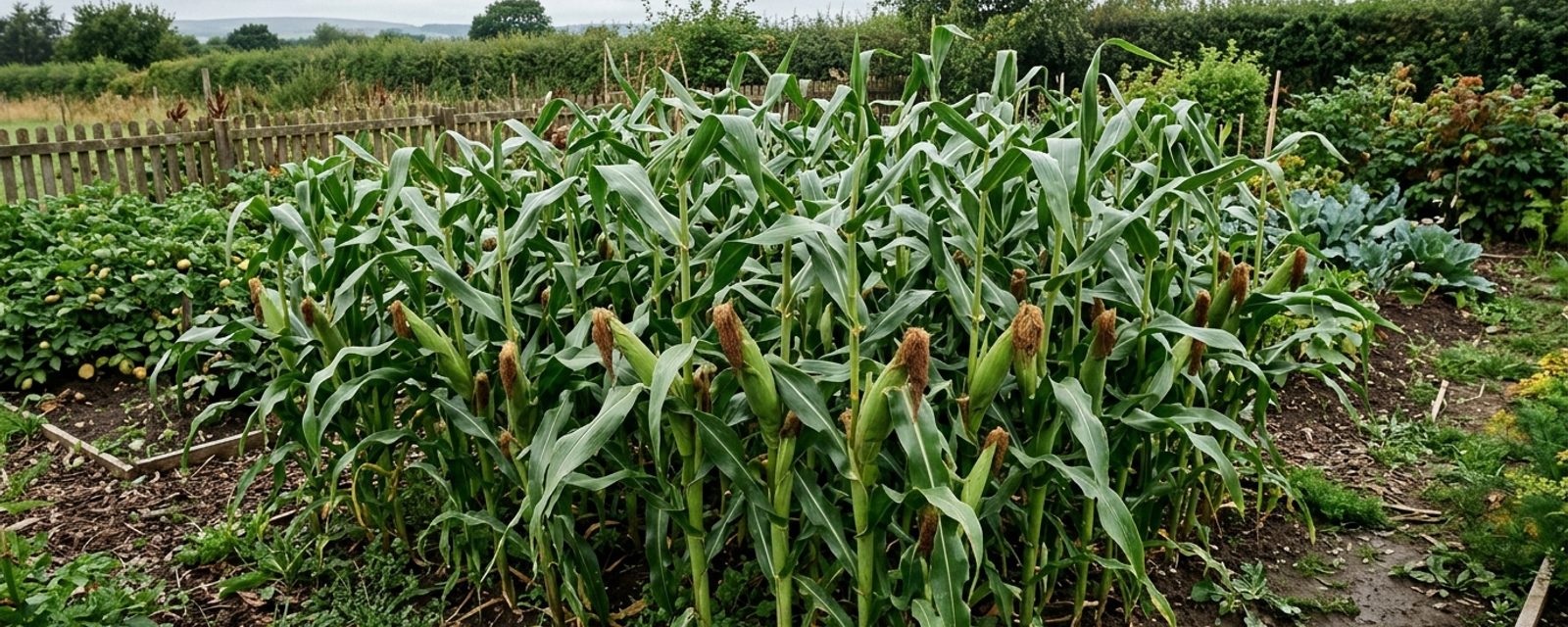 Best Sweetcorn Varieties for ScotlandEarlibird is the best overall pick for cold-soil tolerance and earliness. Lark for the most reliable germination; a real finding on Earlibird's own AGM discrepancy between two RHS pages.
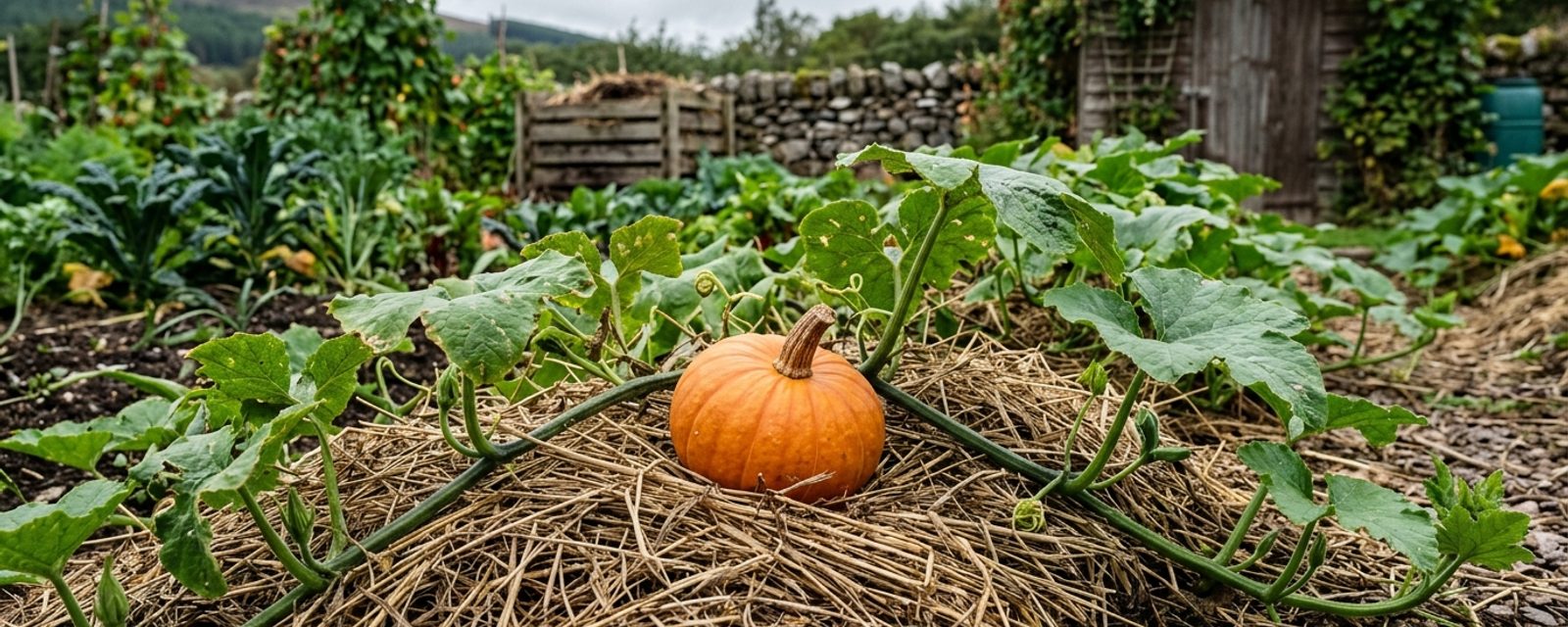 Best Pumpkin Varieties for ScotlandCharmant is the best overall pick, smallest-fruited with mildew resistance. A real correction: it is described as spreading and trailing on its own plant page, not compact as this site previously stated.
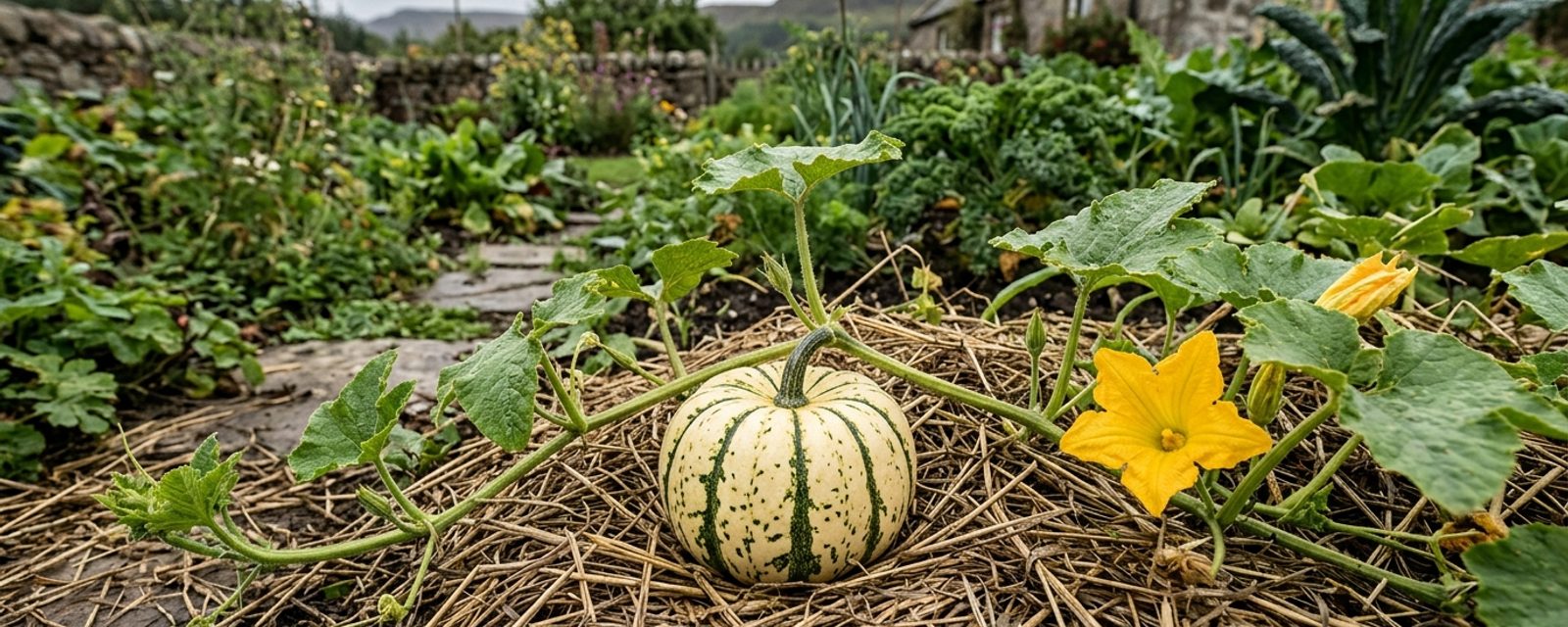 Best Squash Varieties for ScotlandCrown Prince is the best all-round winter squash pick. A real correction: Harlequin and Harrier were wrongly excluded as adding nothing new — Harrier is the only variety here with a concrete ~100-day maturity window.
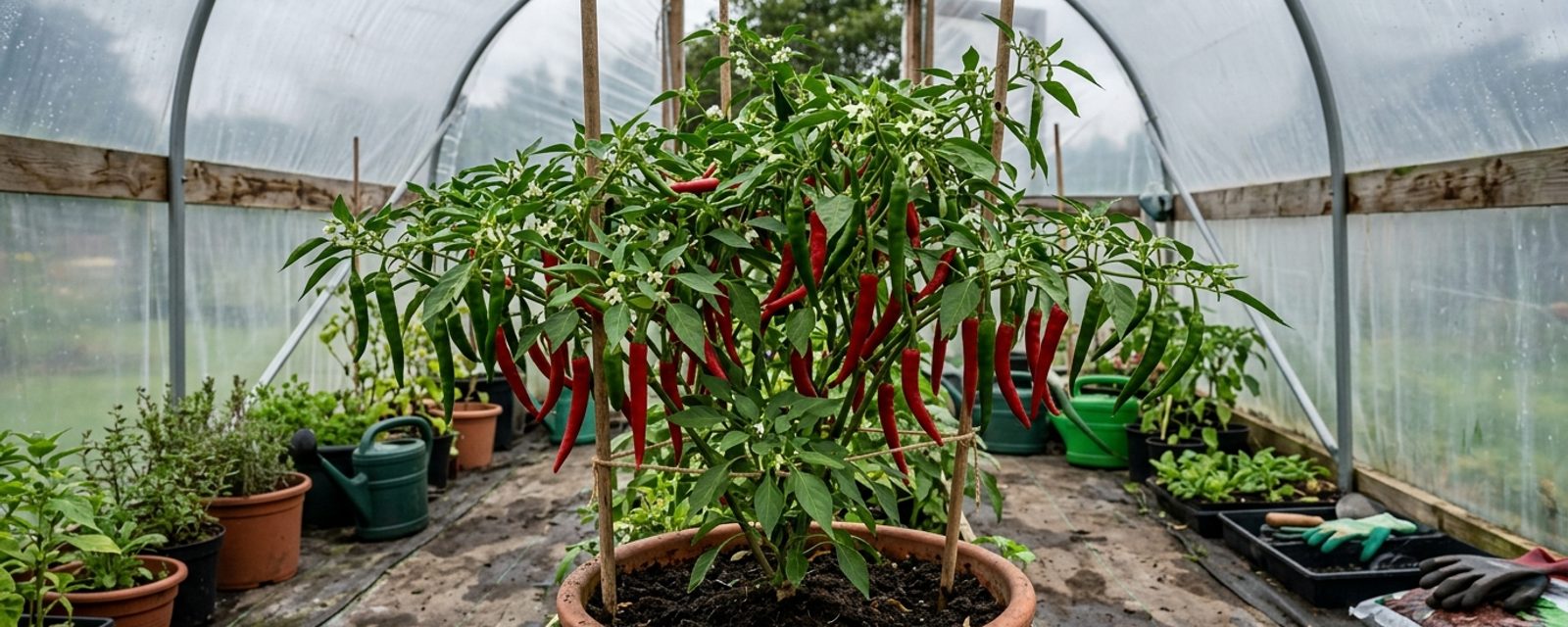 Best Chilli Pepper Varieties for ScotlandFuego is the strongest all-round pick for a Scottish greenhouse, though its cold-tolerance claim rests on prose, not a distinct hardiness rating. Hot Thai for volume, Prairie Fire for a windowsill.
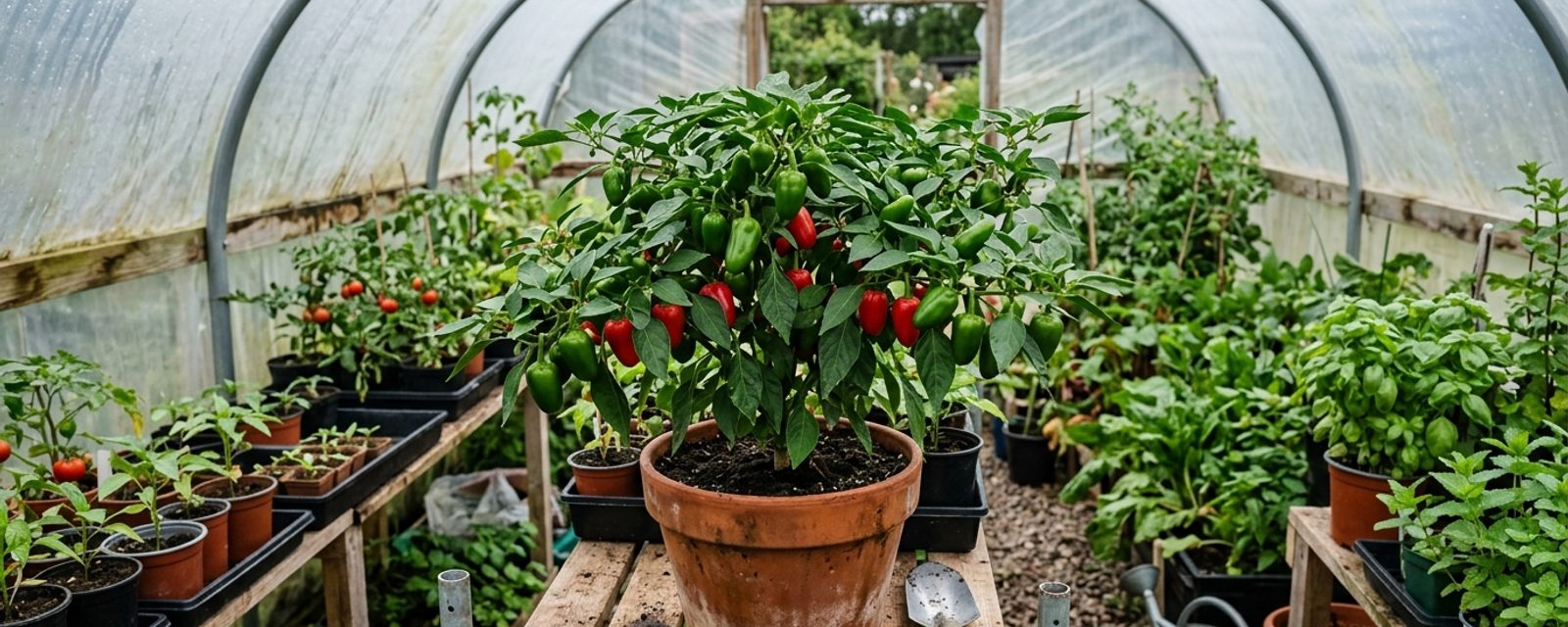 Best Sweet Pepper Varieties for ScotlandRedskin is the best all-round pick, compact and the only variety whose AGM is confirmed on its own page. A real finding: four other AGM claims for this crop don't hold up under checking.
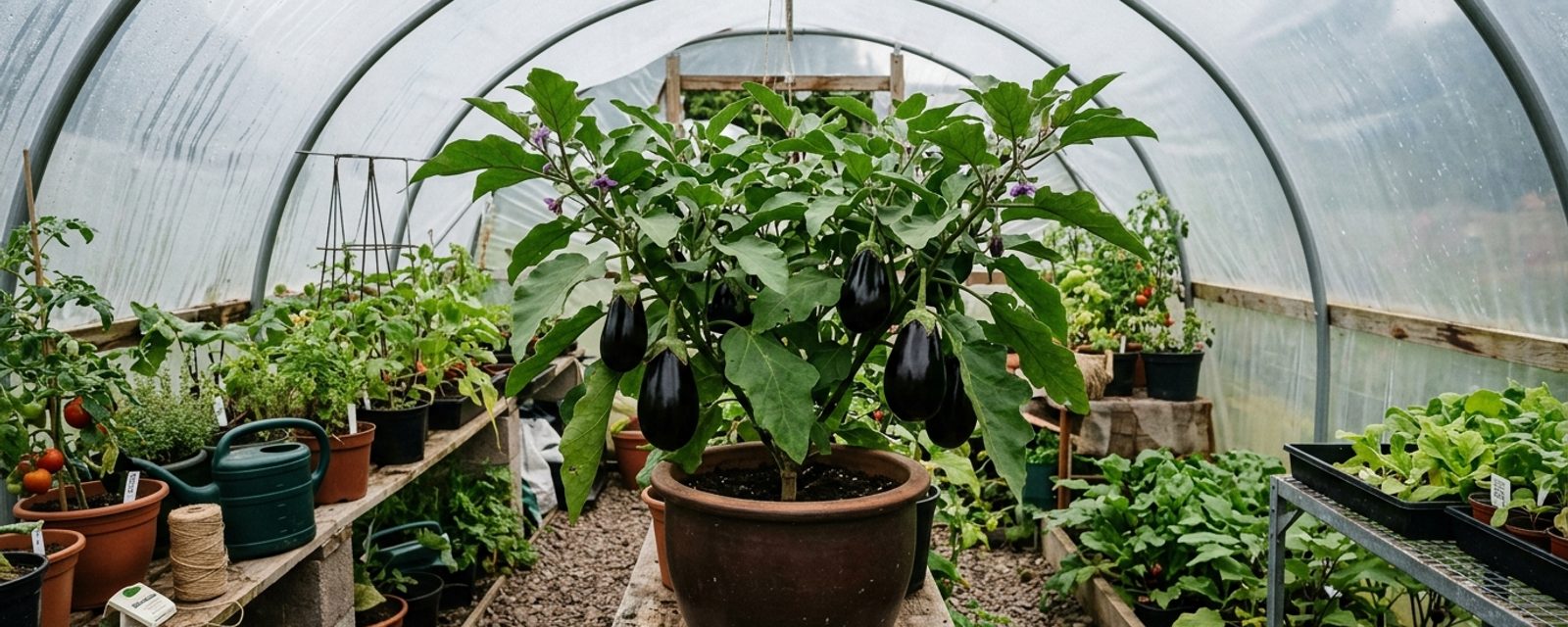 Best Aubergine Varieties for ScotlandBonica is the strongest all-round pick, named specifically for an unheated greenhouse. Kaberi or Fairy Tale for tight space; skip Melanzana Violetta di Firenze unless the season runs long.
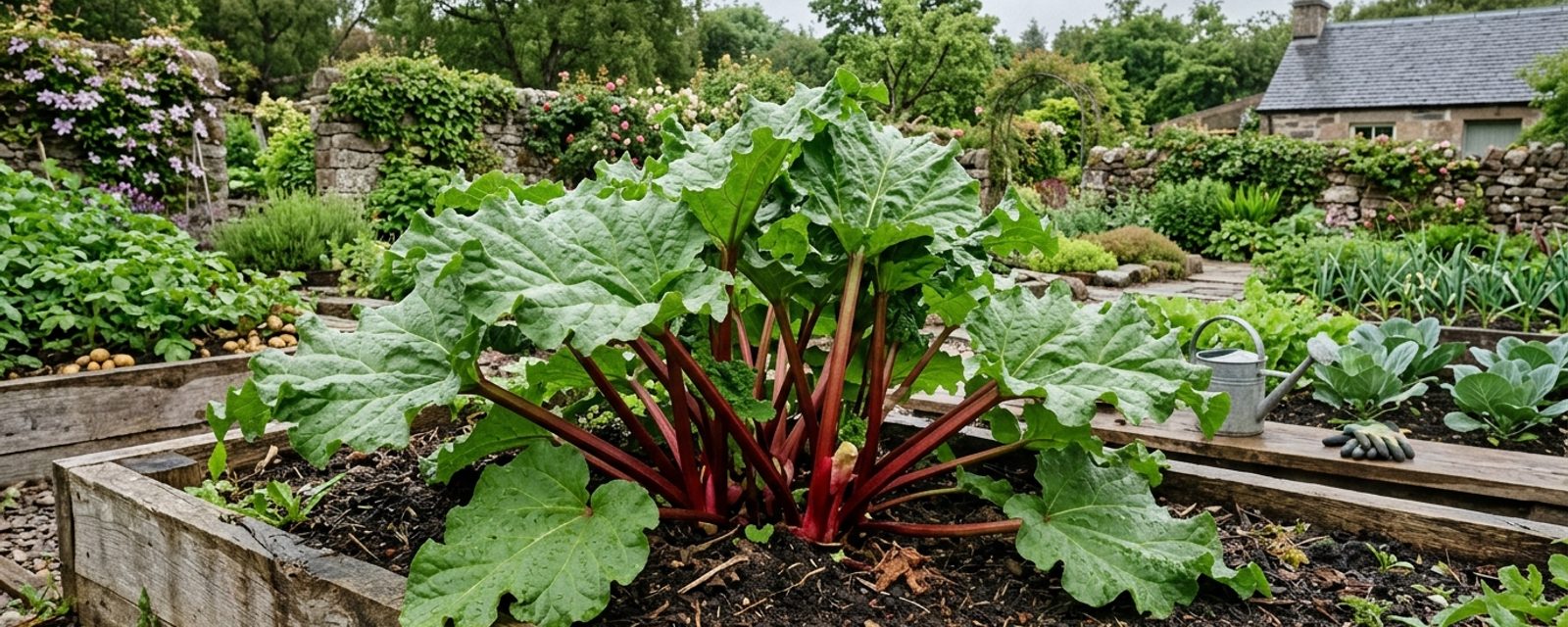 Best Rhubarb Varieties for ScotlandTimperley Early is still the strongest all-round pick for forcing. Livingstone offers a rare second harvest window into autumn; a real finding on Raspberry Red's own AGM discrepancy.
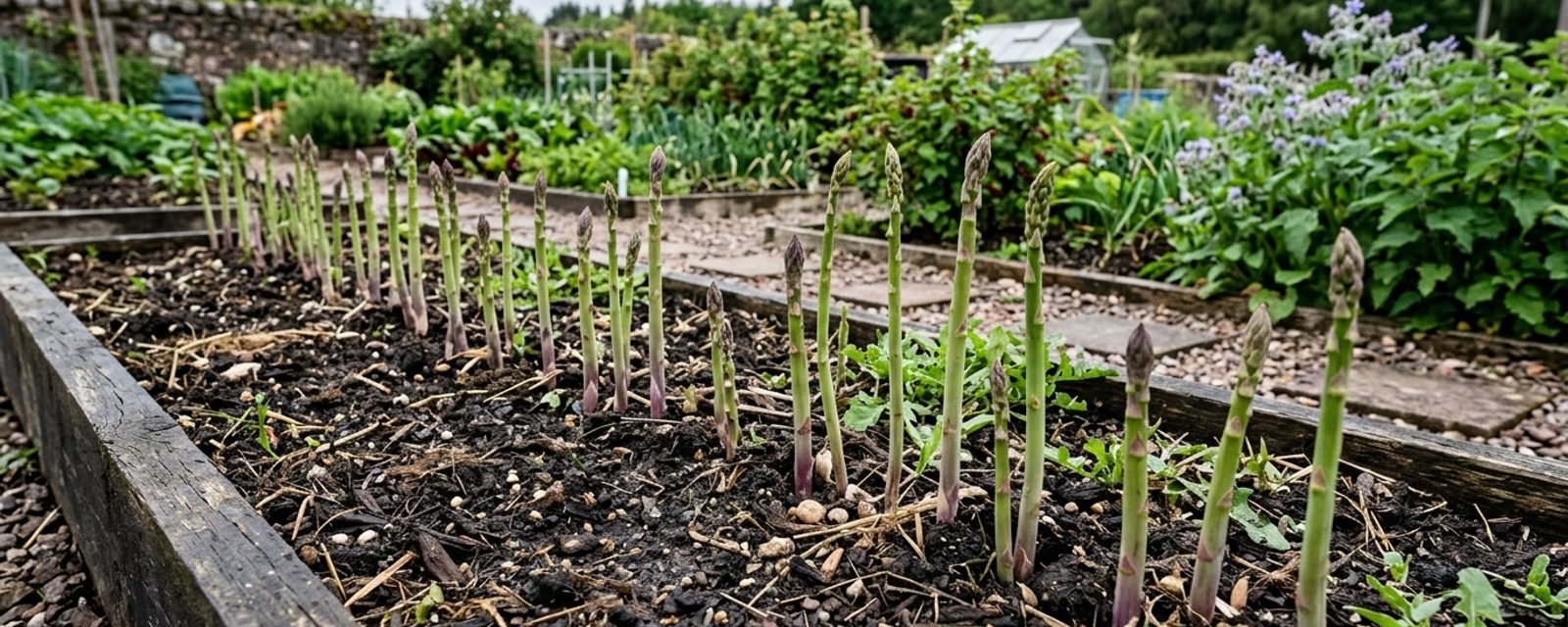 Best Asparagus Varieties for ScotlandGijnlim remains the strongest all-round pick. A real correction: Pacific 2000's own plant page states it is all-male, directly contradicting the general page's mixed-sex claim that got it excluded before.
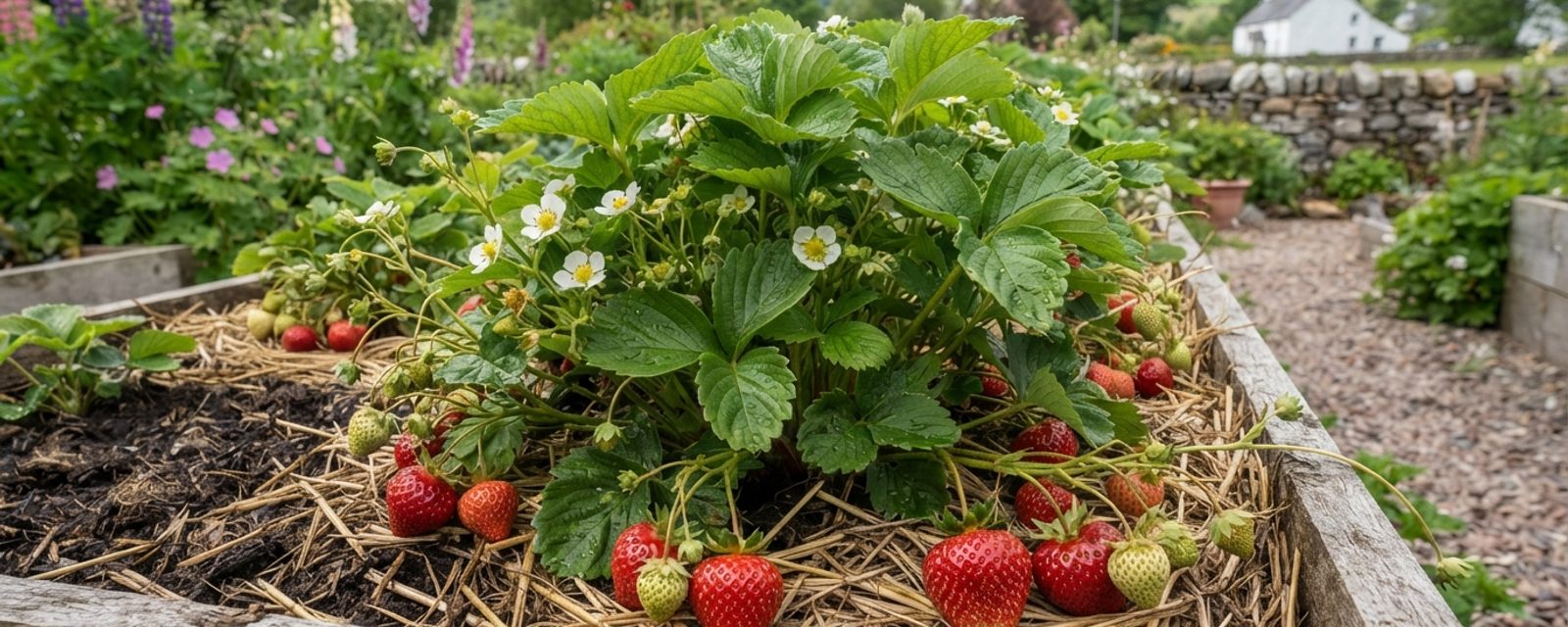 Best Strawberry Varieties for ScotlandCambridge Favourite remains the safest single-variety choice. All nine AGM varieties compared, plus a real finding: Scottish-bred siblings Symphony and Rhapsody carry genuinely different disease resistance.
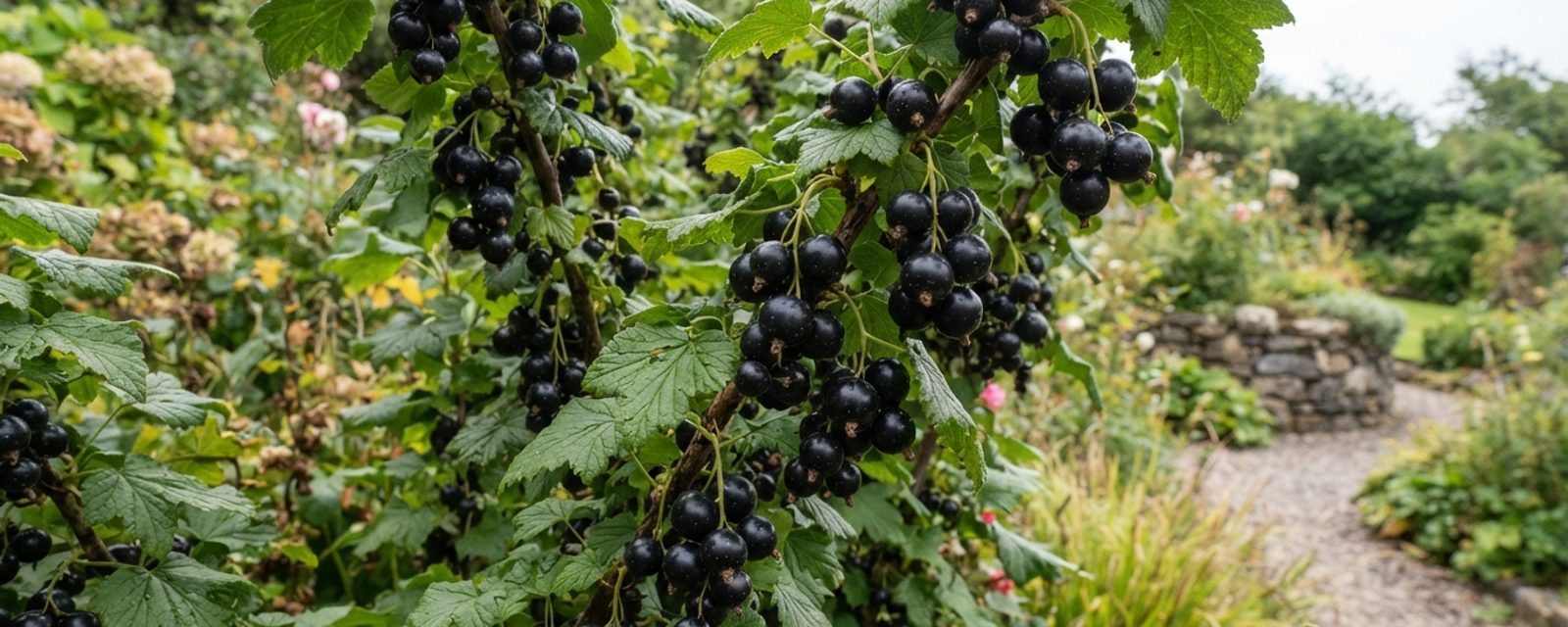 Best Blackcurrant Varieties for ScotlandBen Connan is the strongest all-rounder. A real find: Ben Tirran, not previously covered, carries the clearest sourced late-flowering frost-avoidance claim of any blackcurrant bred in Scotland.
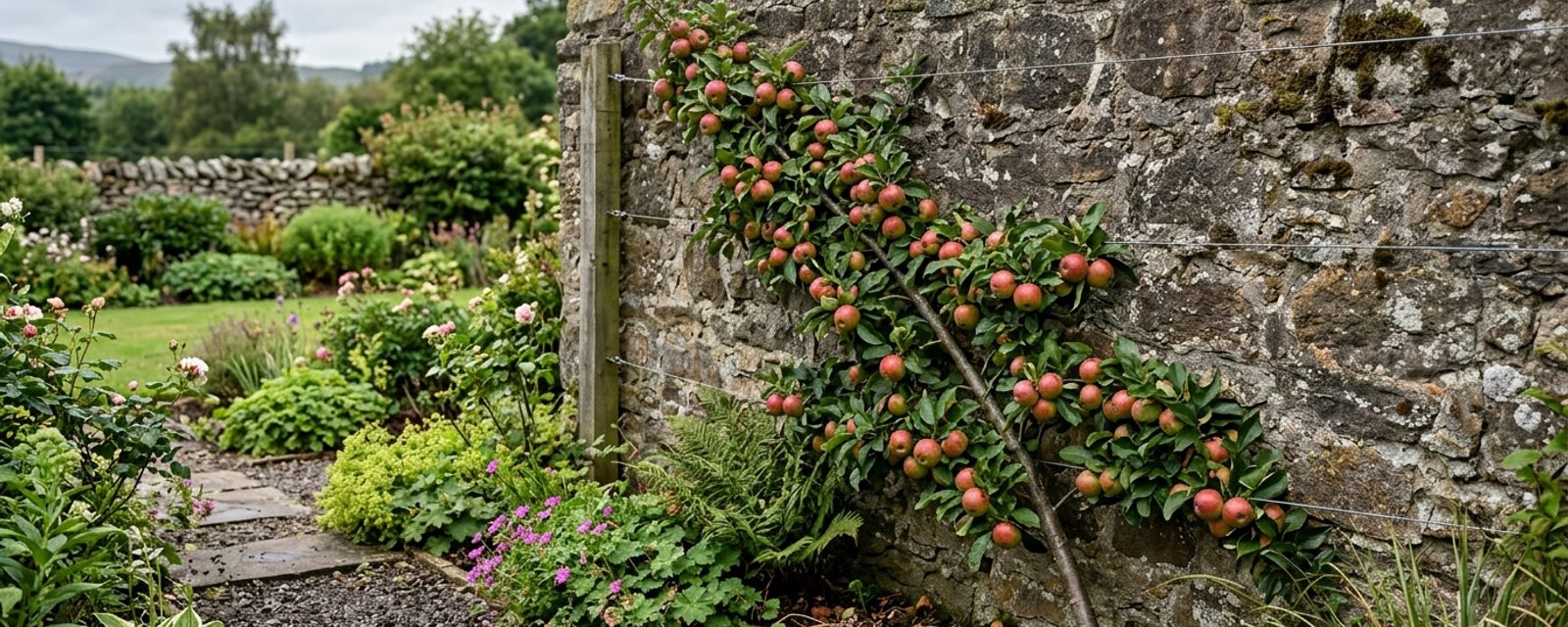 Best Apple Varieties for ScotlandJames Grieve is the strongest all-round pick. A full sweep of all 23 AGM varieties found 6 carrying RHS's own northerly-suitability tag, and a real finding on Warner's King's missing triploid listing.
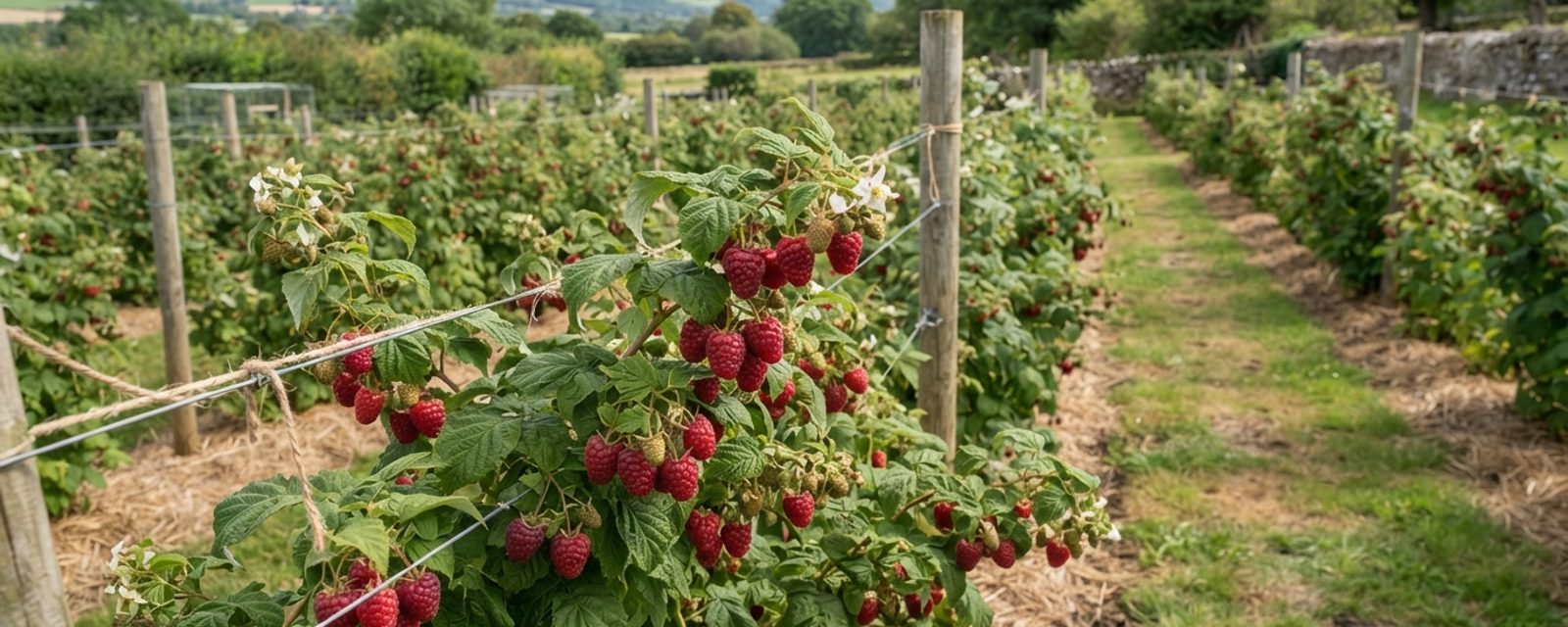 Best Raspberry Varieties for ScotlandGlen Ample is the strongest all-round pick. All nine AGM varieties compared: cold hardiness genuinely does not separate any of them, and Hutton-breeding provenance turns out to favour Glen Ample over its sibling Glen Magna.
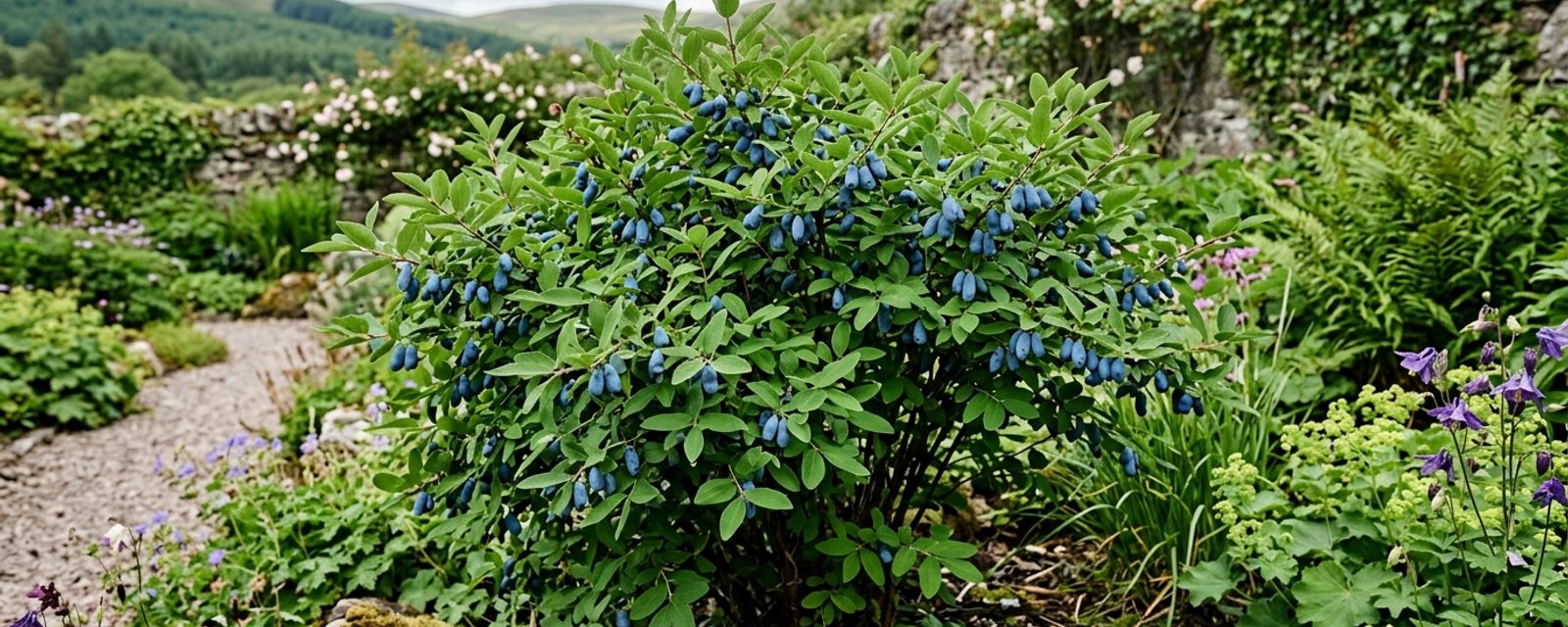 Best Honeyberry Varieties for ScotlandZojka is the heaviest cropper, Morena the most compact. A real finding: the plant survives -20C or colder, but its flowers only tolerate -7C, and open early enough to meet a Scottish frost most winters.
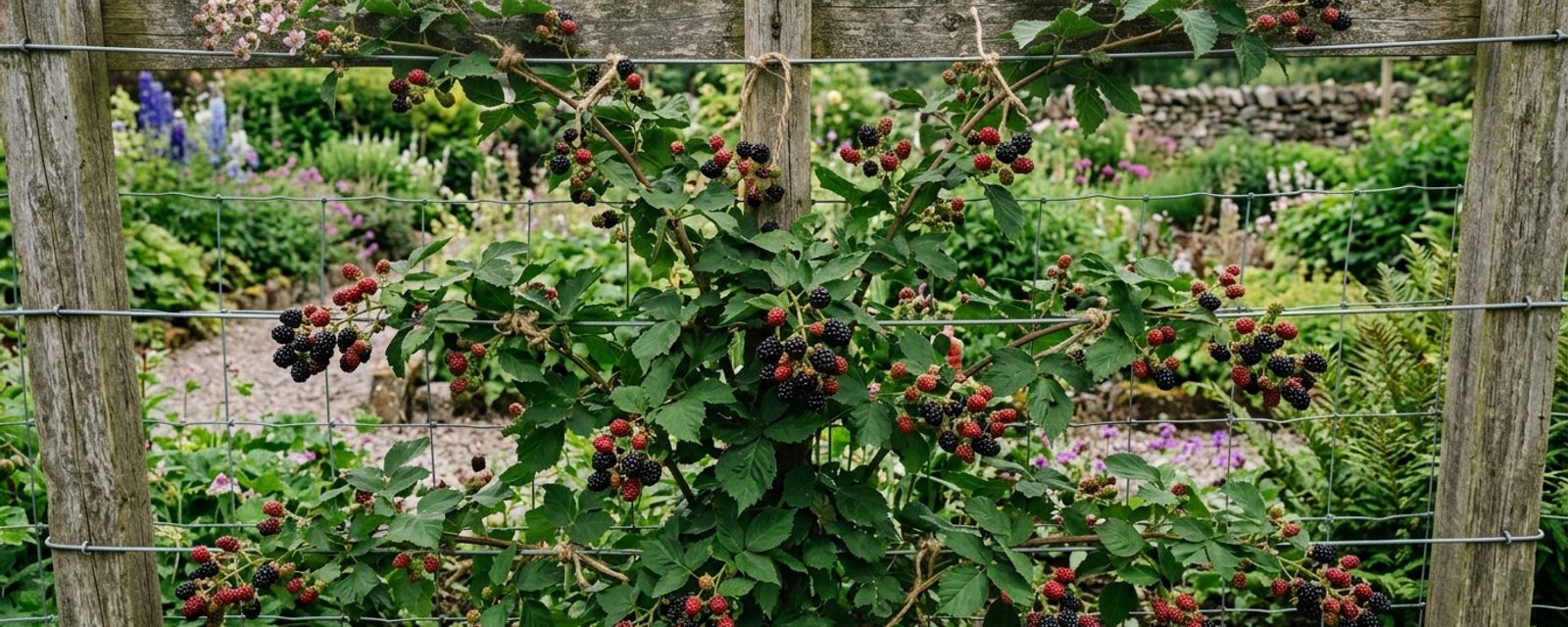 Best Blackberry Varieties for ScotlandLoch Ness is the strongest all-round pick. A real finding: AGM is not a hardiness ranking — non-AGM Merton Thornless and Loch Maree are a full hardiness band tougher than either AGM variety.
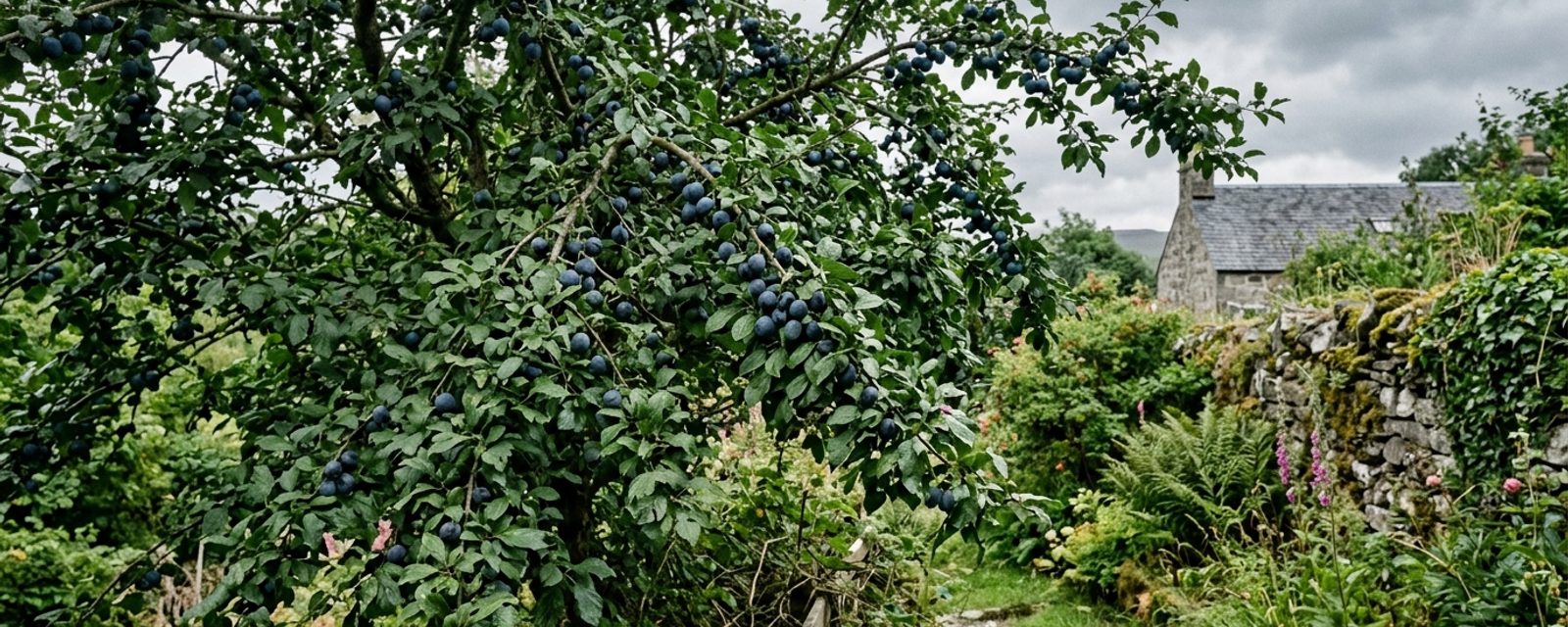 Best Damson Varieties for ScotlandMerryweather Damson is the strongest all-round pick, with named silver leaf resistance. An honest sourcing gap: 6 of 9 AGM damson varieties remain undocumented on RHS's own site after an exhausted search.
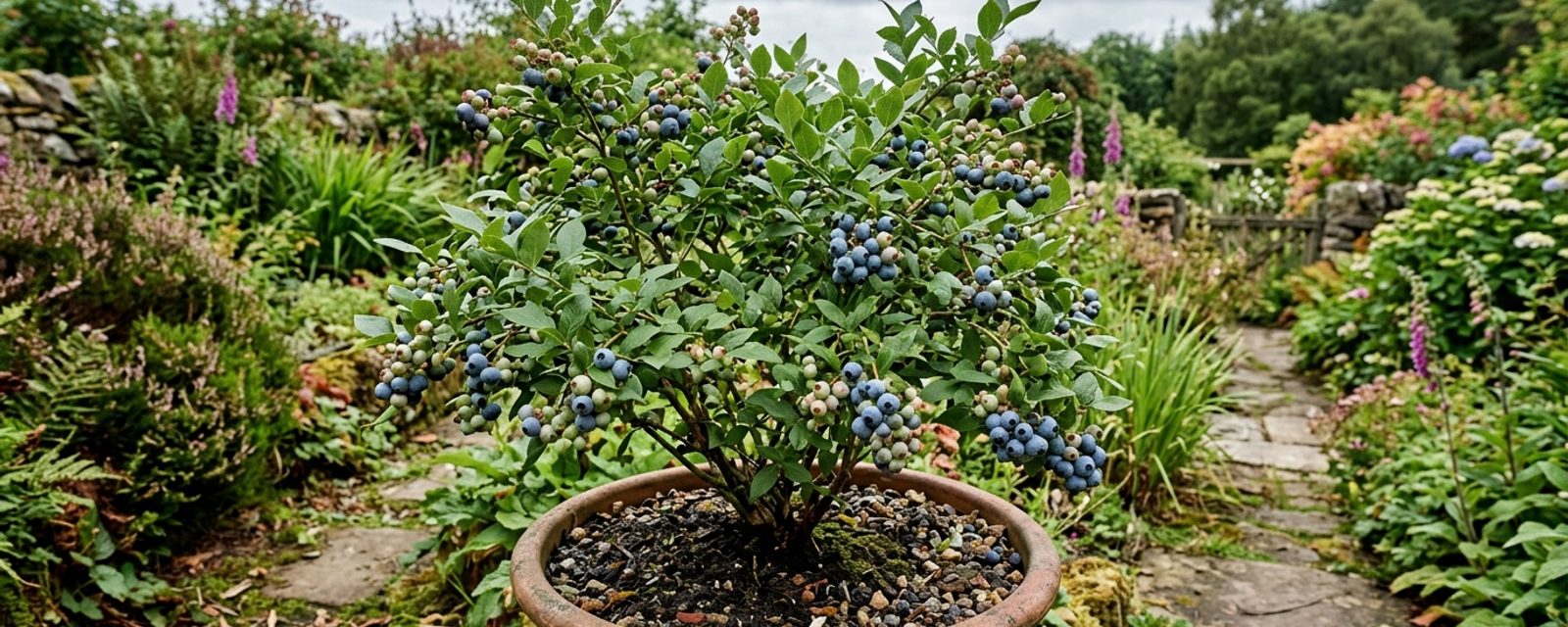 Best Blueberry Varieties for ScotlandDuke is the best all-round pick, named for a shorter growing season by two independent sources. A real correction: Ozarkblue is genuinely bred for hotter summers, not just a neutral late-season pick.
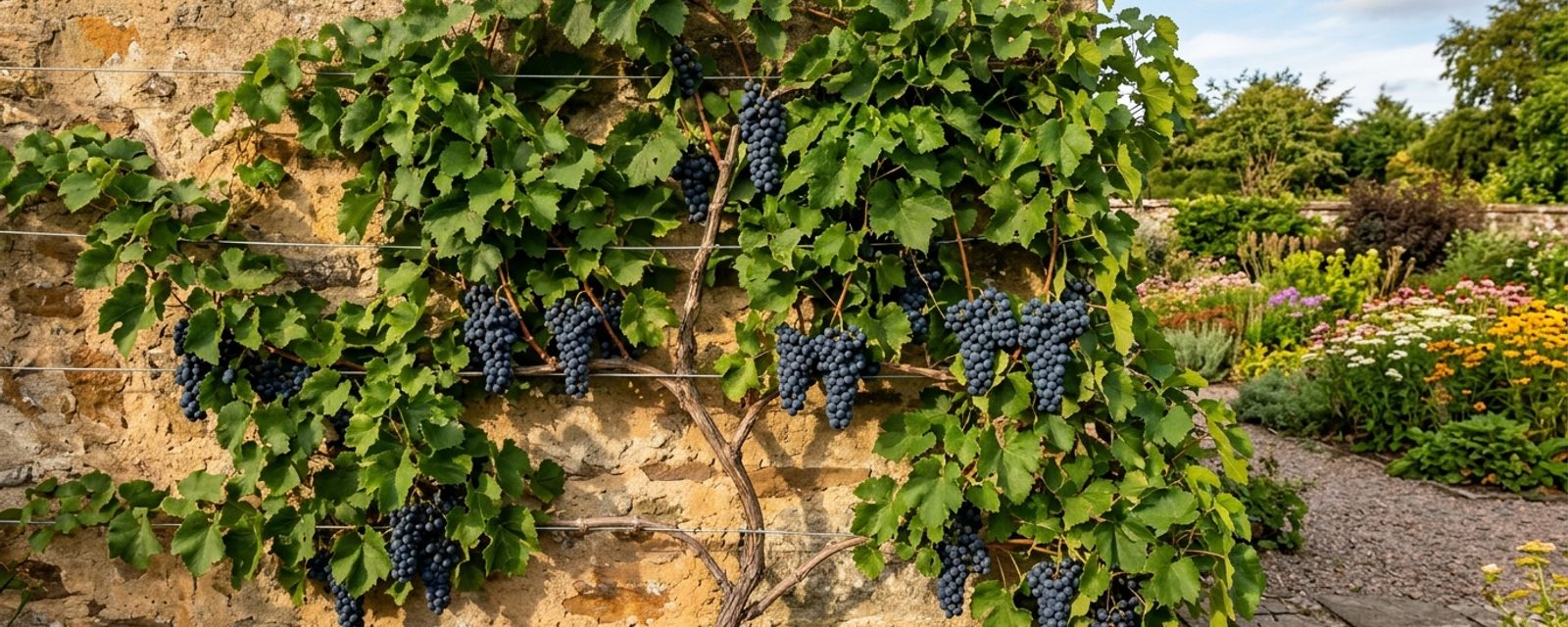 Best Grape Varieties for ScotlandRondo is the strongest pick for open ground. A real correction: two AGM varieties, Reliance and Schuyler, are genuinely outdoor-suited, not the greenhouse-only pair this site previously assumed.
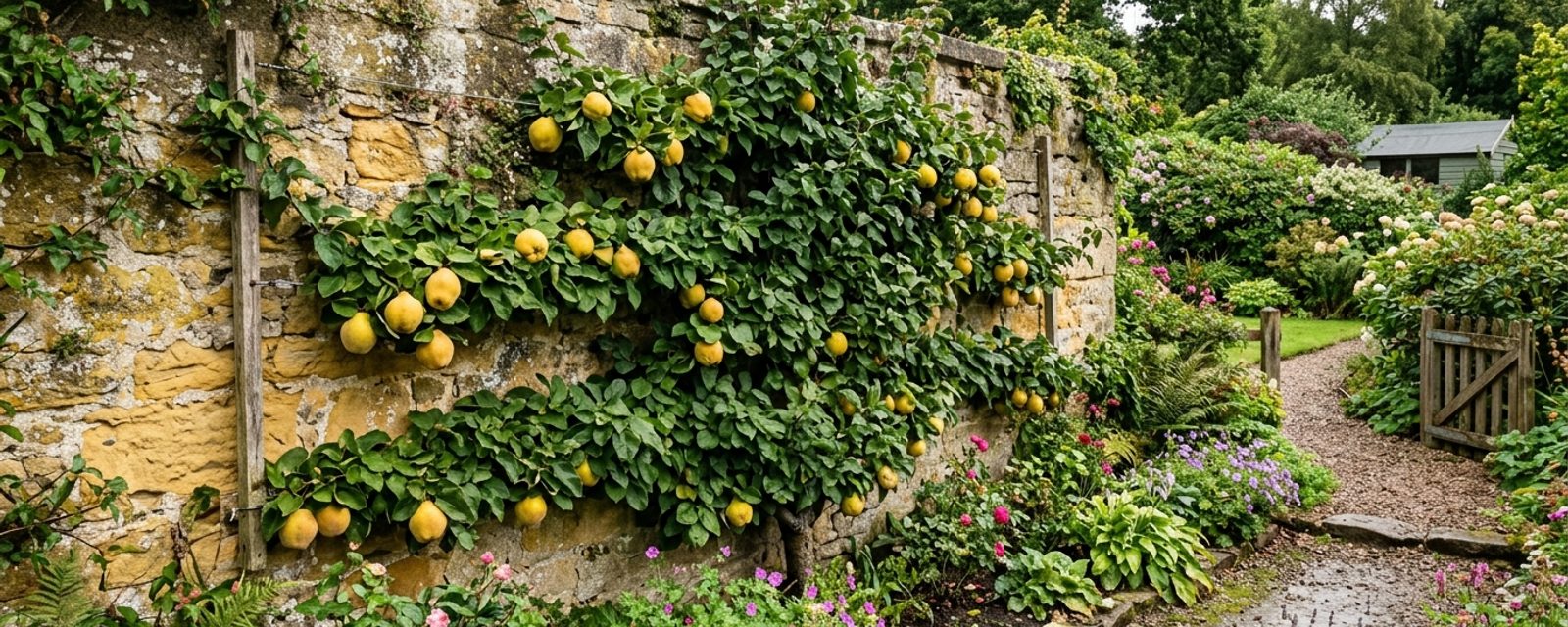 Best Quince Varieties for ScotlandSerbian Gold is the best all-round choice, one of only two varieties with a real wet-summer leaf-blight trial result. Champion for a smaller garden, Aromatnaya to eat fresh without weeks of storage.
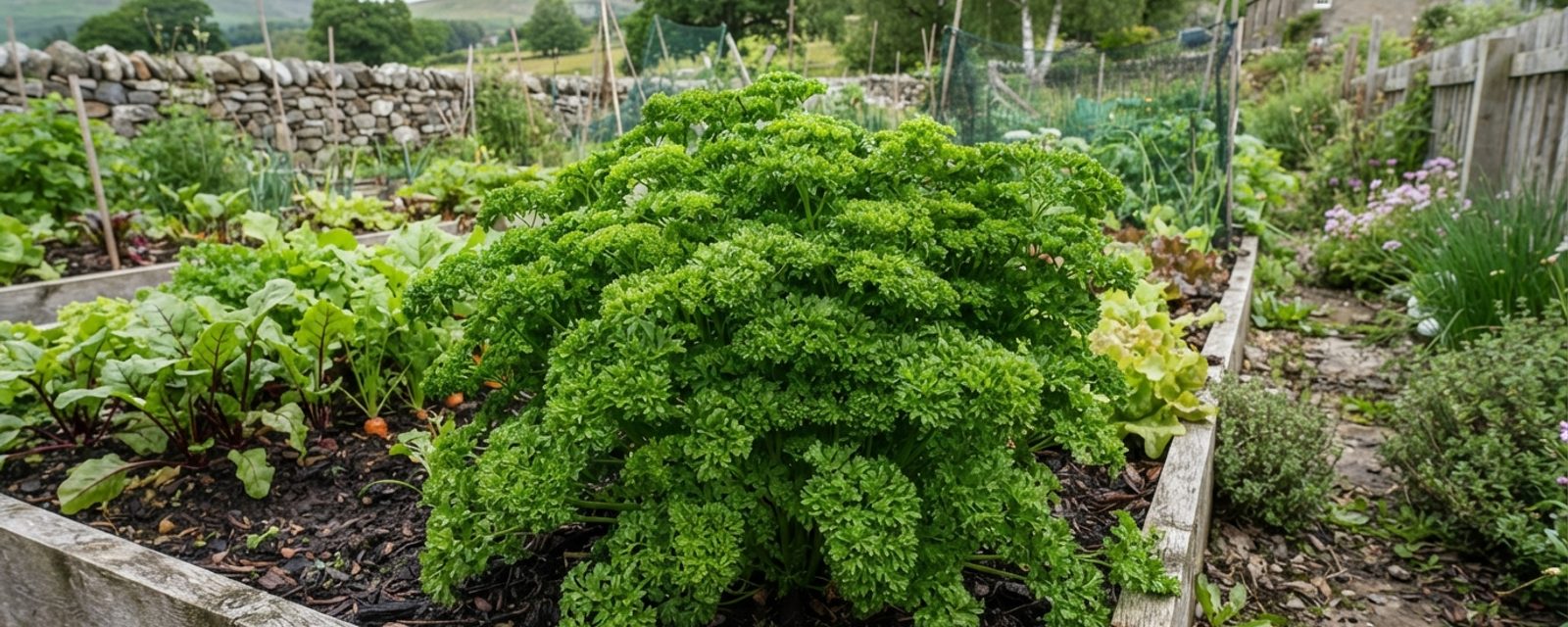 Best Parsley Varieties for ScotlandFrench or Italian flat-leaf beats any curly type for flavour. A real finding: three of the four AGM-listed cultivars show no AGM badge on their own individual RHS plant pages.
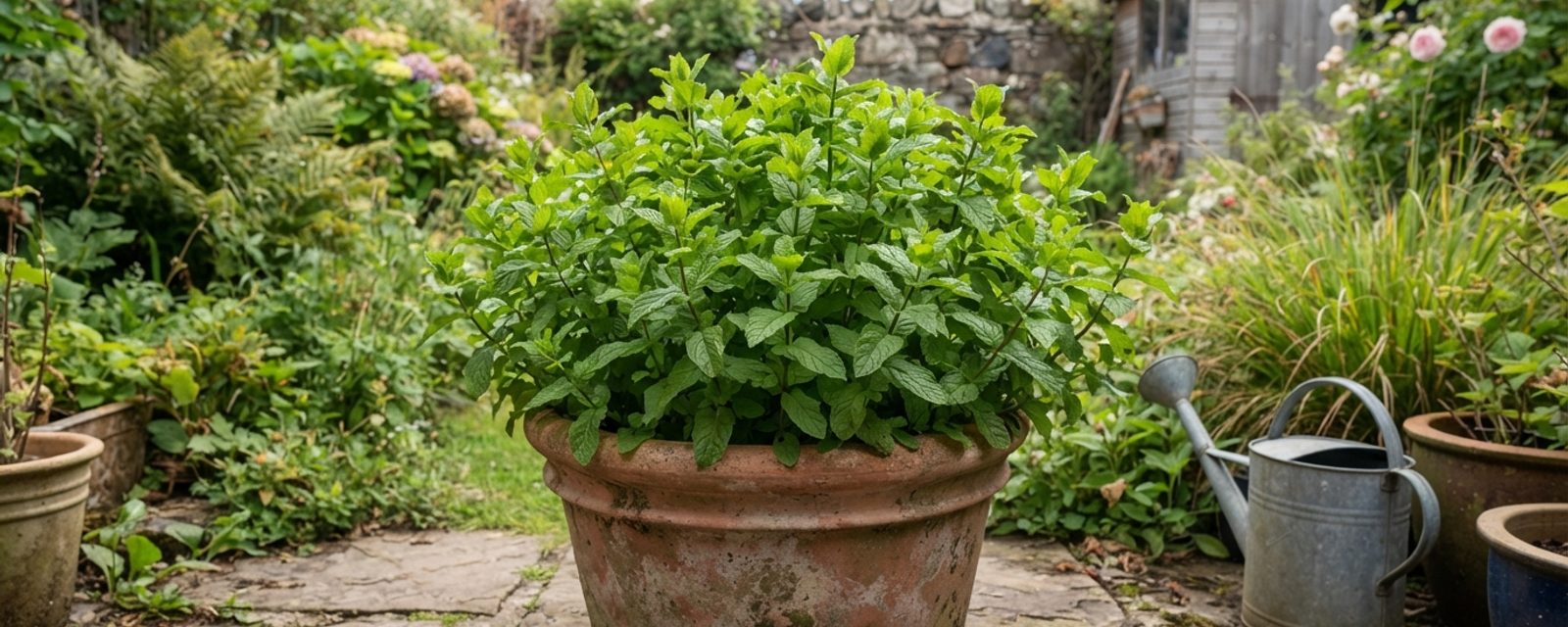 Best Mint Varieties for ScotlandSpearmint is the all-round pick, fully hardy and classic flavour. A real finding: hardiness splits H5 (apple, pineapple mint) versus H7 for the other four, and only lime mint is listed generally pest-free.
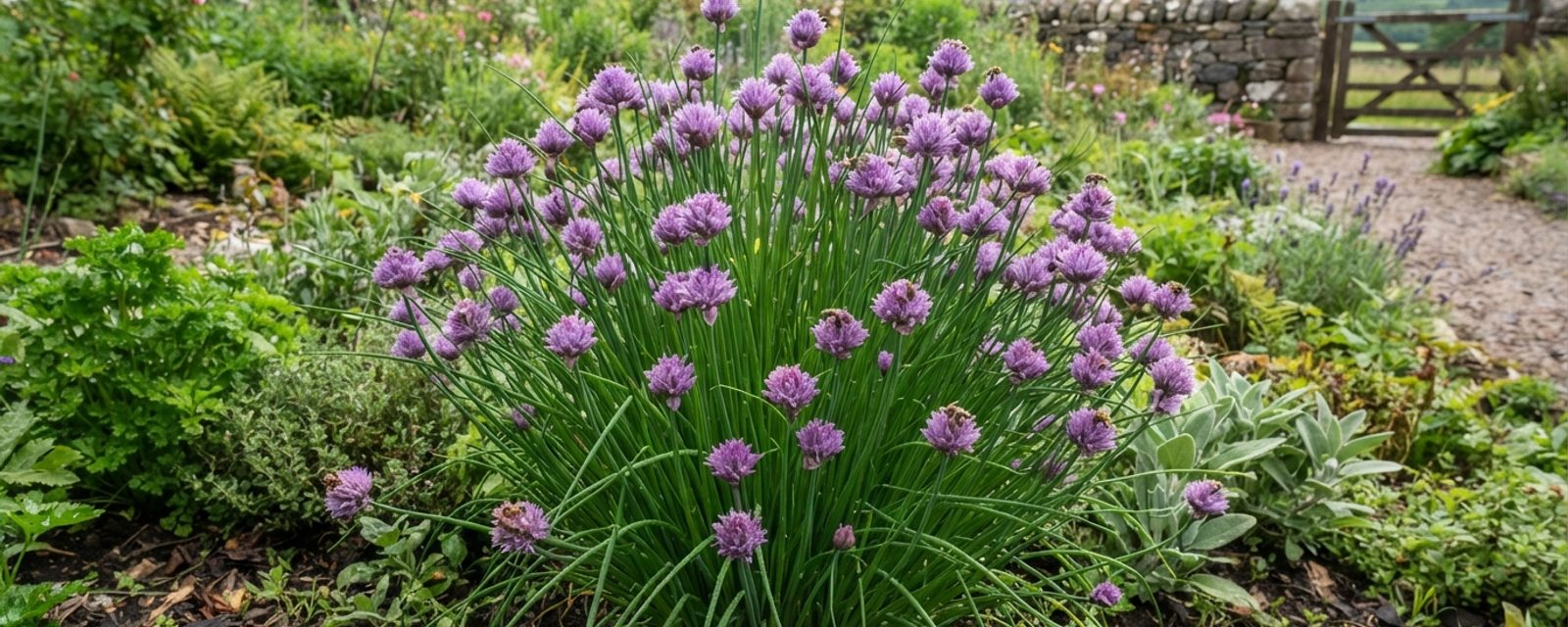 Best Chive Varieties for ScotlandOrdinary chives and garlic chives are different species, not one herb. A real finding: garlic chives want a sheltered, sunny aspect while Siberian garlic chives is the one form that genuinely tolerates wet soil.
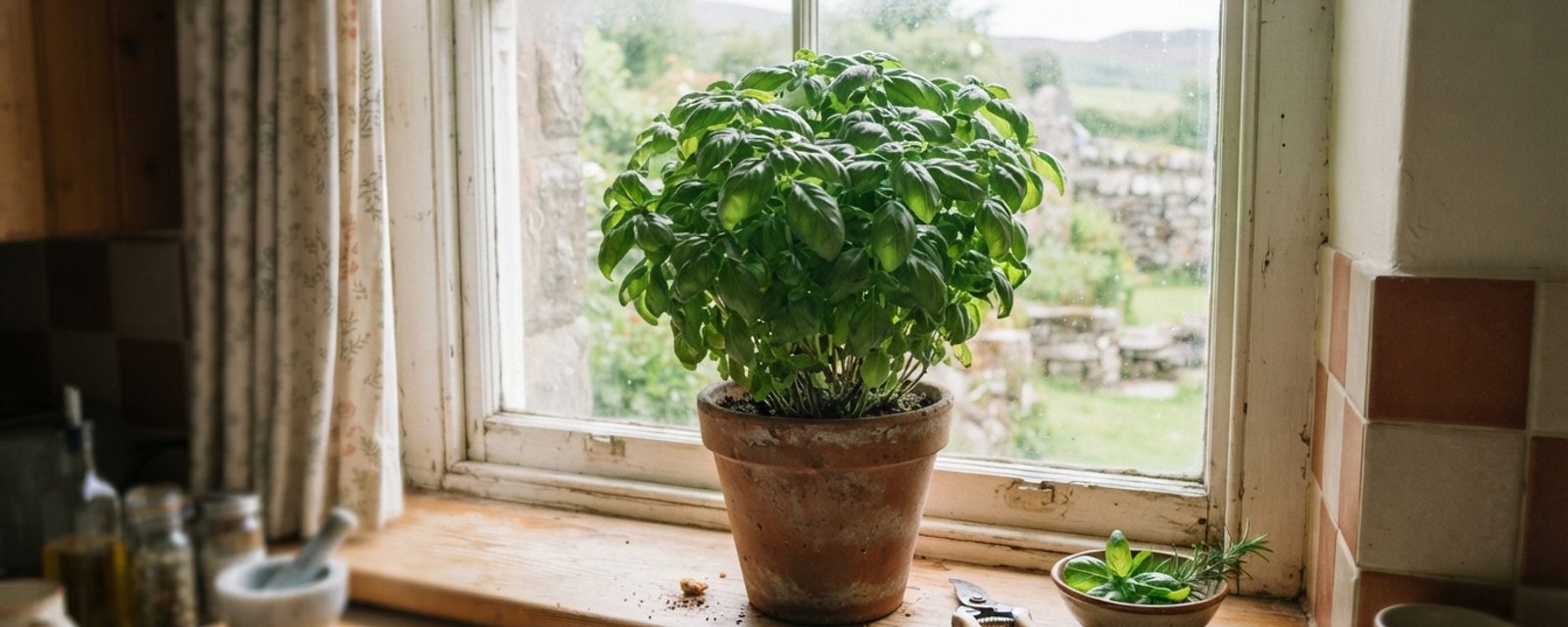 Best Basil Varieties for ScotlandPluto is the safest pick for a windowsill pot, compact and AGM-confirmed. A real finding: RHS's general basil page names Salvo and Aroma 2 as AGM, but neither shows the badge on its own individual plant page.
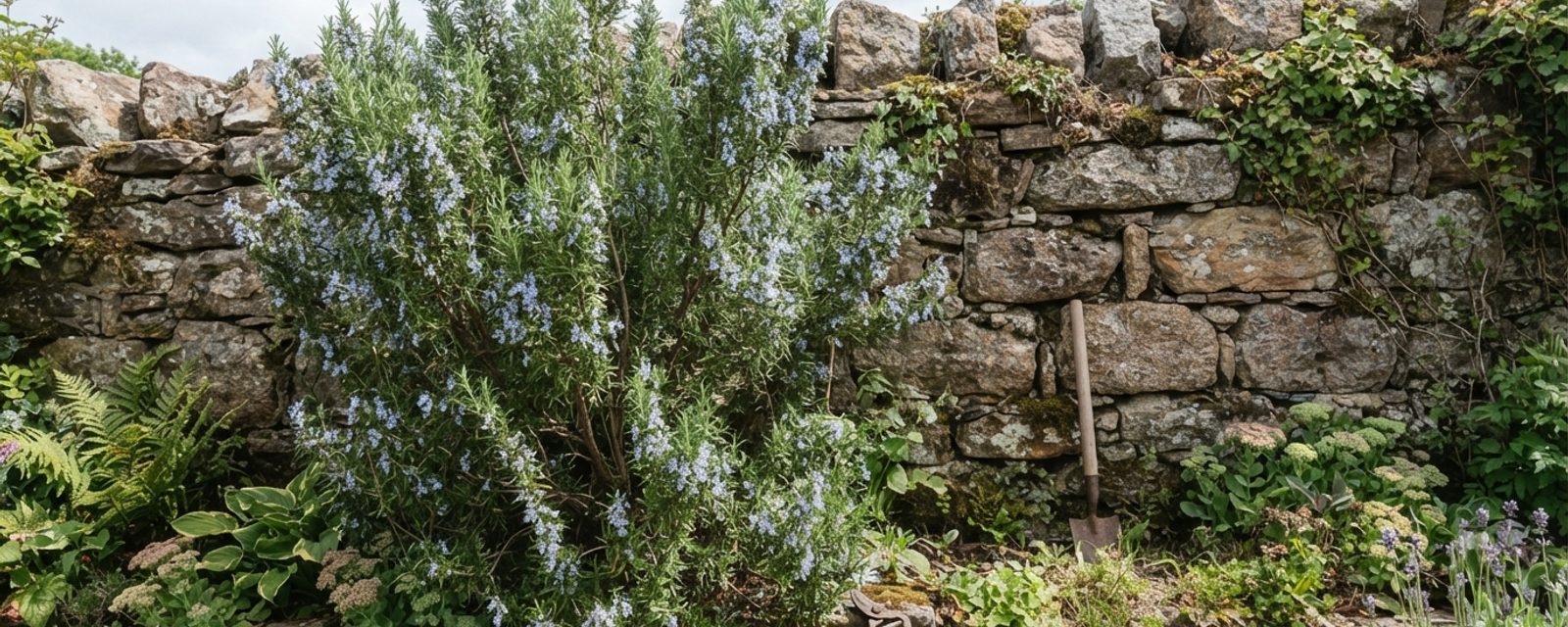 Best Rosemary Varieties for ScotlandMiss Jessopp's Upright is the best all-rounder, AGM and H4 hardy with upright growth clear of wet ground. A real finding: prostrate types like Capri drop to H3, a genuine step down tied to their ground-hugging habit.
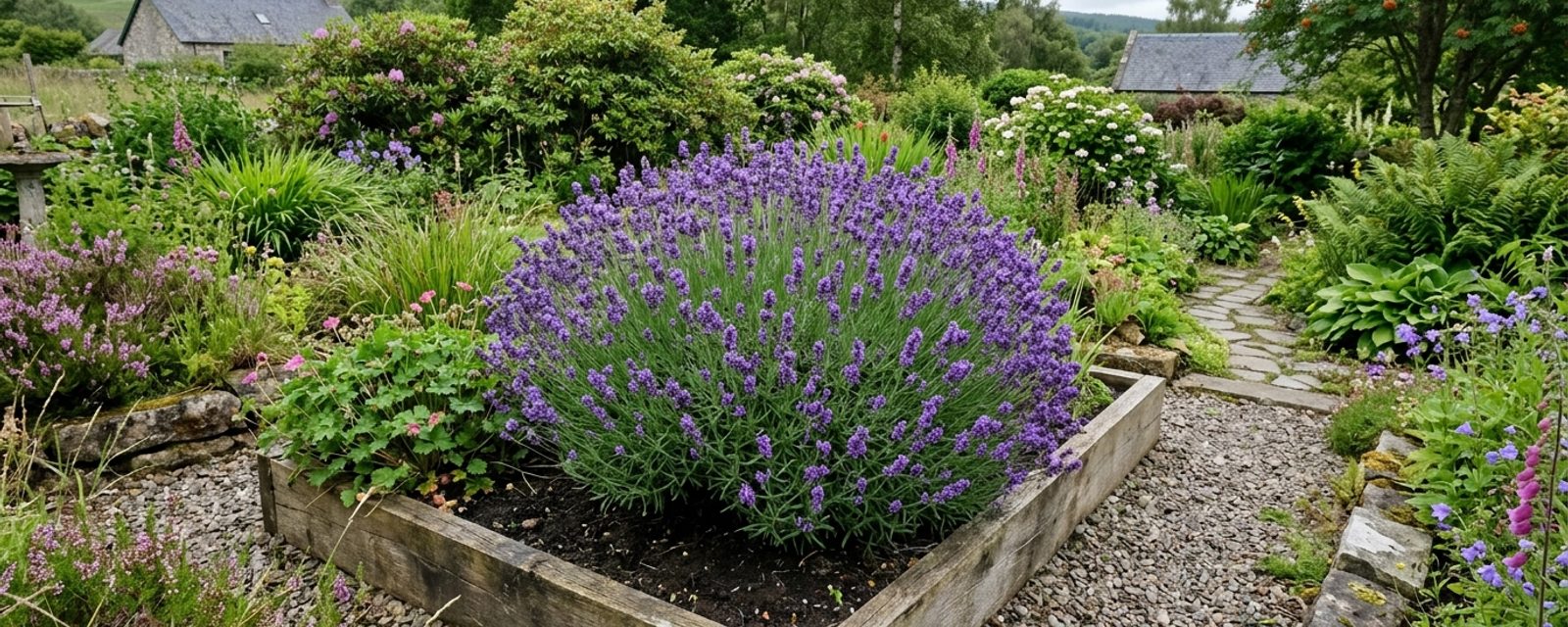 Best Lavender Varieties for ScotlandEnglish lavender and lavandin are both H5 hardy to -15C, despite lavandin's 'hybrid' label sounding less hardy. A real finding: RHS's own award page calls Royal Crown 'Spanish lavender' but its own plant page calls it French.
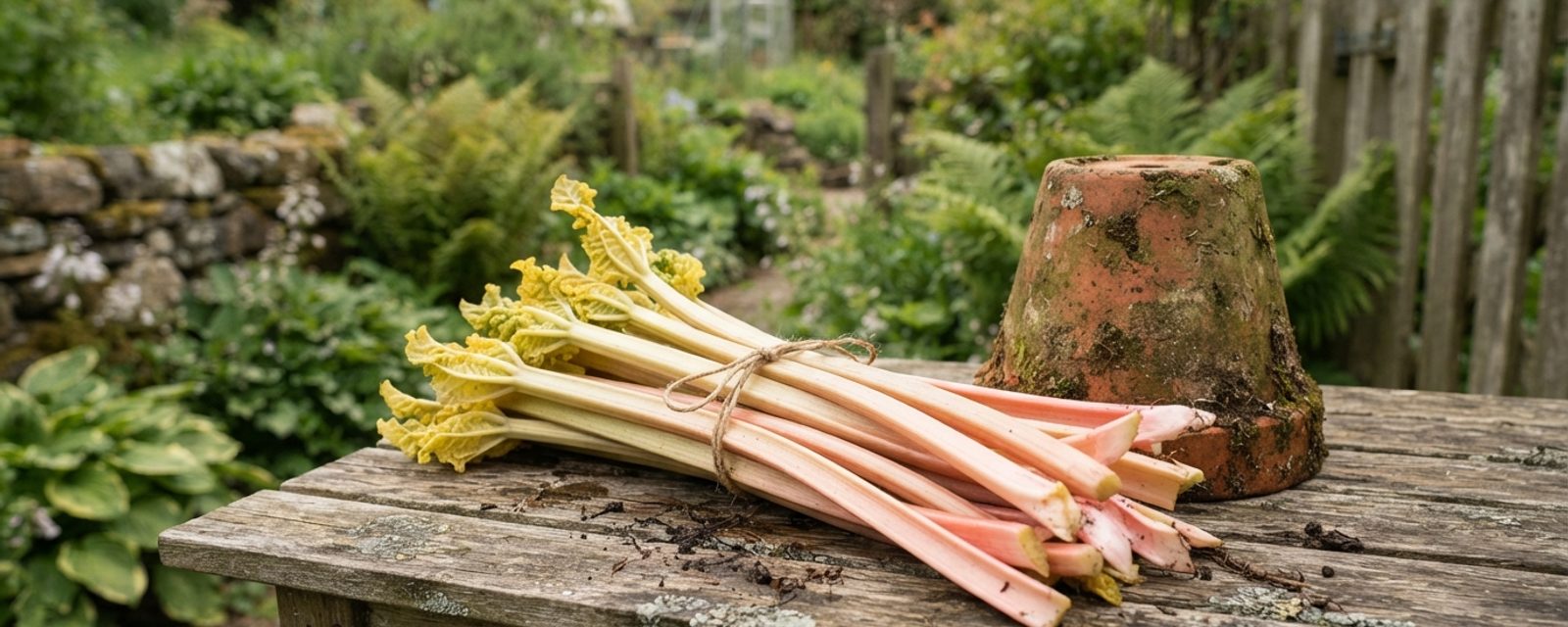 Forcing Rhubarb in ScotlandThe physiology behind pale, sweet stems weeks early: two real methods, timing, and why Scotland's cold winters suit the technique rather than fighting it.
 Frost Pockets vs SuntrapsWhy one corner of your garden always frosts first while another stays mild — the microclimate mechanism, how to find both spots, and what to plant where.
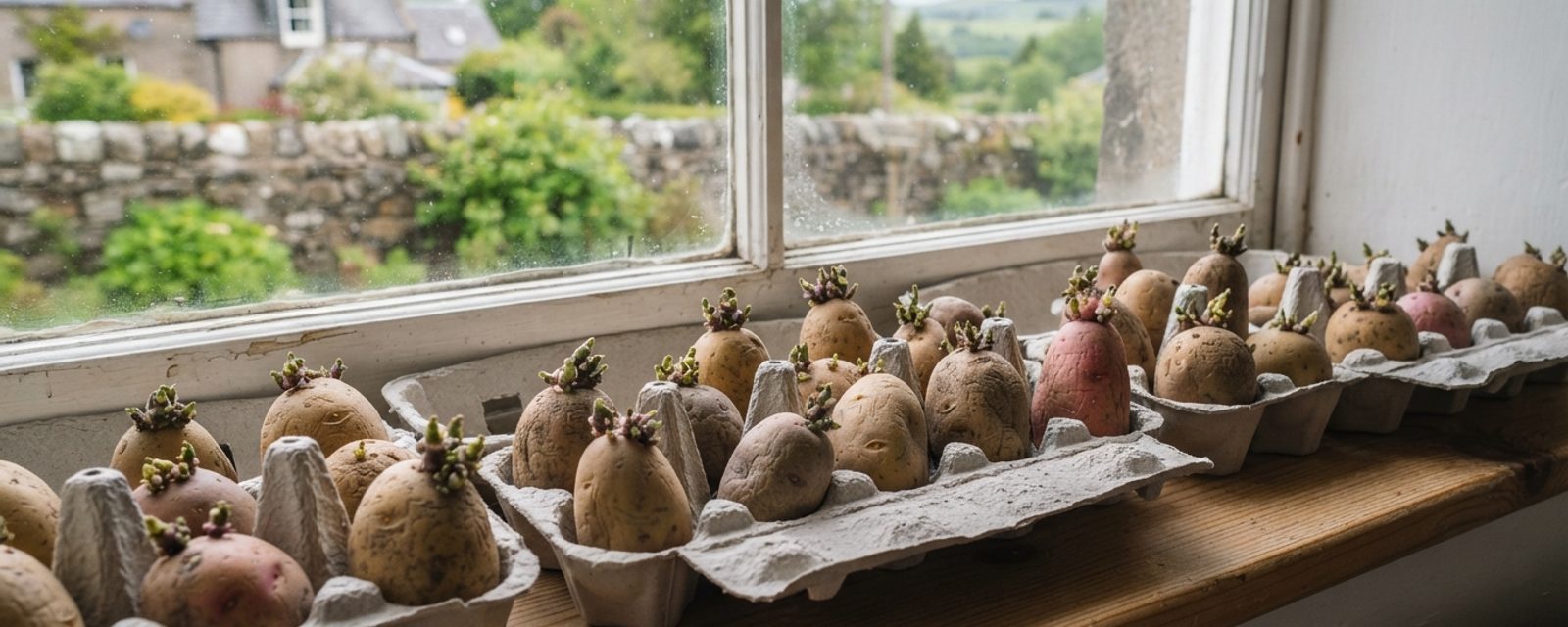 Why Chitting WorksThe physiology behind the sprout, correct light and temperature conditions, timing for Scotland, and which potato types actually benefit.
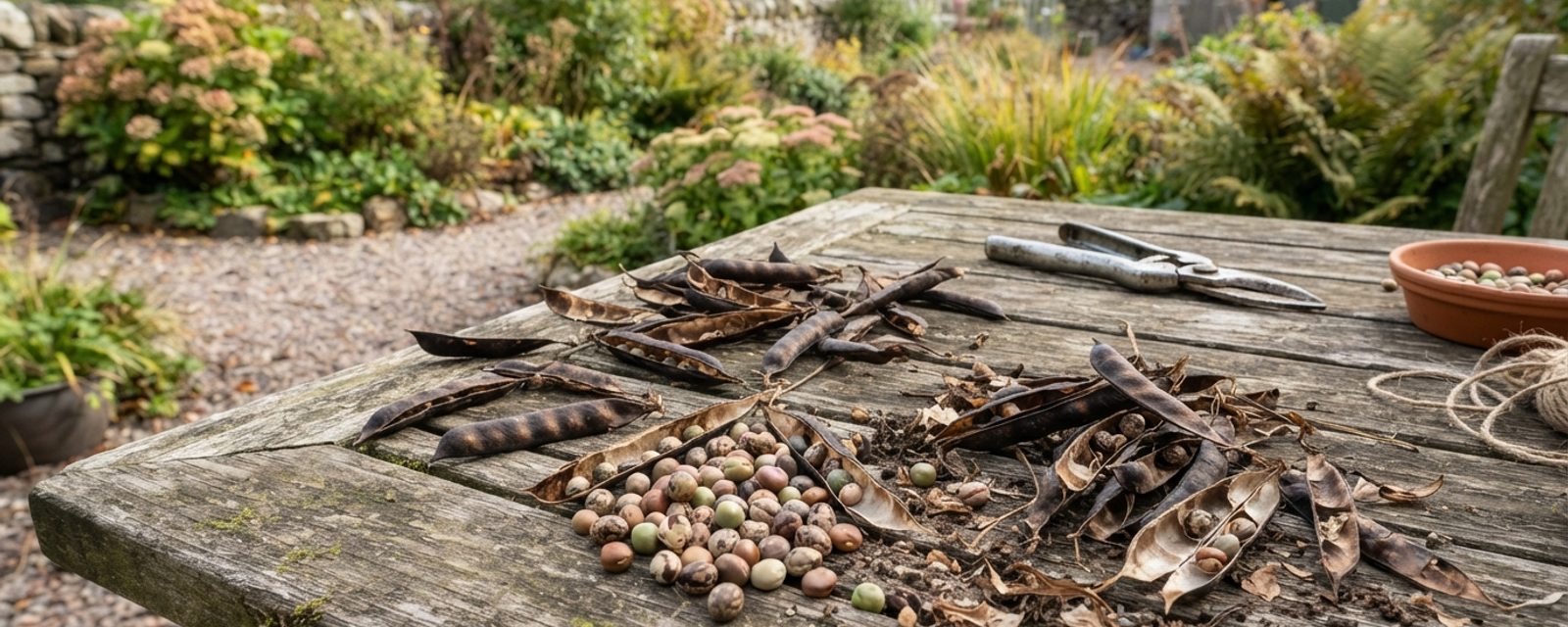 Saving Your Own Vegetable SeedWhich crops are realistic to save seed from, why biennials are harder in Scotland's shorter season, and how to dry and store seed properly.
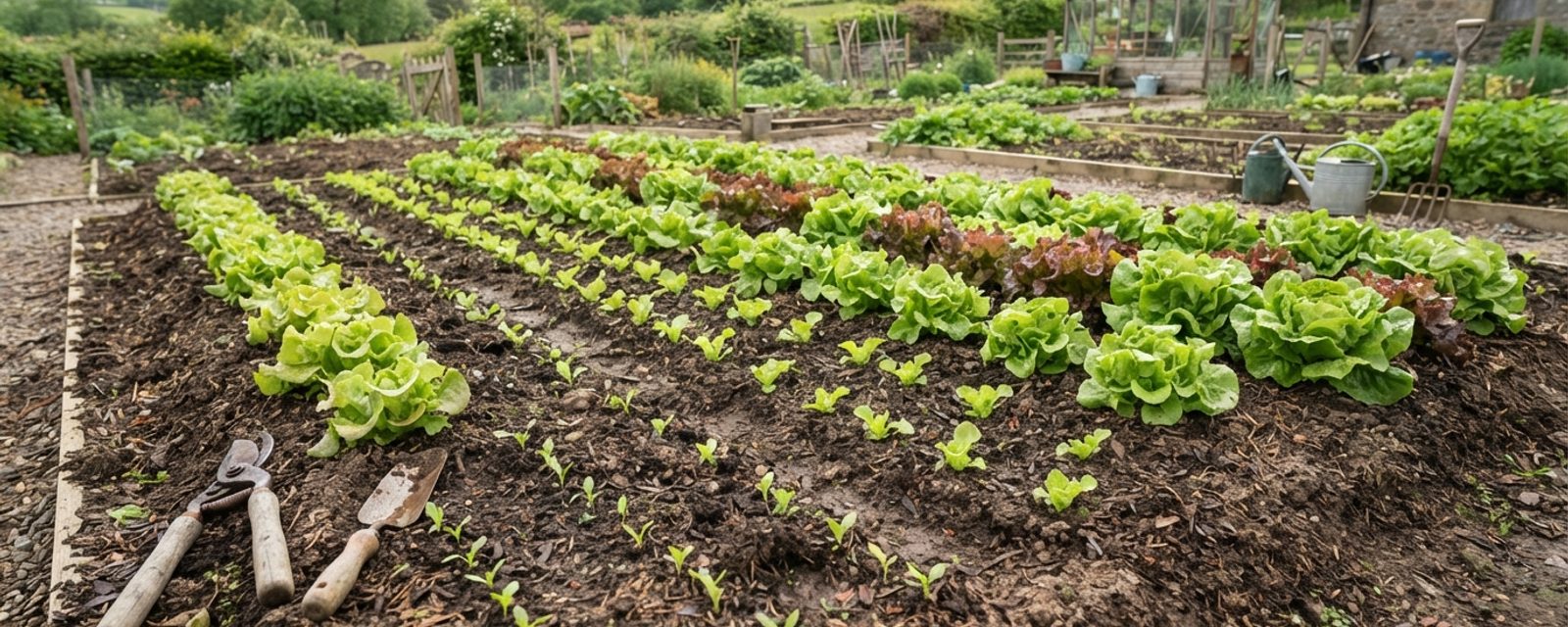 Succession Planting for BeginnersWhy one sowing date means a glut then a gap, how often to stagger sowings, catch-cropping, and working out your own last safe sowing date.
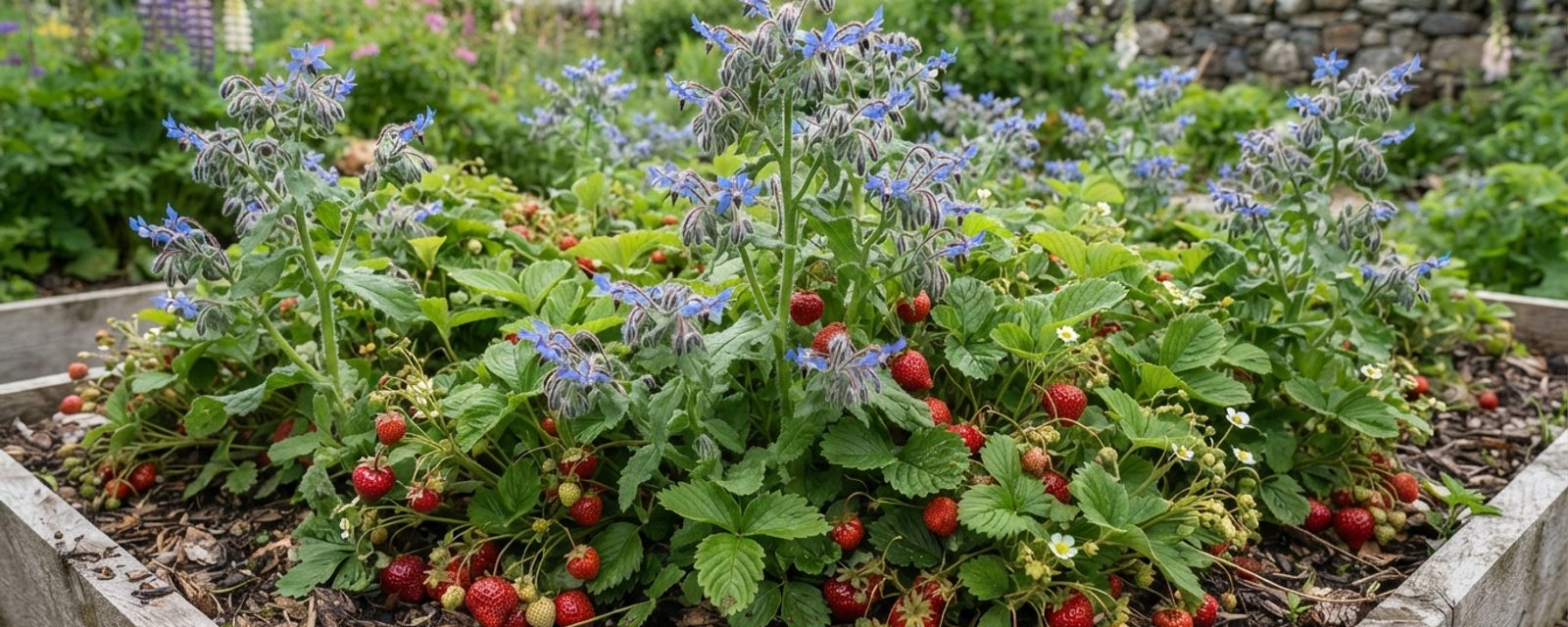 Companion Planting: What's Actually ProvenEvery companion-planting claim checked against the RHS, Garden Organic and published research — what holds up, what's folklore, and what backfires.
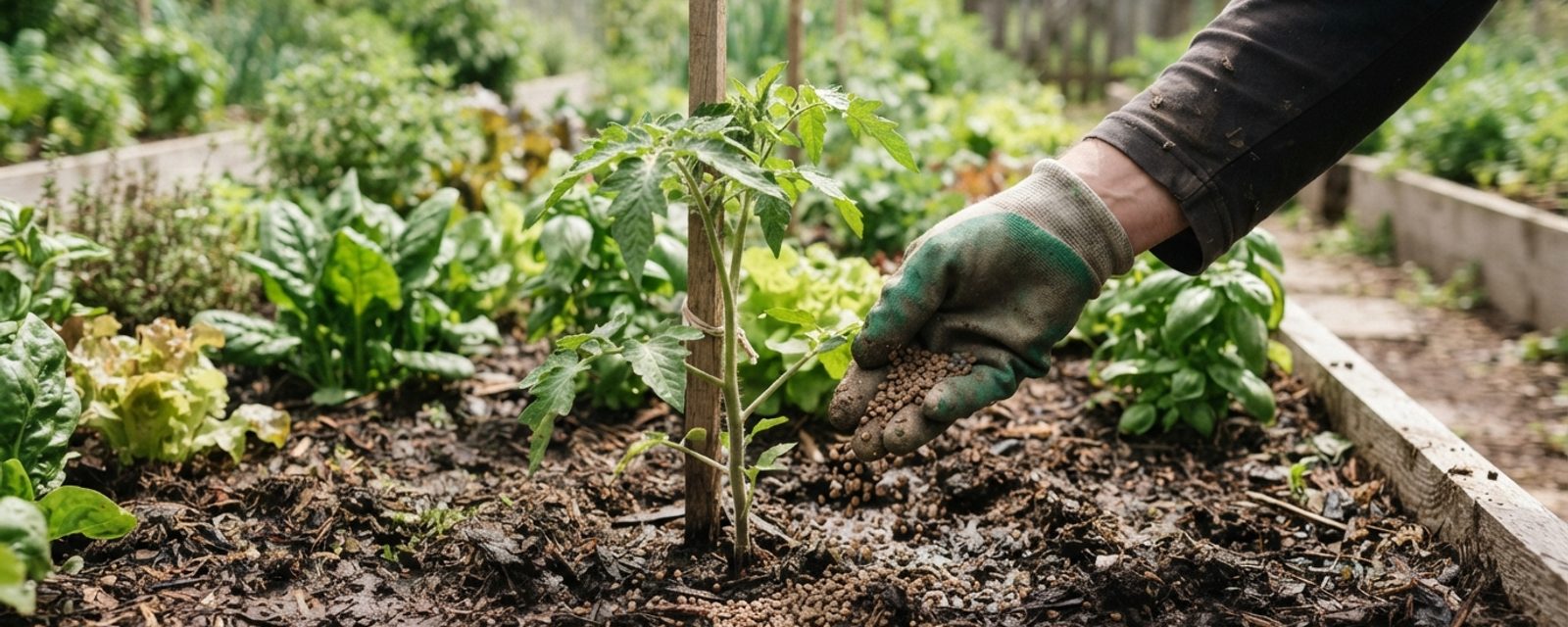 Fertiliser Types ExplainedNPK numbers explained, organic vs synthetic release speed, and why Scotland's rainfall changes which feed makes sense on your soil.
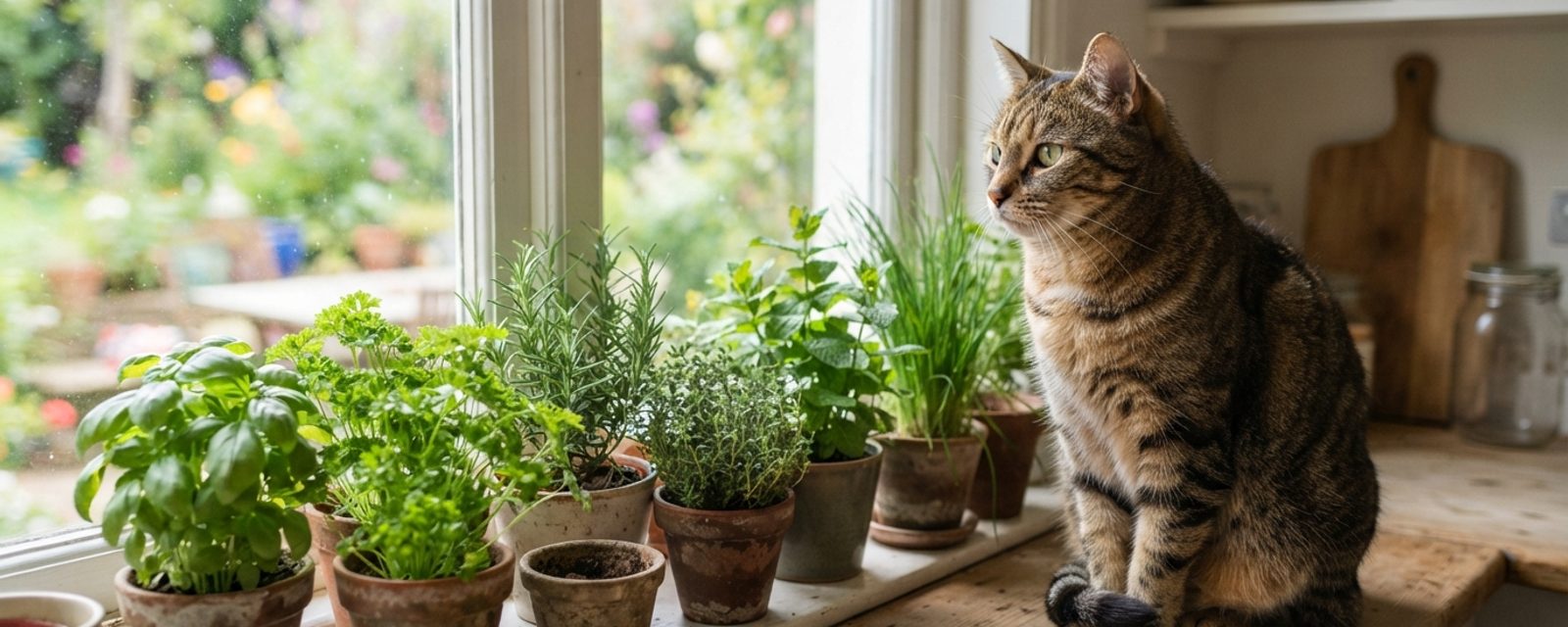 Cat-Safe Windowsill HerbsWhich common windowsill herbs are genuinely safe for cats, which are toxic, and how serious — sourced from ASPCA and RSPCA, not folklore.
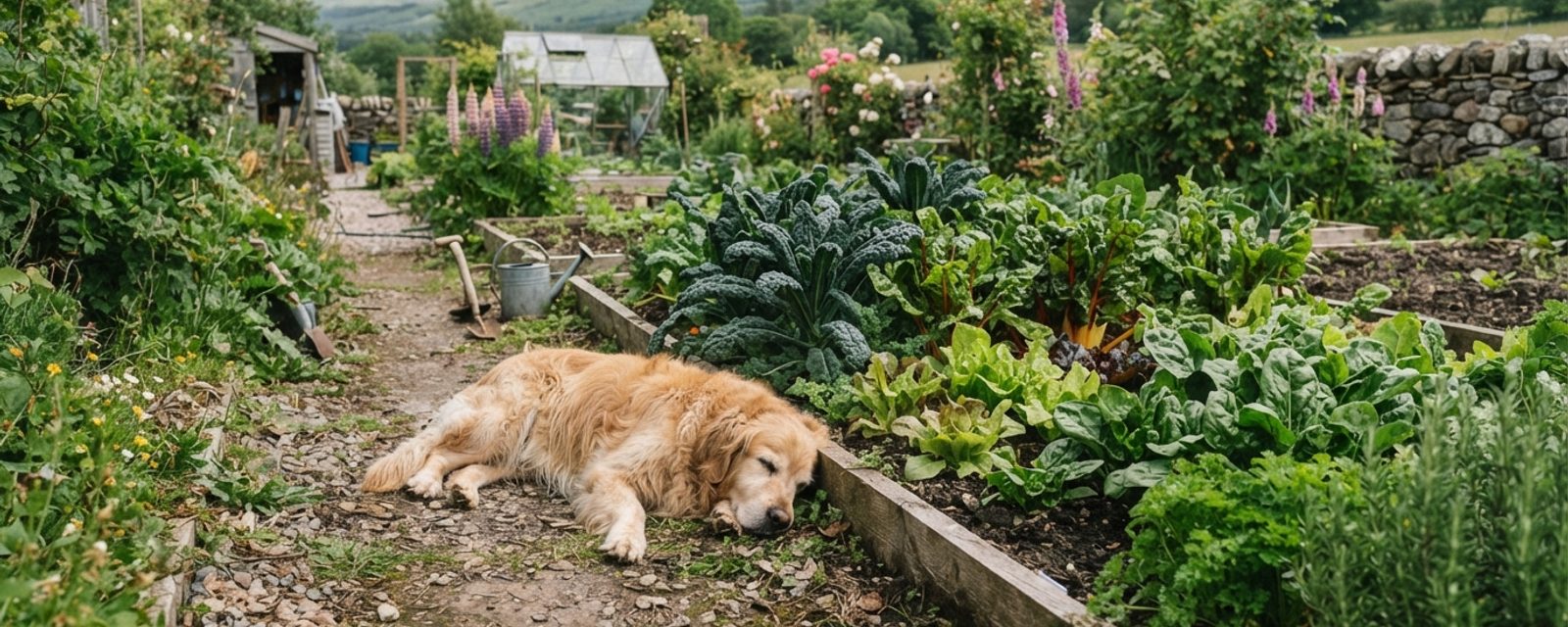 Fruit and Vegetable Crops Toxic to DogsGrapes, alliums, rhubarb leaves and more: which common garden crops are genuinely dangerous to dogs, how serious, and what to do about it.
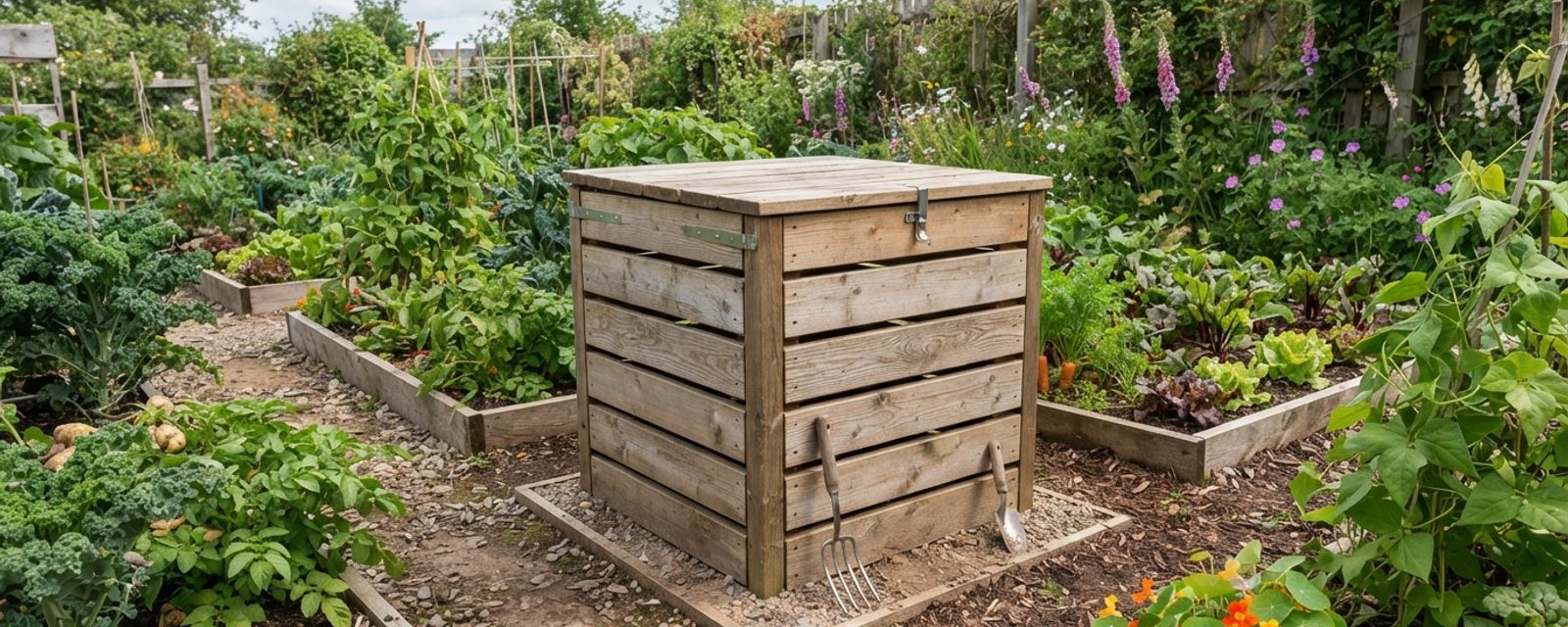 Keeping Rats Out of Your Compost HeapThe real signs of rats in a compost heap, what actually deters them, and what's folklore — sourced from RHS, Garden Organic and a council guide.
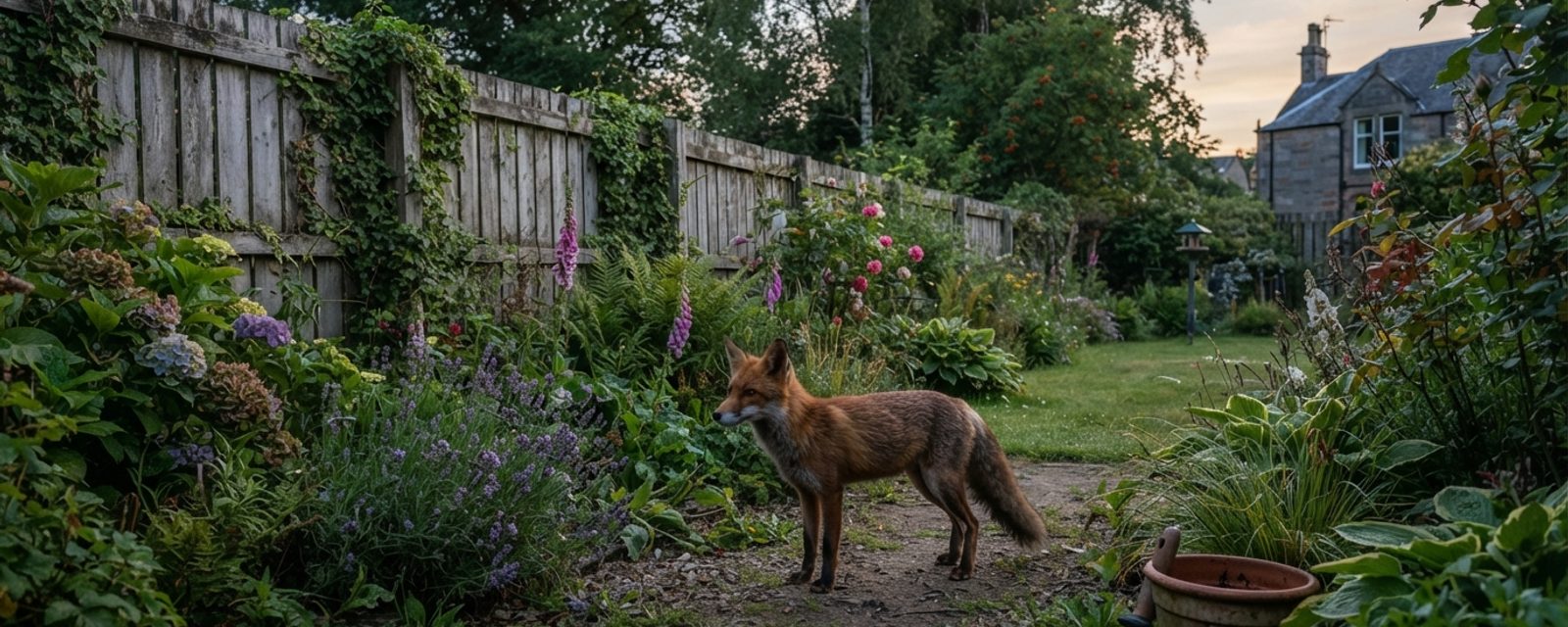 Foxes and Badgers in Your GardenWhich deterrents actually work against foxes and badgers, which are folklore, and the real legal protection badgers (but not foxes) have in Scotland.
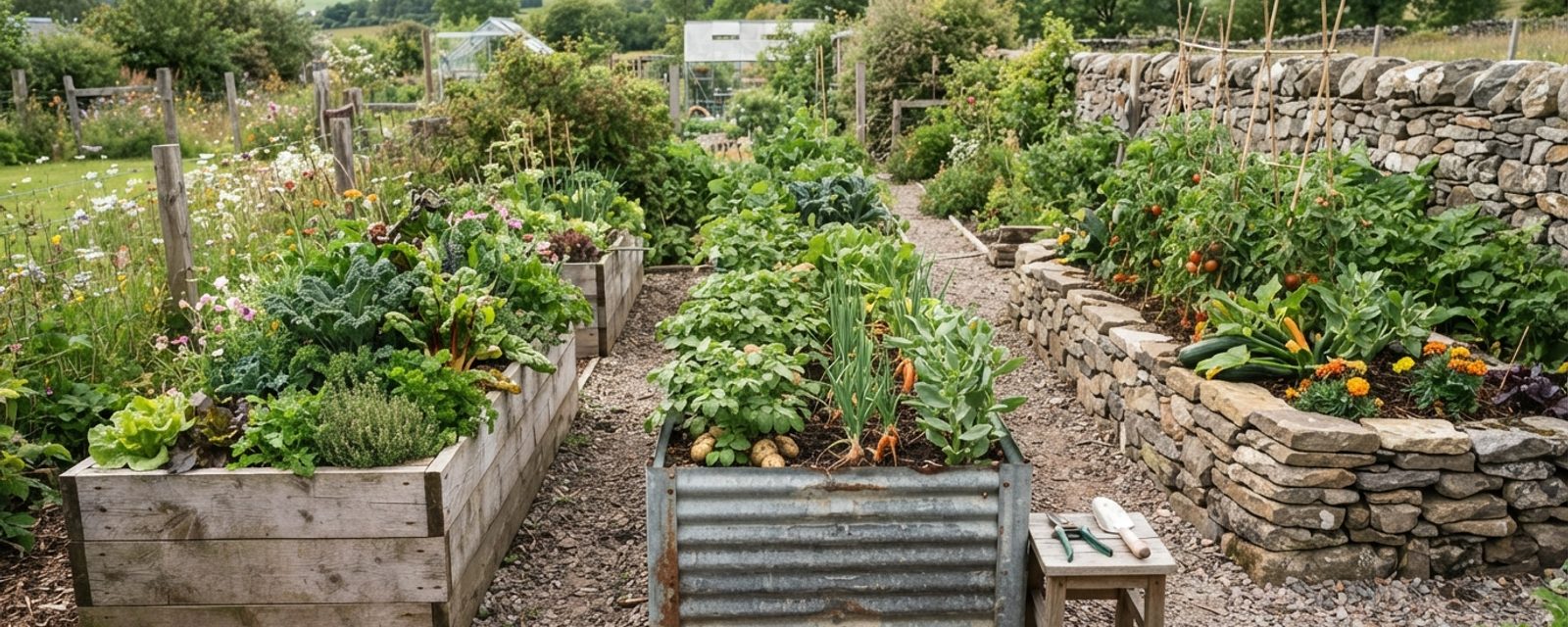 Raised Bed Materials ComparedCost, lifespan and the real food-safety questions around treated timber and reclaimed sleepers, plus why metal beds warm faster in a Scottish spring.
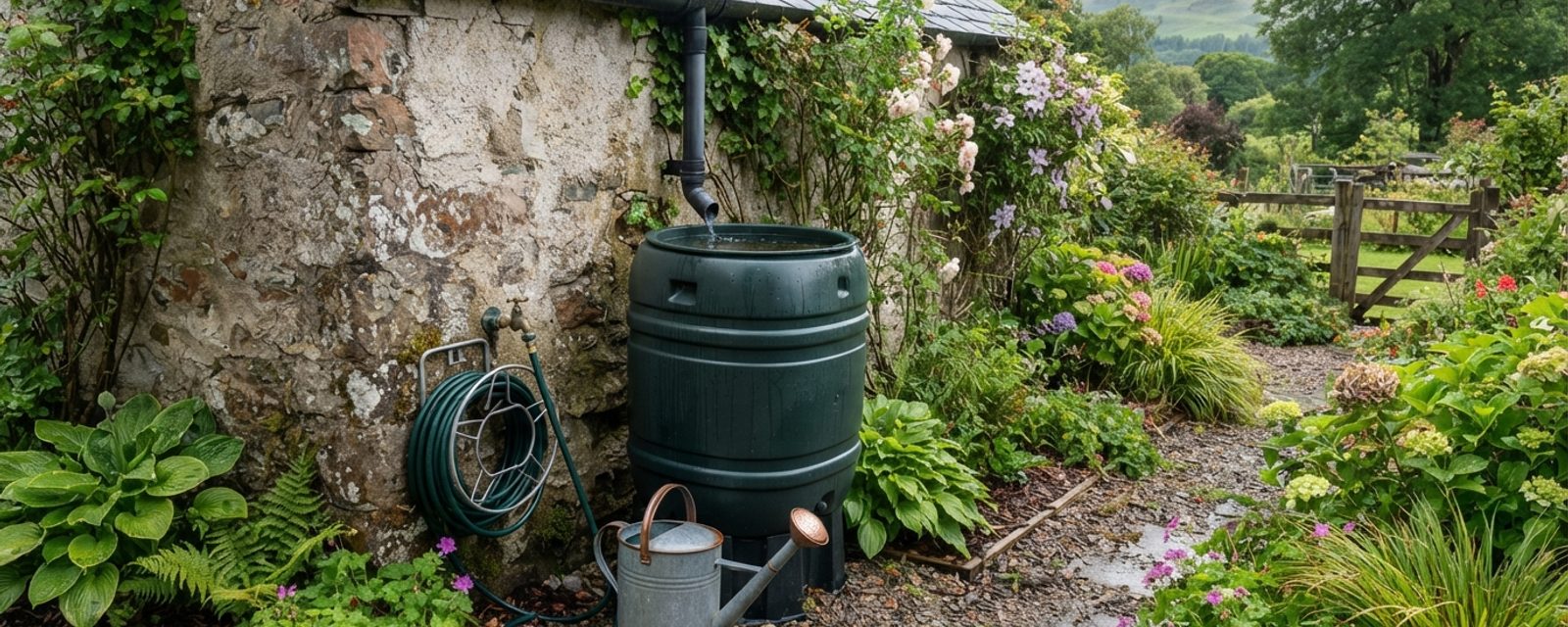 Tap Water vs RainwaterThe real chemistry behind hard tap water and acid-loving plants, which plants actually need rainwater, and how to check your own water hardness.
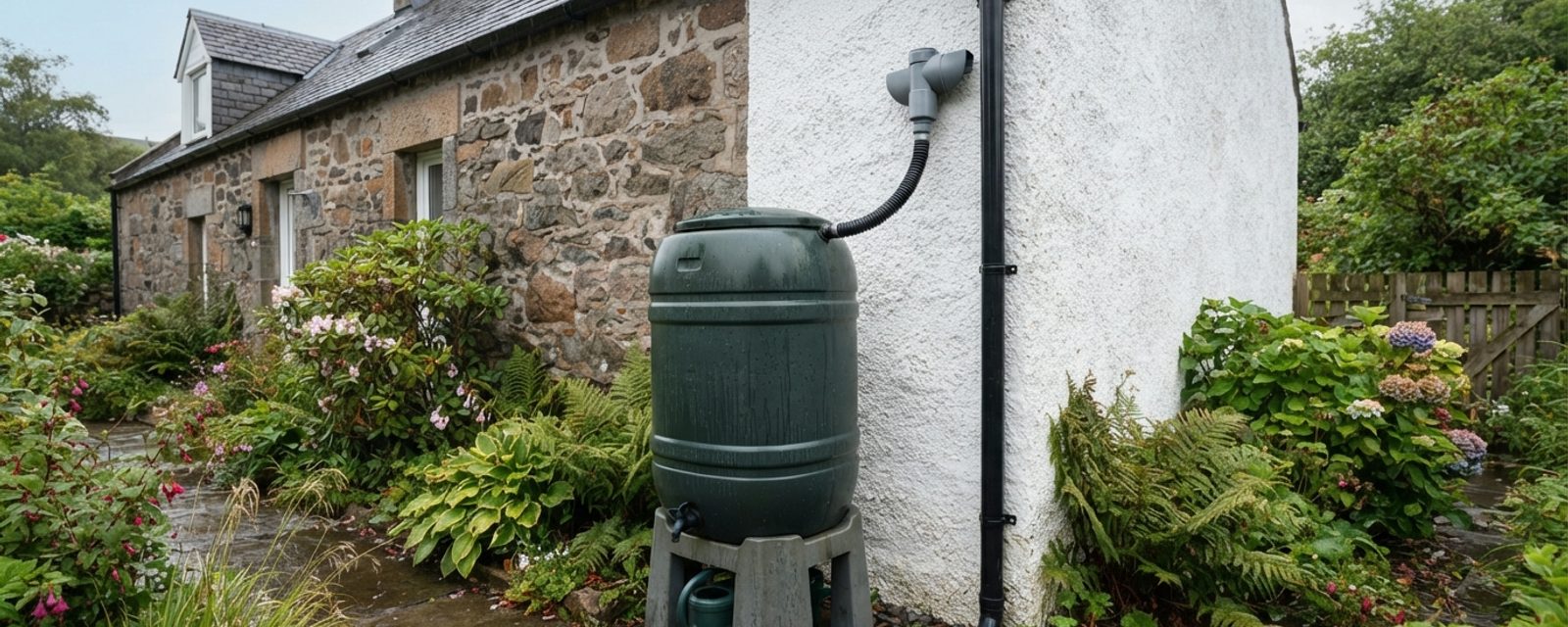 How to Set Up a Water ButtSizing, the downpipe diverter, positioning and the real hygiene rule that keeps rainwater safe for seedlings — not the rainwater itself.
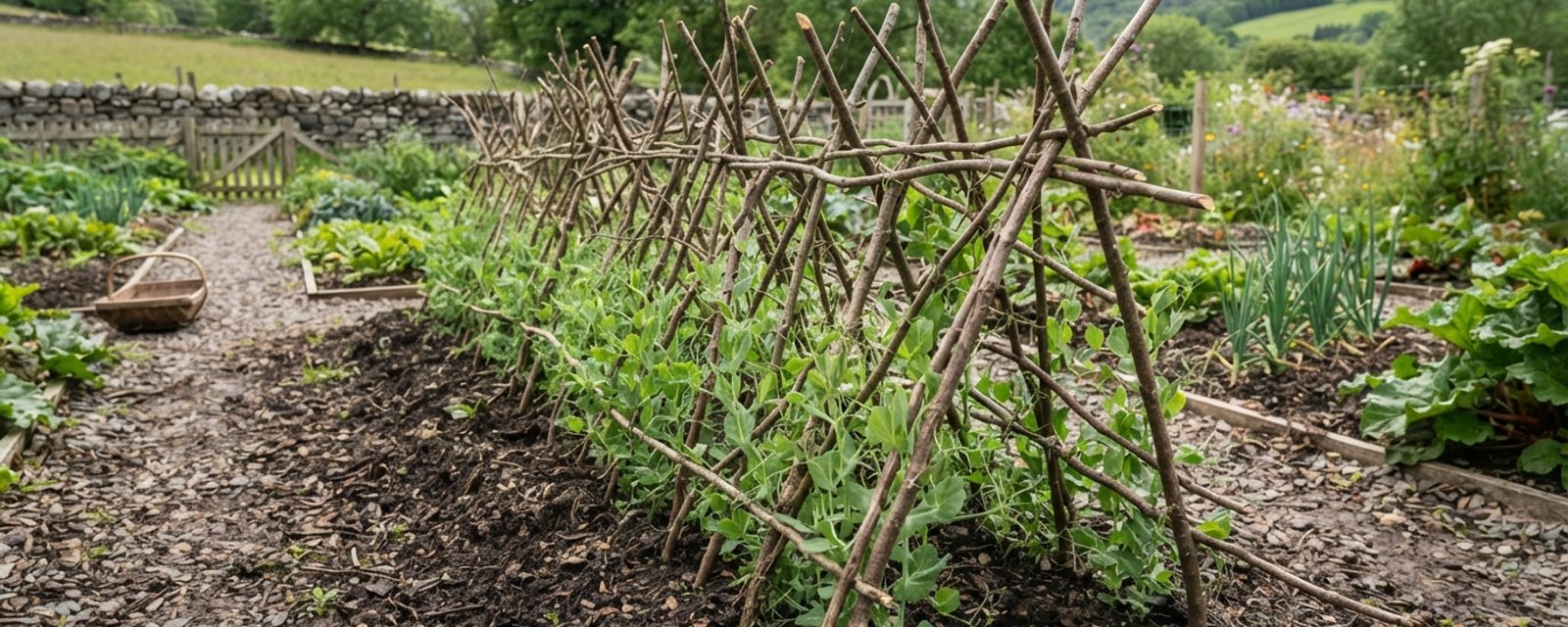 Hazel Pea-Sticks and Twiggy SupportsThe traditional way to stake peas and sweet peas, where to source hazel or other twiggy prunings in Scotland, and a fair comparison against netting.
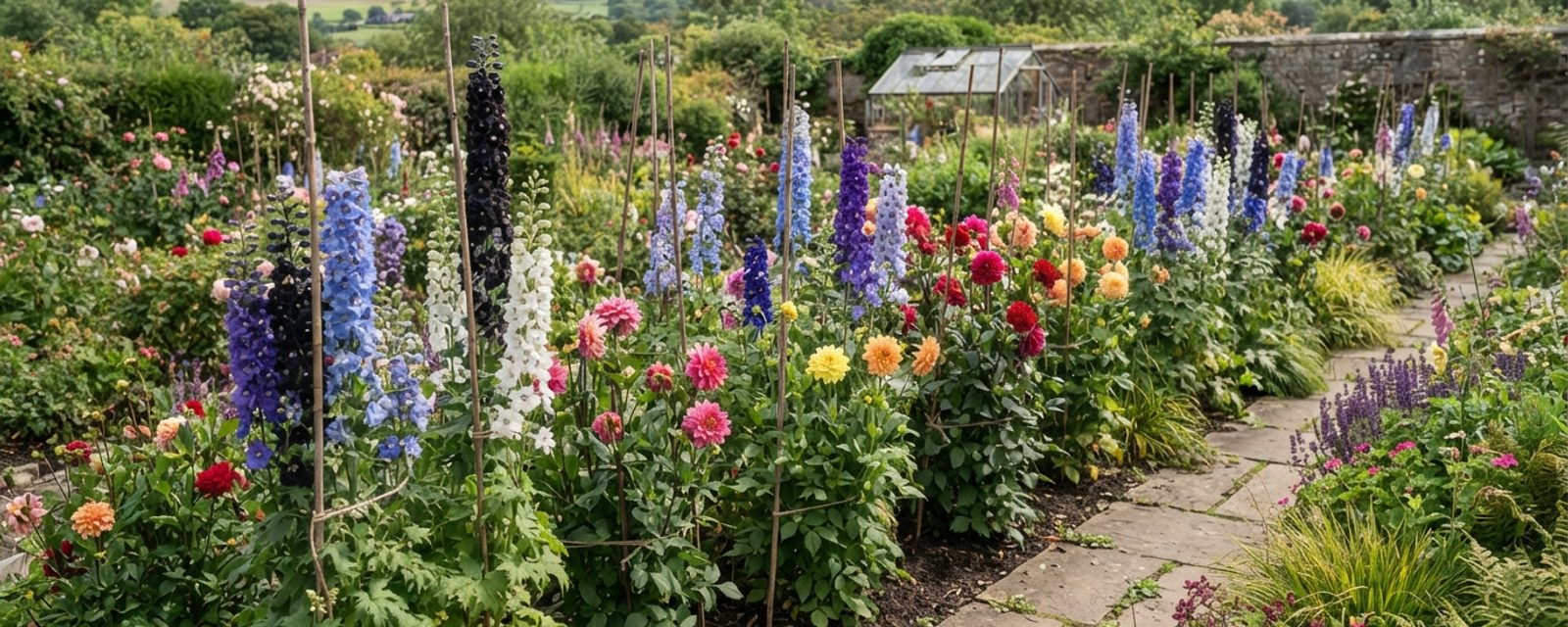 Staking Tall PerennialsWhy top-heavy perennials go down, real Met Office wind and rainfall figures for Scotland, and choosing the right support method for each plant.
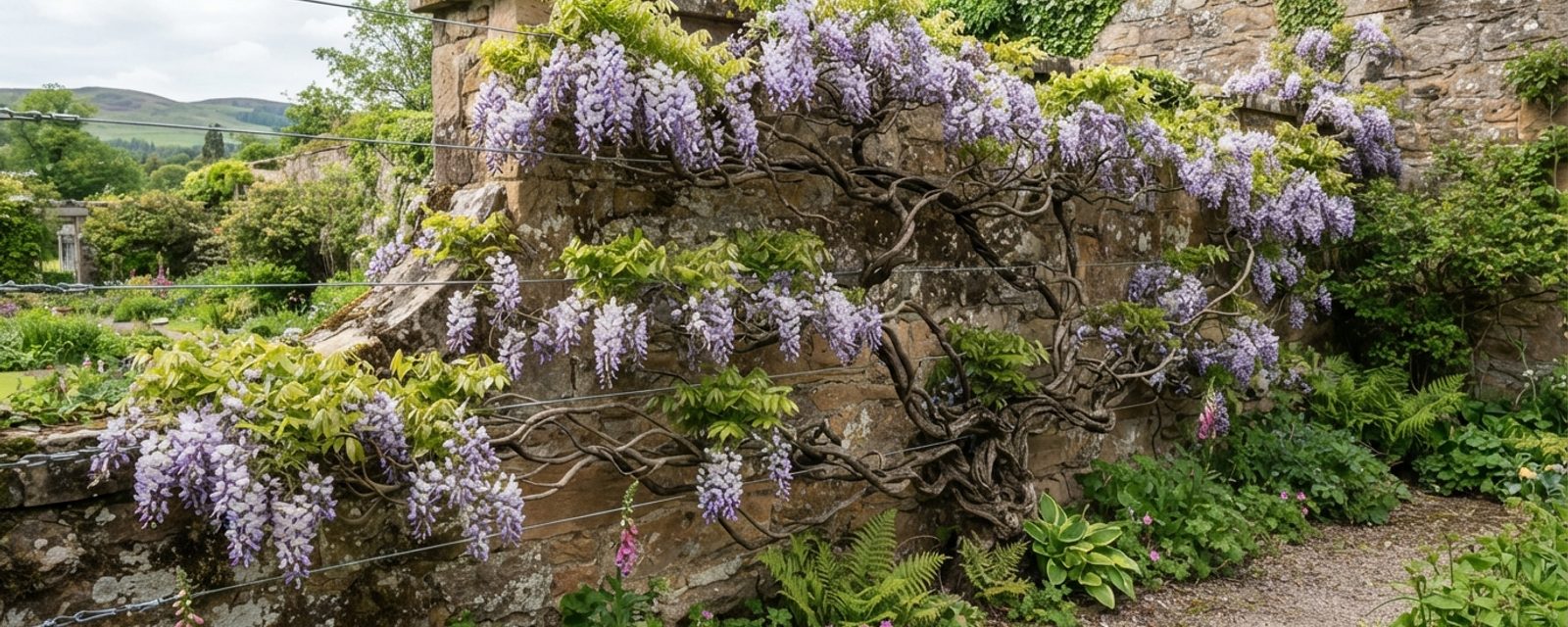 Training Climbing PlantsTwining stems, tendrils, self-clinging pads or scramblers that need tying in — the right support depends on how the plant actually climbs, not its name.
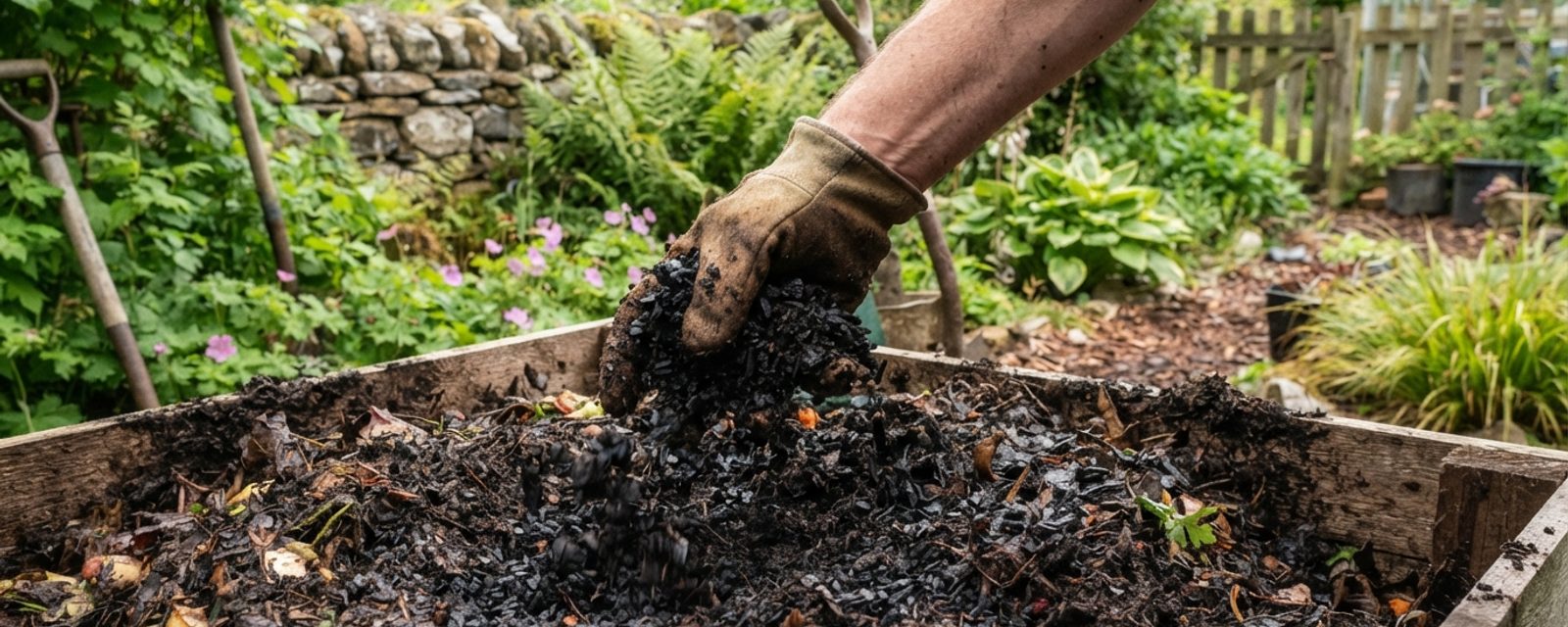 Does Biochar Actually Work?Biochar's fertility, water-retention and carbon claims graded separately against institutional evidence — and whether it helps Scotland's mostly acidic, peaty or clay soils.
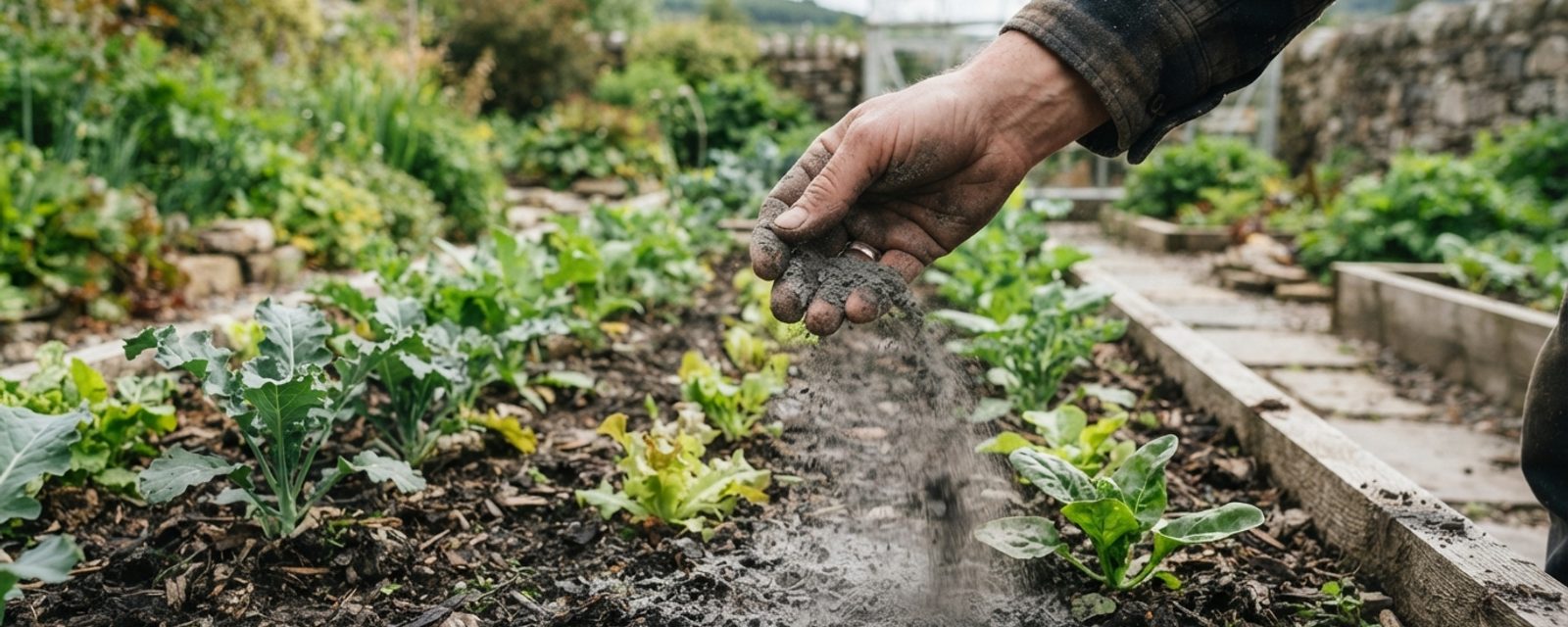 Does Rock Dust Actually Work?Rock dust's remineralisation, yield, flavour and glacial-soil claims graded separately against institutional evidence, plus the real Aberdeenshire basalt angle.
 Do Mycorrhizal Fungi Products Actually Work?Mycorrhizal symbiosis is real biology, but does the sachet from the garden centre make a measurable difference? Four claims graded separately.
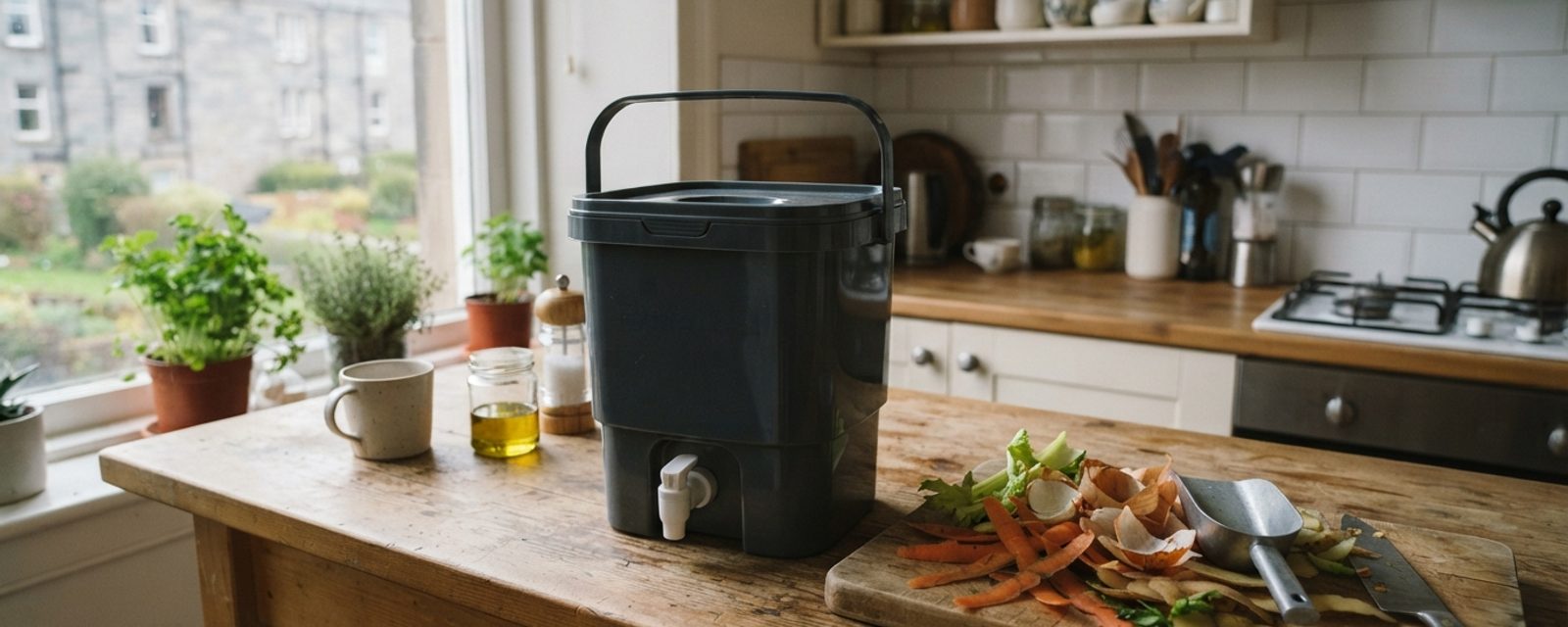 Bokashi Composting: Fermenting Food Waste in a FlatHow bokashi fermentation actually works, why it takes meat and dairy an ordinary compost bin can't, and why Scotland's high rate of flat living makes it especially useful here.
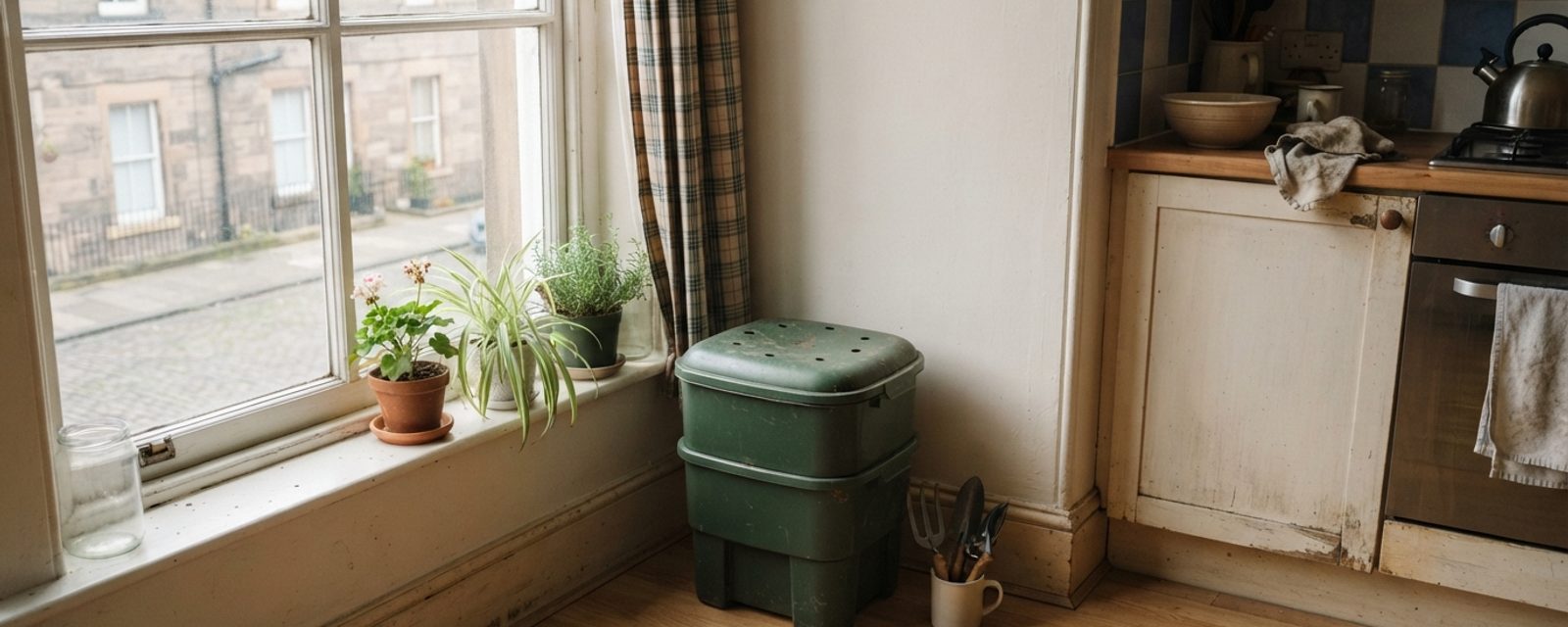 Composting in a Flat or Small SpaceWorm bins, bokashi, tumblers and Scotland's mandatory council food waste collection compared — what actually works with a balcony, a shared yard, or no outdoor space at all.
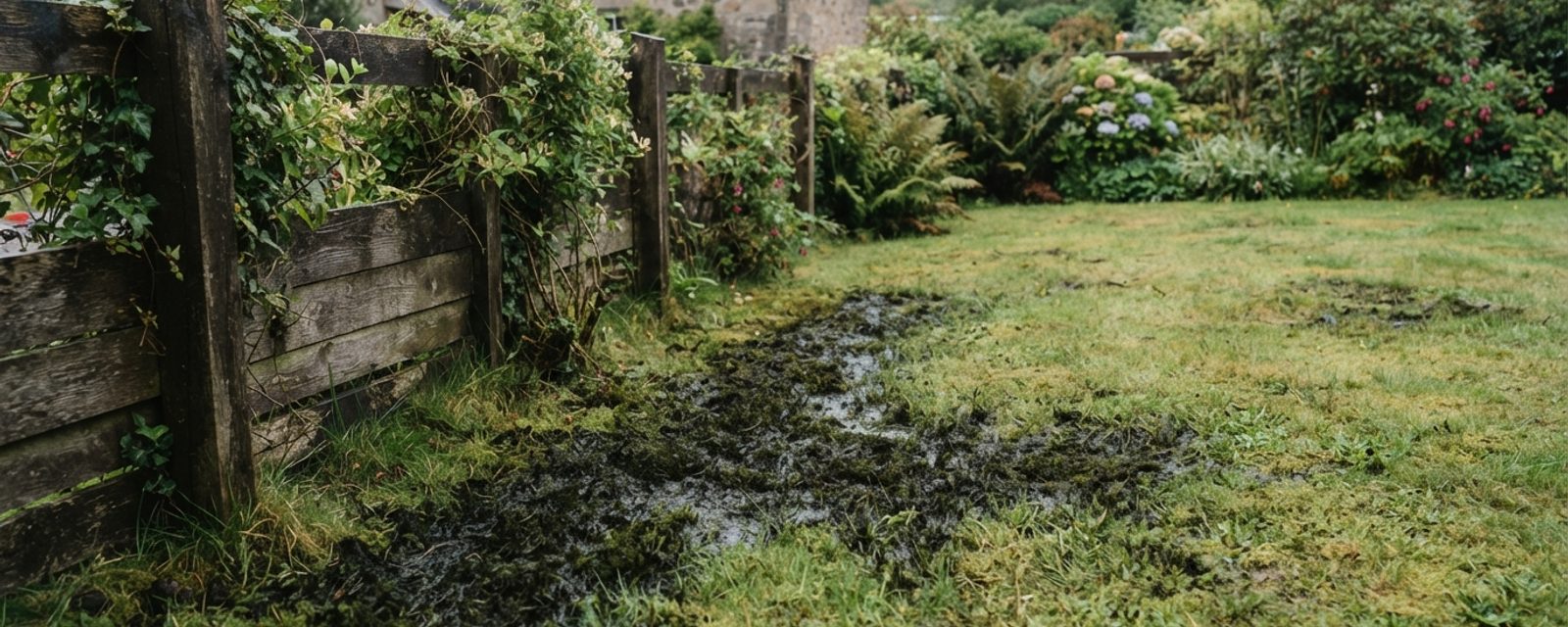 Moss in Your LawnWhy moss keeps coming back, why Scotland's rainfall and acidic soils make it the default lawn problem here, and the diagnostic approach that actually stops it.
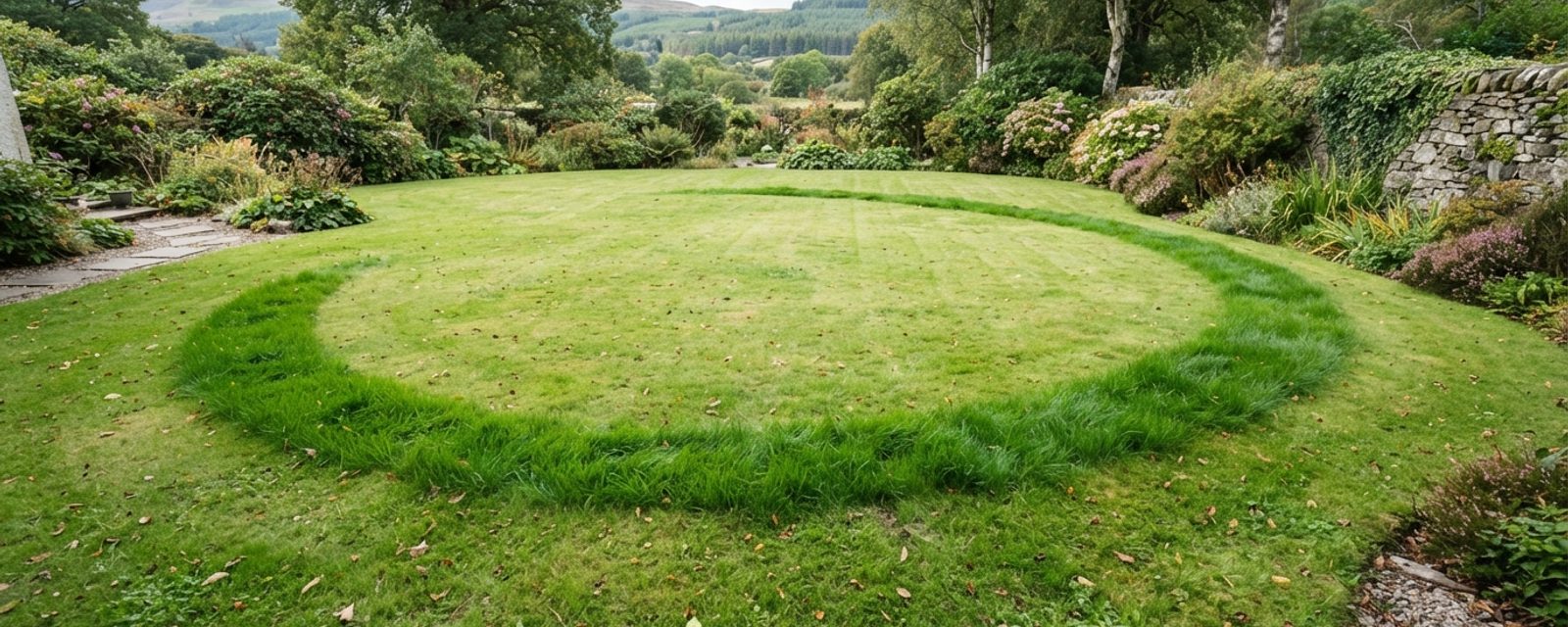 Mushrooms and Fairy Rings in Your LawnWhat's actually happening underground, the three fairy ring types graded by severity, and honest safety advice — plus why Scotland sees more of this than drier parts of the UK.
 Red Thread Lawn DiseaseWhy red thread appears, why it's almost never a lawn-killer, and why feeding the lawn beats reaching for a fungicide — plus real Met Office data on Scotland's autumn infection risk.
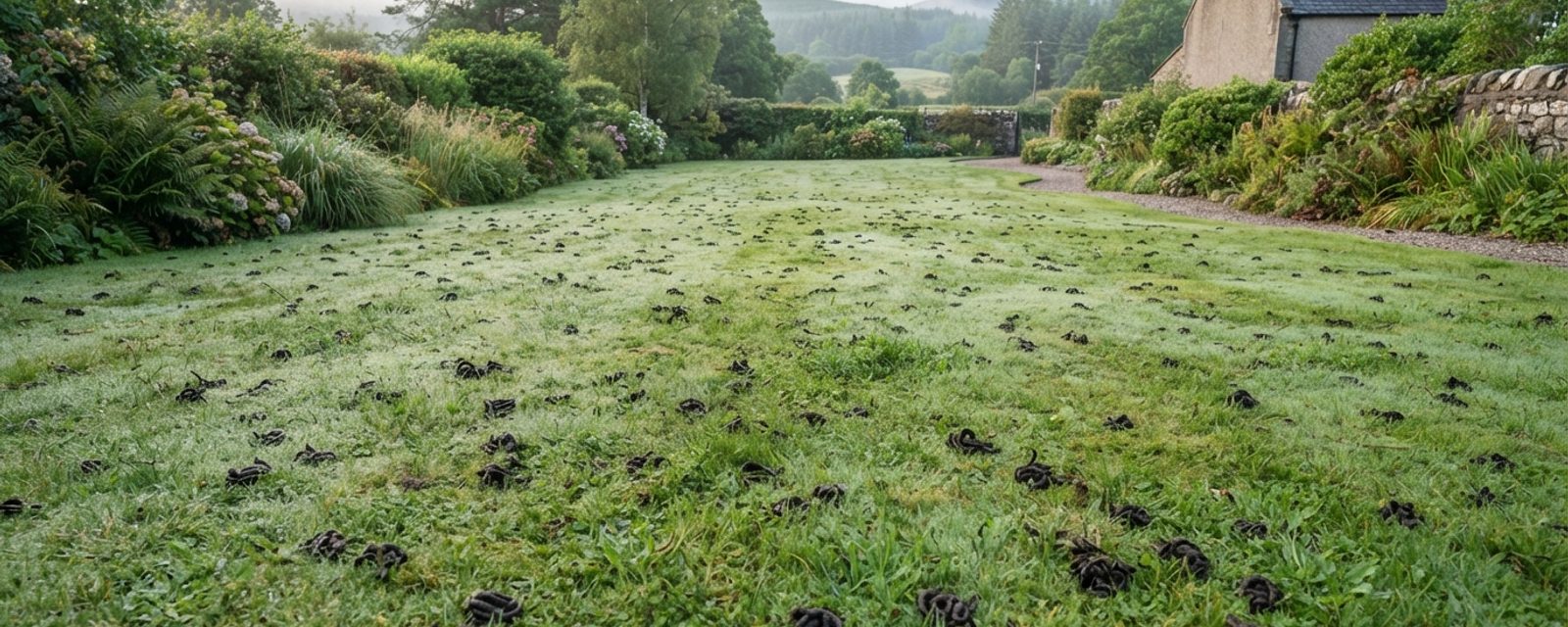 Worm Casts in Your LawnWorm casts are a sign of healthy soil, not a lawn problem — why there's no pesticide for them, the real management, and why Scottish lawns see more of this than drier parts of the UK.
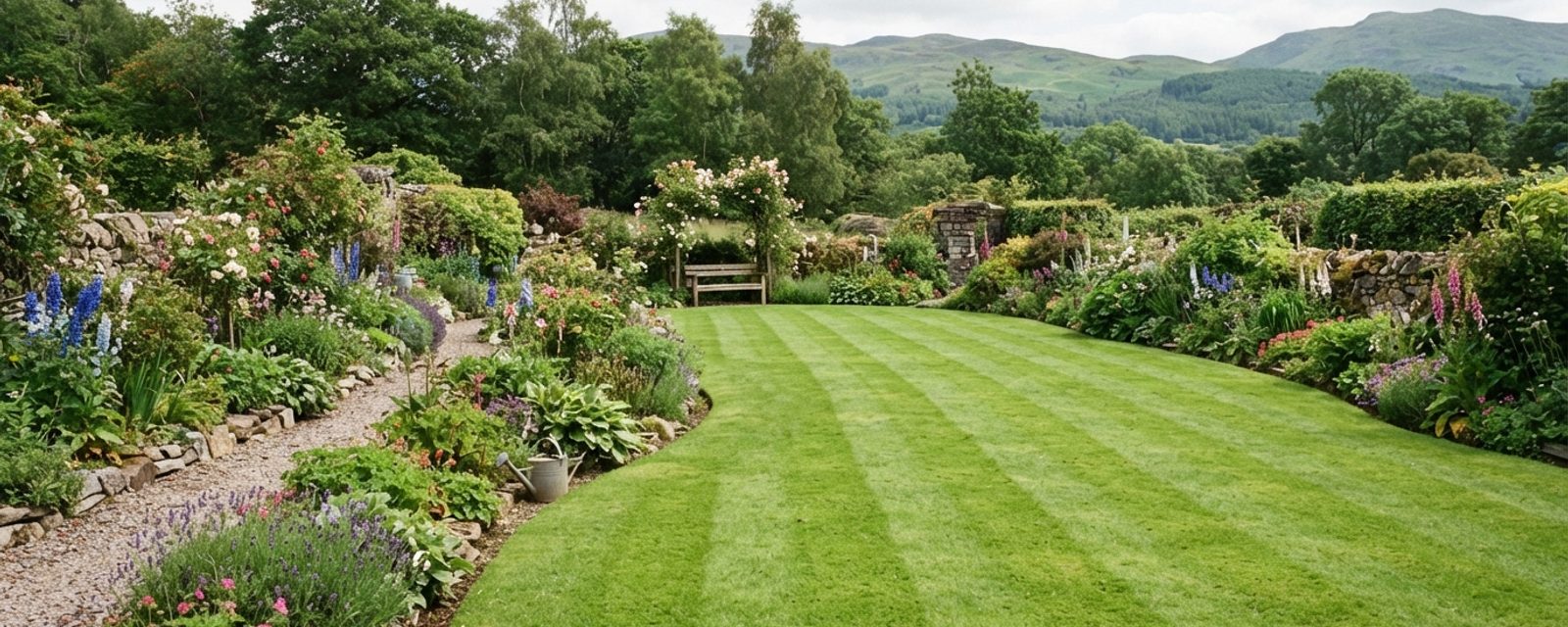 Brown Patches in a Scottish LawnThe pull test that tells chafer grub damage apart from drought and dog urine scorch in seconds, plus why drought is the least likely cause of the three in most Scottish gardens.
 Iron Sulphate OveruseWhy iron sulphate stains paving permanently, why grass sometimes blackens along with the moss, and the four habits that prevent both: the mistakes, not the product, are the problem.
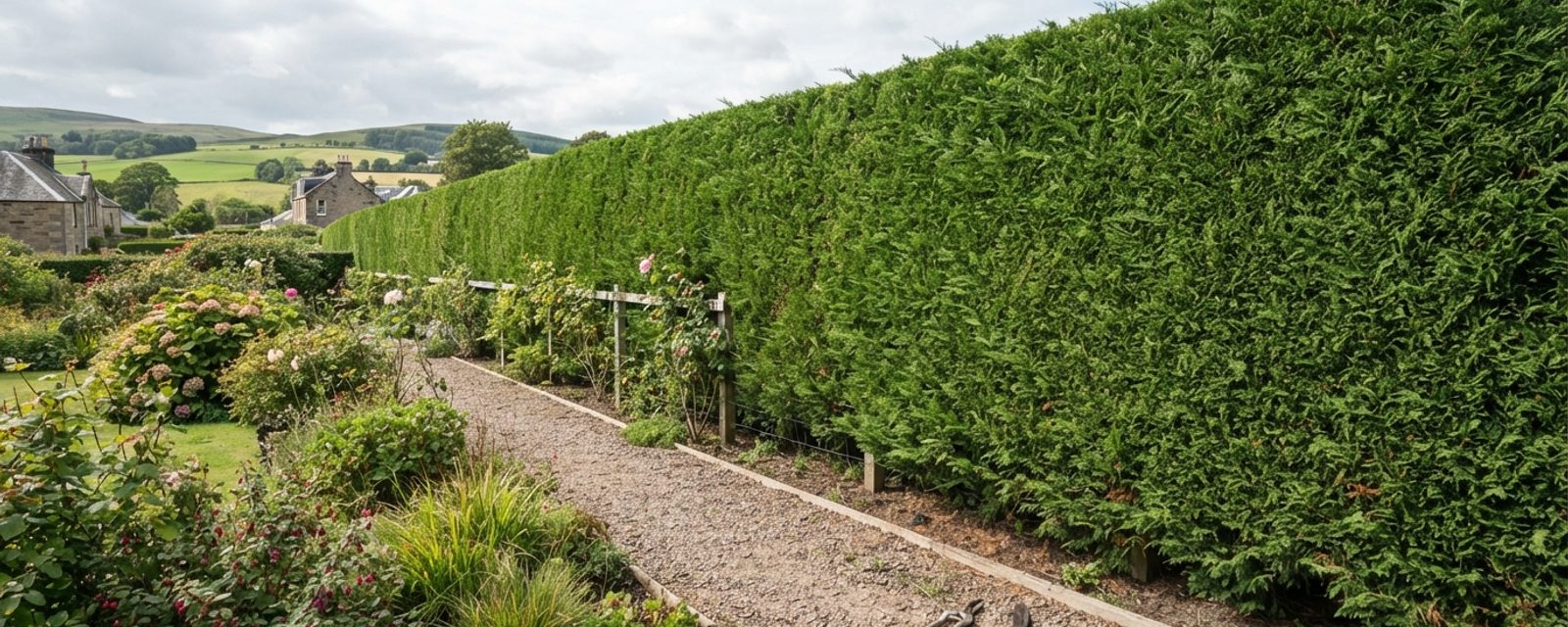 Why Is My Conifer Hedge Turning Brown?The scratch test that tells you whether a brown patch in a leylandii or conifer hedge will recover, and the one fact that changes everything: conifers don't regrow from bare, leafless wood.
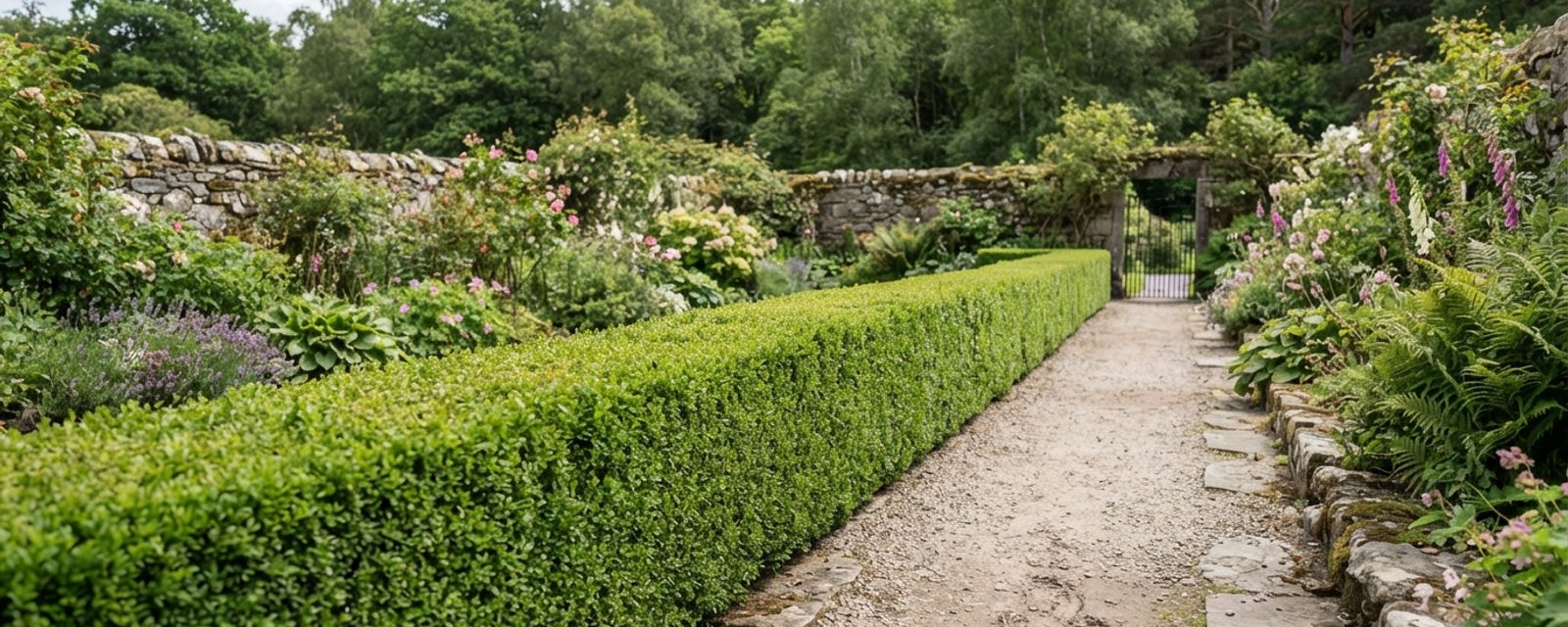 Box Hedge Dying: Blight vs Box Moth vs DroughtHow to tell box blight, box tree moth and drought stress apart at a glance, honest management for each, and why Scotland currently carries a genuinely lower box tree moth risk than England.
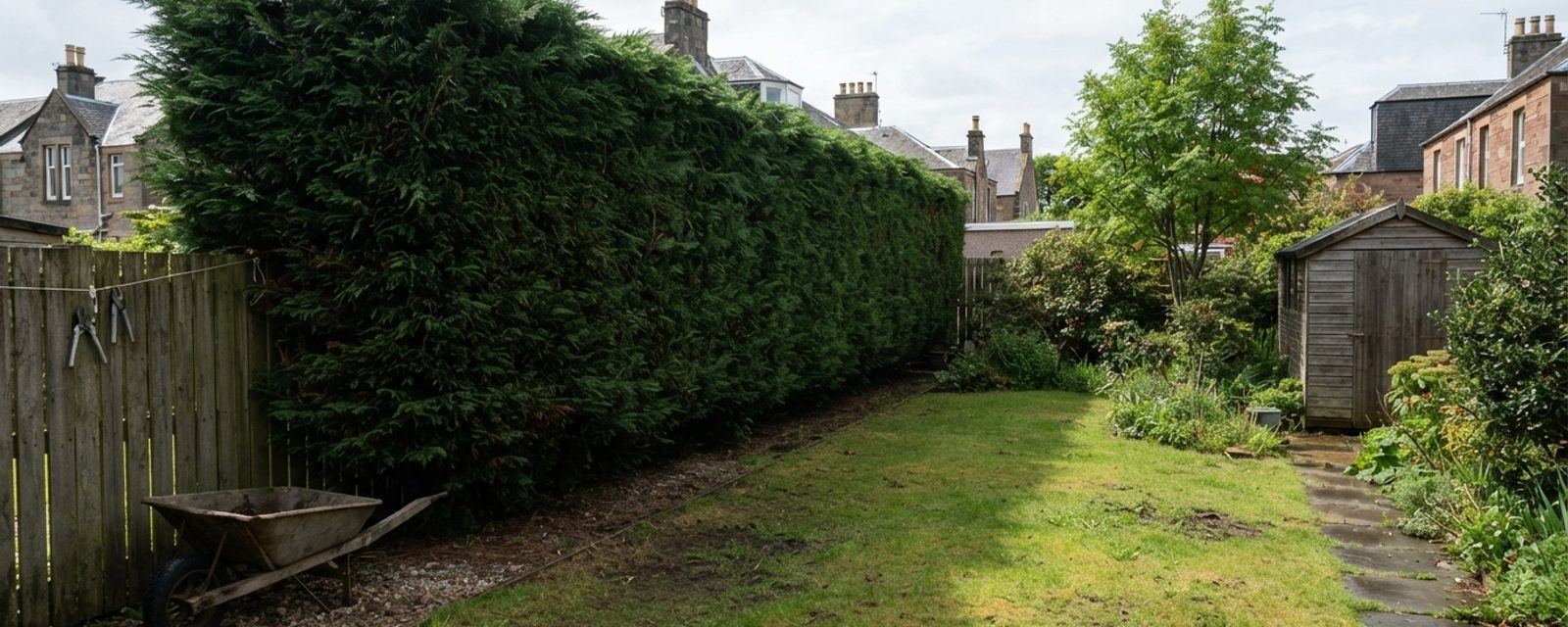 Overgrown Hedges and the Law in ScotlandWhat the High Hedges (Scotland) Act 2013 actually covers, the real process for a council notice, and the genuine difference from the England and Wales regime.
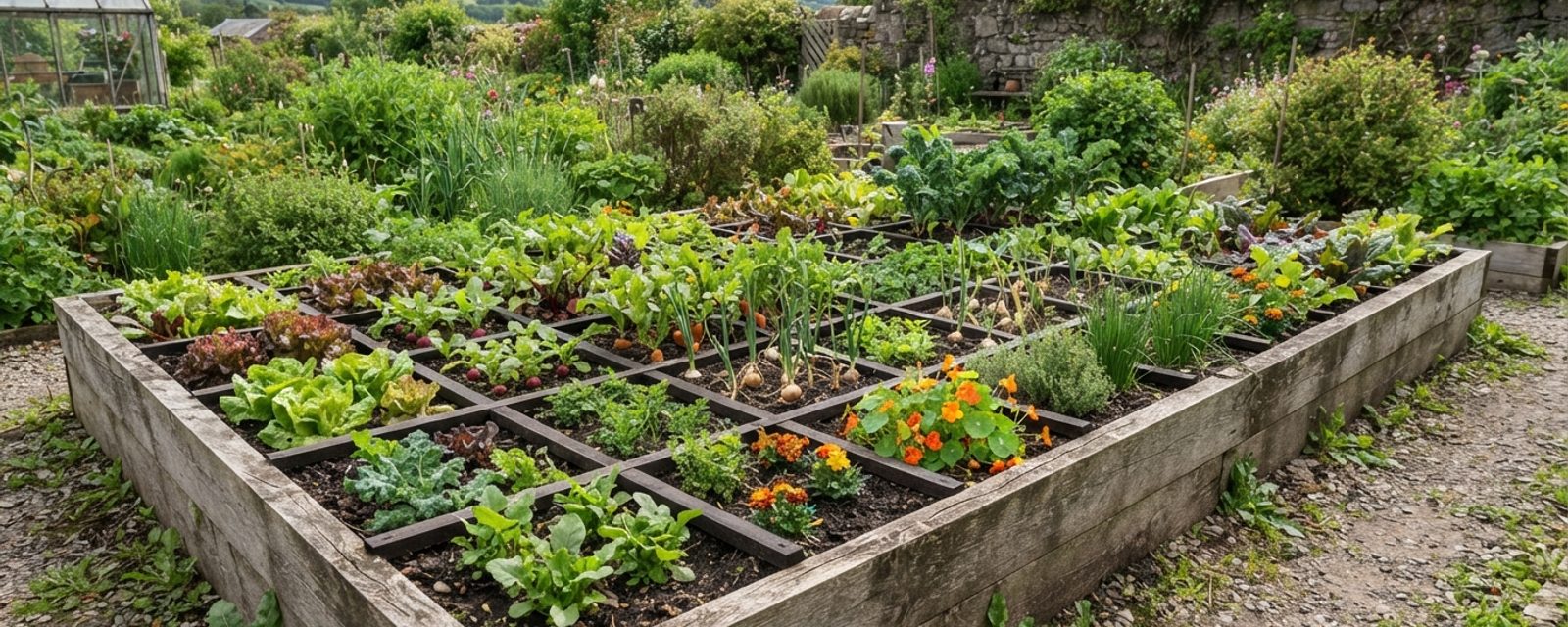 Square Foot GardeningThe grid system explained, what the yield claims actually rest on, why Mel's Mix sits awkwardly with Scotland's peatland restoration effort, and whether tight spacing suits a wet, low-light climate.
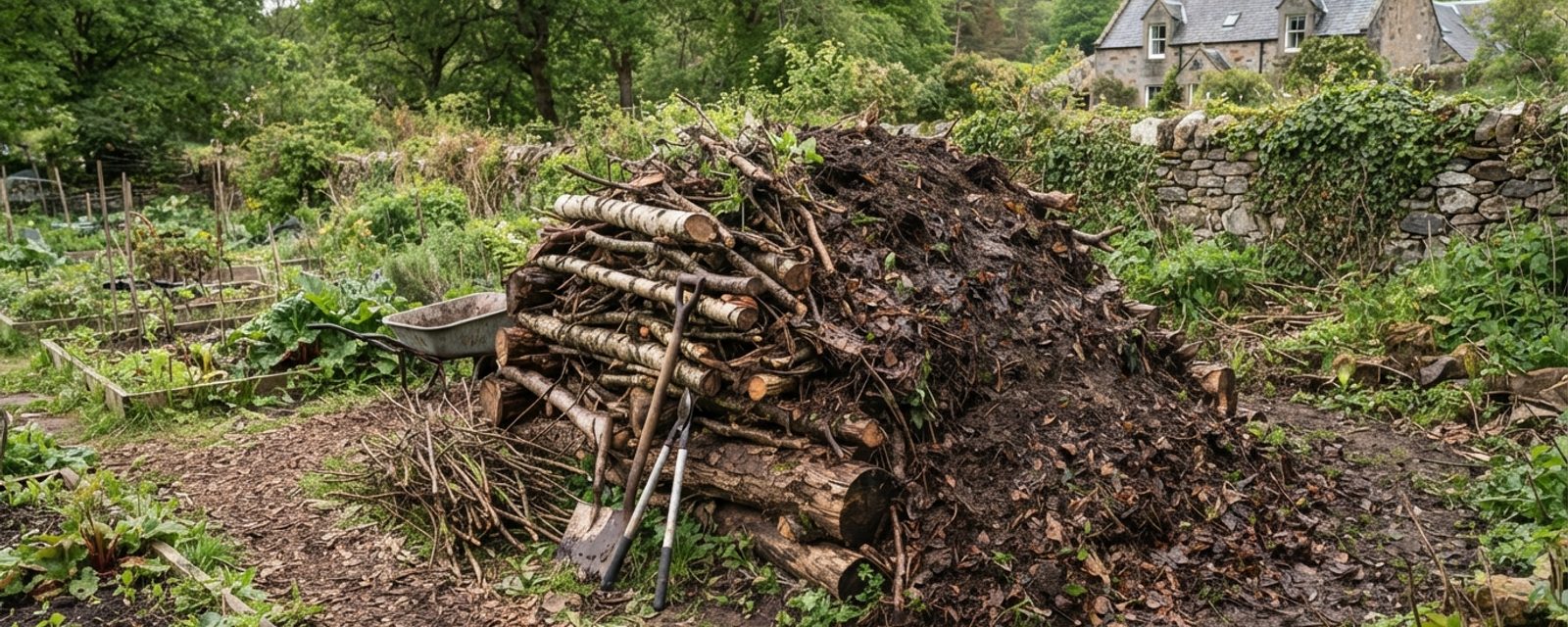 Hugelkultur in ScotlandBuried wood mounds promise moisture retention without watering. On ground that's already wet most of the year, that's a real risk, not just a smaller advantage.
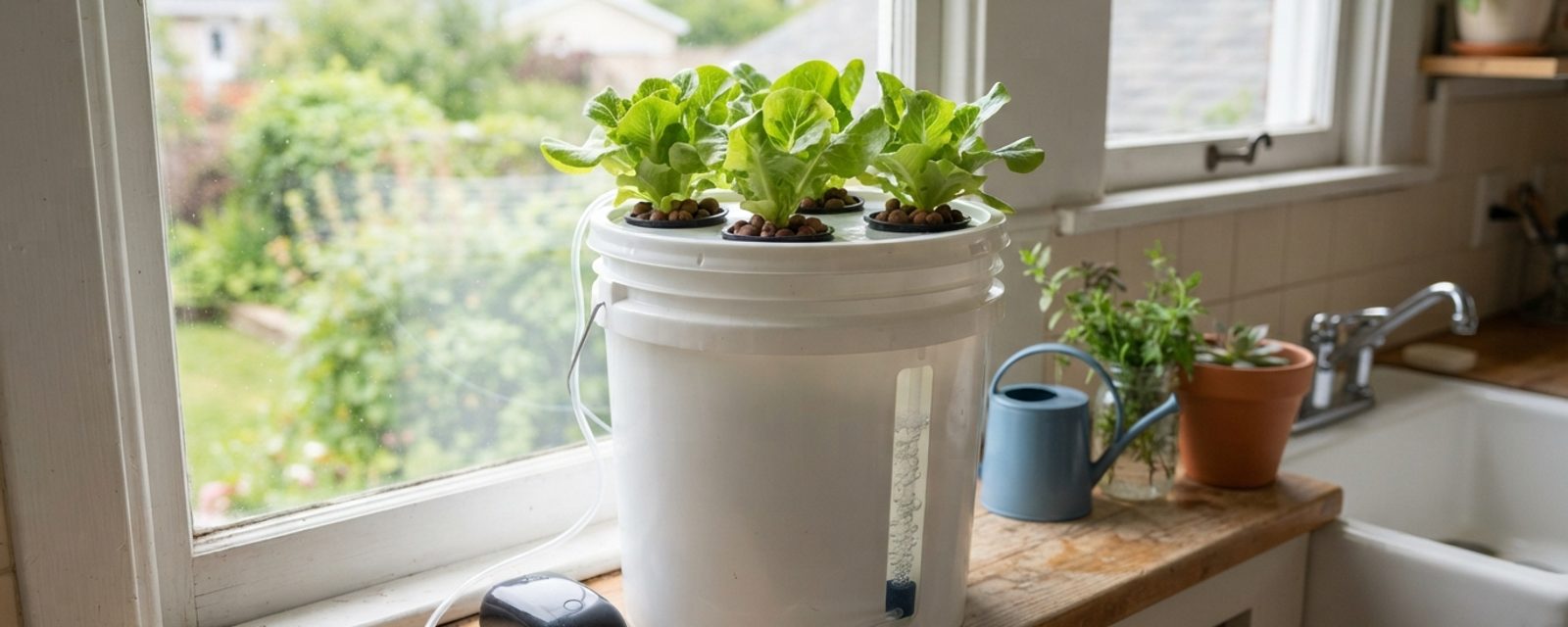 Hydroponics for Beginners in a Scottish ClimateHydroponics solves clay drainage and slugs by removing soil entirely, but trades them for light and heat, which is where a Scottish winter actually bites.
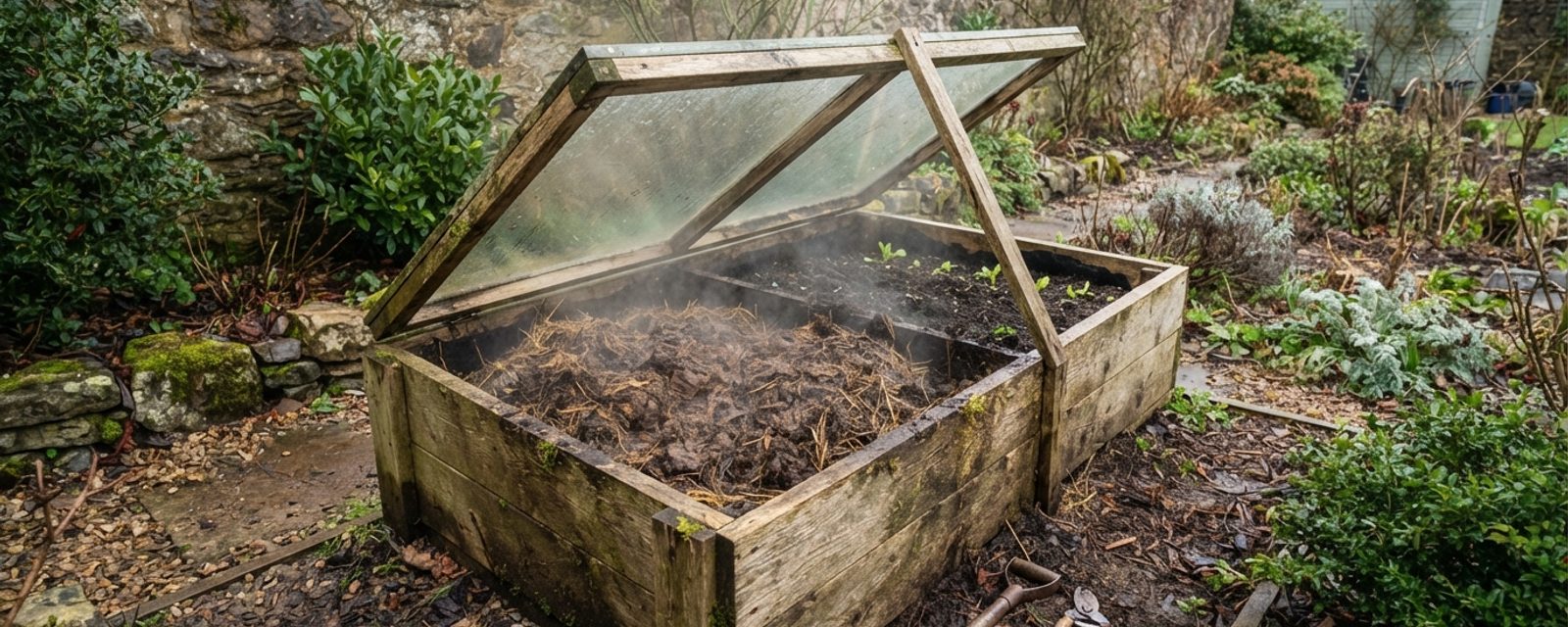 Hotbed GardeningA hotbed generates real heat through decomposition rather than trapping heat that already exists. What it actually takes to build one, and the modern barrier: sourcing fresh manure.
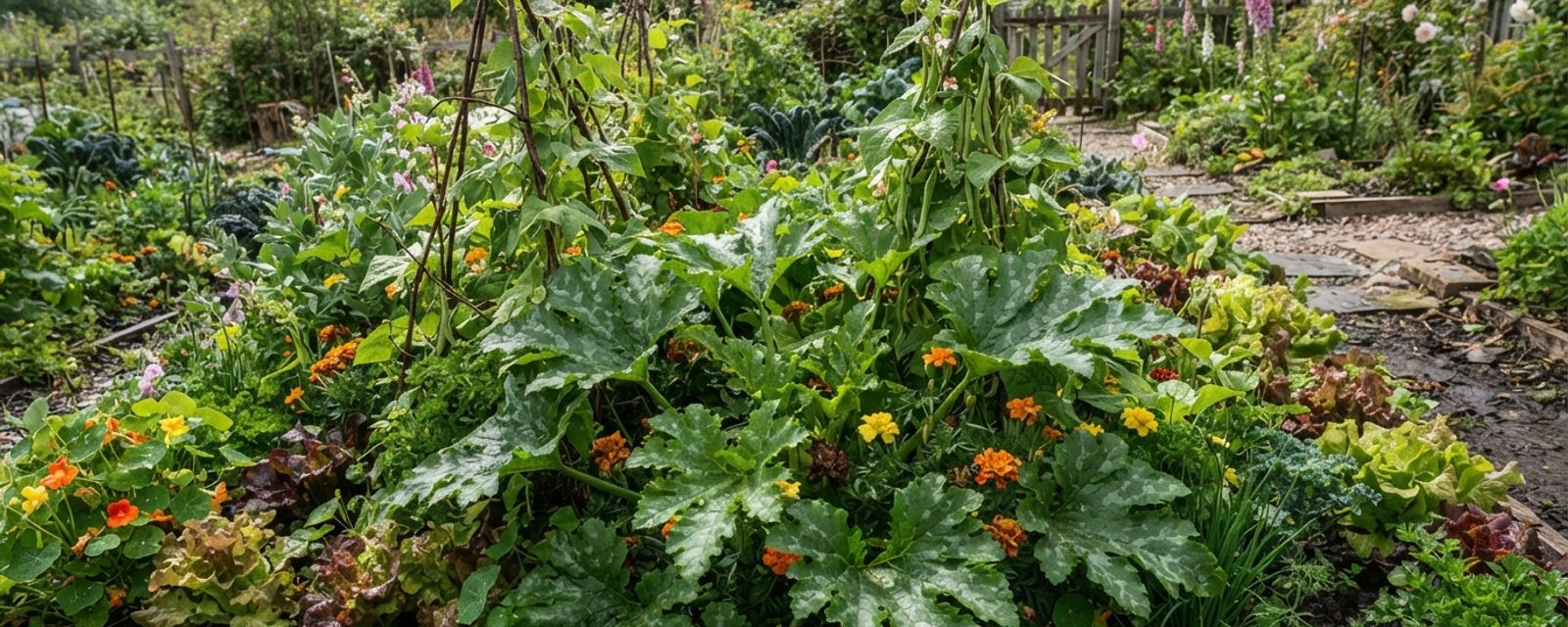 Chaos GardeningScattering mismatched seed with no spacing plan photographs well in June. What it actually costs by harvest, and why a short Scottish season makes crowding more expensive.
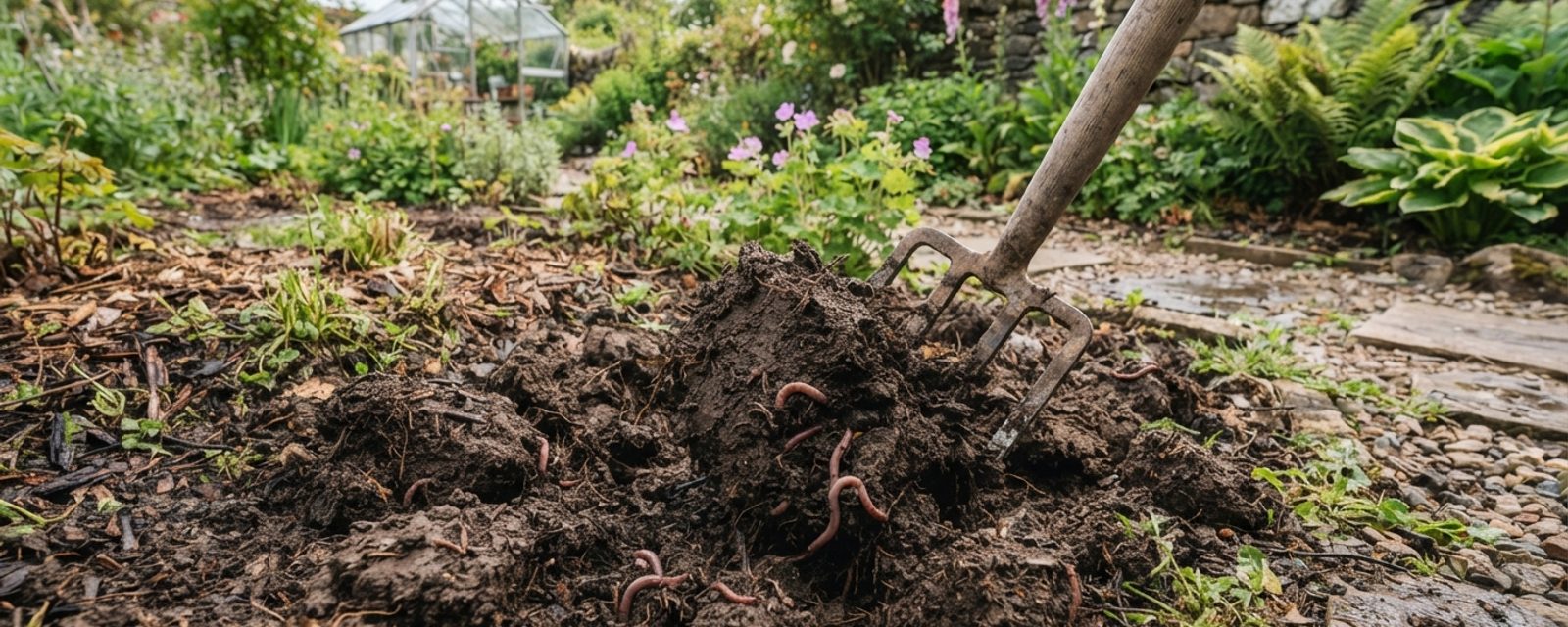 Earthworms in Your GardenEarthworms are already doing structural work in Scottish soil. What burrowing, casting and feeding actually do, what harms a population, and how to keep it healthy.
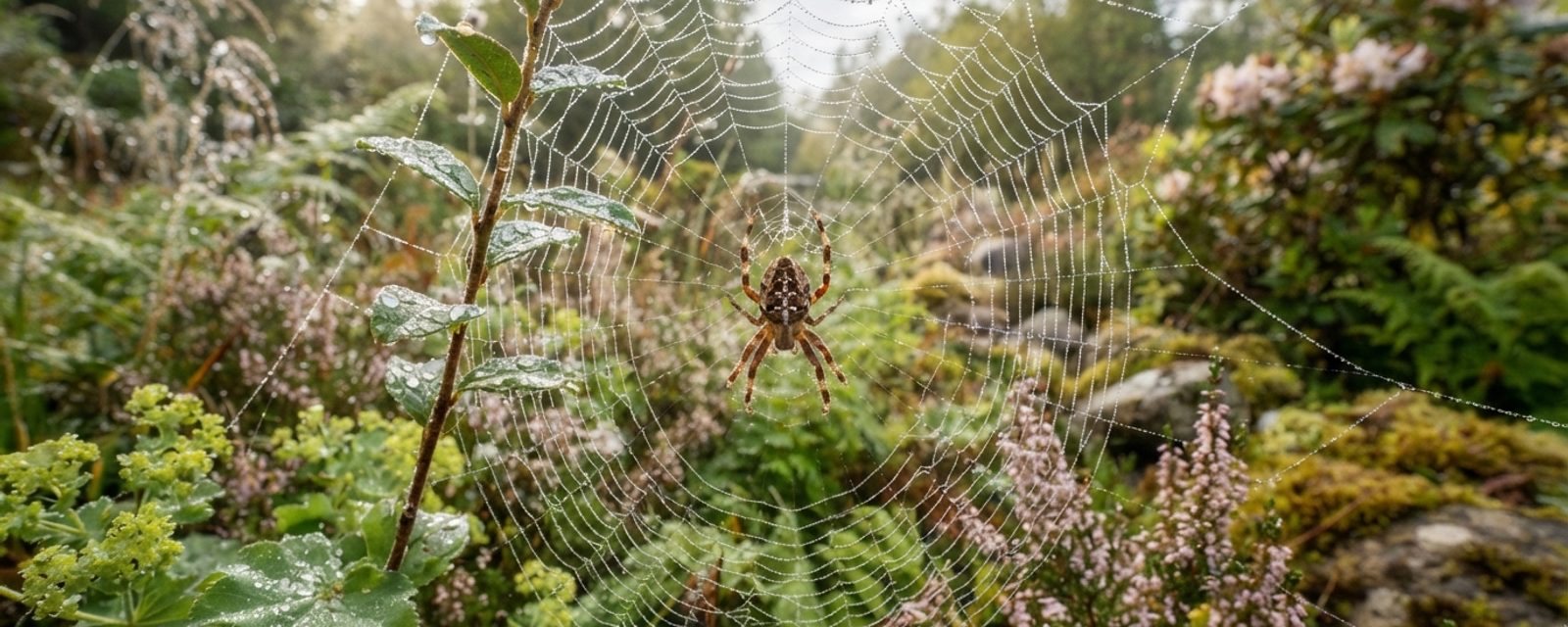 Garden SpidersThe September spider spike is mating season, not an infestation. No UK spider is dangerous, and they earn their keep eating garden pests.
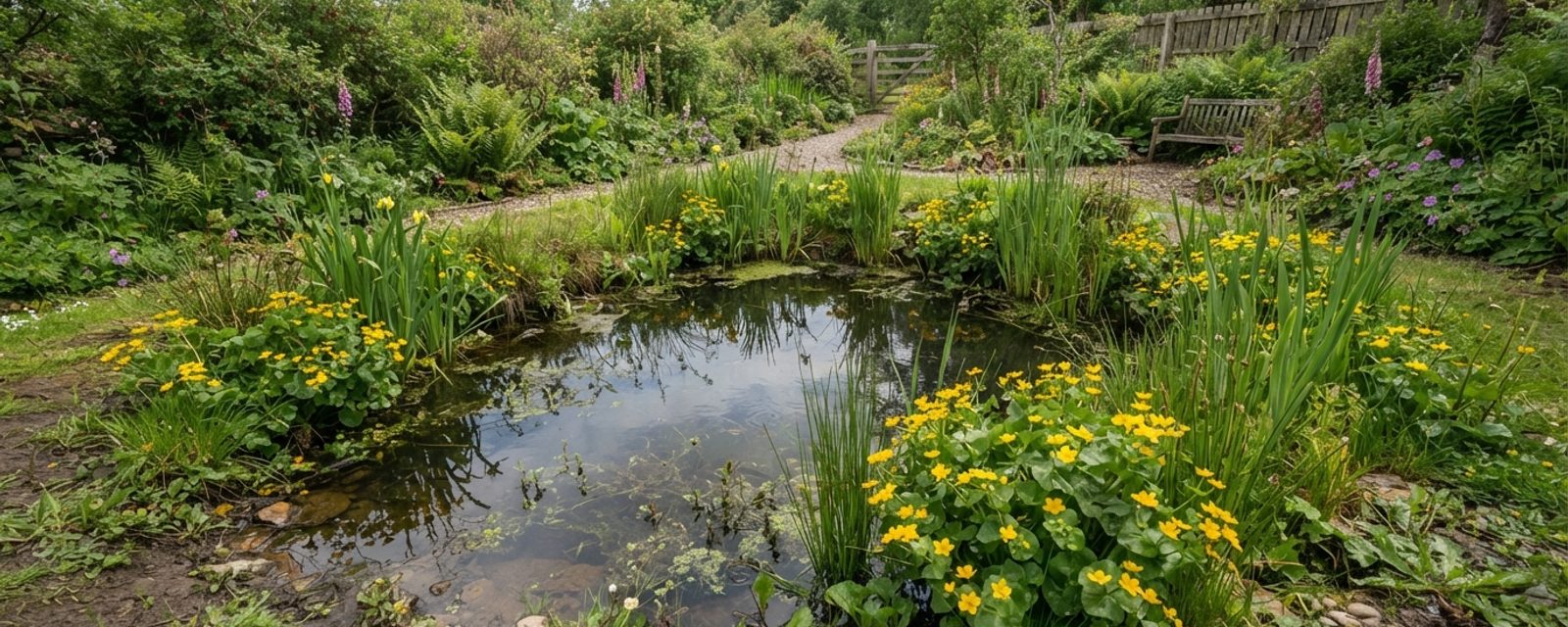 Dragonflies and DamselfliesThey visit any garden with insects to hunt, but breeding needs water specifically. What makes a pond work for them, and which species are realistic in Scotland.
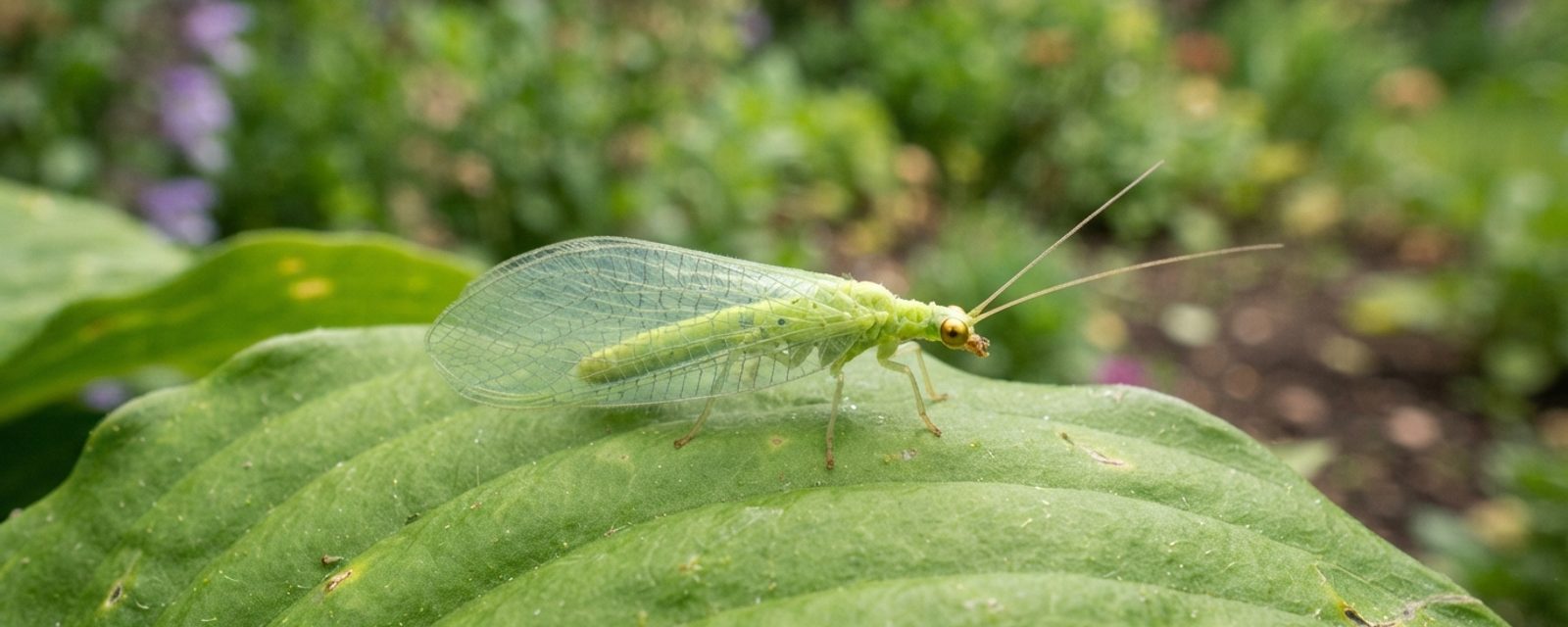 LacewingsA lacewing larva pierces an aphid and drains it, getting through 200+ a week. What actually attracts them, and whether bought "lacewing hotels" beat a log pile.
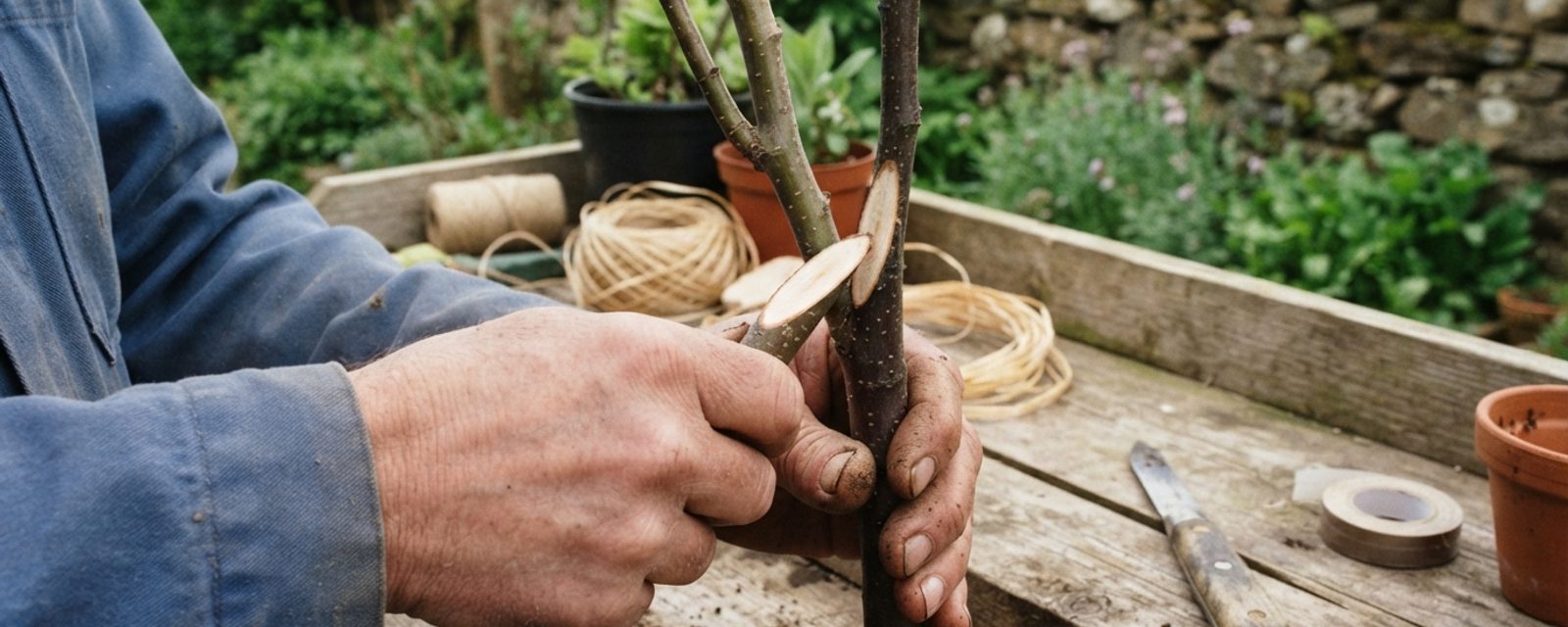 Grafting Fruit TreesA whip-and-tongue graft depends on timing and cambium contact, not luck. What the technique actually involves, and why Scotland's later frost window changes the calendar.
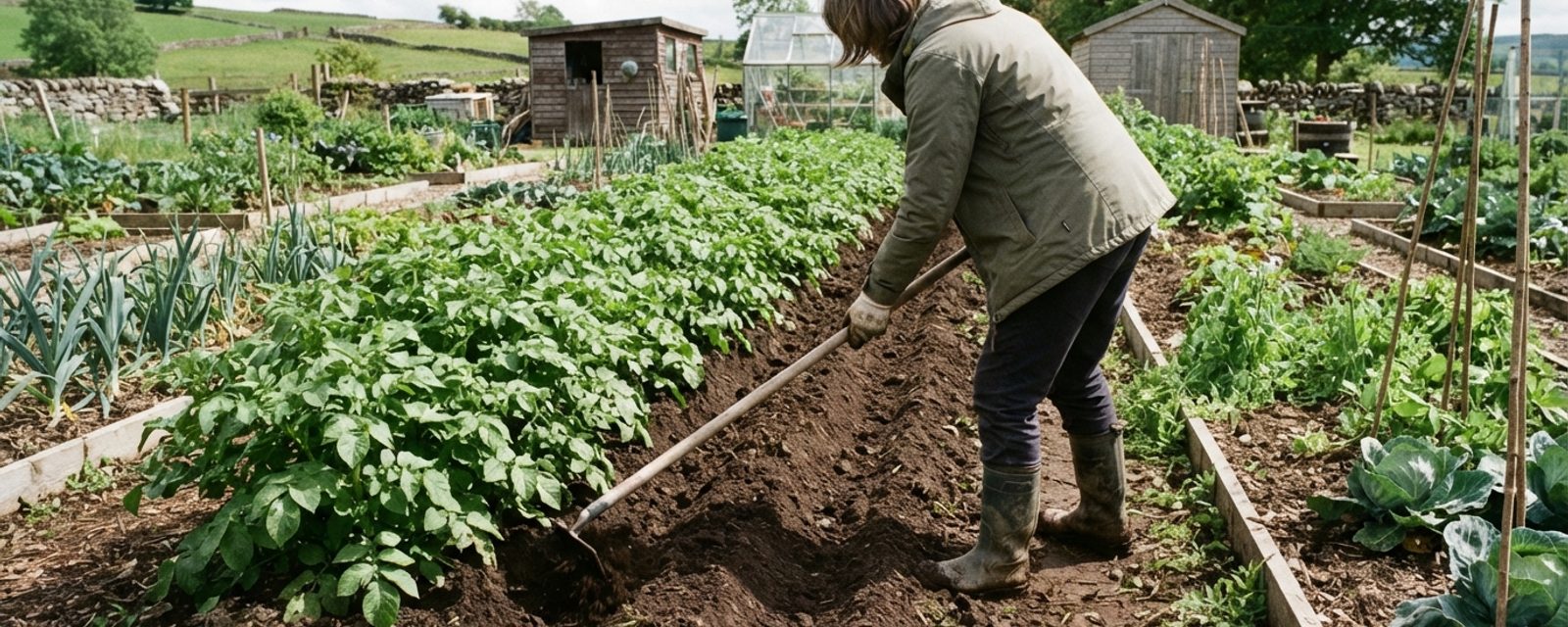 Earthing Up PotatoesPotato tubers only form in darkness. Why earthing up matters, how much soil and how often, and why Scotland's heavier clay changes the ridge shape.
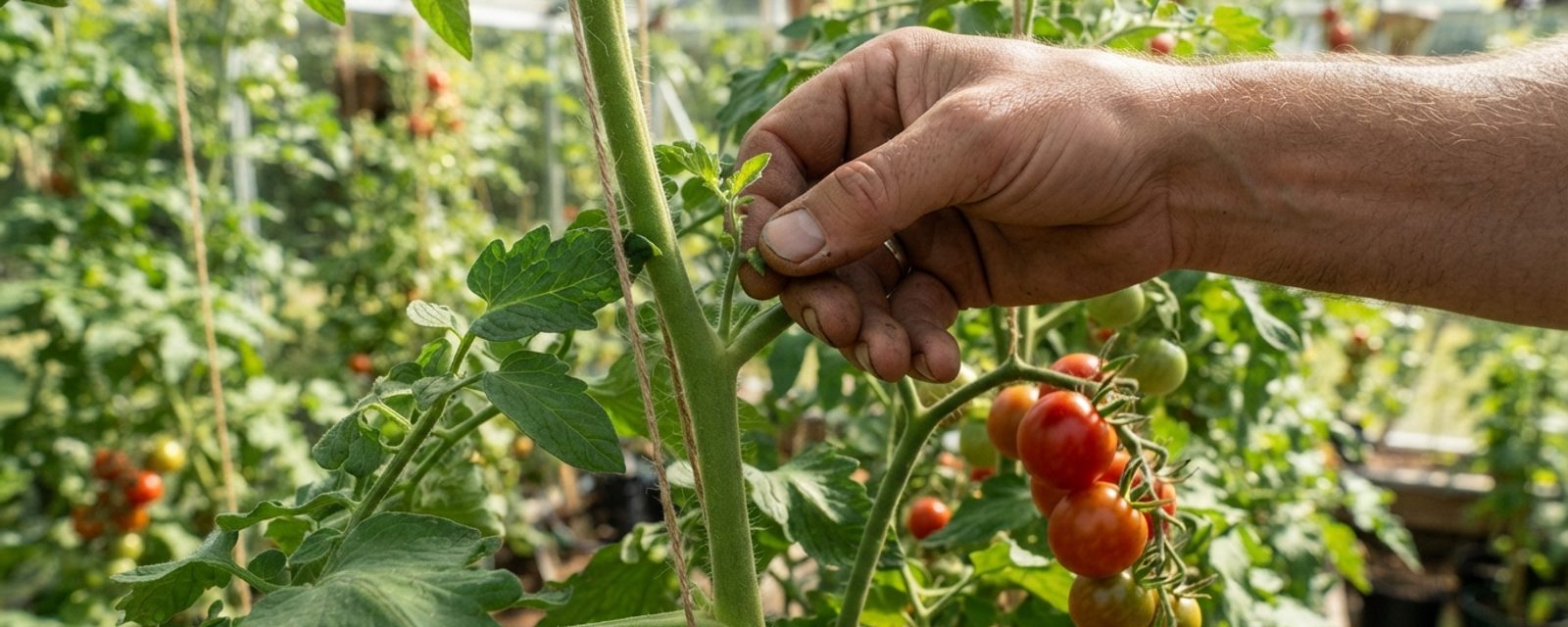 Pinching Out Tomato SideshootsPinching redirects a cordon tomato's energy into fruit, not foliage. How to tell a sideshoot from a flower truss, and how many trusses Scotland's season actually allows.
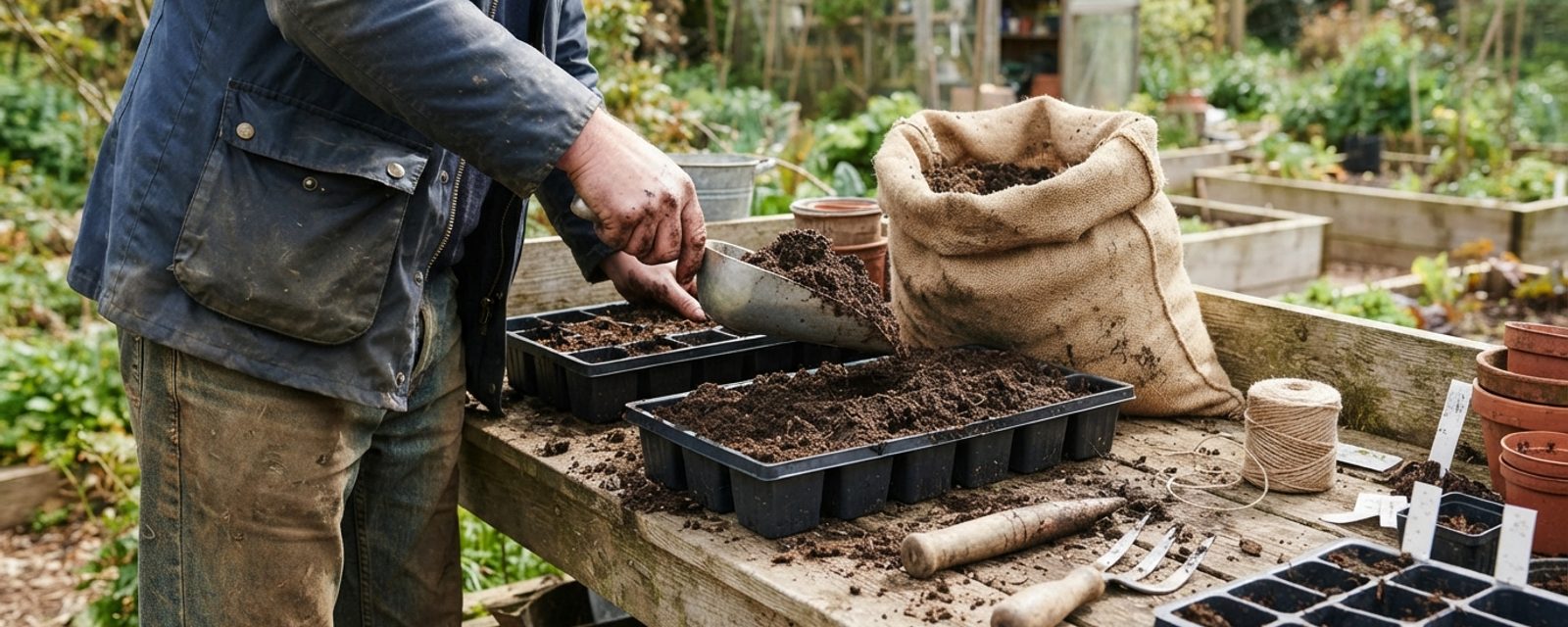 Sterilising Compost for Seed StartingFresh bagged compost is usually already free of damping-off pathogens. What sterilising reused compost actually achieves, and the real risks of doing it at home.
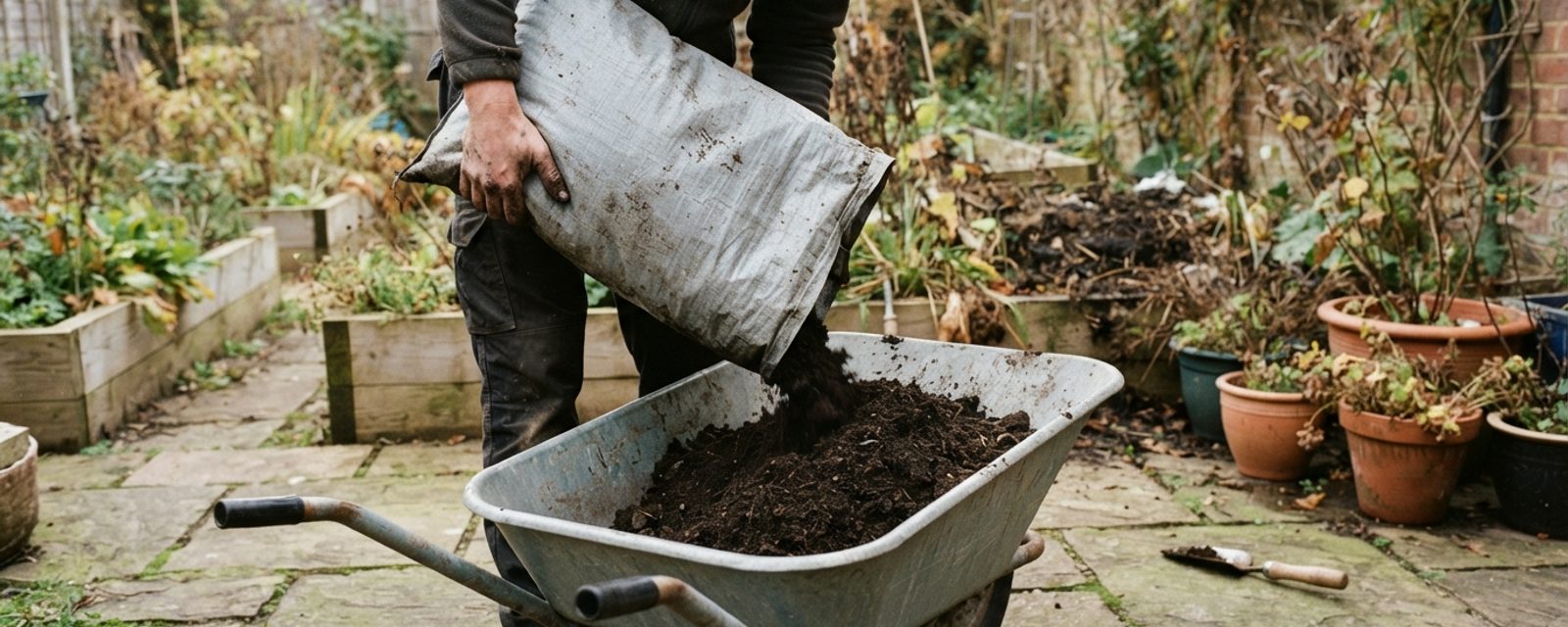 Reusing Spent CompostSpent compost from pots and grow-bags isn't finished, just changed. Ranked reuse options, the one firm rule on crop rotation, and what it genuinely can't do.
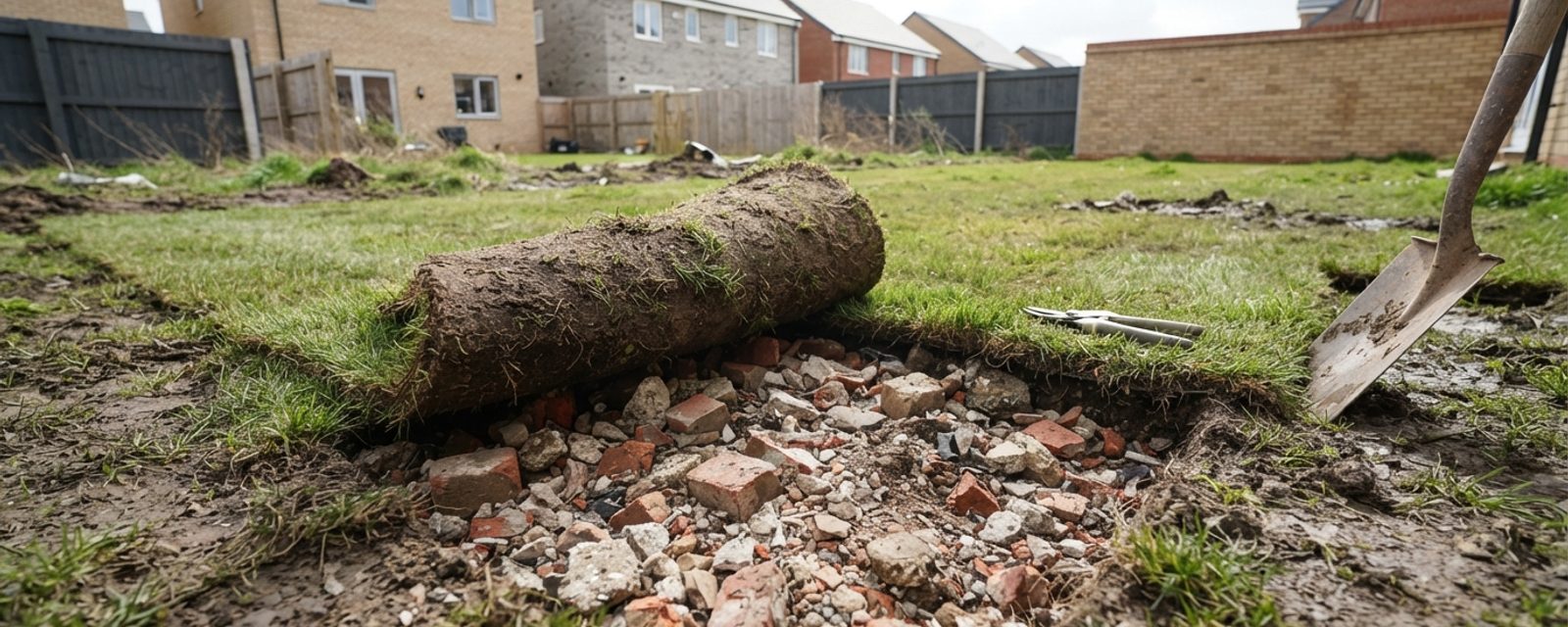 New-Build Garden Rubble SubsoilA thin skim of turf over construction rubble or compacted subsoil is a common new-build problem, and a different one from ordinary heavy clay. How to test for it and fix it in stages.
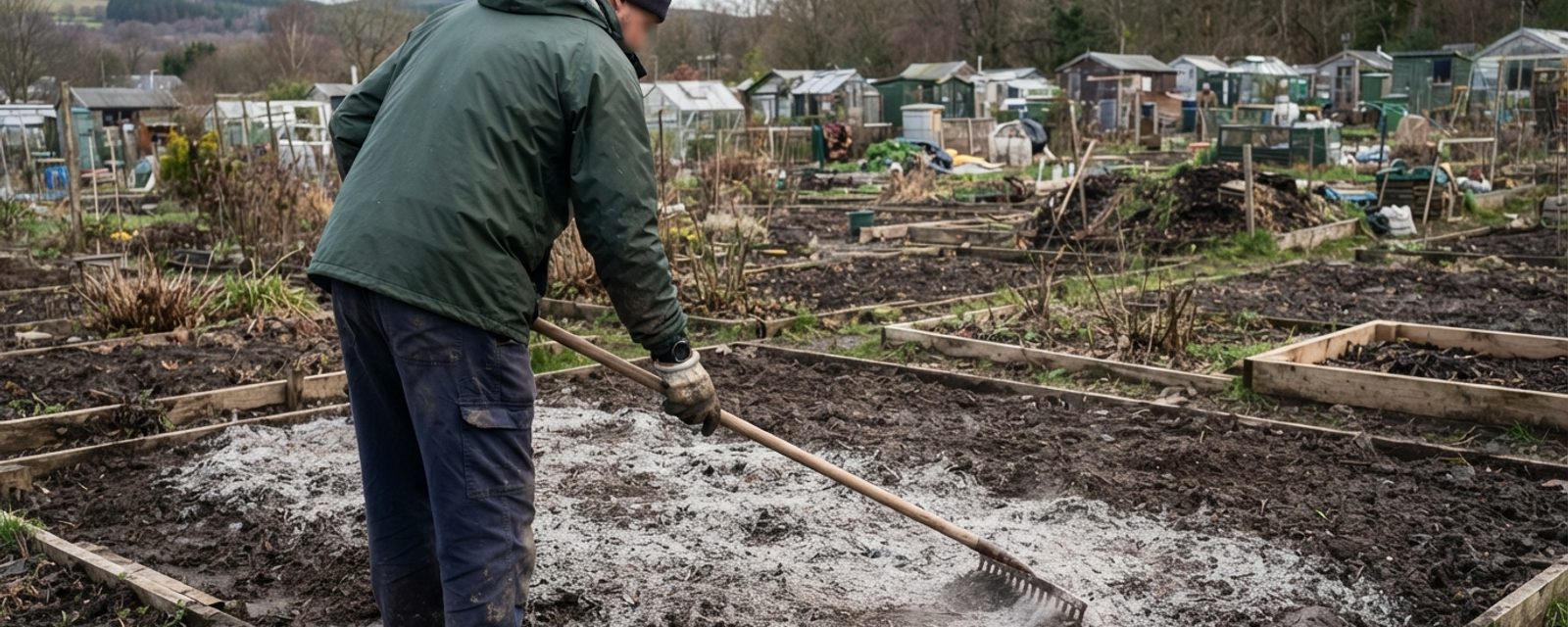 Wood Ash SafetyWood ash is a real potash source, but only from clean, untreated wood. Application rates, what to keep it away from, and the fire-safety basics before it goes near a bed.
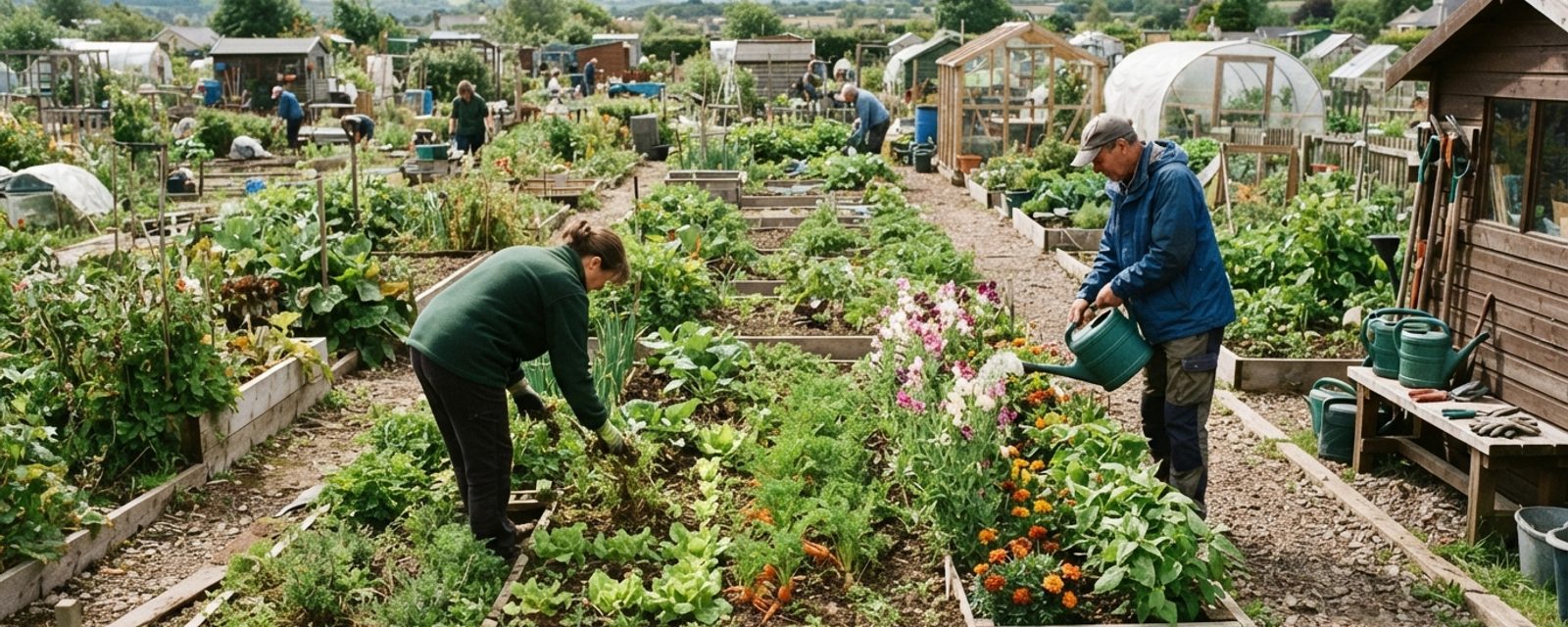 Half-Plots and Plot-SharingA smaller plot, or one shared with someone else, is often available faster than a full one. What a half-plot actually is, and the real legal side of sharing one informally.
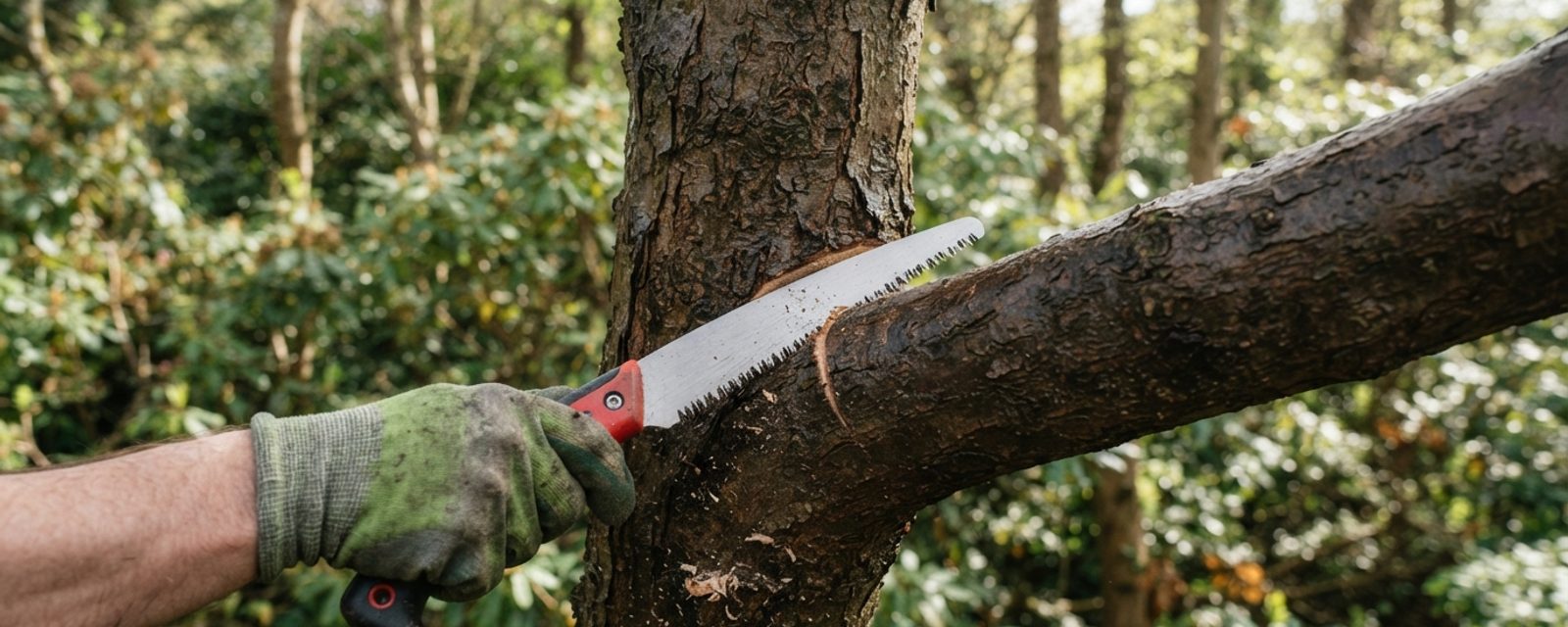 Removing Large Tree Branches SafelyThe three-cut method for a clean, controlled removal, and the honest line for when a job needs a professional arborist instead of a DIY saw.
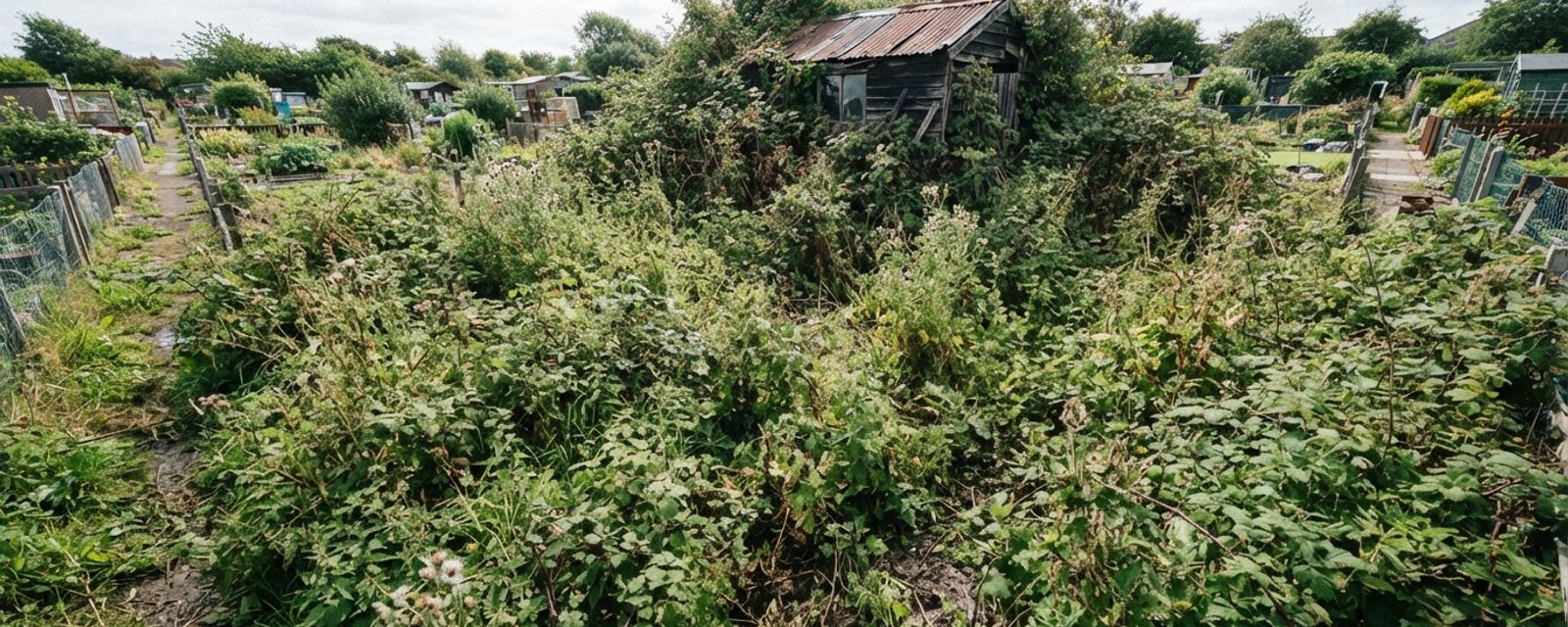 Clearing an Overgrown Allotment PlotA realistic, staged order for clearing a genuinely overgrown plot: what actually kills bramble, ground elder and couch grass roots, and why a rotavator makes things worse.
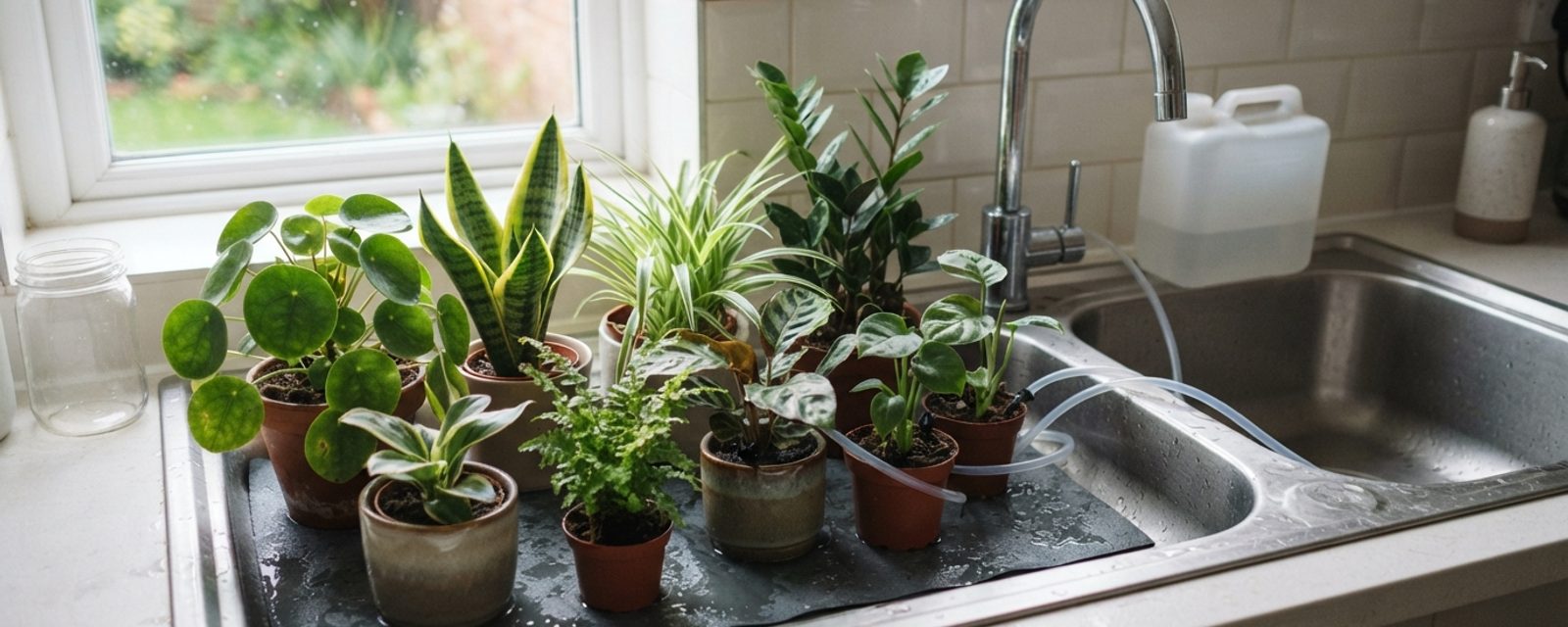 Holiday Watering SystemsCapillary matting, drip kits, self-watering pots and low-tech wicks compared: what each is actually good for, how each fails, and whether Scotland's climate genuinely reduces the risk.
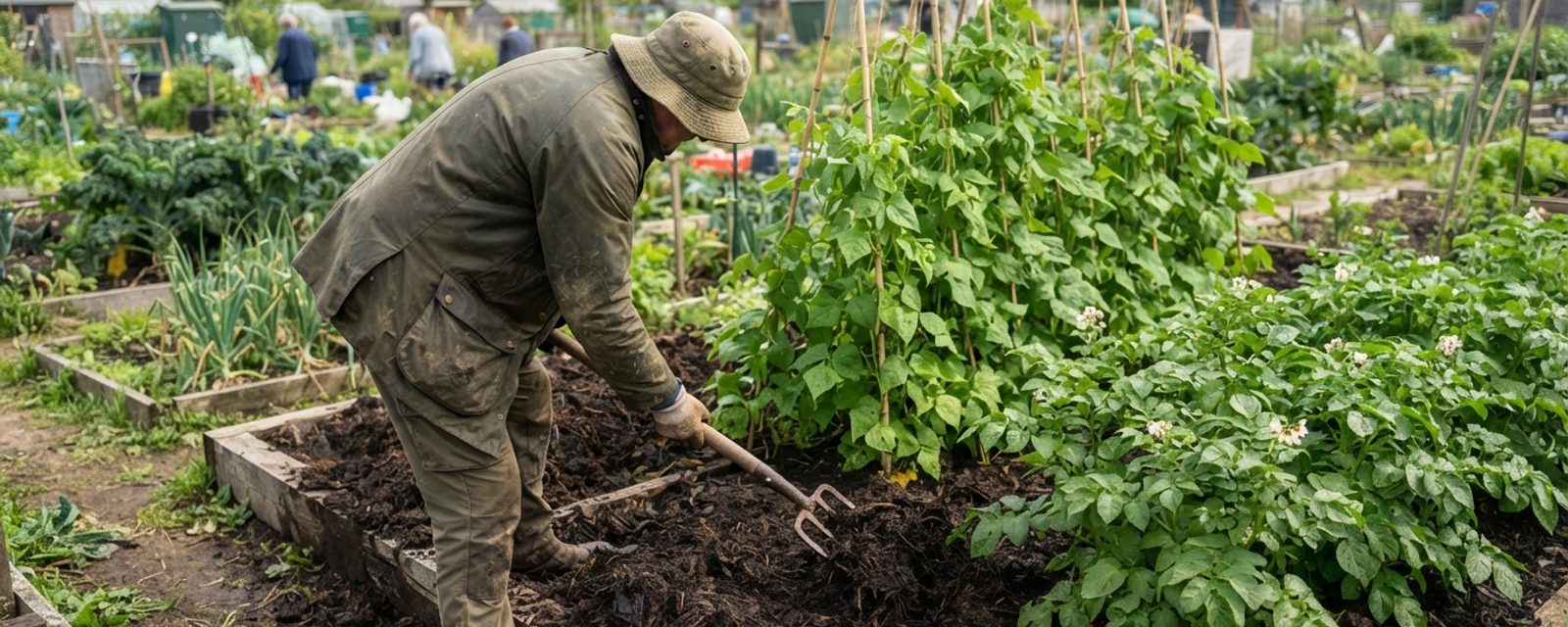 Aminopyralid in ManureThis herbicide survives digestion and composting intact. How to spot the damage, test suspect manure with a bean bioassay first, and how long contamination lasts.
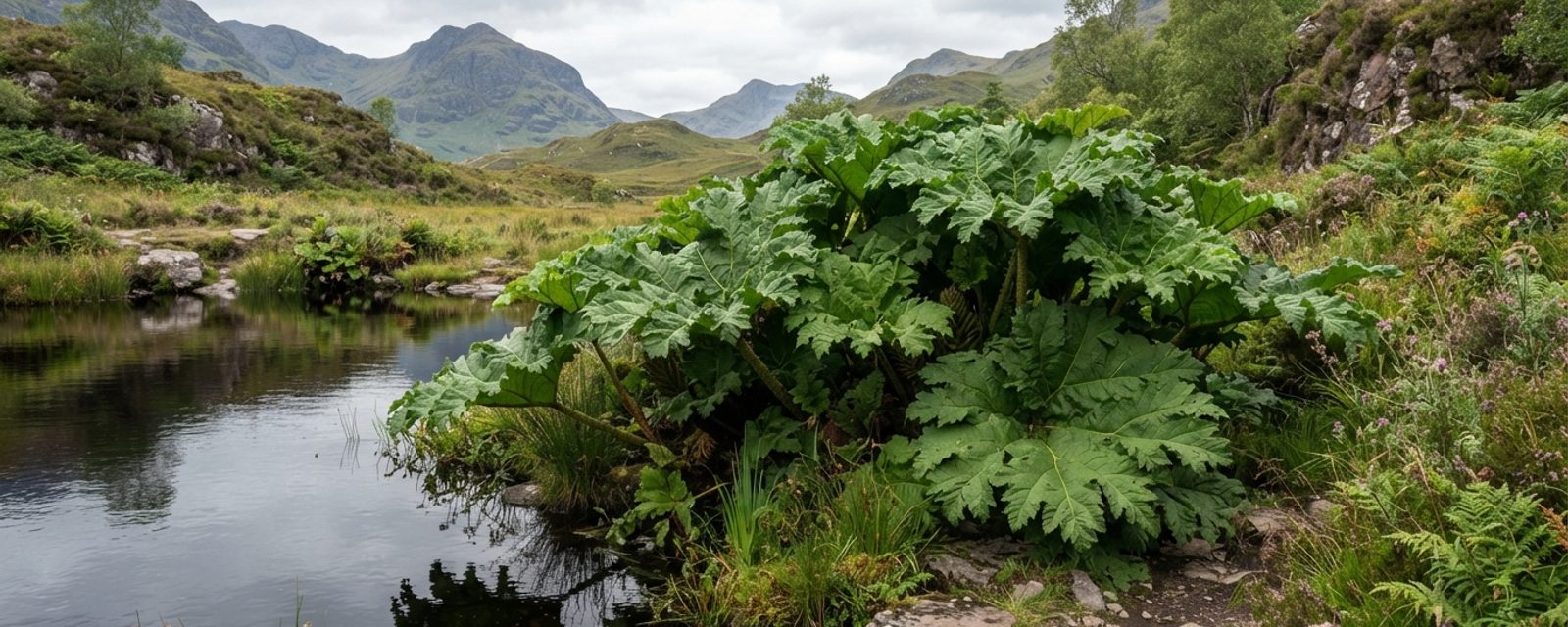 Gunnera tinctoria: Is Giant Rhubarb Banned?Gunnera tinctoria is restricted by law across Great Britain, Gunnera manicata isn't. Telling the two apart, what the restriction covers, and Scotland's own penalty figures.
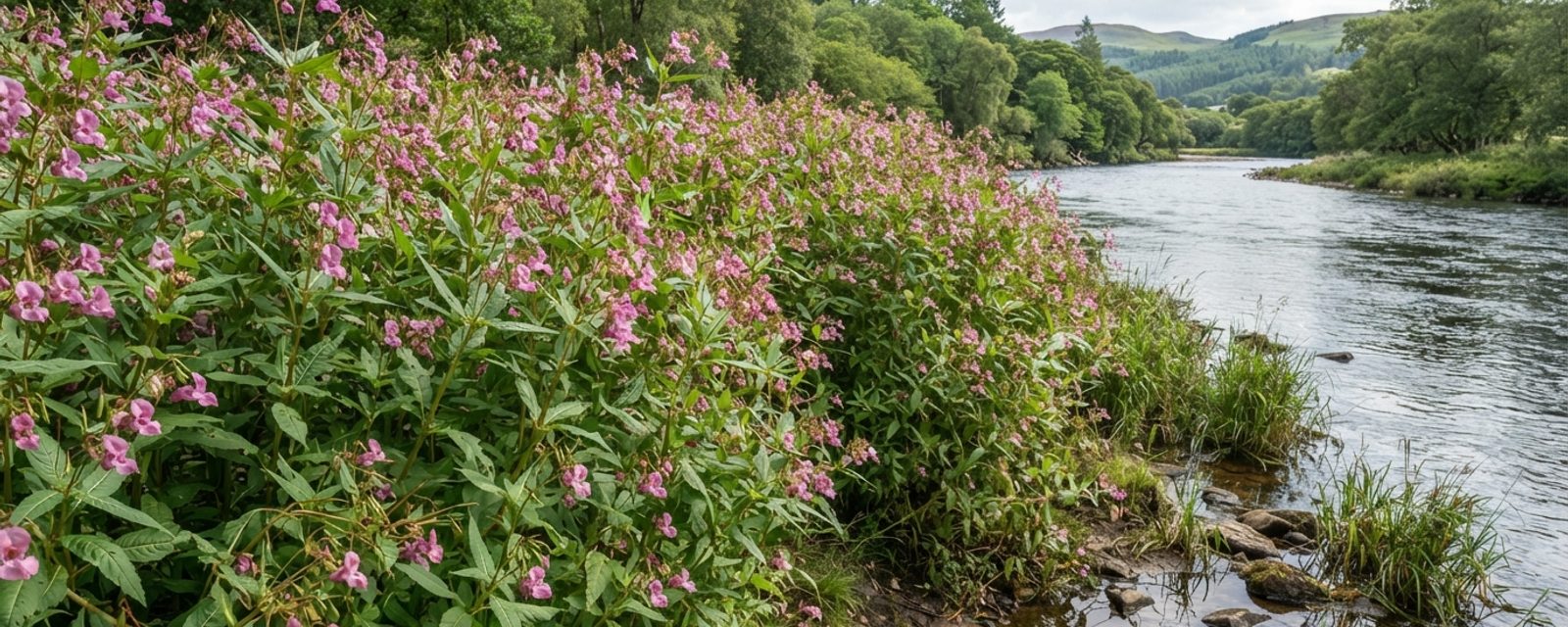 Himalayan Balsam: ID, Removal and the LawEasy to hand-pull, explosively prolific to seed. How to identify it, clear it without spreading it further, and Scotland's own broader legal duty.
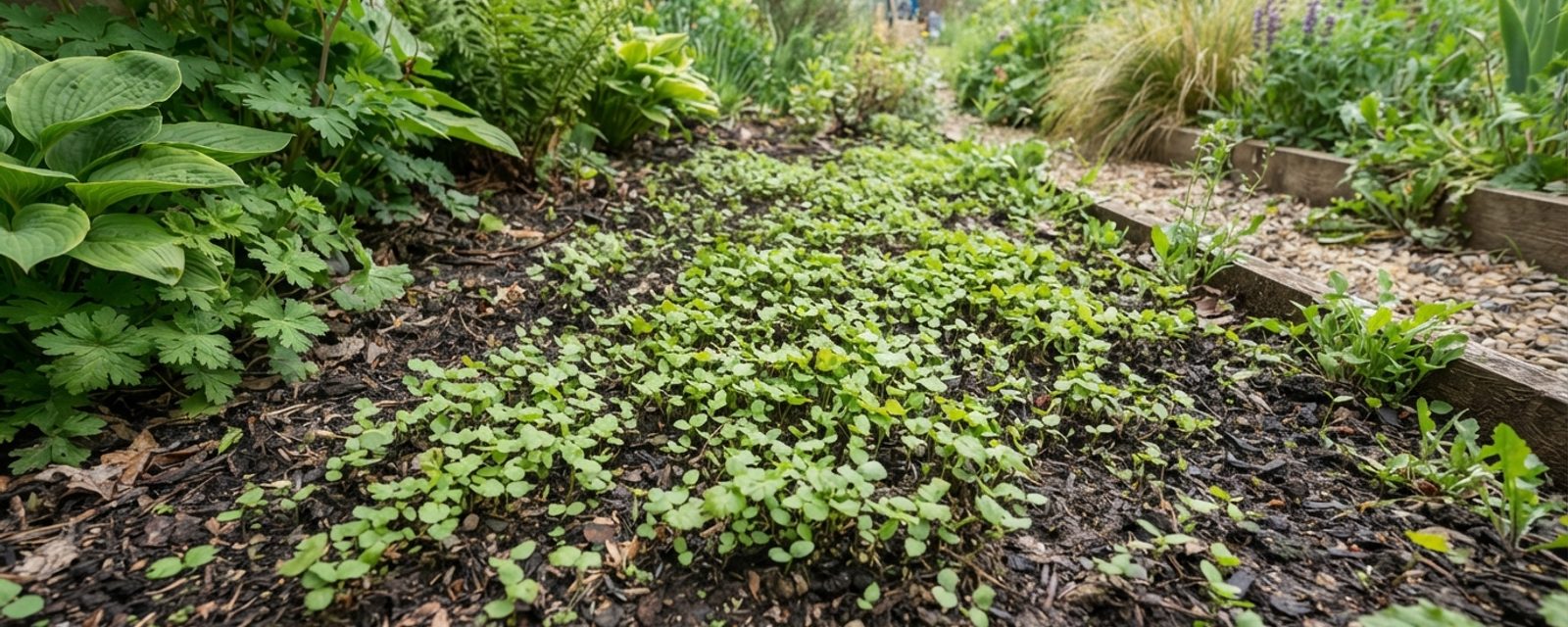 Sycamore Seedlings: Why You Have HundredsOne mature sycamore produces enormous numbers of wind-dispersed seeds, and a cultivated bed is close to the ideal place for them to land. Removal timing, ID, and whether every seedling deserves to go.
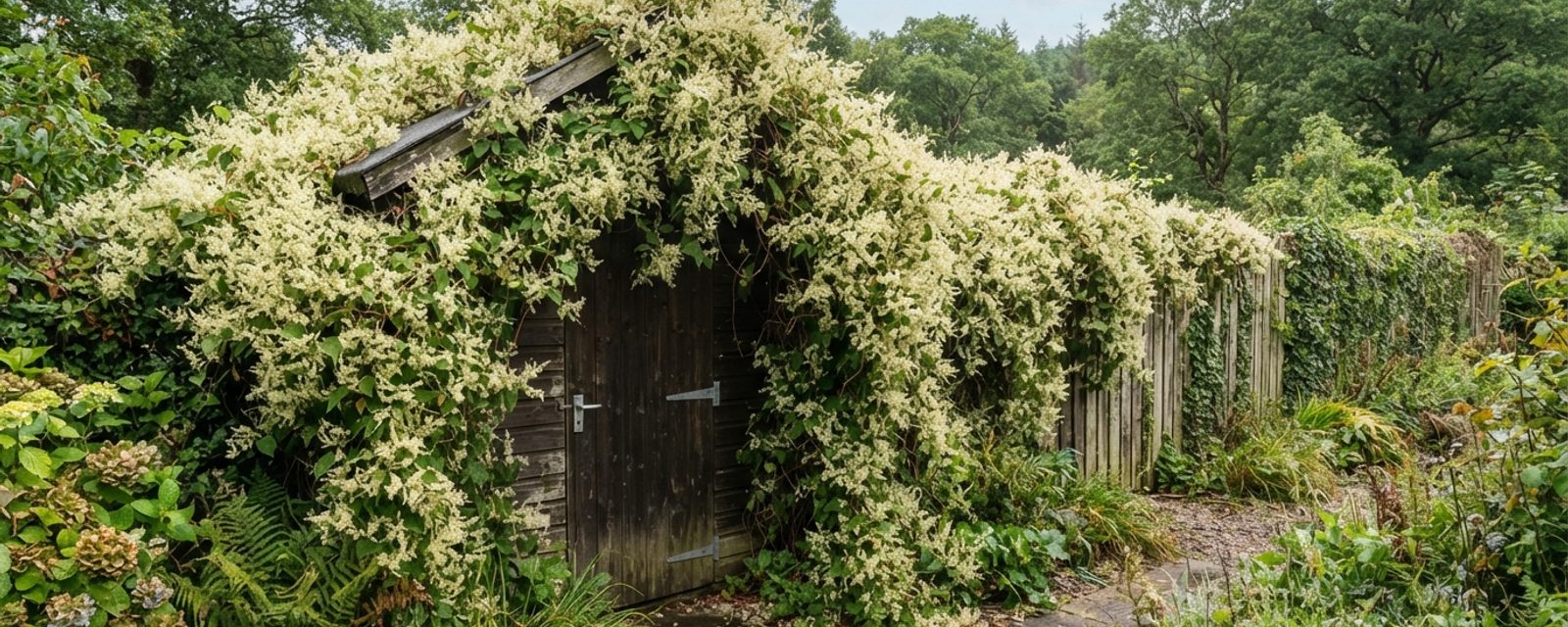 Russian Vine: "Mile-a-Minute" and the LawRussian vine gets confused with Japanese knotweed constantly, but it isn't Schedule 9-listed, isn't controlled waste, and doesn't regrow from tiny root fragments the same way.
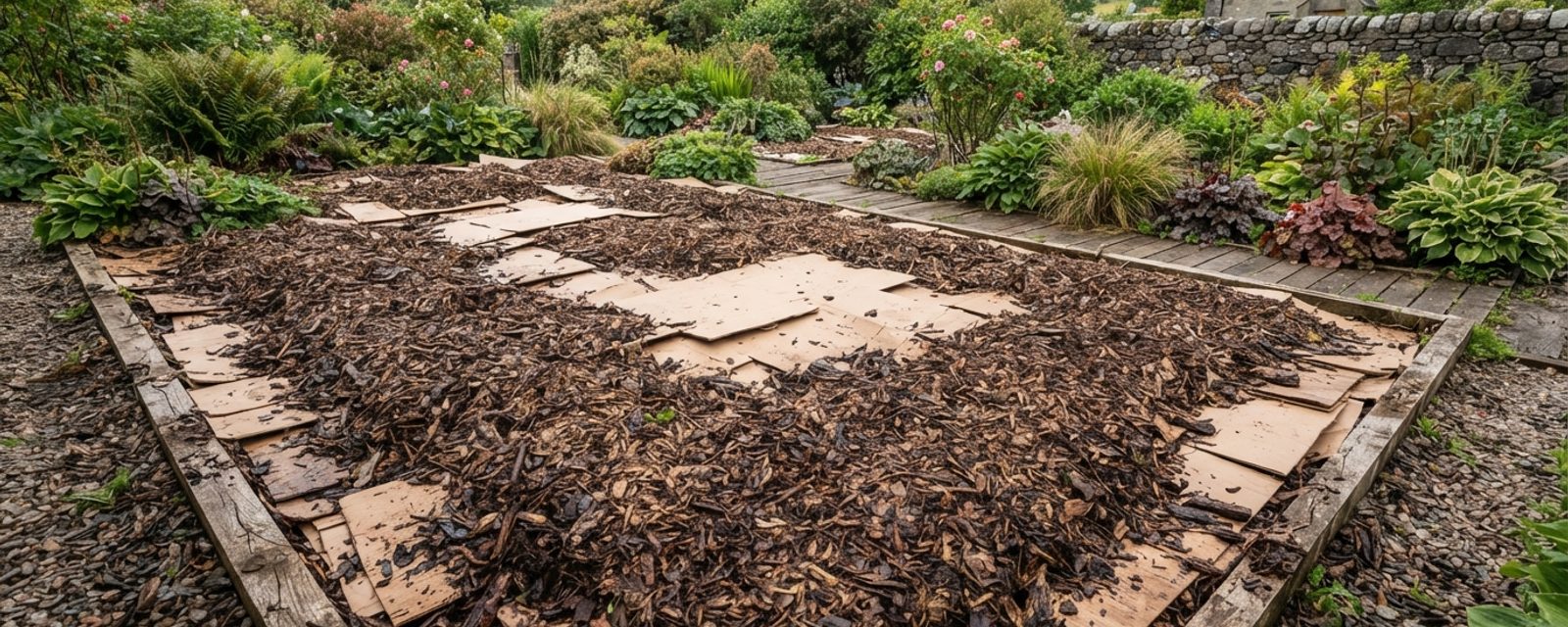 Organic and Legal WeedkillersVinegar, salt and boiling water kill leaf tissue, not roots. Glyphosate's current UK legal status, why smothering is the reliable non-chemical route, and what each method actually suits.
- Bramble Control Without Losing the Wildlife ValueBramble spreads by seed and by rooting at the cane tip, which is why it's both a real wildlife asset and a real border problem. Where to leave it, where to remove it, and the legal timing rule that applies either way.
- Green Manures for a Short Scottish SeasonMustard and phacelia need six to nine reliably warm weeks Scotland doesn't always give them. Which green manures actually suit a short, late-starting season.
- Flooded-Plot DrainageA wet allotment corner needs a different answer depending on the cause. Diagnose it first, then the realistic hierarchy: raised paths, raised beds, and when a French drain is actually worth it.
No articles match that search. Try a different word, or clear the category filter.