
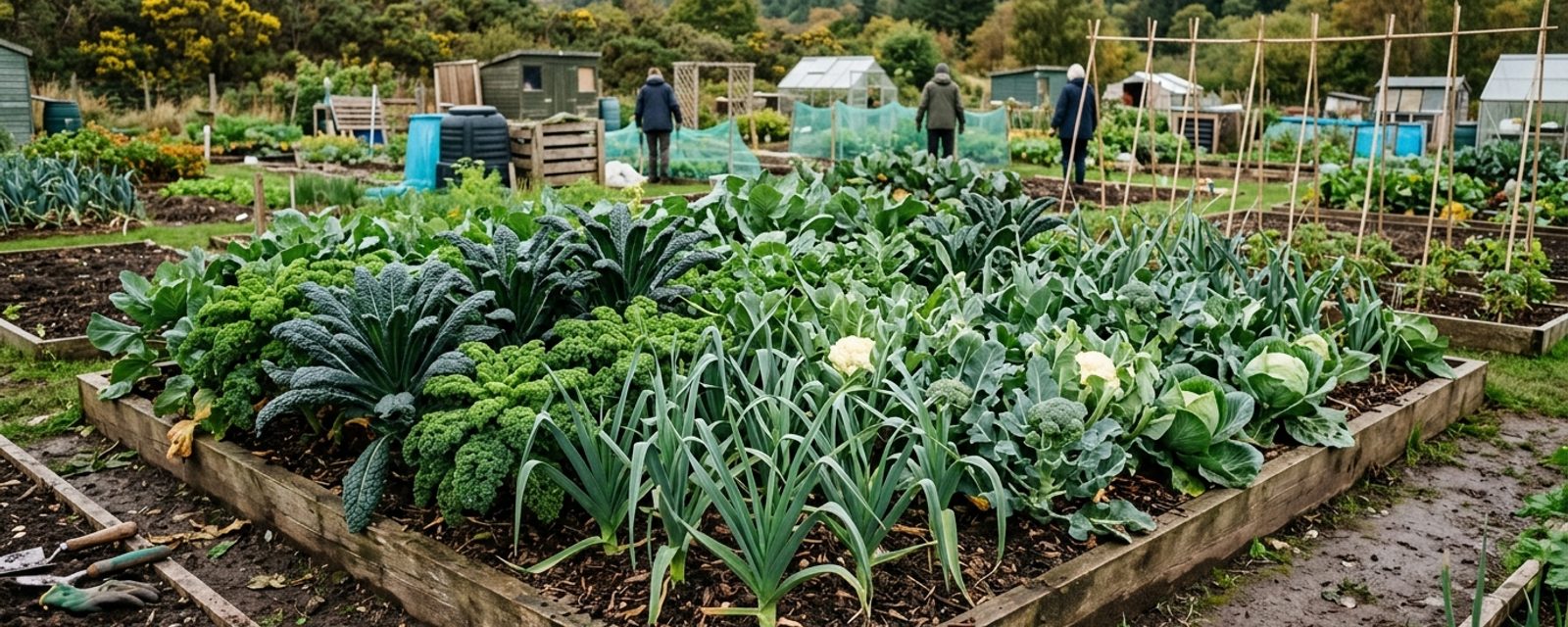
Scotland grows great vegetables: the long summer days and cool nights build flavour that a hot climate cannot match. What matters is picking the right variety for a shorter season and getting the sowing date right. Every crop below has a full guide written for Scottish conditions, with the timing, spacing and variety choices that actually work here.
No crops match these filters.
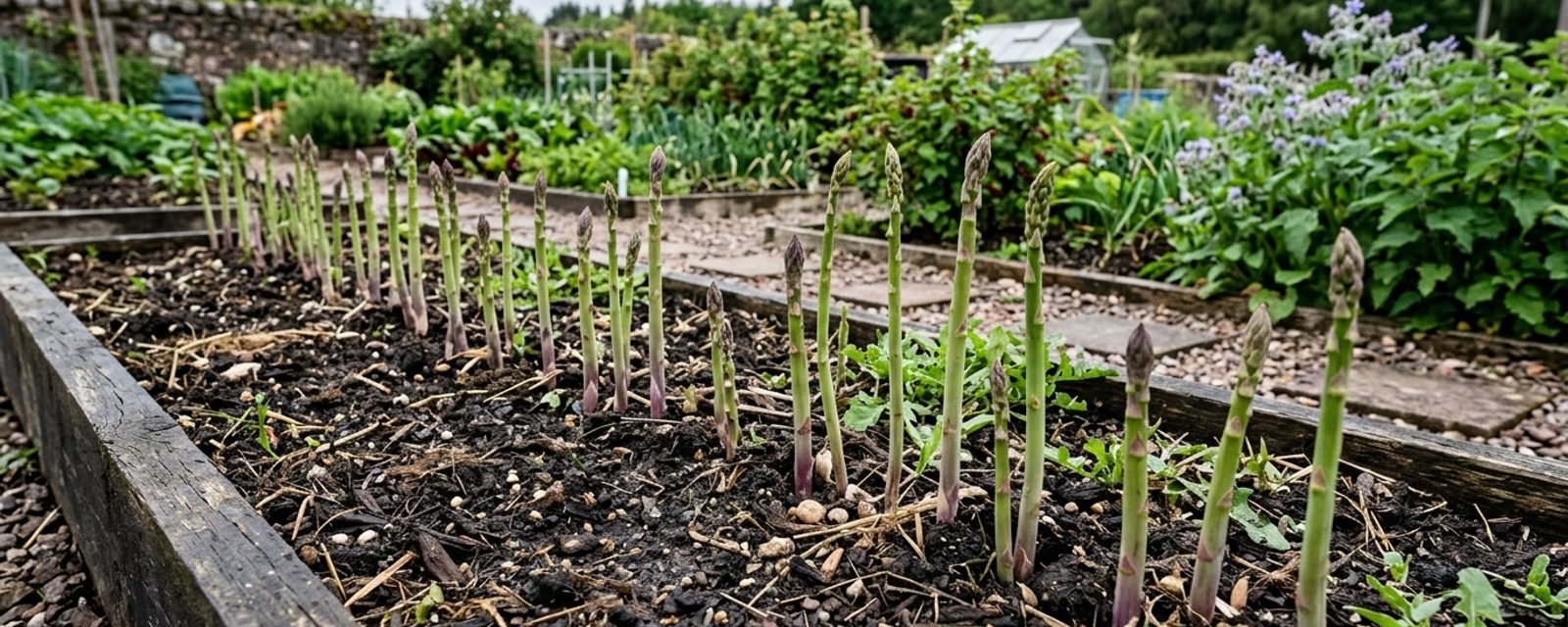
Most vegetables get replanted or rotated within a few years. Asparagus doesn't: the site and variety you choose are decisions you live with for fifteen to twenty years, worth getting right before a single crown goes in the ground.
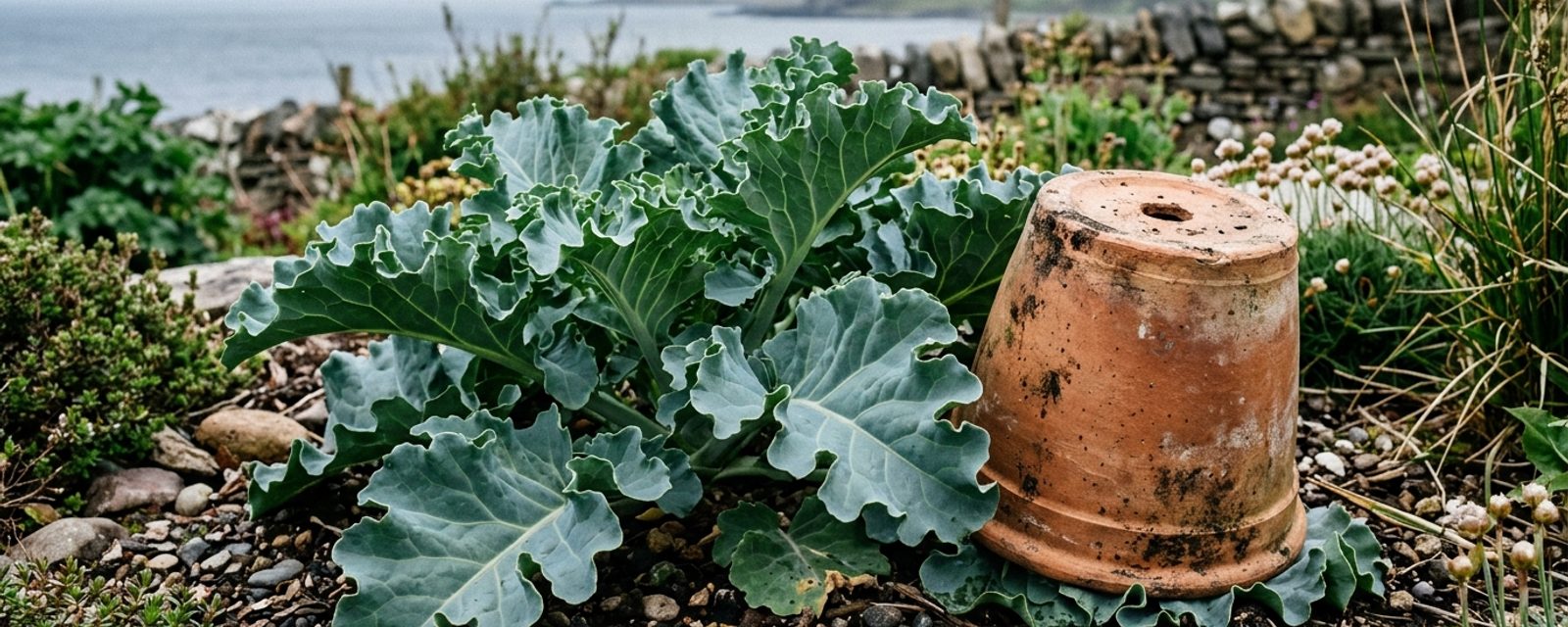
Rare among the crops here in actually favouring Scotland's climate: this coastal perennial is native to our own shores and hardy to -20°C. The real cost isn't cold, it's patience: a long tap root that can't be moved, and no cut until the second spring.
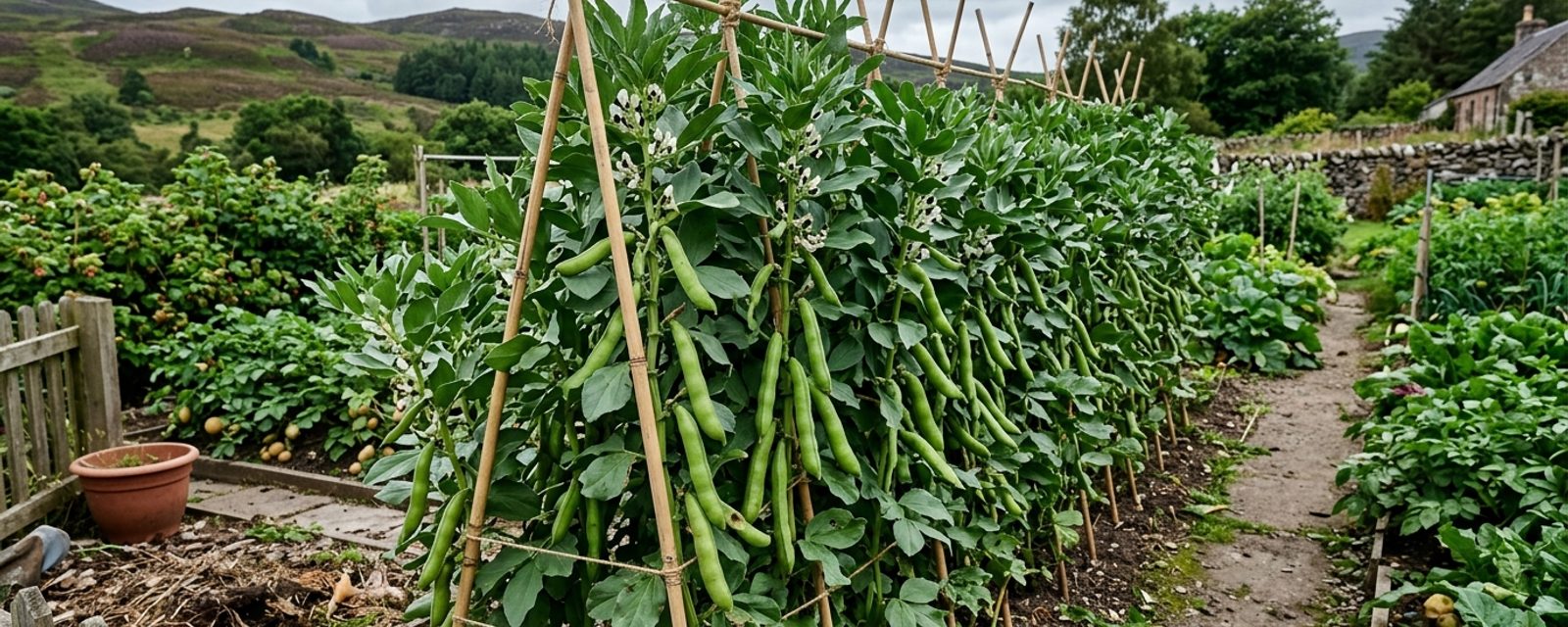
Two sowing windows do different jobs: an autumn sowing of a hardy variety gets you a crop by May, well before a spring sowing has even flowered, and a spring sowing keeps the harvest going through summer. Growing both isn't excessive, it's how this crop earns its space for the longest stretch of the year.
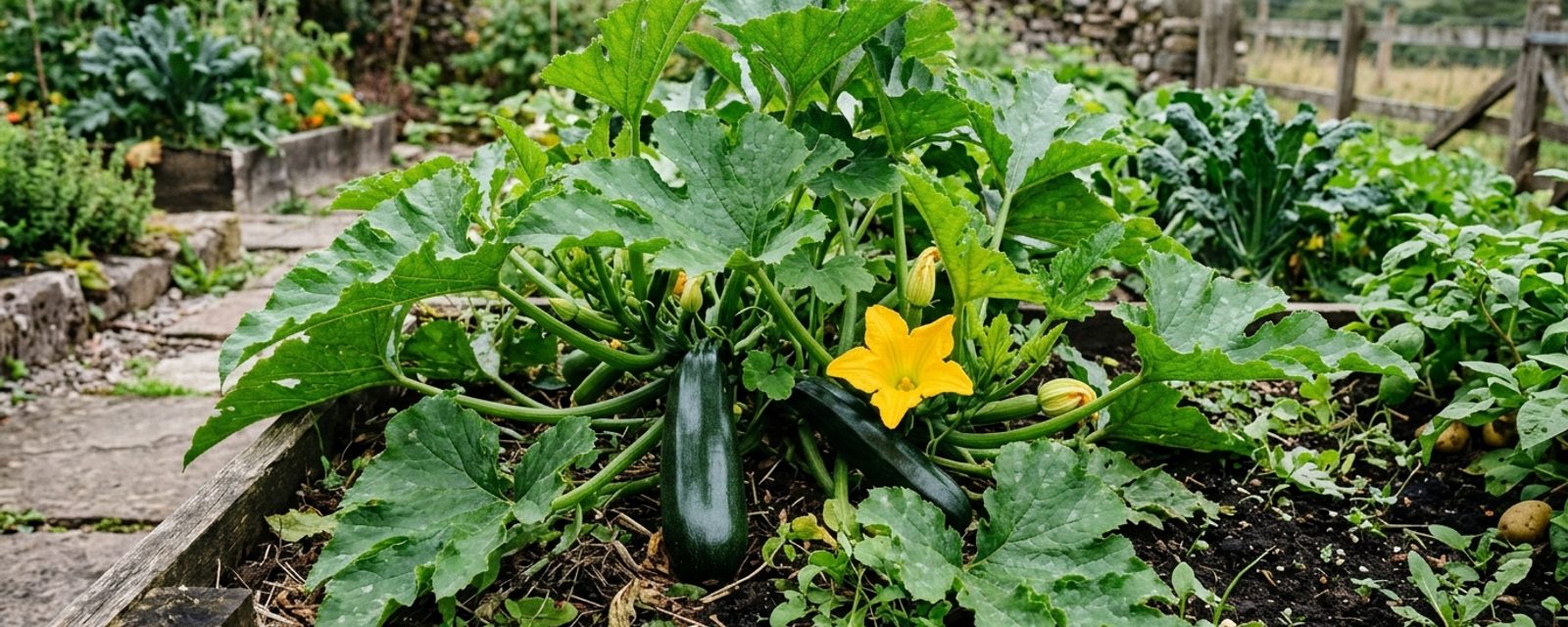
In a good year, one plant buries you in fruit; in a cold, wet one, the flowers drop before the fruit gets started. The trick isn't the variety, it's the start: sow indoors, plant out late, give it the sunniest sheltered spot you have.
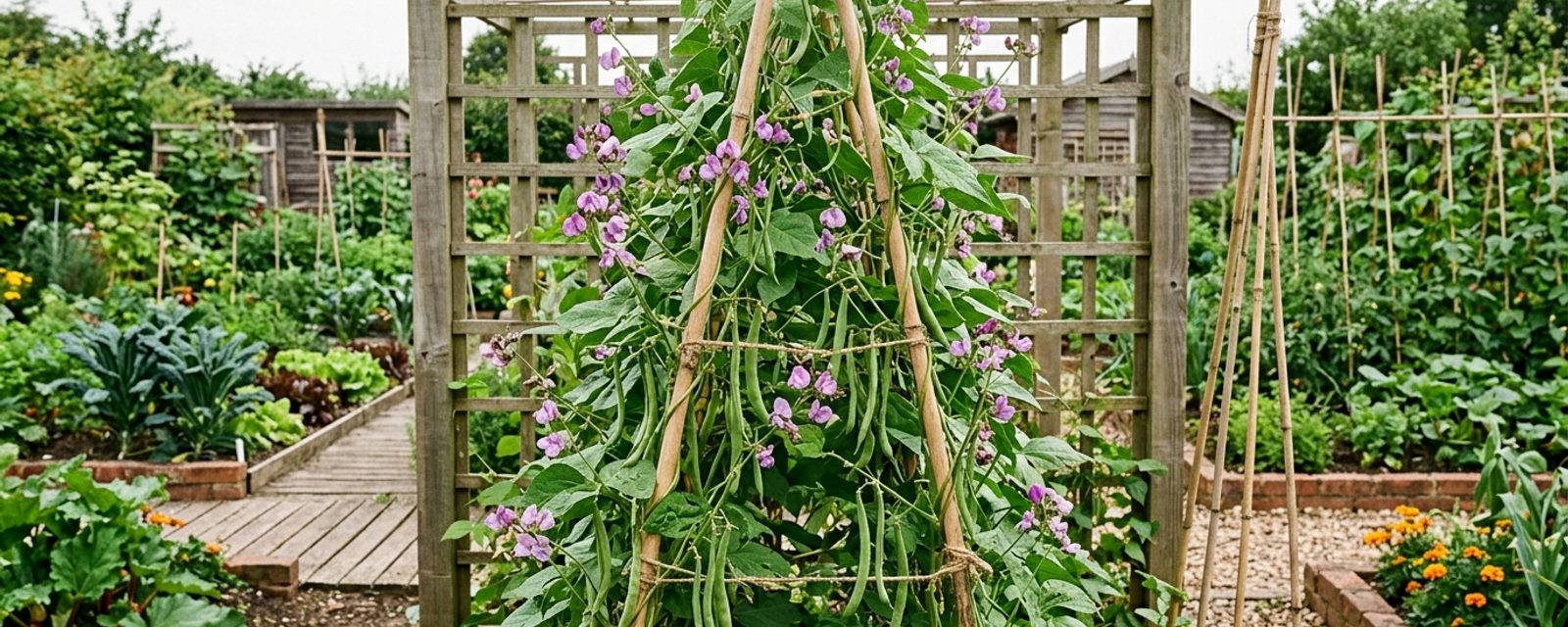
Frost-tender, and that one fact governs everything about growing them here: they need warm soil and won't forgive a cold start. Dwarf varieties are the safer choice, ready in eight to ten weeks.
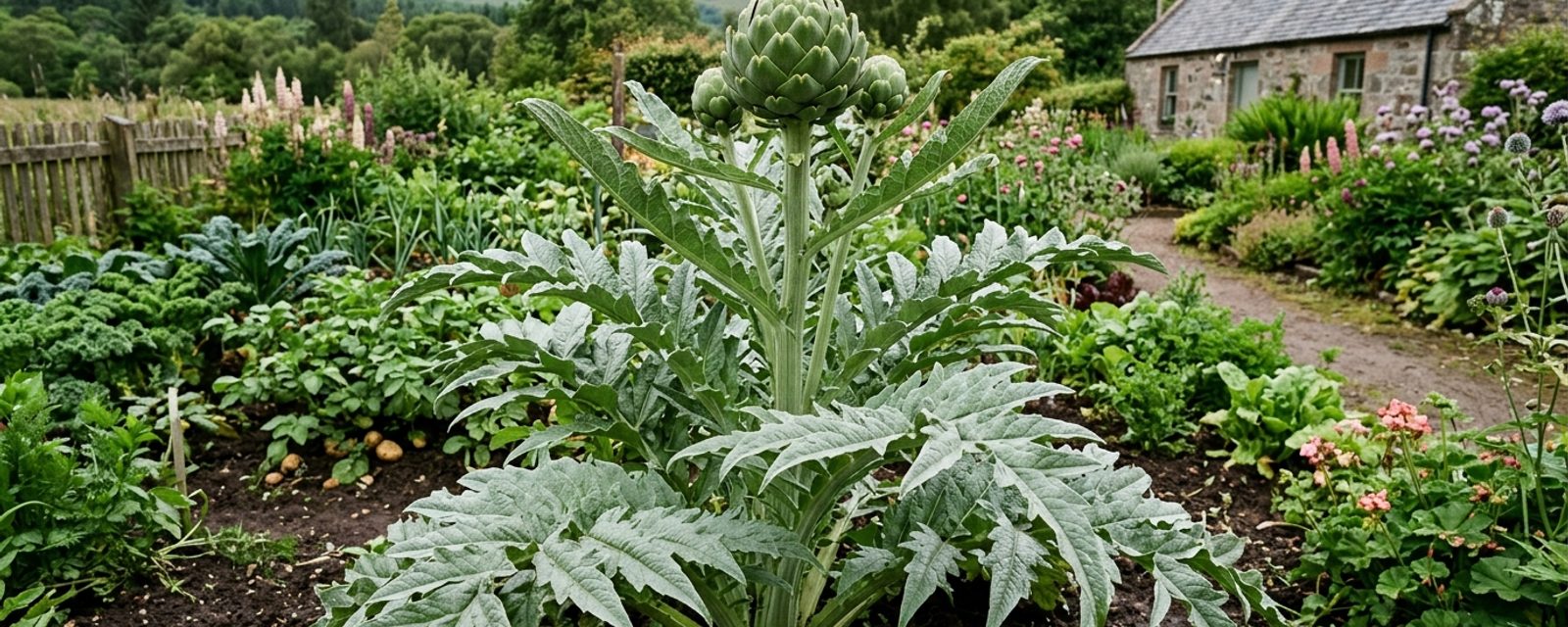
A distinct plant from Jerusalem artichoke despite the shared name, grown for its flower bud rather than a tuber, and genuinely marginal on a cold, exposed, frost-prone plot. Winter protection isn't optional here, and the first real harvest waits until the second summer.
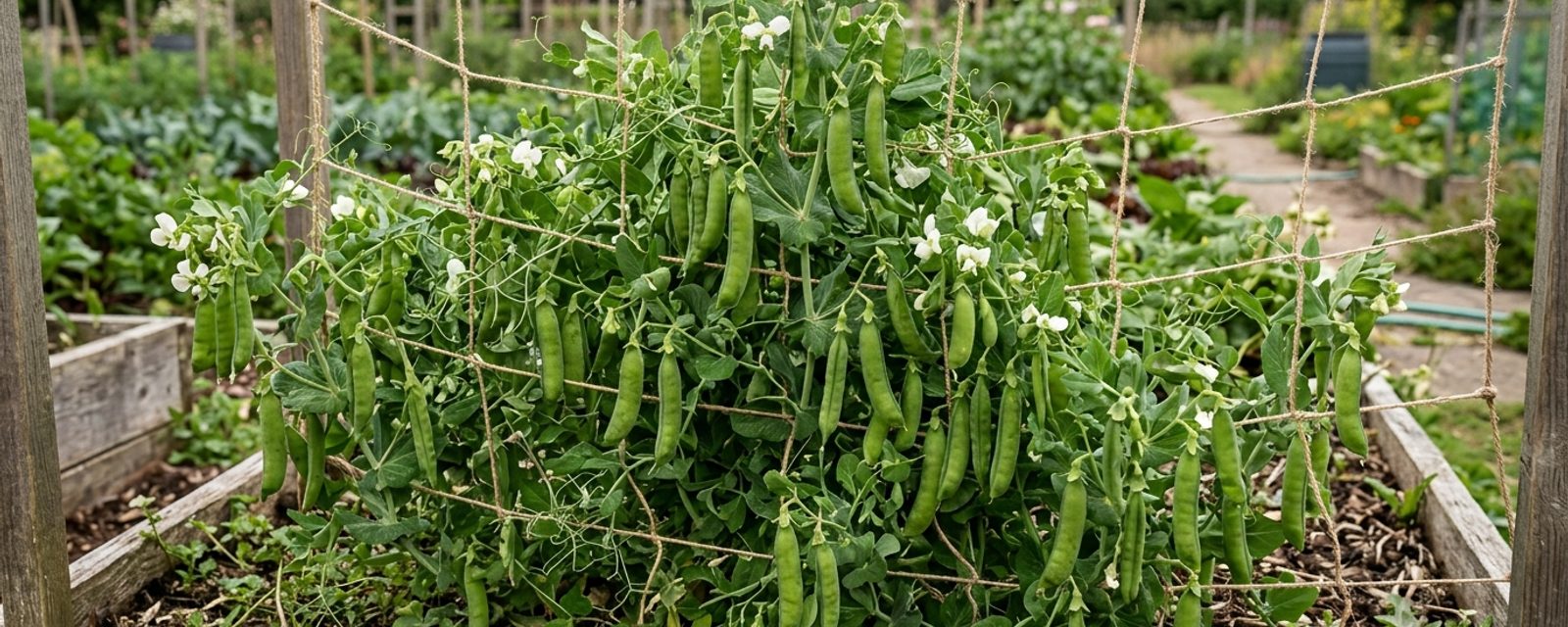
One of the few crops that actually prefers our climate to the one further south: they flower best in cool weather and keep going longer here than in a hotter summer. Pea moth and pea midge, real problems elsewhere, are largely absent too.
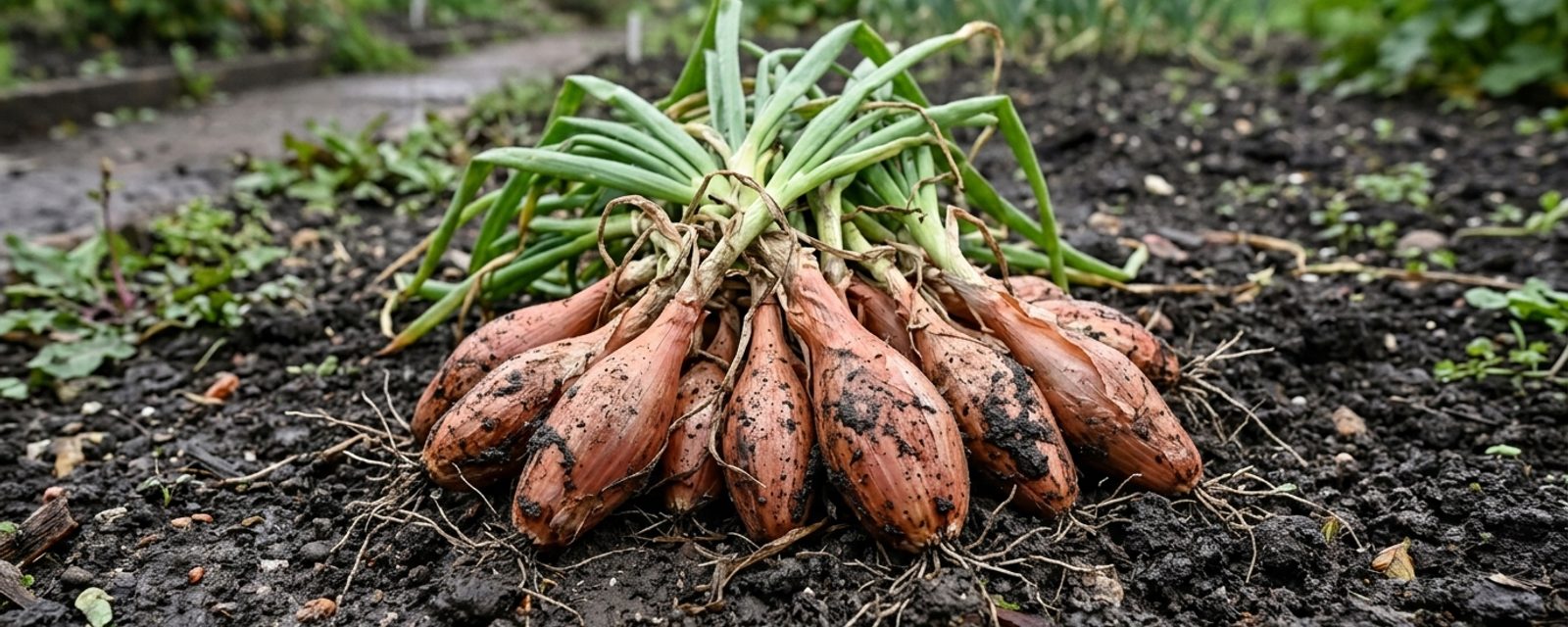
Forgiving once in the ground, but two early decisions matter more here than the standard advice suggests: growing from sets rather than seed, and choosing spring planting over autumn unless your soil is genuinely free-draining.
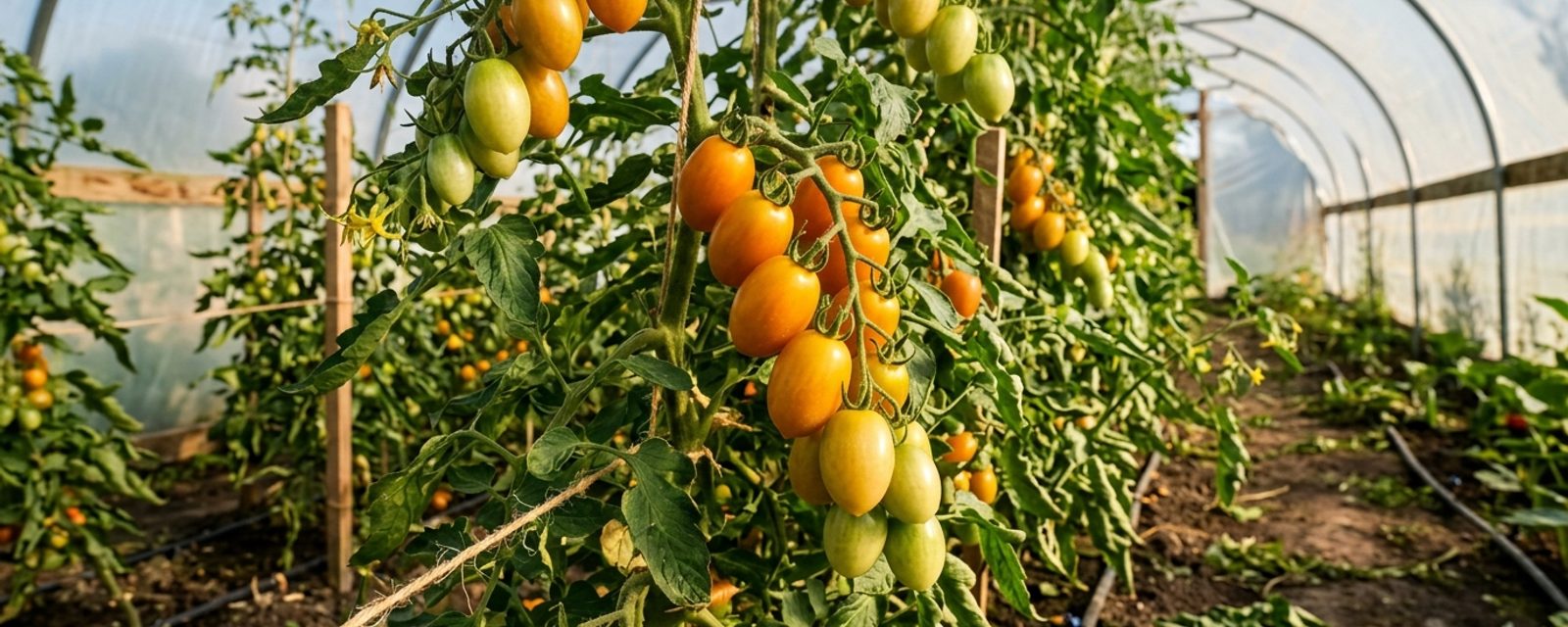
A polytunnel or greenhouse turns tomatoes from a gamble into a reliable Scottish crop: dry leaves keep blight away and give fruit the warmth to actually ripen. Sungold, an AGM cherry variety, is the earliest to colour up outdoors too.
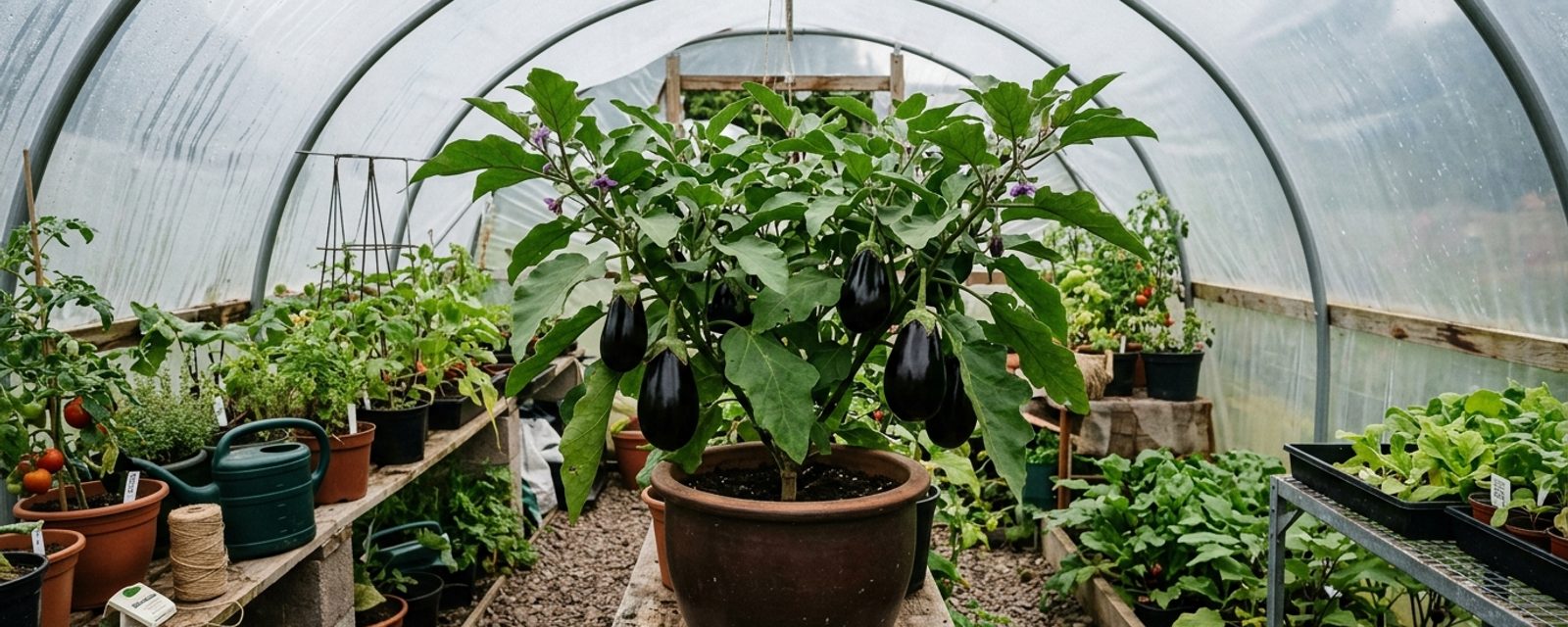
Five months is the number worth sitting with: sown as early as January or February, that puts an outdoor harvest right up against, or past, when a Scottish autumn turns. A greenhouse or polytunnel is realistically what makes that five months achievable at all.
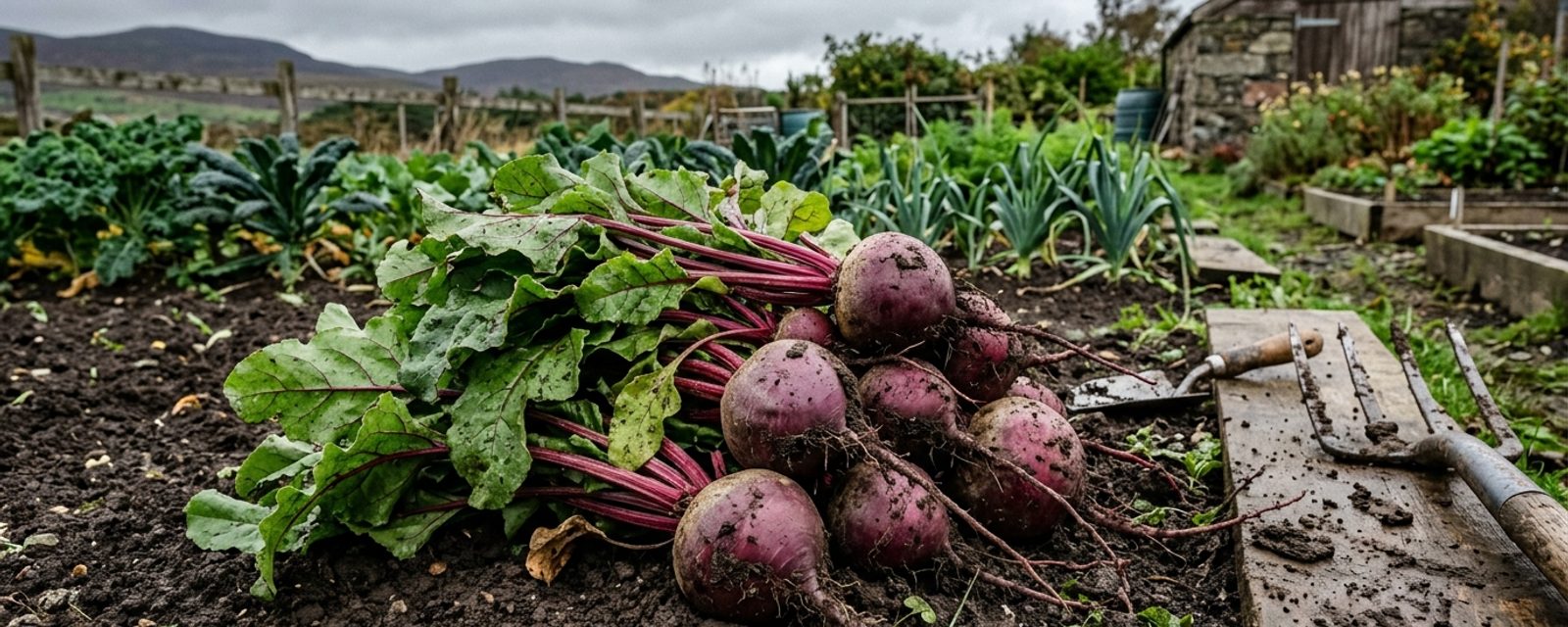
Two crops from one plant: sweet, earthy roots and leaves that cook like spinach, ready in 50 to 60 days. The one thing that catches people out is bolting, triggered by a cold snap after an early sowing.
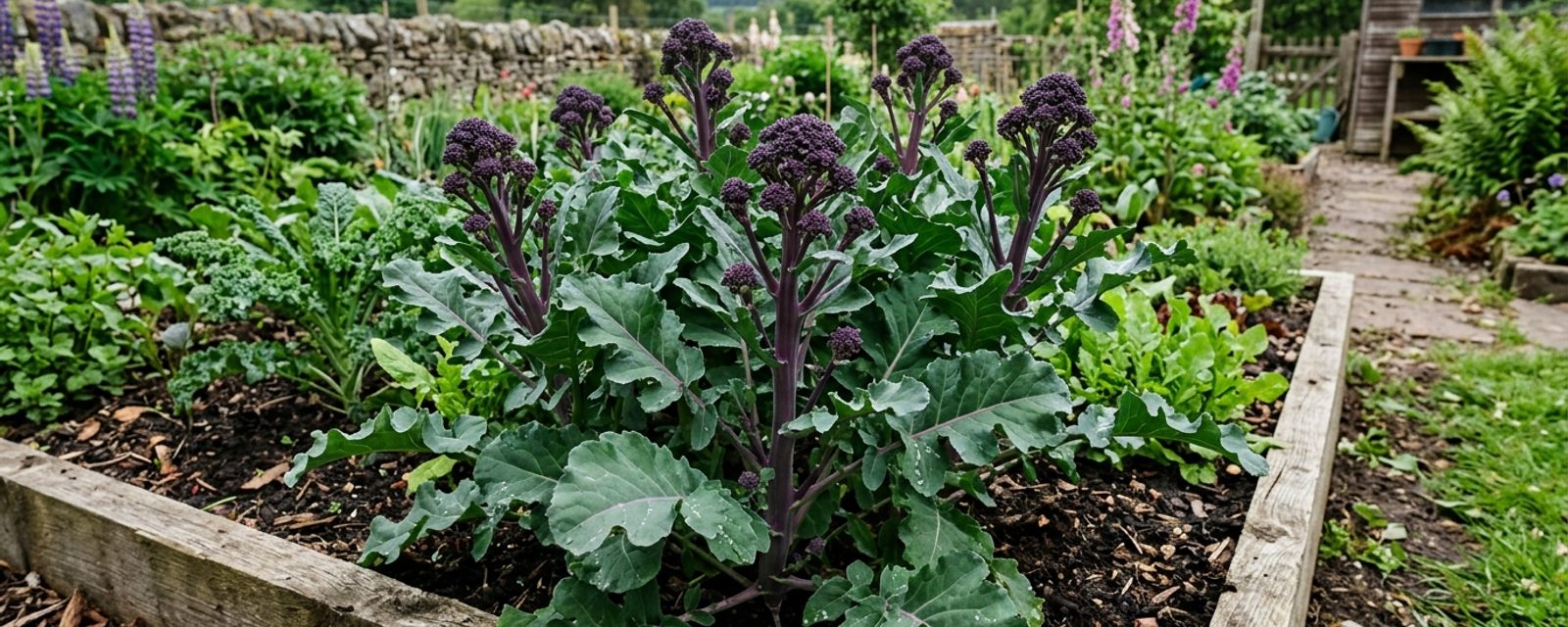
Sprouting broccoli, not the supermarket calabrese, earns its keep by standing through winter and delivering fresh spears in February and March when almost nothing else is ready. It's a brassica through and through, and takes eight months or more to its first harvest.
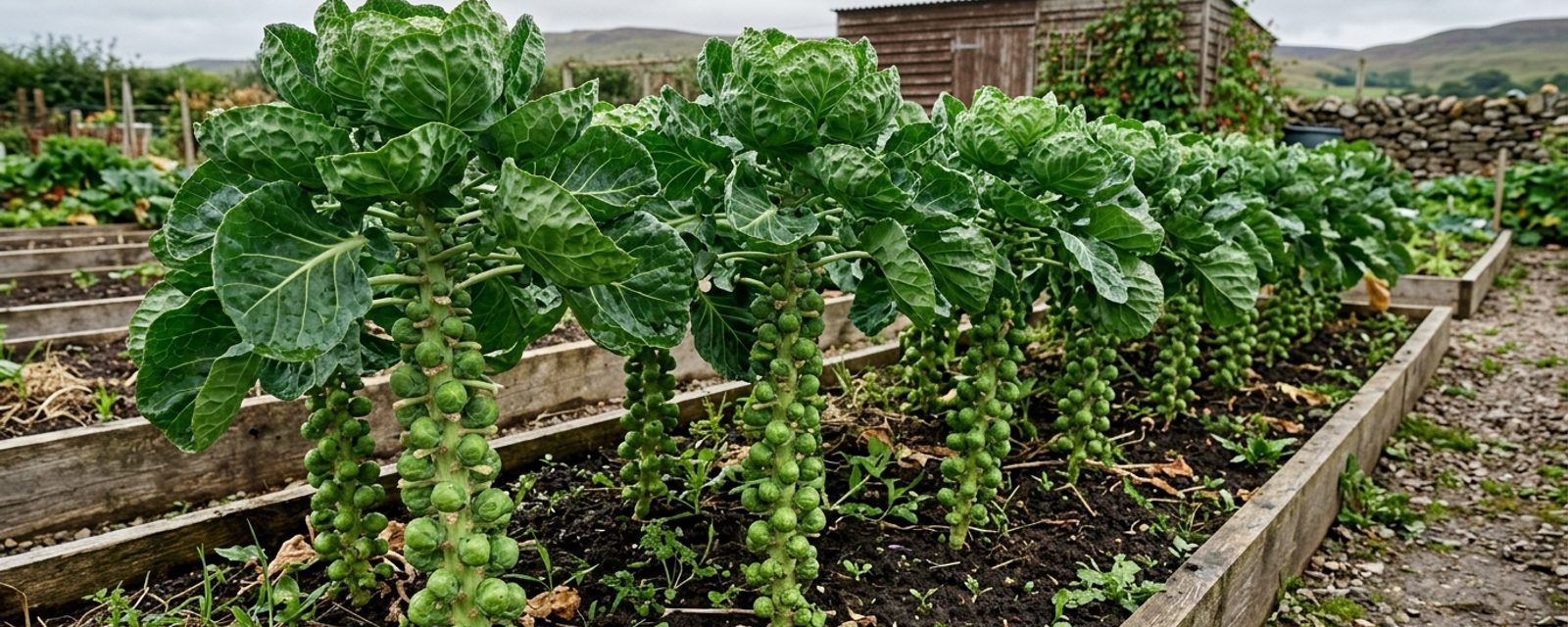
The slowest crop in the vegetable garden: sow in February and you're harvesting at Christmas. One of the very few crops where a Scottish winter is an advantage, since frost converts the plant's starches to sugar and a sprout cut after a hard frost is sweeter and nuttier than anything bought.
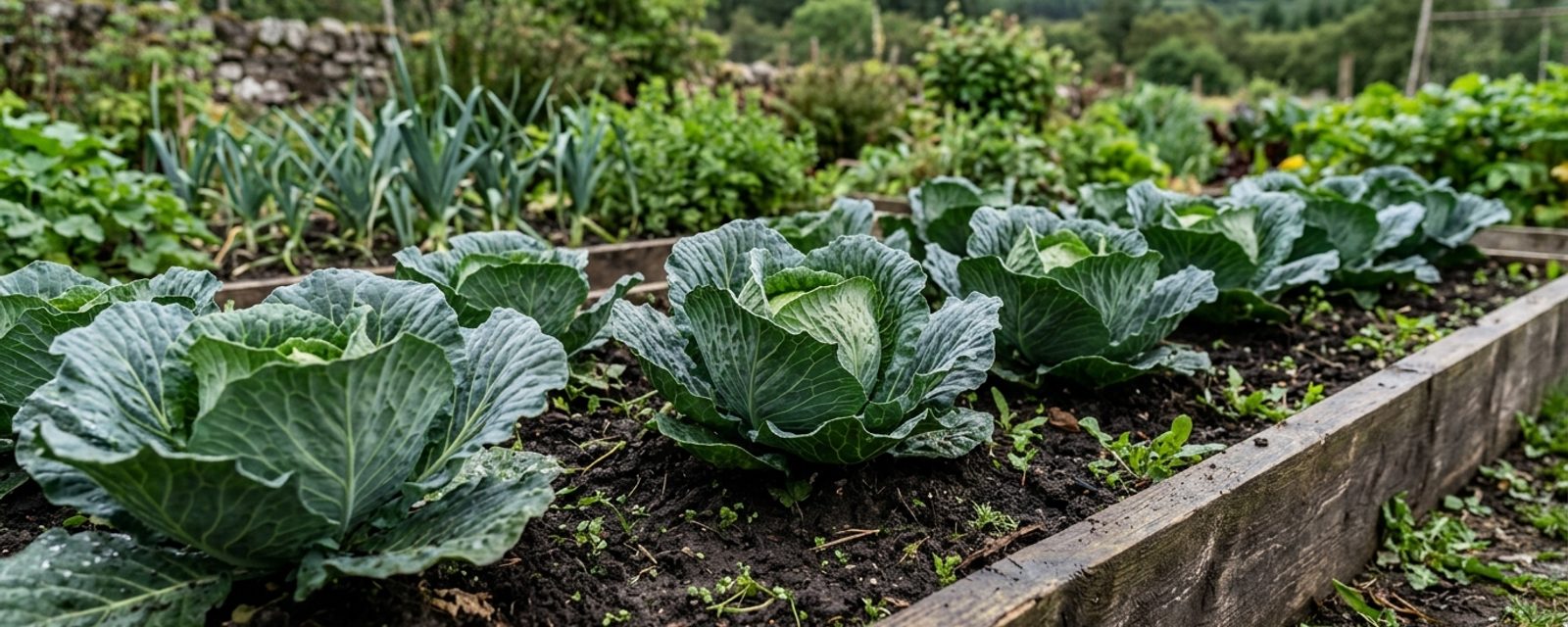
The brassica that rewards succession planning more than any other: four distinct types, sown across the year, give fresh heads in every season, from a winter Savoy cut on a frozen January morning to a summer cabbage for August coleslaw.
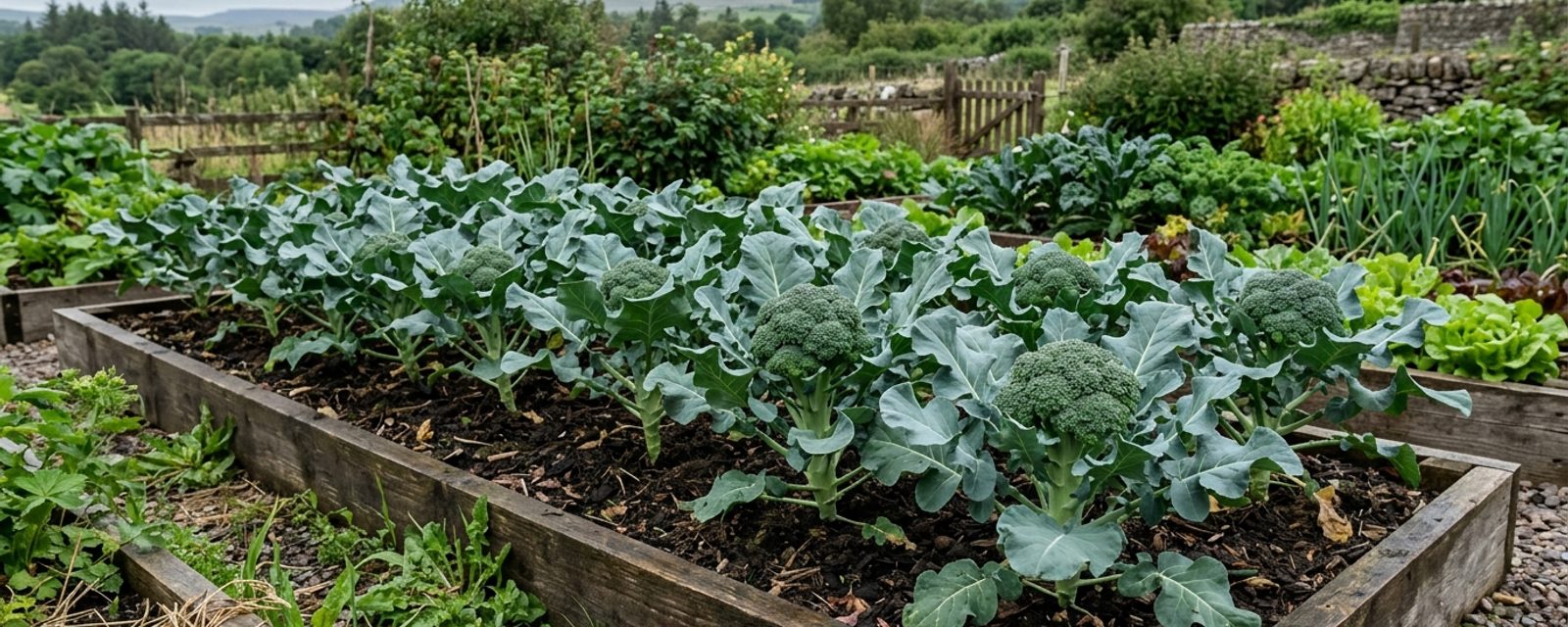
One large, tightly-packed head cut in a single harvest, unlike sprouting broccoli's many small spears picked over months. Fills the gap between spring greens finishing and winter brassicas taking over, but a hot spell can push it to bolt before the head ever forms.
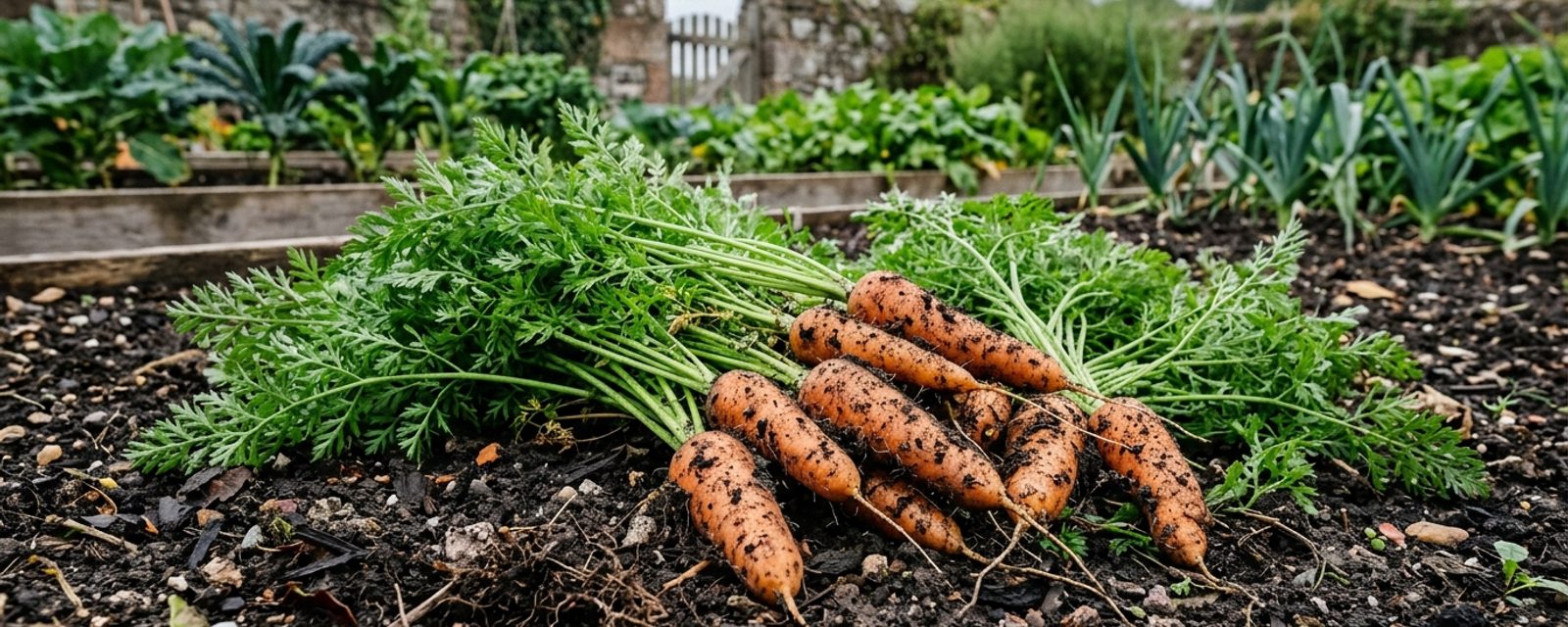
Undemanding once they're up, needing little water or feeding. Two things decide the crop: your soil, which determines whether roots grow straight or fork, and carrot fly, the real reason most people give up on them.
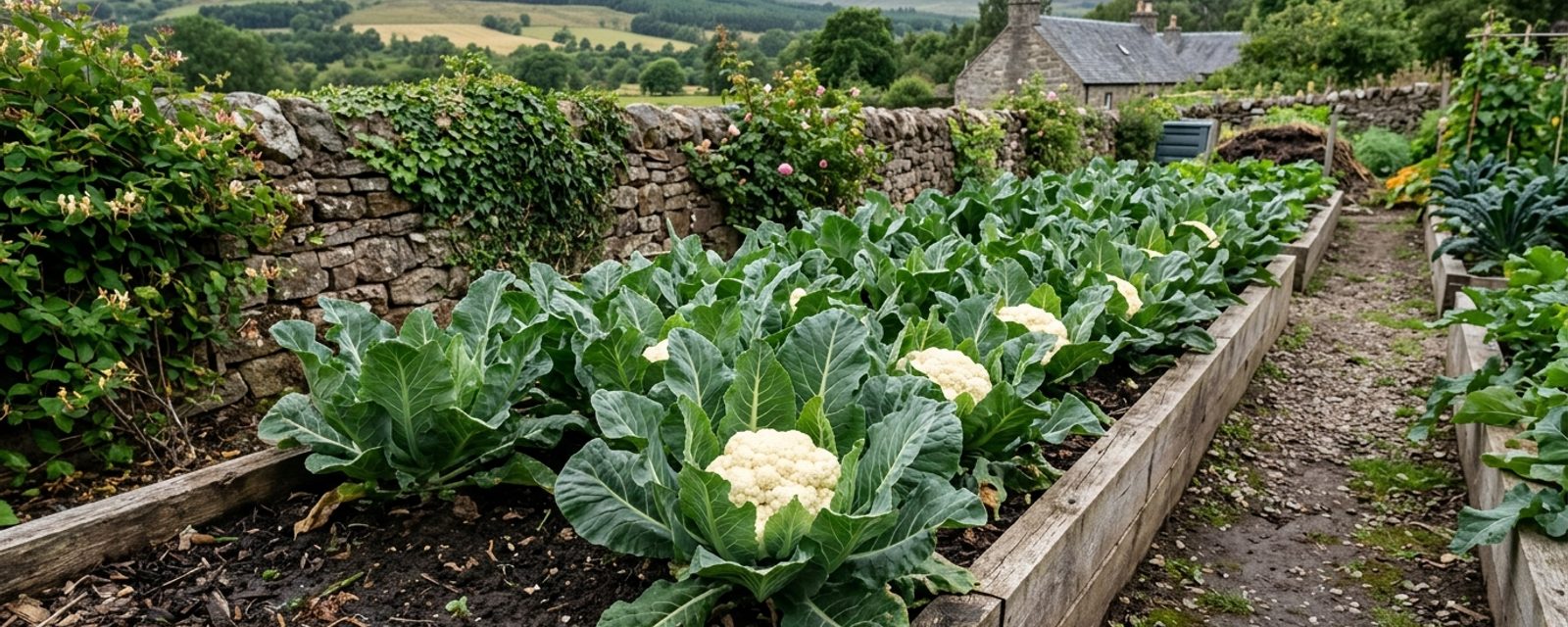
Has a reputation for being fussy, and it's earned: a plant checked by cold, a late transplant or inconsistent watering answers with a tiny head instead of the one you were growing it for. Get the timing and consistency right and it's no harder than any other brassica.
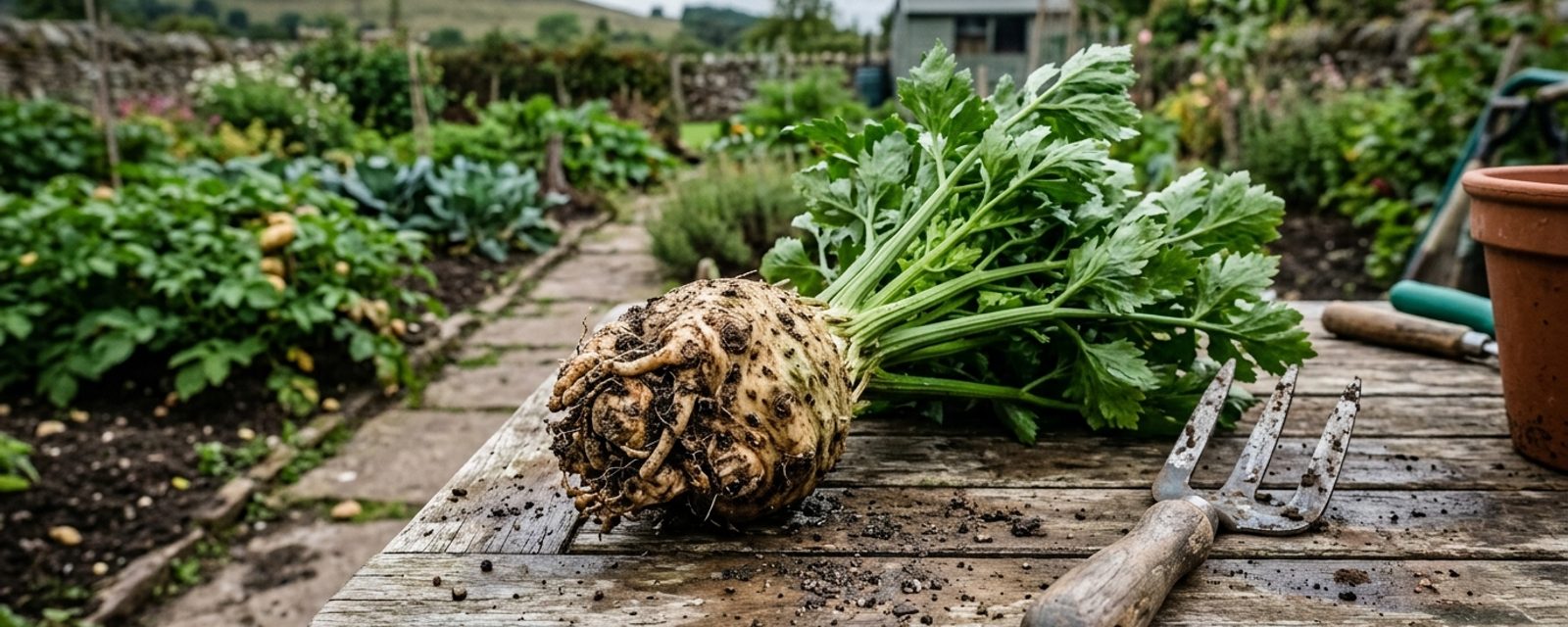
The real limiting factor here isn't cold or wet, it's time: the root needs six to eight months to bulk up, so the season has to start early and under heat. Get that start right and the rest is forgiving, tolerating a poor summer and heavier soil better than most vegetables.
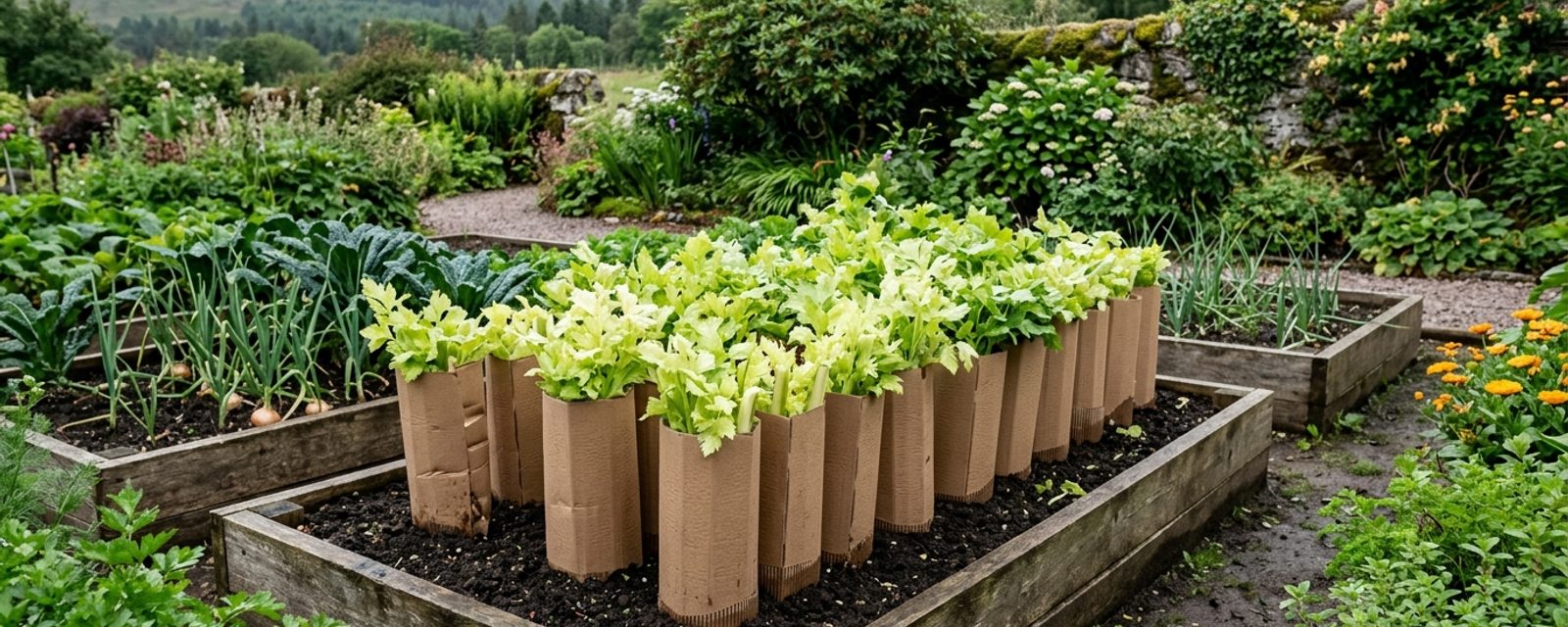
Has a reputation as a fussy crop, and the reputation is earned: it wants constant moisture, a late and cautious start outdoors, and regular attention while it grows. None of that is a reason to skip it, but it is a reason to know what you're taking on.
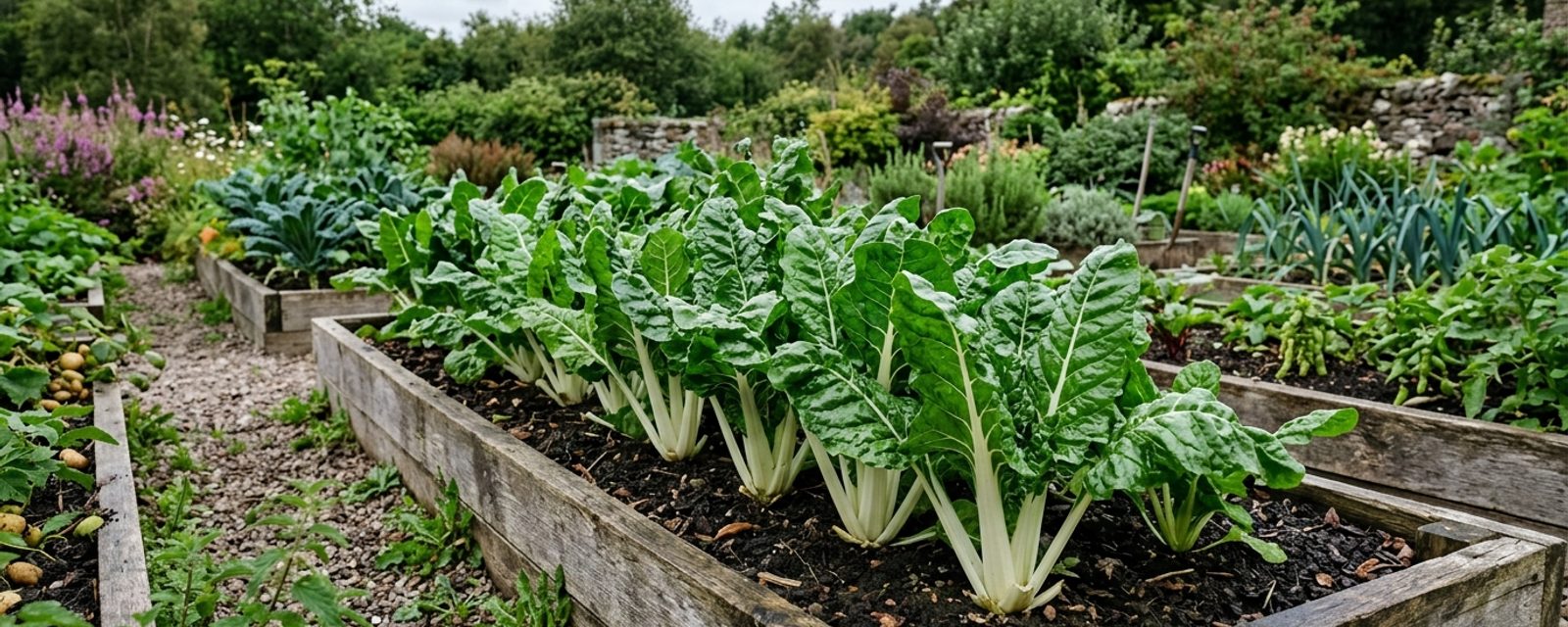
Two sowings a year, roughly April and July, cover almost the whole growing season between them, the second overwintering for a spring harvest before it finally bolts. White-stemmed varieties are the hardier pick here, not just a plainer one.
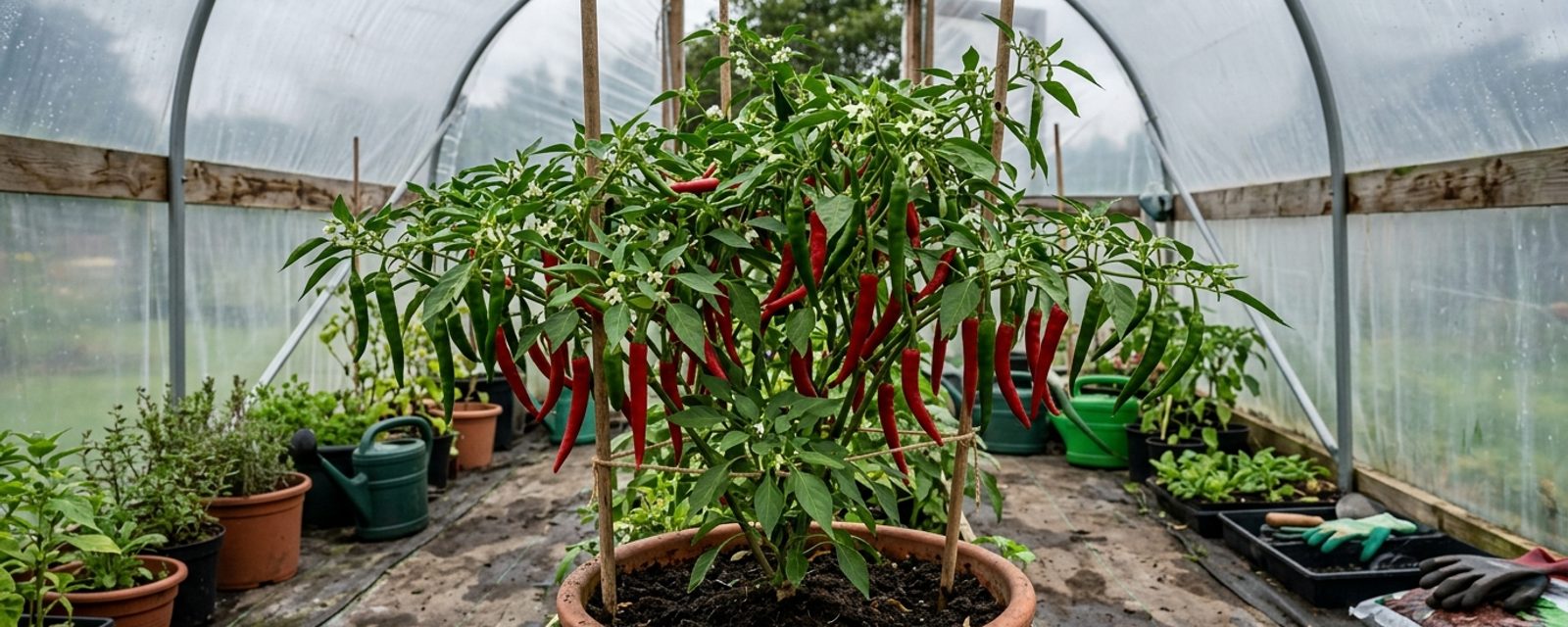
Ask for the same conditions as sweet peppers, heat, humidity and lots of sun, and a greenhouse or polytunnel is just as much the reliable route to a real crop here. What chillies add on top is a genuinely wide spread of heat levels between varieties.
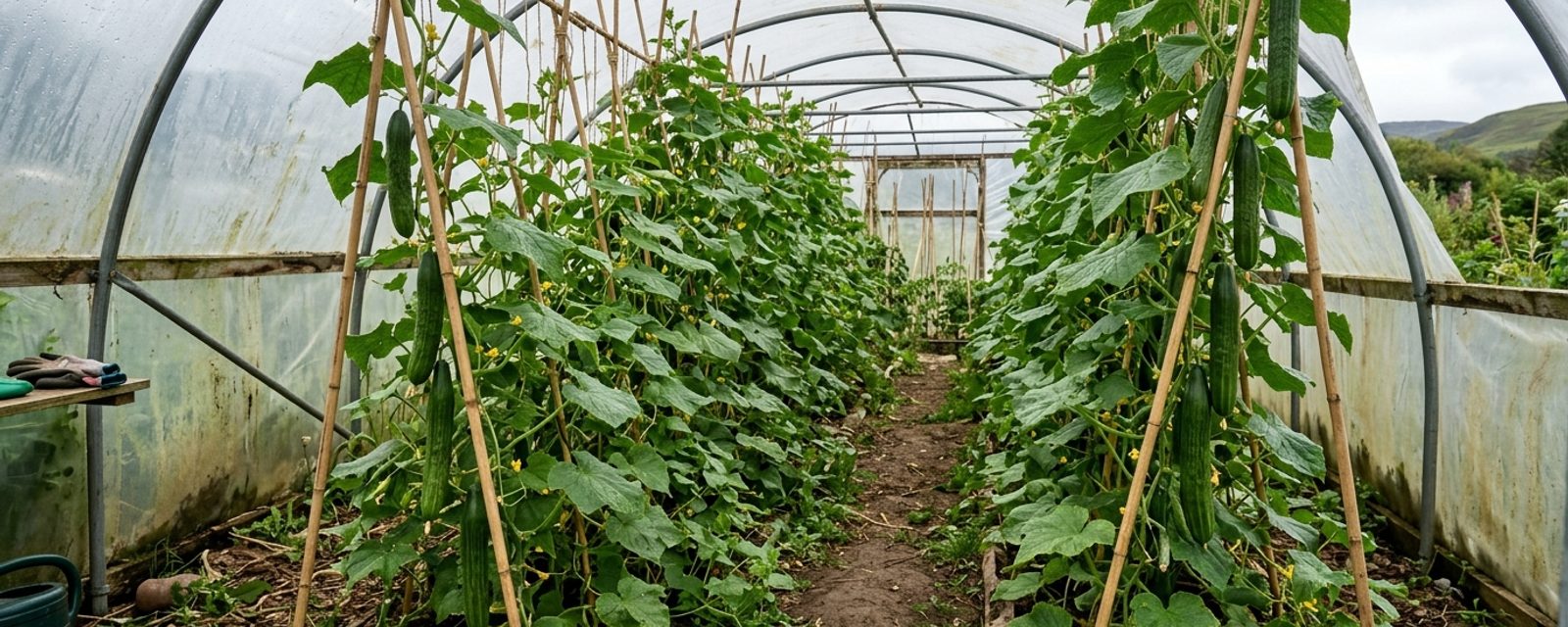
Reward a bit of cover more than almost anything else here: grown under glass or in a polytunnel, they're one of the most productive plants for a small space. Grown outdoors in the open, they're a genuine gamble on the weather.
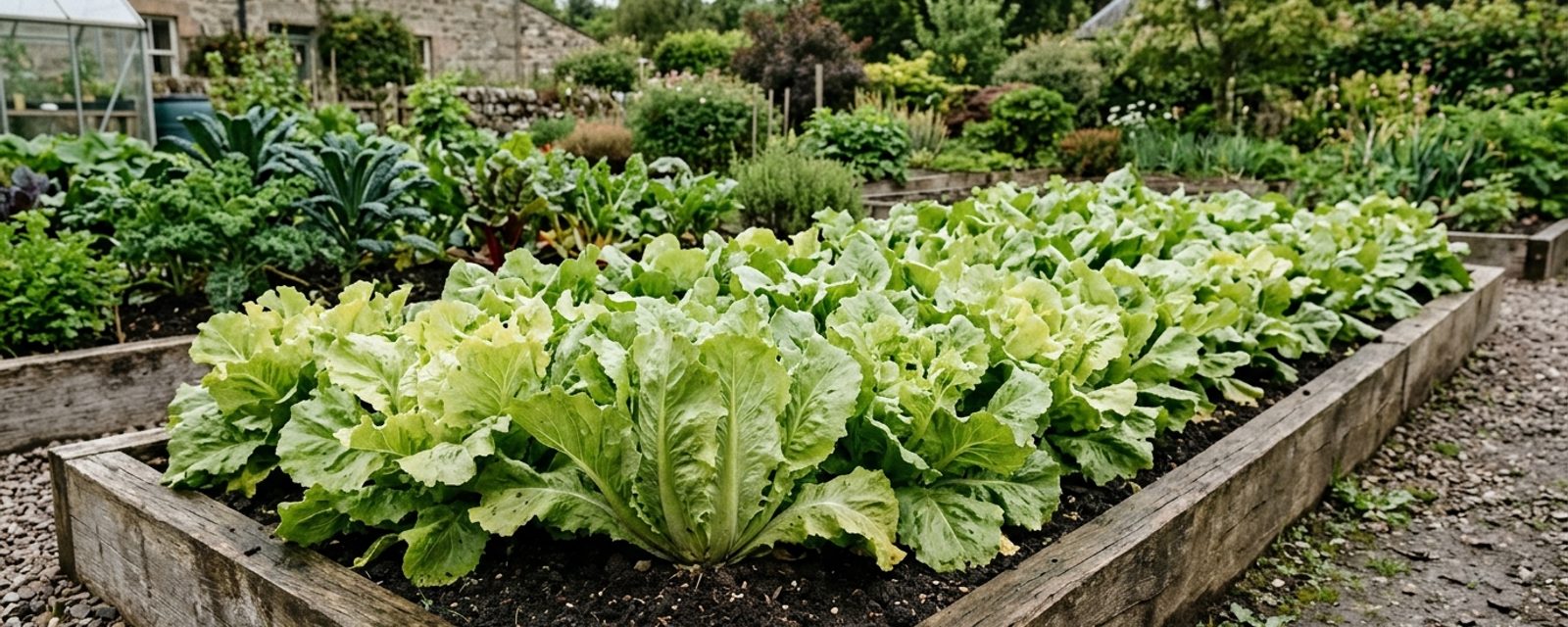
Its bitterness is the whole point, and blanching is how you soften it without losing it. Beyond that, the type you choose settles almost everything else: which season it suits, how tough it is, and how it should be sown.
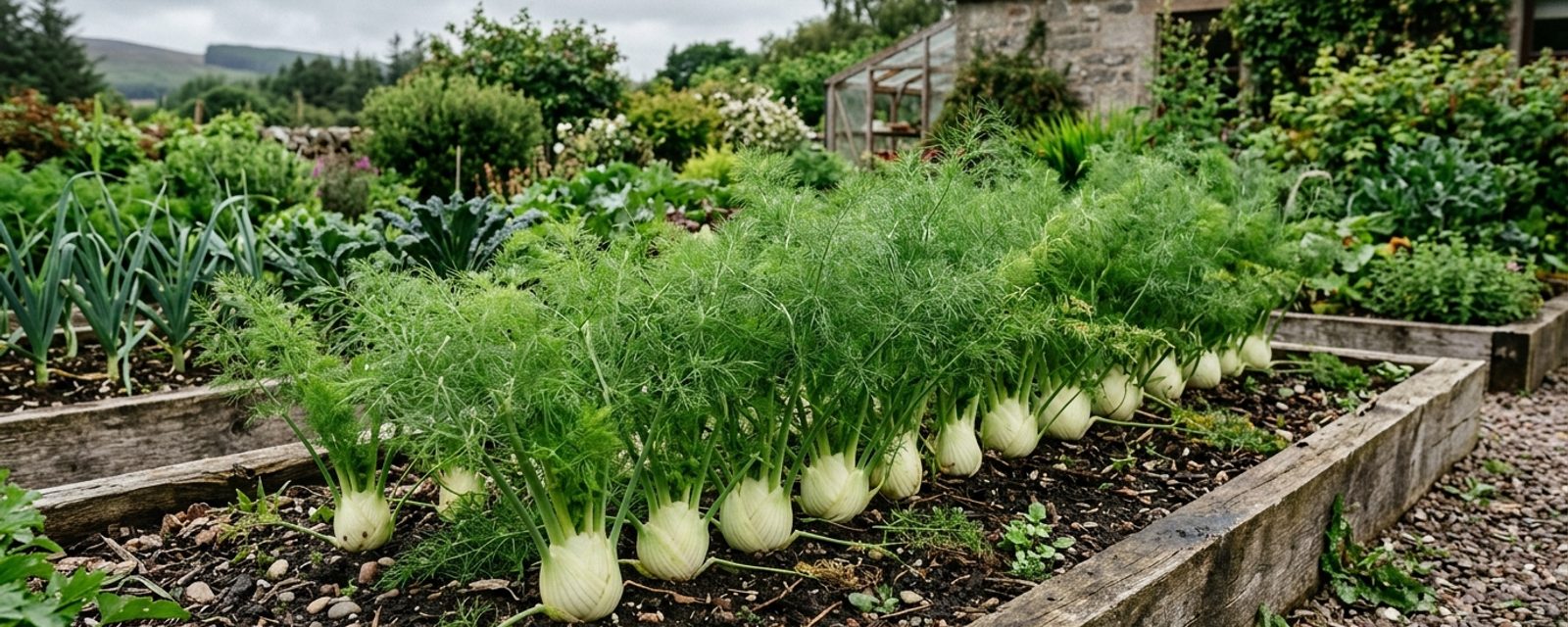
Genuinely not an easy crop: cold, disturbed roots and dry soil are each, on their own, enough to make the plant bolt instead of forming a bulb, and none of the three is rare here. Treat every precaution as necessary rather than optional and it's achievable.
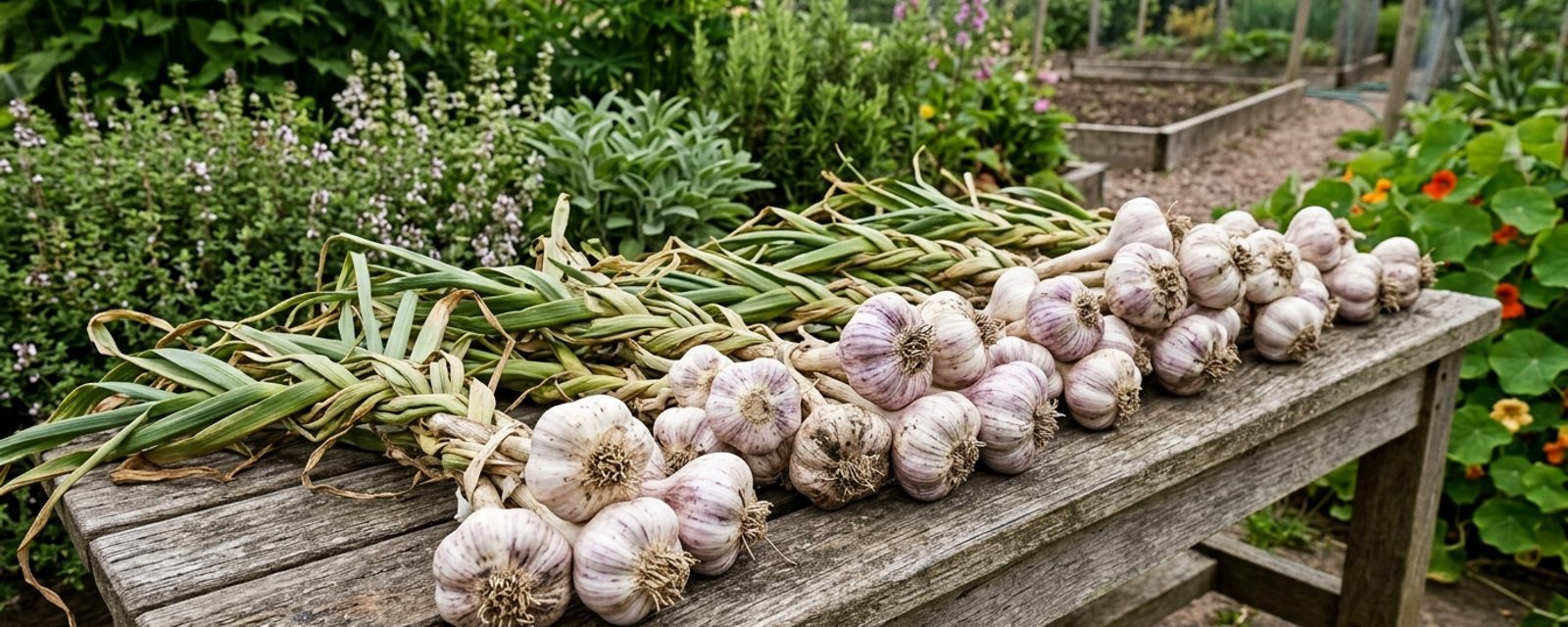
Wants a cold winter, and here that's a statement of fact, not a problem to solve: most varieties need one to two months below 10°C to form bulbs properly. A Scottish winter delivers that as reliably as rain.
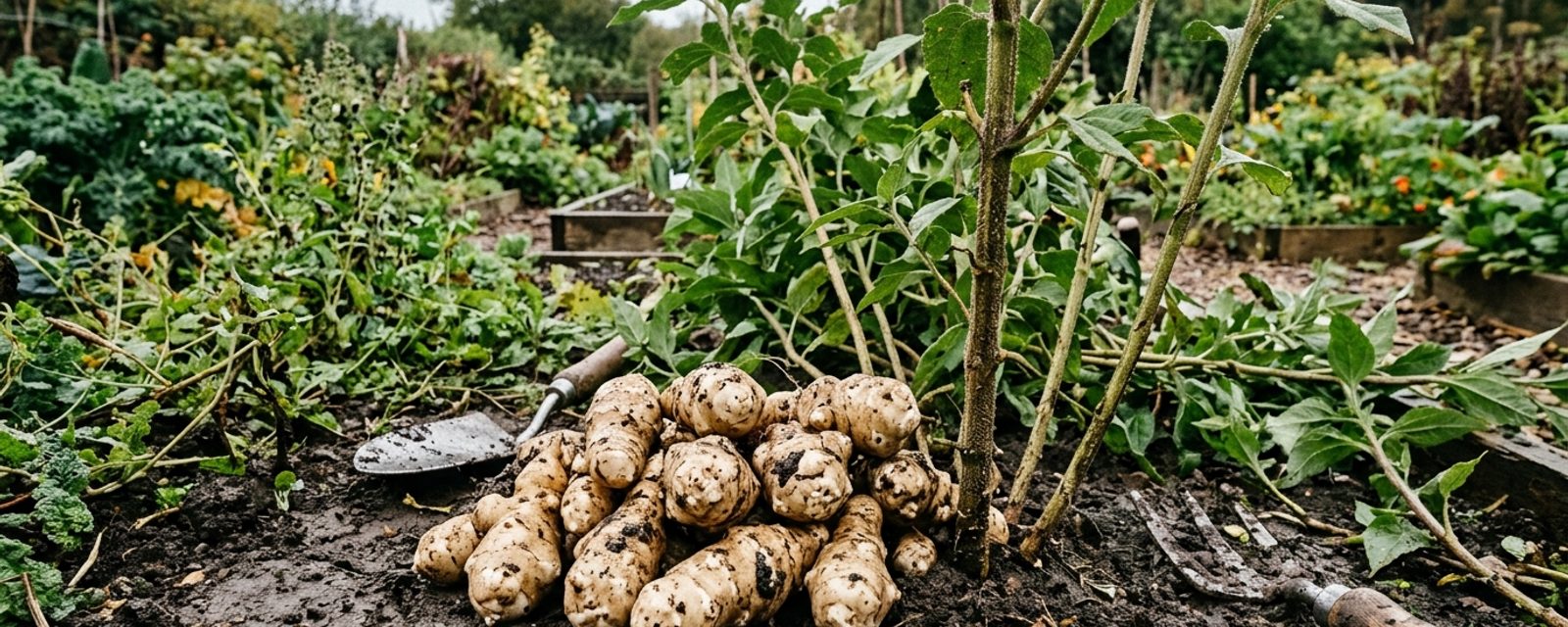
Asks for very little once it's in the ground, and its one real quirk, an unwillingness to stay confined to a tidy rotation, is worth planning around rather than fighting. Site it deliberately and it rewards you with a reliable autumn and winter harvest.
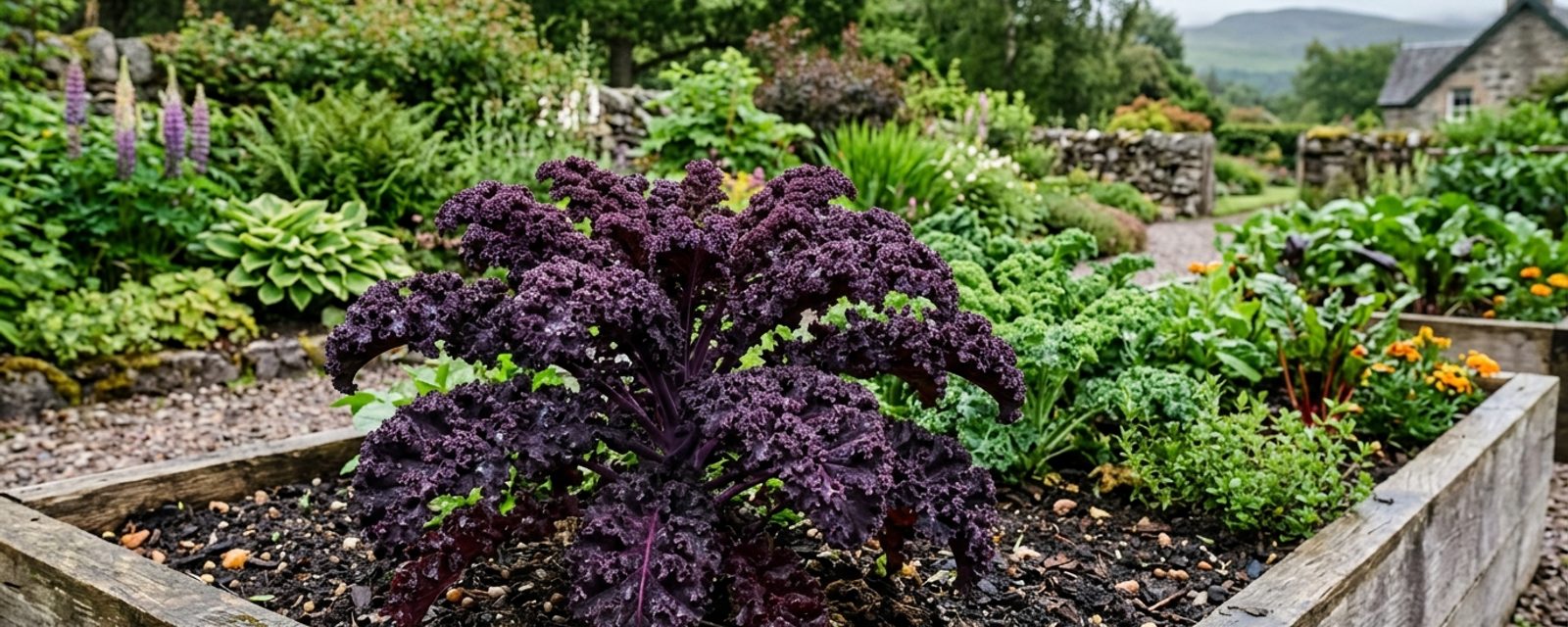
Hardy, forgiving, and one of the few crops our climate genuinely favours: it crops through the hungry gap when the garden is otherwise bare. If you grow one thing over a Scottish winter, grow this.
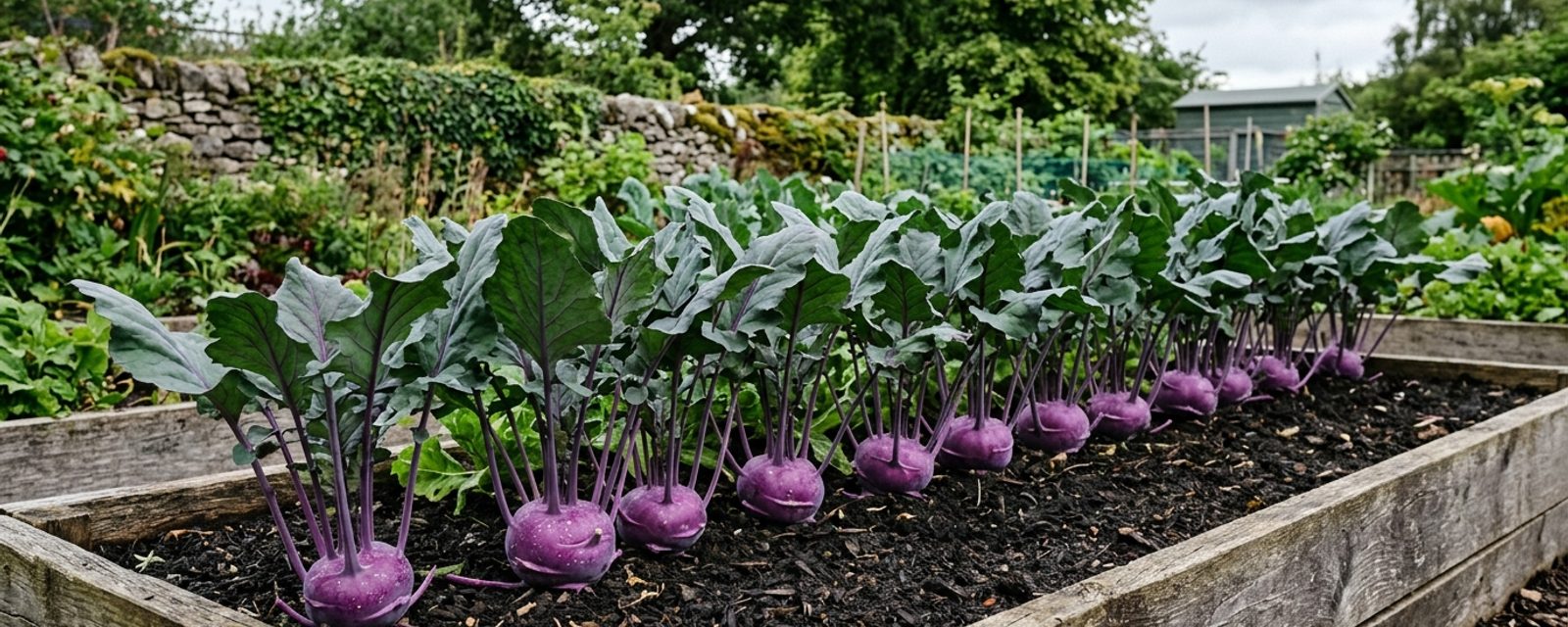
Looks like it should be a root but is actually a swollen stem base that develops above ground, ready from sowing to harvest in as little as eight weeks. It has a short window before it turns woody, so it's a crop you check on, not one you leave alone.
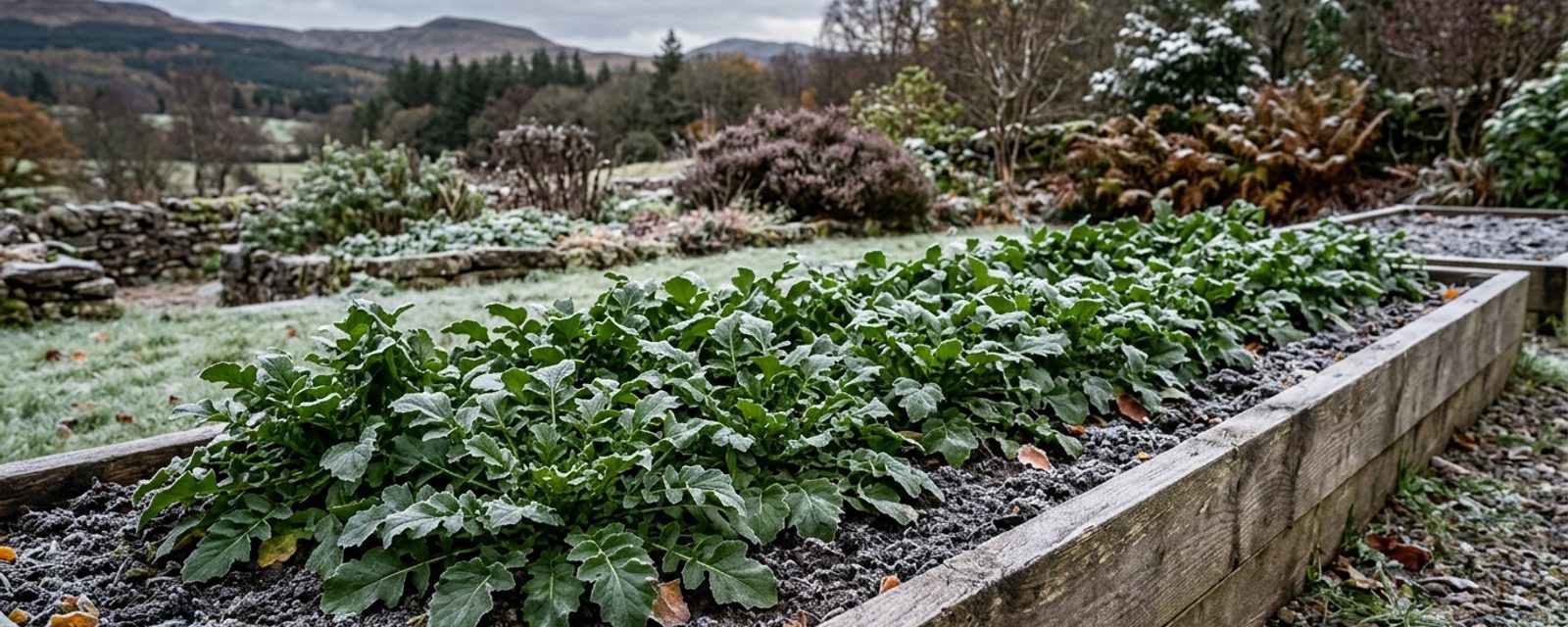
No source publishes a proper sowing-depth or spacing figure for this crop, under any of its names: a genuine gap, not a guess dressed up as one. What is well established is a genuinely strong hardiness rating, and a crop clearly meant for the darker half of the year.
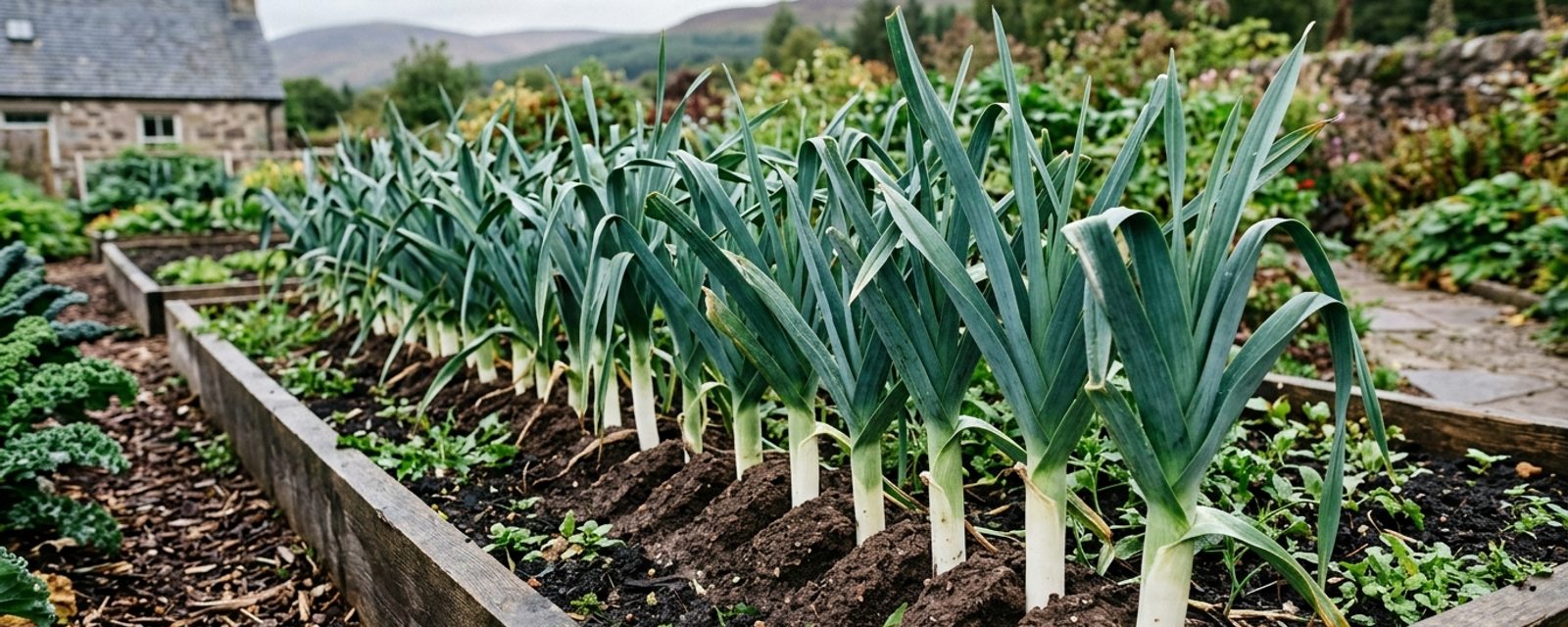
One of the few crops that genuinely suits this climate rather than merely tolerating it: hardy enough to stand through a Scottish winter unprotected, cropping when almost nothing else does. Slow though, occupying a bed for the best part of a year.
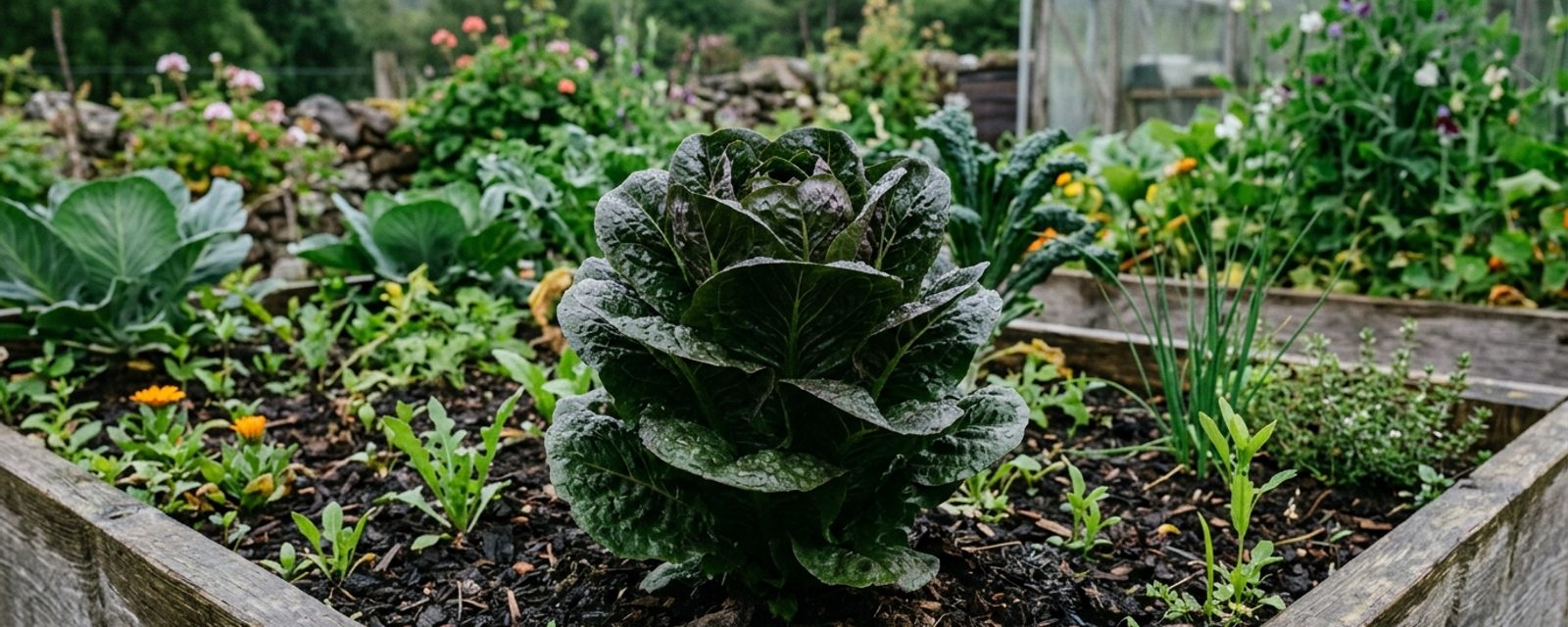
One of the few crops where Scotland's climate actively helps: heat and drought trigger bolting and stop germination, and a cool summer keeps that window open far longer than further south. Successional sowing from spring into late summer keeps a steady supply.
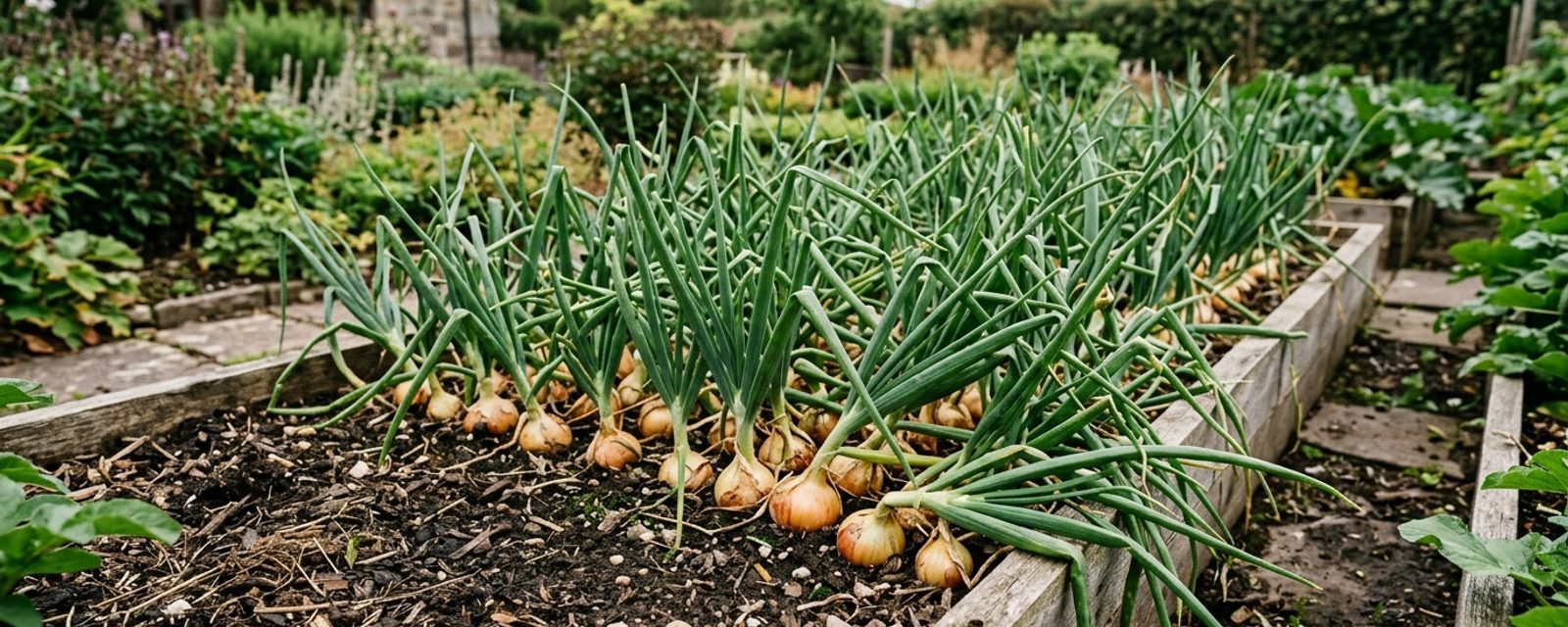
Straightforward once planted: a sunny bed, kept weed-free, and wait. The one decision that changes everything is timing, since a cold spring can trigger bolting and ruin the bulb, which is why autumn planting matters more here than almost anywhere else in Britain.
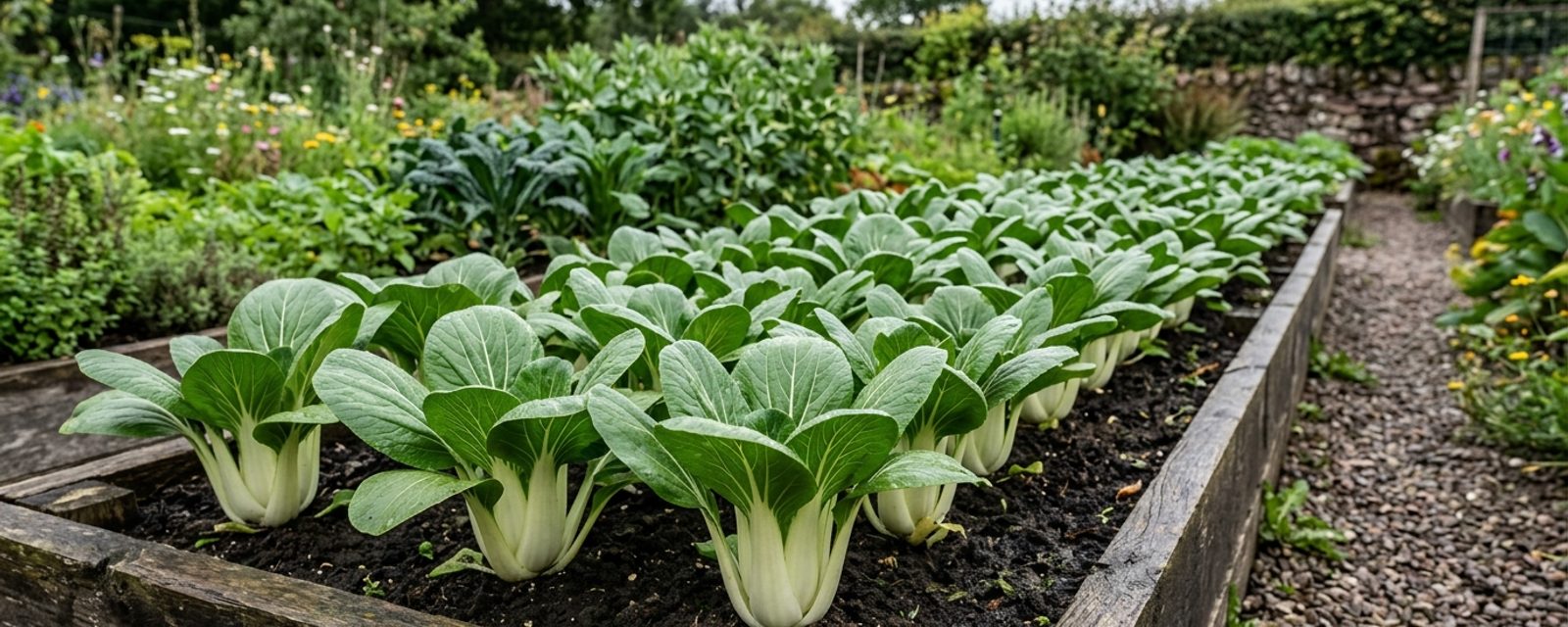
One of the fastest crops here: ready in as little as 30 days for baby leaves, 45 to 75 for a full head. Its main weakness, bolting in hot, dry weather, is a threshold a Scottish summer rarely reaches.
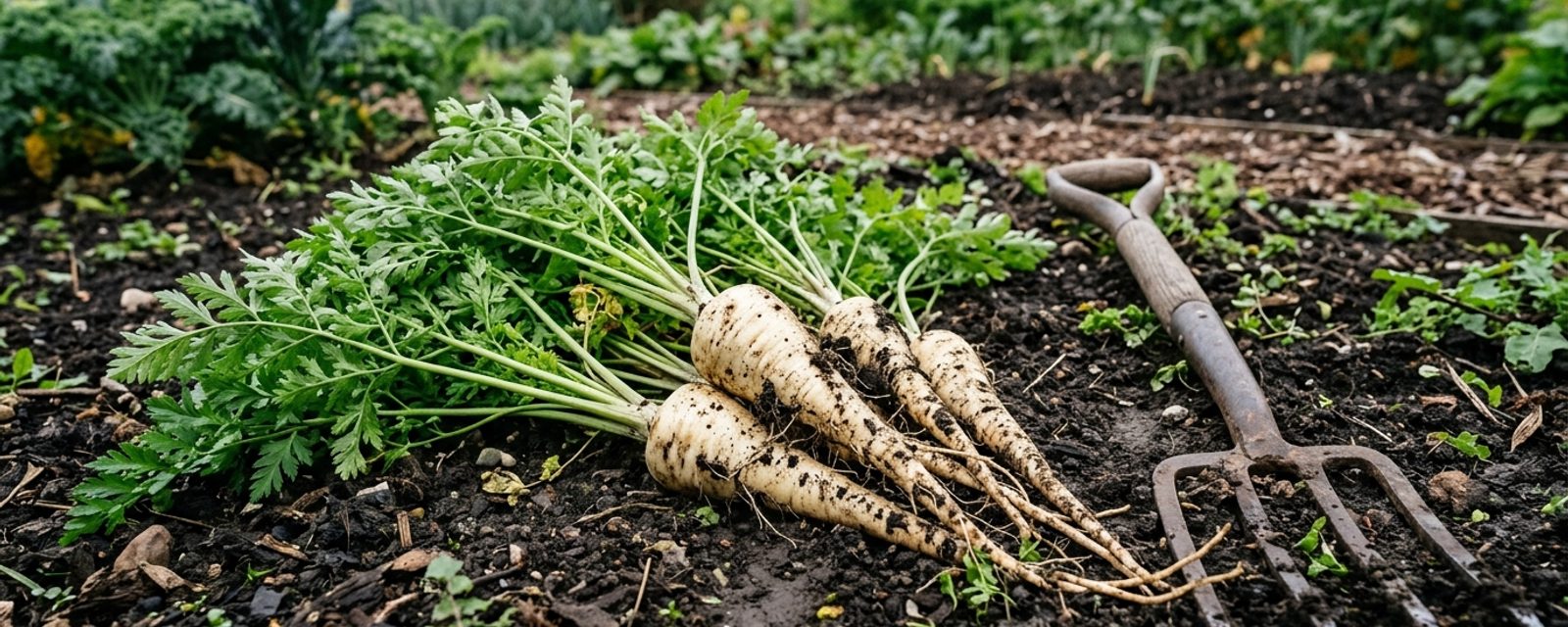
Slow and patient, and in a Scottish garden that's the whole point: they sit in the ground from April to February, taking five to six months to reach a harvestable root once they finally germinate. They want nothing added to the soil right before sowing, and resent being transplanted.
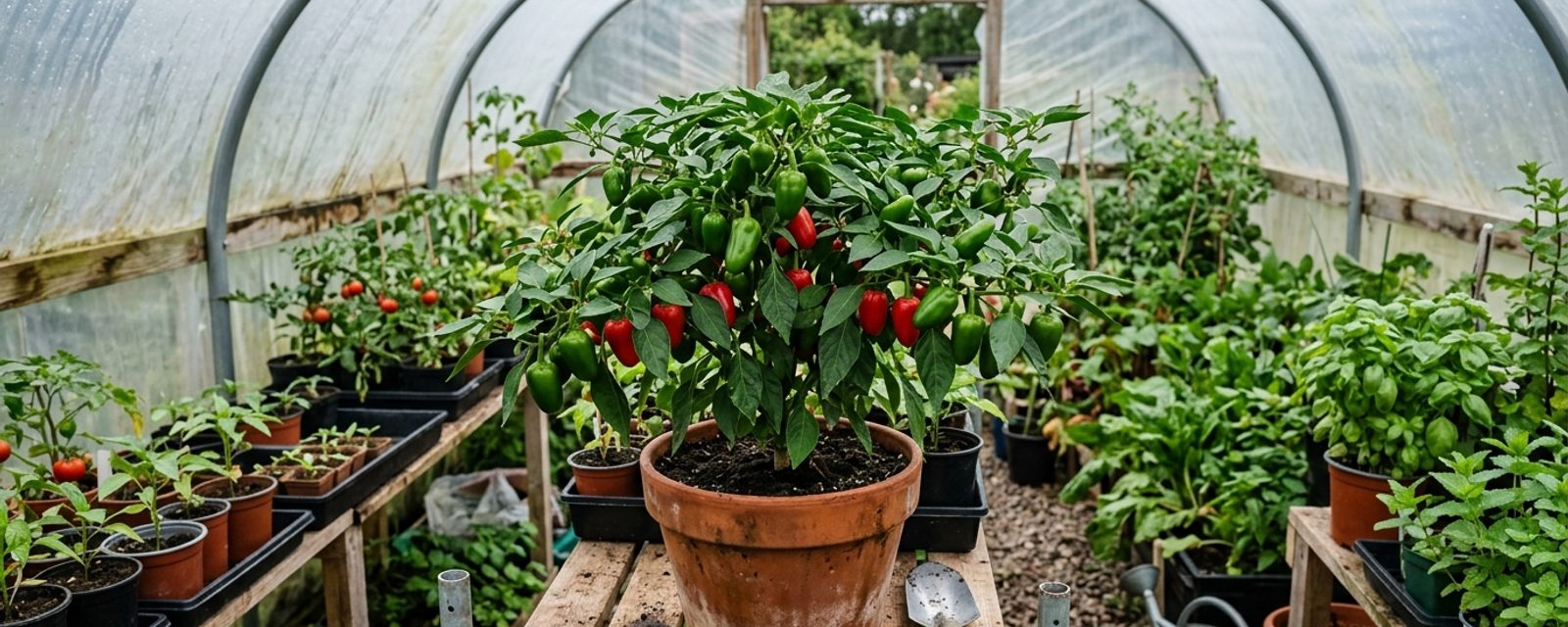
Growing under cover isn't just advised here, it's the realistic route to a crop: outdoor growing works only in the mildest gardens or an unusually hot summer. Plan for a greenhouse or polytunnel from the start.
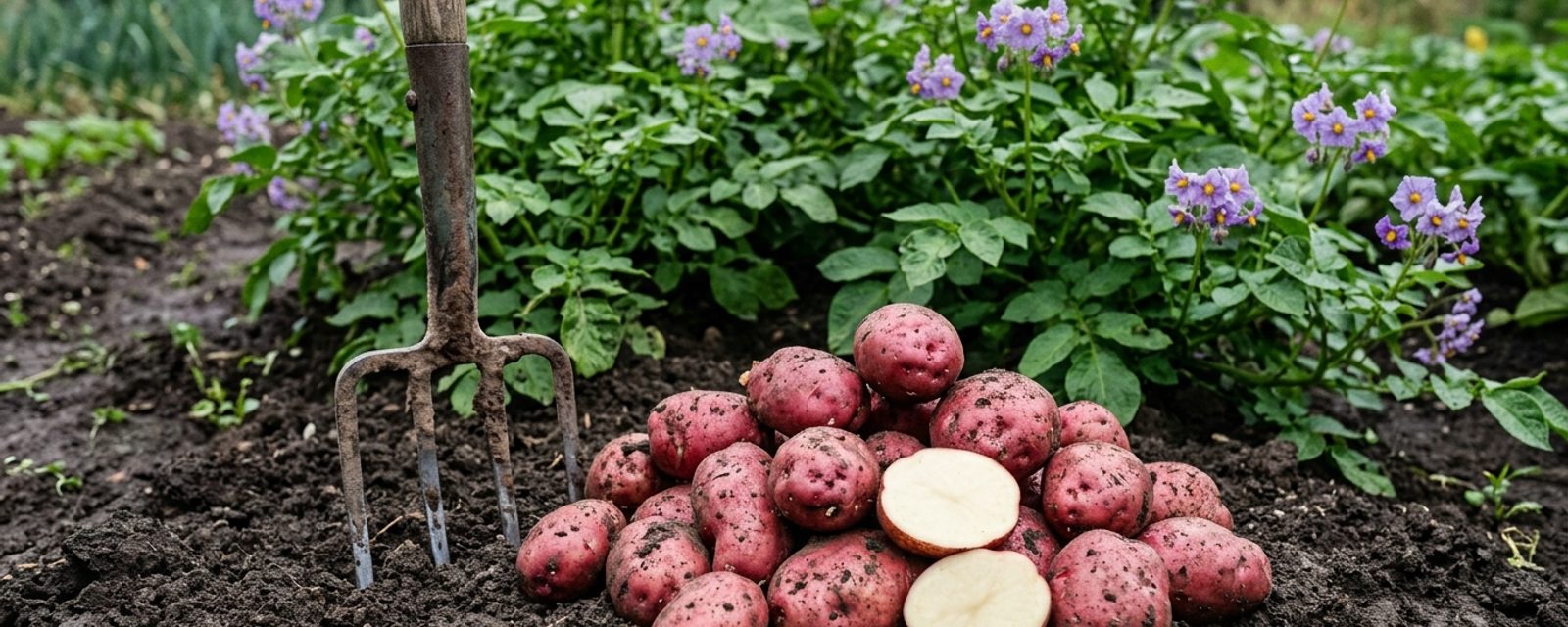
The easiest crop here to grow, and the easiest to lose: blight arrives in a warm, wet August and can strip a maincrop in days. Almost every real decision, from earthing up to when you lift, comes back to keeping blight off.
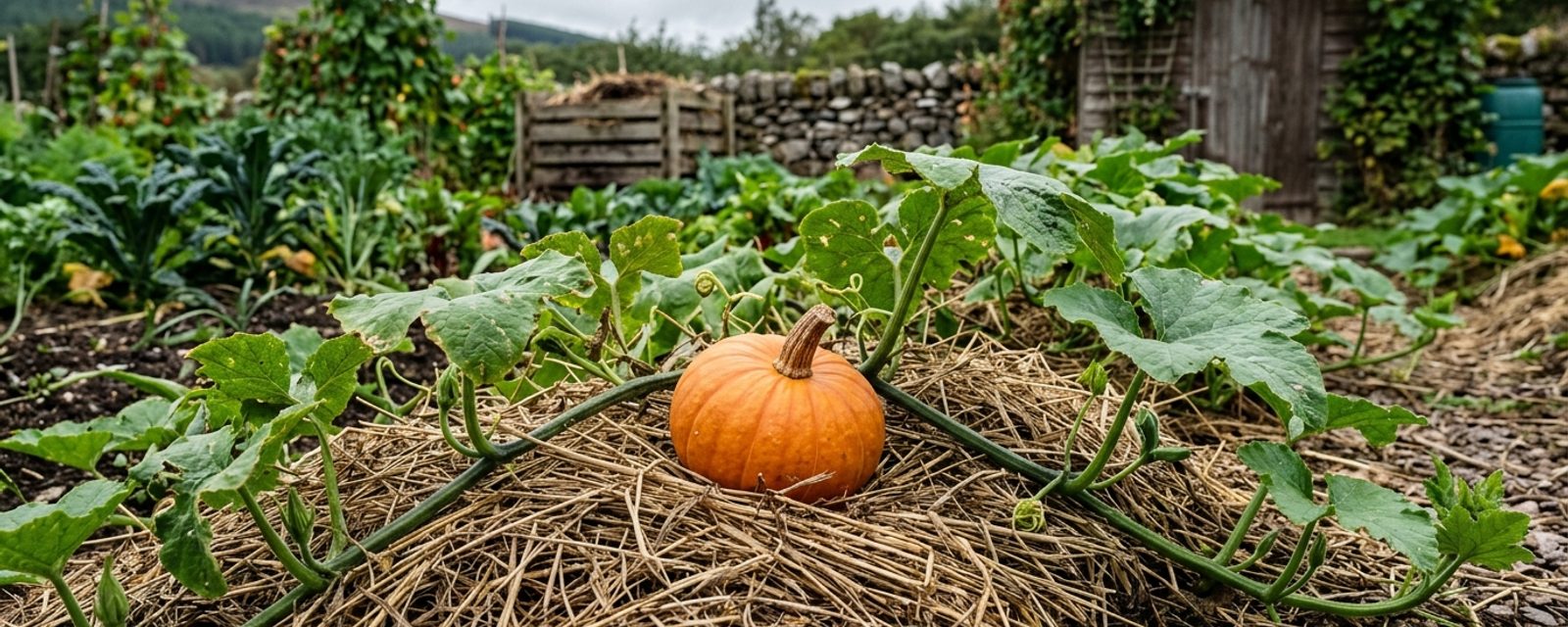
What pumpkins want, long and hot, is close to the opposite of a typical Scottish summer. That doesn't rule the crop out, but it puts the variety you choose at the centre of whether you get a real harvest at all.
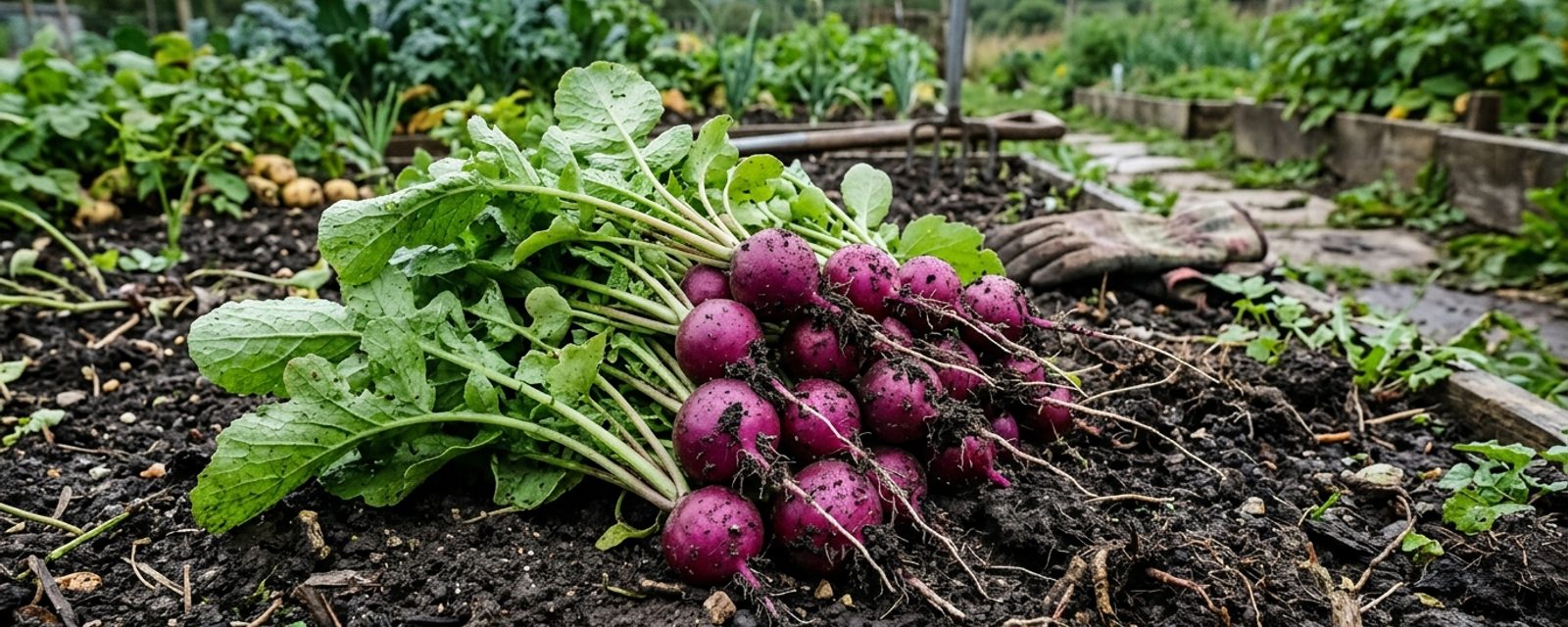
Summer radish rewards speed and small, repeated sowings; winter radish rewards patience and a narrow sowing window. Treat them as two different crops sharing a name, and the one thing working in this crop's favour: the heat that triggers bolting is a threshold a Scottish summer rarely reaches.
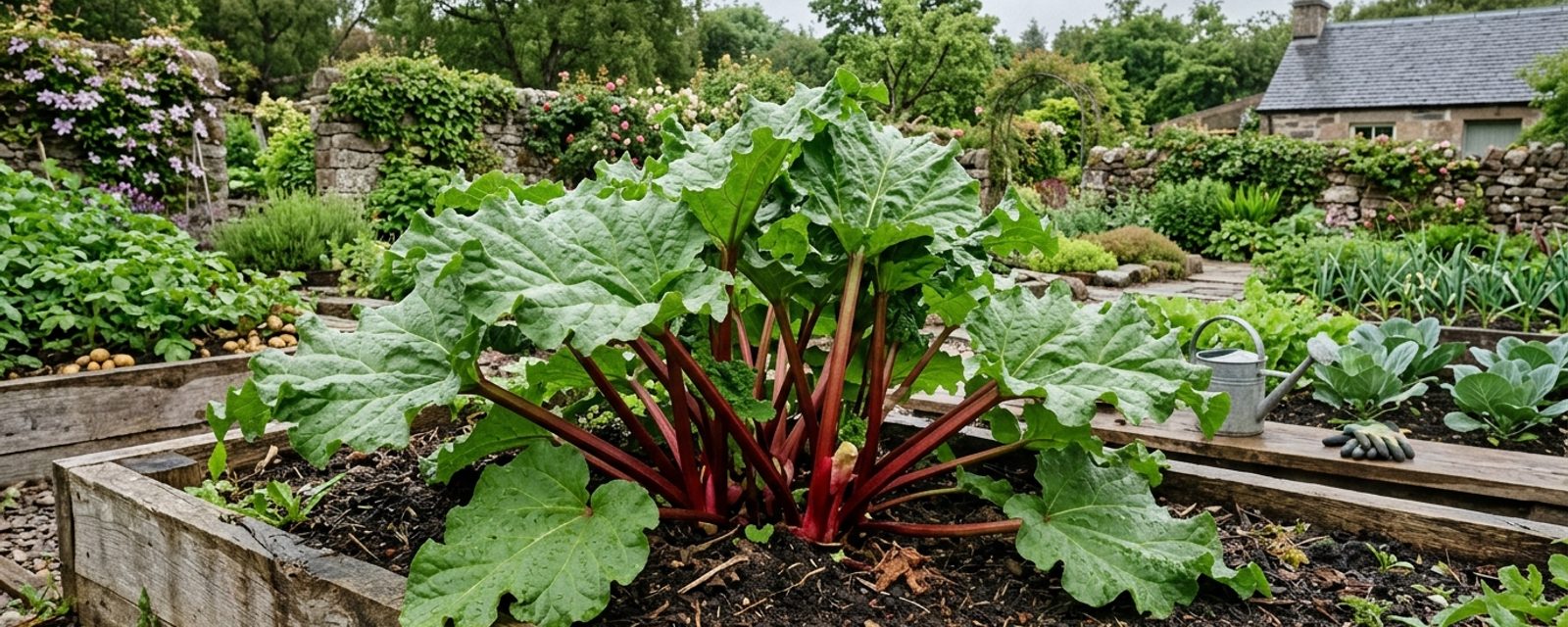
Most crops here need a warm summer Scotland doesn't reliably supply. Rhubarb runs the other way: forcing it needs about two weeks of deliberate cold to break dormancy, exactly the exposure an ordinary Scottish winter already provides outdoors, for free.
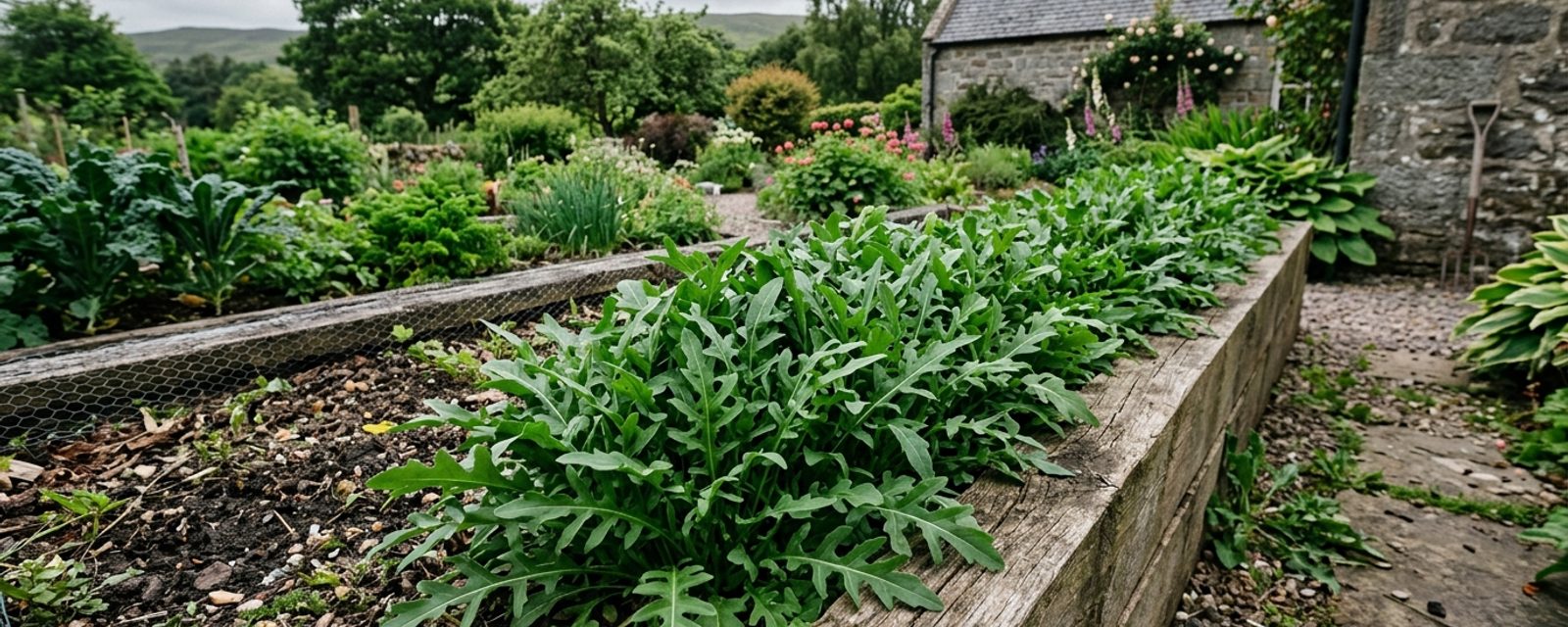
Salad rocket is quick, mild when young, and done for the year once it flowers. Wild rocket is slower, hotter-flavoured, and keeps producing for years: treat them as two different crops that happen to share a name.
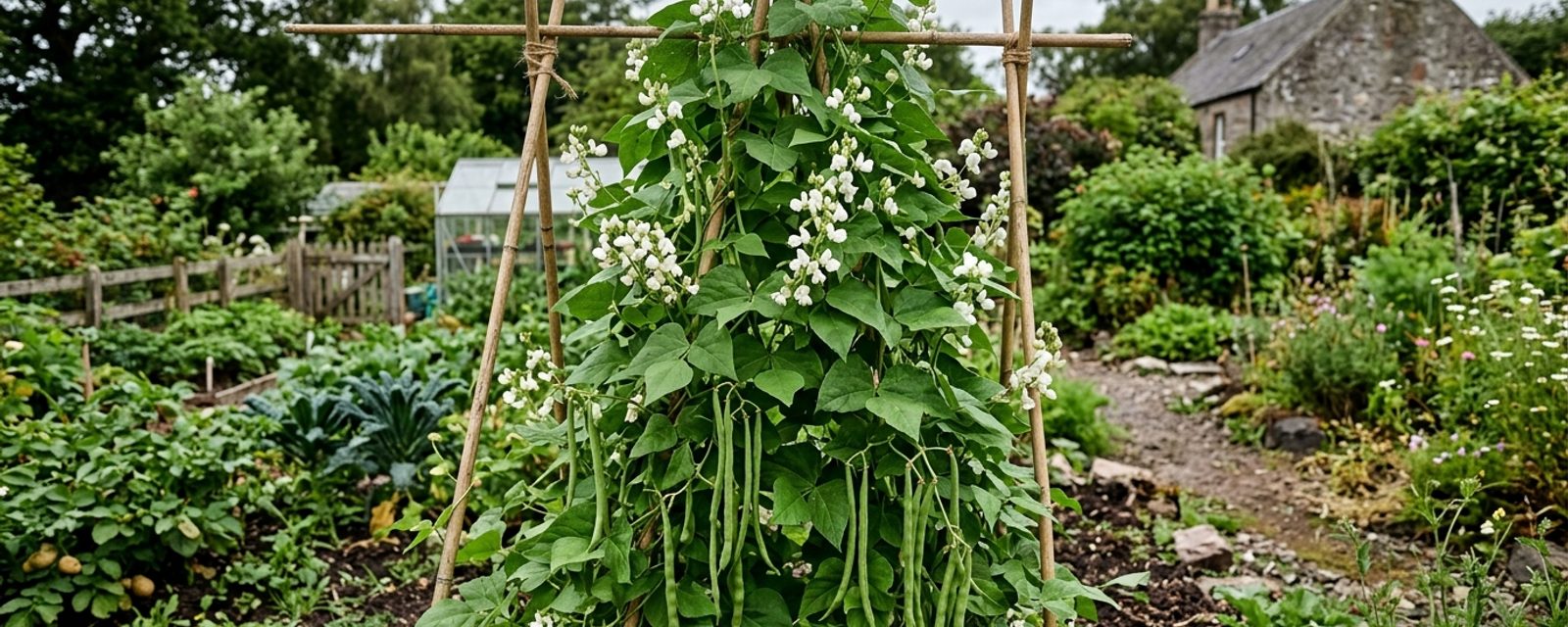
The real Scottish lever here is variety, not timing: what matters most is picking a variety bred for reliable cropping in cool, changeable weather rather than one bred for a hot, dry summer Scotland rarely delivers.
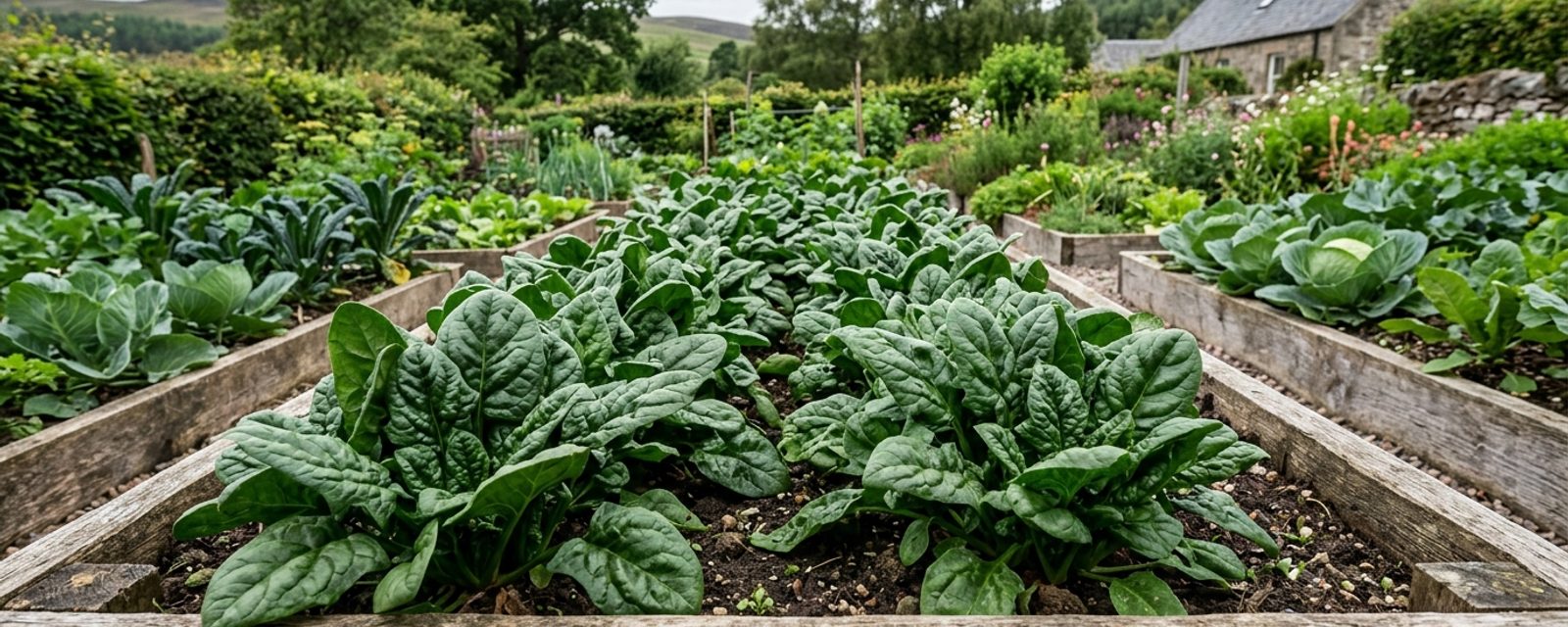
Breaks the usual Scottish rule: where cool summers help lettuce, spinach can bolt from cold just as easily as from heat. Get the timing right and it's one of the most productive crops for a small plot.
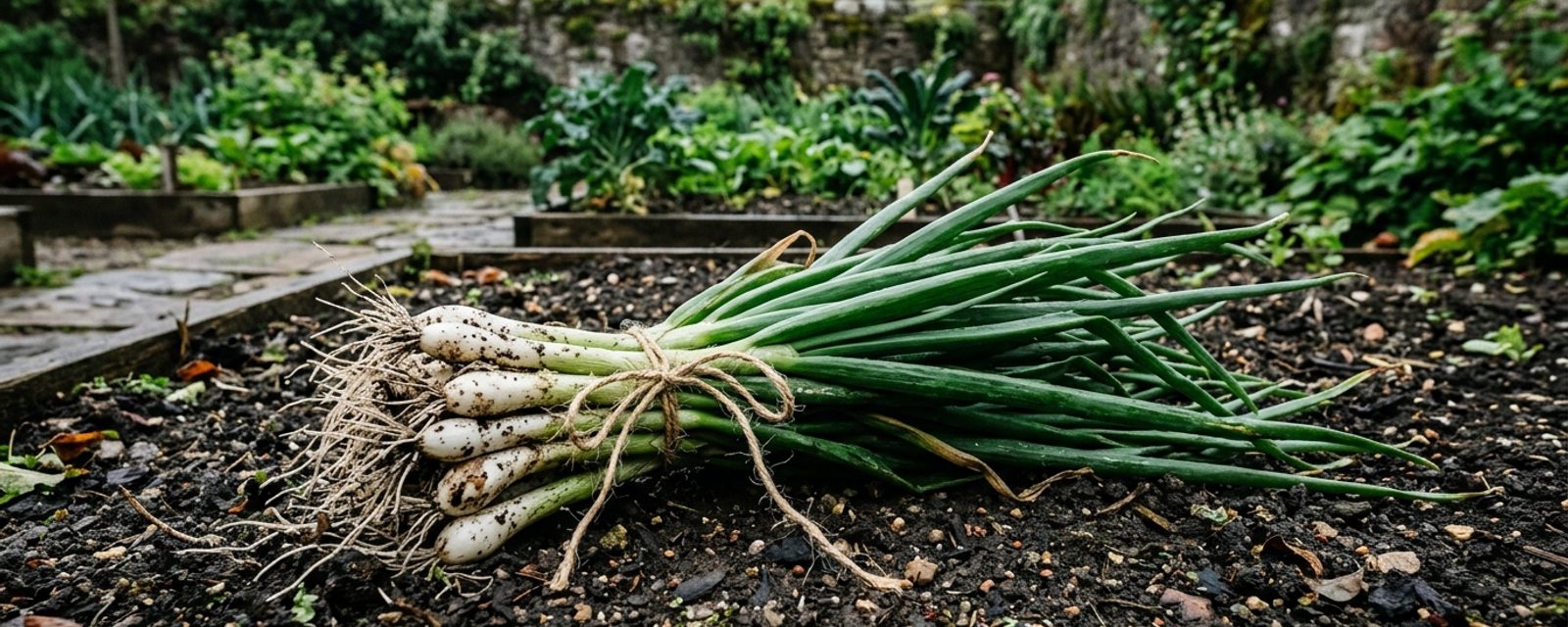
Ask for almost nothing beyond regular small sowings and a weed-free row. The one habit worth unlearning is waiting for a bigger harvest: pulling them young is the whole point here, not a compromise.
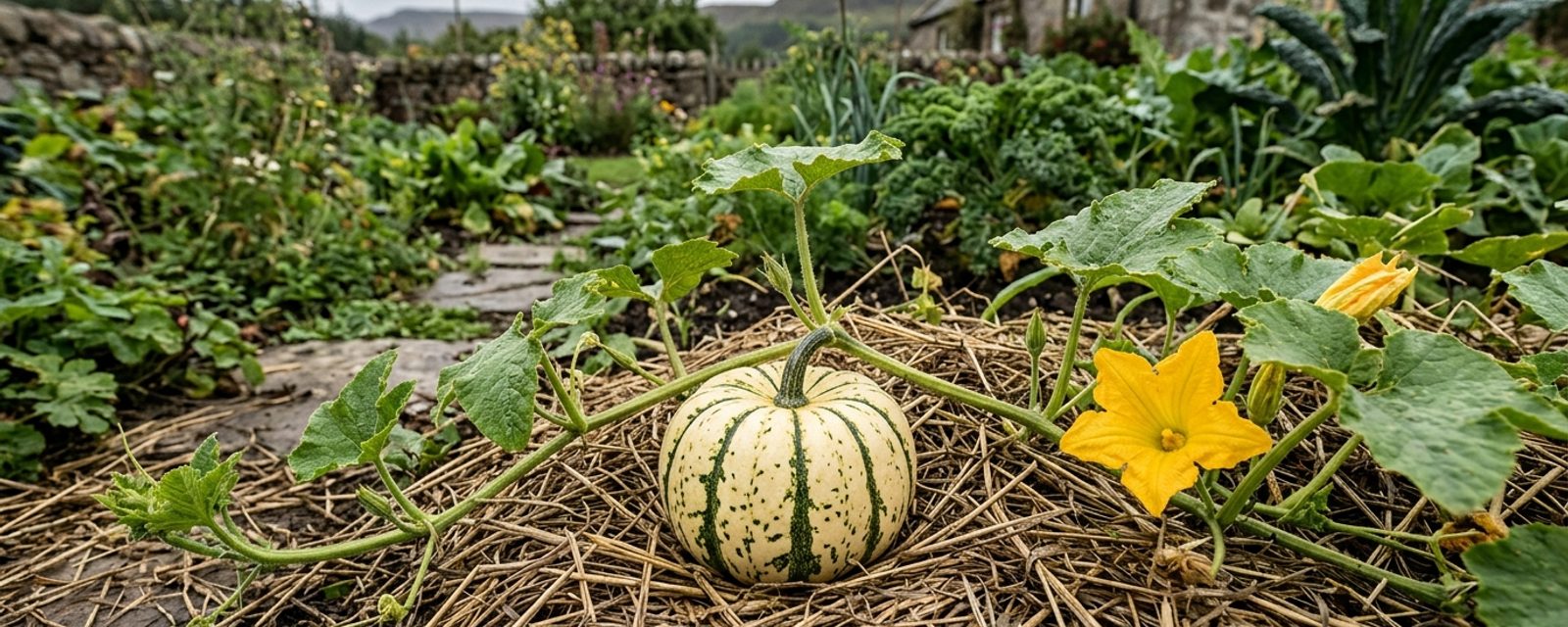
Splits into two genuinely different crops sharing one name: summer types picked young and eaten fresh, and winter types grown to full maturity for months of storage. Which one you choose changes almost everything else about growing it.
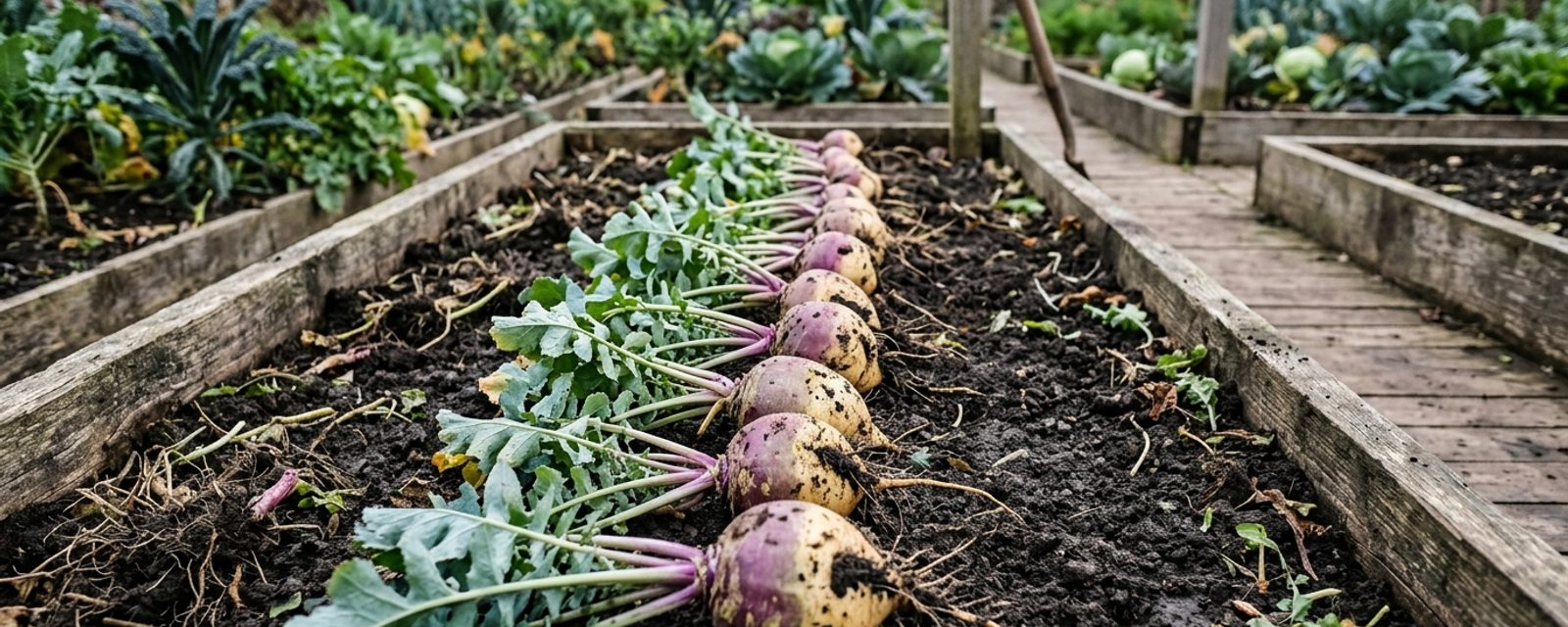
Asks for very little through the growing season and pays it back with a root that stands in the ground into winter, long after the rest of the plot has gone over. Needs the ground for up to six months from one late-spring sowing.
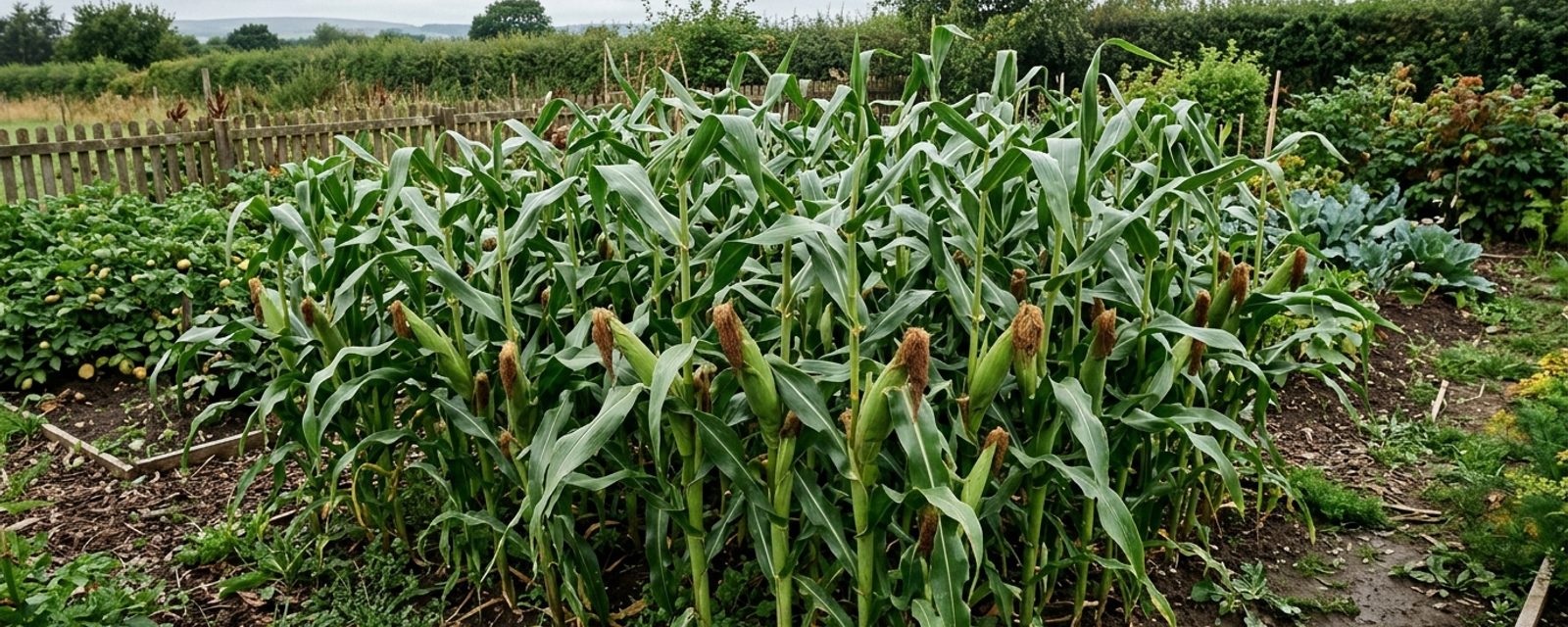
Genuinely not an easy crop here: sweetcorn wants a long, hot summer, and Scotland rarely gives it one. That doesn't rule it out, but it does mean an early variety, a warm sheltered spot and the right planting pattern matter more than they would further south.
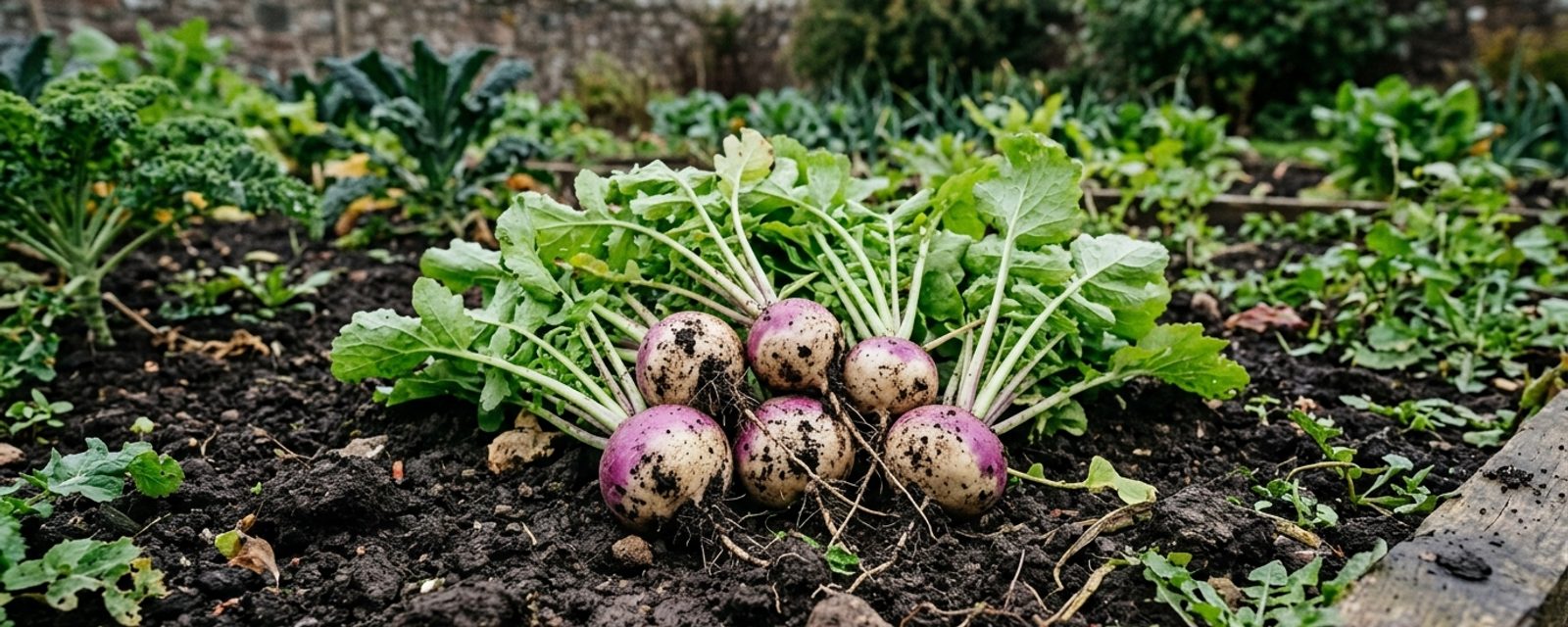
The quick relative of swede: ready in as little as six weeks rather than six months, and can be sown again and again through spring and summer to fill whatever gap opens up. The leaves are worth eating too, not just the root.