
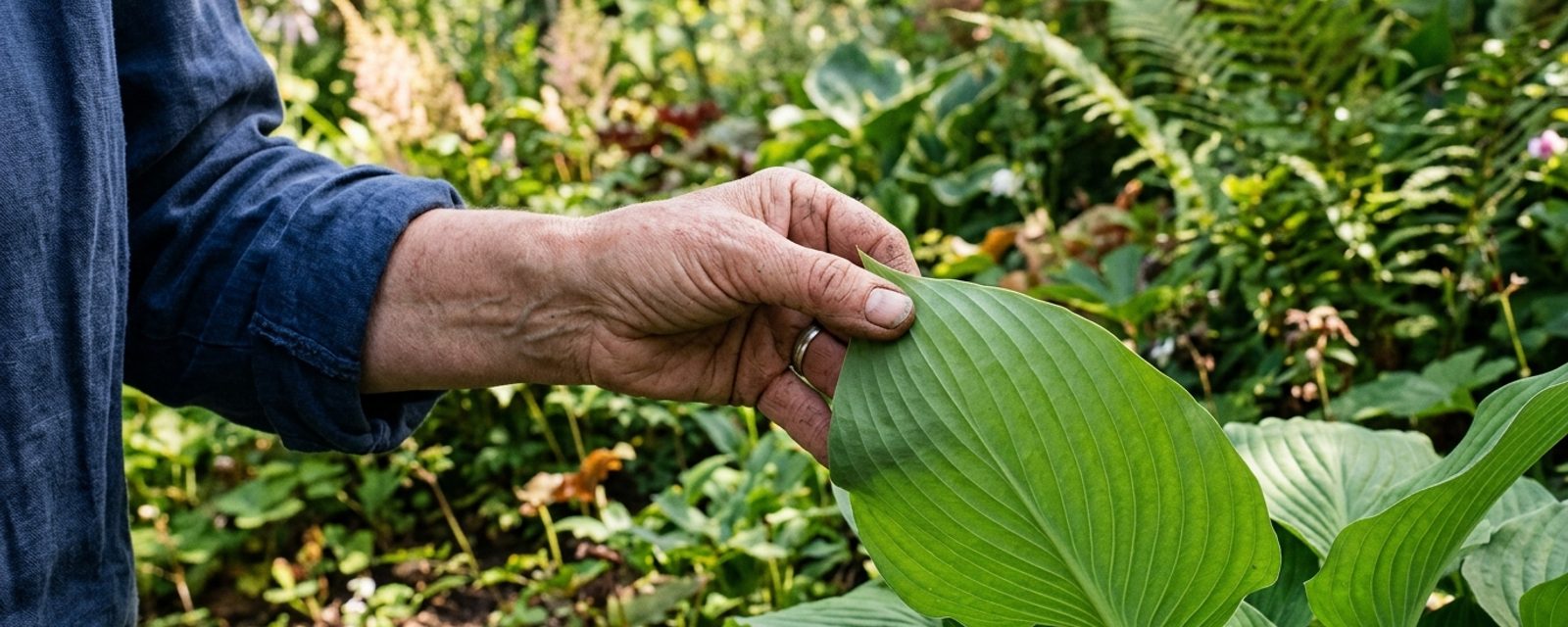
Not everything that eats your plants is a crisis. Most pests are a nuisance, not a disaster, and the worst of them are the ones your climate encourages. Below is what we've researched for Scotland: what each pest or disease looks like, which crops it hits, and where one exists, what actually stops it.
No pests match these filters.
🐌 Molluscs
🦠 Diseases
The disease that can end a maincrop in a fortnight. Scotland’s warm, wet summers give it exactly the conditions it wants, and there is no amateur fungicide that stops it.
Affects: Potatoes
Same organism as potato blight, but it destroys the fruit rather than the tubers. Growing under cover reduces the risk, but also creates the humidity that accelerates it if spores get in.
Affects: Tomatoes
A brassica disease that contaminates soil for twenty years. Scotland’s naturally acidic, wet ground gives it ideal conditions: prevention matters more here than anywhere.
Affects: Kale, Broccoli, Cabbage, Brussels Sprouts +7 more
The permanent soil disease. Sclerotia survive fifteen years or more, there is no treatment, and the only defence is never bringing it onto your plot on tools or boots.
Affects: Onions, Garlic, Leeks, Chives +2 more
Blackcurrant’s most damaging disease: no cure, spread entirely by big bud mite, and permanently reduces cropping once it takes hold. Everything that matters happens before symptoms show: certified stock and a resistant variety like Ben Gairn.
Affects: Blackcurrants
Yellowing, dying leaves with a white then purple fungal growth, worse in exactly the cool, damp summers Scotland tends to supply. No fungicide exists for home gardeners, and a bad outbreak rules out replanting alliums on that ground for five years.
Affects: Onions, Shallots, Spring Onions, Garlic +1 more
Mottled, distorted leaves and stunted, misshapen fruit, spread by aphids and by hands and tools moving between plants. No cure exists: destroy an infected plant rather than trying to treat it.
Affects: Cucumbers
The most destructive fungal disease in UK gardens. Spreading through the soil itself via root-like “bootlaces”, it can kill an established tree outright, and no chemical control exists.
Affects: Apples, Plums, Damsons, Cherries +3 more
Orange pustules that thrive on wet allium leaves. No amateur fungicide exists for it, so spacing plants for airflow and keeping water off the foliage are your practical levers.
Affects: Leeks, Garlic, Onions, Chives +1 more
The fuzzy grey mould that appears on strawberries, raspberries and under cover. Its spores are always in the air: the only control is denying it the still, humid air it needs to take hold.
Affects: Strawberries, Raspberries, French Beans, Courgettes +14 more
The white dusty coating on courgette leaves that most gardeners misdiagnose. It is a dry-conditions disease: watering regularly and mulching helps more than drying things out further.
Affects: Courgettes, Swede, Turnip, Cucumbers +16 more
Not the same thing as powdery mildew despite the name. This one loves wet leaves and still air: keep foliage dry, ventilate under cover, and never water in the evening.
Affects: Spinach, Beetroot, Chard
Seedlings that keel over overnight with white fungal growth at the base. Hits hardest in the low light and cool temperatures of a Scottish February, exactly when most growers start seeds under cover.
Affects: Seedlings of almost anything
Orange dusty pustules on mint stems and leaves, not the same organism as leek rust. Has a unique control that works on no other disease: heat-treat rhizomes at exactly 44°C for ten minutes.
Affects: Mint, Oregano
An orange-brown rot that attacks parsnip shoulders, especially where roots have already split or been damaged. Grow resistant varieties and water steadily to keep the roots from cracking.
Affects: Parsnips
Reddish-brown spots on broad beans, worse in exactly the cool, damp, crowded conditions a Scottish summer tends to supply. Spacing plants for airflow does more here than it would somewhere drier.
Affects: Broad Beans
Small dark spots on currant and gooseberry leaves that coalesce and can strip a bush bare by early July. No fungicide exists for gardeners, so clearing fallen leaves every autumn is the one step that actually breaks the cycle.
Affects: Blackcurrants, Redcurrants, Gooseberries
A fungus that gets in through wounds, whether a pruning cut, a frost crack, or cane midge damage, and kills the fruiting cane it infects. No fungicide exists for gardeners, so avoiding wounds and prompt removal are the whole defence.
Affects: Raspberries
A bacterial disease of French and runner beans that starts inside the seed itself and spreads through water splash. No chemical control exists, so clean seed and watering at the base are the whole defence.
Affects: French Beans, Runner Beans
A fungus that gets in through a wound, from a bird peck, codling moth or scab, and rots the fruit from there, spreading between touching fruit on the tree or in storage. No fungicide exists for gardeners.
Affects: Apples, Pears, Plums, Damsons +3 more
A silvery sheen on the leaves is the symptom, not the disease: the real damage is a fungus killing the branch from inside, visible as a dark stain when you cut across it. Pruning only in dry summer weather is the main defence, since wounds are how it gets in.
Affects: Cherries, Damsons, Plums, Honeyberries
Brown, shrivelled blossom right at flowering time, on the same trio of stone fruit prone to silver leaf. Cutting out infected spurs as soon as you spot them stops it spreading into the wood.
Affects: Cherries, Damsons, Plums
Olive-green blotches on leaves and scabby, cracking patches on fruit skin, the same fungus on both apples and pears. Cracked fruit will not store, but a light attack is mostly cosmetic and still fine to eat.
Affects: Apples, Pears
Sunken, dead patches of bark that can girdle and kill a young branch in a single season. Cutting right back to clean wood the moment you spot it is the only real control; nothing chemical stops it once established.
Affects: Apples
A whole category of incurable viruses rather than one disease, covering raspberries, blackberries and tayberries with symptoms that vary by which virus is present. There is no treatment once a plant is infected: buying certified virus-free stock at planting time is the real prevention.
Affects: Raspberries, Blackberries, Tayberries
Rust-coloured pustules on runner and French bean leaves that usually turn up late enough in the season to matter less than they look. A two-to-three-year gap before growing beans on the same ground again is the main defence.
Affects: Runner Beans, French Beans
Bright orange leaf spots in summer that need a nearby juniper to complete their life cycle, so removing a susceptible ornamental juniper is the one control that actually breaks it. Once rare in the UK, it has become far more common here over the last couple of decades.
Affects: Pears
Small yellow leaf spots that merge into larger dead patches as the infection spreads, worse in a wet summer. Hot-water-treated seed and generous plant spacing for airflow do more here than anything sprayed on afterwards.
Affects: Celery
Dark spots with grey centres on true quince leaves, not the unrelated ornamental Chaenomeles sold as flowering quince, worst in a wet summer and capable of stripping a tree early. Raking up fallen leaves over winter cuts down next spring’s infection.
Affects: Quince
Kernels swell into huge grey galls that eventually burst and release black spores, a striking disease with no fungicide available. Cutting out and destroying a gall before it bursts stops that generation of spores being released at all.
Affects: Sweetcorn
Two related fungi covered together on one page: scorched leaves that hang on all winter, or spotted leaves that drop early. No UK fungicide exists for either; raking up fallen leaves is the real defence.
Affects: Cherries
Dark brown, dusty spots on broad bean leaves from mid-summer on. Genuinely uncommon in Scotland and less damaging than chocolate spot even when it does turn up, so it rarely needs separate attention.
Affects: Broad Beans
Not a control page: this bacterium has never been found in the UK. Here to help you recognise it and know who to report to, since a suspected case needs reporting, not treating.
Affects: Rosemary, Lavender, Cherries, Blueberries
A bacterial disease that scorches blossom and shoots, mostly kept in check by UK springs too cold for it to infect. A Scottish spring, cooler still, needs even less watching than most.
Affects: Quince
A soil fungus that can survive there for years and cause sudden wilting and collapse. Widely named as a risk, but on this site only Jerusalem artichoke’s own growing guide confirms it as a real problem.
Affects: Jerusalem Artichoke
Rough, corky skin patches from two different organisms, one triggered by dry soil, the other by wet. Purely cosmetic in the common mild case; peel and eat as normal.
Affects: Potatoes
Damson fruit turns flattened, hollow and stoneless instead of developing normally, a fungus rather than anything wrong with the tree. It is rare enough that most damson growers never see it, and there is no spray for it either way.
Affects: Damsons
The one real problem on an otherwise trouble-free herb: orange pustules on the leaf undersides that spread fastest in crowded, poorly ventilated plantings. Spacing plants out and clearing affected foliage does more than anything else.
Affects: Tarragon
🐛 Insects
The maggot that tunnels through carrot, parsnip and parsley roots underground. Insect-proof mesh is the answer; the onion-companion folklore people reach for first is not.
Affects: Carrots, Parsnips, Parsley
Sap-sucking bugs that very rarely kill plants and are a vital food source for ladybirds, hoverflies and birds. The advice is to tolerate them: the predators usually catch up by midsummer.
Affects: Tomatoes, French Beans, Peas, Lettuce +30 more
The butterflies are pretty; their caterpillars can strip a brassica bed bare. Mesh, hand-picking and encouraging wasps do the job: no chemicals needed.
Affects: Kale, Broccoli, Cabbage, Brussels Sprouts +7 more
Tiny white-winged insects that swarm up in clouds when you brush a leaf. Glasshouse whitefly thrives in the warm enclosed spaces that Scottish growers depend on for tomatoes.
Affects: Tomatoes, Basil, Cucumbers, Peppers +3 more
Adult weevils notch leaves harmlessly; their larvae eat roots from autumn to spring and kill the plant without warning. The right nematode species is the difference between control and failure in cold Scottish soil.
Affects: Strawberries, Blueberries
Maggots that tunnel into brassica roots, often fatal to young transplants. Scotland’s cool summers genuinely lower the pressure, but a collar or mesh at planting is still the real defence.
Affects: Broccoli, Brussels Sprouts, Cabbage, Calabrese +7 more
Pale, papery blotches on celery, celeriac, lovage and angelica leaves. Mostly cosmetic once plants are established, but the first generation can seriously check young plants.
Affects: Celery, Celeriac, Lovage, Angelica +1 more
Small grubs in the stalk end of ripe berries, on raspberries, blackberries and tayberries. Traps and picking regularly beat any spray on offer, since there isn’t one for home gardeners.
Affects: Raspberries, Blackberries, Tayberries, Loganberries
Small holes and aborted flower buds on gooseberries, redcurrants and sage. By the time the damage shows, it’s often too late to act, so prevention matters more than watching and waiting.
Affects: Gooseberries, Redcurrants, Sage
The fruit fly that cuts into ripe, undamaged strawberries, cherries, gooseberries and blueberries rather than waiting for them to spoil. Scottish populations run lower than England’s, but the trend has been rising since 2021.
Affects: Strawberries, Cherries, Gooseberries, Blueberries +1 more
Black-and-yellow beetles that strip the bark from asparagus stems. Any one year’s damage is rarely severe, but it costs next year’s spears, not this year’s, on a bed that can take years to establish.
Affects: Asparagus
Dense black colonies on broad, French and runner bean shoot tips, worse after a warm spring. Even organic sprays aren’t recommended here, since they’d wipe out the predators already doing the job.
Affects: Broad Beans, French Beans, Runner Beans
Maggots that kill germinating French and runner bean seed outright, or leave surviving seedlings blind with no growing point. Cold, wet soil that slows germination makes it worse, which is most Scottish springs.
Affects: French Beans, Runner Beans
Pale green, black-spotted larvae that can strip a gooseberry or redcurrant bush of leaves within days, starting low in the centre where they’re easy to miss. Tolerate it where you can, and step in only once a population threatens real cropping.
Affects: Gooseberries, Redcurrants
Maggots that kill onion, shallot and leek seedlings outright, or tunnel into mature bulbs and destroy them from below ground. Most frequent in central and eastern England, but the damage is real wherever it turns up.
Affects: Onions, Shallots, Leeks
Fly larvae that tunnel inside beetroot and chard leaves, leaving pale, blotchy patches where they have eaten the inner tissue. Crushing the maggot by hand inside its blotch is the only control that actually works once it is in.
Affects: Beetroot, Chard
Fruitlets that grow suspiciously fast then blacken and drop in May, a single bad year capable of costing most of a tree’s crop. Picking off and destroying affected fruitlets before the maggots inside can drop to the soil is the real defence.
Affects: Pears
A small brown moth whose caterpillars mine allium leaves and bore into stems. It is mainly found in southern England and spreading north: probably not a Scottish problem yet.
Affects: Leeks, Onions, Shallots
More common than leek moth, but still mainly recorded in England and Wales. Fine insect-proof mesh at 0.8mm stops it; standard mesh does not, so buying the wrong one wastes a season.
Affects: Leeks, Onions, Garlic, Chives +1 more
Tiny black beetles that pepper brassica seedlings with shot-hole damage. Established plants shrug them off: this is a seedling-stage problem, not something that threatens a mature crop.
Affects: Kale, Broccoli, Cabbage, Brussels Sprouts +10 more
A metallic purple-and-green beetle on rosemary, lavender, sage and thyme. Already established in Scotland, not just heading this way, though most plants shrug it off without lasting harm.
Affects: Rosemary, Lavender, Sage, Thyme
Coarse pale mottling on sage, rosemary, lavender, thyme, mint, oregano, basil and lemon balm. Growth isn’t affected and the leaves stay safe to eat, making this one of the easiest pests on this list to simply tolerate.
Affects: Sage, Rosemary, Lavender, Thyme +4 more
U-shaped notches along pea and broad bean leaves. Established plants barely notice; small seedlings, especially in a slow Scottish spring, are the stage actually worth watching.
Affects: Peas, Broad Beans
Small holes in dried, saved broad bean seed. Beans picked for eating never show it, and even affected seed usually still germinates, so this only matters if you save your own seed.
Affects: Broad Beans
Three species that distort or blister blackcurrant and redcurrant leaves. Unlike big bud mite on the same bushes, none of them spread any plant virus, and modern varieties already carry some bred-in resistance.
Affects: Blackcurrants, Redcurrants
Fluffy white colonies clustered around old pruning cuts on apple trees. Rarely costs cropping on its own, but the bark it cracks is one of the routes apple canker gets in.
Affects: Apples
A small, attractive day-flying moth whose caterpillars curl and web mint and oregano shoot tips. The damage is rarely significant: tolerate it as part of a healthy garden ecosystem.
Affects: Mint, Oregano
A caterpillar found inside the pod at shelling time, with no way to catch it earlier. Field-scale research finds it genuinely isn’t troublesome in Scotland, one of the few pests here you can reasonably deprioritise.
Affects: Peas
The native species does no real damage and needs no action at all. The one that can, the southern green shieldbug, is still mostly a London-area pest that likely hasn’t reached your garden yet.
Affects: Runner Beans
The maggot behind “maggoty apples”, tunnelling into the fruit’s core. Tolerate the loss where possible: a second generation needs a hot summer Scotland rarely supplies.
Affects: Apples, Quince
The caterpillar found inside a wormy plum or damson, not the small brown moth flying around the tree. There is no reliable home spray, so picking off and disposing of affected fruit promptly is the real defence.
Affects: Plums, Damsons
Small, convex brown shells clustered on gooseberry and redcurrant stems, easy to mistake for bark texture until you look closely. Each shell is the female insect’s own body, and a winter wash is the only home treatment that works on it.
Affects: Gooseberries, Redcurrants
Frothy white blobs on lavender stems that alarm more gardeners than they should: a froghopper nymph hiding inside, doing no real harm. Wipe it off for a tidier plant if you want to, but nothing here needs treating.
Affects: Lavender
🌡️ Physiological Disorders
Not a pest, a plant switching to flower before you want it to. Affects more crops than anything else here, and Scotland’s climate cuts both ways: cool summers help the heat-triggered half, cold spring snaps hurt the other half.
Affects: Beetroot, Broccoli, Cabbage, Calabrese +18 more
A dark, sunken patch on tomatoes, aubergines, peppers and chillies caused by inconsistent watering, not a soil calcium shortage. Eggshells and calcium sprays won’t fix it; steady watering will.
Affects: Tomatoes, Aubergines, Peppers, Chillies
Not one disease: several different fungi finish the job once waterlogged soil starves roots of air. No spray fixes it; drainage is the only lever that works, and it matters more here than anywhere south of the border.
Affects: Asparagus, Blueberries, Cucumbers, Lavender +9 more
Frost kills an open flower’s centre overnight and it never sets fruit. Not a disease, nothing to spray, and arguably the dominant risk to a Scottish strawberry crop.
Affects: Strawberries
Small dark pits on apple skin that often do not show until weeks into storage, caused by an inconsistent water supply, not a calcium shortage in the soil. Steady watering does more than any amount of extra calcium feeding.
Affects: Apples
A tree loaded with fruit one year and almost bare the next, a self-reinforcing cycle rather than bad luck. Thinning the flower buds before a heavy year sets in is the fix that actually breaks it.
Affects: Apples, Pears, Plums, Damsons
Green cherries falling before they ripen, sometimes most of the crop in a bad year. Sources genuinely disagree on whether it is worth managing: one treats it as a problem to prune and thin against, another as a normal process that needs no fix.
Affects: Cherries
🐦 Birds
🕷️ Mites
Barely visible without a hand lens, and mostly a greenhouse problem rather than an open-ground one in Scotland. A bought-in predatory mite, not a spray, is the real answer.
Affects: Aubergines, Cucumbers, Peppers, Chillies +3 more
A microscopic mite you’ll never see, only the swollen blackcurrant buds it leaves behind. Its real threat is spreading incurable reversion virus, which is what makes a resistant variety like Ben Hope worth choosing at planting time.
Affects: Blackcurrants
A mite too small to ever see, identified only by what it leaves behind: patches of blackberries that stay hard and red instead of ripening to black. It is specific to blackberries and does not spread to raspberries or tayberries growing alongside them.
Affects: Blackberries
Raised pink blotches on pear leaves in spring that darken to blackish-brown over summer, cosmetic rather than a threat to the tree or its cropping. Tolerating it is the genuine advice: no control is considered necessary.
Affects: Pears