
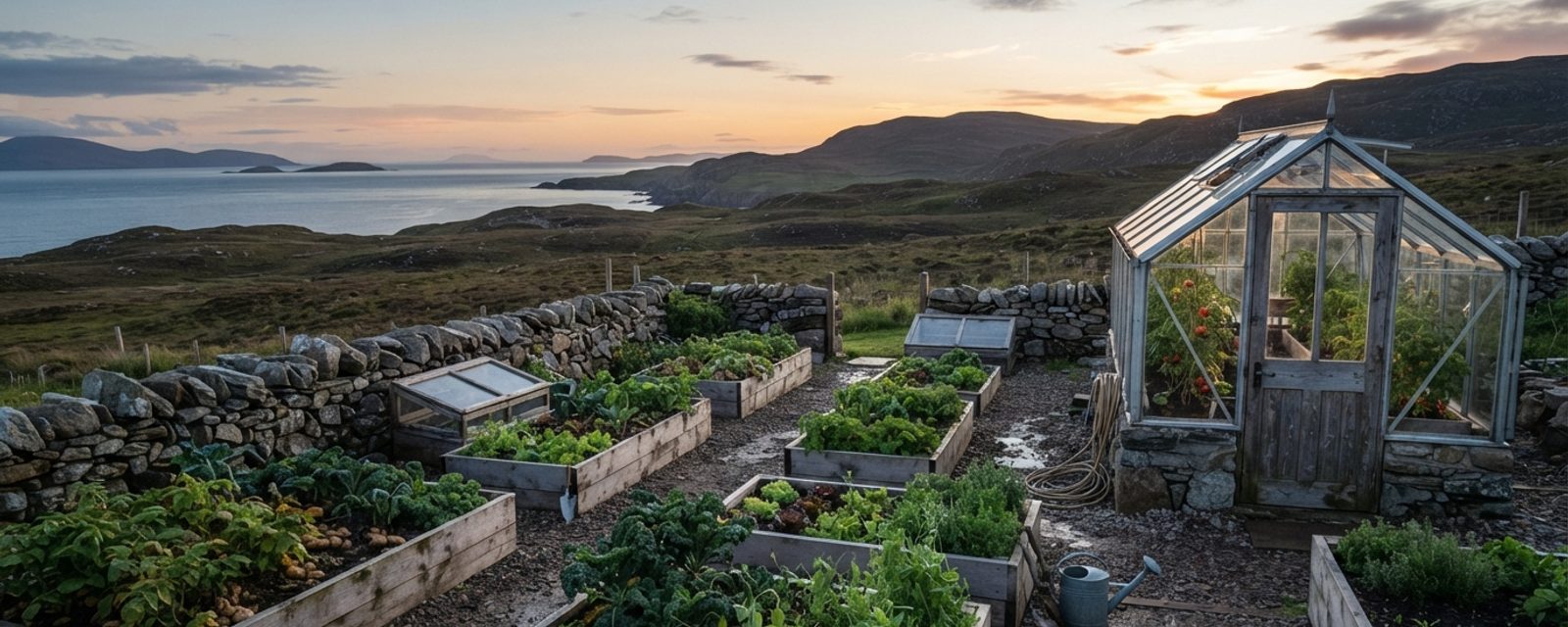
Plants don't measure daylight directly, they measure the length of uninterrupted darkness, and at Shetland's latitude that measurement barely exists for a few weeks either side of midsummer. The mechanism itself, photoperiodism, is covered in full in our day length and plant growth guide. What's specific to Shetland and the far north Highlands is how extreme that mechanism gets this far north, the "simmer dim", and what it actually means for a real garden.
How extreme, exactly
Shetland sits at roughly 60°N, close to the latitude of the southern tip of Greenland, and its exceptional midsummer daylight is a straightforward consequence of that position rather than anything unique to the islands themselves. The same effect, less pronounced, applies further south in the Highlands.
| Location | Sunrise, 21 June 2026 | Sunset, 21 June 2026 | Daylight, 21 June | Daylight, 21 Dec |
|---|---|---|---|---|
| Lerwick, Shetland | 3:39am | 10:34pm | 18h 55m | 5h 49m |
| Inverness, Highland | 4:18am | 10:19pm | 18h 01m | 6h 36m |
| Edinburgh, Central Belt | 4:26am | 10:03pm | 17h 37m | 6h 58m |
All times are local (BST for June, GMT for December). Lerwick does still get a true night in midsummer, just a short and pale one, which is where the "dim" in simmer dim comes from, rather than continuous 24-hour sun. The extended, non-dark twilight either side of that short true night is a product of how far the sun dips below the horizon at that latitude.
Sunshine is a different measurement from daylight
Shetland's actual sunshine hours, bright sun recorded, rather than the time between sunrise and sunset, are unremarkable by UK standards, because the islands sit exposed to cool, cloudy North Atlantic weather systems even at midsummer:
| Month | Sunshine hours, Lerwick (1991-2020 average) |
|---|---|
| May | 191.9 |
| June | 147.7 |
| July | 128.6 |
| August | 132.4 |
May, not June, is Shetland's sunniest month on this measure, even though June has the longer days: day length peaks precisely at the solstice, but cloud-free sunshine does not.
Bolting risk arrives earlier here
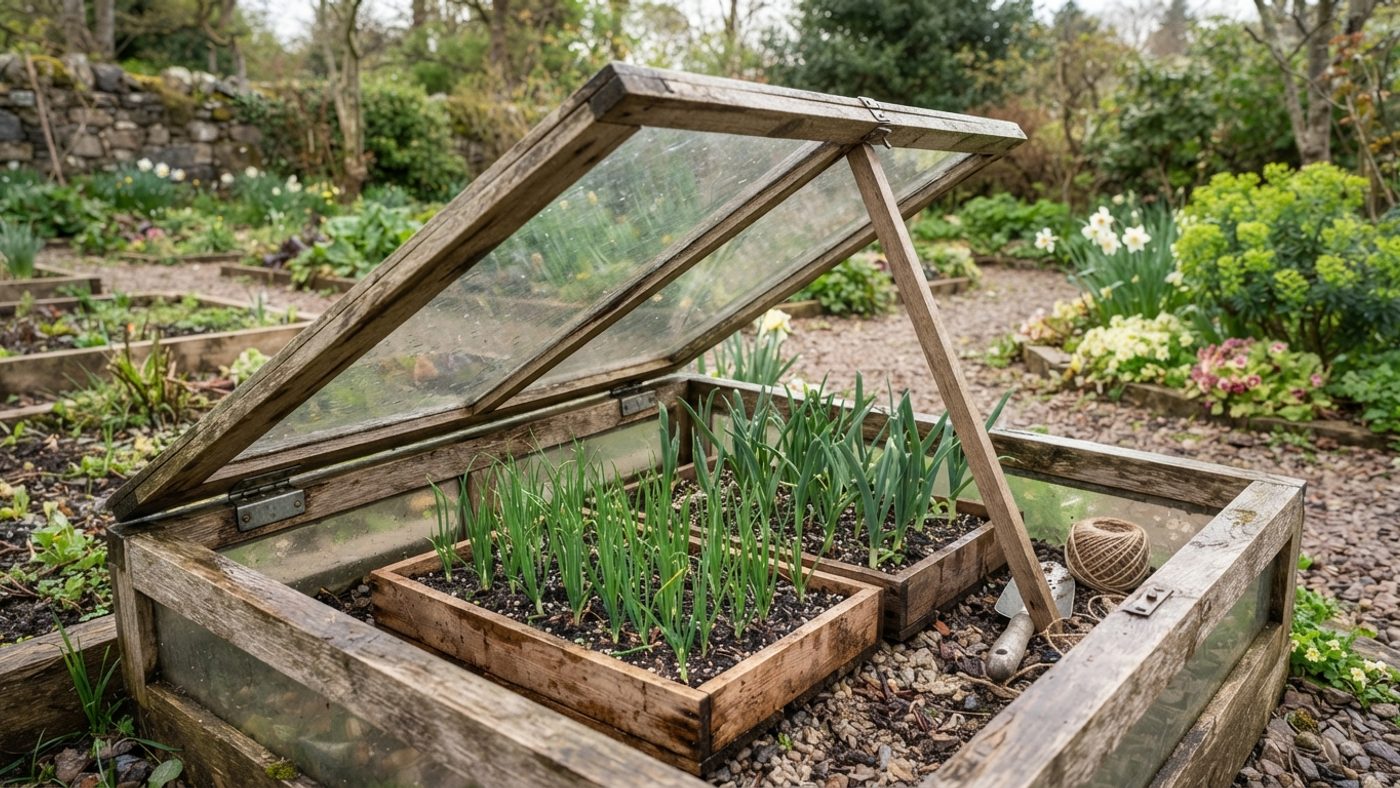
Our day length guide covers the day-length boltingA plant switching early into flowering and seed production, usually triggered by stress, after which leaves, roots or bulbs turn bitter or unusable. Full page → trigger for long-day annuals like lettuce and spinach, and the separate cold- spell trigger for biennials like onions, leeks, carrots and beetroot, in full. What's specific to Shetland and the far north Highlands is timing: with days already well past most long-day crops' bolting threshold before the solstice even arrives, and spring cold snaps a normal feature of a cool north Atlantic climate, both triggers tend to arrive earlier and more abruptly than a grower used to Central Belt conditions might expect. The practical response is the same succession-sowing and slow-to-bolt- variety advice covered there, just started earlier in the season and, for biennialA plant that completes its life cycle over two years: growth in year one, then flowering, seeding and dying in year two. Full definition → seedlings, backed by keeping young plants under cover, a cold frame or fleeceA lightweight, breathable fabric laid or draped over plants to trap a little warmth and keep off frost, wind and some flying pests. Full definition →, until the worst spring frost risk has passed, rather than transplanting into an early cold snap.
Where the extra hours are a straightforward gain
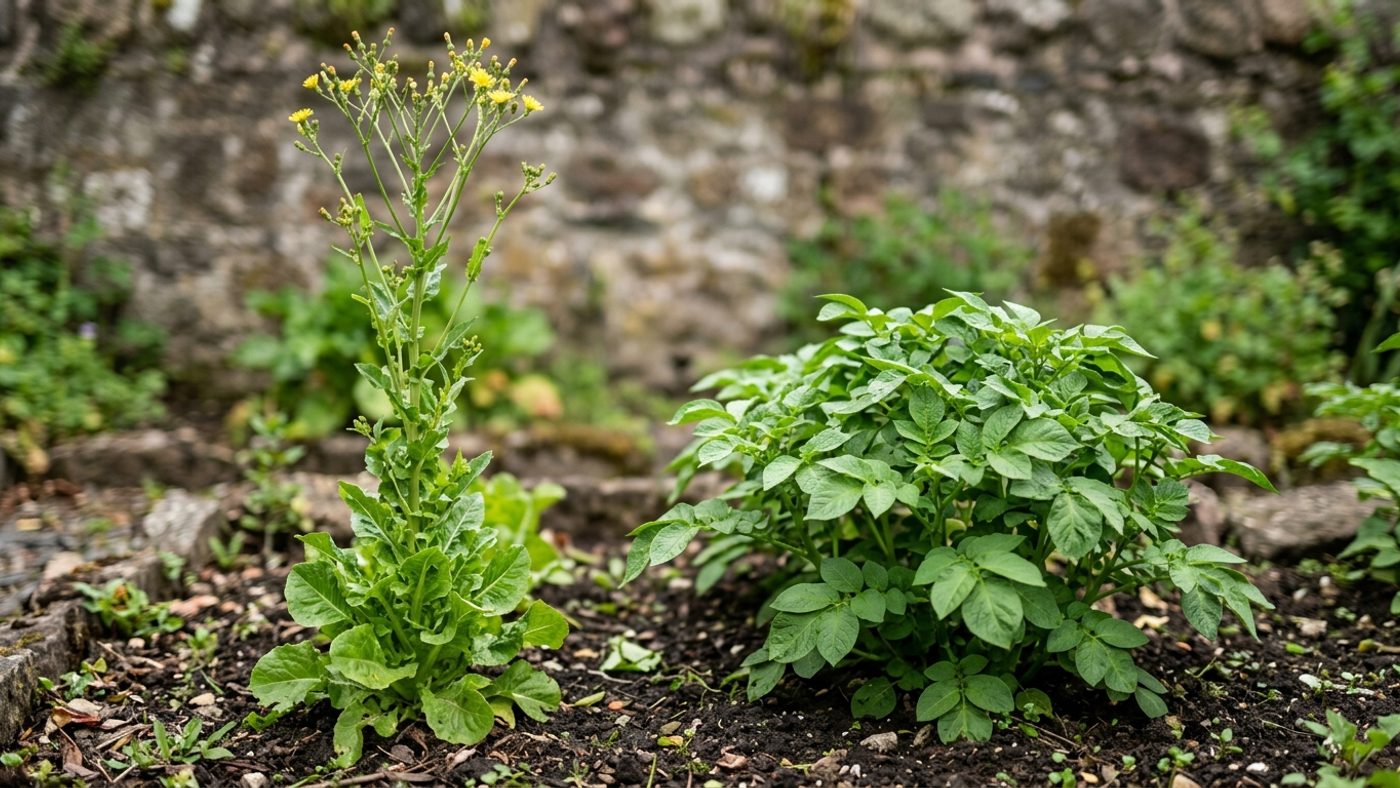
Day-neutral crops sidestep the photoperiod trigger entirely and get the benefit of the extra daylight without the flowering risk. Potatoes, tomatoes and sweetcorn fall into this category: their flowering and cropping schedule is driven mainly by temperature and their own growth stage, so additional daylight hours translate more directly into additional photosynthesis and, potentially, faster bulking or fruit development, provided temperature and soil conditions aren't the limiting factor instead. Strawberries are a useful example of the split within a single fruit: everbearingA strawberry type that produces smaller flushes of fruit continuously through the season, rather than one large crop over a few weeks. Full definition → (perpetual) types are close to day-neutral and can keep cropping through the long days, while traditional June-bearing varieties are short-day plants that set their flower buds the previous autumn and aren't chasing the summer daylight total at all.
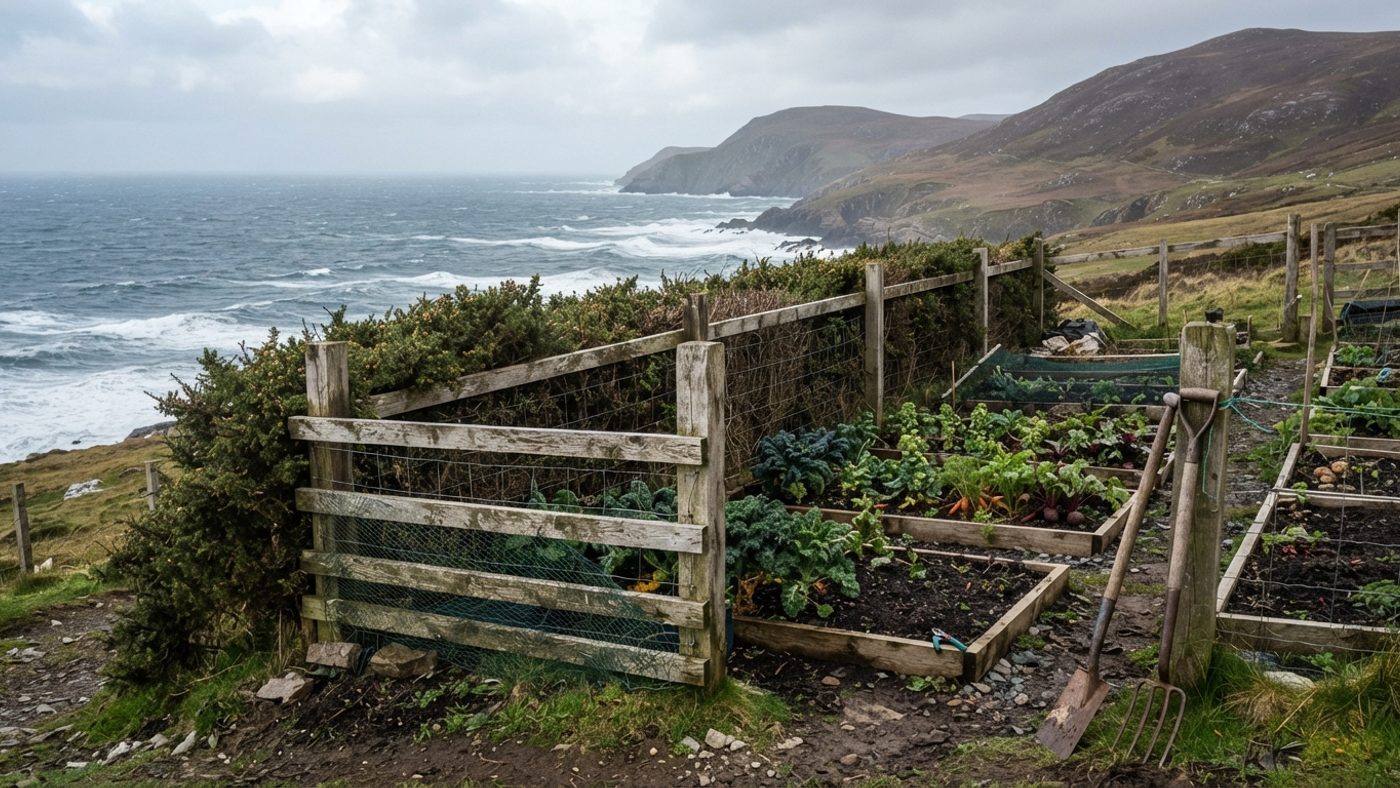
That caveat matters more at this latitude than the daylight figures alone suggest. Wind exposure and a shorter frost-free growing season are the other defining features of Shetland and far-north Highland gardens, and they cap how much of that extra light actually converts into growth: a tomato or sweetcorn plant checked by wind or cold soil won't out-grow a Central Belt plant just because its days are an hour or two longer. The daylight advantage is real for day-neutral crops, but it's one factor among several, not a guarantee on its own. Where it helps most directly is at the season's edges: the long light either side of the solstice gives seedlings hardening offGradually getting young plants raised indoors used to outdoor conditions over 7–14 days before planting out, so cold, wind and direct sun don't shock or damage them. Full definition → outdoors more usable growing hours per day than they'd get further south, which can partly offset a shorter frost-free window overall.
One thing worth ruling out honestly: Shetland's often-difficult peat soils are a rainfall and drainage story, not a daylight one, the two are both downstream of the islands' Atlantic position but aren't otherwise connected, so peat soil workarounds belong in a soil-drainage conversation, not this one.
Common questions
Does "simmer dim" mean Shetland gets 24 hours of daylight in summer?
No. Shetland's longest day runs to just under 19 hours of daylight, with a true, if short and pale, night either side of the solstice rather than continuous sun. The near-24-hour impression comes from the extended twilight either side of that short night, when the sun sits just below the horizon rather than dropping far enough for full darkness.
Is the daylight difference between Highland and Shetland gardens large enough to matter?
On the summer solstice it's roughly an hour: just under 19 hours in Lerwick against about 18 hours in Inverness. Both are well ahead of the Central Belt's roughly 17 hours 40 minutes, so the effects described above apply, in a milder form, to Highland gardens too, not just Shetland.
Does the extra light compensate for Shetland's generally cool, cloudy summers?
Only partially. Longer daylight extends the window for photosynthesis, but Shetland's June sunshine hours are unremarkable by UK standards, around 148 hours on the Met Office long-term average, less than the islands see in May, because cloud cover is common even through the long days. Day length and actual sunshine are separate measurements, and a long day is not automatically a sunny one.
Do potatoes and tomatoes actually grow faster under the simmer dim?
They're more likely to benefit than a photoperiod-sensitive crop like lettuce, because both are day-neutral, see our day length and photoperiod guide for the full category breakdown. Extra daylight hours mainly translate into extra photosynthesis time rather than an unwanted flowering signal, though temperature, soil conditions and wind exposure still set the ceiling on how much of that extra light gets turned into growth.
Sources
4 sources, recorded with what each was used for
- Met Office: Lerwick location-specific long-term averages: Lerwick monthly and annual sunshine hour averages (1991 to 2020)
- US Naval Observatory Astronomical Applications Department: sunrise/sunset data: Exact sunrise, sunset and daylight length for Lerwick, Inverness and Edinburgh on the 2026 summer and winter solstices
- RHS: How plants sense the environment: General mechanism of photoperiodism and the long-day/short-day/day-neutral category definitions, covered in full in the linked sibling article
- RHS: Bolting in vegetables: Day-length and cold-spell bolting triggers, applied here to the Highland/Shetland-specific timing consequence