
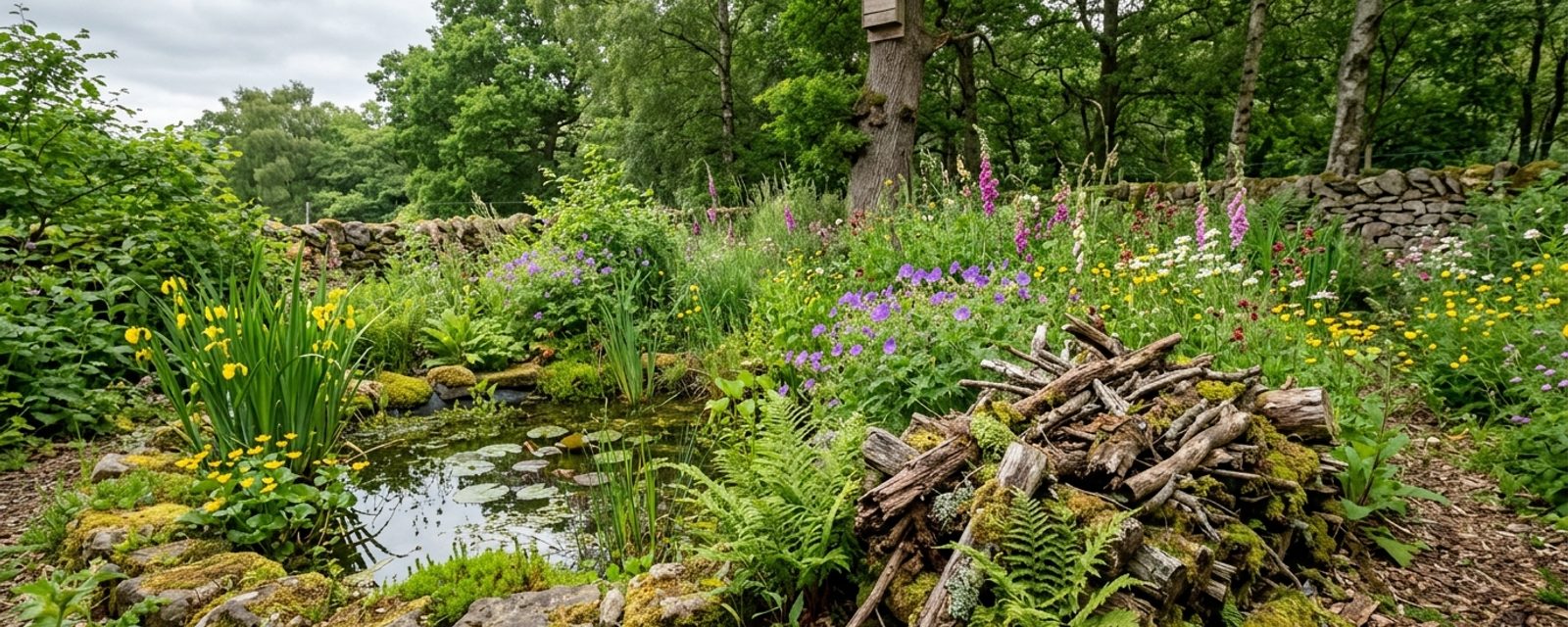
North of the border
Garden Wildlife in Scotland
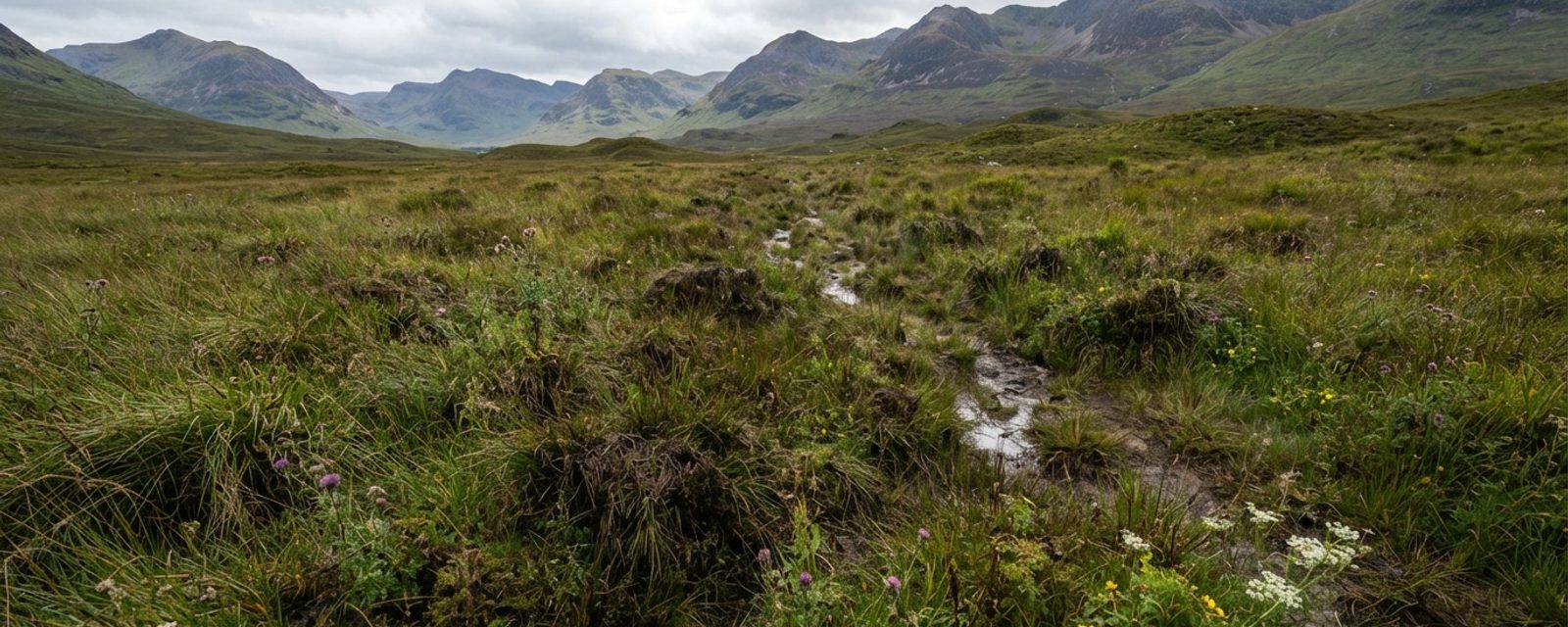
Scotland's gardens hold wildlife the rest of the UK's advice doesn't account for: bats and red squirrels carry their own, distinct legal protection here; a handful of species turn up nowhere else in Britain but a few Scottish sites; and a cooler, wetter climate shifts when a pond starts working or how long a worm population stays active. This page pulls together what this site covers on garden biodiversity into one place, and explains what's actually different here versus generic UK wildlife-gardening advice.
Protected mammals: bats & squirrels
More garden wildlife
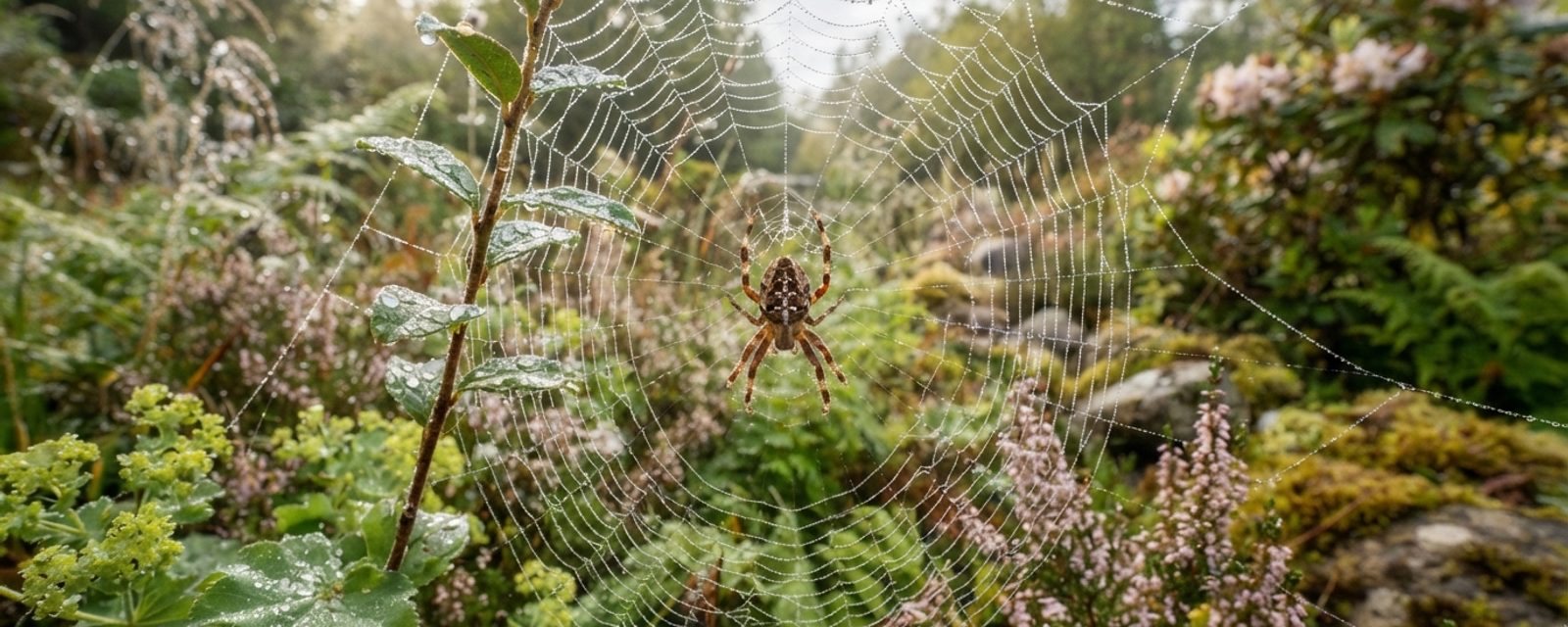
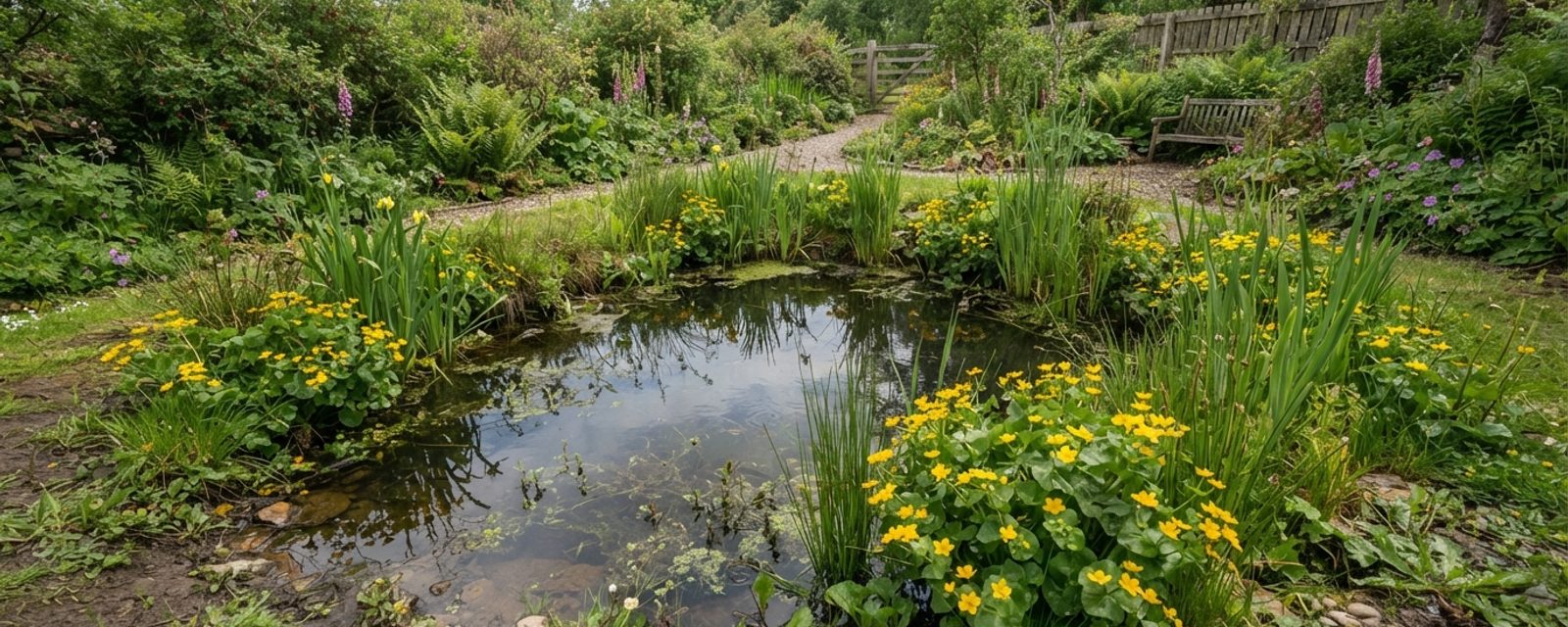
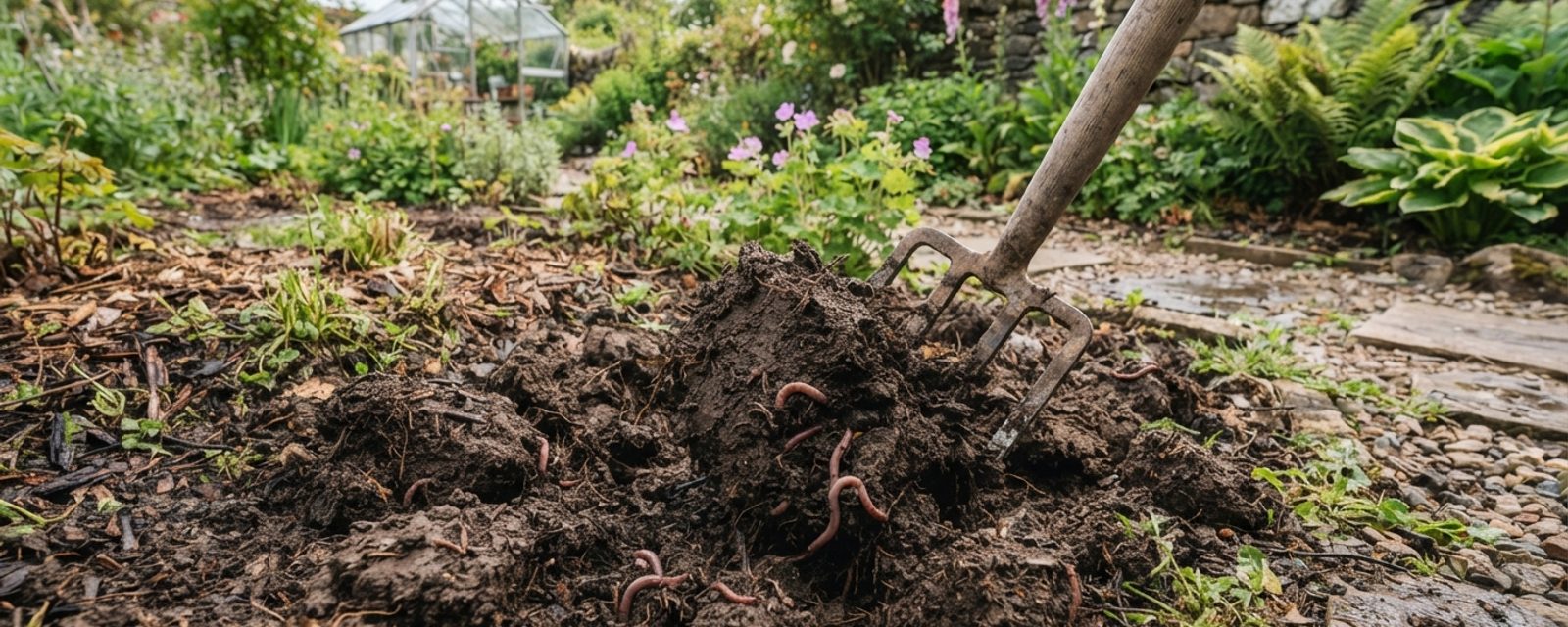
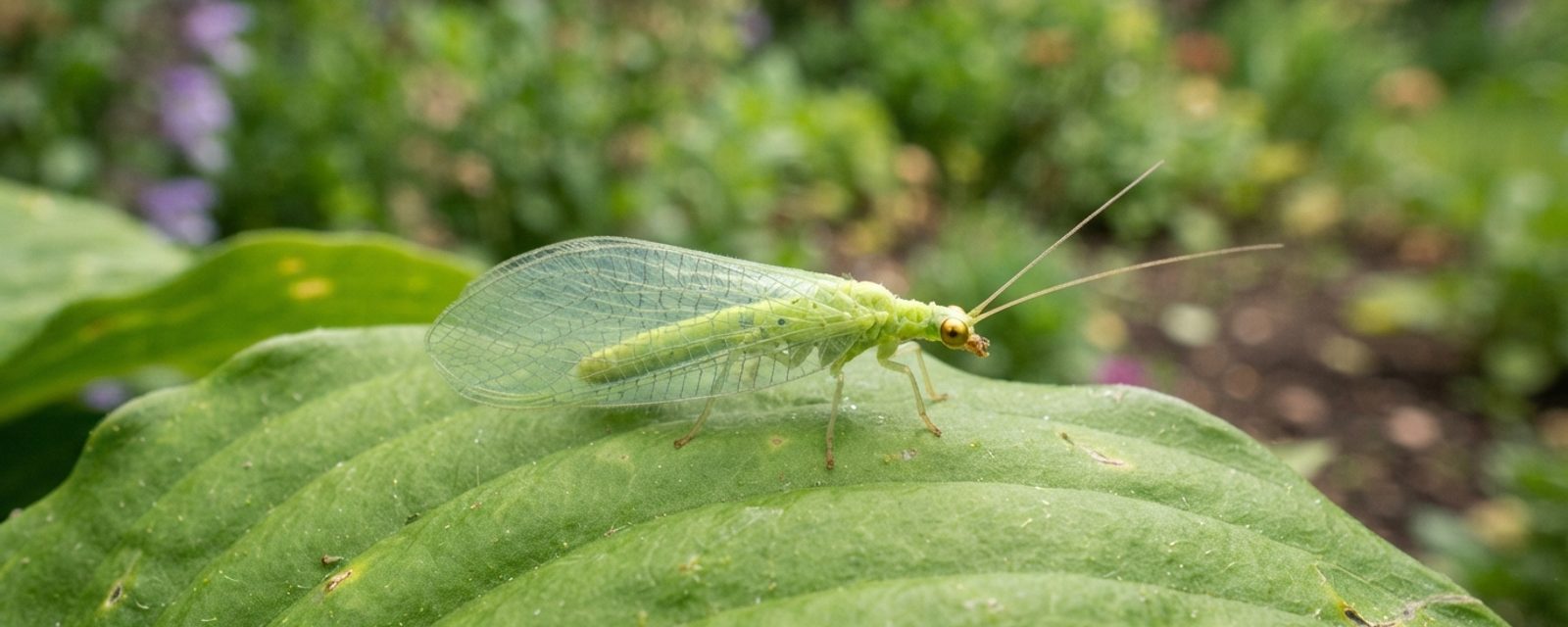
Scotland's own legal protections
Generic UK wildlife-gardening advice tends to treat "protected species" as a single category. Two of the animals covered above carry protection that specifically doesn't come from the law most UK sources assume.
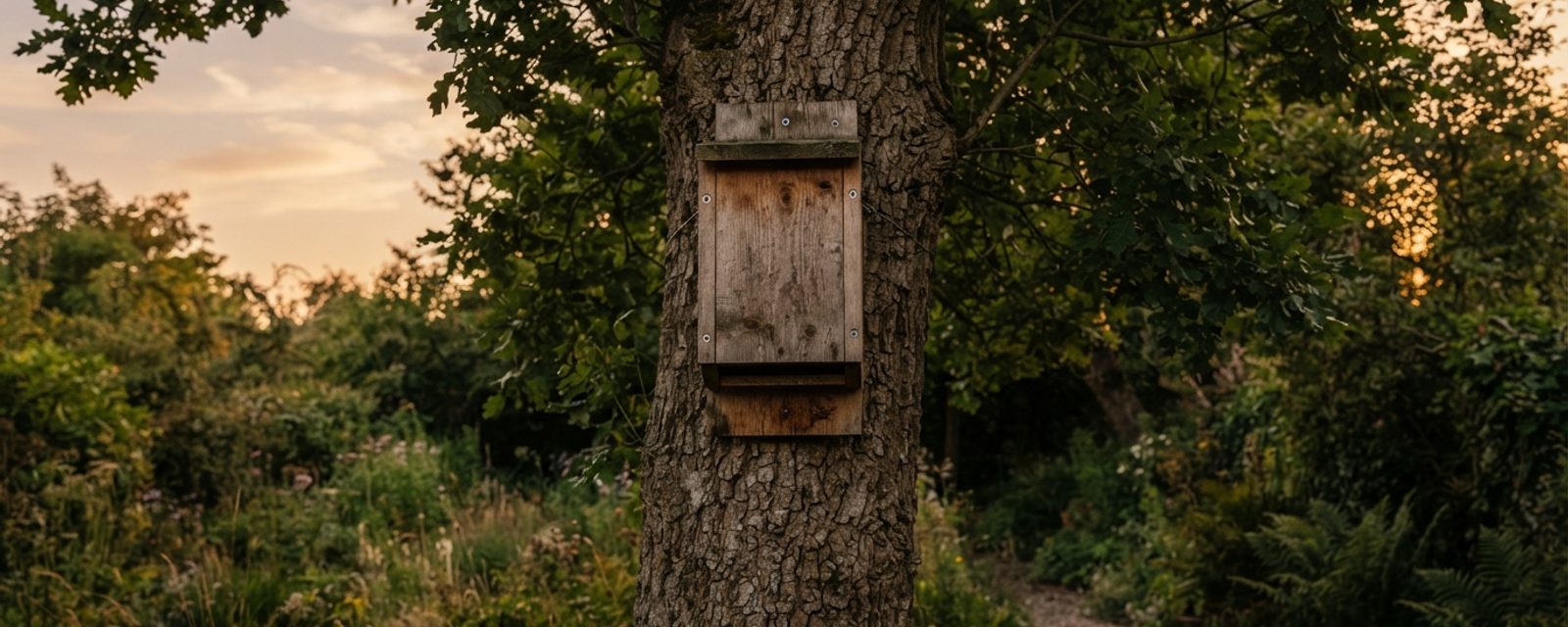
Bats are the clearest example: the Wildlife and Countryside Act 1981, the law usually cited for UK wildlife protection, does not apply to bats in Scotland at all. Scotland's ten resident bat species are protected instead under the Conservation (Natural Habitats, &c.) Regulations 1994, as European Protected Species, a category that protects a roost whether or not bats are in it at the time, going further than the general protection most garden birds get.
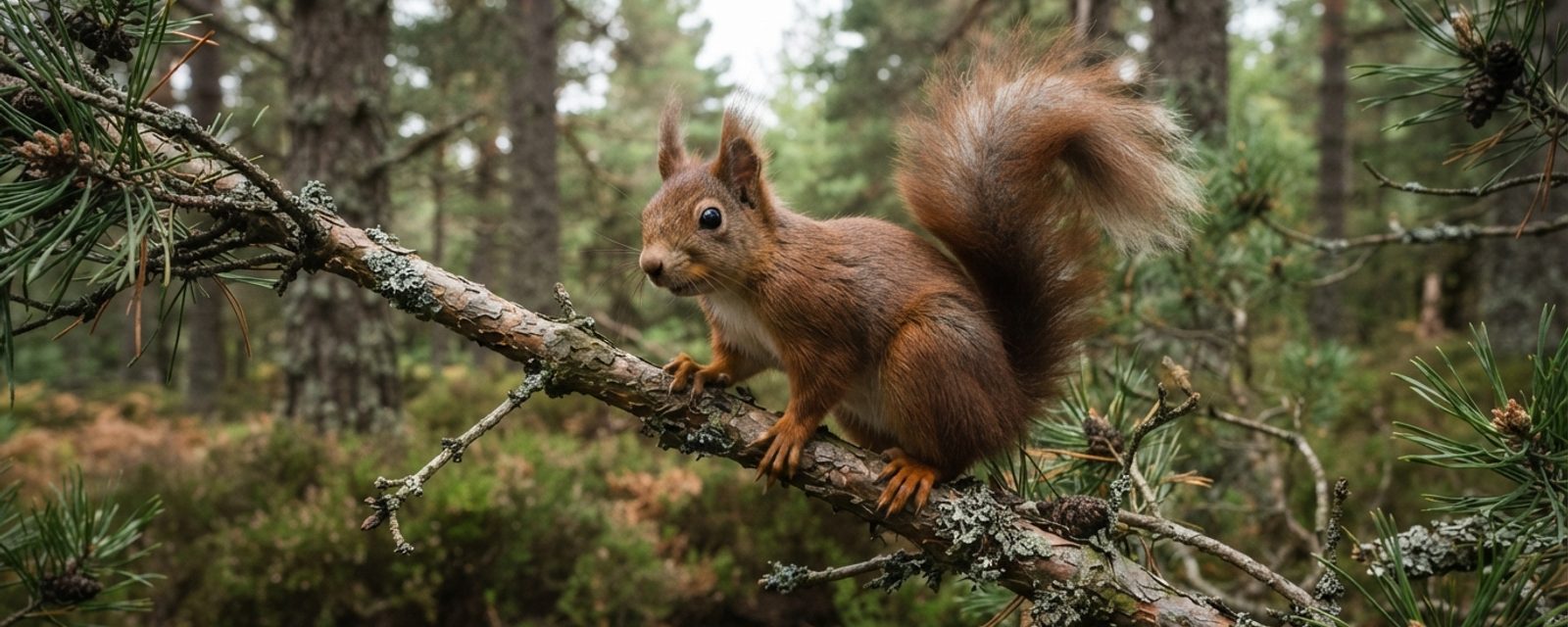
Red squirrels sit under the 1981 Act, but with the full, uncarved set of protections covering killing, injury, disturbance of a drey, and specific banned trapping methods. That matters specifically in Scotland because this is where the law does most of its practical work, Scotland holds the large majority of Britain's remaining wild red squirrel population.
Species that are genuinely Scottish, or genuinely not
A handful of species covered in the articles above turn up in the UK almost nowhere but Scotland, or are conspicuously absent here compared with the rest of the UK. The Chequered Skipper butterfly's UK stronghold is a roughly 30-mile radius around Fort William, England's population is a 2018-19 reintroduction following a 1976 extinction, making Scotland the original surviving population, not a reintroduced one. The Bordered Brown Lacewing is a genuinely rare lacewing found in the UK only at a handful of Scottish coastal sites, a completely different species from the ordinary brown lacewing found in gardens UK-wide. And the rabbit is an introduced species in Scotland, not a native one, the mountain hare is Scotland's only native lagomorph.
A shorter, cooler growing season changes timing, not just species
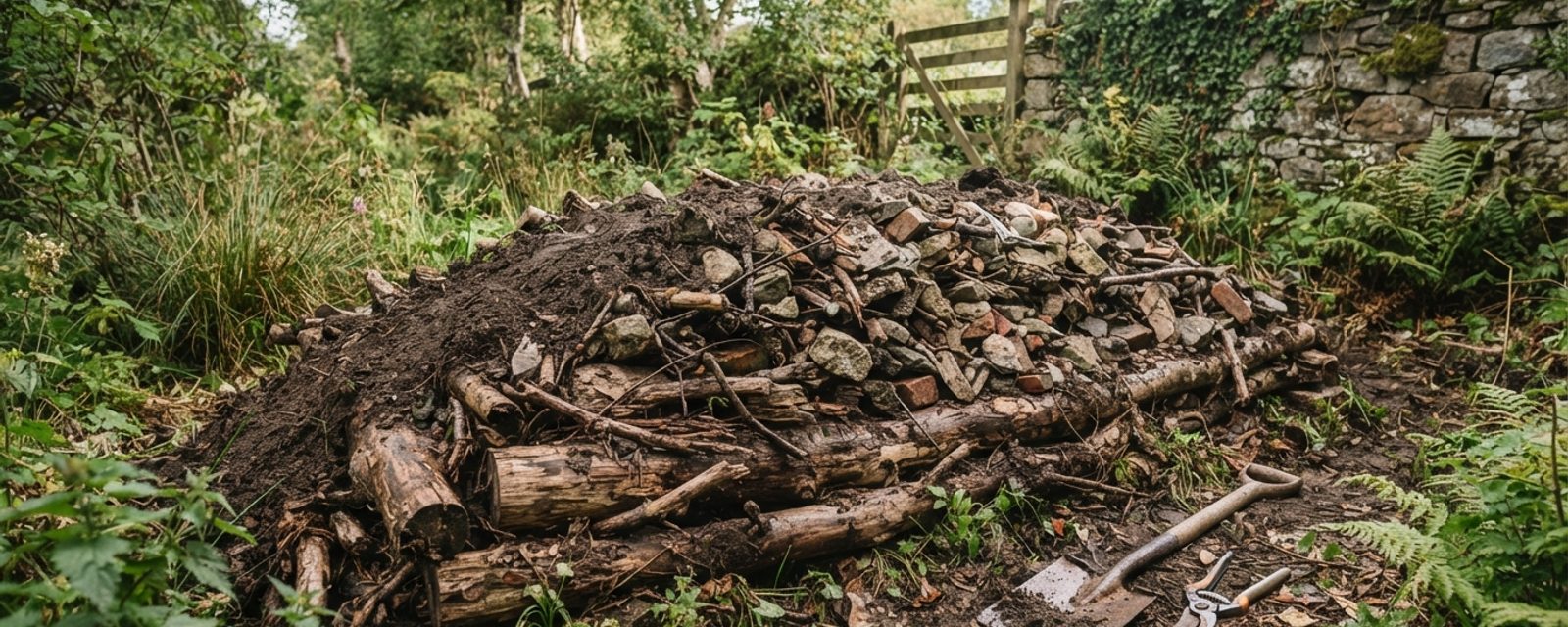
A garden pond needs full sun over at least part of its surface to warm quickly enough in spring for dragonfly and damselfly egg-laying and larval development to get going, a detail that matters more in a slower-to-warm Scottish garden than further south. Not every seasonal question has a Scotland-specific answer yet, though: the hibernaculum-building guide gives a general late-summer/early-autumn build window with no Scotland-adjusted timing, worth knowing honestly rather than assuming a shift exists where it hasn't been established.
Looking for the insects that do a garden's pest control specifically, ladybirds, hoverflies, ground beetles, parasitoid wasps? See Beneficial Wildlife in Scottish Gardens. This page covers the broader picture: wildlife worth gardening for on its own terms, not only because it eats something else.
Sources
9 sources, recorded with what each was used for
- Conservation (Natural Habitats, &c.) Regulations 1994, Regulation 39: Bats' European Protected Species status in Scotland; roost protection regardless of occupancy
- NatureScot: Protected species — bats: Confirms the Wildlife and Countryside Act 1981 does not apply to bats in Scotland; ten resident species
- Wildlife and Countryside Act 1981, Section 9: Red squirrel legal protections (killing, injury, disturbance, drey protection)
- NatureScot: Red squirrel species page: Scotland holding the large majority of Britain's wild red squirrel population
- Butterfly Conservation: Chequered Skipper: Fort William stronghold radius; England's population as a reintroduction following 1976 extinction
- Buglife: Bordered Brown Lacewing: Scottish-only distribution of this lacewing species, distinct from the UK-wide brown lacewing
- NatureScot: Hares and rabbits: Rabbit as an introduced (non-native) species in Scotland; mountain hare as the only native lagomorph
- RHS: Wildlife ponds, how to make them: Full sun speeding pond warming, relevant to spring egg-laying and larval development
- Protection of Badgers Act 1992, Section 3: Basis for the boundary note on why badger legal protection does not change this page’s scope decision