
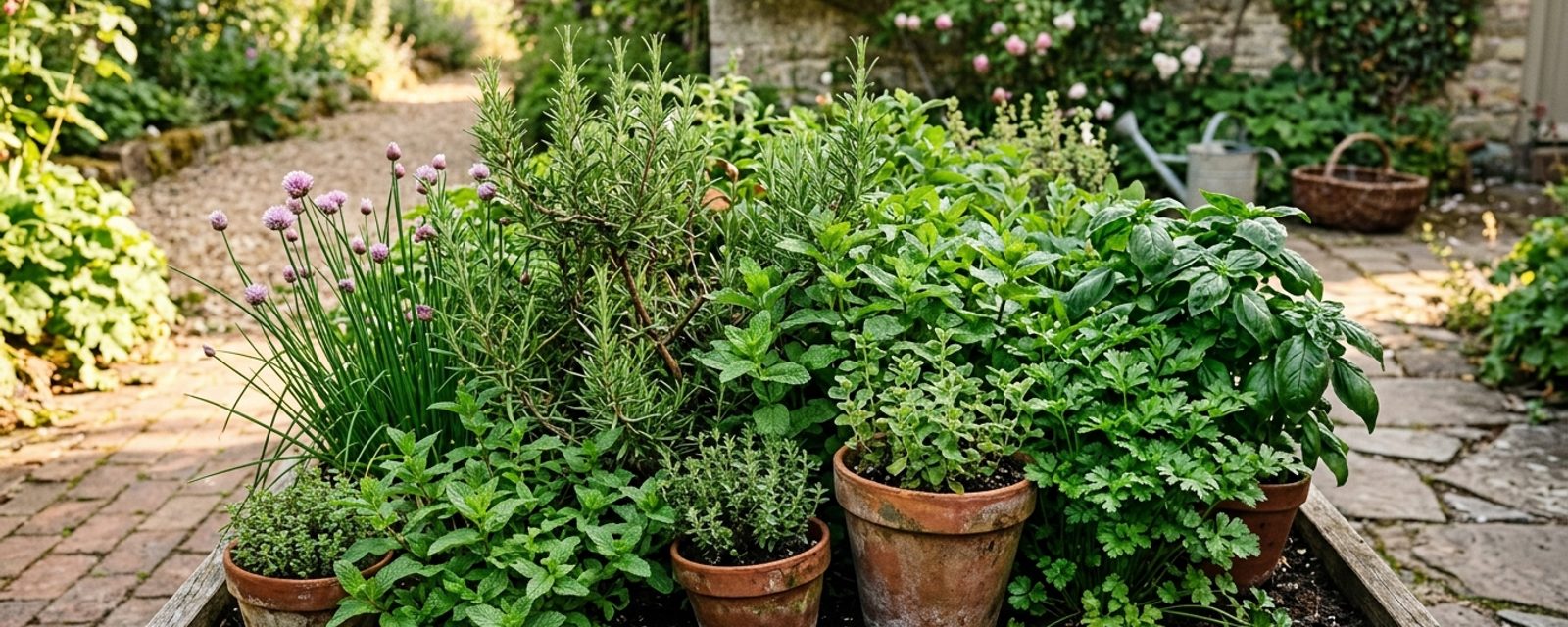
Herbs in Scotland split into two camps: the ones that love our climate (mint and chives barely notice the cold) and the ones that need a bit of help (basil wants warmth, rosemary wants drainage). Below are the herbs we cover, each with a full growing guide.
No crops match these filters.
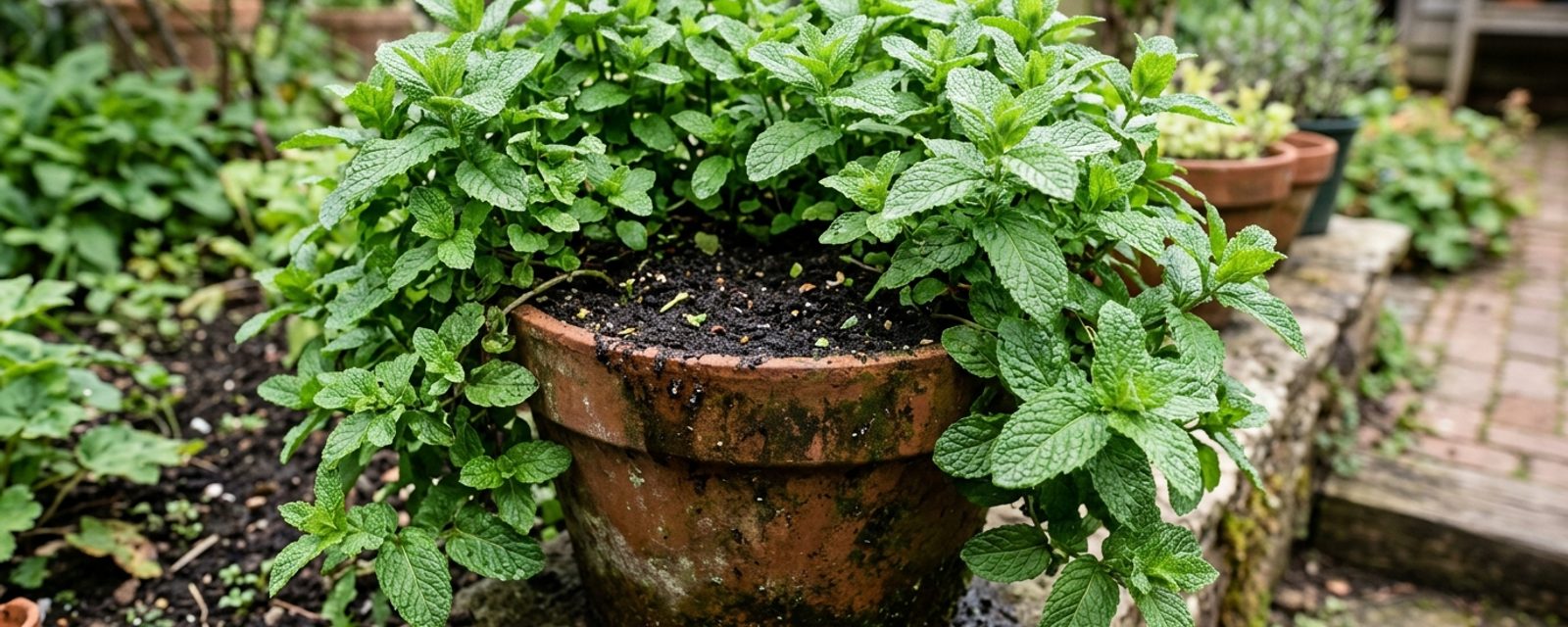
Mint is almost unkillable in Scotland: it thrives in the damp conditions that defeat more delicate herbs. Keep it in a pot unless you want it to take over the whole bed.
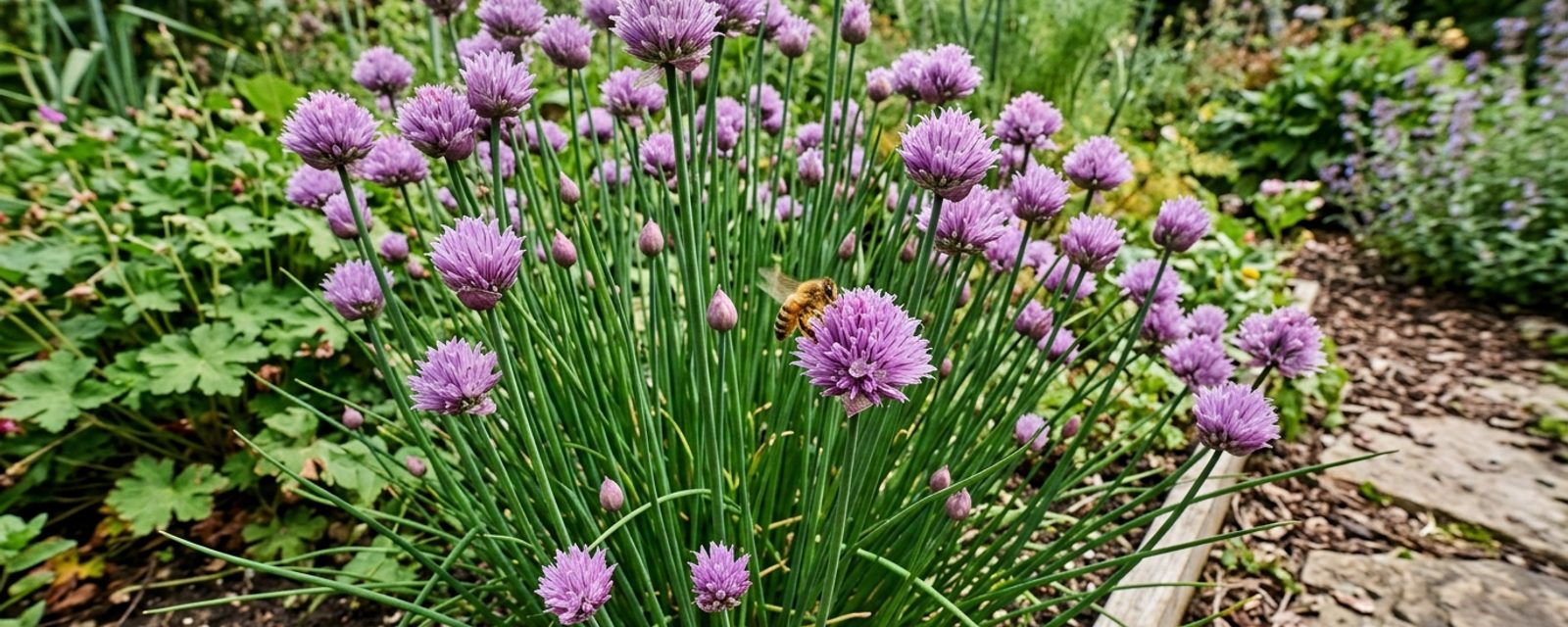
One of the easiest herbs you can grow in Scotland: hardy, perennial, and happy in a pot or a border. The flowers are edible and a magnet for pollinators.
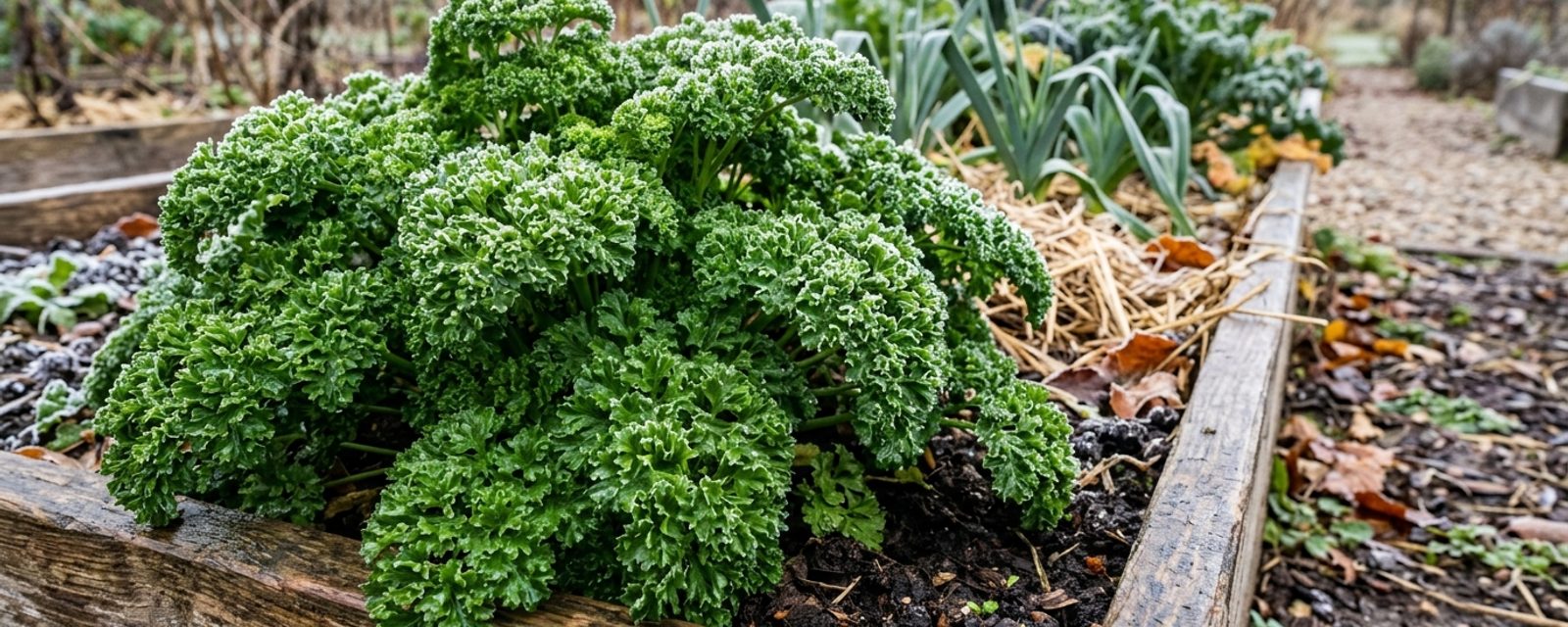
Parsley is a biennial that earns its keep through a Scottish winter when little else is green. Slow to germinate in cold soil, so start it under cover for an early stand.
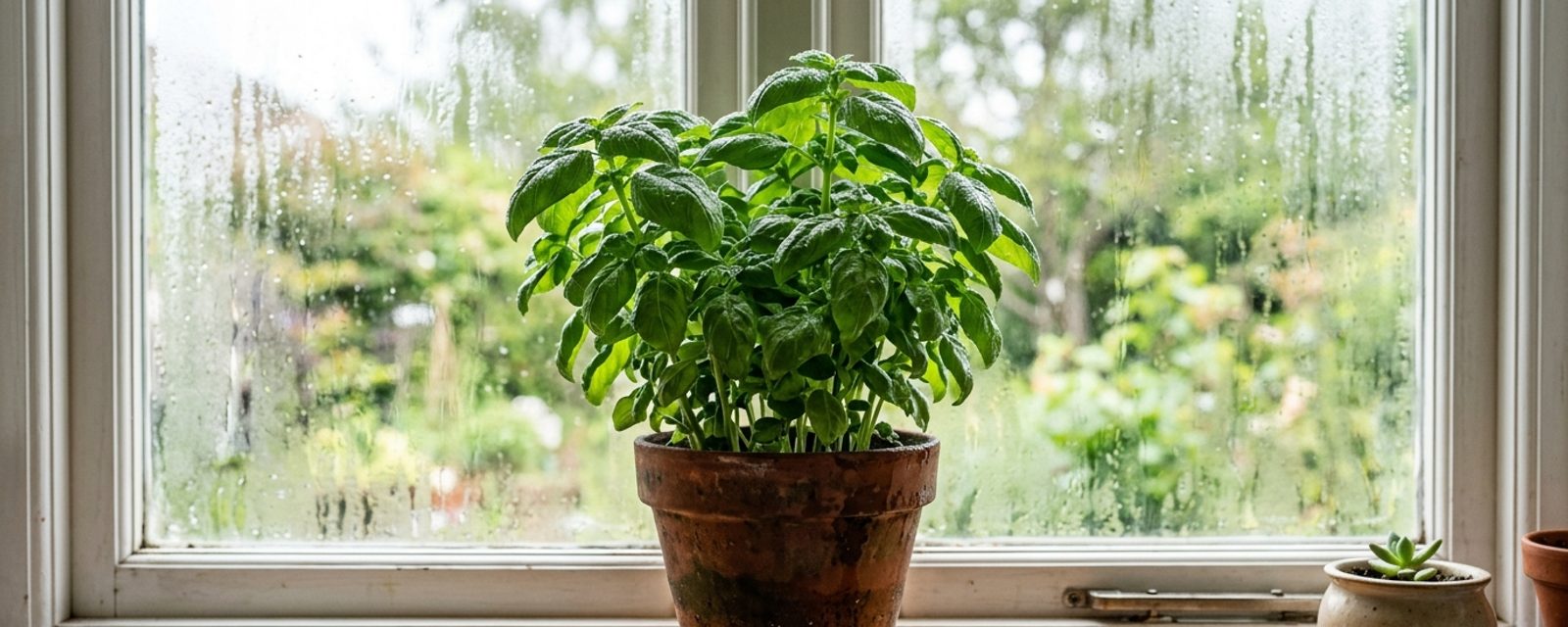
Basil is a warmth-loving annual that struggles outdoors in Scotland. A windowsill or polytunnel gives it the heat it needs: the standard advice for cooler locations.
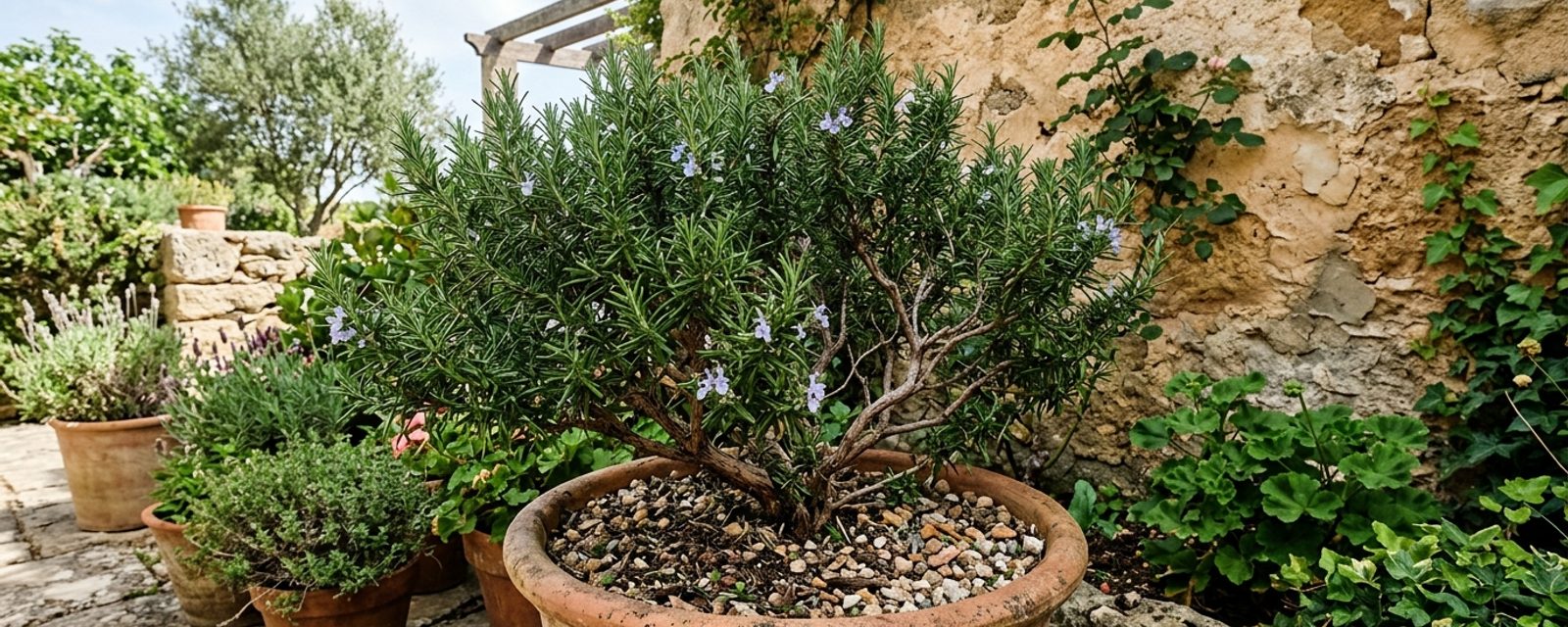
Rosemary needs sharp drainage to survive a wet Scottish winter. Grow it in a container with gritty compost, or in a raised bed. It hates sitting with wet roots in heavy clay.
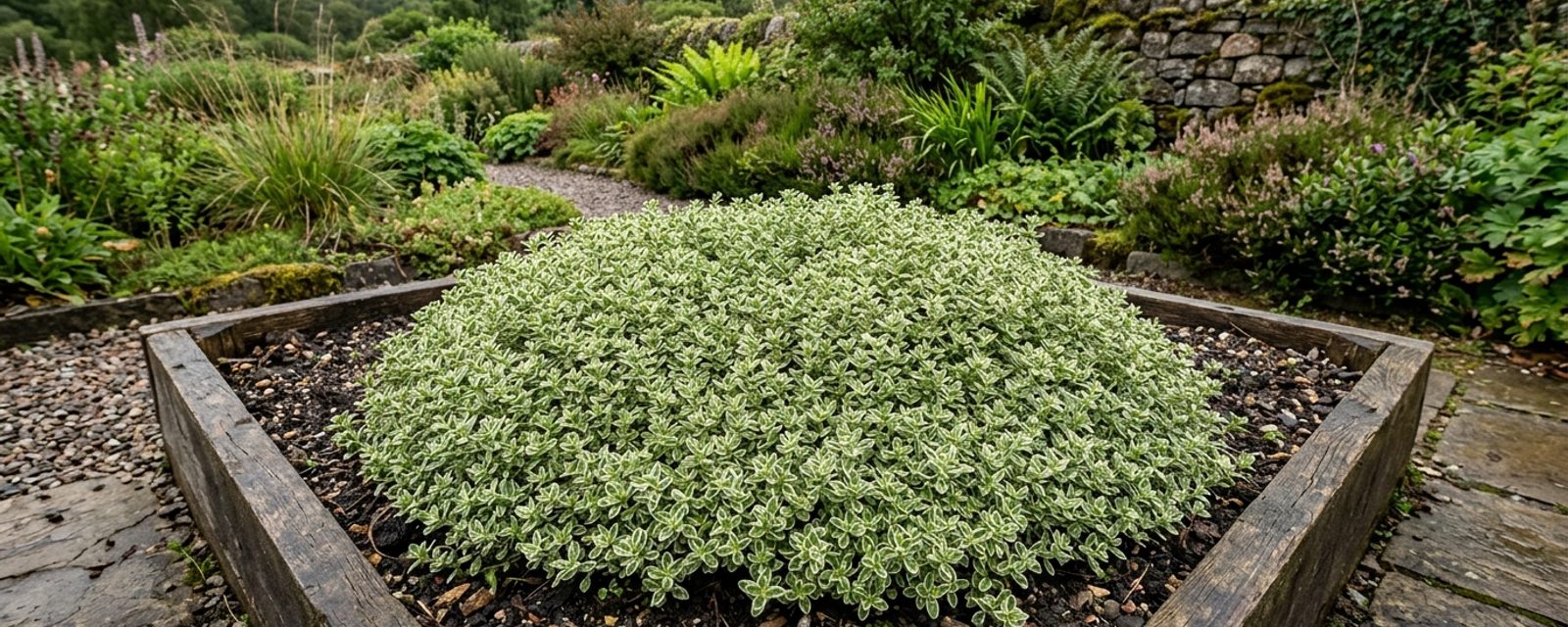
Genuinely one of the hardier herbs in Scotland: commonly available varieties withstand UK frosts on their own. Wet roots and cold wind, not frost, are what actually kill it.
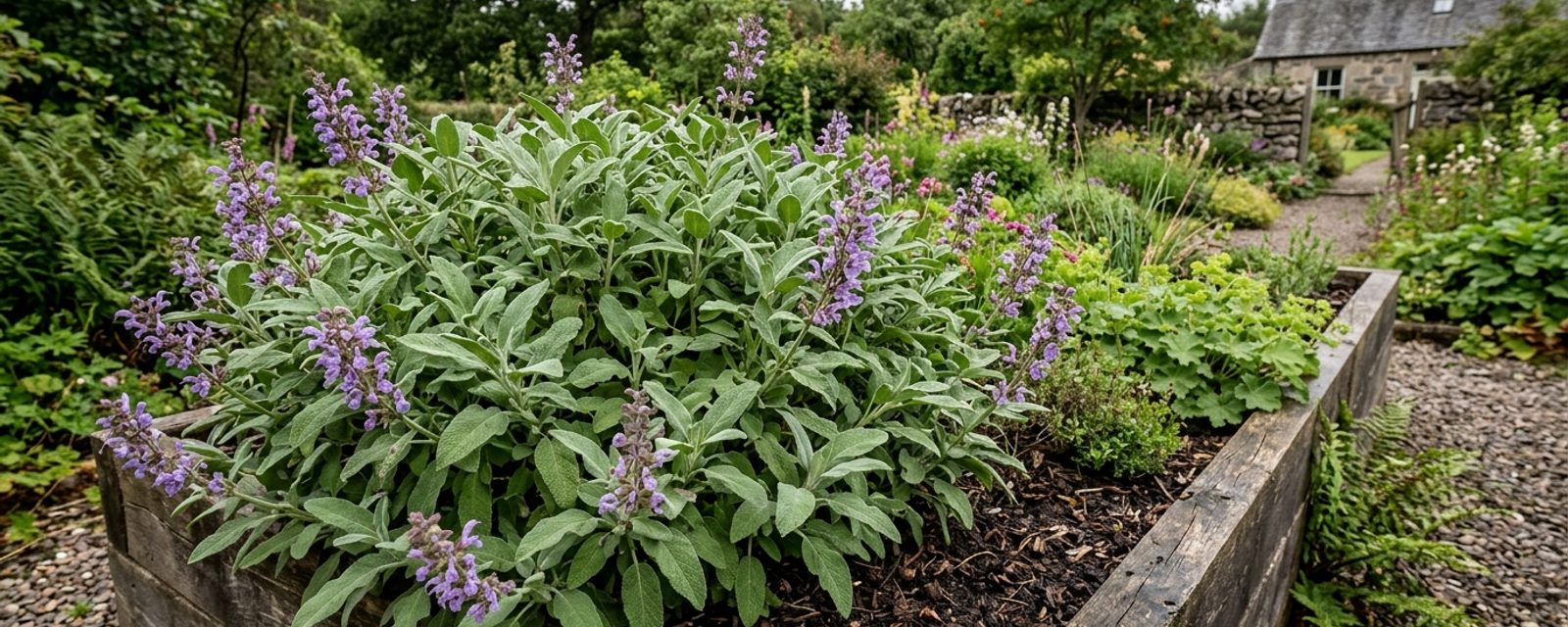
A hardy evergreen shrub that two independent sources agree on: winter waterlogging, not cold, is what kills it in Scotland. Grow it lean, in sharp drainage, and skip the feed.
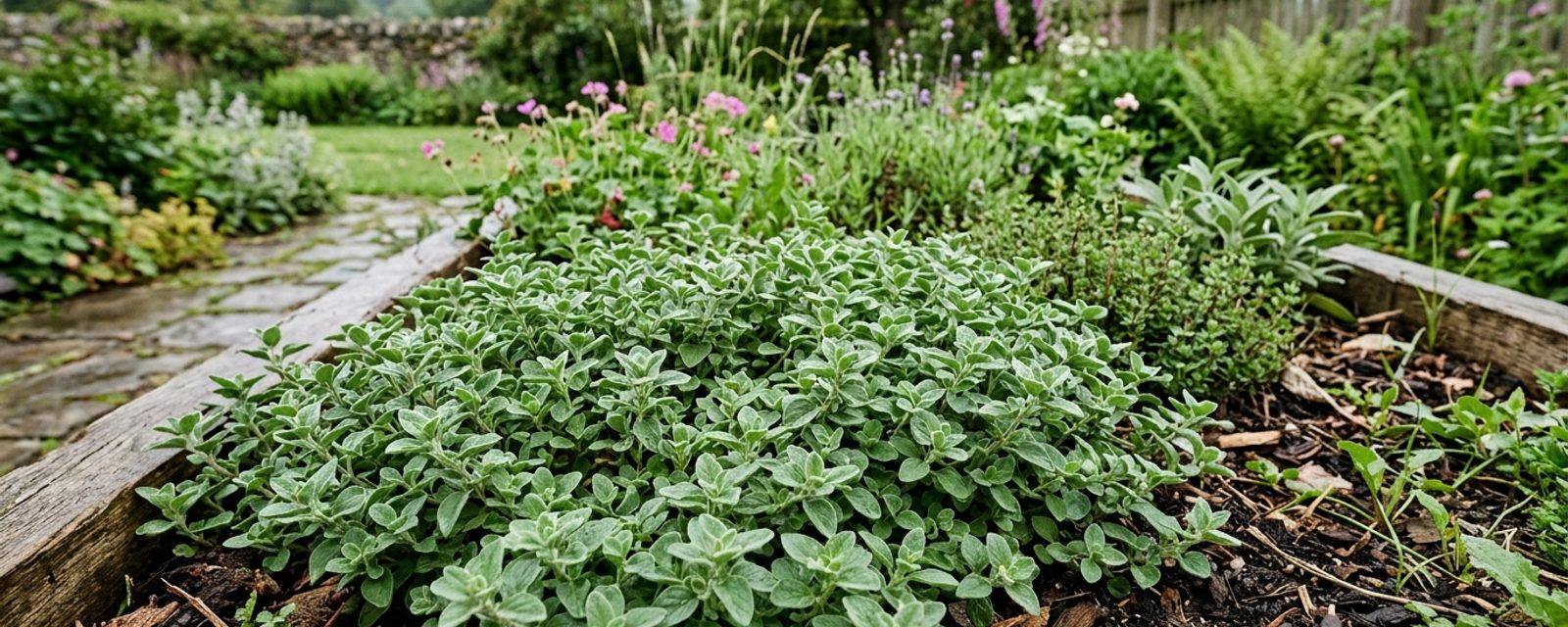
Reliably hardy, so drainage decides survival more than cold does. A real trial finding to know: leaves turn measurably more bitter once the plant flowers.
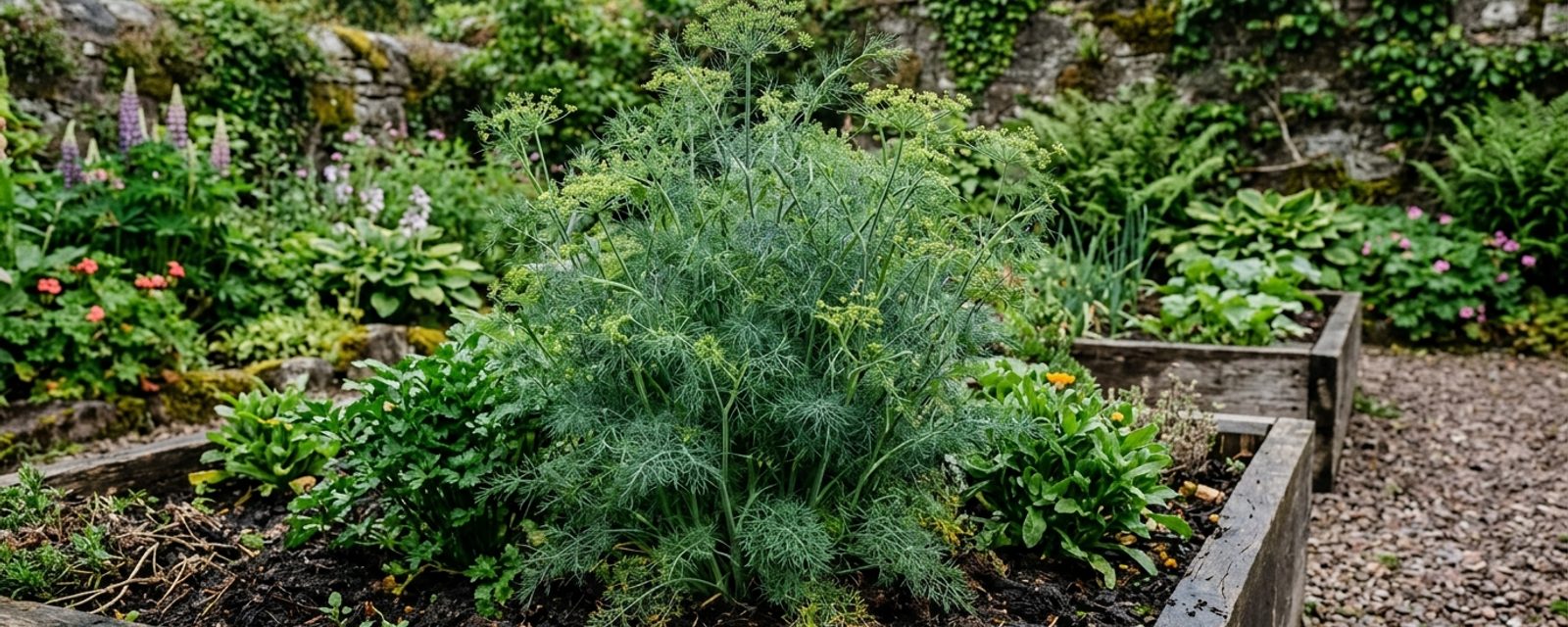
An annual that actually benefits from Scotland's cooler summers, which cut its main bolting trigger. The real risk here is wind flattening tall plants, so stake it early.
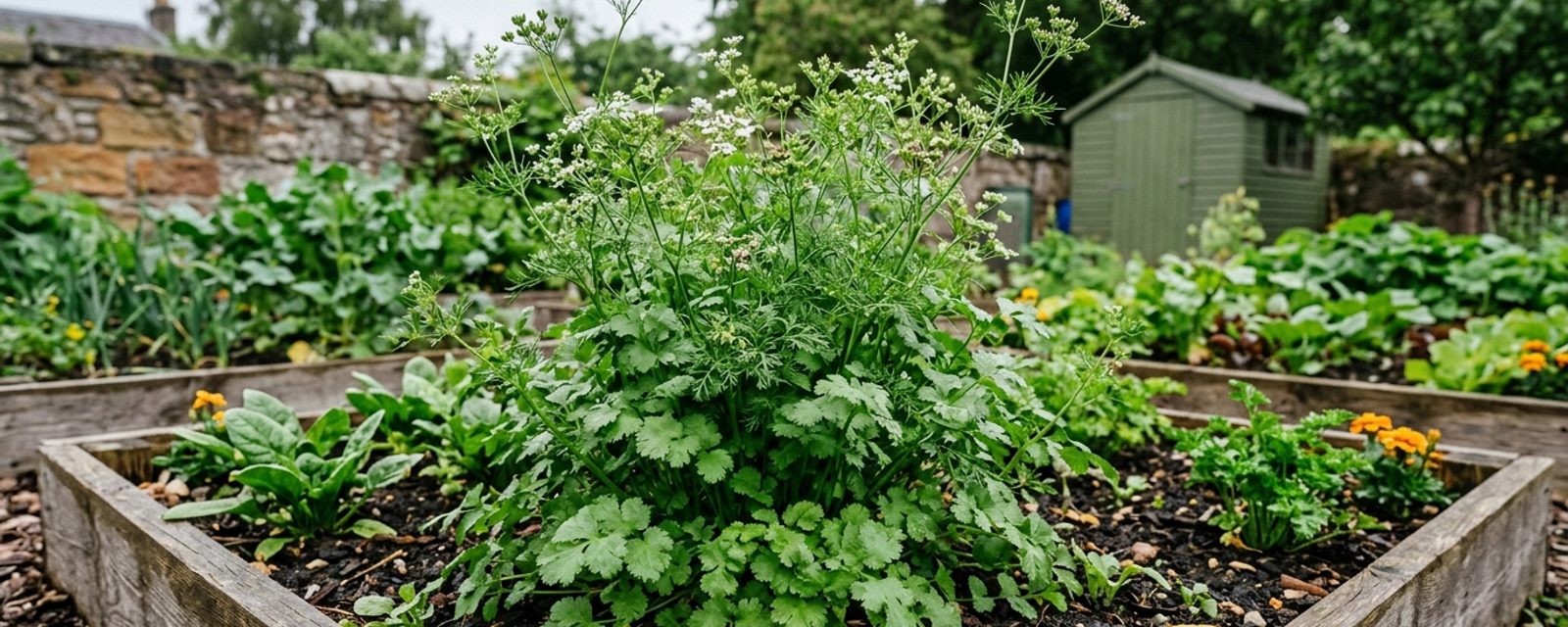
The one herb where a cooler Scottish summer doesn't help: cold spells and shortening days trigger bolting here too, not just heat. Choose a slow-to-bolt variety and keep the soil damp.
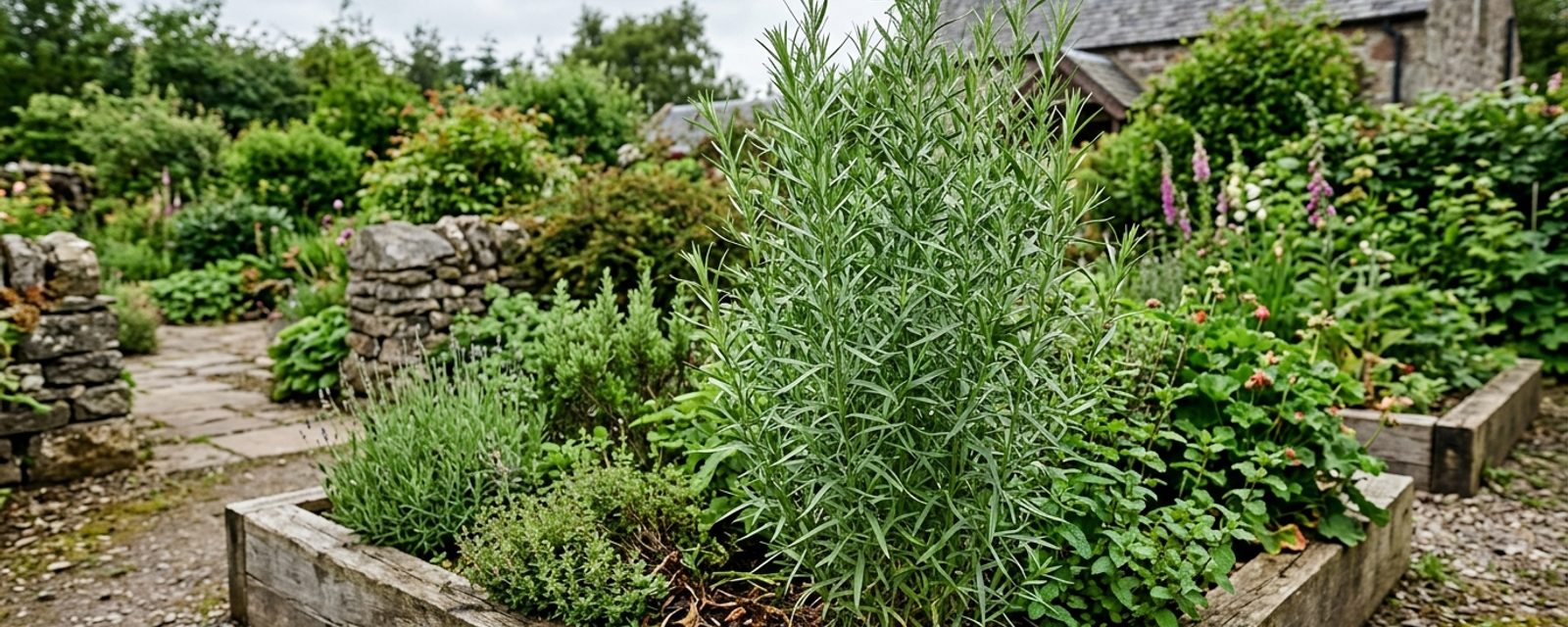
Two different plants sold under one name: Russian tarragon survives a Scottish winter outdoors, French tarragon genuinely may not. Grow French in a container you can move under cover.
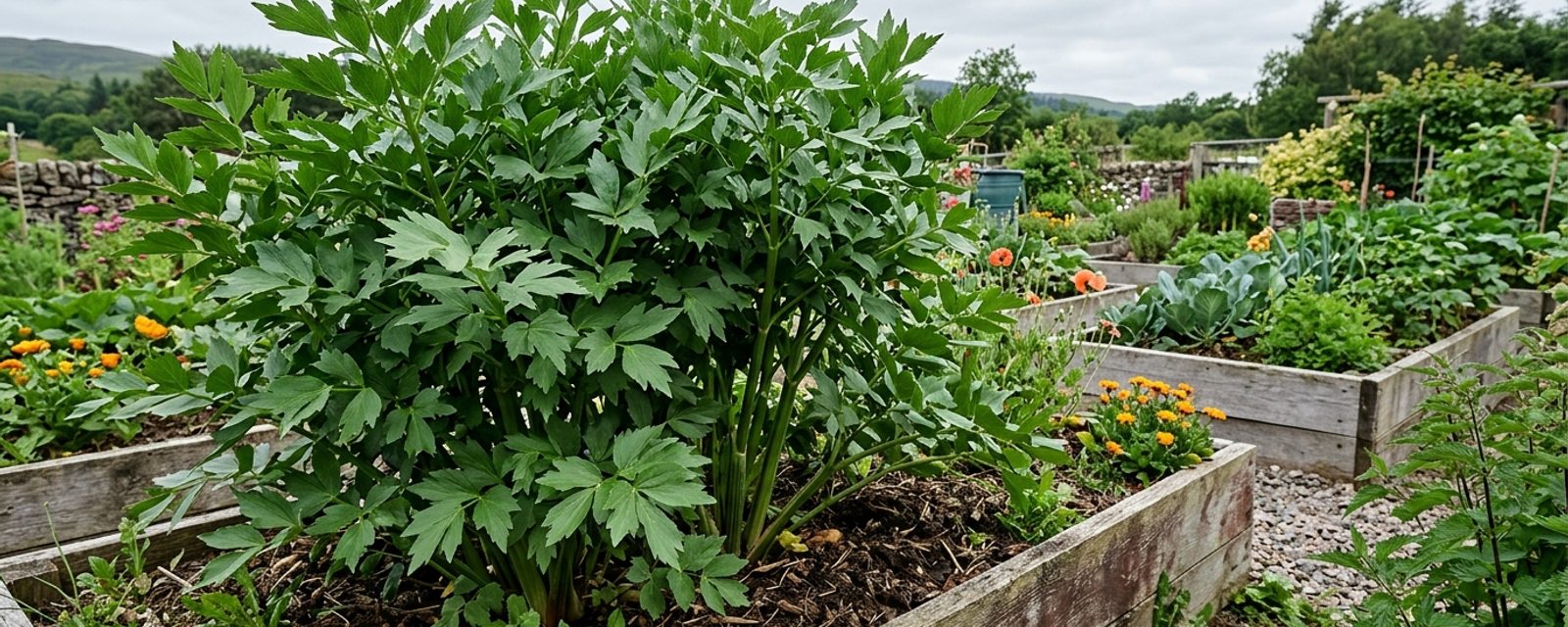
The one herb here that actually wants damp ground: rich, moist soil suits it far better than the sharp drainage Mediterranean herbs like thyme and rosemary need. Leaves, stems, seeds and roots are all edible.
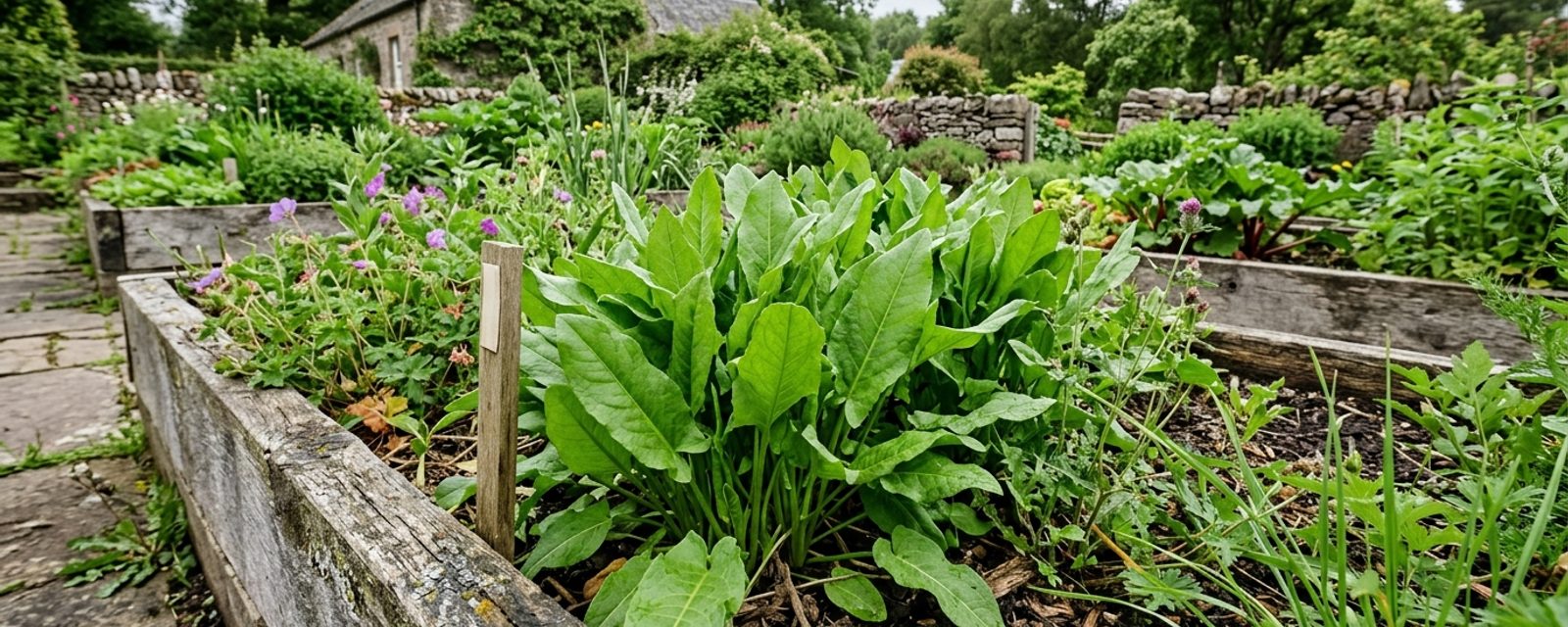
Rated H7, hardier than any other herb here, well beyond anything a Scottish winter demands. A real caution worth knowing: it's harmful eaten in large amounts.
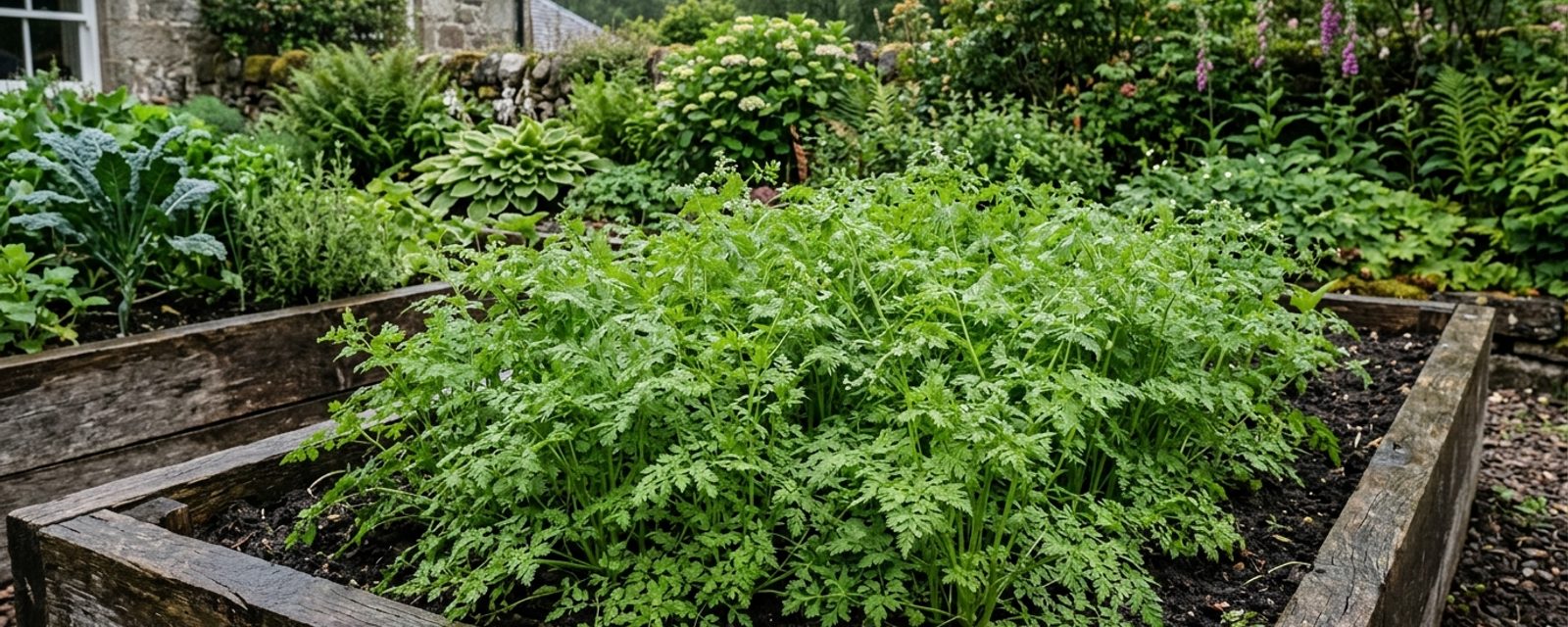
A rare case where Scotland's cooler summer is a genuine advantage: hot sun triggers bolting, so shade suits chervil better than sun does. Sow direct; it dislikes root disturbance.
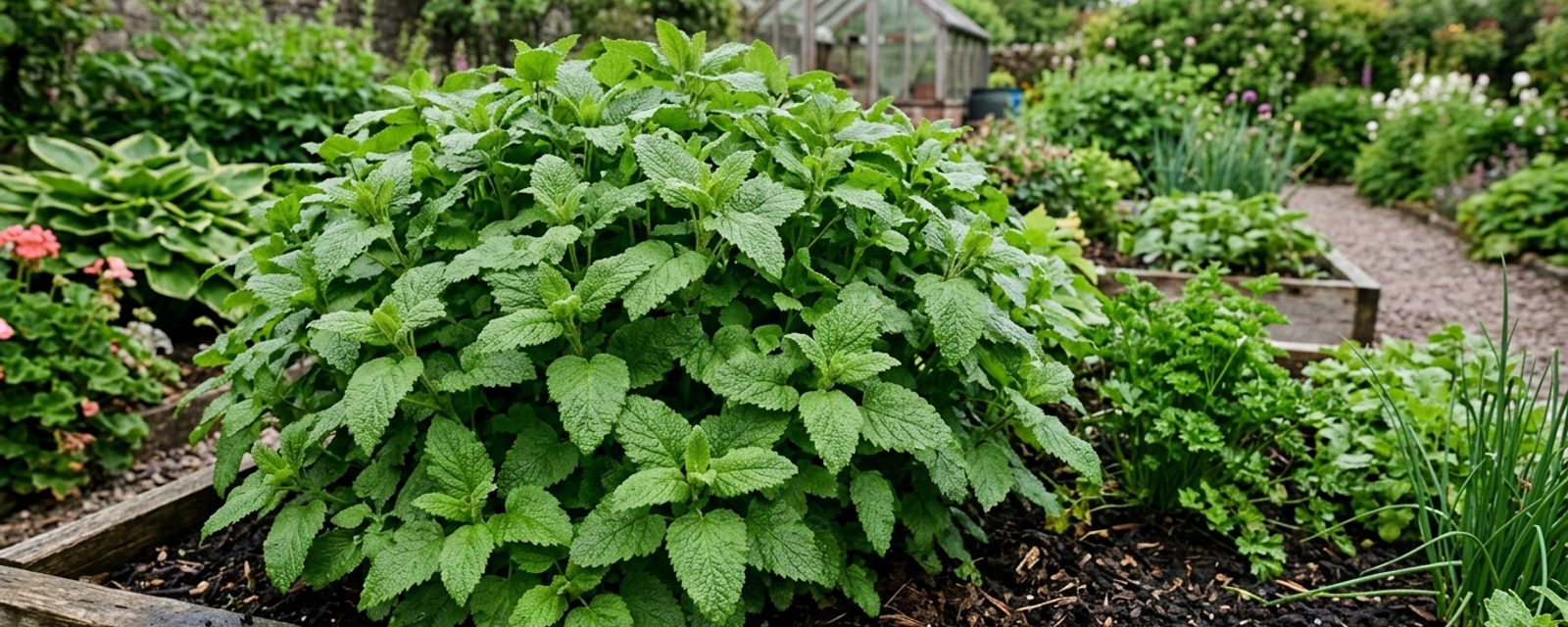
Fully hardy and easy to grow, but genuinely invasive: it spreads readily and can be hard to remove once established. Grow it in a container, the same rule as mint.
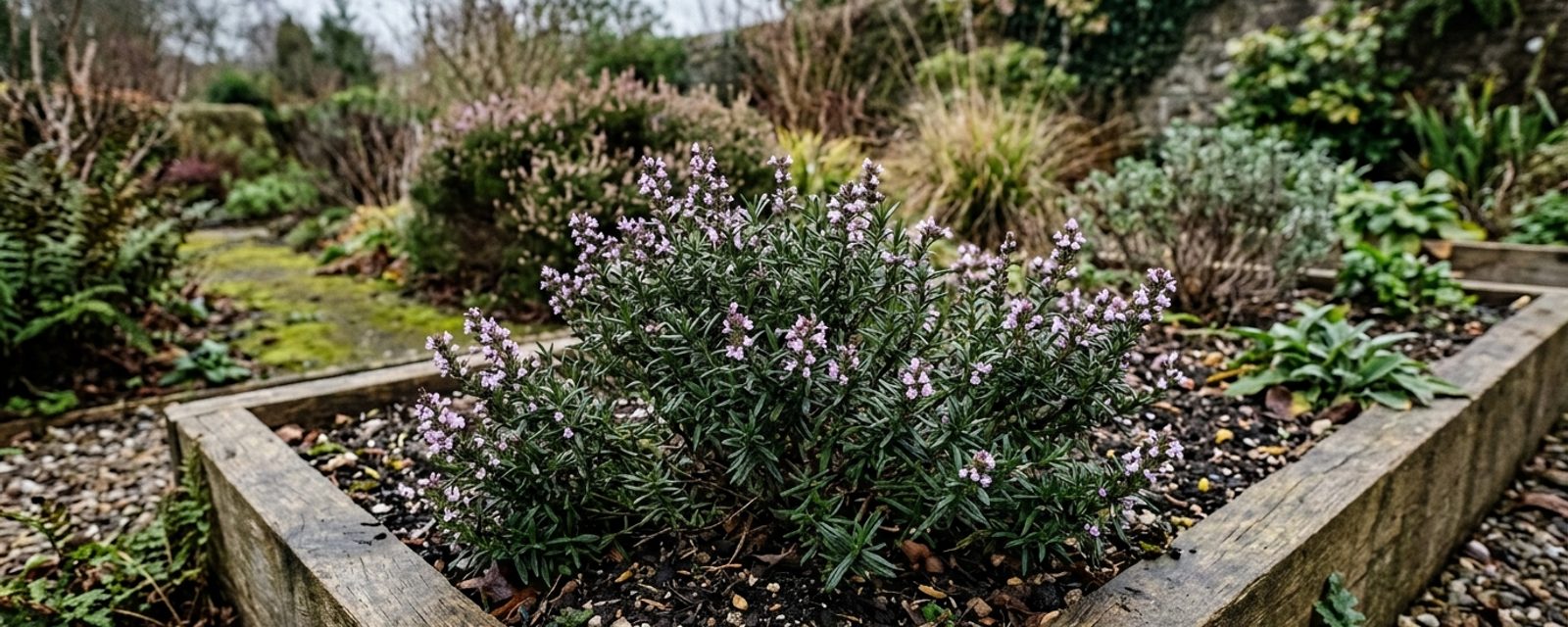
A genuinely different plant from summer savory, not just another name for it: an H5-hardy perennial with an earthy, peppery flavour. Trouble-free, and one of the lowest-maintenance herbs here.
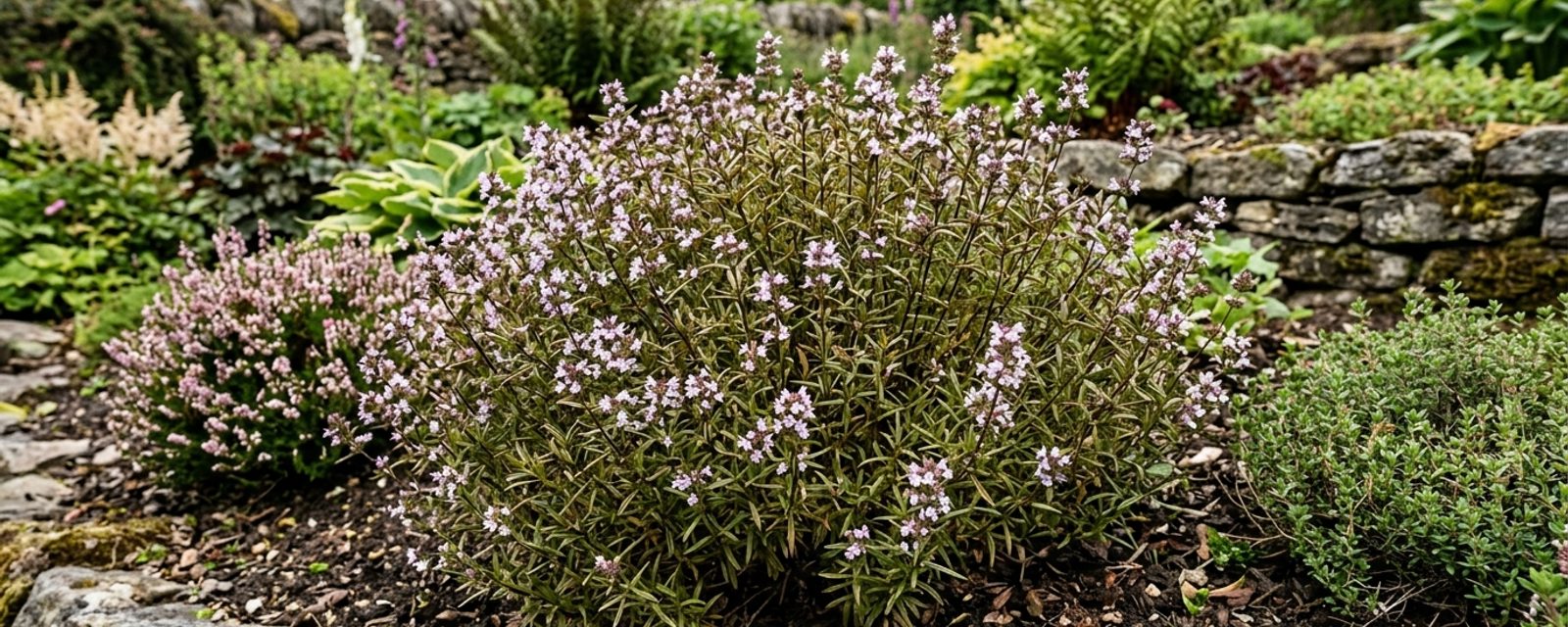
An annual, not a shorter-lived version of winter savory: milder and more delicate, traditionally a key ingredient in herbes de Provence, grown fresh from seed each year with no hardiness question to answer at all.
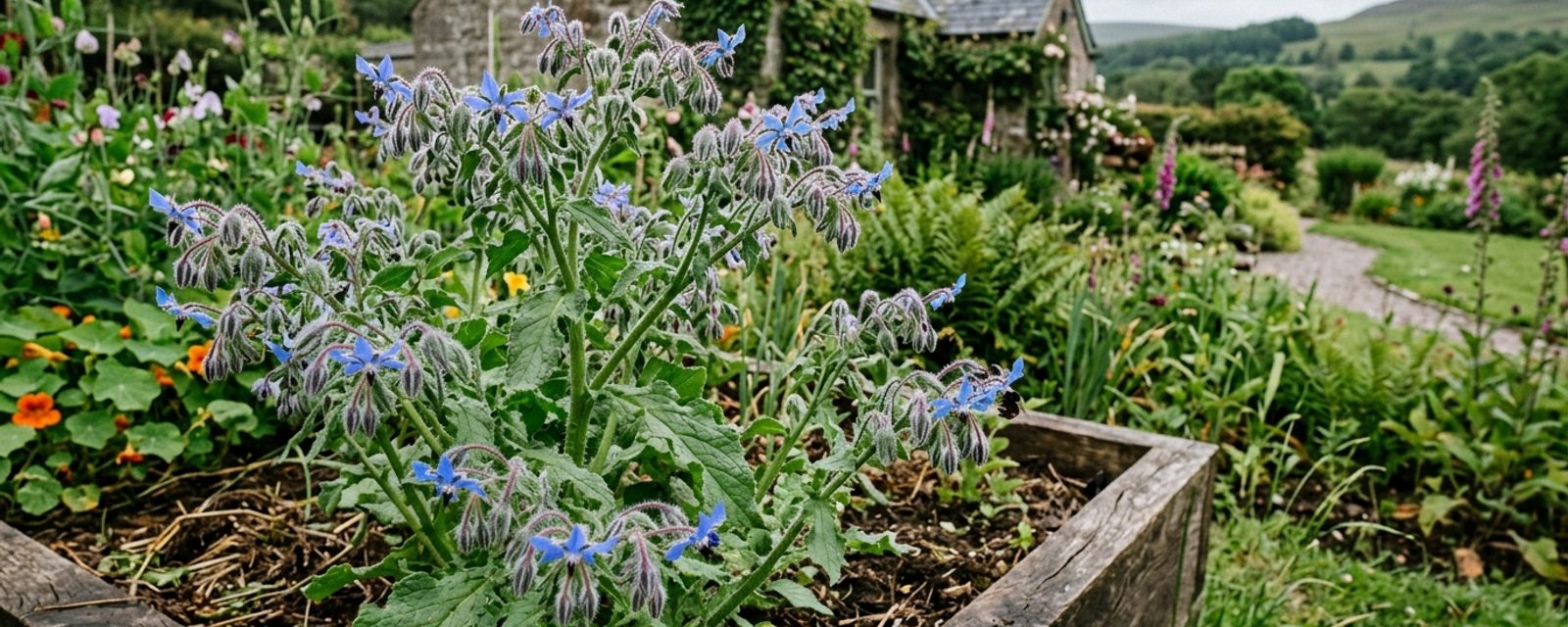
An easy, self-seeding annual with edible, cucumber-scented blue flowers. Sources disagree on transplanting it, and its hairy leaves can irritate sensitive skin, so gloves are worth it.
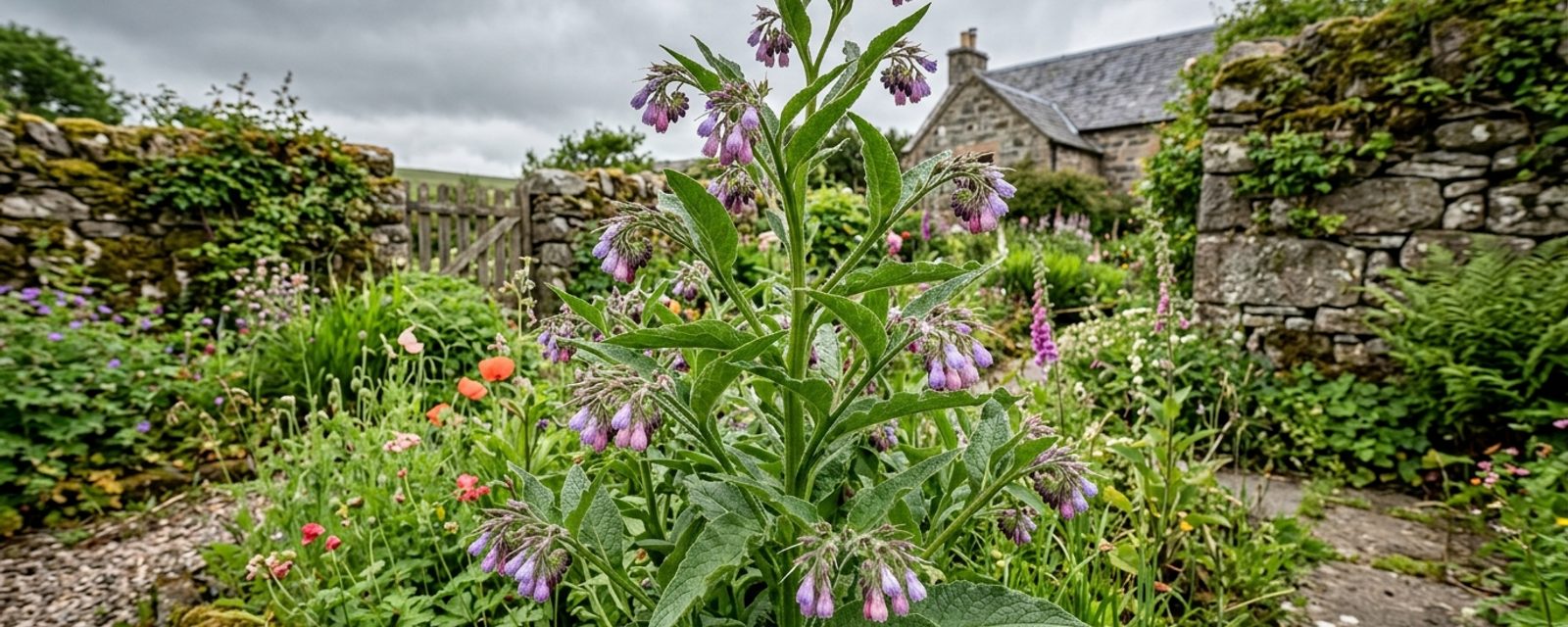
Not a culinary herb here: grown as a natural liquid feed, and harmful if eaten repeatedly. Choose Bocking 14 over common comfrey unless your garden can handle self-seeding.
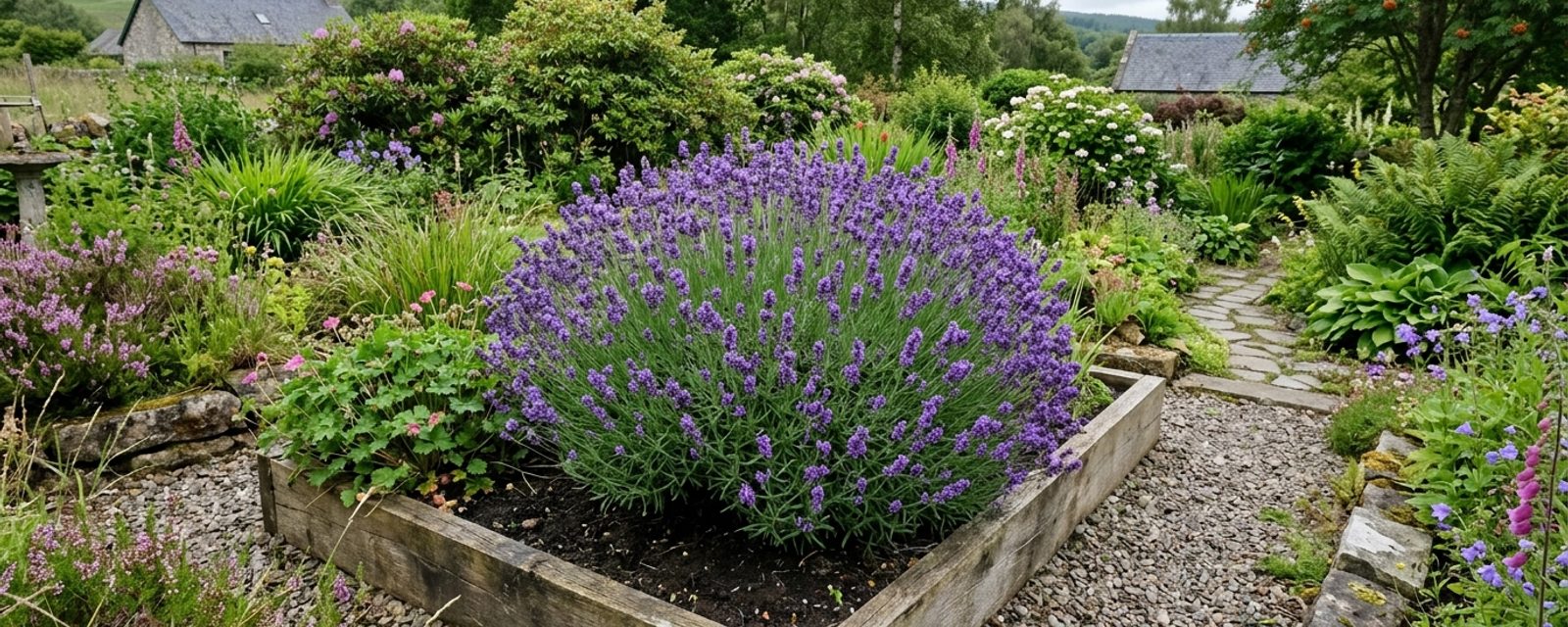
Genuinely marginal, but not for the reason you'd think: English lavender is H5-hardy and copes with the cold fine. Wet, heavy soil is what actually kills it here.
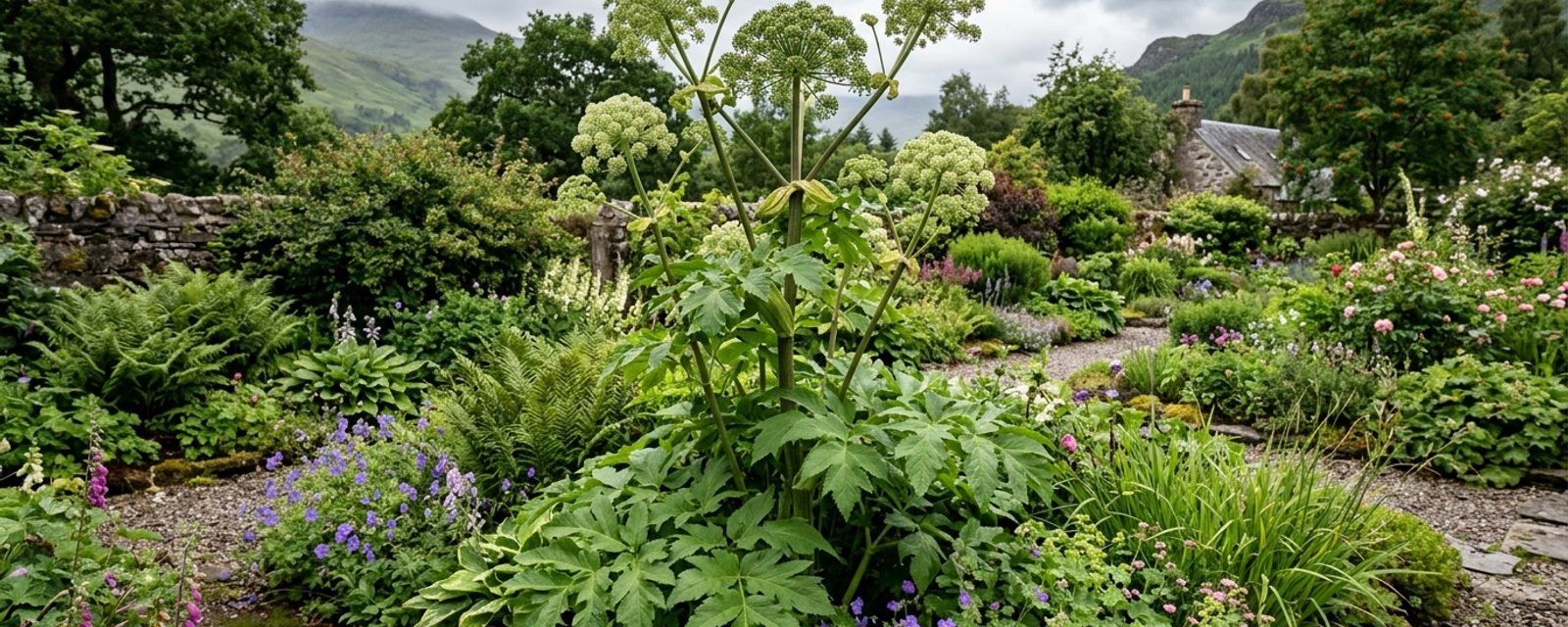
One of the few herbs that actually prefers Scotland's cool, damp conditions over a hot, dry site. H6-hardy, but dies after flowering unless deadheaded, and needs open ground, not a pot.
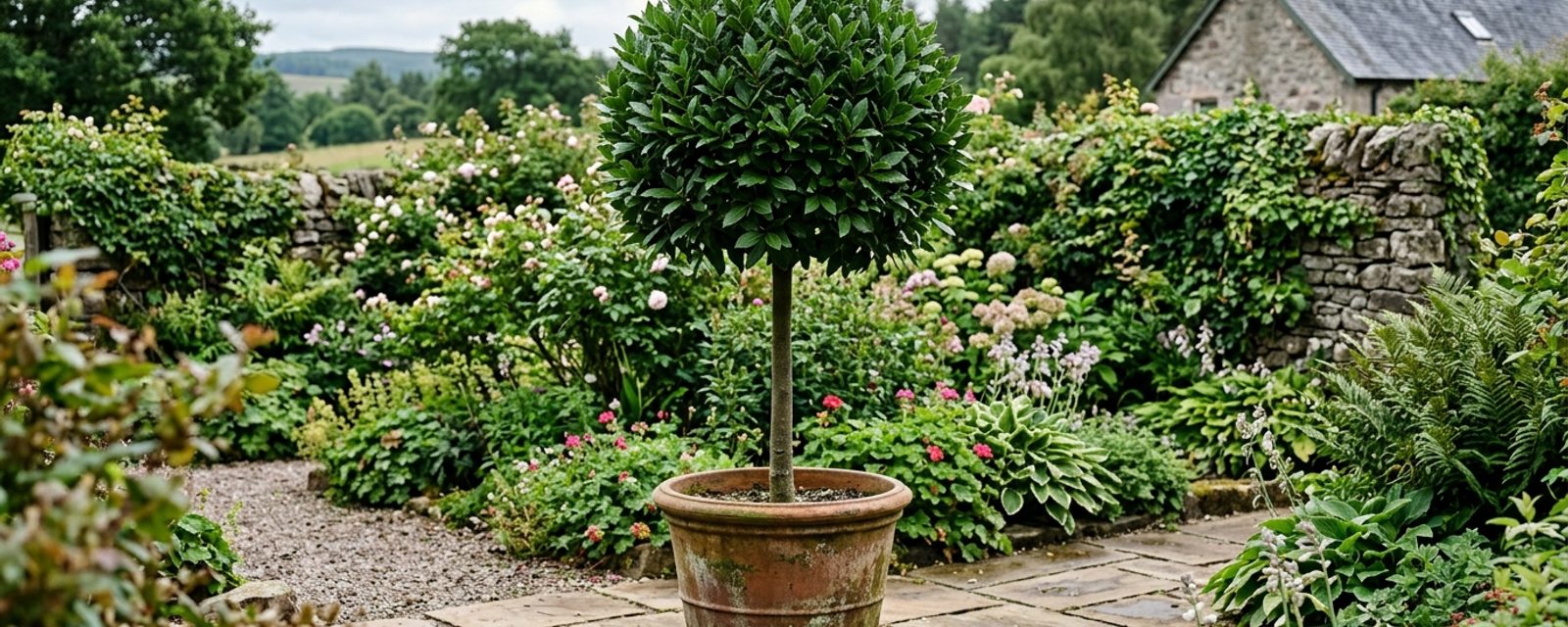
An evergreen tree, not a soft herb, usually kept small in a container so it can be moved under cover for winter. Rated the same H4 as rosemary, but the real risk here is frost hitting young plants, not wet roots: pots need real winter protection, not just a sheltered corner.
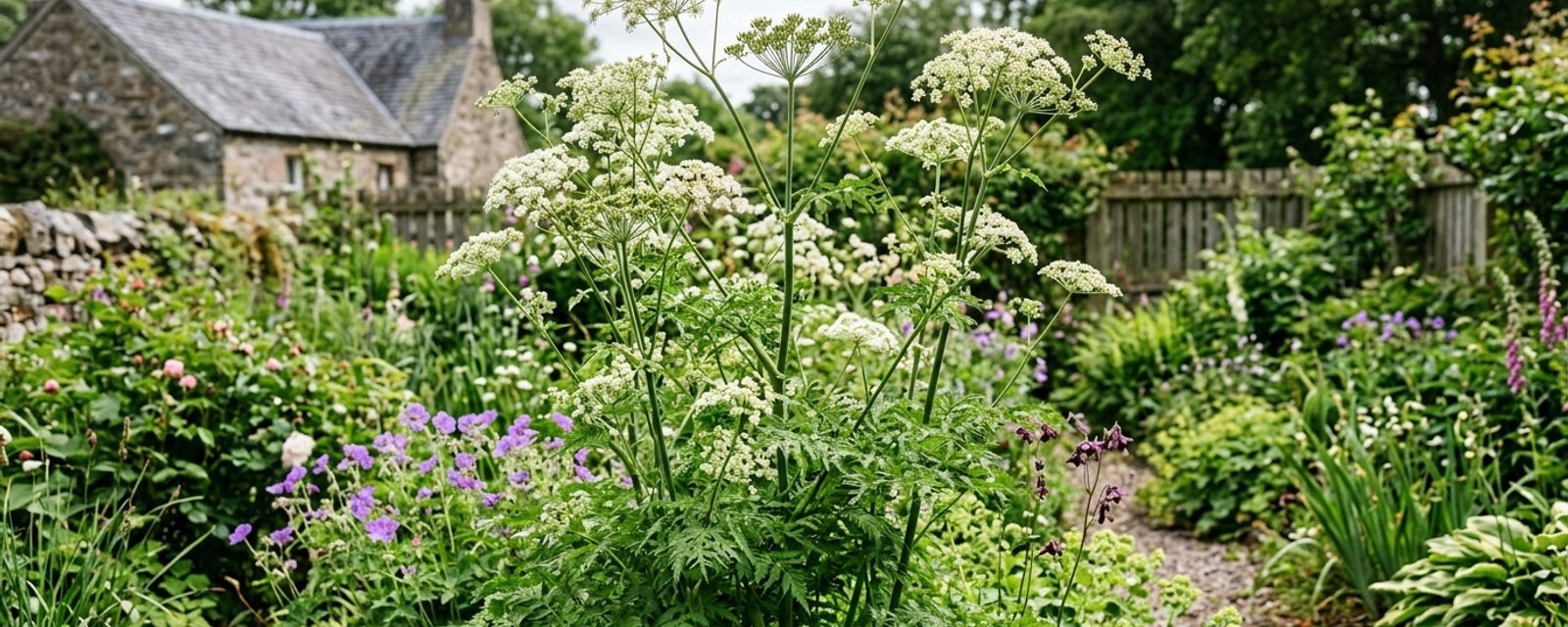
Not a true native, despite the reputation, but genuinely naturalised here: NBN Atlas Scotland records over 12,000 Scottish sightings, and it carries a real Gaelic name, Mirr. H5-hardy and low-maintenance, though it grows near deadly poisonous hemlock in the wild, so correct identification matters.