
Sage and Ligurian Leafhoppers is a minor pest that affects sage, rosemary and lavender in Scotland. Here is what it looks like, how to spot the damage, and which controls have been tested.
What does it look like?
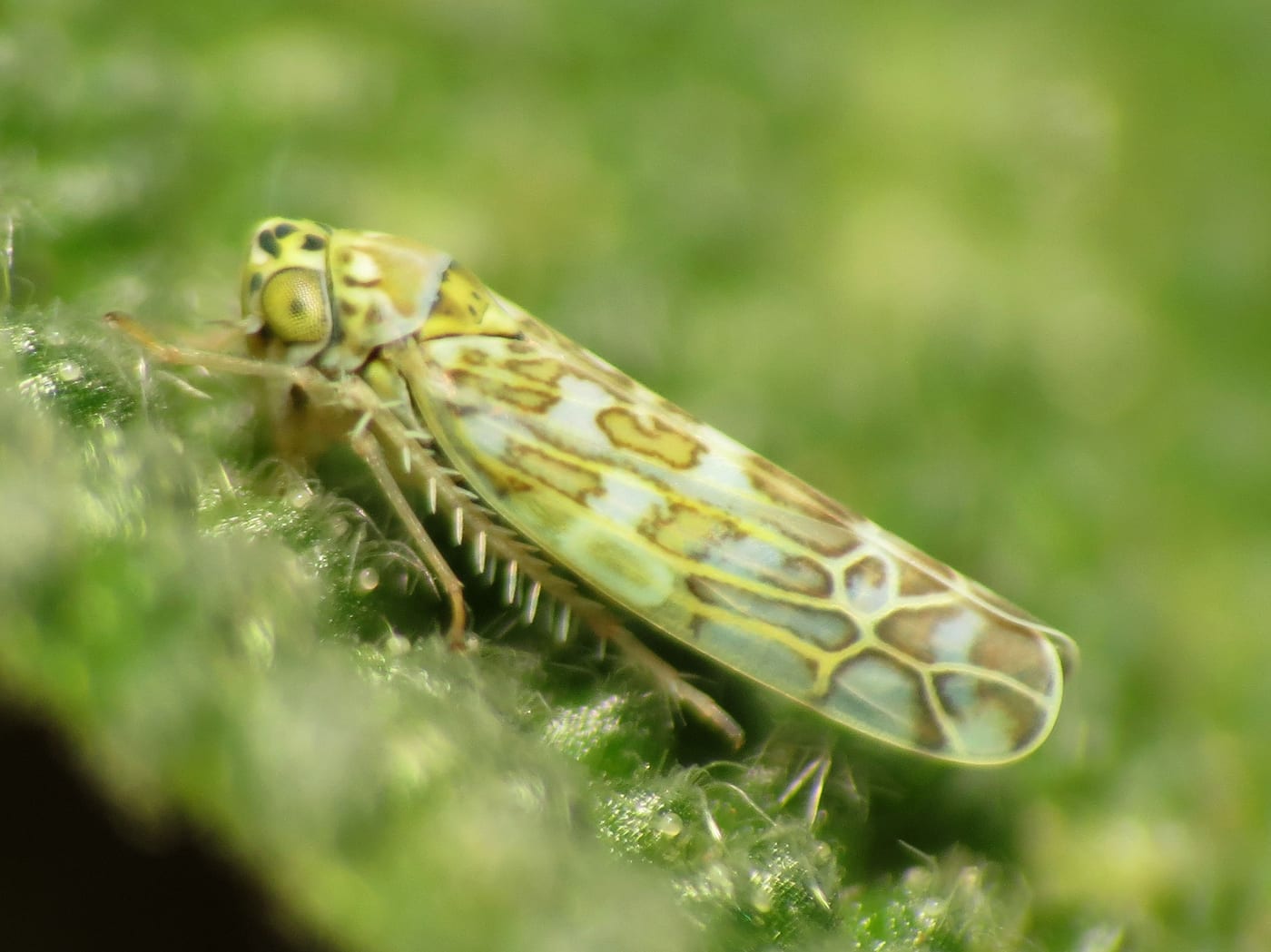
Adults are up to 3.5mm long, pale green and heavily dappled with brown and black markings, with the head broader than the body's end and wings folded flat along the back. Nymphs are creamy white and wingless, and often leave a pale, papery cast skin stuck to the underside of a leaf as they shed it while growing.
What causes it
This species doesn't favour one herb over the rest: it feeds on ten separate host plants across the mint family, which is exactly the kind of bed a keen herb gardener tends to plant close together. A population established on one herb has neighbouring hosts to spread onto without needing to travel far.
Is this pest active now?
Active from May through to autumn, with mottling building up as the season goes on and typically at its heaviest by late summer. There's no month here that calls for different action from any other, since tolerating it is the advice throughout.
🌱 Plants at risk
Sage and Ligurian Leafhoppers also affects these crops:
Symptoms
Coarse, pale mottling covers the upper surface of leaves, sometimes heavily by late summer. It builds up from repeated feeding on the underside of the leaf rather than one attack: each feeding puncture leaves a small pale mark, and enough of them accumulate over the season to produce the coarse mottled look. Growth and vigour stay unaffected even when the mottling looks extensive.
Life cycle
Eggs overwinterKeeping a plant alive and intact through the cold months, whether left outdoors, moved under cover, or stored dormant. Full definition → directly on the host plant and hatch as the weather warms. The wingless nymphs that emerge shed their skin several times as they develop into adults.
Why this matters in Scotland
This is the rare pest on this site where the damage and the harvest genuinely don't overlap: every affected herb here is picked for its leaves, not grown toward a fruit or flower set that damage could interrupt.
Sage, rosemary, lavender, thyme, mint, oregano, basil and lemon balm are all common choices for a Scottish herb bed. Unlike the fruiting crops on this site, where the same tolerate-it advice still costs a grower actual fruit lost to aborted buds or split skin, tolerating leafhoppers here costs nothing beyond how the leaf looks. That structural difference, not anything specific to Scotland's climate, is what keeps this rated low rather than moderate.
Controls: what actually works
All the methods below are backed by real evidence, not just repeated folklore.
Natural predators: encourage birds, ladybirds, wasps and ground beetles
All four are named as natural enemies that help keep leafhopper numbers down. A garden with somewhere for them to shelter and something in flower for the adults to feed on does more here than any direct intervention would.
Tolerate cosmetic mottling on established plants
This isn't a case where a bad year's damage carries forward: mottled leaves are cleared away every time you harvest or cut a herb back, and a woody perennial like sage, rosemary or thyme starts the next season's growth mark-free regardless of how heavily mottled the previous year's leaves got.
Frequently asked questions
What should I do first if I find sage and ligurian leafhoppers in my garden?
Start with natural predators. After that, tolerate cosmetic mottling on established plants.
Will sage and ligurian leafhoppers kill my plants?
They rarely kill established plants. The damage is usually cosmetic on outer leaves, and natural predators often bring numbers under control without you doing anything.
When are sage and ligurian leafhoppers most active in Scotland?
Check the seasonal activity section above. Scottish timings can run a few weeks behind the UK-generic figures.
Should I just leave sage and ligurian leafhoppers alone?
In most gardens, yes. sage and ligurian leafhoppers are food for birds, wasps and predatory insects, and a healthy garden carries some without trouble. Tolerance is also RHS's official position now, for that same reason.
Sources
1 source, recorded with what each was used for
- RHS1: identification, symptoms, feeding mechanism, life cycle and overwintering, host plant list, tolerance framing, safe-to-eat confirmation, encouraging predators, absence of a chemical control