
Damping OffA fungal disease that kills seedlings at soil level, usually caused by overwatering, poor airflow, or reused unsterilised compost or trays. Full definition → is a common disease of garden plants in Scotland. Here is what it looks like, the conditions it needs, and the controls that actually work.
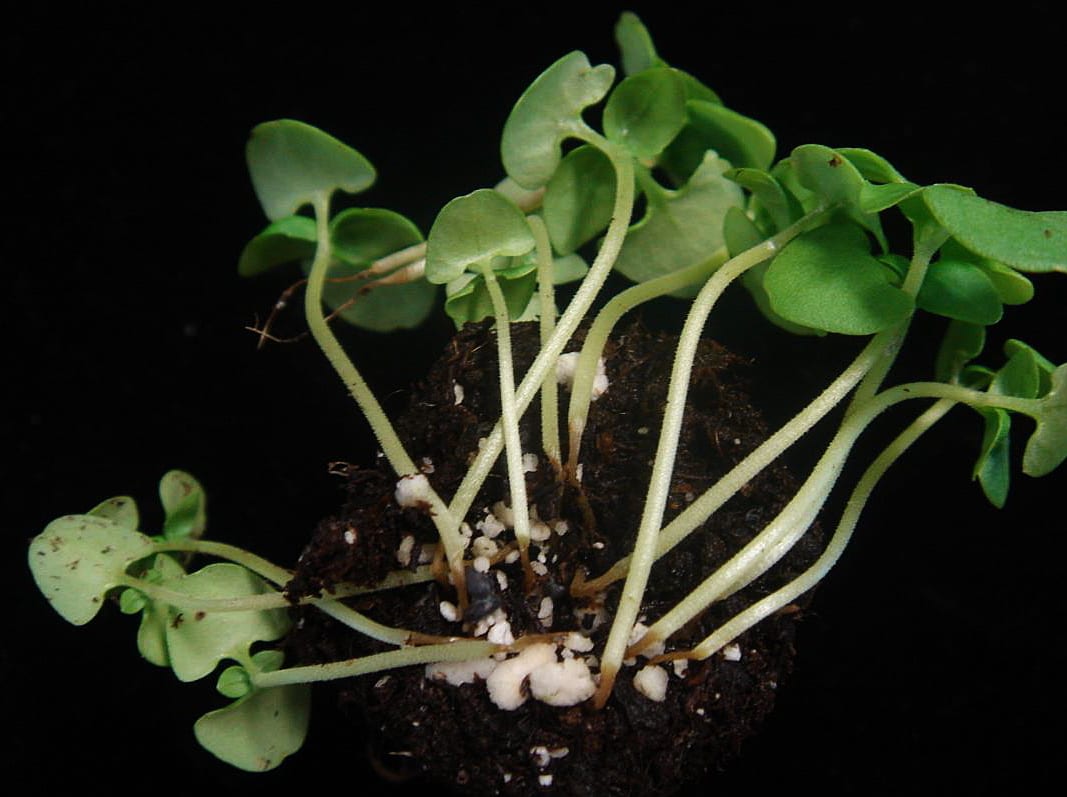
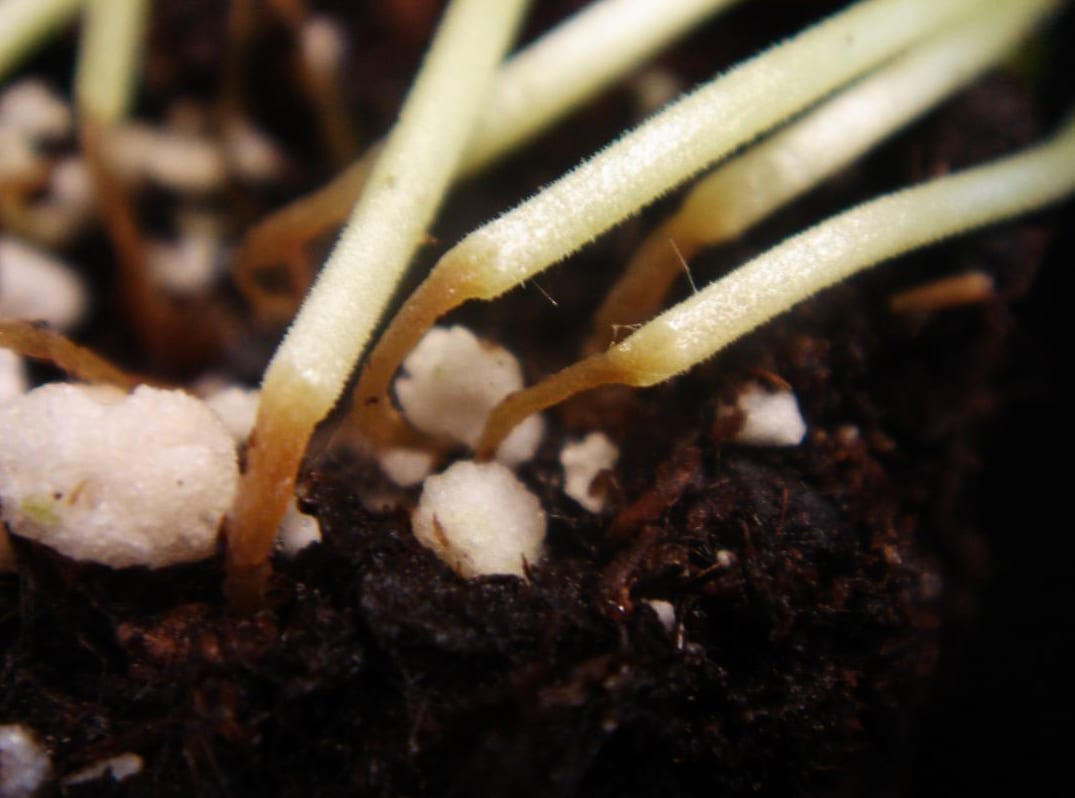
What does it look like?
Two forms, both frustrating in different ways. Before emergence, seeds simply fail to come up at all. After emergence, seedlings collapse, often submerged in a mass of whitish fungal growth right at the base.
The pre-emergence form is the cruel one — it's indistinguishable from bad seed, poor compost or plain impatience, so it gets misdiagnosed as everything except what it actually is.
What causes it
High humidity, poor air circulation, excessive seed density, overwatering, low light and temperature (especially in spring), and unsterile compost.
Why this matters in Scotland
Raising seedlings in modulesA tray divided into small individual cells, each sown with its own seed or seedling, so each plant grows undisturbed roots until it's ready to plant out. Full definition → indoors is standard advice for a cold Scottish spring, and it's also exactly the setup that gives damping off what it wants.
RHS names low light and low temperature in early spring, high humidity and poor air circulation as the conditions that favour it, and 'grown indoors or under glass during early spring' as when it typically strikes. Scotland's shorter, darker early-spring daylight than further south is precisely the season Scottish growers are pushed to start seeds under cover in the first place, since the soil outside is still too cold to sow into. Module-raising genuinely helps with slug damage, flea beetle and cold-soil germinationA seed sprouting: breaking dormancy and putting out its first root and shoot, given the right warmth and moisture. Full definition → failure, but it isn't a free win: the same setup that solves those problems creates the conditions damping off needs, so it's worth managing (ventilation, sowing thinly, clean pots and compost) rather than assumed safe by default.
Controls: what actually works
All the methods below are backed by real evidence, not just repeated folklore.
Chemical control
RHS: 'No fungicides are available to gardeners for the control of damping off.'
What actually works: No fungicide exists for this either, so it is won before symptoms show: sow thinly, keep ventilation good, avoid overwatering, and start seedlings in fresh compost and clean pots.
Sow thinly; maintain good ventilation to reduce humidity; avoid overwatering
Sow thinly to prevent crowding, keep ventilation good to reduce humidity, and avoid overwatering.
Good airflow keeps humidity down at seedling level, directly countering the still, damp conditions the fungus needs to take hold.
Use fresh commercial compost; sterilise or replace pots and trays between uses; use mains water rather than uncovered rainwater
Use commercial growing compost, which is typically pathogen-free; sterilise or replace pots and trays between uses; and use mains water rather than uncovered rainwater.
This cuts against the usual water-butt habit: collected rainwater is normally the environmentally sound choice, but left uncovered it can carry the pathogens that cause damping off, so mains water is the safer option specifically for watering seedlings.
Frequently asked questions
What should I do first if I find damping off in my garden?
Start with sow thinly; maintain good ventilation to reduce humidity; avoid overwatering. After that, use fresh commercial compost; sterilise or replace pots and trays between uses; use mains water rather than uncovered rainwater. Work through the rest in order of how well-evidenced they are if the first two aren’t enough on their own.
Is there a spray that works?
No. There are no amateur chemical treatments available for damping off. The controls that work are cultural: the measures listed above.
How much of this advice is actually proven?
Every control listed above is evidence-based, not just repeated folklore. None of it is a guess.
Sources
1 source, recorded with what each was used for
- RHS1: four causal genera, pre- and post-emergence symptoms, favourable conditions including low light/temperature in spring and unsterile compost, no available fungicides, thin sowing, ventilation, watering, compost and pot hygiene, mains vs rainwater