
Tarragon Rust is a minor disease that affects tarragon in Scotland. Here is what it looks like, the conditions it needs, and the controls that actually work.
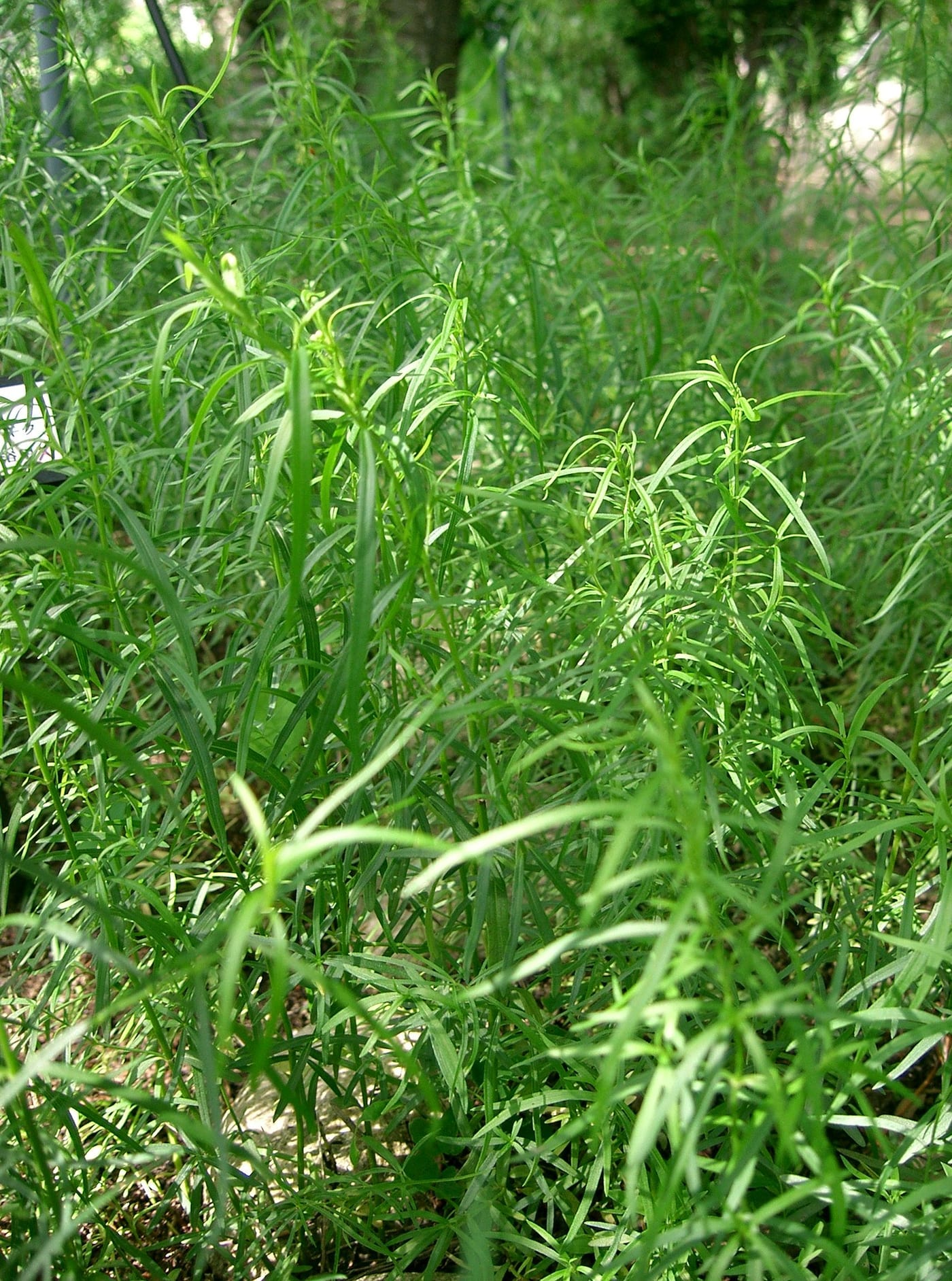
What does it look like?
Yellow or white spots appear on the upper leaf surface first, with bright orange or yellow pustules developing on the underside beneath them. Foliage yellows overall as infection progresses, and growth can slow and become stunted in a heavily affected plant.
What causes it
Poor air circulation around the plants is a specific trigger, with spores spread on the wind between plants. Prolonged leaf wetness favours rust infection more broadly, making rusts characteristically a wet-summer problem.
Symptoms
The visible damage stays on the foliage rather than affecting flavour directly, but a badly rusted plant loses vigour and can stop growing well for the rest of the season.
Life cycle
Species-specific life-cycle detail isn't documented in the sources available here. Rust fungi generally produce spore-filled pustules that spread infection through the season, with some rusts also carrying an overwinteringKeeping a plant alive and intact through the cold months, whether left outdoors, moved under cover, or stored dormant. Full definition → spore stage on plant debris.
Why this matters in Scotland
Poor air circulation and prolonged leaf wetness, the two named triggers, are both more likely in a sheltered Scottish herb bed or a damp summer than in a hot, airy, dry one. The badge above reflects how mild the damage typically is once it takes hold, not how often it occurs, and a sheltered damp bed makes it more likely to occur here even though any one case usually stays minor.
Controls: what actually works
All the methods below are backed by real evidence, not just repeated folklore.
Remove infected leaves and all crop debris promptly
Cuts down the amount of spore-producing material left on and around the plant to spread the infection further. Bin or burn the material rather than composting it, since an ordinary compost heap rarely gets hot enough to kill the spores.
Avoid overhead watering, and water in the morning so foliage dries during the day
Since prolonged leaf wetness favours rust infection generally, keeping water off the foliage, or letting it dry quickly when it does get wet, removes the conditions the fungus needs.
Space plants well to promote good air circulation
Poor air circulation is named directly as a trigger, so improving airflow around the plants works against the mechanism itself.
Avoid excess nitrogen feeding, and keep plants growing strongly
Strong, unforced growth is a general defence against rust, and excess nitrogen specifically pushes soft, more susceptible growth.
Frequently asked questions
What should I do first if I find tarragon rust in my garden?
Start with remove infected leaves and all crop debris promptly. After that, avoid overhead watering, and water in the morning so foliage dries during the day. Work through the rest in order of how well-evidenced they are if the first two aren’t enough on their own.
Is there a spray that works?
No. There are no amateur chemical treatments available for tarragon rust. The controls that work are cultural: the measures listed above.
How much of this advice is actually proven?
Every control listed above is evidence-based, not just repeated folklore. None of it is a guess.
Sources
3 sources, recorded with what each was used for
- RHS1: confirmation tarragon is susceptible to rust as its main disease problem, and that tarragon is otherwise rarely troubled by disease
- RHS1: general rust biology, the prolonged-leaf-wetness infection trigger, general non-chemical controls (leaf removal, strong growth, avoiding excess nitrogen), and the no-fungicide stance
- PlantVillage (Penn State University)24: the causal species (Puccinia dracunculina), tarragon-specific symptoms, the poor-air-circulation trigger, and the debris-removal/watering-timing/spacing controls