
Broad Bean Rust is a minor disease that affects broad beans in Scotland. Here is what it looks like, the conditions it needs, and the controls that actually work.
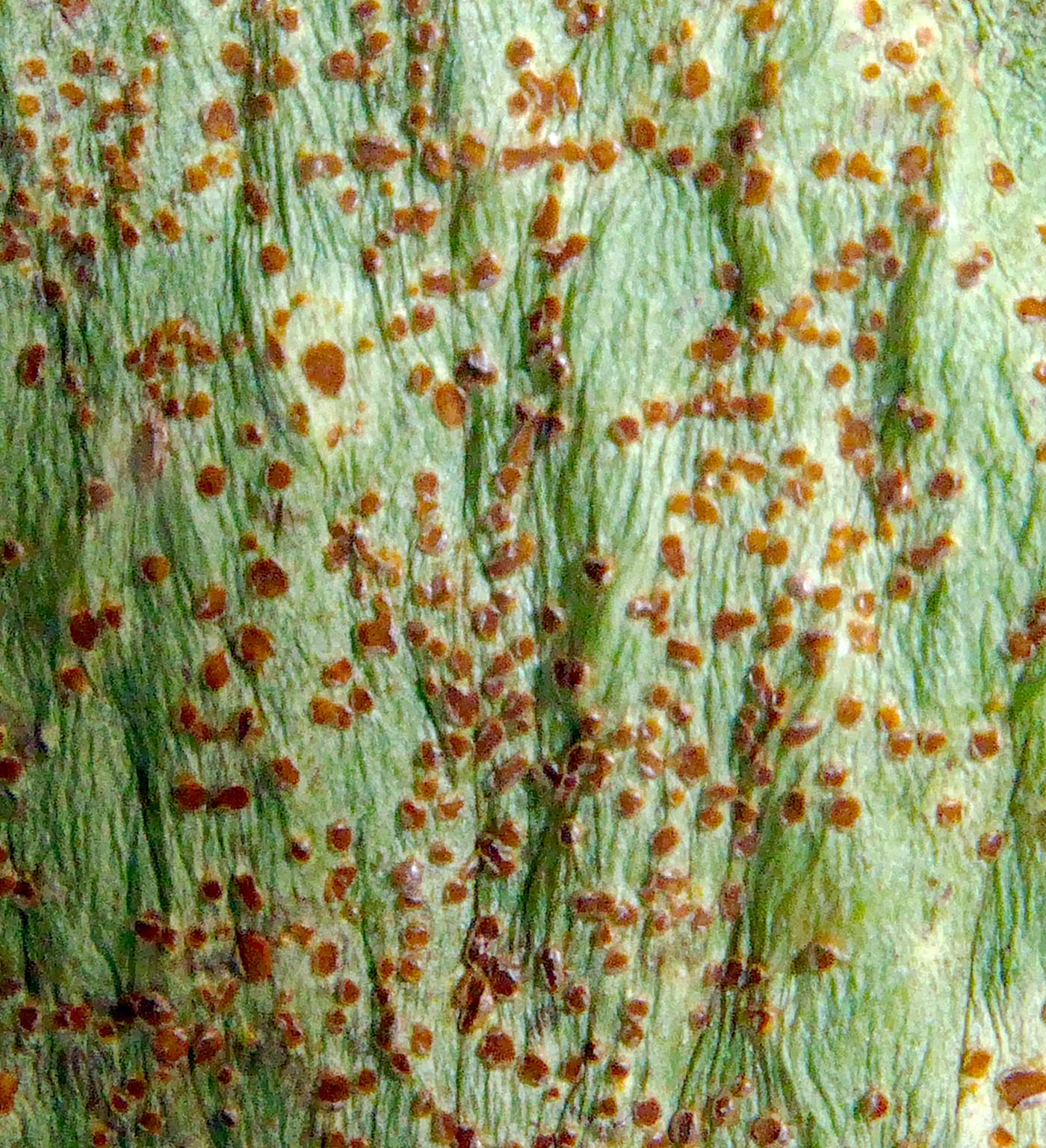
What does it look like?
Small, dusty, dark brown spots surrounded by a pale yellow halo appear on leaves and stems. The leaf tissue underneath stays alive, unlike chocolate spot's darker lesions, which kill the tissue they cover.
What causes it
Damp, humid conditions are what lets this fungus spread. Overcrowded plants make it worse by trapping that humidity between them rather than letting it clear.
Is this disease active now?
Watch from mid-summer onward, when significant infection typically develops. Earlier in the season, this fungus is present at most in small amounts, well before it builds into anything worth acting on.
Life cycle
The fungus completes its whole life cycle on a single broad bean plant rather than needing to move to a different host species. It overwinters as resting spores in crop debris and on contaminated seed, then produces airborne spores through the growing season once conditions turn damp and humid.
Why this matters in Scotland
Broad bean rust rarely turns up in Scotland at all.
It appears rarely in the disease-diagnosis samples used to track bean problems here, and even on the occasions it does, chocolate spot on the same plants causes more damage and deserves more of a grower's attention.
Controls: what actually works
All the methods below are backed by real evidence, not just repeated folklore.
Airflow: space plants properly and avoid overcrowding
Wider spacing keeps air moving through the row, working against the same humidity this fungus needs that overcrowded, still air would otherwise trap.
Sanitation: destroy infected material promptly
Clearing infected leaves and stems as soon as they're noticed, rather than waiting until the end of the season, cuts off spores before they've had a chance to spread further or settle in for winter.
Site selection: avoid damp, humid spots
A naturally damp, humid corner of the plot gives this fungus a head start before overcrowding or a wet spell adds to it.
Frequently asked questions
What should I do first if I find broad bean rust in my garden?
Start with airflow. After that, sanitation. Work through the rest in order of how well-evidenced they are if the first two aren’t enough on their own.
Is there a spray that works?
No. There are no amateur chemical treatments available for broad bean rust. The controls that work are cultural: the measures listed above.
When are broad bean rust most active in Scotland?
Check the seasonal activity section above. Scottish timings can run a few weeks behind the UK-generic figures.
Sources
2 sources, recorded with what each was used for
- RHS1: identification, symptoms, conditions that favour spread, life cycle and overwinteringKeeping a plant alive and intact through the cold months, whether left outdoors, moved under cover, or stored dormant. Full definition →, mid-summer timing, airflow spacing, destroying infected material, site selection, absence of an amateur fungicide, the comparison with chocolate spot's severity
- FAS Scotland14: confirming rust as uncommon in Scottish clinic samples; commercial azole sprays already targeting chocolate spot also managing rust