
Downy Mildew is a common disease that affects spinach, beetroot and chard in Scotland. Here is what it looks like, the conditions it needs, and the controls that actually work.
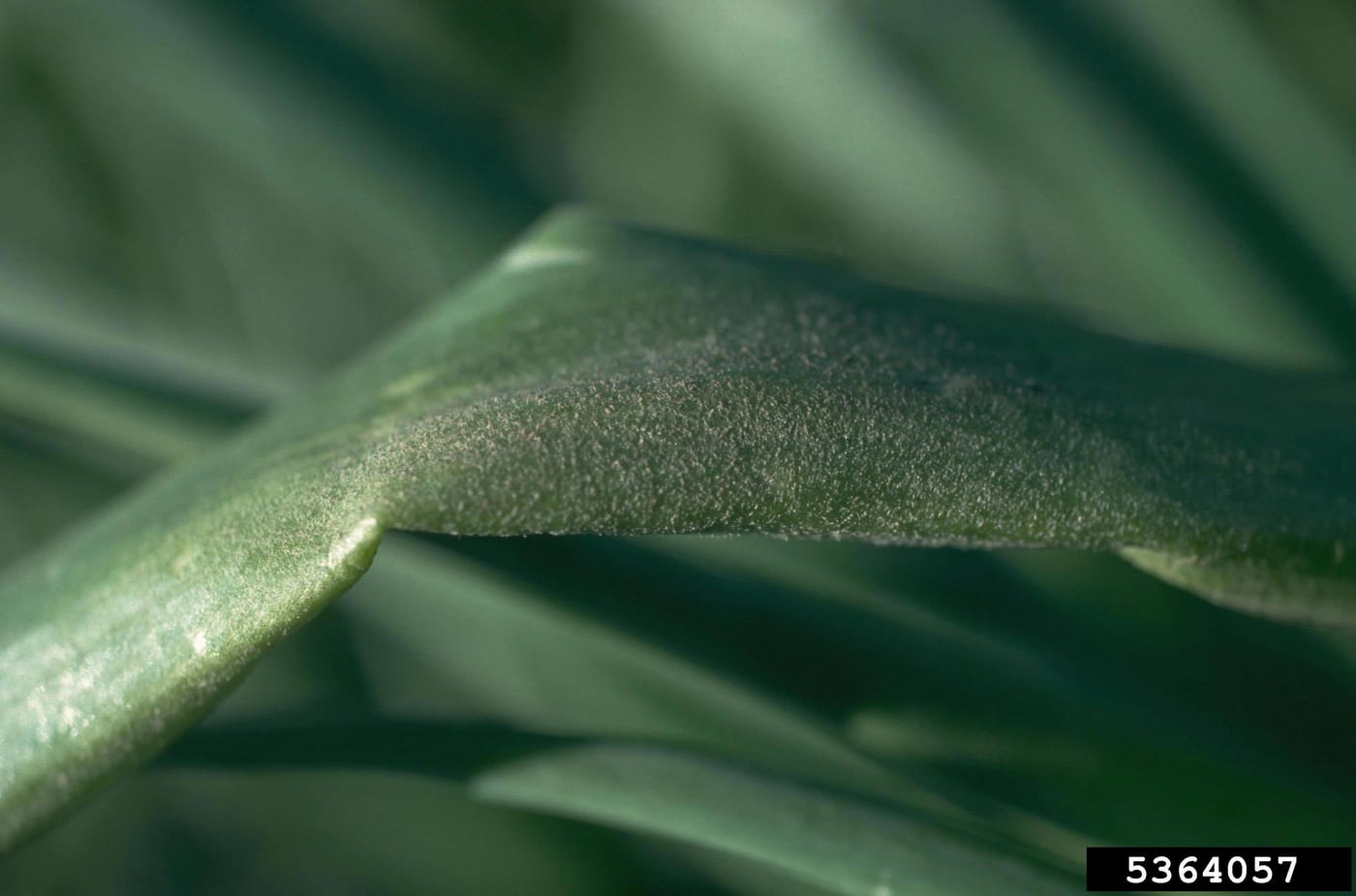
What does it look like?
Discoloured areas on the upper leaf surface, with white, grey or purple mould underneath. The exact appearance varies a little by host plant, but that basic pattern, discolouration above and mould below, is the thing to look for on spinach, beetroot or chard.
Despite the name, downy mildew and powdery mildew are unrelated organisms that want opposite conditions.
Despite a similar name and certain similarities in symptoms, downy mildews are unrelated to powdery mildews. Powdery mildew doesn't like direct contact with water, whereas downy mildew thrives in wet conditions and is favoured by prolonged leaf wetness.
Seeing 'mildew' and reaching for the wrong plant's advice makes things worse, not better: watering foliage to suppress powdery mildew would actively feed downy mildew instead.
Why this matters in Scotland
A damp Scottish climate supplies prolonged leaf wetness outdoors about as reliably as anywhere gets it.
Under cover the practical answer is the same regardless of which wet-weather disease is the actual risk: avoid prolonged leaf wetness and high humidity, open doors and vents for air movement, and don't water in the evening.
Controls: what actually works
All the methods below are backed by real evidence, not just repeated folklore.
Chemical control
Control depends on cultural techniques, as no effective fungicides are available to amateur gardeners.
What actually works: With no fungicide available, the fight is about keeping leaves dry: skip overhead and evening watering, ventilate under cover, and remove affected leaves as soon as they appear.
Avoid prolonged leaf wetness: no overhead watering, no evening watering, ventilate under cover
In glasshouses, avoid prolonged leaf wetness and periods of high humidity; avoid overhead watering where possible; open doors and vents to encourage air movement; and avoid watering in the evening.
Evening watering leaves foliage wet overnight, the longest possible wet period. The advice is really about how long the leaf stays wet, not about the water itself.
Pick off and dispose of affected leaves as soon as symptoms appear
Frequently asked questions
What should I do first if I find downy mildew in my garden?
Start with avoid prolonged leaf wetness. After that, pick off and dispose of affected leaves as soon as symptoms appear. Work through the rest in order of how well-evidenced they are if the first two aren’t enough on their own.
Is there a spray that works?
No. There are no amateur chemical treatments available for downy mildew. The controls that work are cultural: the measures listed above.
How much of this advice is actually proven?
Every control listed above is evidence-based, not just repeated folklore. None of it is a guess.