
Birds can't be bought. The way to get more in the garden is to create the right conditions, and here's how.
How to encourage it
Plant berrying shrubs for an autumn and winter food source, and hedges for shelter and nesting sites. Leave seedheads standing for as long as possible, since they provide both seeds and the insects that gather on them. Ivy is particularly good for nest sites, used by house sparrows, robins and wrens among others. Bird boxes add further nesting options, including dedicated designs for declining species such as swifts and sparrows. Provide clean water year-round for drinking and bathing, and clean feeders regularly to stop disease spreading between visiting birds.
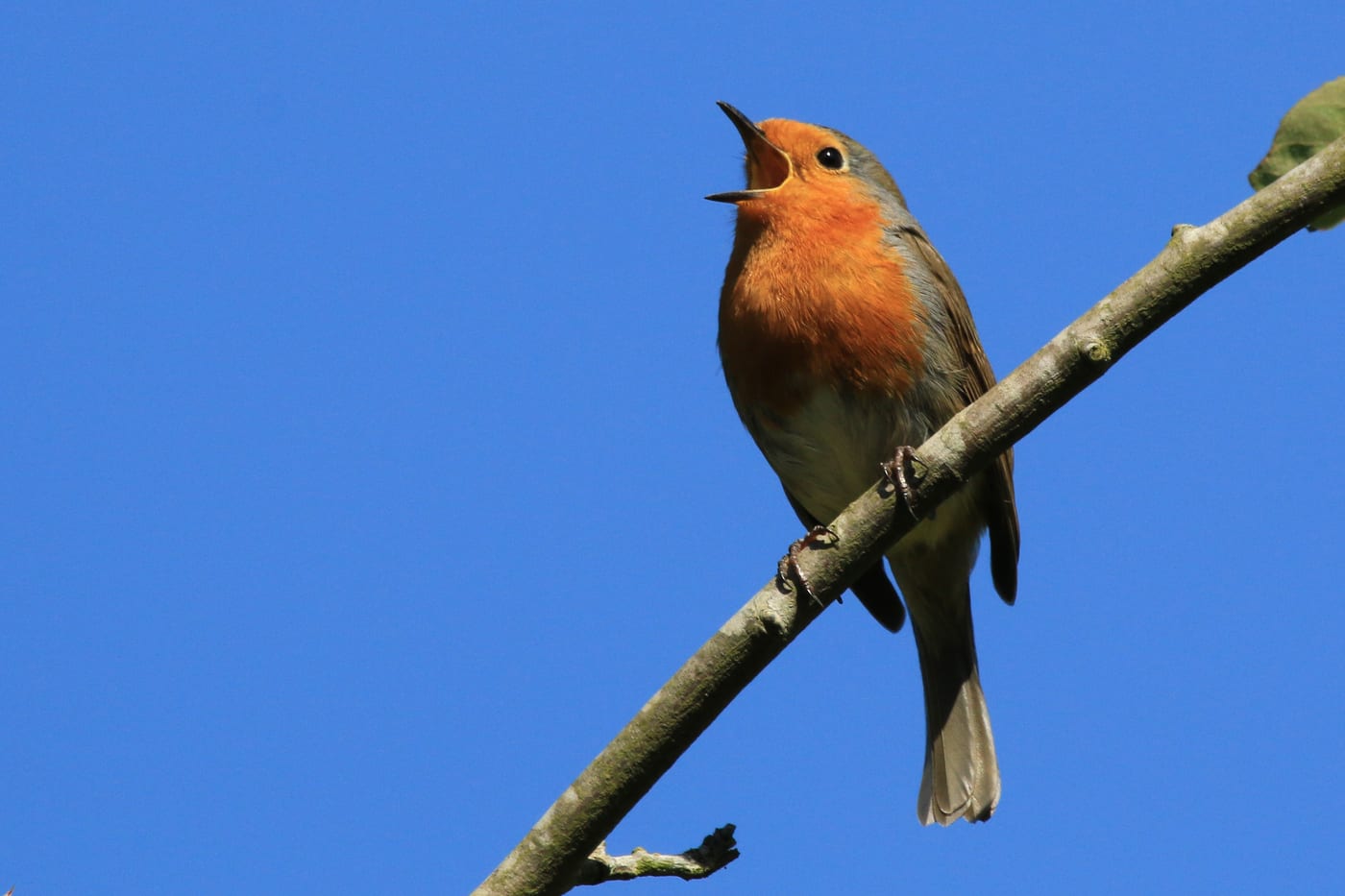
Different feeder foods draw different visitors. Nyjer seed is the one goldfinches and siskins go for; mealworms are especially popular with robins and blue tits, and can also draw other insect-eating birds such as pied wagtails; sunflower hearts suit finches like chaffinches and greenfinches; and suet-based food bars are a high-energy option that a wide range of species take, particularly useful in winter.
Avoid using pesticides in the garden: they remove the insects birds need to feed their young, not just the pest being targeted.
What it helps control
No single bird species targets any one of these pests specifically; garden birds are opportunistic feeders that take whatever's available, aphids, cabbage caterpillars and flea beetles among them. Almost half of UK bird species are currently in decline, and bird numbers overall are down by 73 million, almost a third, since 1970, so a garden that supports them is doing more than pest control.
Frequently asked questions
Can I buy birds?
Not usefully: birds released into a garden with nothing to hold them there simply leave. Creating the right habitat and food source is what actually keeps a population around; see "How to encourage it" above.
Could birds actually cause a problem in my garden?
Occasionally, depending on what you're growing: see the note near the bottom of this page.
How do I know if birds are actually helping?
Watch the pest population, not the predator count: fewer aphids, cabbage white caterpillars, flea beetle, plum moth, brown scale, beet leaf miner over a few weeks is the real sign, not how many birds you can spot on a given day.
Birds are also seed and fruit pests: they eat brassica seedlings and soft fruit, so whether they help or hurt depends on what's growing that week.
Sources
7 sources, recorded with what each was used for
- RHS: For Cabbage White Caterpillars: RHS names birds among the natural predators of cabbage caterpillars.
- RHS: For Flea Beetle: Encourage wildlife such as birds, frogs and predatory ground beetles.
- RHS: For Aphids: RHS's aphid guidance sits within its broader 'encourage natural enemies' position; birds are part of the garden food web it describes.
- RHS: RHS's gardening-for-birds page: berrying shrubs and hedges, leaving seedheads standing, ivy for nesting, feeder hygiene, year-round water, and avoiding pesticides.
- RHS: RHS's shrubs-and-climbers page: ivy as a nest site for house sparrows, robins and wrens, and bird box options for declining species such as swifts and sparrows.
- RHS: RHS's garden birds page: almost half of UK bird species are in decline, and bird numbers are down by 73 million, almost a third, since 1970.
- rspb.org.uk: RSPB's feeding advice page: goldfinches and siskins go for Nyjer seed, robins and blue tits favour mealworms (which also draw insect-eaters like pied wagtails), finches such as chaffinches and greenfinches take sunflower hearts, and suet-based food is a high-energy winter staple for a wide range of species.