
Frogs can't be bought. The way to get more in the garden is to create the right conditions, and here's how.
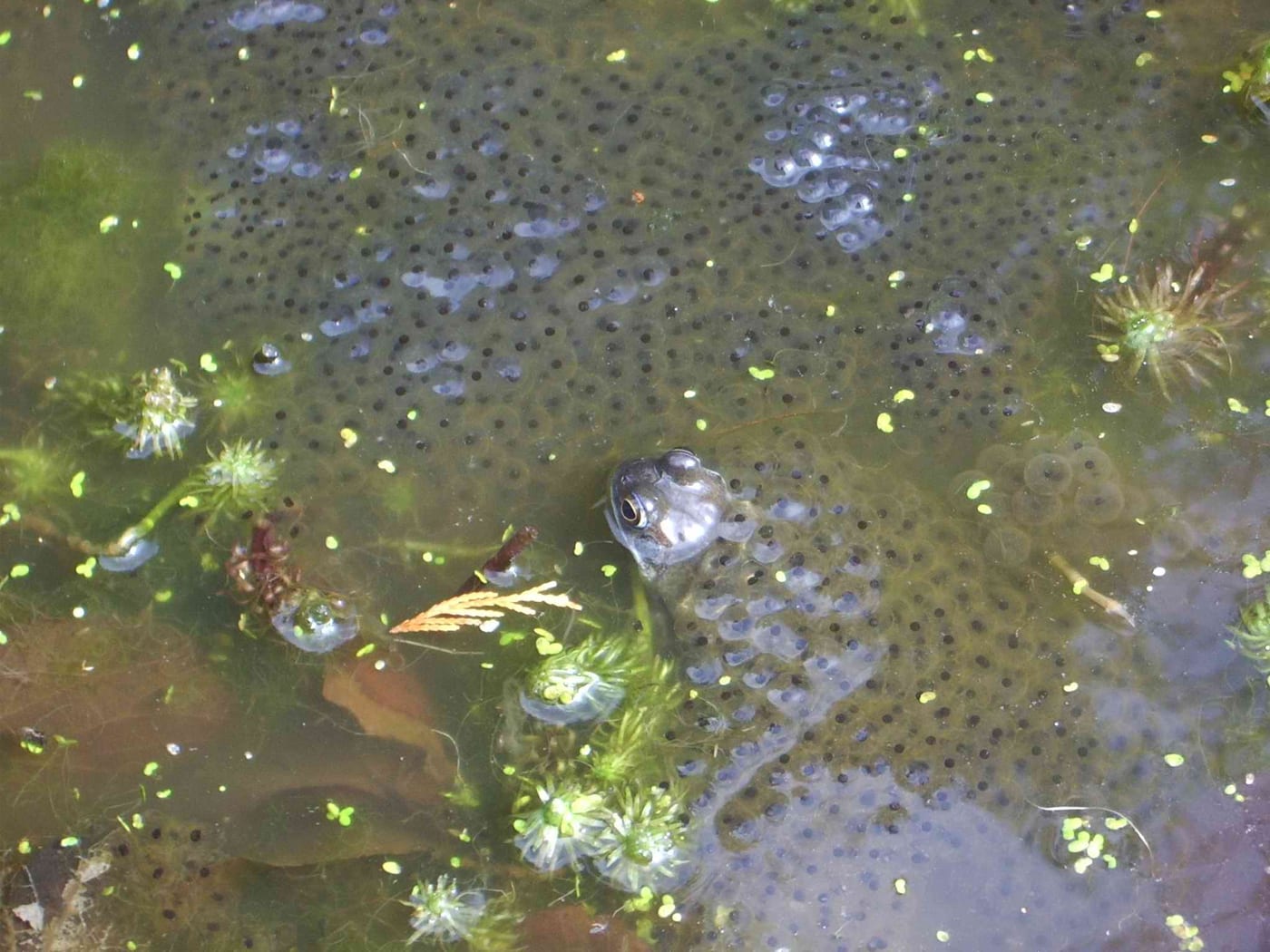
What does it look like?
Britain has two native frogs, two toads, and three newt species. The common frog and common toad are the ones most likely to turn up in a garden anywhere in Britain; smooth and palmate newts are also widely distributed. A garden pond may occasionally attract the great crested newt, a scarce, legally protected species.
How to encourage it
A pond is the standard way to bring frogs in: they need somewhere for tadpoles to develop, with at least one side sloping gradually up to dry land so young amphibians can get out (a ramp covered in chicken wire works in a steep-sided pond). Log piles, hedge bottoms, compost heaps and the space under stones or paving slabs all give adult frogs somewhere damp to shelter once they're out of the water. Letting grass grow long along one edge of the pond gives cover for young frogs leaving it. A bog garden, a permanently damp area separate from the pond itself, adds another kind of wet habitat frogs use.
Winter is a separate problem from summer shelter: frogs need somewhere to hibernate that won't freeze or flood, and a log pile or compost heap doesn't always do that job well. A purpose-built hibernaculum, or a simple toad abode tucked into a shady, undisturbed corner, gives them a dedicated overwintering spot rather than leaving them to find one in the open.
Slug pellets, even organic ones, have been shown to harm garden wildlife generally, frogs included by extension, given how much time they spend around the damp ground and vegetation slug pellets are scattered on.
What it helps control
Frequently asked questions
Can I buy frogs?
Not usefully: frogs released into a garden with nothing to hold them there simply leave. Creating the right habitat and food source is what actually keeps a population around; see "How to encourage it" above.
How do I know if frogs are actually helping?
Watch the pest population, not the predator count: fewer flea beetle over a few weeks is the real sign, not how many frogs you can spot on a given day.
Sources
4 sources, recorded with what each was used for
- RHS: For Flea Beetle: Encourage wildlife such as birds, frogs and predatory ground beetles, which eat the larvae and sometimes the adult beetles.
- RHS: RHS's garden amphibians page: which species are found in British gardens, pond design (sloping sides, a ramp for steep ponds, a resting point above water), and other habitat features (log piles, hedge bottoms, long grass) frogs use out of water.
- RHS: RHS's slugs and snails page: slug pellets, even organic ones, have negative effects on wildlife in the garden generally.
- froglife.org: Froglife's garden habitat advice: bog gardens as a wet habitat distinct from a pond, log piles and other hiding places for cover, and purpose-built hibernacula and toad abodes as dedicated overwintering shelters.