
Ordered by post and released, not attracted with planting. Here's when to use caterpillar nematodes, what it needs, and how to tell if it worked.
How to use it
Availability: Sold as dedicated caterpillar products (including a box tree caterpillar killer) or as part of a mixed-species Fruit and Vegetable Protection product covering several pests at once, cabbage caterpillars among them.
Conditions: Watered into moist soil or onto foliage depending on the product. Steinernema species, which cover this pest, stay active at soil temperatures down to 5C, the same threshold as the Steinernema species used for slugs and (in the right species) vine weevil.
What it helps control
Frequently asked questions
Where do I get caterpillar nematodes?
Ordered by post from a biological control supplier, not bought off a shelf. See "How to use it" above for timing and conditions.
How do I know if caterpillar nematodes are actually helping?
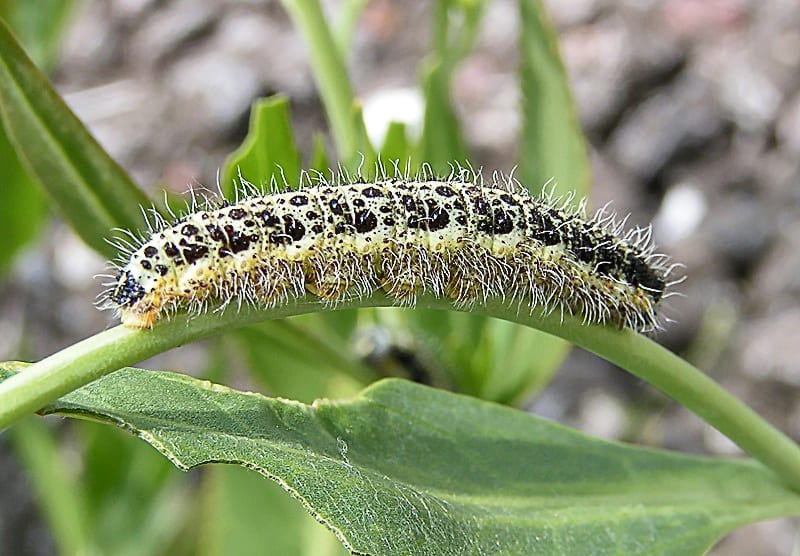
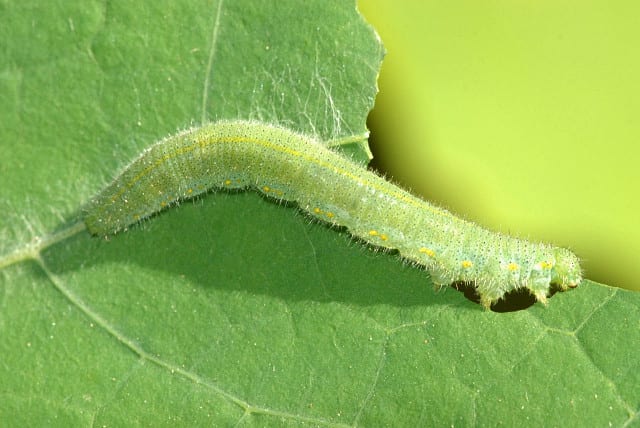
You won't see caterpillar nematodes themselves working: they're too small to spot. Watch the pest population instead: fewer cabbage white caterpillars, plum moth over the following weeks is the real sign it's working.
Sources
3 sources, recorded with what each was used for
- RHS: For Cabbage White Caterpillars: RHS lists pathogenic nematodes among its recommended controls for cabbage caterpillars.
- RHS: For Plum Moth: RHS names a mixed-species "Fruit and Vegetable Protection" nematode product as a possible control for plum moth — the same product corroborated on this entry’s own biological-control source page.
- RHS: RHS's dedicated biological control page: caterpillar nematode products contain Steinernema feltiae and S. carpocapsae; Steinernema species stay active at soil temperatures down to 5C. A separate mixed-species product, sold as Fruit and Vegetable Protection, covers caterpillars alongside cabbage root fly, onion fly, cutworms, leatherjackets, gooseberry sawfly, thrips and codling moth.