
Ordered by post and released, not attracted with planting. Here's when to use vine weevil nematodes, what it needs, and how to tell if it worked.
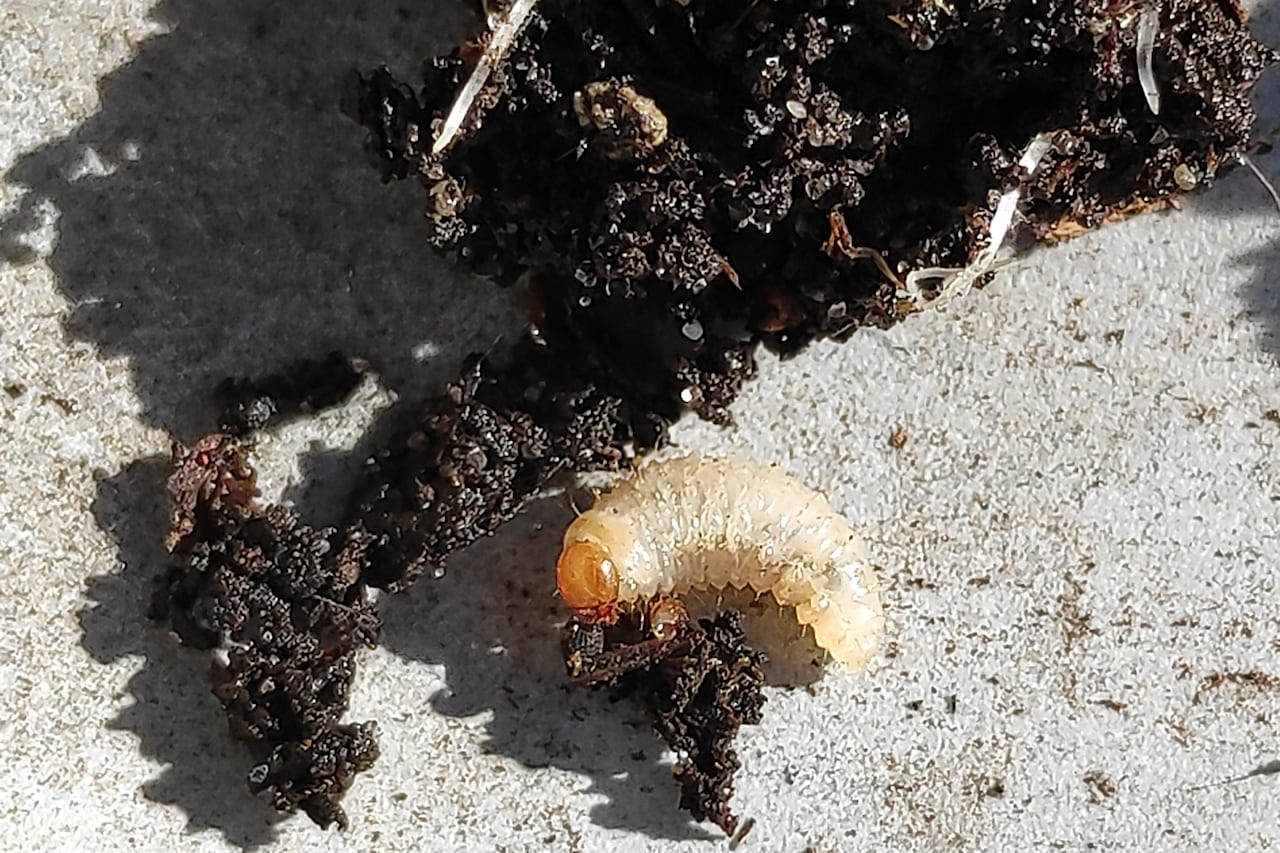
How to use it
Conditions: Watered into compost or soil, which needs to be moist and well-drained for best results. Treatment in August to early September targets the larvae while they're actively feeding on roots, before they've done a full season's damage. A separate trap using Steinernema carpocapsae, placed on the ground below plants the weevils have been damaging, catches and infects adults during the day, reducing the breeding population rather than just the larvae already in the soil.
What it helps control
Frequently asked questions
Where do I get vine weevil nematodes?
Ordered by post from a biological control supplier, not bought off a shelf. See "How to use it" above for timing and conditions.
How do I know if vine weevil nematodes are actually helping?
You won't see vine weevil nematodes themselves working: they're too small to spot. Watch the pest population instead: fewer vine weevil over the following weeks is the real sign it's working.
The species matters, and most Scottish growers will buy the wrong one.
Steinernema works at 5-20C; Heterorhabditis needs 12-20C. Scottish soil rarely holds 12C for long — the same threshold that pushes parsnip sowing later here and gates when peas go in the ground. A Heterorhabditis product applied to a Scottish container in autumn, exactly when the larvae are eating the roots, is being used below its working range. Steinernema kraussei is the species that functions here.
Nematodes are sold by species and the packaging does not say 'this will not work in Scotland in October'. The right product exists, the wrong one is just as easy to buy, and nobody tells you which is which.
Sources
2 sources, recorded with what each was used for
- RHS: For Vine Weevil: RHS names three species with different temperature ranges: Steinernema 5-20C, Heterorhabditis 12-20C.
- RHS: RHS's dedicated biological control page: application method and timing (August to early September for larvae), and a separate Steinernema carpocapsae trap method for catching and infecting adult weevils.